Self-guided audio tour in Luxembourg City
Start Free on iPhone
Start free on iPhone to unlock this self-guided walking tour in Luxembourg City. Hear all the stories that make it amazing, walk at your own pace, and begin whenever you want.
Your Private Tour Guide
Luxembourg City is often celebrated for its soaring fortifications and financial prowess, but its most enchanting secret lies hidden beneath the street level. This self-guided walk invites you to descend into the lush, emerald chasms of the Petrusse Valley, a natural rift that transforms the urban landscape into a dramatic sanctuary of flora and stone. While the 'Upper City' hums with modern life, the valley floor offers a serene escape where the history of the 'Gibraltar of the North' is etched into the very cliffs. This route is designed for those who appreciate the intersection of engineering and nature, leading you across monumental bridges and through winding parklands that once served as formidable military defenses. Throughout this neighborhood stroll, you will encounter the architectural grandeur of the Adolphe Bridge, a masterpiece of stone masonry that provides one of the most iconic vistas in Europe. As you transition from the heights of Constitution Square down into the valley, the atmosphere shifts from ceremonial to tranquil. You will explore hidden gems like the Quirinus Chapel, a spiritual site literally carved into the rock face, and wander through the meticulously landscaped Petrusse Valley Park. The journey concludes in the expansive Municipal Park, a sprawling green belt that replaced the city's dismantled fortress walls in the late 19th century. This walking route is categorized as challenging due to the significant elevation changes and the steep paths connecting the upper and lower districts. It is a photographer's dream, offering constant shifts in perspective—from looking down into the canopy of trees to gazing up at the massive stone viaducts that stitch the city together. By following this audio walk, you can explore at your own pace, pausing to listen to the rustle of leaves or the history of the ancient fortifications without the constraints of a rigid schedule. Prepare for a physical trek that rewards every step with a new, breathtaking angle of Luxembourg’s unique topography.
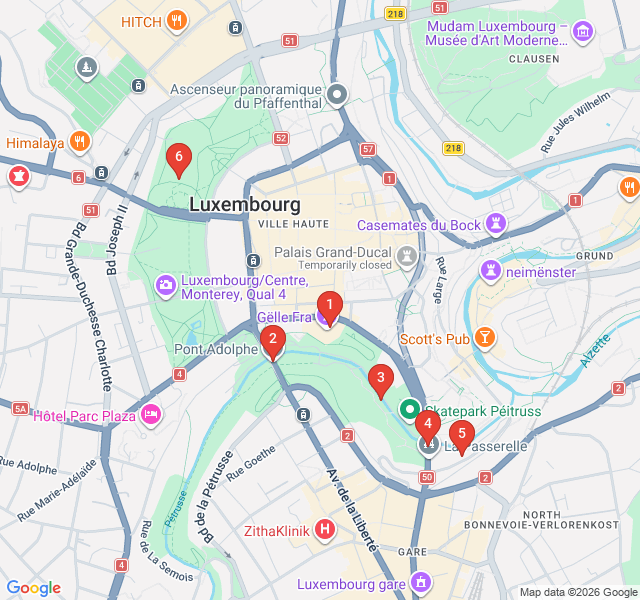
Numbers indicate the order of stops on the tour.
Begin your self-guided adventure at Place de la Constitution, dominated by the Gëlle Fra, or 'Golden Lady.' This monument, a gilded bronze statue of Nike, serves as a poignant memorial to the Luxembourgers who volunteered for service during the World Wars. While the monument itself is a national icon, the real draw here is the balcony-like view. From this vantage point, you can look directly down into the Petrusse Valley. Notice the contrast between the steep, rocky cliffs and the soft greenery below. This square sits atop the ancient Bastion Beck, part of the city's legendary defenses. Take a moment to appreciate the scale of the valley before you begin your descent.
Stretching across the valley like a stone rainbow, the Adolphe Bridge is a marvel of early 20th-century engineering. When it was completed in 1903, it featured the largest stone arch in the world. As you cross or view it from the side, notice the double-decked design. A unique feature added during recent renovations is the suspended cycling and pedestrian bridge hanging beneath the main road deck. This 'bridge under a bridge' offers a spectacular, sheltered perspective of the valley floor. The bridge was named after Grand Duke Adolphe and has since become an unofficial national symbol, representing the transition of Luxembourg from a fortress to a modern state.
As you descend into the Petrusse Valley Park, the city noise fades, replaced by the sound of the wind through the trees and the small Petrusse River. This area was once a vital part of the city's military architecture, with the steep slopes serving as natural barriers against invaders. Today, it is a meticulously maintained park. Following the paths here, you'll see the remnants of the old fortress walls peeking through the ivy. The valley is a favorite for local joggers and nature lovers, offering a microclimate that often feels several degrees cooler than the streets above. It is a perfect example of how Luxembourg has repurposed its military history into public green space.
The Viaduc, also known as the Passerelle or the 'Old Bridge,' was built between 1859 and 1861 to connect the city center with the new railway station. It consists of 24 arches and stands 45 meters above the valley floor. Walking along the paths near its base allows you to truly appreciate its height and the precision of the mid-19th-century stonework. This bridge predates the Adolphe Bridge and offers a more classic, slender silhouette against the sky. From below, the arches frame the surrounding greenery and the distant skyline of the city's modern financial district, creating a perfect juxtaposition of old and new Luxembourg.
Tucked away against the cliffside is the Saint Quirinus Chapel, one of the most atmospheric stops on this route. This pilgrimage site is unique because it is partially carved directly into the living rock. While the current Gothic facade dates back to the 14th century, the site itself has been used for spiritual purposes since at least the Roman era, likely due to a nearby spring believed to have healing properties. The simplicity of the stone and the quiet, shaded location make it feel like a hidden sanctuary. It’s a reminder of the deep layers of history that exist within the valley, stretching back far beyond the medieval fortifications.
Climb back toward the upper city to reach the Municipal Park. Designed by the famous French landscape architect Édouard André in the 1870s, this park was created following the Treaty of London, which mandated the demolition of Luxembourg's fortress. The park follows the line of the former military works, creating a 'green belt' around the city center. It is designed in the English landscape style, with winding paths, exotic trees, and open lawns. As you wander through, you might encounter the Villa Vauban, which houses the city's art museum. It is the perfect place to relax after your trek through the valley, marking the end of your nature-focused journey.
Start Free on iPhone
Explore “Green Valleys: The Petrusse Nature Escape” with your very own Private Tour Guide with Zigway. Start free on iPhone, skip the large group and the fixed routes, and hear the city come alive as you go.
Your Private Tour Guide
Don't miss the good stuff
Explore Freely
 Easy
EasyLuxembourg City, Luxembourg
Explore the vibrant transformation of Luxembourg's brewery district into a nightlife hub on this scenic self-guided audio walk through Clausen.
 Moderate
Luxembourg City, Luxembourg
Discover the legends of Melusina and the echoes of Victor Hugo on this independent literary and historical stroll through Luxembourg's Ville Haute.
 Moderate
Luxembourg City, Luxembourg
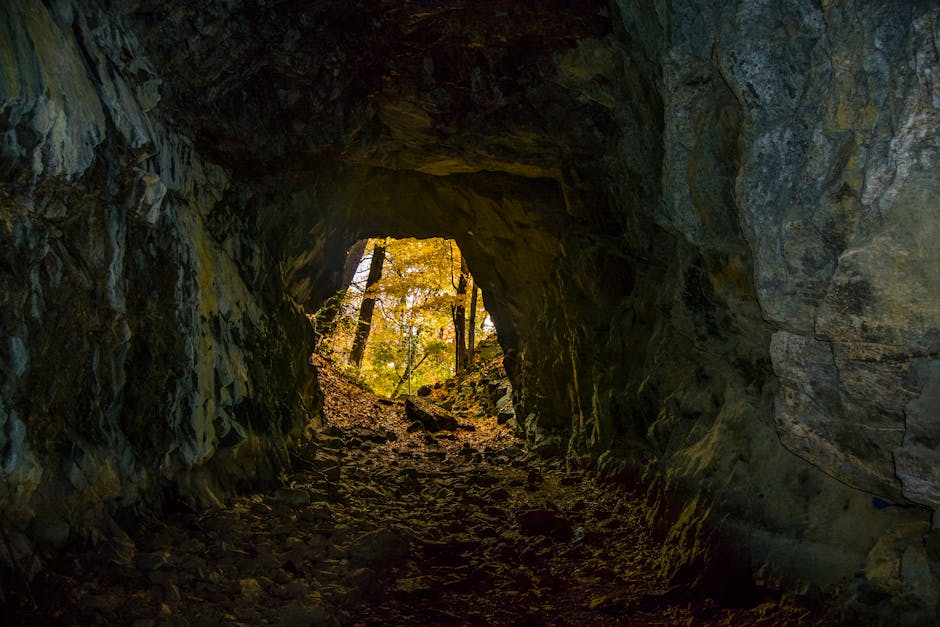
Uncover the military secrets of Luxembourg City on this self-guided audio walk through historic forts, hidden tunnels, and cliffside ramparts.
 Moderate
Luxembourg City, Luxembourg
Discover the mystical charm of the Grund. Explore medieval ruins, riverside myths, and the legend of Melusina on this self-guided audio walk.
 Moderate
Nairobi, Kenya
Discover Nairobi's lush side on this self-guided walk through botanical gardens, historic memorials, and vibrant local markets.
 Moderate
Krakow, Poland
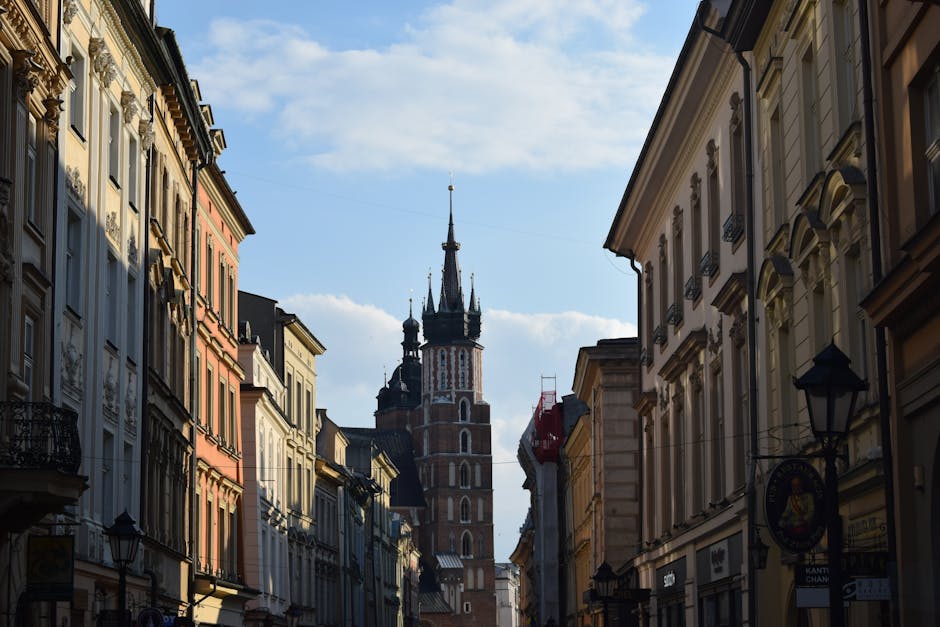
Discover Krakow’s stunning skyline and riverside charm on this self-guided audio walk through scenic viewpoints and historic mounds.
 Easy
EasyGdansk, Poland
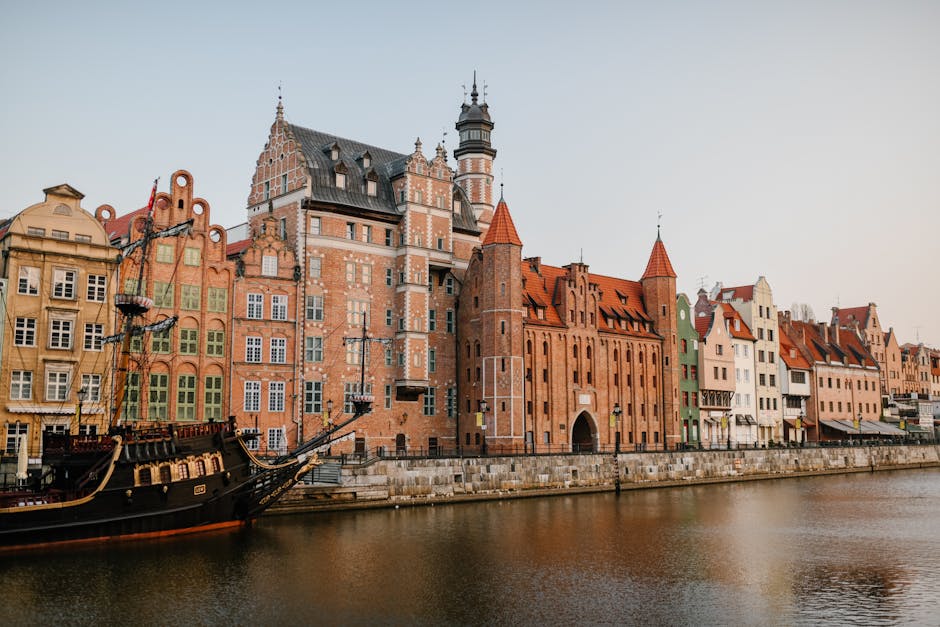
Discover the monastic heritage, world-famous organs, and lush botanical gardens of Oliwa on this peaceful self-guided neighborhood stroll.
 Moderate
Gdansk, Poland
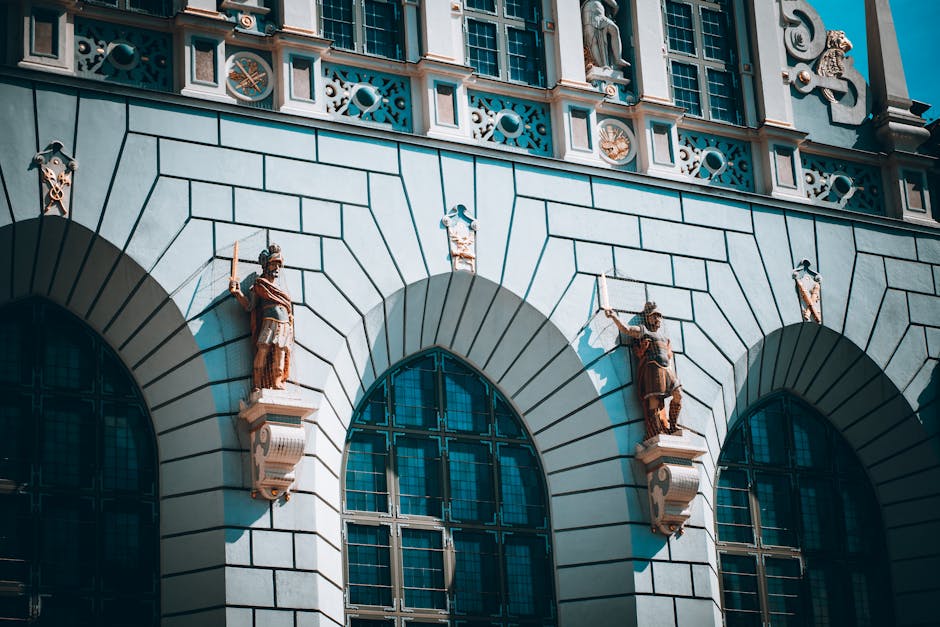
Discover the origins of WWII in Gdansk on this self-guided walk through heroic last stands, massive museums, and strategic hilltop fortifications.