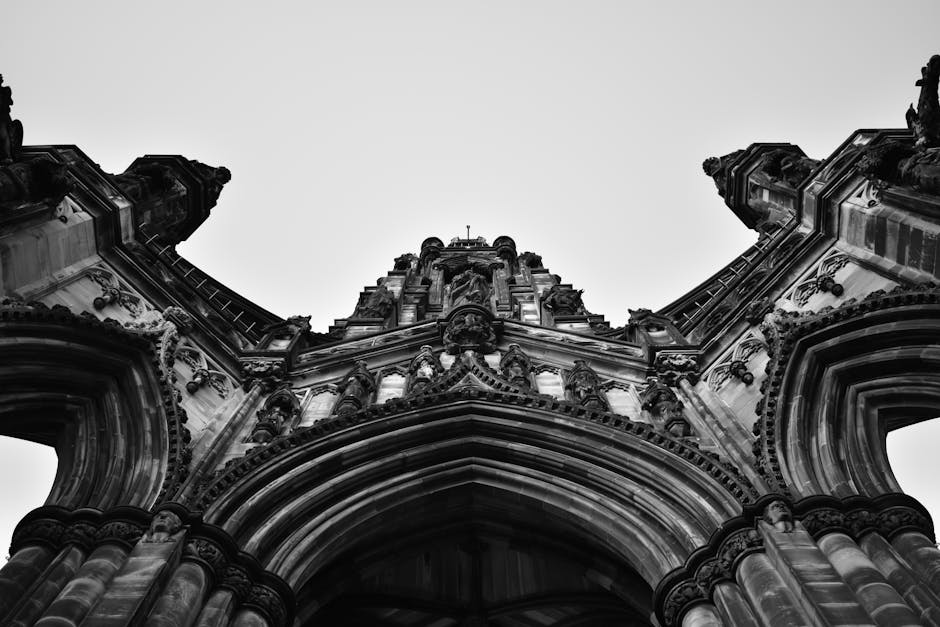
Self-guided audio tour in Edinburgh
Start Free on iPhone
Start free on iPhone to unlock this self-guided walking tour in Edinburgh. Hear all the stories that make it amazing, walk at your own pace, and begin whenever you want.
Your Private Tour Guide
Edinburgh is often celebrated for its gothic spires and literary legends, but beneath the surface of this historic city lies a legacy of scientific innovation that changed the world. This self-guided walk invites you to uncover the 'Athens of the North' through the lens of discovery, taking you from the bustling Southside to the elegant New Town. You will explore the sites where pioneers like James Watt, Charles Darwin, and James Clerk Maxwell revolutionized our understanding of biology, physics, and medicine. This walking route highlights how a single city could produce the steam engine, the theory of evolution, and the foundations of modern electromagnetism. As you wander through the University of Edinburgh's historic quarters, you will see how the Scottish Enlightenment fostered a culture of inquiry that still thrives today. The route begins at the National Museum of Scotland, a treasure trove of industrial and natural history, before leading you to the grand Old College where Darwin once studied. You will encounter the macabre yet fascinating history of surgery at Surgeons' Hall and witness the cutting-edge future of technology at the Informatics Forum. The walk concludes in the New Town, honoring the man whose work made the digital age possible. This is not just a stroll through history; it is a journey through the human mind's greatest achievements. Whether you are a science enthusiast or a curious traveler, this walking tour Edinburgh offers a unique perspective on the city's intellectual soul. Discover at your own pace how Edinburgh's scientific heritage continues to shape our lives, from the smartphones in our pockets to the medicine in our cabinets. Experience the city’s profound history of innovation on this independent neighborhood stroll.
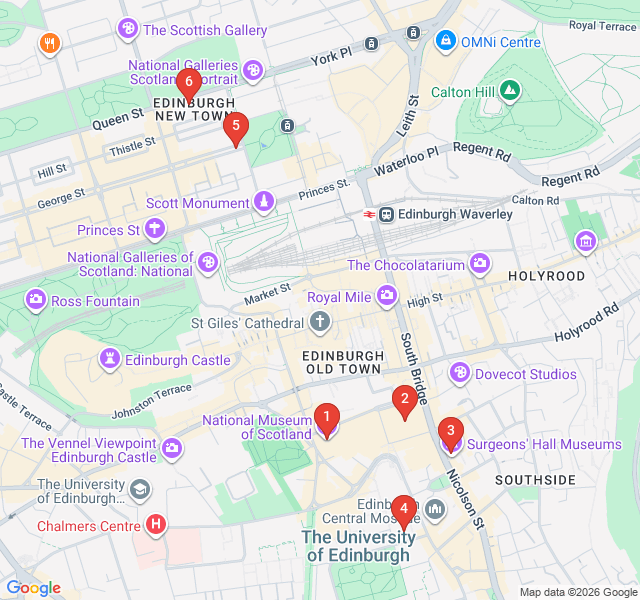
Numbers indicate the order of stops on the tour.
Begin your self-guided adventure at the National Museum of Scotland on Chambers Street. This stunning building houses the 'Enlighten' gallery, dedicated to the Scottish scientists who transformed the modern world. Look for the Boulton & Watt steam engine, a symbol of the Industrial Revolution. Perhaps the most famous resident here is Dolly the Sheep, the first mammal cloned from an adult cell, representing a massive leap in genetics. The museum’s Grand Gallery, with its soaring glass roof and cast-iron pillars, is a feat of Victorian engineering itself. This stop sets the stage for a journey through centuries of Scottish ingenuity, from the mechanical to the biological.
A short walk away stands the Old College, the historic heart of the University of Edinburgh. Designed by Robert Adam and later William Playfair, this building embodies the intellectual ambition of the 18th century. It was within these walls that a young Charles Darwin studied medicine, though he famously found the lectures dull and preferred exploring the natural world. The university was a melting pot for Enlightenment thinkers, where subjects like chemistry and geology were pioneered. As you stand in the quadrangle, imagine the debates that shaped our understanding of the Earth's age and the origins of life. The architecture here reflects the order and reason that defined the scientific era.
Continue to Surgeons' Hall, home to one of the oldest and most significant medical collections in the UK. This site tells the story of Edinburgh’s rise as a global center for medical excellence. It was here that Joseph Lister developed antiseptic surgery, drastically reducing infection rates and saving countless lives. The museum also touches on the darker side of medical history, including the infamous Burke and Hare murders, which were driven by the demand for anatomical subjects. The evolution of surgery from a brutal craft to a precise science is documented here through fascinating specimens and historical instruments, highlighting the city’s pivotal role in the history of medicine.
Shift your focus from the past to the future at the Informatics Forum. This modern, glass-fronted building is the hub of the University's world-leading computer science research. Edinburgh has been at the forefront of Artificial Intelligence since the 1960s, and this forum continues that legacy. The design of the building, with its open spaces and 'interaction stairs,' is intended to encourage the spontaneous exchange of ideas between researchers. It serves as a reminder that Edinburgh's scientific heritage is not just about old books and statues, but about active, cutting-edge discovery in fields like robotics, data science, and machine learning that will define the 21st century.
Cross over the Mound into the New Town to find the statue of James Clerk Maxwell. Albert Einstein famously said he stood on Maxwell's shoulders, yet many people are unfamiliar with this Edinburgh native. Maxwell’s equations for electromagnetism provided the theoretical foundation for radio, television, and even the WiFi you might be using today. The statue depicts him holding a color wheel, reflecting his work on color vision and the first durable color photograph. Standing here on George Street, you are honoring a man whose mathematical genius bridged the gap between Newtonian physics and the quantum revolution, making him one of the most influential scientists in history.
Conclude your walking route at the Royal College of Physicians of Edinburgh on Queen Street. Established by Royal Charter in 1681, this institution was vital in professionalizing medical practice. During the Enlightenment, its members were instrumental in creating the first pharmacopoeia, a standardized guide to medicines. The building’s classical facade and its magnificent library, which holds thousands of historic medical texts, represent the culmination of Edinburgh’s dedication to the healing arts. As you finish your walk, reflect on how the spirit of inquiry fostered in this city continues to influence global healthcare and scientific standards today.
Start Free on iPhone
Explore “Innovation and Discovery: Edinburgh's Scientific Heritage” with your very own Private Tour Guide with Zigway. Start free on iPhone, skip the large group and the fixed routes, and hear the city come alive as you go.
Your Private Tour Guide
Don't miss the good stuff
Explore Freely
 Easy
EasyEdinburgh, United Kingdom
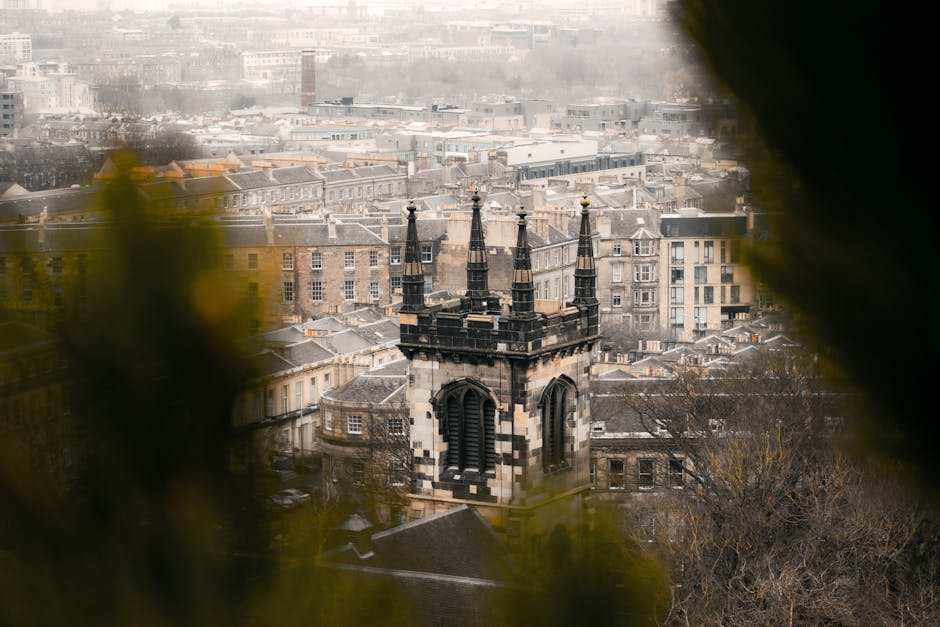
Explore Edinburgh's historic Royal Mile at your own pace, from the heights of the Castle to the royal Palace of Holyroodhouse.
 Easy
EasyEdinburgh, United Kingdom
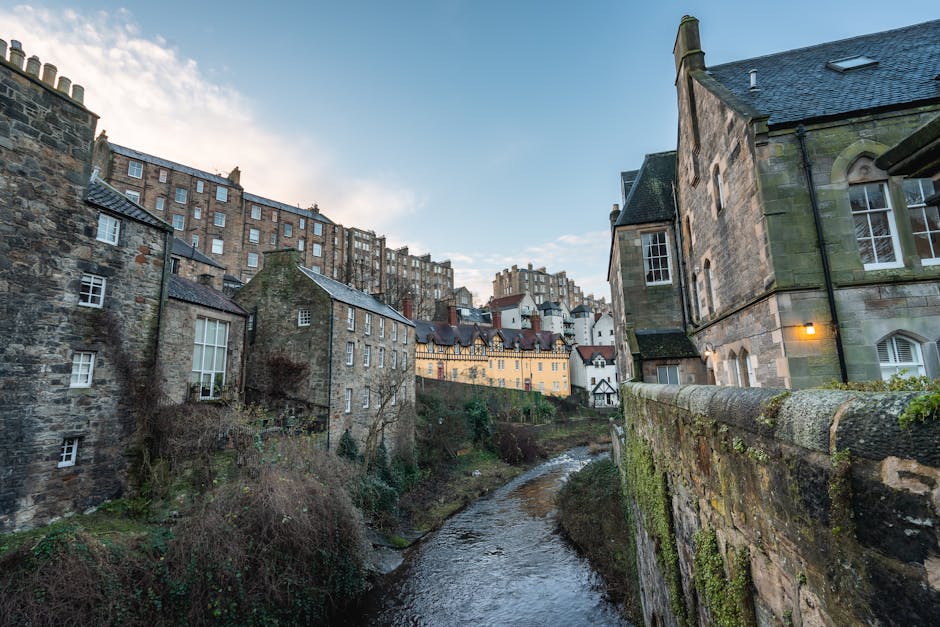
Capture the magic of Edinburgh on this self-guided stroll through the fairy-tale Dean Village, floral Circus Lane, and the scenic Water of Leith.
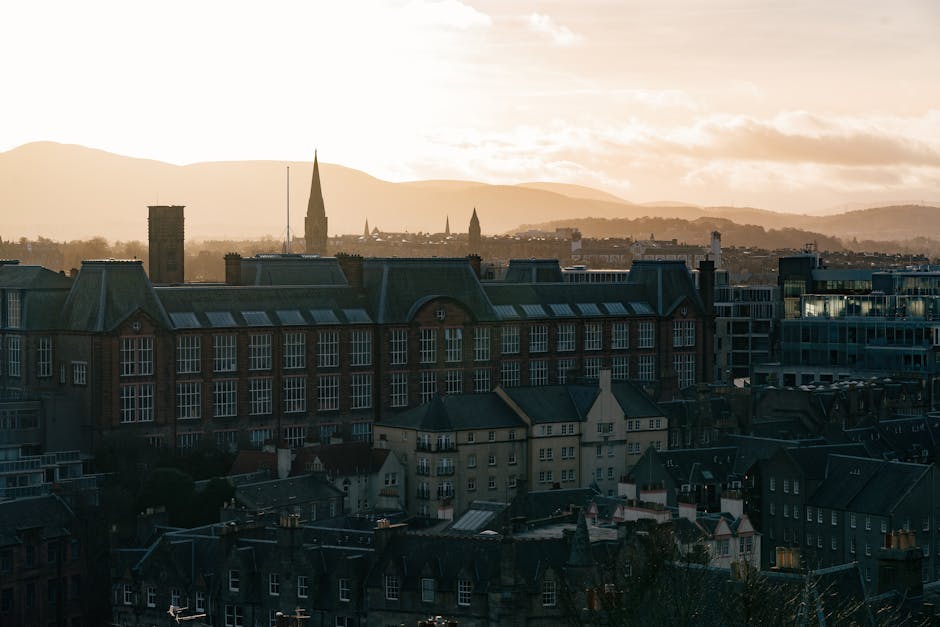 Easy
EasyEdinburgh, United Kingdom
Explore Edinburgh's creative soul on this self-guided walk from historic museums to the stylish galleries and boutiques of the West End.
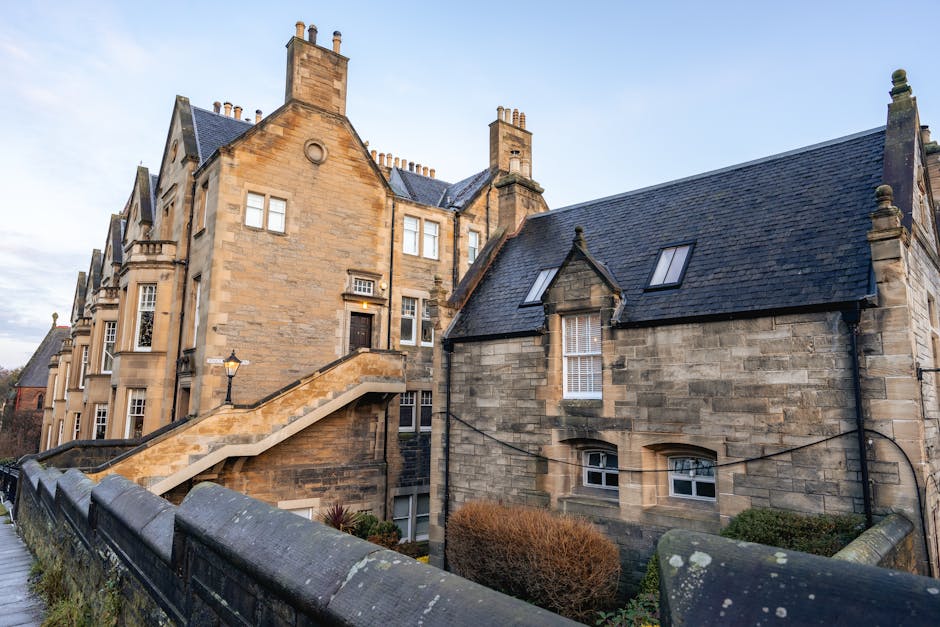 Challenging
Edinburgh, United Kingdom
Ascend an ancient volcano and discover royal history on this challenging self-guided walk through Edinburgh's iconic Holyrood Park.
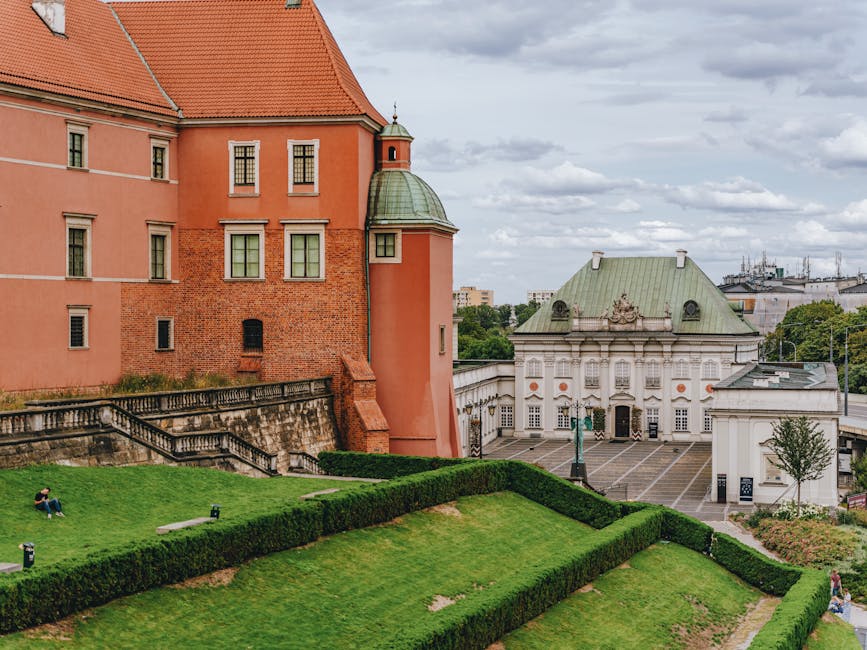 Moderate
Warsaw, Poland
Explore the resilient spirit of Warsaw's Muranów district on this self-guided walk through the history and landmarks of the former Jewish Ghetto.
 Easy
EasyGothenburg, Sweden
Explore Gothenburg's elegant academic district, featuring grand 19th-century stone architecture and the iconic cultural hub of Götaplatsen.
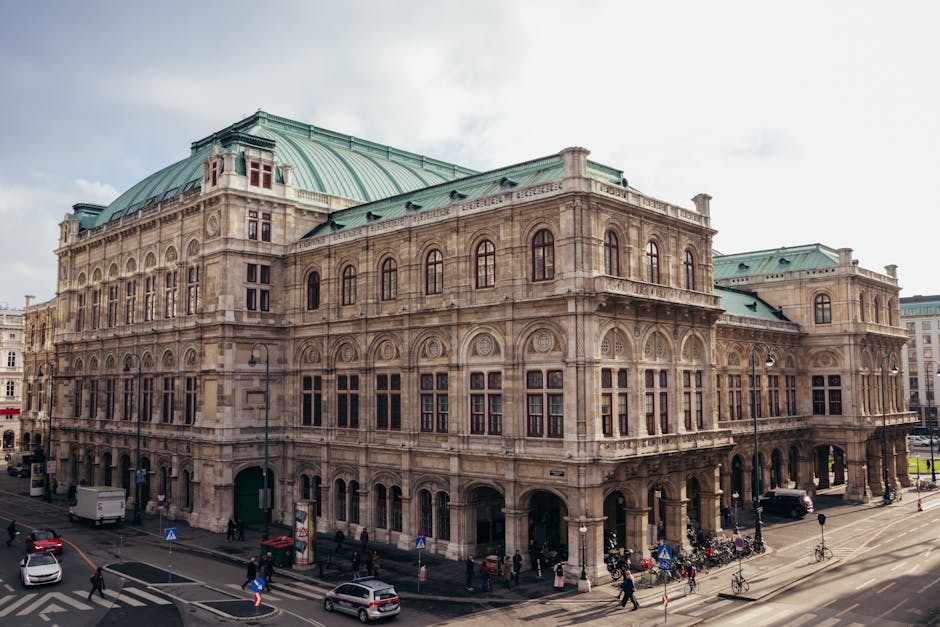 Moderate
Vienna, Austria
Follow the footsteps of Mozart and Strauss through Vienna’s historic center on this self-guided walk through the city's rich musical history.
 Moderate
Gdansk, Poland
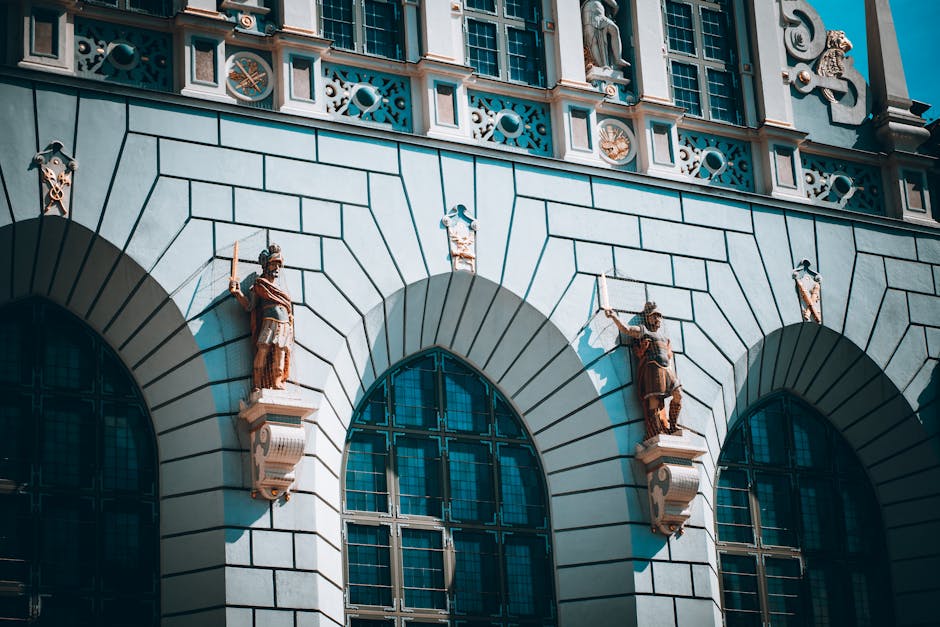
Discover the origins of WWII in Gdansk on this self-guided walk through heroic last stands, massive museums, and strategic hilltop fortifications.
 Moderate
Manchester, United Kingdom
Discover Manchester’s secret green spaces and hidden parks on this self-guided audio walk through the city’s most tranquil and photogenic spots.
 Easy
EasyManchester, United Kingdom
Explore Manchester’s creative soul on this self-guided stroll through the Northern Quarter’s iconic street art and quirky subculture.
 Easy
EasyManchester, United Kingdom
Discover the transformation of Ancoats from industrial 'Little Italy' to Manchester's trendiest culinary district on this self-guided audio walk.
 Moderate
Manchester, United Kingdom
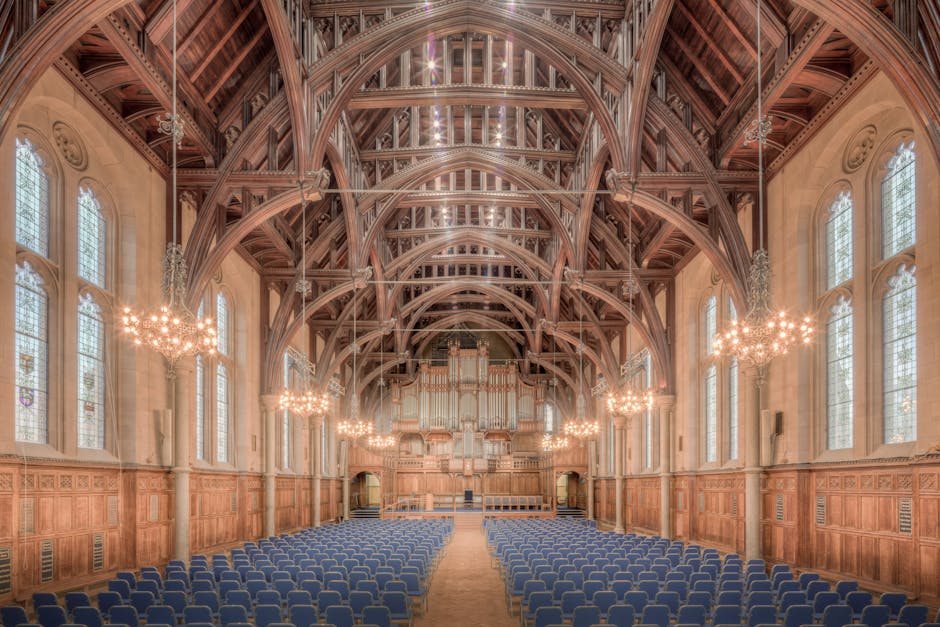
Trace the sonic legacy of Manchester from the birth of punk to the Oasis era on this self-guided walking route through music history.