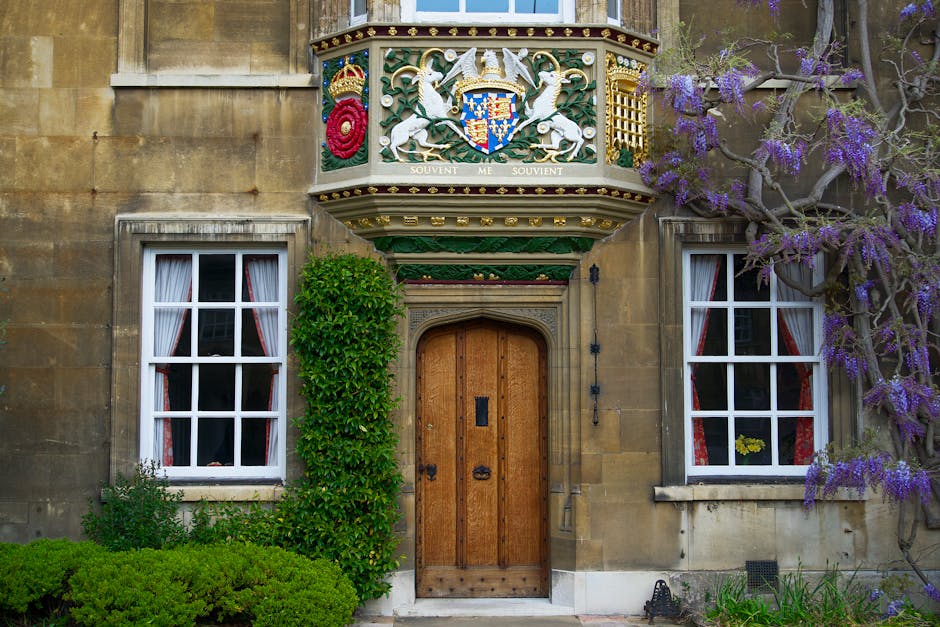
Self-guided audio tour in Cambridge
Start Free on iPhone
Start free on iPhone to unlock this self-guided walking tour in Cambridge. Hear all the stories that make it amazing, walk at your own pace, and begin whenever you want.
Your Private Tour Guide
Escape the bustling medieval center and discover the rhythmic pulse of the River Cam. This self-guided walk takes you along the 'Lower Reaches,' a stretch of water where the university’s academic prestige meets industrial heritage and elite athleticism. While most visitors congregate around the college backs, this neighborhood stroll explores the wider, wilder spaces of Chesterton and Riverside, where the true culture of Cambridge rowing comes to life. You will traverse expansive commons that have remained grazing land for centuries and witness the sleek shells of rowing crews slicing through the water. Beginning at the brutalist yet vantage-rich Elizabeth Way Bridge, this walking route offers a different perspective on the city's skyline. You will encounter the towering chimney of the Cambridge Museum of Technology, a testament to the city's Victorian engineering, before heading into the vast greenery of Stourbridge Common. Here, the stories of medieval fairs—once the largest in Europe—mingle with the sight of local cattle. As you loop back toward the city, the path leads through Midsummer Common and Jesus Green, areas beloved by locals for their festivals, houseboats, and the iconic outdoor Lido. The journey concludes at the legendary Boathouse Row. This is the spiritual home of Cambridge rowing, where the various colleges house their prize-winning boats. Whether you are a fan of maritime history, a nature enthusiast, or simply looking for a peaceful escape from the crowds, this audio walk provides the context and stories to appreciate the river’s vital role in Cambridge life. Discover the 'Bumps' races, the history of the river's locks, and the transition from a commercial waterway to a world-class sporting arena. This is a walking tour Cambridge locals often take to clear their heads and soak in the riverside atmosphere, and now you can explore it independently at your own pace.
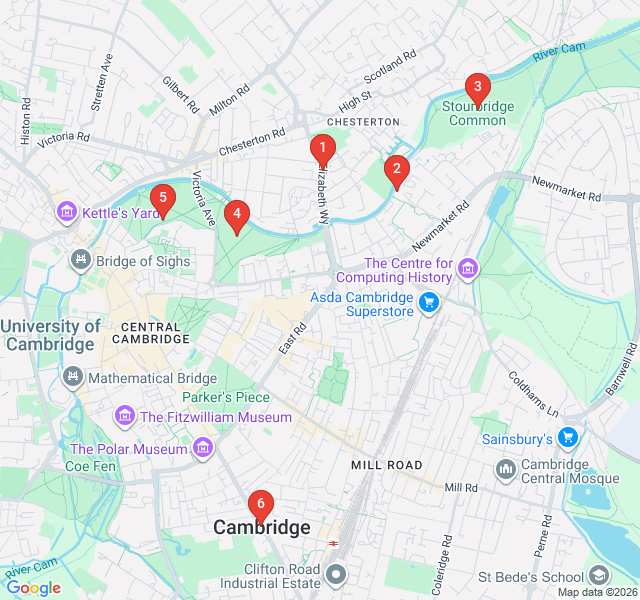
Numbers indicate the order of stops on the tour.
Start your self-guided adventure here on Elizabeth Way Bridge. Completed in 1971, this concrete structure might seem stark compared to the ornate stone bridges of the colleges, but it offers one of the best elevated views of the River Cam. Looking downstream, you can see the river stretch toward the Fenlands, while upstream, the city begins to reveal itself. This bridge was a vital addition to Cambridge’s infrastructure, designed to relieve traffic in the historic center. From this height, notice the various crafts on the water: from the narrow rowing shells to the heavy, colorful houseboats that line the banks. This spot perfectly captures the transition between the urban city and the rural reaches of the river.
Standing before the towering brick chimney, you are looking at the former Cheddars Lane Pumping Station. Now the Cambridge Museum of Technology, this site represents the city’s forgotten industrial heart. In the late 19th century, this station was crucial for sewage disposal and waste destruction, using steam power to keep the growing city sanitary. The river wasn't always just for sport; it was a working artery for coal, timber, and waste. While Cambridge is world-famous for its 'Gowns'—the academics—this museum honors the 'Town'—the engineers and laborers who built the modern city. The Victorian engines housed inside are masterpieces of cast iron and brass, still maintained by dedicated volunteers today.
Step onto the wide expanse of Stourbridge Common. Today, it is a peaceful grazing marsh for local cattle, but in the Middle Ages, this was the site of the Stourbridge Fair. For centuries, this was one of the most important trading events in Europe, attracting merchants from across the continent. It is even said that Isaac Newton purchased his first prisms here, which led to his groundbreaking work on light and optics. As you walk the path, imagine the noise and chaos of thousands of stalls selling everything from hops to fine silks. Today, the only sounds you are likely to hear are the wind in the willows and the rhythmic 'clack' of rowing oars against their gates.
Midsummer Common is the largest open space in central Cambridge. Like Stourbridge, it has ancient grazing rights, which is why you might still see cows wandering near the footpaths. This common has been the site of the Midsummer Fair for over 800 years, a tradition granted by King John. If you look toward the riverbank, you will see the Fort St George in England, a pub dating back to the 16th century. It stands on what was once an island in the river. This common is the community's backyard, hosting bonfires, circuses, and the finish line for many river races. It’s a place where the city’s history of public protest and celebration remains very much alive.
Jesus Green offers a more manicured contrast to the wilder commons. Separated from Midsummer Common by Victoria Avenue, this park is famous for its avenue of London Plane trees. To your right, you will find the Jesus Green Lido, one of the few remaining 1920s outdoor swimming pools in the country. It is nearly 100 yards long, designed to mimic the feel of swimming in the river itself. Near the lock, you can watch the water levels being managed to allow boats to pass between the upper and lower Cam. This is a popular spot for narrowboat owners to moor, creating a vibrant, floating community that adds a splash of color to the riverside.
You have reached the epicenter of Cambridge rowing. Boathouse Row is lined with the distinctively styled houses of the University colleges. Look for the crests on the buildings—each one represents a different college. This is where the elite crews prepare for the 'Bumps,' a unique and chaotic form of racing where boats try to physically ram the one in front because the river is too narrow for side-by-side racing. Rowing here is a year-round obsession; even in the depths of winter, you will see coaches cycling along the towpath, shouting instructions through megaphones. This stretch of the river represents the pinnacle of student dedication and the enduring tradition of the River Cam.
Start Free on iPhone
Explore “Rowers and Reaches: The Lower River Cam Walk” with your very own Private Tour Guide with Zigway. Start free on iPhone, skip the large group and the fixed routes, and hear the city come alive as you go.
Your Private Tour Guide
Don't miss the good stuff
Explore Freely
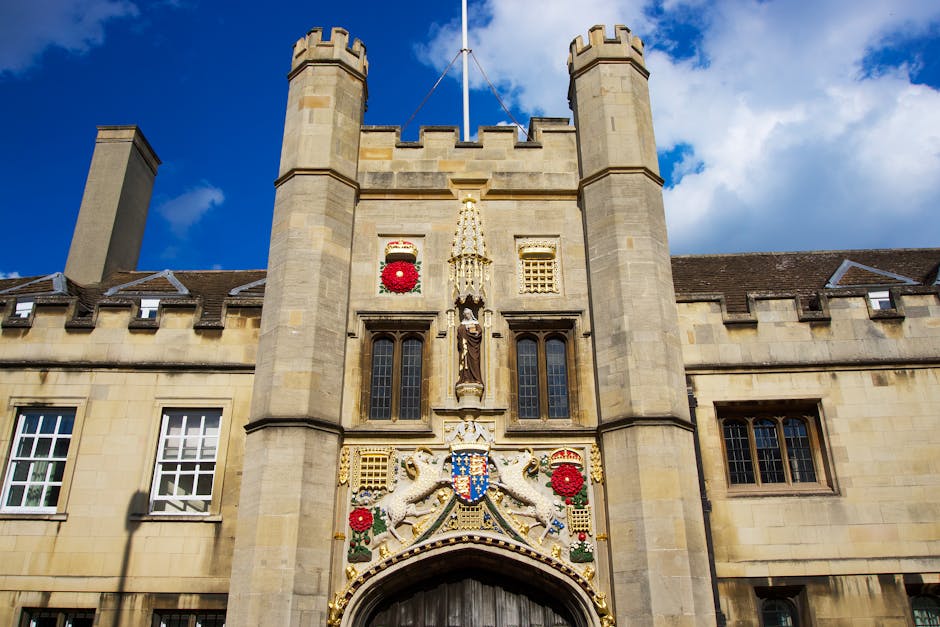 Moderate
Cambridge, United Kingdom
Discover Cambridge's verdant soul on this self-guided walk through the Botanic Garden and secret riverside fens. Perfect for nature lovers.
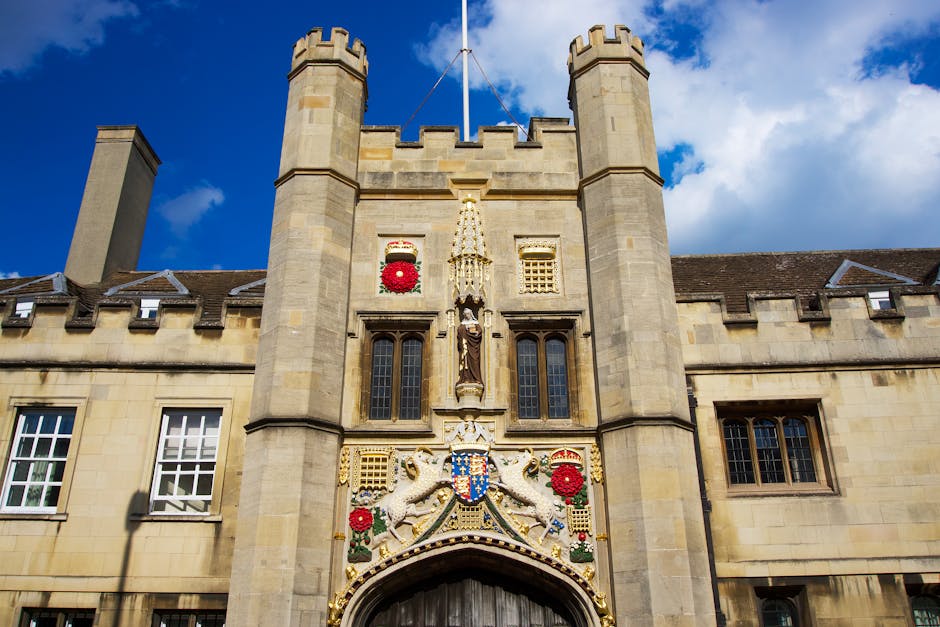 Easy
EasyCambridge, United Kingdom
Discover the Saxon and Norman roots of Cambridge on this self-guided walk through the city's oldest churches and medieval landmarks.
 Easy
EasyCambridge, United Kingdom
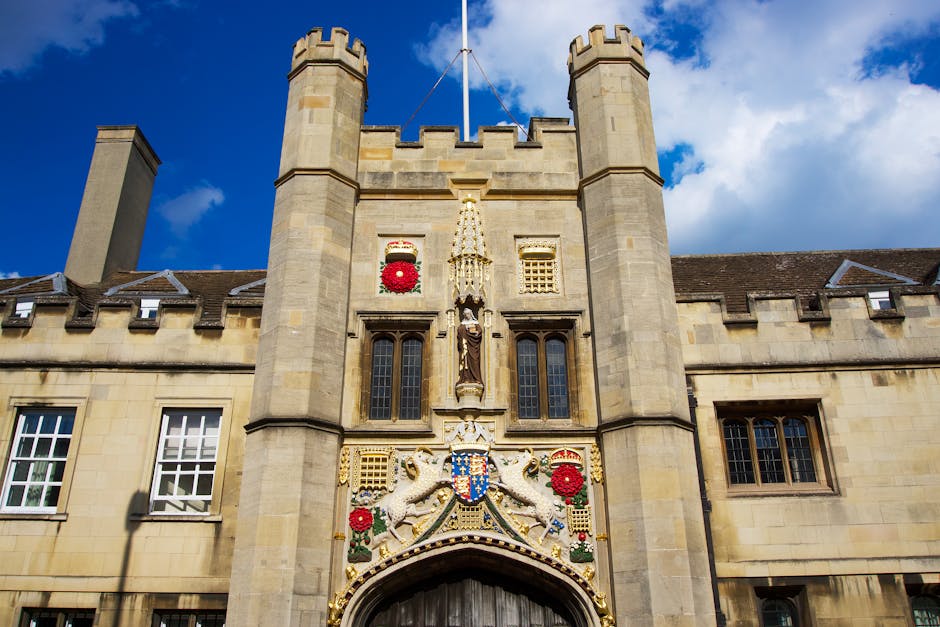
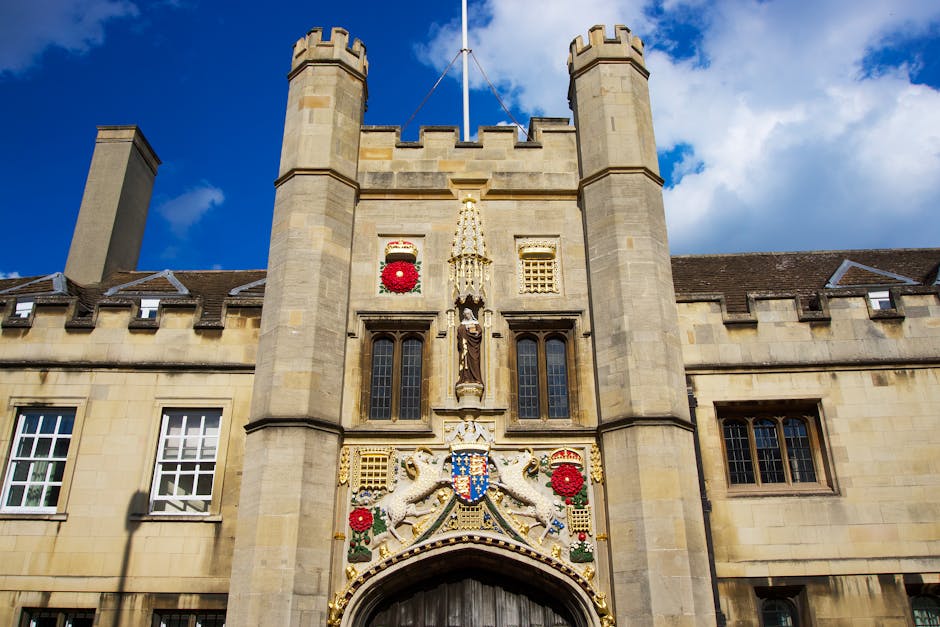
Discover the architectural wonders and scholarly secrets of Cambridge’s most prestigious colleges on this independent, historic neighborhood stroll.
 Moderate
Cambridge, United Kingdom
Discover the ancient roots of Cambridge and the stunning art of Kettle's Yard on this self-guided stroll through the historic Castle Hill district.
 Easy
EasyGothenburg, Sweden
Explore Gothenburg's maritime soul on this self-guided walk from historic shipyards to sleek modern piers and iconic industrial landmarks.
 Easy
EasyHelsinki, Finland
Discover Helsinki's oldest neighborhood on this self-guided audio walk through Kruununhaka’s historic streets, hidden courtyards, and scenic shores.
 Moderate
Nairobi, Kenya
Discover Nairobi's lush side on this self-guided walk through botanical gardens, historic memorials, and vibrant local markets.
 Moderate
Vienna, Austria
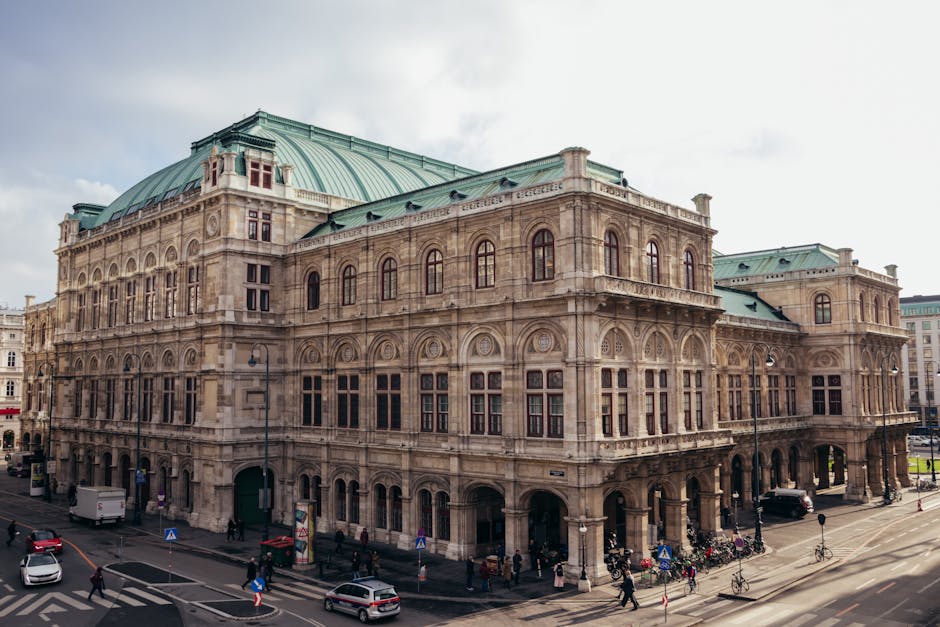
Discover the noir world of The Third Man and Cold War Vienna on this atmospheric self-guided audio walk through the historic Innere Stadt.
 Easy
EasyEdinburgh, United Kingdom
Explore Edinburgh's historic Royal Mile at your own pace, from the heights of the Castle to the royal Palace of Holyroodhouse.
 Easy
EasyEdinburgh, United Kingdom
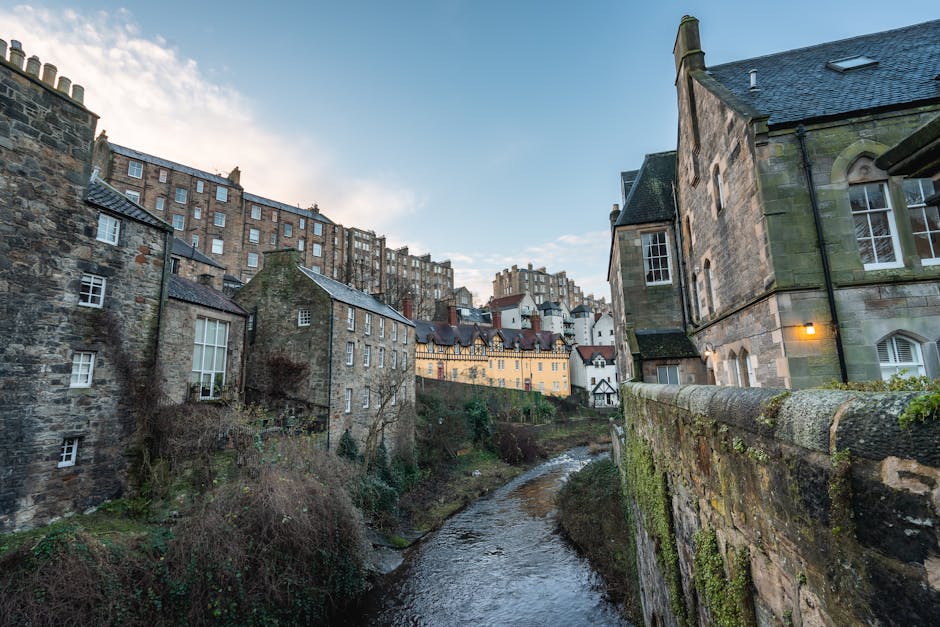
Capture the magic of Edinburgh on this self-guided stroll through the fairy-tale Dean Village, floral Circus Lane, and the scenic Water of Leith.
 Easy
EasyEdinburgh, United Kingdom
Explore Edinburgh's creative soul on this self-guided walk from historic museums to the stylish galleries and boutiques of the West End.
 Challenging
Edinburgh, United Kingdom
Ascend an ancient volcano and discover royal history on this challenging self-guided walk through Edinburgh's iconic Holyrood Park.