Self-guided audio tour in Bath
Start Free on iPhone
Start free on iPhone to unlock this self-guided walking tour in Bath. Hear all the stories that make it amazing, walk at your own pace, and begin whenever you want.
Your Private Tour Guide
Beyond the elegant facade of its honey-colored stone and the steam of its thermal waters, Bath holds a hidden history as a powerhouse of scientific discovery and Enlightenment thinking. This self-guided walk invites you to look past the social whirl of Jane Austen’s era to find the astronomers, doctors, and engineers who redefined our understanding of the universe and the human body. As you explore this neighborhood stroll, you will uncover how a modest house on New King Street became the site where the boundaries of our solar system were first expanded in centuries. Bath was not just a place to be seen; it was a place of rigorous observation and intellectual curiosity. The route leads you through the heart of the city, connecting the celestial wonders of the Herschel Museum with the terrestrial innovations of the Royal Literary and Scientific Institution. You will discover the 'science of the spa' at the Cross Bath and see how 18th-century medical charity evolved at the site of the Old Royal United Hospital. This walking route Bath offers a unique perspective on the city's architecture, revealing the mathematical precision and Masonic influences hidden in its famous streets. From the ancient Roman engineering at the Minerva Temple to the secret chambers of the Old Orchard Street Theatre, you will see how the pursuit of knowledge shaped the very stones of the city. This self-guided adventure is perfect for those who want to experience a walking tour Bath that moves away from the typical tourist trail and into the realm of discovery. Whether you are a science enthusiast or a history buff, this journey through the City Centre reveals a side of Bath that is as intellectually stimulating as it is visually stunning. Start exploring with Zigway and see how Bath helped launch the modern age.
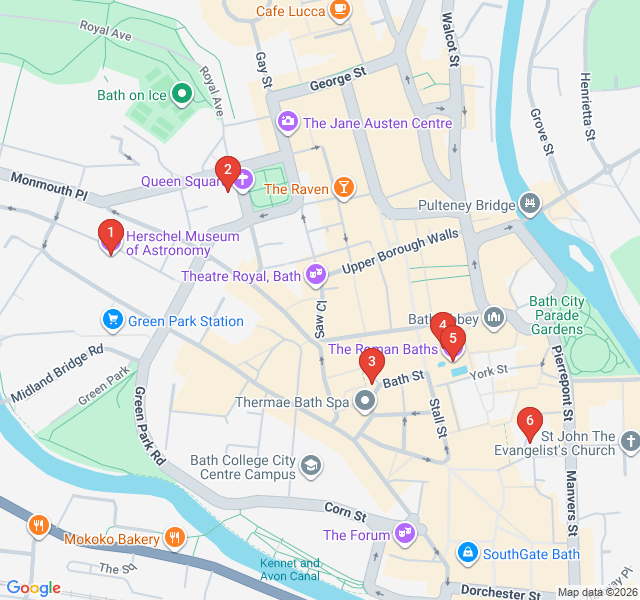
Numbers indicate the order of stops on the tour.
Begin your self-guided adventure at 19 New King Street. This modest Georgian townhouse was the home of William and Caroline Herschel, two musicians who became world-renowned astronomers. It was from the small garden at the back of this house in 1781 that William Herschel pointed his homemade seven-foot telescope at the stars and discovered Uranus, the first planet to be identified since antiquity. Caroline Herschel was equally remarkable, becoming the first woman to be paid for scientific work and discovering several comets herself. The museum preserved here captures the essence of 18th-century scientific rigor, showing how groundbreaking discoveries were often made in the most domestic of settings.
A short walk brings you to Queen Square, home to the Bath Royal Literary and Scientific Institution (BRLSI). Founded in 1824, this institution served as the intellectual heart of the city during the 19th century. It wasn't just a library; it was a place for public lectures and scientific debate, housing vast collections of fossils, botanical specimens, and ethnographic artifacts. The BRLSI played a crucial role in bringing the latest scientific advancements to the public, fostering a culture of curiosity that defined the Victorian era. Take a moment to appreciate the Greek Revival architecture, which reflects the institution's commitment to classical learning and modern inquiry.
Continue toward the thermal heart of the city to find the Cross Bath. While many visit Bath for leisure, the waters were once a subject of intense scientific study. The Cross Bath stands over one of the city's three natural springs, where water emerges at a constant 46 degrees Celsius. In the 17th and 18th centuries, physicians and 'balneologists' studied the mineral content of these waters, debating their chemical properties and healing powers. The elegant oval structure you see today was designed by Thomas Baldwin. It serves as a reminder that Bath’s identity as a spa was built as much on the emerging science of geology and chemistry as it was on social fashion.
As you move toward Beau Street, you encounter the site of the Old Royal United Hospital. In the 18th century, Bath became a center for medical innovation. The hospital was formed by the merger of the Bath City Infirmary and the Casualty Hospital, aiming to provide care for the poor who flocking to the city for the 'cure.' This site represents the shift toward modern clinical medicine, where observation and record-keeping began to replace ancient theories. Notice the grand classical facade, which was designed to project an image of order, cleanliness, and scientific progress, a stark contrast to the medieval medical practices that preceded it.
While the Roman Baths are famous for their scale, the Minerva Temple highlights the incredible engineering skills of the ancient world. The Romans combined religious worship with sophisticated hydraulic engineering to harness the thermal springs. The temple was dedicated to Sulis Minerva, a deity that merged local Celtic and Roman traditions. The scientific interest here lies in the Roman ability to manage the massive flow of hot water through lead pipes and complex drainage systems, some of which are still functional today. It is a testament to an era where architecture, religion, and engineering were deeply intertwined to create a public health marvel.
Your final stop is a hidden gem with a dual history. Originally built as the first Theatre Royal in Bath, this building later became a Catholic chapel and then a Masonic Hall. The Freemasons, who have occupied the building since 1817, were deeply interested in the 'sciences of geometry and architecture.' Inside, the hall is filled with symbols related to these mathematical pursuits. The building itself is a puzzle of history, reflecting the Enlightenment’s fascination with secret societies, philosophical inquiry, and the mathematical laws that many believed governed the universe. It is a fitting end to a route dedicated to the many ways we have tried to understand our world.
Start Free on iPhone
Explore “Stars and Spas: Bath's Scientific Discovery Route” with your very own Private Tour Guide with Zigway. Start free on iPhone, skip the large group and the fixed routes, and hear the city come alive as you go.
Your Private Tour Guide
Don't miss the good stuff
Explore Freely
 Easy
EasyBath, United Kingdom
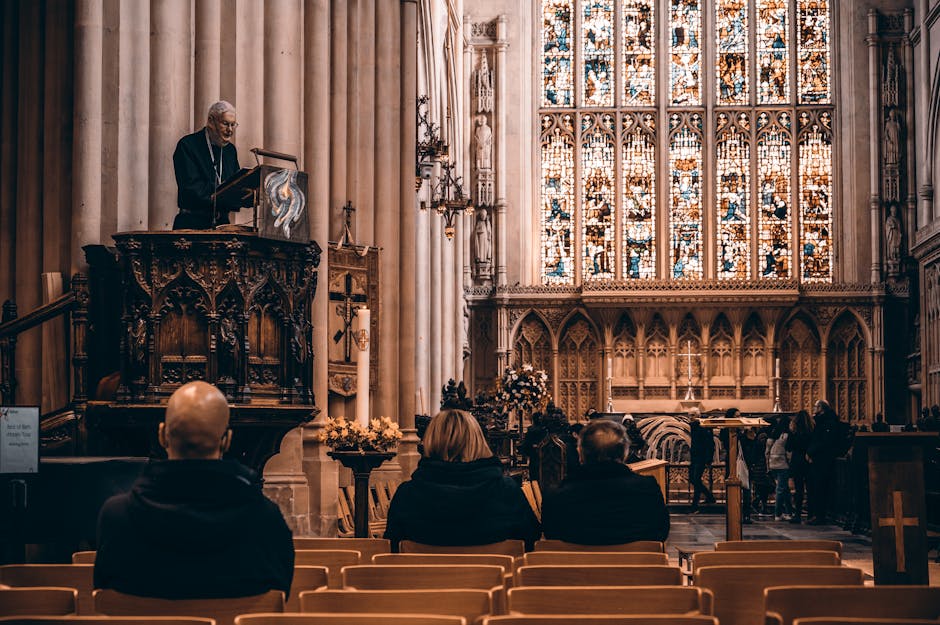
Uncover Roman ruins and Gothic spires on this self-guided audio walk through the historic heart of Bath. Explore at your own pace.
 Easy
EasyBath, United Kingdom
Uncover the eerie secrets and dark history of Bath on this self-guided audio walk through haunted theaters and historic Victorian cemeteries.
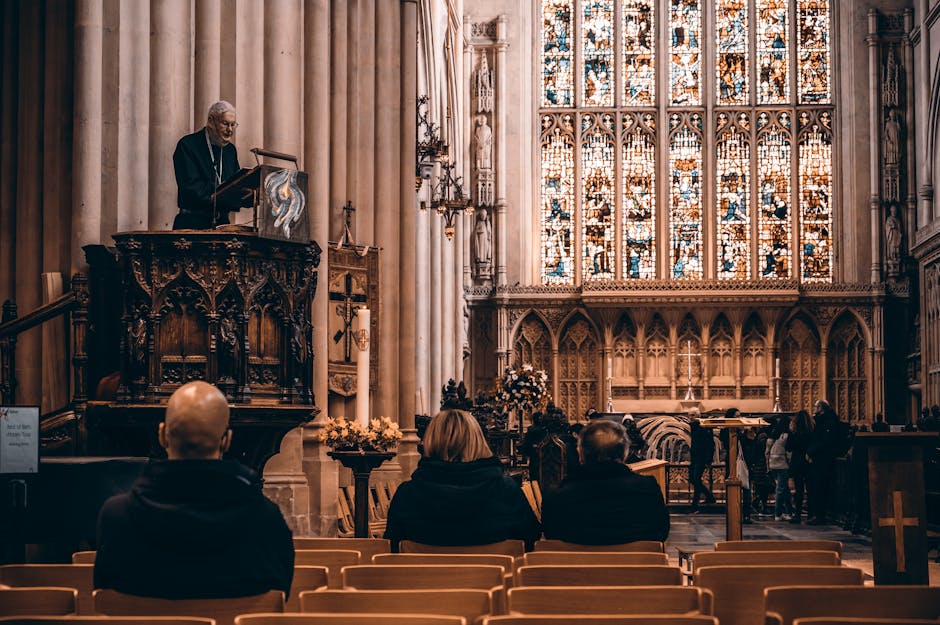 Easy
EasyBath, United Kingdom
Explore Bath's industrial-heritage on this self-guided walk along the Kennet & Avon Canal, from engineering marvels to tranquil garden escapes.
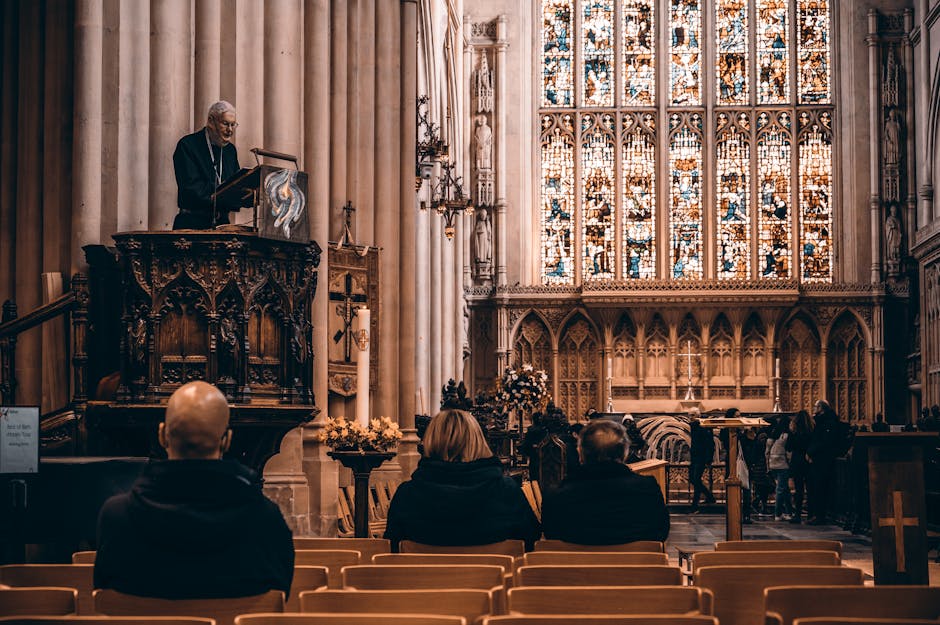 Moderate
Bath, United Kingdom
Escape the crowds and ascend the hills of Bath on this self-guided walk featuring panoramic views, historic follies, and hidden Victorian cemeteries.
 Easy
EasyGothenburg, Sweden
Explore Gothenburg's elegant academic district, featuring grand 19th-century stone architecture and the iconic cultural hub of Götaplatsen.
 Easy
EasyGothenburg, Sweden
Discover Gothenburg’s 17th-century Dutch foundations, historic canals, and military fortifications on this self-guided architectural walk.
 Easy
EasyNairobi, Kenya
Explore Nairobi's architectural evolution from colonial-era landmarks to iconic Brutalist skyscrapers on this historic self-guided walking route.
 Easy
EasyNairobi, Kenya
Discover Nairobi's iconic skyline on this self-guided architecture walk through the CBD’s most famous modernist and Brutalist landmarks.
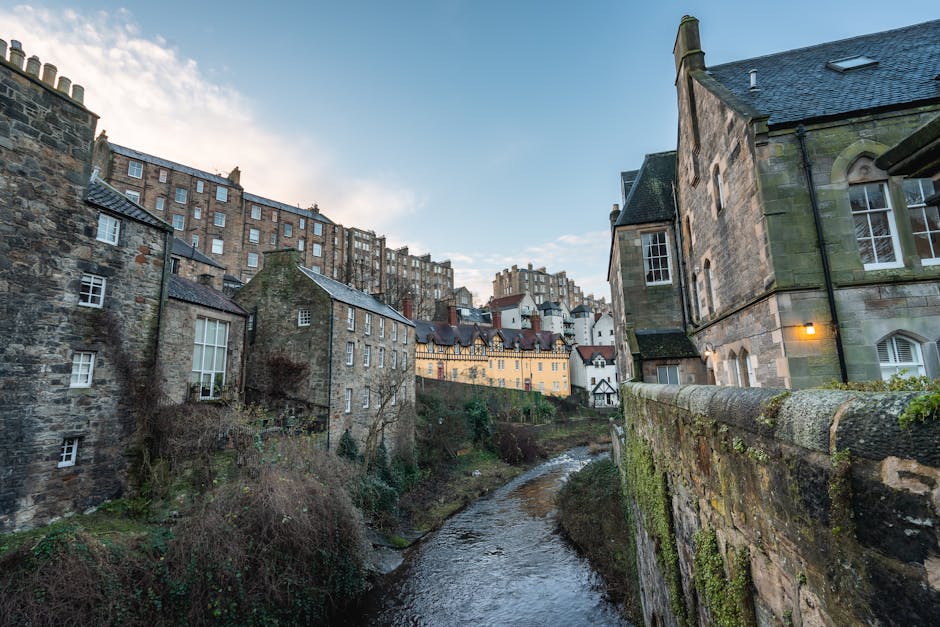 Easy
EasyEdinburgh, United Kingdom
Explore Edinburgh's historic Royal Mile at your own pace, from the heights of the Castle to the royal Palace of Holyroodhouse.
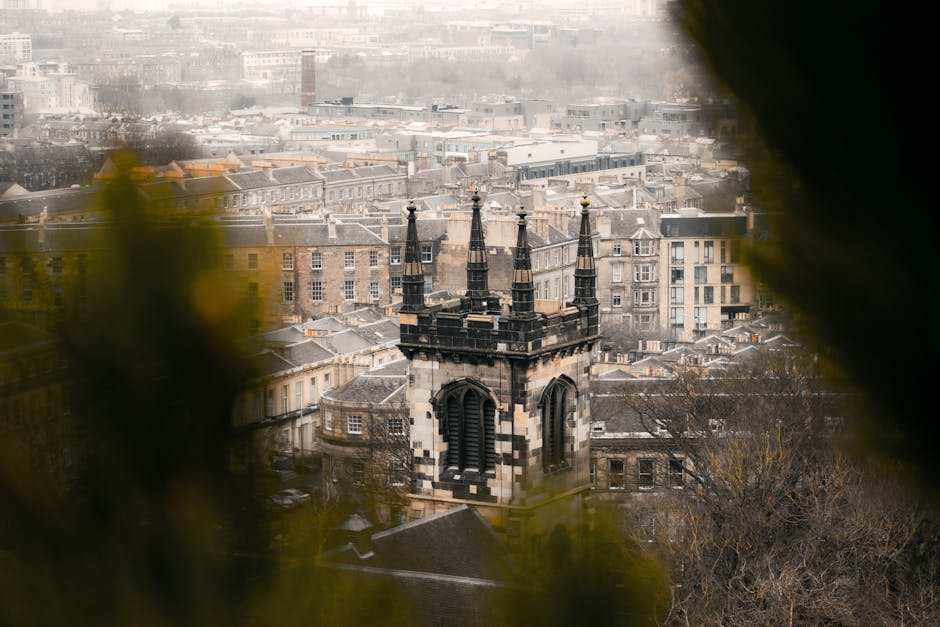 Easy
EasyEdinburgh, United Kingdom
Capture the magic of Edinburgh on this self-guided stroll through the fairy-tale Dean Village, floral Circus Lane, and the scenic Water of Leith.
 Easy
EasyEdinburgh, United Kingdom
Explore Edinburgh's creative soul on this self-guided walk from historic museums to the stylish galleries and boutiques of the West End.
 Challenging
Edinburgh, United Kingdom
Ascend an ancient volcano and discover royal history on this challenging self-guided walk through Edinburgh's iconic Holyrood Park.