Self-guided audio tour in New Orleans
Start Free on iPhone
Start free on iPhone to unlock this self-guided walking tour in New Orleans. Hear all the stories that make it amazing, walk at your own pace, and begin whenever you want.
Your Private Tour Guide
Embark on a refreshing self-guided adventure through the emerald heart of the Crescent City. This walking route connects the historic squares of the Central Business District and French Quarter with the lush, moss-draped landscapes of the Uptown neighborhood. New Orleans is world-renowned for its architecture, but its green spaces offer a different kind of magic, providing a sanctuary for ancient oaks, vibrant birdlife, and centuries of history. This route is designed for those who want to experience the city's natural beauty and tranquil side, far from the neon lights of Bourbon Street. Begin your journey in the stately Lafayette Square before moving toward the Mississippi River. As you follow this walking route, you will see how the city's public spaces have evolved from colonial parade grounds to modern urban oases. The highlight of this exploration is the Audubon Park section, where the 'Ancient Oaks' truly live up to their name. You will encounter the legendary Tree of Life, a massive live oak whose branches sweep the ground, offering one of the most iconic photography spots in the South. This area is a local favorite for picnics and quiet reflection, characterized by the gentle sounds of the lagoon and the distant chime of the St. Charles Streetcar. This self-guided walk is perfect for families and nature lovers alike. From the playful sculptures of Storyland to the contemplative paths of the Audubon Labyrinth, there is something to engage every age group. Whether you are looking for a morning stroll to start your day or a sunset wander along 'The Fly' to watch ships pass on the river, this route provides the flexibility to explore at your own pace. Discover the 'Garden District' of parks on this comprehensive walking tour New Orleans experience that showcases the city's enduring relationship with its landscape.
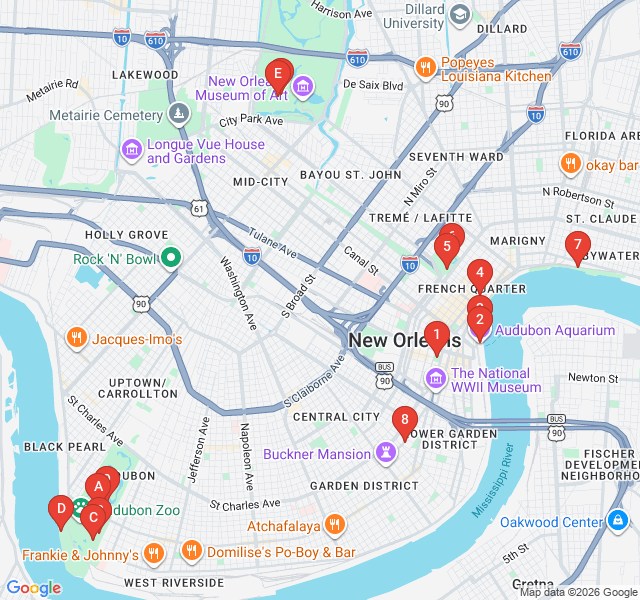
Numbers indicate the order of stops on the tour.
Start your journey in Lafayette Square, the second-oldest public park in New Orleans. Laid out in 1788, this square served as the center of the 'American Sector' during the city's rapid expansion. Unlike the French Quarter squares, this space feels distinctly stately, surrounded by impressive civic architecture like Gallier Hall. As you walk the diagonal paths, notice the statues of figures like Benjamin Franklin and Henry Clay. Today, the square is a hub for community life, hosting free concerts and festivals. It provides a perfect, leafy introduction to the urban green spaces that define the city's layout beyond the original colonial grid.
Located where Canal Street meets the Mississippi River, the Audubon Aquarium offers a deep dive into the ecosystems of the Gulf of Mexico and beyond. While the building itself is a modern landmark, its position is significant as the gateway between the city's commercial heart and the riverfront. The aquarium's recent renovations have created a seamless flow between indoor exhibits and the outdoor river views. It serves as a reminder of the vital aquatic life that sustains the region, from the colorful Caribbean reefs to the mysterious white alligators of the local bayous. It is a cornerstone of the Audubon Nature Institute's conservation efforts.
Step into Woldenberg Park for some of the best views of the 'Crescent' in the Mississippi River. This 16-acre green space replaced old warehouses in the 1980s, reconnecting the city with its lifeforce. As you stroll, listen for the calliope of the Steamboat Natchez and watch the massive container ships navigate the current. The park is home to several significant sculptures, including the Monument to the Immigrant. It is a popular spot for locals to catch a breeze on a humid day. The wide promenades and grassy lawns make it an ideal place for photography, especially as the sun begins to dip below the horizon.
Originally known as the Place d'Armes, Jackson Square is the historic heart of the French Quarter. This timeless space is framed by the St. Louis Cathedral, the Cabildo, and the Presbytère. In the center stands the iconic equestrian statue of Andrew Jackson, hero of the Battle of New Orleans. The square has seen everything from colonial executions to the Louisiana Purchase transfer. Today, it is a vibrant center for art, with local painters displaying their work on the iron fences. The symmetry of the formal gardens, designed in the French style, provides a classic backdrop for one of the most photographed spots in America.
Located within Louis Armstrong Park, Congo Square is one of the most culturally significant spots in the world. In the 18th and 19th centuries, enslaved people and free people of color gathered here on Sundays to drum, dance, and trade. These gatherings preserved African musical traditions that eventually gave birth to jazz, blues, and gospel. The energy of the space is palpable; it remains a sacred ground for musicians and practitioners of ancestral traditions. As you stand on this cobblestone clearing, you are at the literal birthplace of the 'New Orleans sound' that influenced global culture.
Named after the jazz legend and New Orleans native, this park is a tribute to the city's musical heritage. Beyond Congo Square, the park features winding lagoons, arched bridges, and statues of jazz greats like Sidney Bechet. The architecture here is a mix of historic buildings and mid-century modern designs, including the Mahalia Jackson Theater. It is a peaceful retreat just steps from the bustle of the French Quarter. Keep an eye out for the ducks in the lagoon and the bright red bridges that offer a touch of whimsy to this historic site dedicated to the 'Satchmo' legacy.
A modern addition to the city's green map, Crescent Park stretches along the riverfront in the Marigny and Bywater neighborhoods. This linear park is a masterclass in industrial-chic design, repurposing old wharf structures into scenic overlooks and walking paths. The 'Rusty Rainbow' bridge offers a panoramic view of the skyline and the river's curve. It is a favorite for local joggers and dog walkers, offering a more rugged and contemporary feel compared to the historic squares. The native plantings and reclaimed industrial elements highlight the city's resilience and its ongoing efforts to revitalize the riverfront for public use.
As we move toward the Uptown area, we encounter the Spyre Center. While not a traditional park, this facility represents a modern approach to well-being and community space in a historic setting. Housed in a beautifully restored former church building, it serves as a center for health and mindfulness. The architecture itself is a highlight, showing how New Orleans' historic structures can be adapted for contemporary wellness. It marks a transition point in our route, moving from the dense urban core toward the expansive, tree-lined residential avenues of the Garden District and Uptown.
Enter the heart of Audubon Park at the Newman Bandstand. This elegant structure sits near the edge of the Audubon Lagoon and has been a center for public performance since the early 20th century. Surrounded by ancient oaks, the bandstand epitomizes the Victorian charm of the park. It was originally built in 1921 and remains a popular spot for weddings and small concerts. From here, you can see the paved loop that serves as the park's main artery, where locals walk, cycle, and skate under the shade of the canopy. The reflection of the trees in the lagoon nearby creates a serene, painterly atmosphere.
The St. Charles Avenue entrance is the grand gateway to Audubon Park. Framed by the tracks of the historic St. Charles Streetcar—the oldest continuously operating streetcar line in the world—this entrance is lined with towering live oaks. Directly across from Tulane and Loyola Universities, this section of the park is always buzzing with student life and local families. The transition from the grand mansions of the avenue to the rolling greens of the park is one of the most beautiful urban experiences in the South. Take a moment to admire the rhythmic passing of the green streetcars against the backdrop of the park's lush foliage.
Tucked away in a quiet corner of the park is the Audubon Park Labyrinth. This circular path, modeled after the famous medieval labyrinth at Chartres Cathedral, is designed for walking meditation and quiet reflection. Unlike a maze, there are no dead ends; the single path leads you to the center and back out again. It is a hidden gem often missed by casual visitors. Surrounded by the natural sounds of rustling leaves and birdsong, it offers a moment of stillness in the middle of your journey. It is a perfect example of how the park serves as a spiritual and mental refuge for the community.
This is the crown jewel of New Orleans' ancient oaks. The Tree of Life, officially known as the Etienne de Boré Oak, is estimated to be between 100 and 500 years old. Its massive, gnarled branches stretch out so far that they rest on the ground, creating natural benches for visitors. This tree is a favorite for photographers, climbers, and even the occasional wedding. Legend says it was named 'The Tree of Life' because of its resilient nature and the way it seems to pulse with energy. It stands as a silent witness to centuries of New Orleans history, from the colonial plantation era to the modern day.
Follow the path toward the river to reach 'The Fly,' a beloved waterfront section of Audubon Park. This grassy expanse offers unobstructed views of the Mississippi River and is the go-to spot for sunset picnics and crawfish boils. The name 'The Fly' comes from a butterfly-shaped shelter that once stood here. Today, it is a place to watch the river traffic—from massive tankers to small tugboats—while enjoying the river breeze. It represents the quintessential local weekend experience: music playing, children running, and the community gathering at the water's edge to celebrate the end of the day.
Located in City Park (a short transit ride from Uptown), Storyland is a whimsical playground that brings classic fairy tales to life. Since the 1950s, generations of New Orleanians have played among the larger-than-life sculptures of Captain Hook's ship, the Three Little Pigs' houses, and Cinderella's pumpkin coach. Each sculpture is a work of art, designed to spark the imagination of children. It is a nostalgic and charming destination that highlights the city's love for storytelling and public art. Even for adults, a stroll through this storybook landscape offers a delightful dose of whimsy and creative inspiration.
Conclude your exploration at the New Orleans Botanical Garden in City Park. Established during the Great Depression as a WPA project, this garden is a masterpiece of Art Deco design and horticultural beauty. Explore the Conservatory of the Two Sisters, the formal Rose Garden, and the Enrique Alférez Sculpture Garden. The site showcases thousands of plant species, both native and exotic, arranged in stunning themed 'rooms.' It is the perfect place to reflect on the diversity of New Orleans' green spaces, from the wild ancient oaks of Audubon to the carefully curated beauty of these historic garden beds.
Start Free on iPhone
Explore “Audubon Park Ancient Oaks and Lagoon Loop” with your very own Private Tour Guide with Zigway. Start free on iPhone, skip the large group and the fixed routes, and hear the city come alive as you go.
Your Private Tour Guide
Don't miss the good stuff
Explore Freely
 Easy
EasyNew Orleans, United States
Explore the legendary restaurants and historic flavors of the New Orleans French Quarter on this delicious self-guided audio walk.
 Moderate
New Orleans, United States
Discover vibrant murals, iconic folk art, and industrial charm on this self-guided walking route through New Orleans' artistic Bywater district.
 Easy
EasyNew Orleans, United States
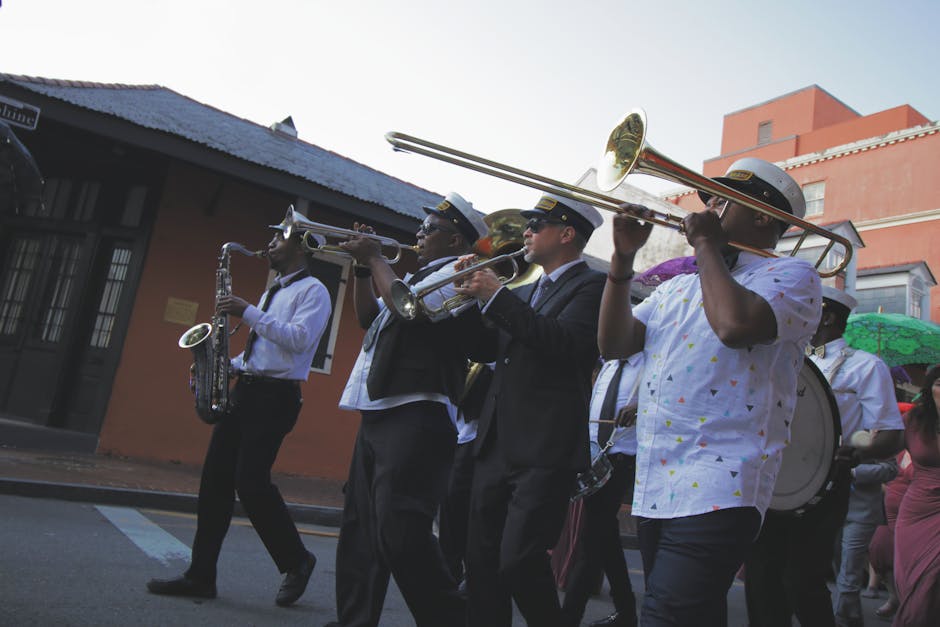
Discover the soul of New Orleans on this self-guided walk through the iconic jazz clubs and vibrant art markets of Frenchmen Street.
 Easy
EasyNew Orleans, United States
Explore the eerie history and supernatural legends of the French Quarter on this independent audio walk through New Orleans' most haunted corners.
 Easy
EasyGdansk, Poland
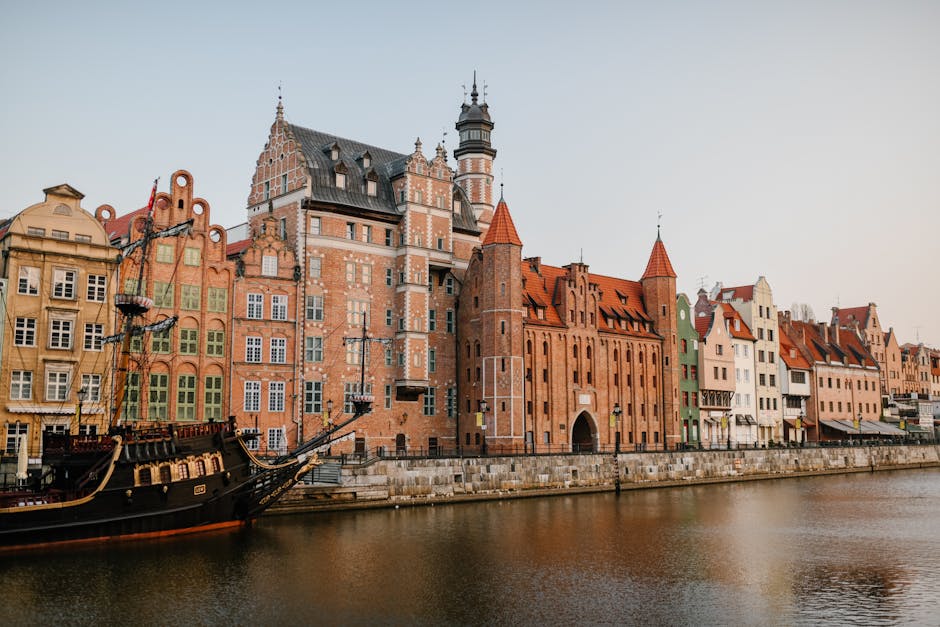
Discover the monastic heritage, world-famous organs, and lush botanical gardens of Oliwa on this peaceful self-guided neighborhood stroll.
 Easy
EasyWarsaw, Poland
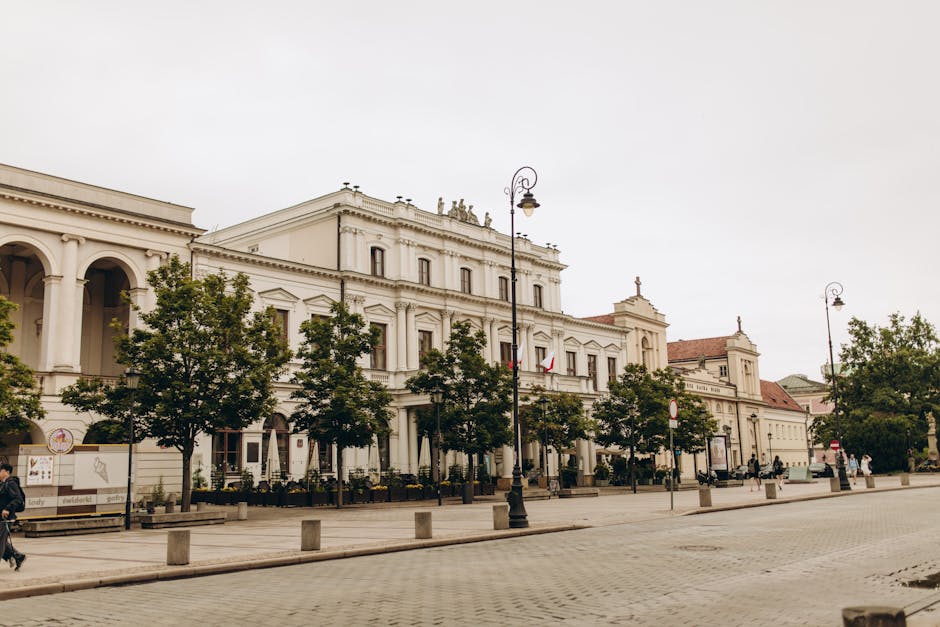
Explore Warsaw's scenic riverfront, rooftop gardens, and industrial-chic architecture on this self-guided stroll through the Powiśle district.
 Moderate
Nairobi, Kenya
Discover Nairobi's lush side on this self-guided walk through botanical gardens, historic memorials, and vibrant local markets.
 Easy
EasyInnsbruck, Austria
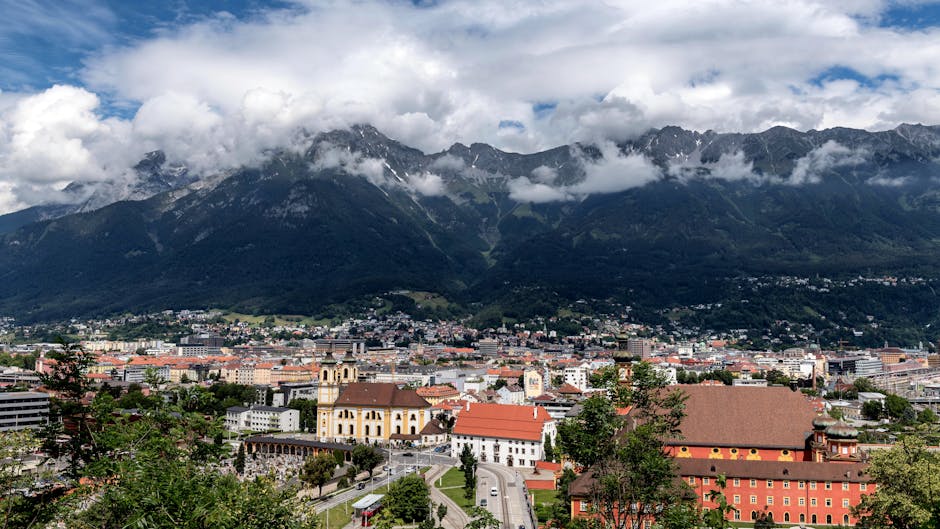
Uncover the myths and legends of Innsbruck on this self-guided walk through the historic Altstadt and beyond.
 Easy
EasyNashville, United States
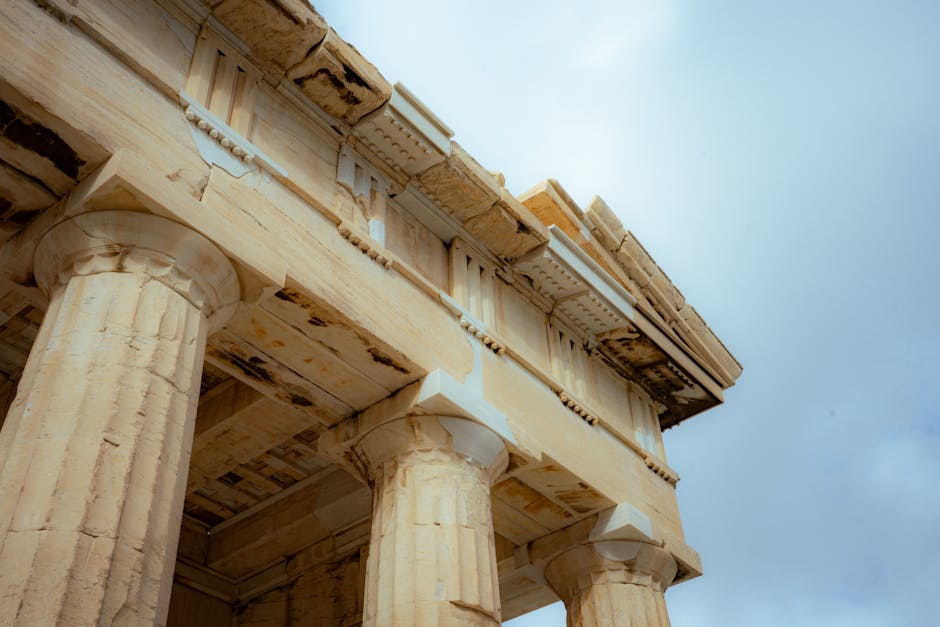
Explore the 'Athens of the South' on this self-guided walk through Centennial Park, featuring the world's only full-scale Parthenon replica.
 Easy
EasyNashville, United States
Explore Nashville's academic heart and Art Deco gems on this self-guided walk through historic Hillsboro Village.
 Easy
EasyNashville, United States
Explore the heart of Nashville's music industry. Discover iconic studios and the history of the legendary Nashville Sound at your own pace.
 Easy
EasyNashville, United States
Explore Nashville's oldest neighborhood! Discover Victorian architecture, Civil War history, and world-class craft beer on this self-guided walk.