Self-guided audio tour in New York City
Start Free on iPhone
Start free on iPhone to unlock this self-guided walking tour in New York City. Hear all the stories that make it amazing, walk at your own pace, and begin whenever you want.
Your Private Tour Guide
Imagine a narrow strip of land floating between Manhattan and Queens, where the frantic pace of the city dissolves into river breezes and silent history. This self-guided walk on Roosevelt Island invites you to explore a unique microcosm of New York City, offering some of the most stunning photography opportunities in the five boroughs. Once known as Blackwell's Island and later Welfare Island, this two-mile stretch of land has transformed from a site of nineteenth-century asylums and hospitals into a serene residential oasis with a deep architectural pedigree. This neighborhood stroll takes you from the southern tip, where modern minimalism honors a president, to the northern point where a historic lighthouse stands guard over the Hell Gate waters. What makes this walking route special is the layering of eras. You will encounter the haunting Gothic Revival ruins of a nineteenth-century hospital, the sleek granite geometry of a monument designed by Louis Kahn, and the mid-century innovation of the Roosevelt Island Tramway. As you explore independently, the East River remains your constant companion, providing a panoramic backdrop of the Manhattan skyline that few visitors ever see from this perspective. This is not a typical walking tour New York City experience; it is a journey through social history and urban planning. From the 1796 Blackwell House to the Octagon Tower—once the entrance to a notorious asylum—the island tells a story of New York’s evolution from a colonial outpost to a modern metropolis. Whether you are a history buff looking for hidden gems or a photographer seeking the perfect sunset shot of the United Nations building, this audio walk provides the context you need to appreciate the island's quiet beauty. The route is exceptionally accessible and peaceful, making it a perfect escape for those looking to travel beyond the standard tourist paths. Discover the legends of the lighthouse, the architectural brilliance of the Four Freedoms Park, and the resilient spirit of an island that has reinvented itself time and again. Begin your self-guided adventure at the southern tip and witness how Roosevelt Island balances its somber past with a vibrant, scenic present.
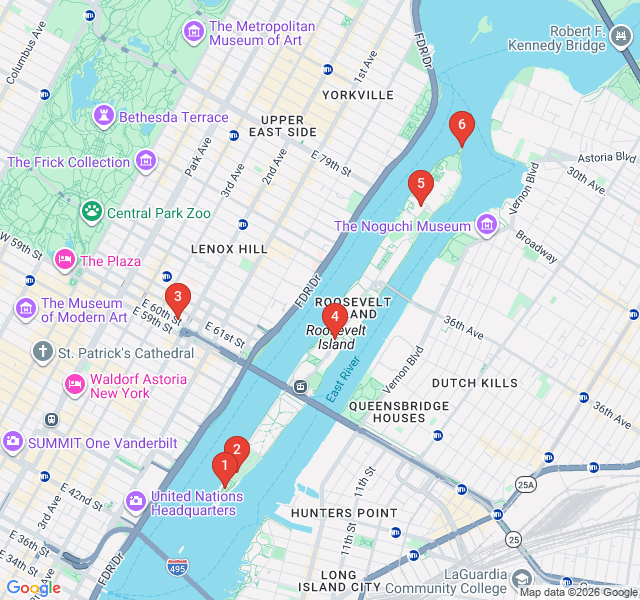
Numbers indicate the order of stops on the tour.
Welcome to the southern tip of Roosevelt Island. You are standing in the first memorial dedicated to President Franklin D. Roosevelt in his home state of New York. This park is the final masterpiece of legendary architect Louis Kahn, though it wasn't completed until decades after his death. Notice the precise, triangular shape of the park and the massive blocks of Mount Airy granite. The design leads your eye toward the 'Four Freedoms' speech inscribed at the tip: freedom of speech, freedom of worship, freedom from want, and freedom from fear. This spot offers a meditative space with a direct line of sight to the United Nations across the river, symbolizing the global impact of FDR’s vision.
Just north of the park stands one of New York City’s most evocative sights: the Renwick Ruin. Designed by James Renwick Jr.—the same architect behind St. Patrick’s Cathedral—this Gothic Revival structure served as a hospital for smallpox patients in the mid-1800s. Its isolated location on the island was intentional, meant to quarantine the sick away from the city's main population. Today, it remains the only ruin in New York City listed on the National Register of Historic Places. While you cannot enter the structure, its ivy-clad walls and pointed arches offer a poignant reminder of the island's history as a place of healing and isolation.
Look up to see the bright red cabins of the Roosevelt Island Tramway gliding across the East River. When it opened in 1976, it was the first commuter aerial tramway in North America. Originally intended as a temporary solution while the subway connection was delayed, it became so beloved that it remains a permanent fixture of the NYC skyline. It rises to 250 feet, offering views of the Queensboro Bridge and Midtown Manhattan. For residents, it’s a daily commute; for visitors, it’s one of the most scenic and affordable rides in the city, providing a unique vantage point of the urban canyons.
Tucked away among modern apartment buildings is the Blackwell House, a rare remnant of New York's colonial past. Built around 1796 for the Blackwell family—who owned the island for over a century—this is the sixth oldest house in New York City. It represents the era when the island was private farmland before it was purchased by the city in 1828 to house municipal institutions. The simple clapboard architecture stands in stark contrast to the concrete and glass surrounding it. Recently restored, it now serves as a community space and a window into the island’s agrarian roots before it became 'Welfare Island.'
The striking eight-sided tower you see was originally the centerpiece of the New York City Municipal Lunatic Asylum, which opened in 1839. It was considered a revolutionary design at the time, intended to provide better light and air to patients. Charles Dickens famously visited the facility in 1842 and wrote about its grim conditions, which eventually led to significant reforms in mental health care. After the asylum closed, the building fell into ruin for decades before being masterfully restored and integrated into a modern residential complex. The spiral staircase inside the lobby remains an architectural marvel of the nineteenth century.
Your journey ends at the northernmost tip of the island at the Roosevelt Island Lighthouse. Built in 1872 by the city's Department of Public Charities and Correction, this 50-foot stone tower was constructed using gray gneiss quarried right here on the island by inmates from the nearby penitentiary. It was designed to help ships navigate the treacherous, swirling waters of the Hell Gate. Local legend says it was built by an asylum patient named John McCarthy to protect the island from invasion, but the official history is more administrative. Today, the surrounding park is a tranquil spot to watch the river currents and reflect on your walk.
Start Free on iPhone
Explore “Roosevelt Island: Trams, Ruins, and River Breezes” with your very own Private Tour Guide with Zigway. Start free on iPhone, skip the large group and the fixed routes, and hear the city come alive as you go.
Your Private Tour Guide
Don't miss the good stuff
Explore Freely
 Easy
EasyNew York City, United States
Explore the golden age of Manhattan architecture on this self-guided walk through Midtown's iconic Art Deco skyscrapers and historic landmarks.
 Easy
EasyNew York City, United States
Discover the literary legends, jazz haunts, and revolutionary history of Greenwich Village on this immersive self-guided walking route.
 Easy
EasyNew York City, United States
Explore Manhattan's transformation on this self-guided walk from the High Line to Hudson Yards.
 Easy
EasyNew York City, United States
Discover the world's finest cast-iron architecture and the evolution of fashion on this self-guided walking route through NYC's iconic SoHo district.
 Easy
EasyHelsinki, Finland
Discover Helsinki's oldest neighborhood on this self-guided audio walk through Kruununhaka’s historic streets, hidden courtyards, and scenic shores.
 Easy
EasyGdansk, Poland
Discover the monastic heritage, world-famous organs, and lush botanical gardens of Oliwa on this peaceful self-guided neighborhood stroll.
 Easy
EasyGdansk, Poland
Discover the 'Baltic Gold' on this self-guided walk through Gdansk's historic mills, massive cathedrals, and the magical Mariacka Street.
 Easy
EasyWarsaw, Poland
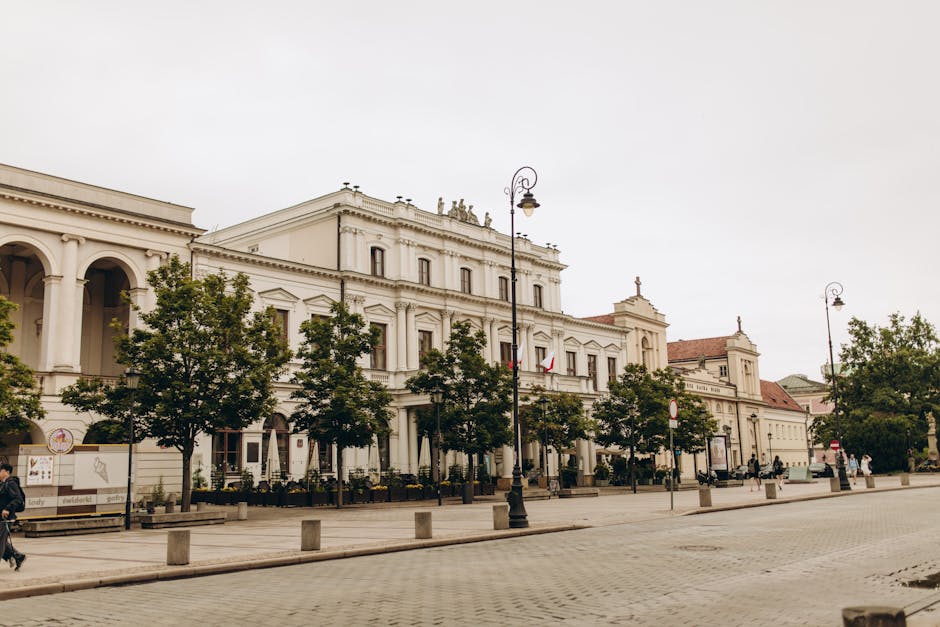
Explore Warsaw's scenic riverfront, rooftop gardens, and industrial-chic architecture on this self-guided stroll through the Powiśle district.
 Easy
EasyNashville, United States
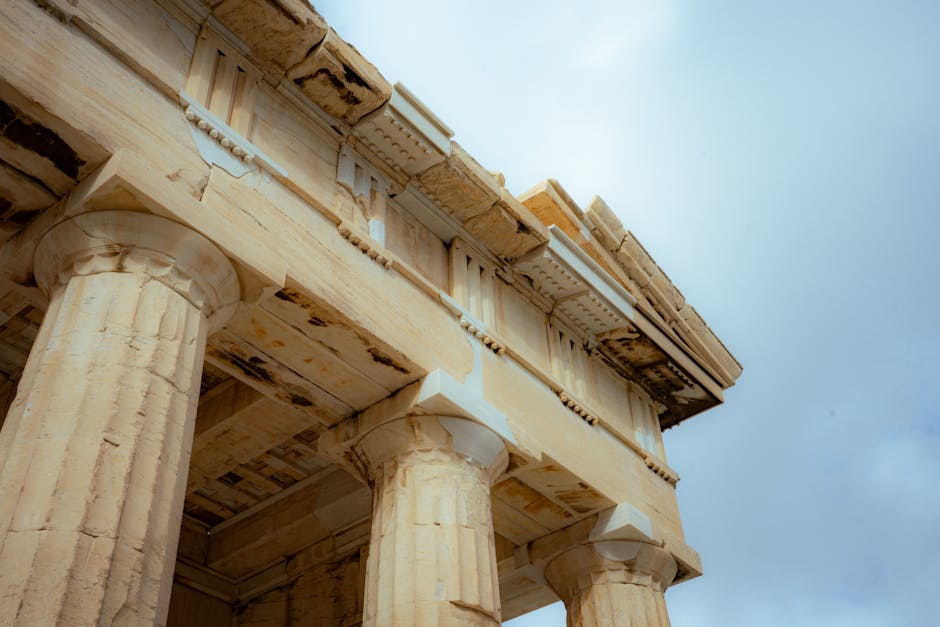
Explore the 'Athens of the South' on this self-guided walk through Centennial Park, featuring the world's only full-scale Parthenon replica.
 Easy
EasyNashville, United States
Explore Nashville's academic heart and Art Deco gems on this self-guided walk through historic Hillsboro Village.
 Easy
EasyNashville, United States
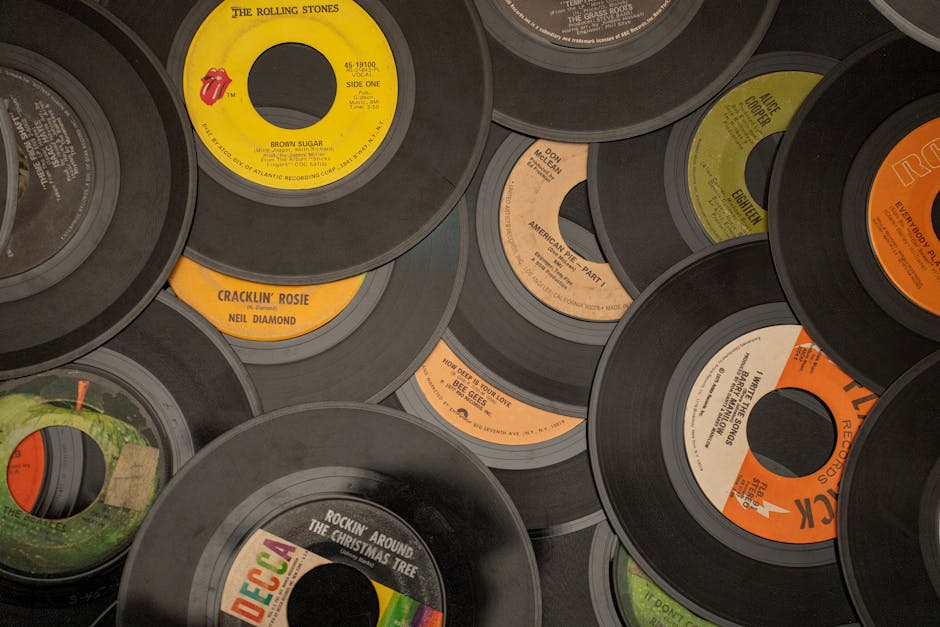
Explore the heart of Nashville's music industry. Discover iconic studios and the history of the legendary Nashville Sound at your own pace.
 Easy
EasyNashville, United States
Explore Nashville's oldest neighborhood! Discover Victorian architecture, Civil War history, and world-class craft beer on this self-guided walk.