Self-guided audio tour in Rome
Start Free on iPhone
Start free on iPhone to unlock this self-guided walking tour in Rome. Hear all the stories that make it amazing, walk at your own pace, and begin whenever you want.
Your Private Tour Guide
Beyond the grand monuments and bustling crowds of central Rome lies Garbatella, a neighborhood that feels like a village frozen in time. Founded in 1920, this district was inspired by the English 'Garden City' movement, designed to provide housing for the city's working class while maintaining a connection to nature and community. This self-guided walk invites you to explore its winding alleys, hidden courtyards, and the unique 'Barocchetto Romano' architecture—a whimsical architectural style that blends Renaissance, Baroque, and Medieval elements with a touch of early 20th-century flair. As you follow this walking route, you will discover why Garbatella has become a favorite for filmmakers and locals alike. From the iconic red facade of the Albergo Rosso to the romantic Scalea degli Innamorati, the neighborhood reveals a side of Rome that is intimate, vibrant, and fiercely authentic. You will see 'lotti'—communal housing blocks with shared gardens where laundry still hangs between balconies and neighbors gather to chat. This neighborhood stroll is not just about buildings; it is about a social experiment that succeeded in creating a lasting sense of belonging. Whether you are a fan of Italian cinema, an architecture enthusiast, or simply a traveler looking to escape the typical tourist path, this audio walk provides the perfect context to understand the 'Garden City' soul. Explore independently and at your own pace, stopping for a coffee in a local piazza or photographing the intricate stone carvings that adorn the doorframes. This is a walking tour Rome enthusiasts often keep to themselves, offering a glimpse into the everyday life and historic resilience of the Roman people.
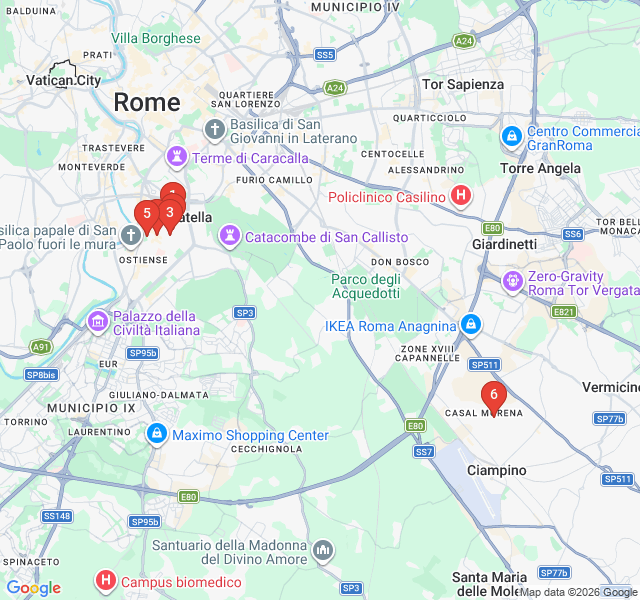
Numbers indicate the order of stops on the tour.
Welcome to the start of your journey in Garbatella. Standing before you is the Albergo Rosso, or 'Red Hotel.' Despite its name, this wasn't a luxury stay for tourists; it was designed in the 1920s as a 'suburban hotel' to house families displaced by the massive excavations in Rome's historic center. Notice the deep red hue of the plaster and the intricate carvings around the windows. This is a prime example of Barocchetto Romano—a style that looks back to Rome's grand past while serving a modern, social purpose. The clock on the facade is famously stopped at 11:00, the time the neighborhood was bombed during WWII, serving as a silent memorial to the area's resilience.
Nestled at the bottom of a stone staircase, you will find the Fontana di Carlotta. This small fountain features a woman's face carved into the stone, her hair flowing like the water she provides. According to local lore, Carlotta was a beloved tavern keeper who lived nearby, symbolizing the hospitality and warmth of the Garbatella people. For decades, lovers have met here to share a drink of water and a quiet moment. It is more than just a fountain; it is a community landmark that embodies the neighborhood's nickname, 'the village within the city.' Take a moment to appreciate the quiet atmosphere before heading up the stairs.
As you enter Piazza Giovanni da Triora, you might recognize the surroundings if you are a fan of Italian television. This square served as a primary filming location for the popular series 'I Cesaroni.' Beyond the screen, this piazza is the social engine of the neighborhood. Look around at the 'lotti'—the housing blocks—and notice how they open into communal gardens. This layout was revolutionary for the time, ensuring that even working-class residents had access to air, light, and greenery. The architecture here is playful, with rounded balconies and varied textures that make every corner feel unique and handcrafted.
The Palladium Theatre is a striking example of Garbatella's cultural evolution. Originally opened in 1927 as a cinema and theater, its Rationalist-inspired architecture stands in slight contrast to the more ornate Barocchetto buildings nearby. It was designed by Innocenzo Sabbatini, a key architect of the neighborhood, who wanted to bring high-quality entertainment to the working class. After a period of decline, it was restored and is now managed by the Roma Tre University, hosting experimental plays and concerts. It represents the bridge between Garbatella's historic roots and its modern identity as a hub for students and artists.
You are now standing at the very birthplace of Garbatella. On February 18, 1920, King Victor Emmanuel III laid the foundation stone right here in Piazza Benedetto Brin. Look for the commemorative plaque marking the event. The entrance to the neighborhood was designed to be grand yet welcoming, with a large staircase and wings of buildings that seem to embrace the visitor. The style here is particularly eclectic, featuring medieval-style brickwork and Renaissance cornices. This square was intended to be the gateway to a new way of living, where the urban and the rural could coexist harmoniously.
Concluding your walk is the Scalea degli Innamorati, or the 'Staircase of Lovers.' This romantic passage connects the lower part of the district with the higher ridges. Surrounded by lush ivy and the quiet hum of neighborhood life, it has long been a destination for couples seeking a scenic spot for a stroll. From here, you can see how the gardens and buildings terrace down the hillside. It is the perfect place to reflect on the 'Garden City' soul—a place built with human scale and community in mind. Your self-guided adventure ends here, but the charm of Garbatella continues in every narrow street around you.
Start Free on iPhone
Explore “Garbatella: The Garden City Soul” with your very own Private Tour Guide with Zigway. Start free on iPhone, skip the large group and the fixed routes, and hear the city come alive as you go.
Your Private Tour Guide
Don't miss the good stuff
Explore Freely
 Easy
EasyRome, Italy
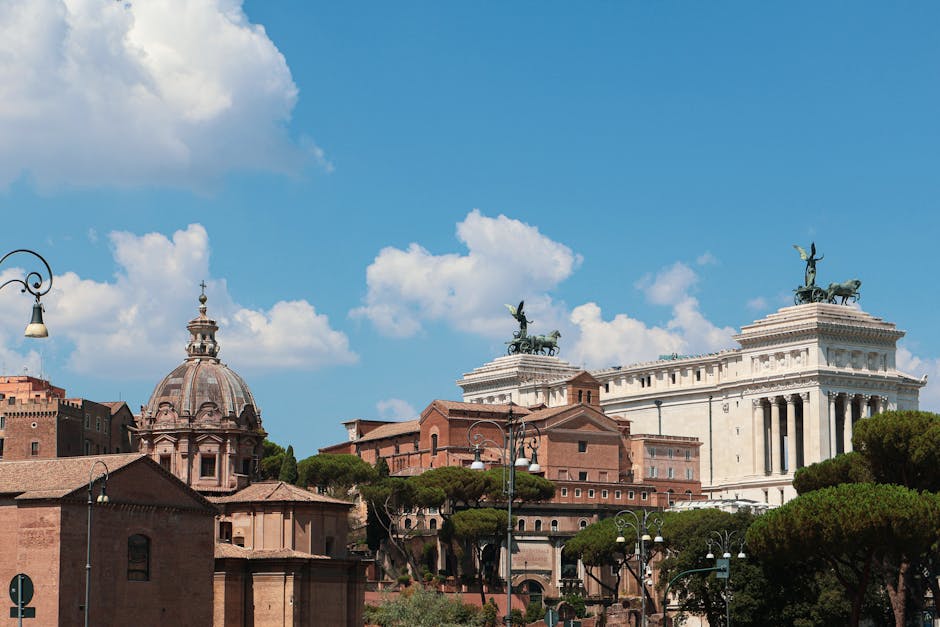
Explore Rome’s industrial heart on this self-guided walk featuring massive murals, the 'Iron Colosseum,' and unique industrial archaeology.
 Easy
EasyRome, Italy
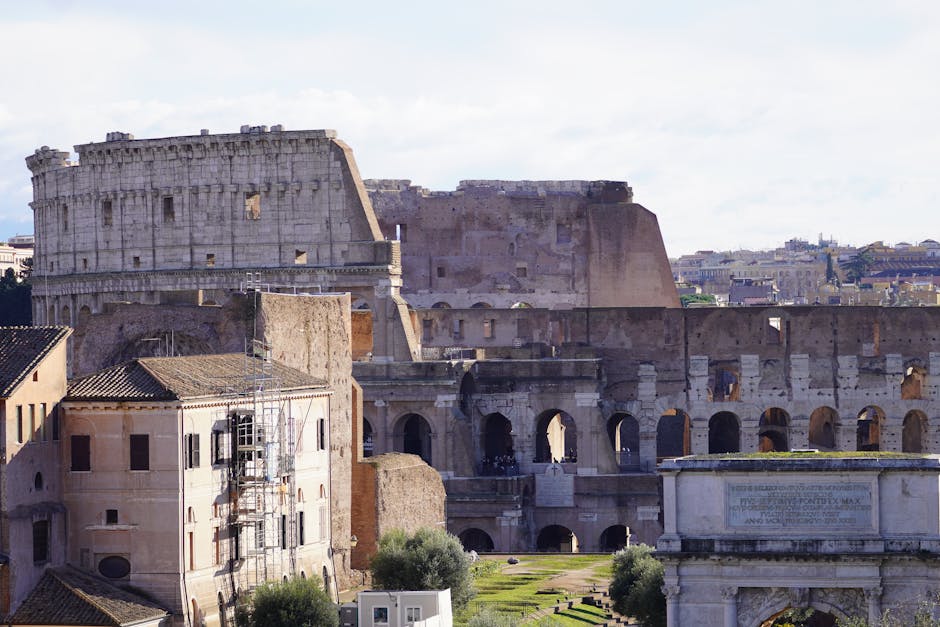
Explore Rome’s whimsical Fairytale District. A self-guided walk through Art Nouveau palaces, mythical fountains, and the magical Coppedè architecture.
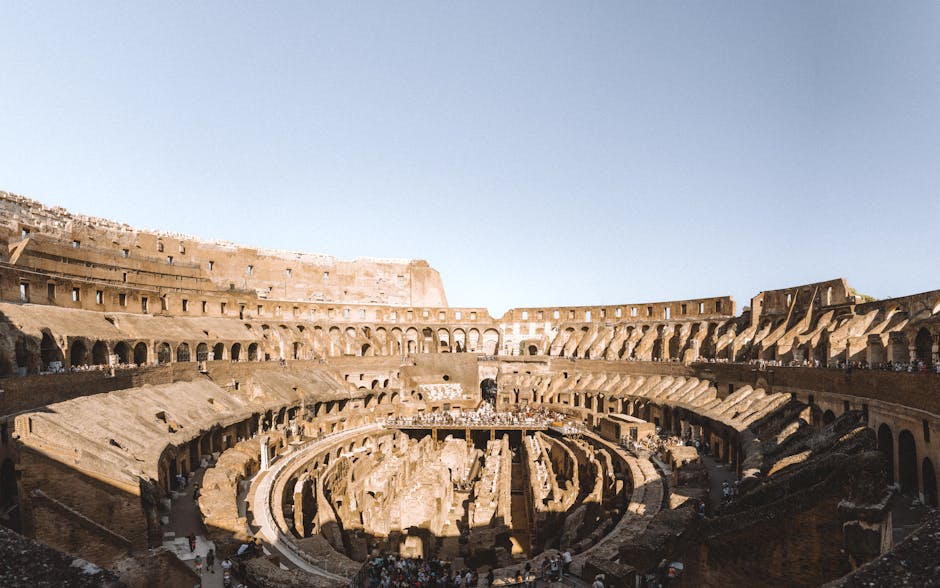 Moderate
Rome, Italy
Uncover Rome's hidden history on this self-guided walk through ancient gladiator pits, subterranean temples, and buried Roman houses.
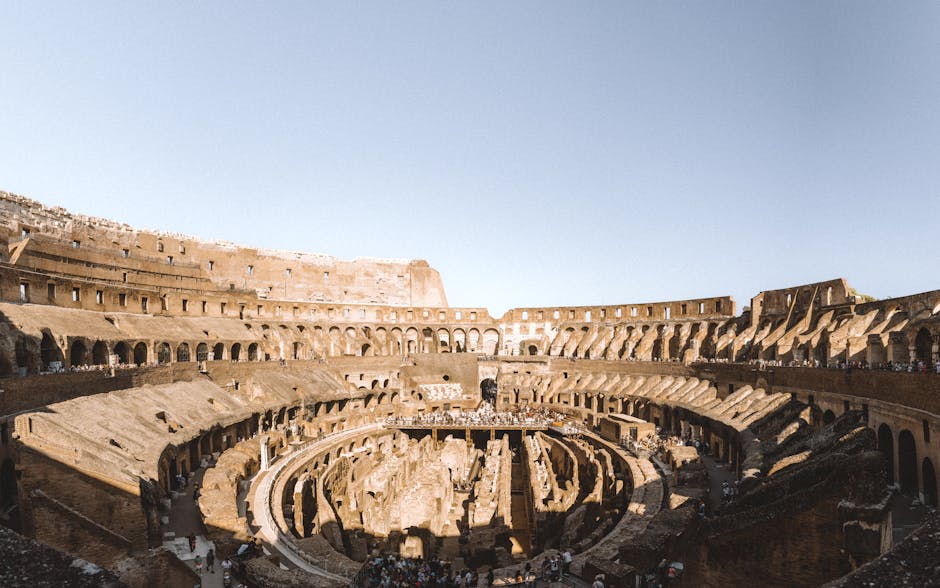 Challenging
Rome, Italy
Walk the 'Queen of Roads.' Explore ancient catacombs, imperial villas, and historic basalt stones on this scenic self-guided Roman adventure.
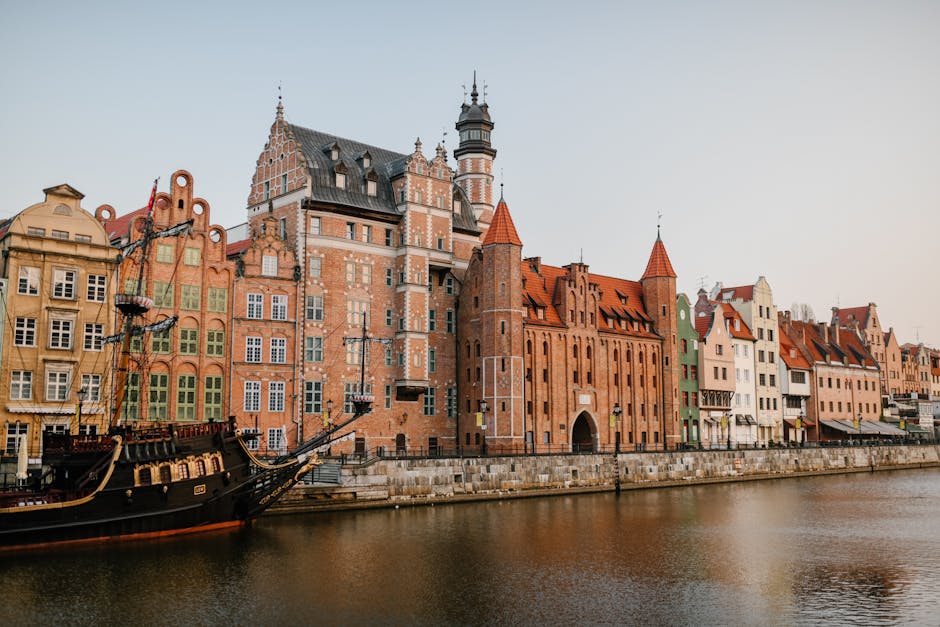 Moderate
Gdansk, Poland
Discover the bohemian soul of Gdańsk. Explore the literary landmarks of Günter Grass, Prussian villas, and the trendy cafes of historic Wrzeszcz.
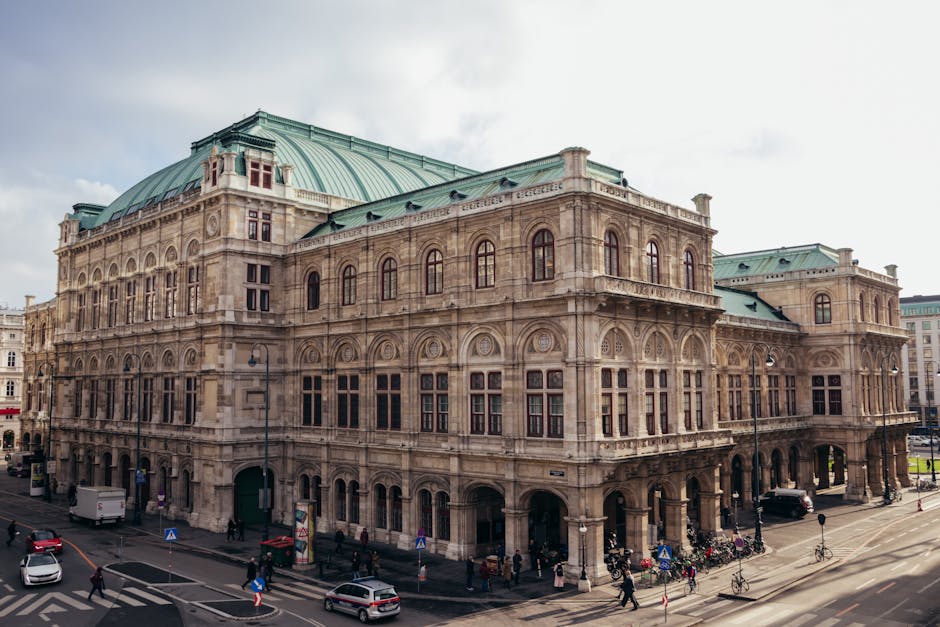 Moderate
Vienna, Austria
Discover the noir world of The Third Man and Cold War Vienna on this atmospheric self-guided audio walk through the historic Innere Stadt.
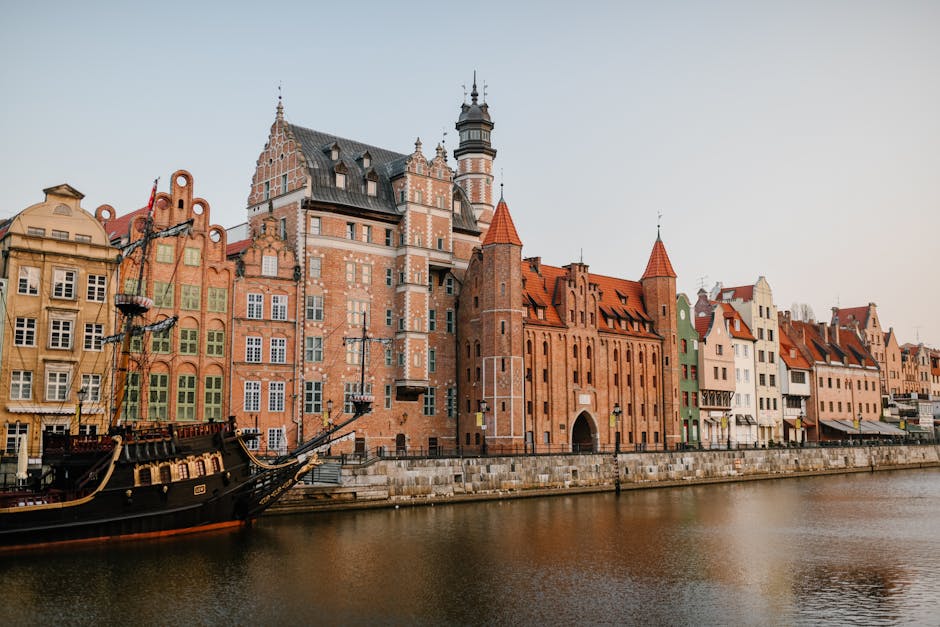 Moderate
Gdansk, Poland
Discover the raw beauty of Gdansk’s Lower Town. Explore industrial ruins, hidden sluices, and riverside bastions on this self-guided walk.
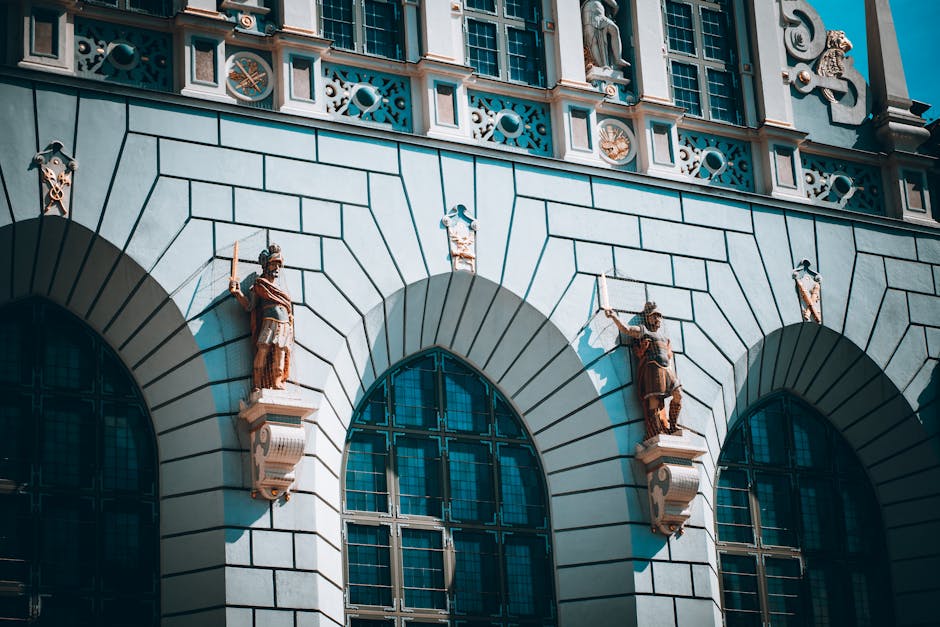 Moderate
Gdansk, Poland
Discover Zaspa, a massive open-air gallery where grey housing blocks are transformed by over 60 monumental murals. Explore at your own pace.
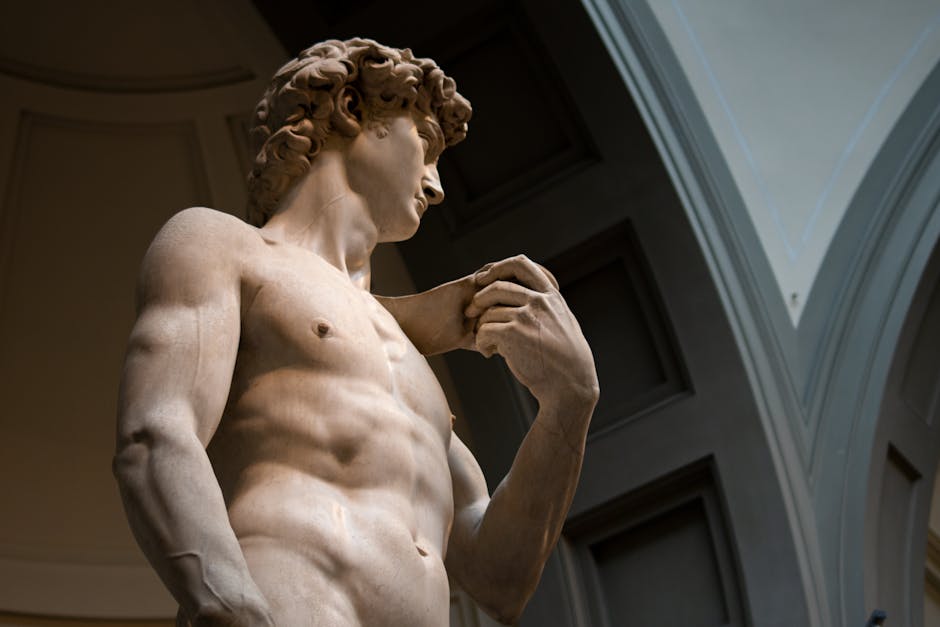 Easy
EasyFlorence, Italy
Discover the intersection of Renaissance architecture and modern luxury on this self-guided walk through Florence’s high-fashion districts.
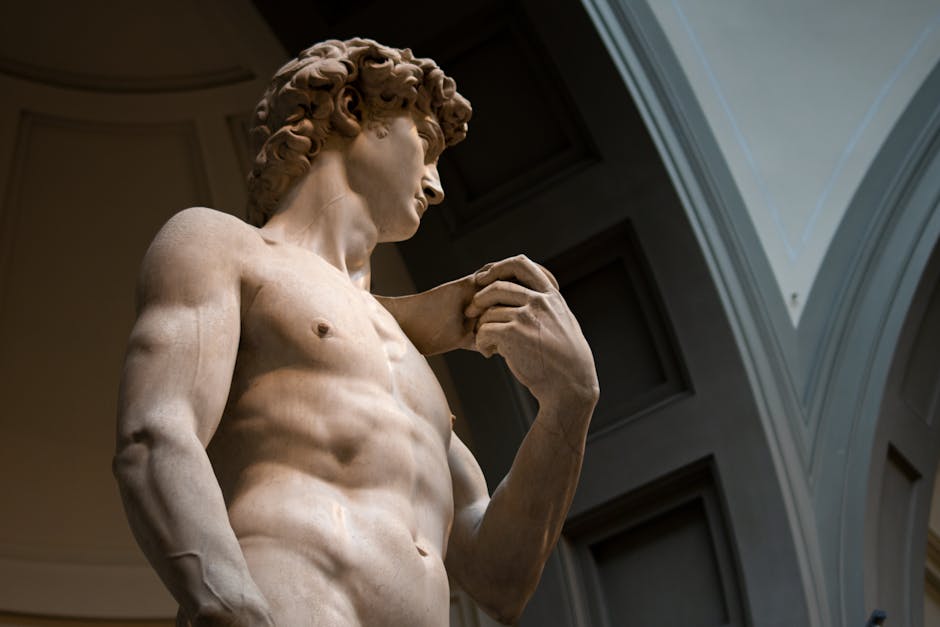 Easy
EasyFlorence, Italy
Explore the medieval streets of Florence through the eyes of Dante Alighieri on this self-guided literary and historical walking route.
 Easy
EasyFlorence, Italy
Experience the magic of Florence at sunset. Discover iconic bridges and breathtaking river views on this romantic self-guided audio walk.
 Easy
EasyFlorence, Italy
Discover the 'buchette del vino'—Florence's unique Renaissance wine windows—on this self-guided walk through the city's historic streets.