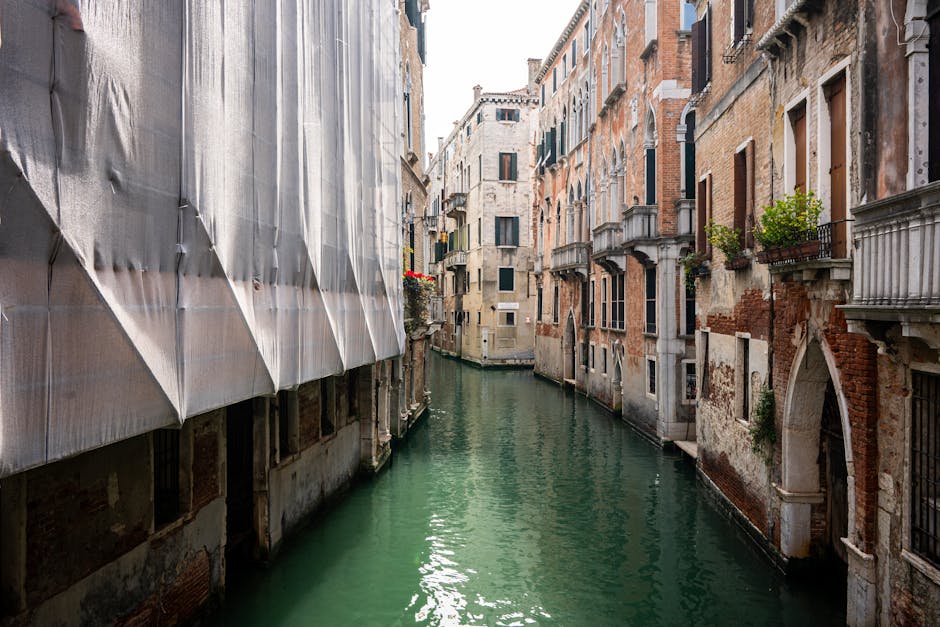
Self-guided audio tour in Venice
Start Free on iPhone
Start free on iPhone to unlock this self-guided walking tour in Venice. Hear all the stories that make it amazing, walk at your own pace, and begin whenever you want.
Your Private Tour Guide
Just a short vaporetto ride across the Bacino di San Marco lies an island that offers one of the most serene and architecturally significant experiences in Italy. This self-guided walk on the Island of San Giorgio Maggiore takes you away from the dense crowds of the city center and into a world of Renaissance harmony, contemporary art, and unparalleled panoramas. While most visitors gaze at the island’s iconic silhouette from the Piazzetta, few cross the water to explore its hidden treasures. This walking route is designed for those who appreciate the interplay of white Istrian stone against the deep blue of the lagoon and the quiet contemplation of monastic spaces turned into cultural hubs. Your journey begins at the edge of the Borges Labyrinth, a living tribute to the Argentine writer Jorge Luis Borges. From there, you will move toward the heart of the island: the Basilica di San Giorgio Maggiore. This structure is a masterwork by Andrea Palladio, representing the pinnacle of Renaissance architecture with its brilliant white facade and perfectly proportioned interior. Adjacent to the church, the Campanile offers what many consider the finest view in Venice, providing a 360-degree perspective that includes the Doge’s Palace, the Giudecca, and the distant Dolomites on a clear day. As you continue this neighborhood stroll, the route transitions from the classical to the contemporary. You will discover the San Giorgio Lighthouse, a sentinel of the lagoon, and the Glass Tea House Mondrian, a stunning installation that merges Japanese tradition with modern materials. The walk concludes at the Fondazione Giorgio Cini, a world-renowned cultural institution housed in a former Benedictine monastery. This route is a dream for photography enthusiasts and architecture buffs alike, offering a peaceful alternative to the typical walking tour Venice itineraries. By exploring independently, you can linger in the cloisters or spend extra time capturing the light as it hits the Palladian columns, making this audio walk a truly personal exploration of Venetian heritage.
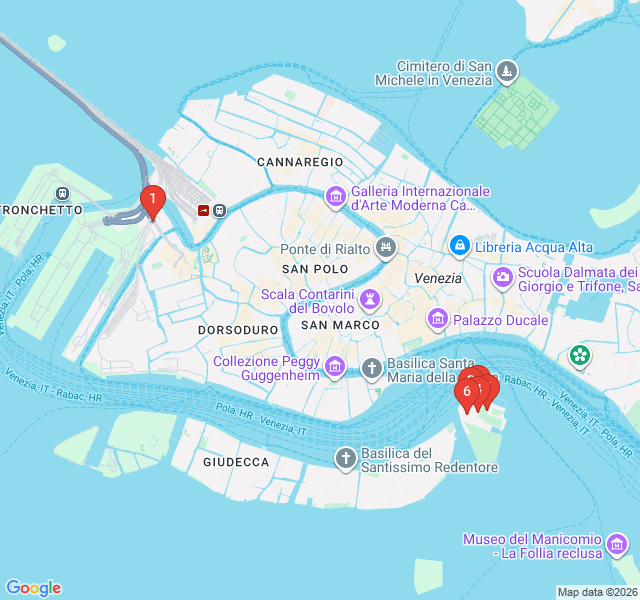
Numbers indicate the order of stops on the tour.
Begin your exploration at the Borges Labyrinth, a stunning garden designed by Randoll Coate in honor of the writer Jorge Luis Borges. This emerald maze is composed of over 3,200 boxwood plants, arranged to mirror the pages of an open book when viewed from above. As you walk near its perimeter, look for the symbolic elements hidden in the design, such as a walking stick, an hourglass, and even the author's name spelled out in the layout of the hedges. This garden was inspired by Borges' story 'The Garden of Forking Paths' and serves as a physical representation of his fascination with infinity and the complexity of time. It is a place of profound quiet, a stark contrast to the bustling canals just across the water.
Stand before the gleaming white facade of the Basilica di San Giorgio Maggiore, one of the most photographed buildings in Venice. Completed in 1610, this church is the work of Andrea Palladio, the most influential architect of the Renaissance. Notice how Palladio solved the challenge of placing a classical temple front onto a church with a high nave and lower side aisles by overlapping two temple fronts. Inside, the architecture is equally impressive, characterized by light, space, and mathematical harmony. The interior also houses significant artworks, including Tintoretto's 'The Last Supper' and 'The Fall of Manna,' which flank the high altar. The use of Istrian stone gives the building its characteristic brilliance, making it appear to glow against the lagoon.
For the best view in the city, head to the entrance of the Campanile, or bell tower. Unlike the famous tower in St. Mark's Square, this one is accessible by a modern elevator, making the ascent effortless. Once at the top, you are rewarded with a breathtaking 360-degree panorama. To the north, you can see the Doge's Palace and the Campanile di San Marco in their full glory. To the west lies the Giudecca canal, and to the east, the entrance to the Adriatic Sea. The height allows you to appreciate the complex geography of Venice's islands and the vastness of the lagoon. It is a essential stop for any photography enthusiast looking to capture the red-tiled roofs of the city without the obstruction of safety cages found on other towers.
Walk toward the southern tip of the island to reach the San Giorgio Lighthouse. This elegant, white-stone structure serves as a guide for vessels entering the Giudecca Canal. While it is a functional maritime building, its simple, vertical lines provide a beautiful architectural contrast to the horizontal expanse of the water. The area around the lighthouse is often much quieter than the front of the Basilica, offering a perfect spot to sit and watch the vaporetti and private boats navigate the busy waters of the Bacino. The lighthouse is built from the same Istrian stone as the church, ensuring it remains a bright beacon even on overcast days. It represents the island's long-standing connection to Venetian maritime history and navigation.
Tucked away on the island is a surprise of modern design: the Glass Tea House Mondrian. Created by Japanese artist and architect Hiroshi Sugimoto, this installation is a pavilion of glass and wood set within a tranquil pool of water. The name 'Mondrian' refers to the geometric purity and lines reminiscent of the Dutch painter’s work. This site is part of the 'Le Stanze del Vetro' initiative, which celebrates the art of glassmaking in Venice. The tea house is designed to host traditional Japanese tea ceremonies, emphasizing the shared values of craftsmanship and ritual found in both Japanese and Venetian cultures. The reflection of the glass against the sky and water creates a shifting, ethereal experience that changes with the light of the day.
Your final stop is the Fondazione Giorgio Cini, located in what was once a grand Benedictine monastery. After the fall of the Venetian Republic, the monastery was used for military purposes until it was restored in the 1950s by Vittorio Cini. Today, it is a prestigious international cultural center. As you walk through the grounds, you can see the two magnificent cloisters: the 'Chiostro dei Cipressi' designed by Giovanni Buora and the 'Chiostro Palladiano' by Palladio himself. The foundation also houses an extraordinary library and the 'Longhena Staircase,' a baroque masterpiece. This site perfectly encapsulates the island's evolution from a religious sanctuary to a beacon of art, music, and academic research, preserving the intellectual soul of Venice.
Start Free on iPhone
Explore “The Island of San Giorgio: Architecture & Panoramas” with your very own Private Tour Guide with Zigway. Start free on iPhone, skip the large group and the fixed routes, and hear the city come alive as you go.
Your Private Tour Guide
Don't miss the good stuff
Explore Freely
 Easy
EasyVenice, Italy
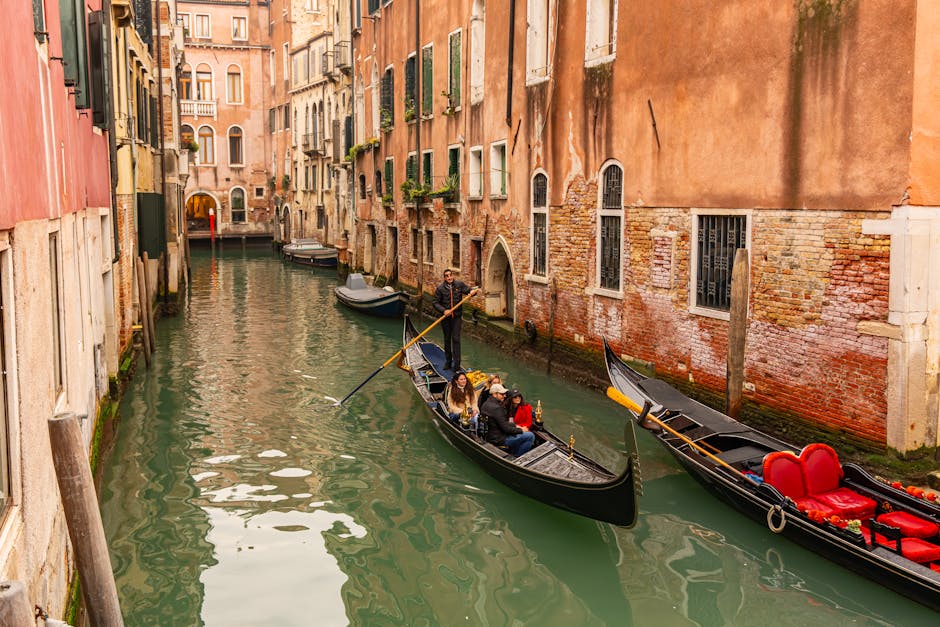
Explore the world’s first Ghetto in Cannaregio. Discover hidden synagogues, high-rise history, and the resilient spirit of Venice’s Jewish community.
 Easy
EasyVenice, Italy
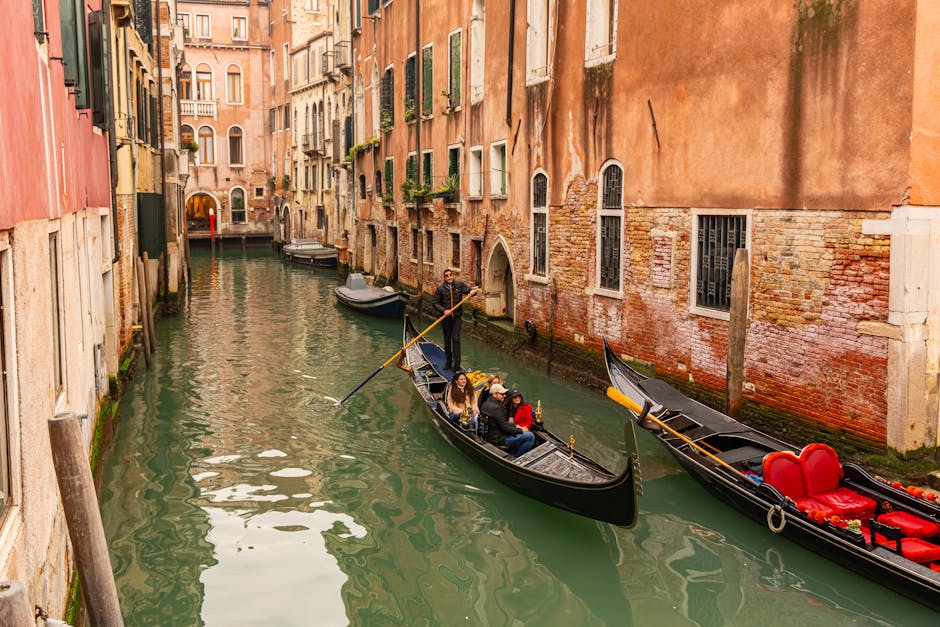
Discover the golden light of Venice's Dorsoduro district with this self-guided stroll along the scenic Zattere promenade.
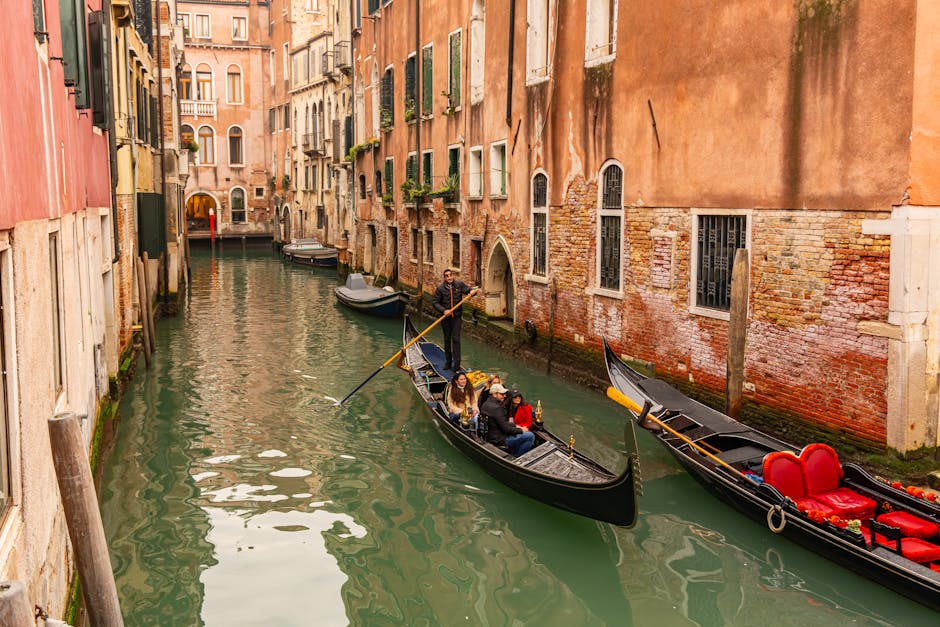 Easy
EasyVenice, Italy
Discover the soul of Venice through its artisans. Explore mask-making, gondola shipyards, and modern art on this self-guided Dorsoduro stroll.
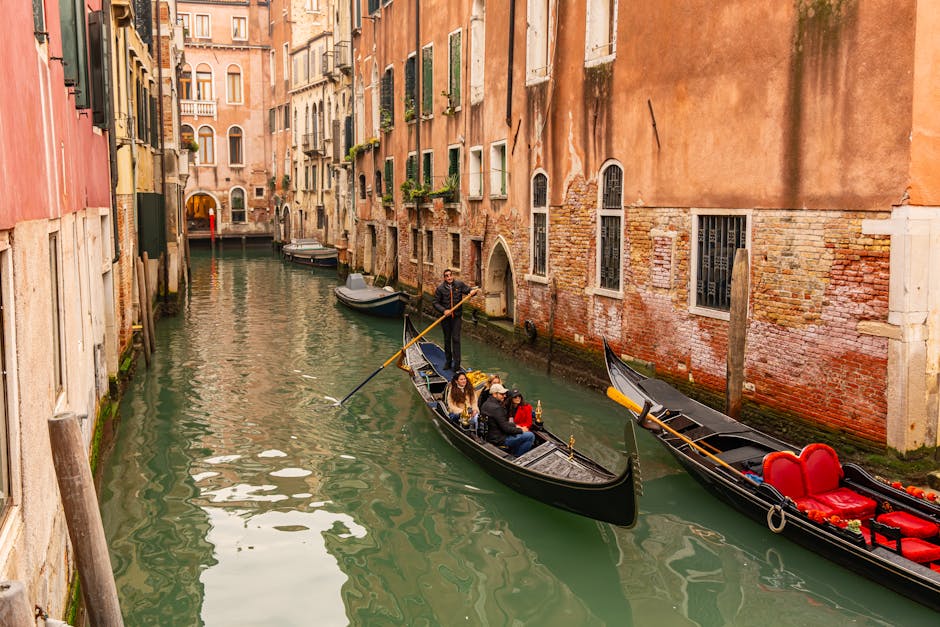 Easy
EasyVenice, Italy
Trace the lives of Byron, Hemingway, and Dickens on this self-guided literary adventure through Venice’s historic San Marco district.
 Easy
EasyHelsinki, Finland
Discover Helsinki's oldest neighborhood on this self-guided audio walk through Kruununhaka’s historic streets, hidden courtyards, and scenic shores.
 Easy
EasyNairobi, Kenya
Discover Nairobi's iconic skyline on this self-guided architecture walk through the CBD’s most famous modernist and Brutalist landmarks.
 Easy
EasyGdansk, Poland
Discover the opulent Royal Way of Gdansk at your own pace. Explore Hanseatic history, gilded architecture, and the iconic Neptune's Fountain.
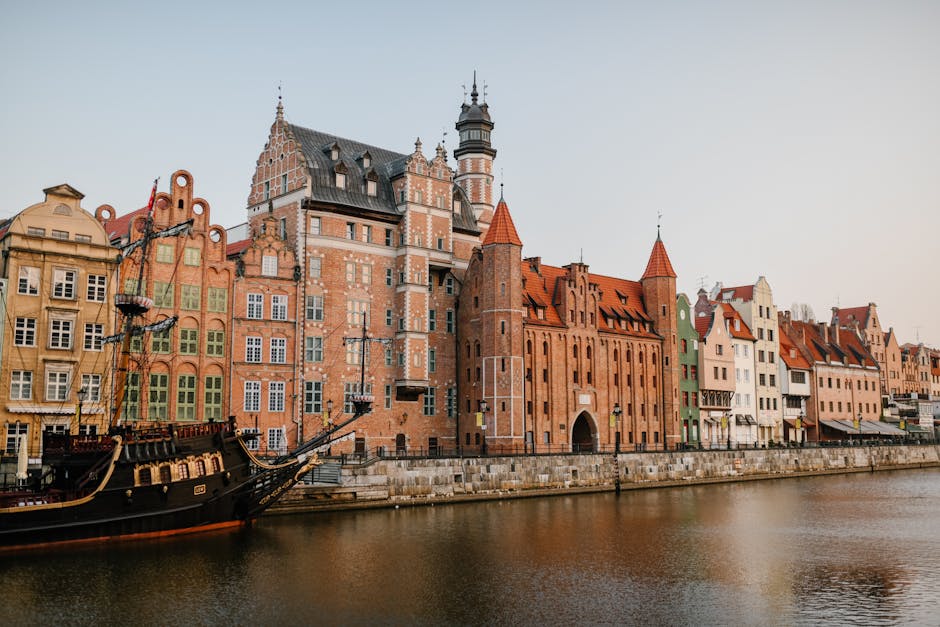 Easy
EasyGdansk, Poland
Discover the 'Baltic Gold' on this self-guided walk through Gdansk's historic mills, massive cathedrals, and the magical Mariacka Street.
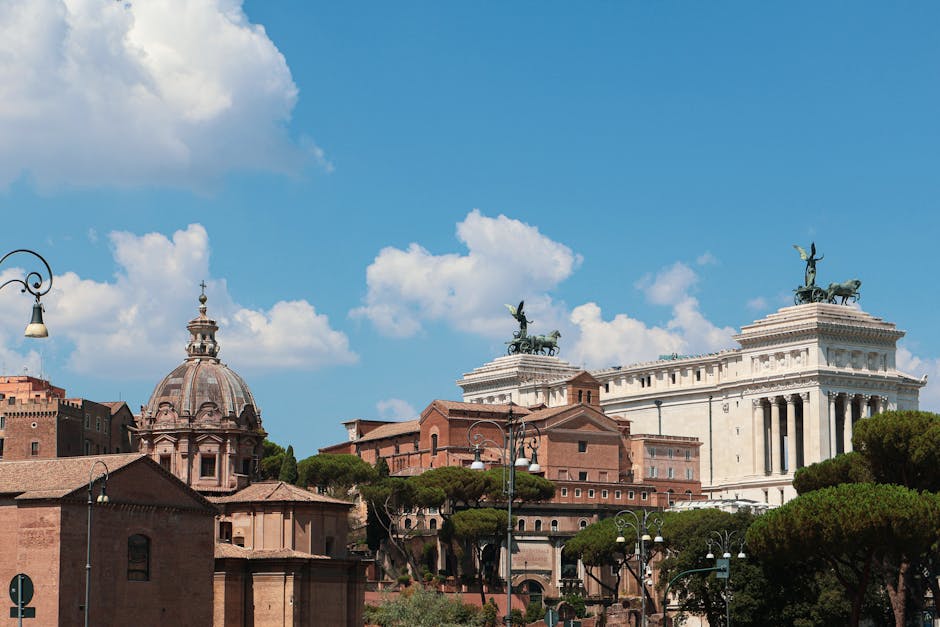 Easy
EasyRome, Italy
Explore Rome’s industrial heart on this self-guided walk featuring massive murals, the 'Iron Colosseum,' and unique industrial archaeology.
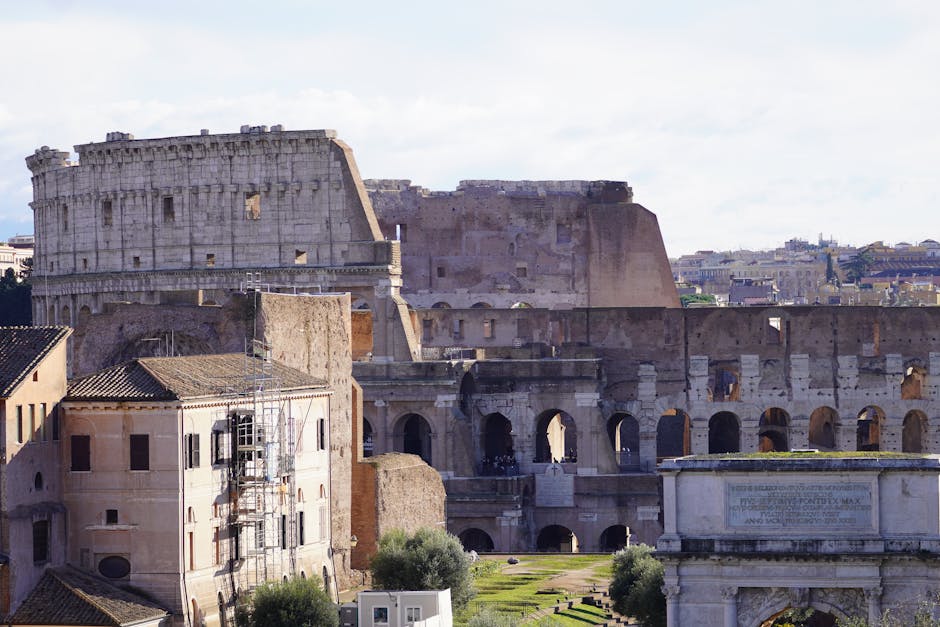 Easy
EasyRome, Italy
Explore Rome’s whimsical Fairytale District. A self-guided walk through Art Nouveau palaces, mythical fountains, and the magical Coppedè architecture.
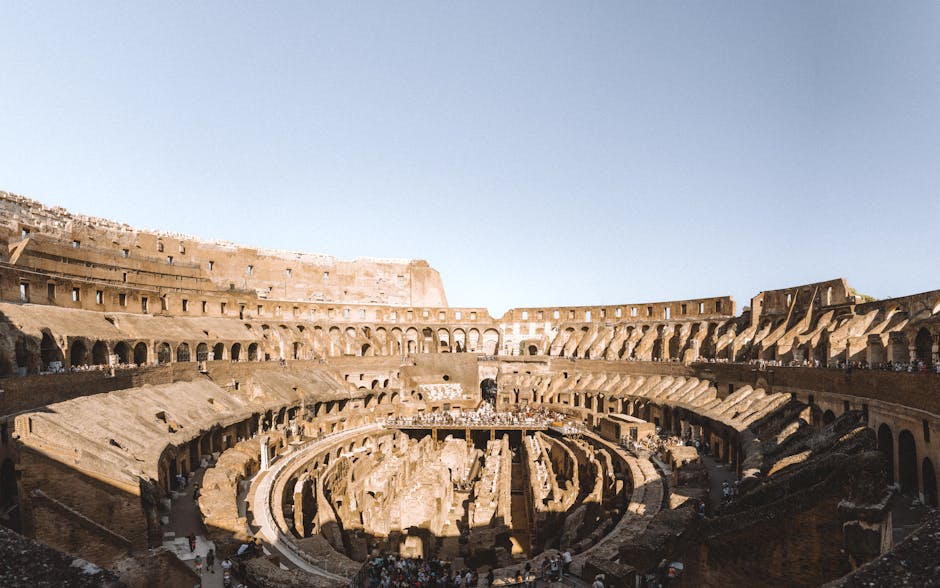 Moderate
Rome, Italy
Uncover Rome's hidden history on this self-guided walk through ancient gladiator pits, subterranean temples, and buried Roman houses.
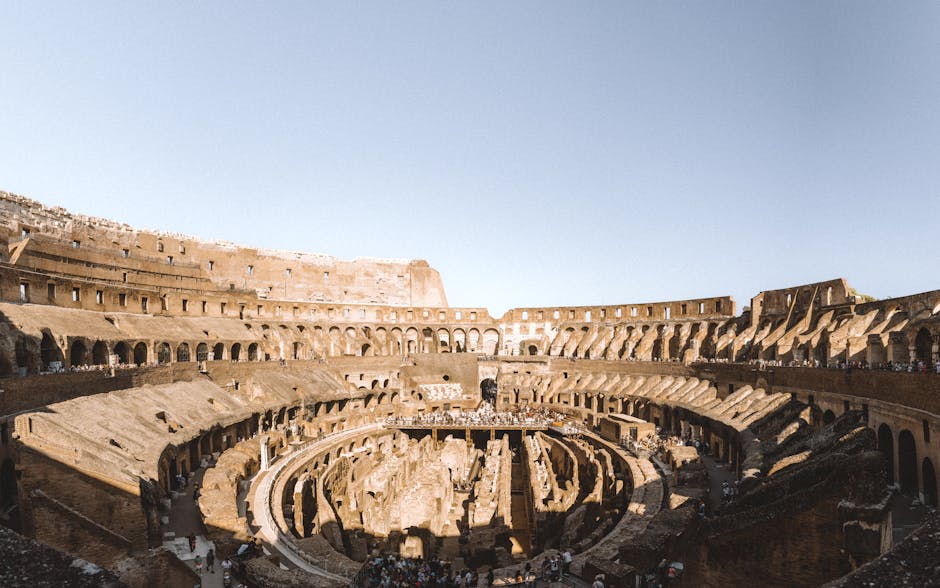 Challenging
Rome, Italy
Walk the 'Queen of Roads.' Explore ancient catacombs, imperial villas, and historic basalt stones on this scenic self-guided Roman adventure.