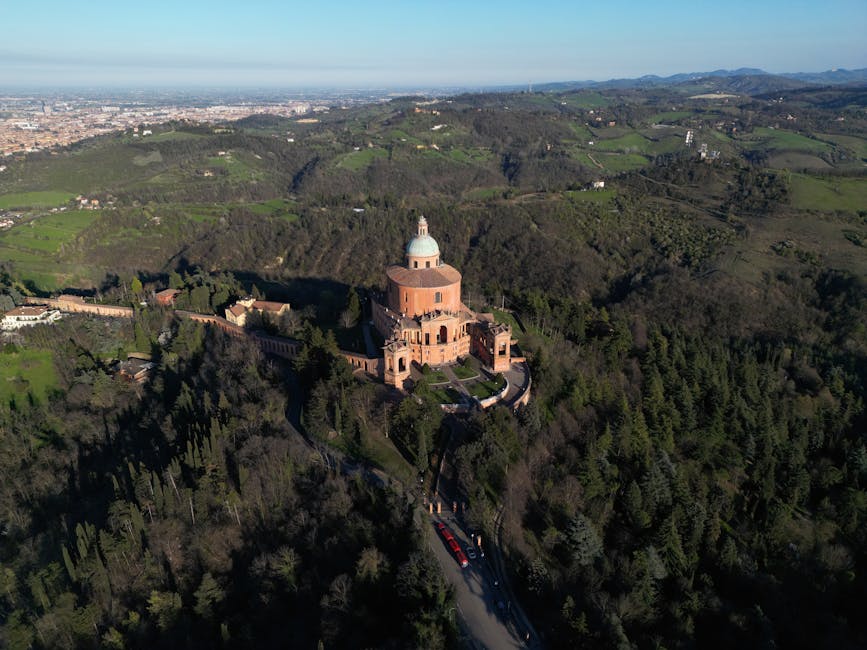
Self-guided audio tour in Bologna
Start Free on iPhone
Start free on iPhone to unlock this self-guided walking tour in Bologna. Hear all the stories that make it amazing, walk at your own pace, and begin whenever you want.
Your Private Tour Guide
Bologna is famously known as 'La Rossa' for its terracotta rooftops and medieval brickwork, but beyond the sun-baked piazzas lies a lush, verdant side often missed by the casual traveler. This self-guided walk, titled 'Green Escapes and Garden Vistas,' invites you to step away from the bustling porticos and discover the city’s secret courtyards, historic botanical collections, and sprawling public parks. This neighborhood stroll through Santo Stefano and the University district reveals how nature has been woven into the urban fabric of Bologna for centuries. From the academic rigor of the 16th-century Botanical Gardens to the bohemian vibes of repurposed greenhouses, you will experience the city's lungs and its most photogenic natural corners. This walking route is designed for those who want to explore independently, offering a peaceful alternative to the typical sightseeing circuit. You will wander through hidden gems like the Giardino del Guasto, built atop the ruins of a Renaissance palace, and the iconic Giardini Margherita, where locals gather for sunset aperitivos. Whether you are a photography enthusiast looking for the perfect play of light through linden trees or a traveler seeking a moment of quiet reflection, this audio walk provides the perfect pace. Discover the stories of Nobel laureates in their private gardens and see how modern community projects have transformed industrial spaces into vibrant green hubs. This is a side of Bologna that breathes deeply, inviting you to slow down and appreciate the floral scents and historical vistas that define the city's softer edge.
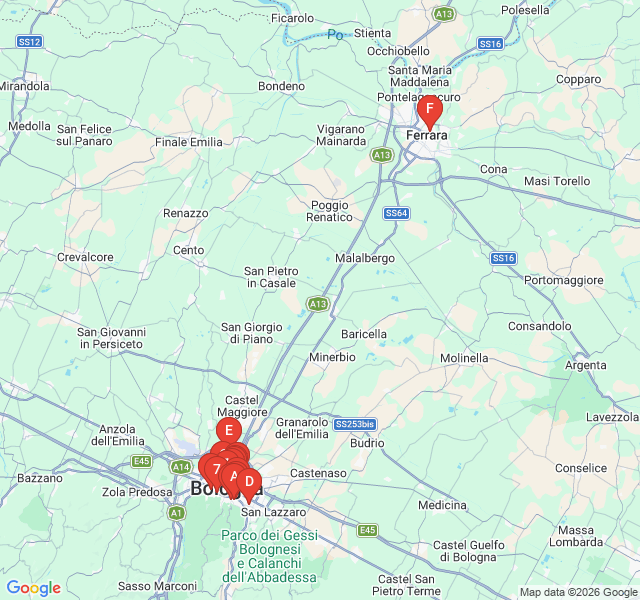
Numbers indicate the order of stops on the tour.
Begin your self-guided adventure at the bell tower of Bologna's Cathedral. While the cathedral itself is a baroque masterpiece, the campanile offers a unique 'vertical garden' perspective. At 70 meters high, it is the second tallest tower in the city. From this vantage point, you can see how the green canopy of the city’s inner courtyards punctuates the sea of red rooftops. This stop sets the stage for our walk, allowing you to trace the green veins of the city from above before we dive into them on the ground. The tower actually houses two bells, one of which weighs over three tons, requiring a specialized team of bell-ringers to operate.
This is one of Bologna's most unusual green spaces. The Giardino del Guasto, or 'Garden of Ruins,' was designed by architect Rino Filippini in the 1970s. It is built entirely on the site of the former Bentivoglio Palace, which was destroyed by a mob in 1507. Instead of clearing the rubble, the garden incorporates the ruins into its brutalist concrete design. It is a fascinating example of urban renewal where nature and concrete coexist. Notice the winding paths and the way the plants soften the hard edges of the structures—a perfect spot for photography enthusiasts looking for high-contrast shots.
Step into a world of scientific wonder at the Orto Botanico dell'Università di Bologna. Founded in 1568, it is one of the oldest botanical gardens in Europe. Originally established to grow medicinal plants for the university's medical students, it now houses over 5,000 plant species. As you walk through the greenhouses and the arboretum, you are following in the footsteps of centuries of botanists. Don't miss the section dedicated to succulent plants and the impressive collection of ancient trees. It is a quiet sanctuary that feels worlds away from the city traffic just outside its gates.
Located within the university quarter, the Palazzina della Viola is a Renaissance jewel surrounded by a charming garden. Built in the late 15th century for Annibale Bentivoglio, it served as a suburban retreat for the ruling family. The loggia is decorated with exquisite frescoes, and the surrounding greenery makes it a favorite study spot for local students. The harmony between the elegant architecture and the manicured lawn exemplifies the Renaissance ideal of the 'villa suburbana.' It’s a peaceful place to observe the academic life of Bologna in a historic setting.
Named after the jazz musician Charlie Parker and John Lennon, this modern park reflects Bologna's vibrant, contemporary spirit. It is a large, open green space that serves as a vital community hub in the San Donato district. Unlike the historic gardens we’ve seen, this park is all about active relaxation. You’ll often see locals playing sports, walking dogs, or enjoying picnics. It’s a great example of how the city continues to create green lungs for its residents outside the ancient city walls, providing a sense of space and fresh air.
This small but significant garden is dedicated to Graziella Fava, an innocent victim of a local tragedy. It serves as a poignant reminder of the community's resilience. The garden is a quiet, residential green space that offers a glimpse into the everyday life of Bolognese families. With its playground and shaded benches, it is a modest but essential part of the neighborhood's social fabric. Take a moment here to enjoy the local atmosphere and perhaps see a game of cards or children playing in the shade of the tall trees.
Perched on a small hill near the University's Engineering faculty, the Giardini di Villa Cassarini offer a delightful escape. This area is historically significant as it was once part of a larger estate. Today, it is famous for its beautiful trees and the Monument to the Fallen for the Liberation of Bologna. The elevation provides a refreshing breeze during the summer months and glimpses of the hills surrounding the city. It’s a popular spot for students to take a break from their studies and for visitors to enjoy a more rugged, less manicured version of a city park.
This neighborhood park is a hidden gem tucked away in a quiet residential area. It is characterized by its tall, mature trees that provide a dense canopy of shade. The Giardino Vittorio Melloni is the perfect place to experience the authentic, 'slow' pace of life in Bologna. It is rarely visited by travelers, making it a truly local-favorite spot. The simple layout and the sound of birds chirping make it an ideal stop for those seeking a moment of quiet meditation or a peaceful place to read a book during their walking route.
This is one of the most innovative stops on our route. Le Serre (The Greenhouses) were once the municipal plant nurseries for Giardini Margherita. Today, they have been transformed into a vibrant cultural hub featuring a co-working space, a sustainable restaurant, and a community garden. It is a brilliant example of social innovation and urban regeneration. You can explore the vegetable patches, see the aquaponics system, or simply grab a coffee and sit among the plants. The atmosphere here is creative and eco-conscious, reflecting the modern side of Bologna’s relationship with nature.
Welcome to the 'Central Park' of Bologna. Opened in 1879, Giardini Margherita is the city's largest and most popular park. It was designed in the English style, with winding paths, a large pond, and vast lawns. As you stroll through, you’ll see the 'Chalet' on the island in the middle of the lake and perhaps some of the local turtles sunning themselves. This park is the heart of Bologna's outdoor life, hosting everything from concerts to markets. It’s the perfect place to end your walk with a long sit on the grass or a leisurely stroll along the tree-lined avenues.
This grand gateway is one of the historic entrances to the city, marking the edge of the old city walls. Porta Santo Stefano stands as a monumental transition between the urban center and the green expanse of Giardini Margherita. Built in the 13th century and significantly remodeled in the 19th, it consists of two symmetrical buildings that once served as customs houses. Standing here, you can feel the history of the city as a fortified stronghold, while seeing how the modern city has embraced the green spaces that lie just beyond the old gates.
This is the final home of Giosuè Carducci, the first Italian to win the Nobel Prize in Literature. The house is preserved as a museum, but it is the garden that truly captures the poet's spirit. Carducci was deeply inspired by nature, and his garden remains a tranquil oasis of laurel and ivy. The site is built against the ancient city walls, creating a secluded atmosphere. Standing in this garden, you can imagine the poet working at his desk, looking out at the greenery that fueled his verses. It’s a literary landmark that perfectly blends history, art, and nature.
A bit further out from the center, Lunetta Gamberini is a sprawling park that offers a true suburban green experience. It is named after its 'lunette' shape, a remnant of former military fortifications. Today, it is a haven for sports and community life, featuring running tracks, play areas, and wide-open fields. It’s a great place to see how the city of Bologna prioritizes green space for its residents' health and well-being. The park's vast size makes it feel less like a city garden and more like a slice of the countryside brought into the city limits.
If you are visiting in the spring, TuliPark is a spectacular floral explosion. This seasonal 'u-pick' tulip field brings a touch of Holland to the outskirts of Bologna. With thousands of tulips in every imaginable color, it is a paradise for photographers and flower lovers. The park is designed for visitors to wander through the rows, take photos, and even pick their own bouquet to take home. It represents the more playful and decorative side of Bologna's green spaces, celebrating the fleeting beauty of the spring season.
We conclude our journey back at the academic heart of the city's green heritage. This university garden serves as both a research facility and a public park. As you finish your walk, take a moment to reflect on the diversity of green spaces you've encountered—from the concrete ruins of the Guasto to the sprawling lawns of Margherita. This garden, with its systematic classification of plants, reminds us of the long-standing human desire to understand and cultivate the natural world. It is the perfect place to end your exploration of Bologna's green soul.
Start Free on iPhone
Explore “Green Escapes and Garden Vistas” with your very own Private Tour Guide with Zigway. Start free on iPhone, skip the large group and the fixed routes, and hear the city come alive as you go.
Your Private Tour Guide
Don't miss the good stuff
Explore Freely
 Moderate
Bologna, Italy
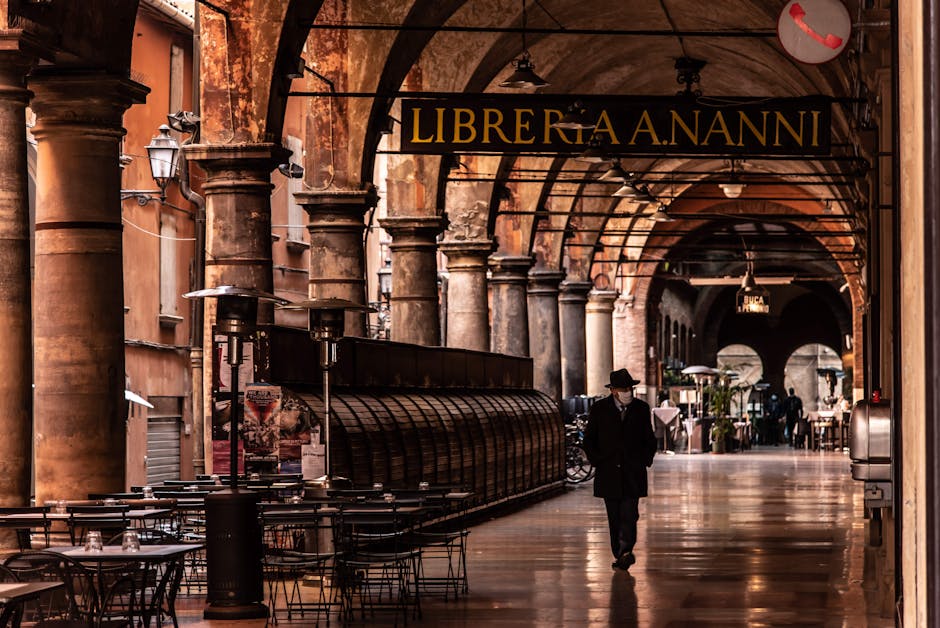
Explore Bologna's UNESCO-listed porticoes on this self-guided architectural stroll through historic streets and grand, frescoed arches.
 Easy
EasyBologna, Italy
Uncover Bologna's secret 'Little Venice' on this self-guided walk through hidden canals, ancient mills, and the city's industrial past.
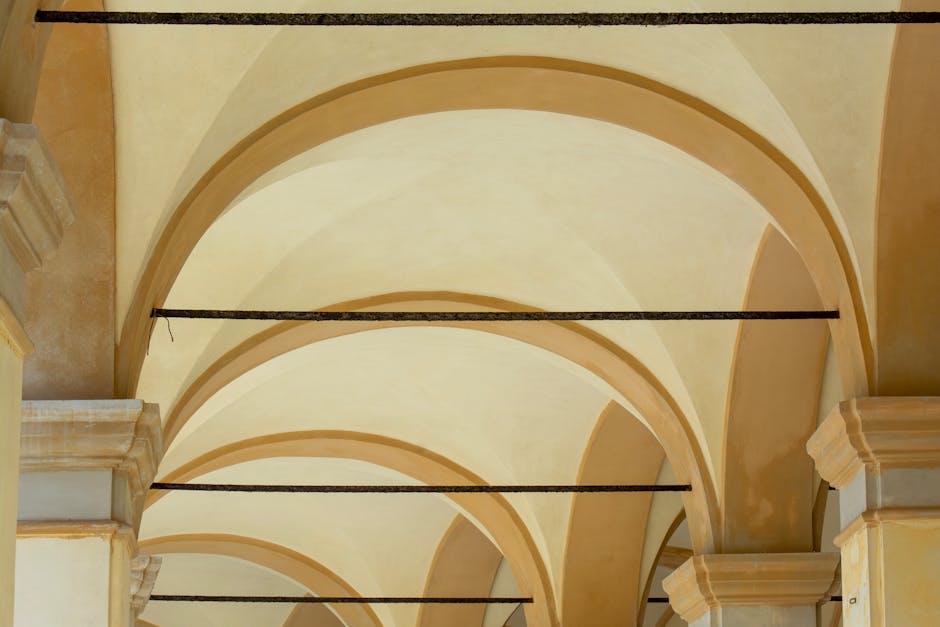 Easy
EasyBologna, Italy
Uncover the legends and hidden architectural wonders of medieval Bologna on this self-guided stroll through the historic city center.
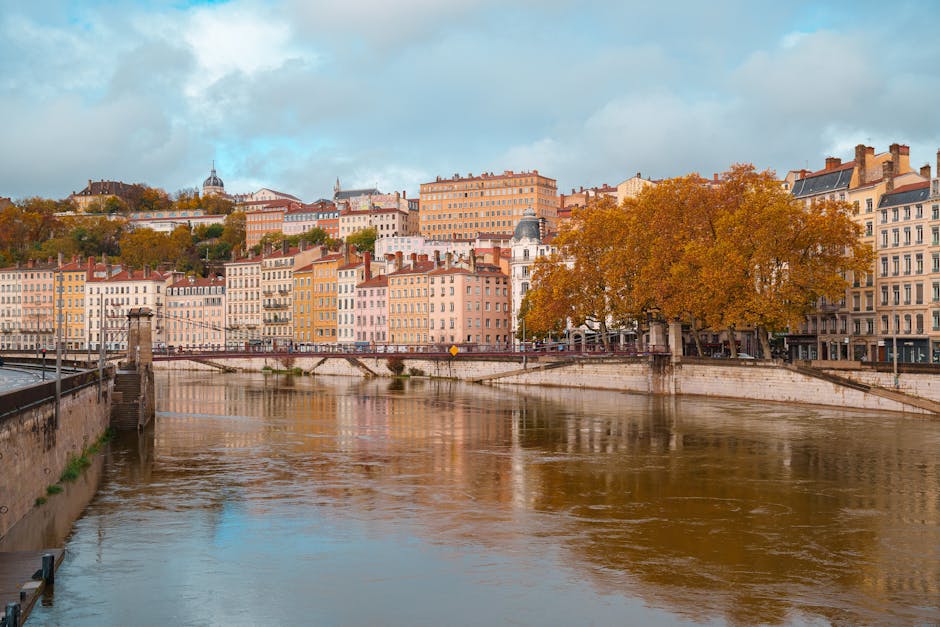 Easy
EasyBologna, Italy
Discover the rebellious soul of Bologna with a self-guided stroll through the bars, street art, and bohemian history of the iconic Pratello district.
 Moderate
Nairobi, Kenya
Discover Nairobi's lush side on this self-guided walk through botanical gardens, historic memorials, and vibrant local markets.
 Moderate
Gothenburg, Sweden
Explore Gothenburg’s lush "Green Lung" on this self-guided walk through the Botanical Garden, Slottsskogen park, and rugged Änggård Mountains.
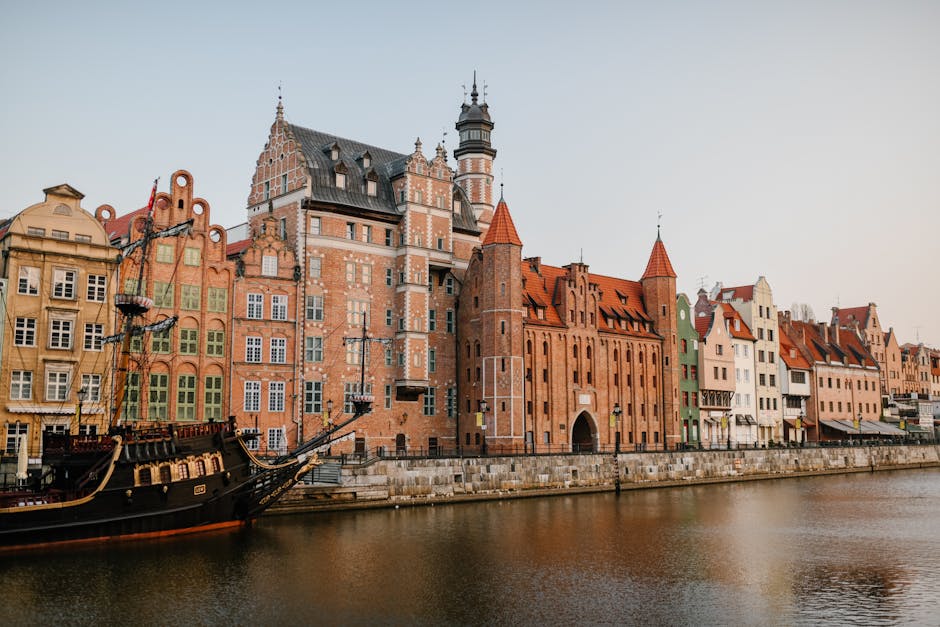 Easy
EasyGdansk, Poland
Discover the monastic heritage, world-famous organs, and lush botanical gardens of Oliwa on this peaceful self-guided neighborhood stroll.
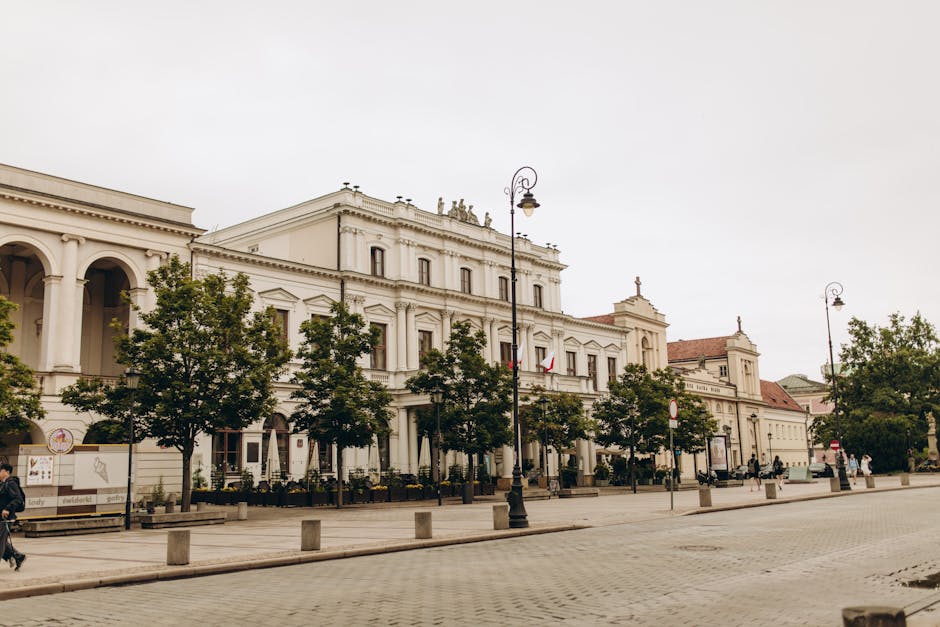 Easy
EasyWarsaw, Poland
Explore Warsaw's scenic riverfront, rooftop gardens, and industrial-chic architecture on this self-guided stroll through the Powiśle district.
 Easy
EasyRome, Italy
Explore Rome’s industrial heart on this self-guided walk featuring massive murals, the 'Iron Colosseum,' and unique industrial archaeology.
 Easy
EasyRome, Italy
Explore Rome’s whimsical Fairytale District. A self-guided walk through Art Nouveau palaces, mythical fountains, and the magical Coppedè architecture.
 Moderate
Rome, Italy
Uncover Rome's hidden history on this self-guided walk through ancient gladiator pits, subterranean temples, and buried Roman houses.
 Challenging
Rome, Italy
Walk the 'Queen of Roads.' Explore ancient catacombs, imperial villas, and historic basalt stones on this scenic self-guided Roman adventure.