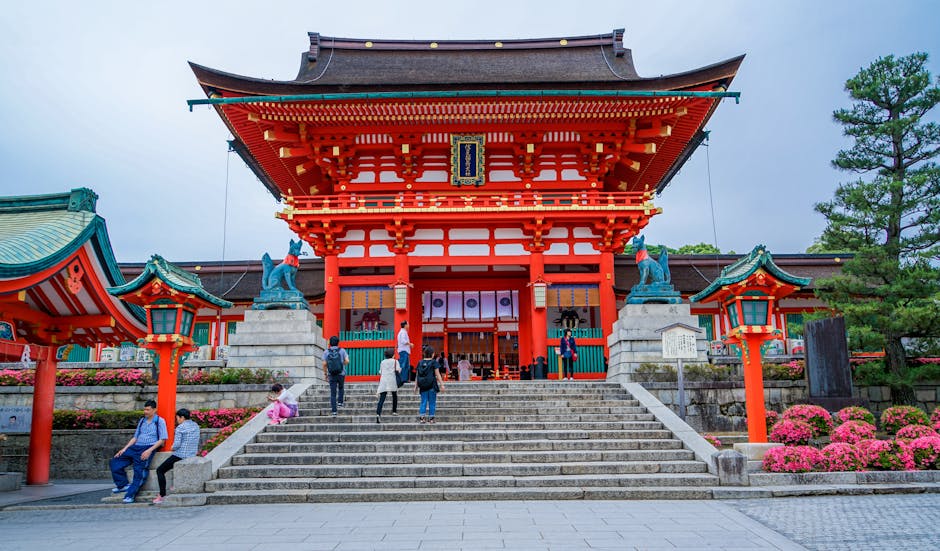
Self-guided audio tour in Kyoto
Start Free on iPhone
Start free on iPhone to unlock this self-guided walking tour in Kyoto. Hear all the stories that make it amazing, walk at your own pace, and begin whenever you want.
Your Private Tour Guide
The Kamo River is the rhythmic heart of Kyoto, a place where the city's ancient history meets the pulse of modern local life. This self-guided walk invites you to trace the waterside, moving from the bustling historic crossing of Sanjo Ohashi to the tranquil northern reaches of the city. Along the way, you will discover that Kyoto’s beauty isn’t just found in its famous temples, but in the spaces between them—the riverside paths where residents jog, the quirky 'turtle' stepping stones that bridge the river delta, and the hidden gardens that offer a moment of Zen away from the crowds. This walking route is a dream for photography enthusiasts, offering a blend of architectural marvels like the Garden of Fine Arts and the natural splendor of the Philosopher’s Path. You’ll experience the transition from the merchant history of the Gion district to the scholarly atmosphere of the Sakyo neighborhood. Whether you are watching the sunset paint the Higashiyama mountains in hues of gold or observing the seasonal blooms at the Kyoto Botanical Gardens, this neighborhood stroll captures the essence of a city that lives in harmony with its environment. It is a flexible travel experience that allows you to linger at a riverside cafe or explore an off-the-beaten-path temple like Ryosoku-in at your own pace. Discover the local-life of Kyoto through its waterways, where every bridge tells a story and every garden path leads to a new perspective on this timeless city. This walking tour Kyoto offers a comprehensive look at the city's green lung, perfect for those who want to see the 'real' Kyoto beyond the typical tourist brochures.
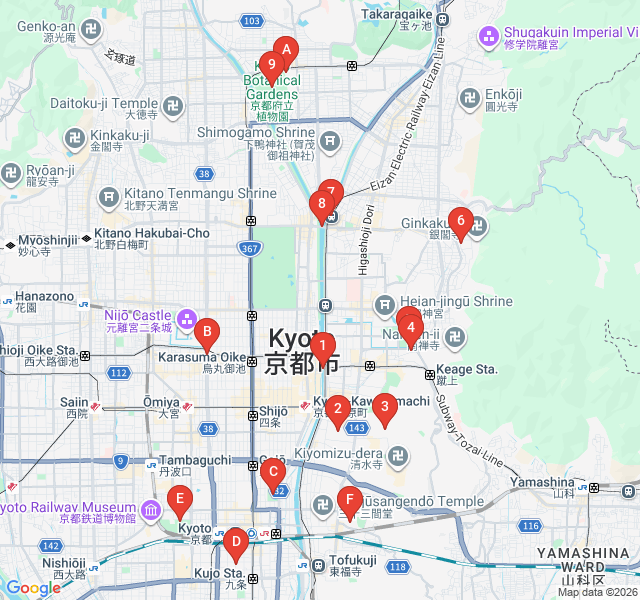
Numbers indicate the order of stops on the tour.
Start exploring with Zigway at Sanjo Ohashi, a bridge that has served as a vital gateway to Kyoto for centuries. This was the final terminus of the Tokaido Road, the great highway connecting Edo (modern-day Tokyo) to the Imperial capital. As you walk across, look for the bronze giboshi (ornamental rail finials); some still bear scars from the 1864 Ikedaya Incident, a famous skirmish involving the Shinsengumi samurai. Today, the bridge is a popular meeting spot and offers a perfect vantage point to see the 'yuka'—elevated dining platforms built over the water by nearby restaurants during the summer months.
A short walk from the river brings you to Ryosoku-in, a sub-temple of the venerable Kennin-ji complex. This site is a hidden gem known for its stunning stroll garden and its connection to Zen meditation. It is particularly famous for its 'Hangesho' (lizard's tail) plants, which turn white during the summer solstice, creating a snow-like effect across the greenery. The temple embodies the 'wabi-sabi' aesthetic—finding beauty in imperfection and transience. Take a moment to appreciate the silence here, which provides a sharp, refreshing contrast to the busy streets of Gion just outside the gates.
While many travelers flock to Arashiyama for bamboo, the grove here at Kōdai-ji offers a much more intimate experience. This temple was established in 1606 by Nene, the widow of Toyotomi Hideyoshi, one of Japan's great unifiers. The bamboo path here winds through the hillside, with the tall stalks creaking softly in the wind. The interplay of light and shadow through the leaves makes this a premier spot for photography. The forest serves as a natural transition between the ornate temple buildings and the rugged beauty of the Higashiyama mountainside.
Murin-an is a masterpiece of Meiji-era garden design. It was the villa of Yamagata Aritomo, a former Prime Minister, and was designed by the visionary gardener Ogawa Jihei VII. Unlike traditional enclosed Zen gardens, Murin-an uses 'shakkai' or borrowed scenery, incorporating the distant Higashiyama hills into its composition. The garden features a shallow, triple-tiered waterfall fed by the Lake Biwa Canal, a feat of engineering that modernized Kyoto. The spacious lawn and stream create a naturalistic landscape that was revolutionary for its time, moving away from the highly stylized gardens of the Edo period.
Founded in 1903, the Kyoto City Zoo is the second oldest zoo in Japan. While it has been modernized significantly, it retains a charming, community-focused atmosphere. It was the first zoo in the country to successfully breed several species, including the western lowland gorilla. Even if you don't go inside, the surrounding area is a lovely part of the Okazaki cultural district, characterized by wide boulevards and the massive red torii gate of Heian Shrine nearby. It represents the city's early 20th-century efforts to blend Western-style public spaces with Japanese urban life.
This stone path follows a canal lined with hundreds of cherry trees. It earned its name from Nishida Kitaro, one of Japan's most famous philosophers, who reportedly walked this route daily for meditation. The path stretches about two kilometers, passing several small shrines, craft shops, and cafes. In the spring, it is a tunnel of pink blossoms; in the summer, it is lush and green; and in autumn, the maple leaves turn brilliant shades of red. It is the epitome of the 'slow travel' movement, encouraging visitors to reflect as they stroll alongside the gentle flow of the water.
Demachiyanagi serves as a gateway to northern Kyoto and the mountains of Kurama and Kibune. This area has a distinct student vibe, thanks to its proximity to Kyoto University. The station area is famous for 'Demachi Futaba,' a traditional sweets shop where locals queue for 'mame-daifuku' (mochi with black beans). It is a bustling hub where the Eizan Railway meets the Keihan Line, but just steps away lies the peaceful confluence of the Kamo and Takano rivers. It's a great place to pick up a snack before heading down to the riverbanks.
Standing on Kamo-ohashi Bridge, you get one of the best panoramic views in the city. To the north, you can see the 'Y' shape where two rivers merge to become the Kamo River. On a clear day, look for the 'Dai' character carved into the mountainside—this is lit with fire during the Daimonji Gozan no Okuribi festival in August. This bridge is a favorite for local photographers who come to capture the kites (birds of prey) circling above and the vibrant life of the delta below. It marks the transition into the more residential and natural Sakyo ward.
Opened in 1924, these are the oldest and most comprehensive botanical gardens in Japan. Spread over 24 hectares, the gardens house over 12,000 species of plants. Highlights include the massive conservatory, which looks like a shimmering glass mountain, and the extensive rose gardens. The park is a sanctuary for locals, featuring wide lawns where families picnic and a grove of cherry trees that bloom slightly later than those in the city center. It’s a place that showcases the Japanese obsession with seasonal change and botanical perfection.
Designed by the world-renowned architect Tadao Ando, this is the world's first open-air art museum. The structure itself is as much a work of art as the exhibits, featuring Ando’s signature smooth concrete, dramatic angles, and flowing water. The museum houses weather-proof ceramic reproductions of famous masterpieces, including Michelangelo’s 'The Last Judgment' and Monet’s 'Water Lilies.' The way the light hits the concrete and the sound of the cascading waterfalls create a meditative, modern atmosphere that contrasts beautifully with the traditional gardens you've seen earlier on the route.
The path alongside the Kamo River is the city's social spine. Unlike the manicured temple grounds, this is a living space. You’ll see musicians practicing their instruments, students studying under the bridges, and herons patiently fishing in the shallows. The river is surprisingly clean, and its banks are a designated green space where development is strictly controlled. Walking here allows you to feel the true rhythm of Kyoto life. In the evening, the lights from the Pontocho district reflect on the water, creating a romantic atmosphere that has inspired countless poets and novelists.
Also known as Kikoku-tei, this garden belongs to the Higashi Honganji Temple. It was designed in the 17th century with input from the scholar Ishikawa Jozan. The garden is centered around a large pond filled with koi and features several tea houses and a beautiful arched bridge. Despite being located near the busy Kyoto Station area, Shōseien feels worlds away. Its high walls block out the city noise, leaving only the sound of birds and the rustle of maple leaves. It is particularly striking in the autumn when the ginkgo and maple trees create a vibrant canopy of yellow and red.
This is perhaps the most playful spot in Kyoto. At the confluence of the Kamo and Takano rivers, you'll find a series of large stones shaped like turtles and birds embedded in the riverbed. Crossing the river by hopping from stone to stone is a local rite of passage and a favorite activity for children and university students alike. The delta is a popular spot for 'hanami' (flower viewing) in the spring and is often used as a filming location for Japanese dramas. It captures the lighthearted, community-oriented spirit of the Kamo River perfectly.
Located in Umekoji Park, the Kyoto Aquarium is unique because it focuses on the aquatic life of Kyoto’s rivers as much as the ocean. One of its most famous residents is the Japanese Giant Salamander, a 'living fossil' that inhabits the nearby mountain streams. The aquarium uses state-of-the-art technology to recreate local ecosystems, emphasizing the importance of water to Kyoto’s identity. The modern facility is a testament to the city's commitment to conservation and education, providing a look at the hidden world beneath the surface of the rivers you've been walking beside.
End your self-guided adventure at Chishakuin, a temple often overlooked by the masses. Its garden is said to have been a favorite of the tea master Sen no Rikyu. The pond is uniquely designed to extend under the temple's veranda, making it feel as though the building is floating. Inside, the temple houses magnificent 16th-century wall paintings by Hasegawa Tohaku and his school, which are designated National Treasures. These vibrant screens depicting cherry blossoms and maple trees are the perfect final stop, summarizing the themes of nature and art that define this walking route.
Start Free on iPhone
Explore “Kamo River Delta and Riverside Rhythms” with your very own Private Tour Guide with Zigway. Start free on iPhone, skip the large group and the fixed routes, and hear the city come alive as you go.
Your Private Tour Guide
Don't miss the good stuff
Explore Freely
 Moderate
Kyoto, Japan
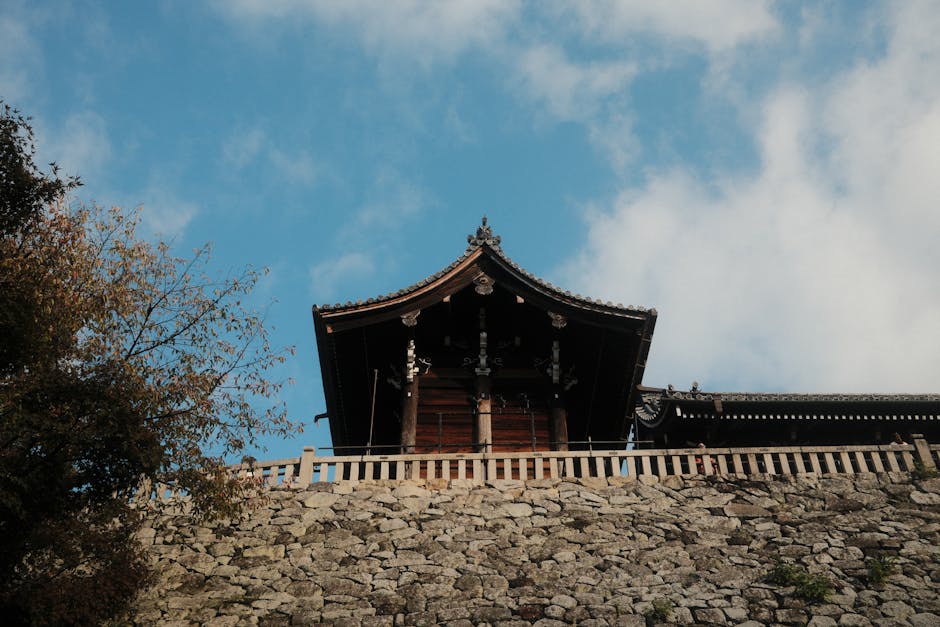
Discover the soul of old Kyoto on this self-guided walk through preserved stone lanes, iconic pagodas, and the grand wooden stage of Kiyomizu-dera.
 Challenging
Kyoto, Japan
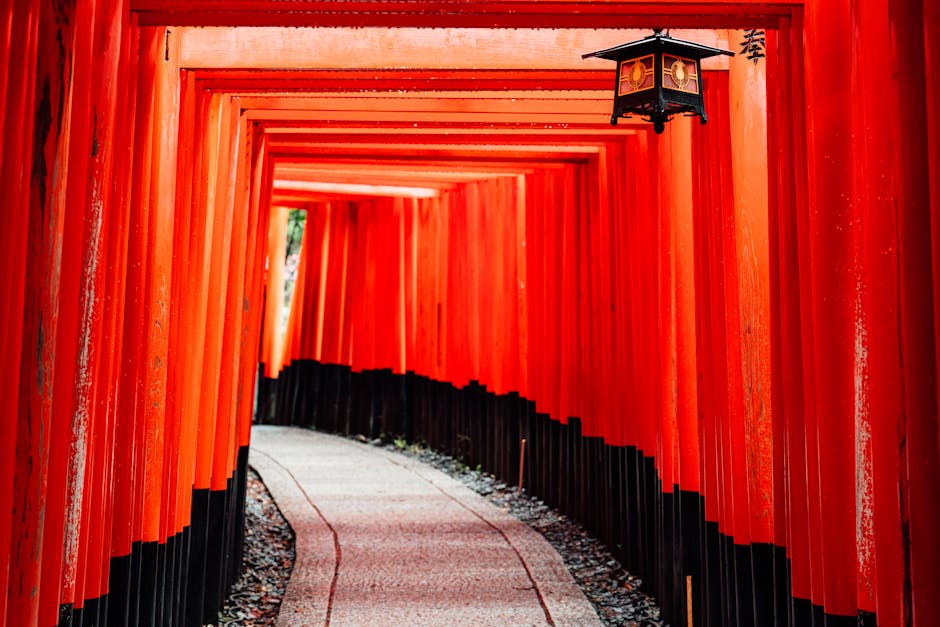
Ascend the sacred Mount Inari through thousands of vermillion torii gates on this challenging and spiritual self-guided walk in Kyoto.
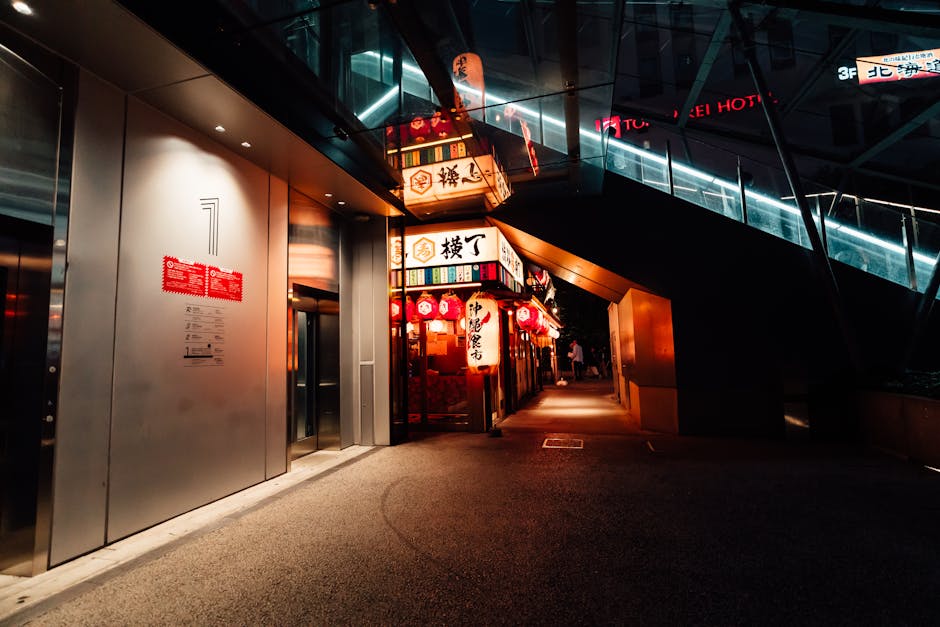 Easy
EasyKyoto, Japan
Explore Kyoto's most atmospheric alleyway. Discover geiko history, riverside dining, and hidden nightlife on this self-guided evening stroll.
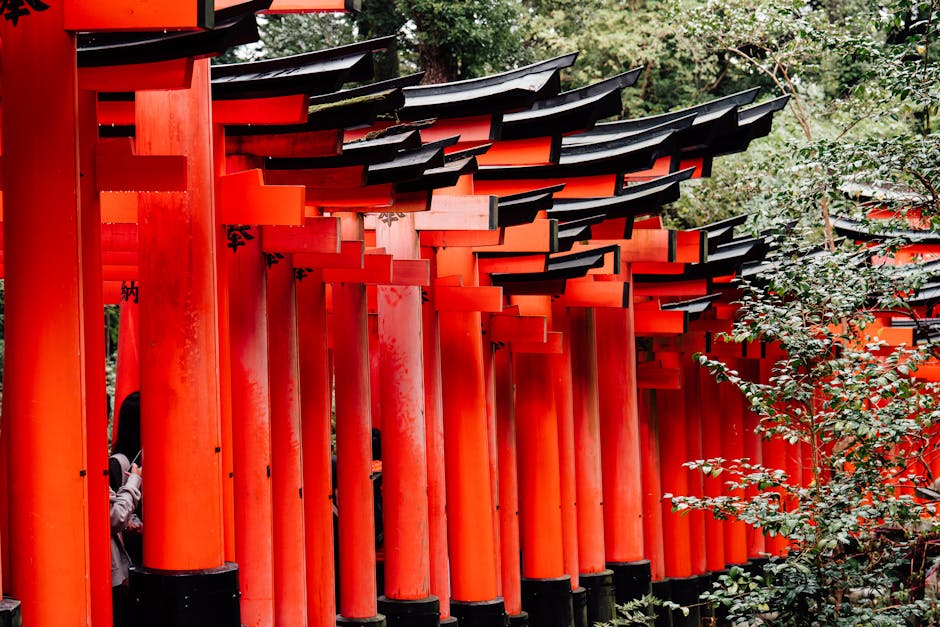 Moderate
Kyoto, Japan
Experience a serene self-guided walk along Kyoto's iconic Philosopher's Path, visiting Zen temples, hidden shrines, and the stunning Silver Pavilion.
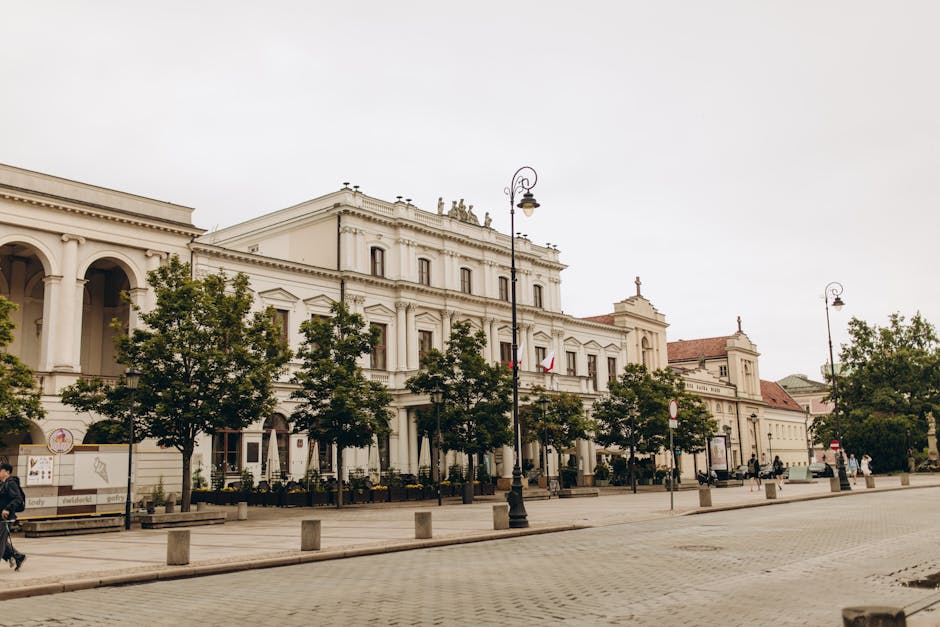 Easy
EasyWarsaw, Poland
Discover Warsaw's intellectual heart through historic campuses, peaceful parks, and the stunning rooftop gardens of the University Library.
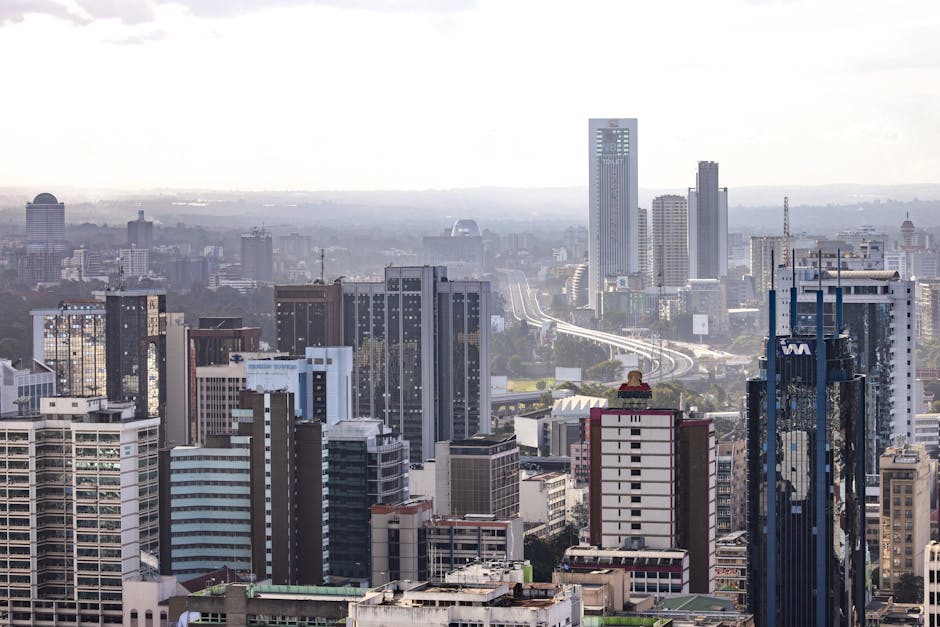 Moderate
Nairobi, Kenya
Discover Nairobi's lush side on this self-guided walk through botanical gardens, historic memorials, and vibrant local markets.
 Easy
EasyGdansk, Poland
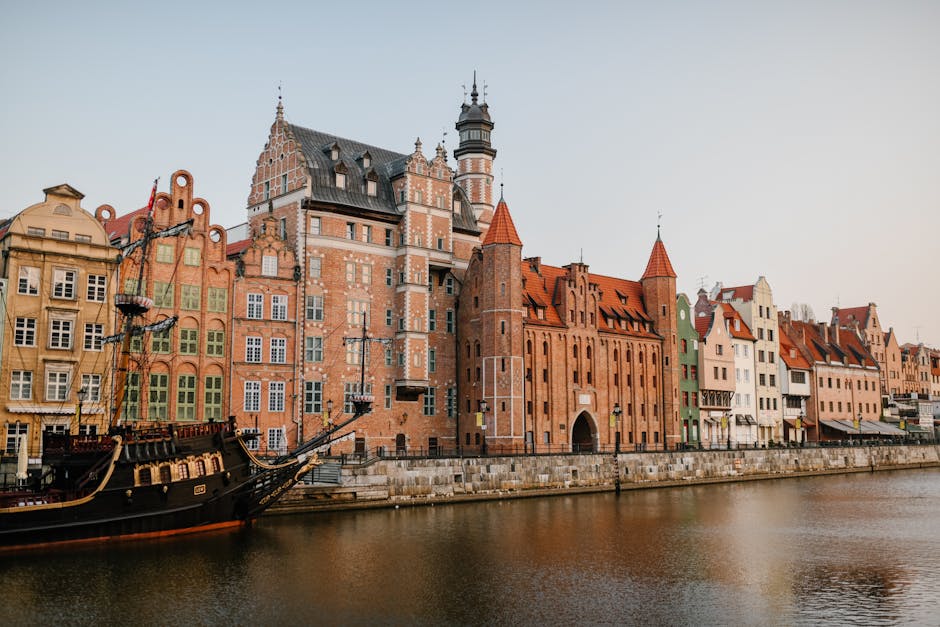
Discover the monastic heritage, world-famous organs, and lush botanical gardens of Oliwa on this peaceful self-guided neighborhood stroll.
 Easy
EasyWarsaw, Poland
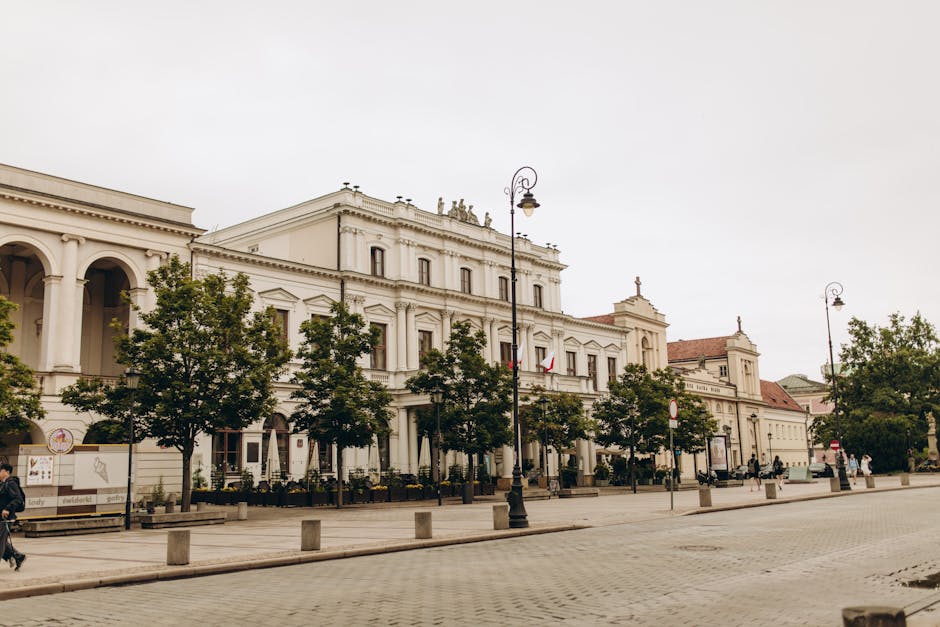
Explore Warsaw's scenic riverfront, rooftop gardens, and industrial-chic architecture on this self-guided stroll through the Powiśle district.
 Moderate
Tokyo, Japan
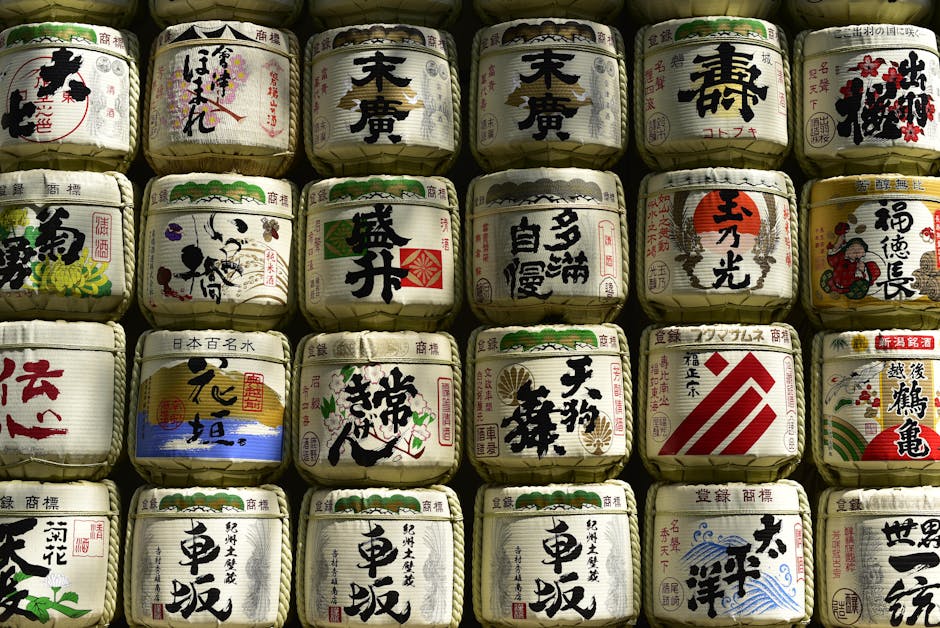
Discover Tokyo's premier creative district on this self-guided walk through Roppongi’s world-class museums and striking modern architecture.
 Easy
EasyTokyo, Japan
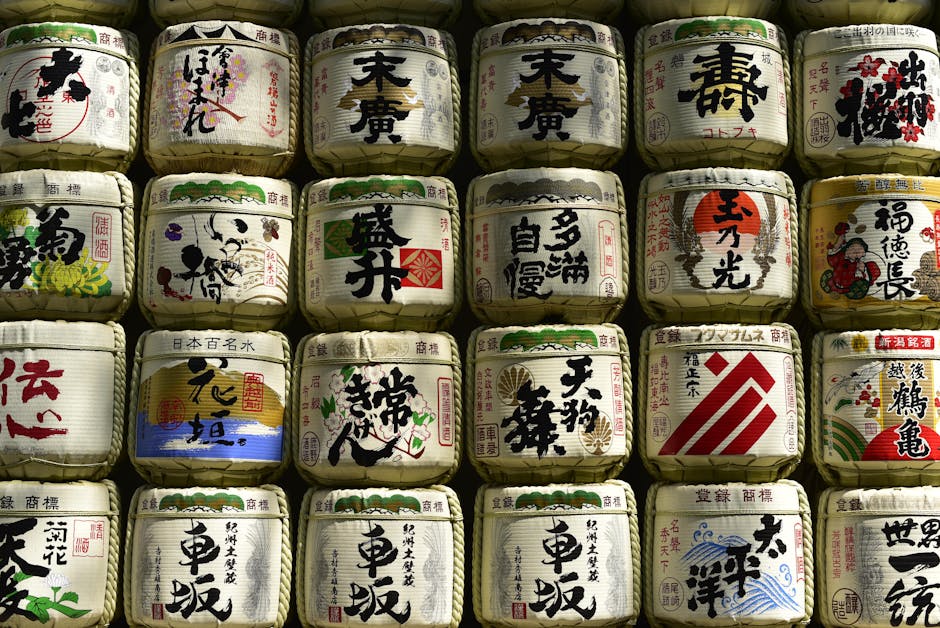
Discover the 'Old Tokyo' charm of Yanaka on this self-guided walk through historic temples, artisan alleys, and a stunning torii gate shrine.
 Easy
EasyTokyo, Japan
Experience Shibuya's electric energy on this self-guided walk from the iconic Scramble Crossing to the panoramic views of Shibuya Sky.
 Easy
EasyTokyo, Japan
Explore Tokyo's indie heart. From vintage fashion in Shimokitazawa to world-class art in Shinjuku, discover the city's creative soul independently.