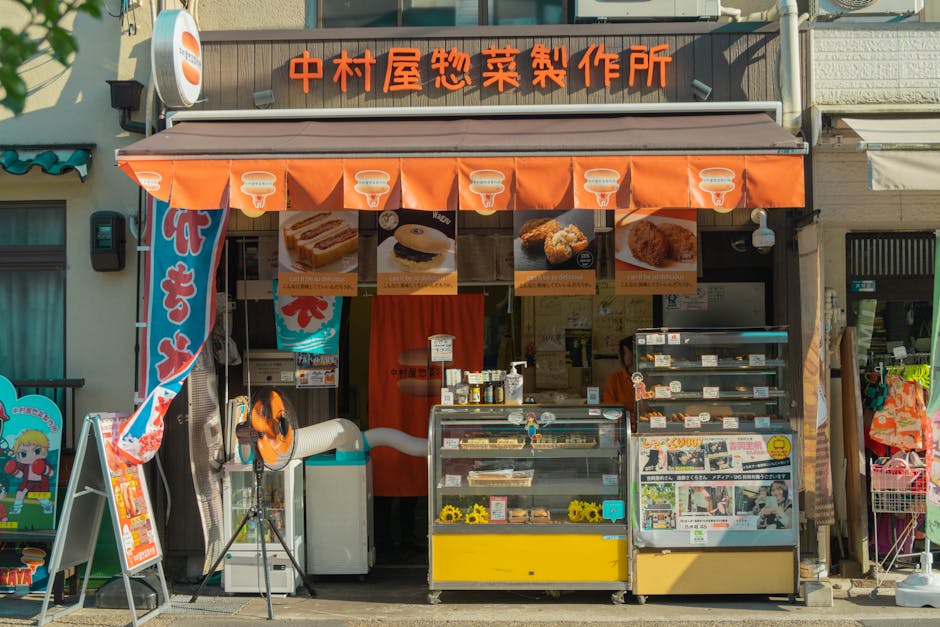
Self-guided audio tour in Kyoto
Start Free on iPhone
Start free on iPhone to unlock this self-guided walking tour in Kyoto. Hear all the stories that make it amazing, walk at your own pace, and begin whenever you want.
Your Private Tour Guide
Kyoto is a city where the scent of roasting coffee beans now rivals the traditional aroma of matcha whisked in tea ceremonies. This self-guided walk invites you to explore the 'Third Wave' coffee revolution that has quietly transformed the historic Nakagyo district and its surrounding neighborhoods. While Kyoto is famed for its 1,200-year history, its modern identity is equally defined by a meticulous obsession with quality, craftsmanship, and aesthetics—values that are perfectly embodied in its specialty coffee scene. Beginning in the bustling 'Kyoto's Kitchen,' Nishiki Market, this walking route balances the city's culinary heritage with its sleek, contemporary roasteries. You will discover how local entrepreneurs have repurposed traditional machiya (wooden townhouses) into minimalist temples of caffeine, blending weathered timber with industrial steel. This isn't just a caffeine fix; it is a lens through which to view Kyoto’s evolving urban culture. Along the way, you'll pass iconic landmarks like the Kyoto International Manga Museum and the high-end retail hubs of Kawaramachi, seeing how the city's residents live, shop, and relax. As you navigate this route at your own pace, you will experience the contrast between the high-energy department stores like Takashimaya and the serene, hidden-away roasteries like Weekenders Coffee. The journey eventually leads you toward the historic slopes of Higashiyama to witness a world-first architectural marvel—a Starbucks housed in a traditional 100-year-old townhouse—before finishing near the transit hub of Kyoto Station. Whether you are a dedicated connoisseur of light roasts or a curious traveler looking for a unique walking tour Kyoto offers, this route provides a deep dive into the flavors and textures of modern Japan. **Note:** This area is known for its ever-changing character. Street art, pop-up venues, and temporary exhibitions may differ from what's described. That's part of the adventure - you might discover something entirely new!
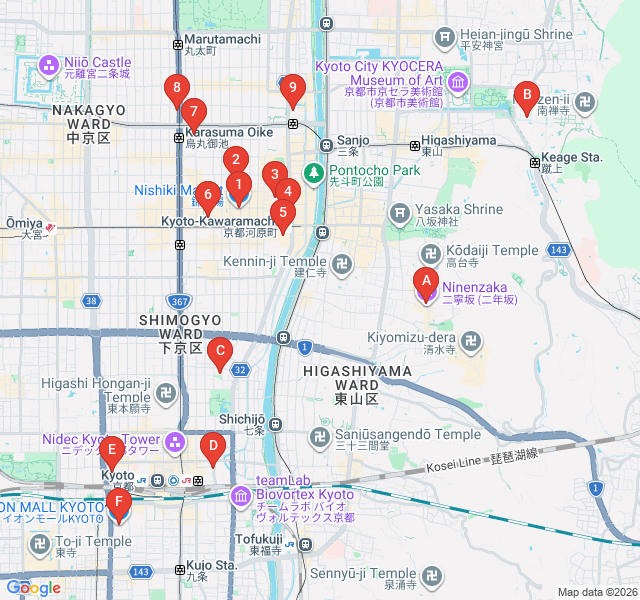
Numbers indicate the order of stops on the tour.
Welcome to the heart of Kyoto’s culinary scene. Known as 'Kyoto's Kitchen,' this narrow, five-block-long shopping street has been a center of commerce for over 400 years. As you begin your self-guided walk, take a moment to absorb the sights and smells: fresh seafood, pickled vegetables (tsukemono), and seasonal sweets. While it is steeped in tradition, keep an eye out for how modern food trends are creeping in. The market is the perfect place to see the foundational flavors of Kyoto before we dive into the city's modern coffee obsession. Note that the market can become extremely crowded by midday, so enjoying this area early is always a wise choice.
Tucked away behind a small parking lot, Weekenders Coffee is a true hidden gem and a pioneer of the specialty movement in Kyoto. This roastery is housed in a beautifully renovated traditional building, offering a serene escape from the city noise. They are known for their lighter roasts, which highlight the complex, fruity notes of the beans—a style that has become the hallmark of the city's third-wave scene. There is no indoor seating here, only a small standing area and a bench by the garden, encouraging you to focus entirely on the craftsmanship in your cup as you prepare for the next leg of your stroll.
While we are on a coffee journey, no exploration of modern Japanese life is complete without ramen. Ichiran is world-famous for its Tonkotsu ramen and its unique 'flavor concentration booths.' Here, you eat in a private cubicle, designed to minimize distractions so you can focus solely on the noodles. It’s a fascinating example of Japanese dining culture—efficient, private, and highly specialized. Even if you aren't hungry yet, the sight of the queues and the automated ordering system offers a glimpse into the high-speed, high-quality food culture that thrives alongside Kyoto's slower traditional rituals.
Standing at the intersection of Shijo and Kawaramachi, OPA is a beacon of Kyoto’s youth culture and fashion. This shopping complex is where you’ll find the latest trends, from 'kawaii' accessories to high-street Japanese labels. It represents the vibrant, energetic side of the city that often surprises first-time visitors who expect only temples and shrines. Take a moment to observe the street style here; it’s a living gallery of modern Kyoto. The contrast between this neon-lit retail hub and the quiet wooden machiya you just left is what makes this neighborhood so compelling to explore independently.
Takashimaya is one of Japan's most prestigious department stores. While the upper floors house luxury brands, the real treasure is in the basement—the 'Depachika.' This sprawling food hall is a sensory overload of high-end bento boxes, exquisite wagashi (Japanese sweets), and international delicacies. The level of presentation here is legendary. It’s a great place to see how food is treated as an art form in Japan. If you're looking for a high-quality snack to pair with your next coffee, this is the place to find it. The service here remains a benchmark for Japanese hospitality, or 'omotenashi.'
Just a short walk away is Daimaru, another pillar of Kyoto’s retail history. Founded as a dry goods store in the 1700s, it has evolved into a modern shopping giant. Like Takashimaya, it anchors the Shijo-dori shopping district. Observe the architectural blend of the building; it manages to feel both historic and cutting-edge. The area around Daimaru is a hub for locals, making it an excellent spot for people-watching. You’ll see everyone from business professionals to students navigating the busy sidewalks, illustrating the daily rhythm of life in Nakagyo.
Located near the Karasuma Oike intersection, Sentido is a local favorite that bridges the gap between a neighborhood hangout and a serious specialty roastery. The atmosphere here is welcoming and unpretentious, often filled with locals grabbing a morning brew before work. They take great pride in their sourcing and roasting process, often featuring a variety of single-origin beans. It’s a perfect example of how specialty coffee has integrated into the daily routine of Kyoto’s residents, moving beyond a niche hobby into a community staple. The minimalist interior allows the quality of the coffee to take center stage.
Housed in a former elementary school, this museum is a paradise for comic lovers. It holds a massive collection of manga, from historical woodblock prints to modern global hits. You’ll often see visitors lounging on the grass in the former schoolyard, deeply immersed in a book. This stop highlights Kyoto’s role as a global cultural capital, where traditional education spaces are repurposed for modern artistic expression. Even if you don't go inside, the sight of the 1920s architecture and the 'Wall of Manga' visible from the entrance is a testament to the city's creative spirit.
The Hotel Okura represents the pinnacle of Japanese luxury and Western-style hospitality. The site itself has historical significance, once being the residence of the Kido Takayoshi, a key figure in the Meiji Restoration. The architecture is a grand example of late 20th-century design, standing as one of the tallest buildings in the city center. It offers a moment of quiet sophistication. In the world of Kyoto coffee, luxury hotels like the Okura have long maintained high standards for their cafes, serving as the predecessors to the modern specialty shops you are exploring today.
This is perhaps the most unique Starbucks in the world. Located on the historic slopes of Higashiyama, it is housed in a 100-year-old traditional townhouse. To maintain the neighborhood's aesthetic, there are no neon signs—only a discreet green logo on a traditional noren curtain. Inside, you must remove your shoes to sit on tatami mats in the upstairs rooms. It is a masterful example of a global brand adapting to local heritage. Because this is a very popular spot, the 'no-queueing' rule outside is strictly enforced to respect the neighbors, so you may need to check back if it’s at capacity.
Blue Bottle’s entry into Kyoto was a major milestone for the city's coffee scene. Located near the Nanzen-ji Temple, this cafe occupies a stunningly renovated century-old machiya. The design preserves the original heavy timber beams and clay walls while introducing large glass panes and a sleek, concrete coffee bar. It’s a dialogue between Californian minimalism and Japanese tradition. The courtyard between the two buildings offers a peaceful space to enjoy a pour-over. This stop perfectly illustrates how the 'Third Wave' movement treats coffee preparation with the same reverence as a traditional tea ceremony.
Prepare for a visual treat. Walden Woods is a minimalist roastery inspired by Henry David Thoreau’s 'Walden.' The entire space is painted stark white, with no tables or chairs—only tiered bleacher-style seating surrounding a central 'forest' of preserved trees. It’s an ethereal, quiet space that feels miles away from the city. The roasting machine sits prominently on the ground floor, filling the white void with the rich scent of beans. This is coffee as an immersive art installation, proving that in Kyoto, the environment in which you drink is just as important as the drink itself.
As we head toward the end of our route near Kyoto Station, we find one of the city's most legendary ramen shops. Since 1947, Daiichi Asahi has been serving a classic Kyoto-style soy sauce ramen that draws massive crowds. The recipe is simple but perfected over decades, using locally sourced 'Kujo' green onions. You will almost always see a line here, regardless of the hour. It represents the 'soul food' of Kyoto—unpretentious, consistent, and deeply loved by generations of locals. It provides a savory counterpoint to the refined coffee flavors you’ve experienced so far.
Kurasu began as an online store selling Japanese coffee equipment to the world before opening this physical stand near Kyoto Station. It has quickly become a hub for the global coffee community. The space is small and modern, focusing on high-quality beans and precision brewing. They often collaborate with different roasters from across Japan, making it a great place to sample the national coffee landscape in one spot. It represents the 'new wave' of Japanese entrepreneurship—globally connected yet deeply rooted in local craft. It’s an ideal final caffeine stop before concluding your journey.
We finish our self-guided adventure at AEON Mall, a massive contemporary shopping complex just south of Kyoto Station. This represents the functional, convenient side of modern Japanese life. After a day of exploring historic alleys and artisanal roasteries, the mall offers a place to find everything from electronics to souvenirs. It serves as a reminder that Kyoto is a living, breathing city that balances its ancient soul with the needs of a modern population. From here, you are perfectly positioned to catch a train, bus, or head back into the city center.
Start Free on iPhone
Explore “Kyoto’s Specialty Coffee & Roastery Crawl” with your very own Private Tour Guide with Zigway. Start free on iPhone, skip the large group and the fixed routes, and hear the city come alive as you go.
Your Private Tour Guide
Don't miss the good stuff
Explore Freely
 Moderate
Kyoto, Japan
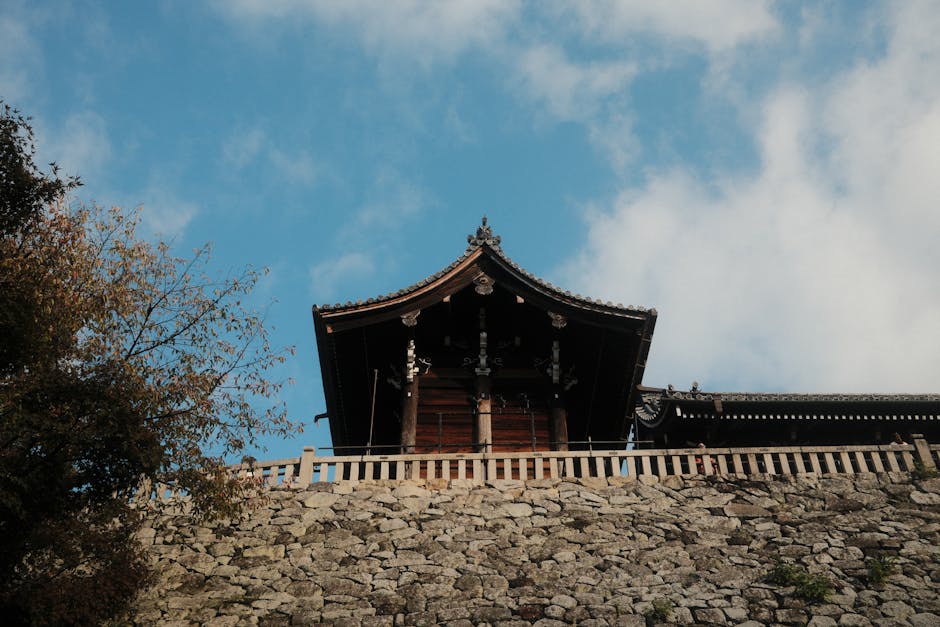
Discover the soul of old Kyoto on this self-guided walk through preserved stone lanes, iconic pagodas, and the grand wooden stage of Kiyomizu-dera.
 Challenging
Kyoto, Japan
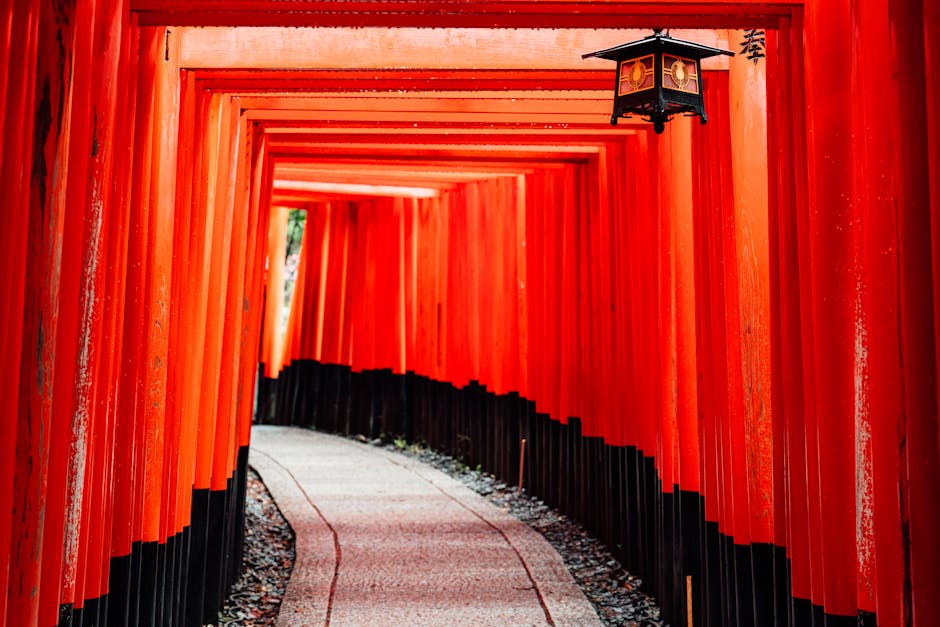
Ascend the sacred Mount Inari through thousands of vermillion torii gates on this challenging and spiritual self-guided walk in Kyoto.
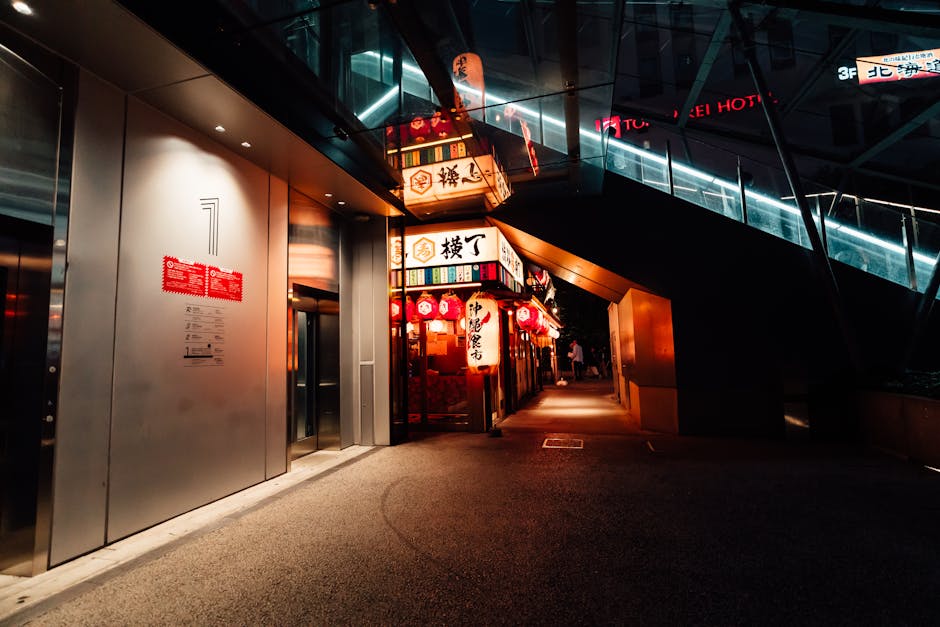 Easy
EasyKyoto, Japan
Explore Kyoto's most atmospheric alleyway. Discover geiko history, riverside dining, and hidden nightlife on this self-guided evening stroll.
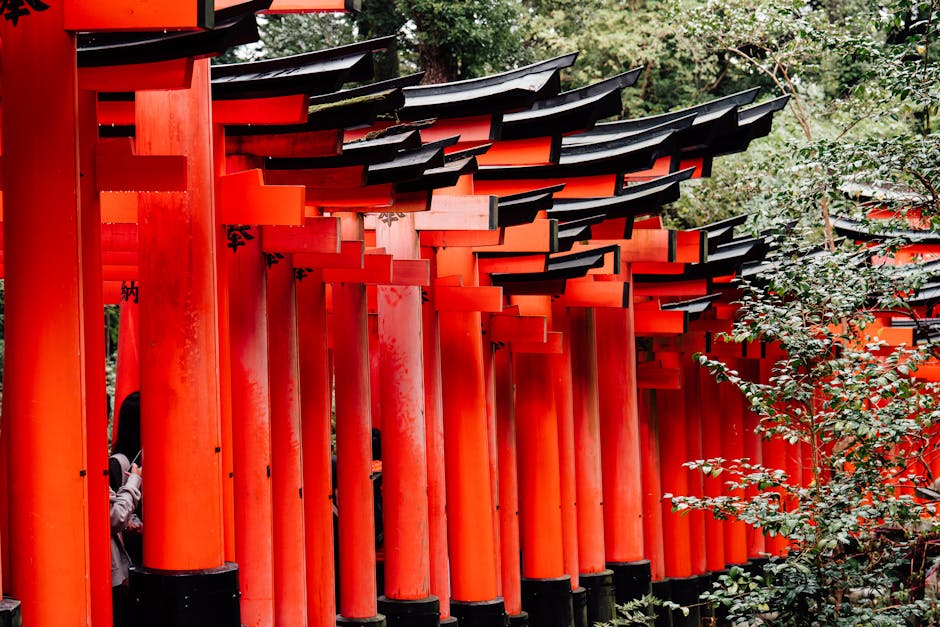 Moderate
Kyoto, Japan
Experience a serene self-guided walk along Kyoto's iconic Philosopher's Path, visiting Zen temples, hidden shrines, and the stunning Silver Pavilion.
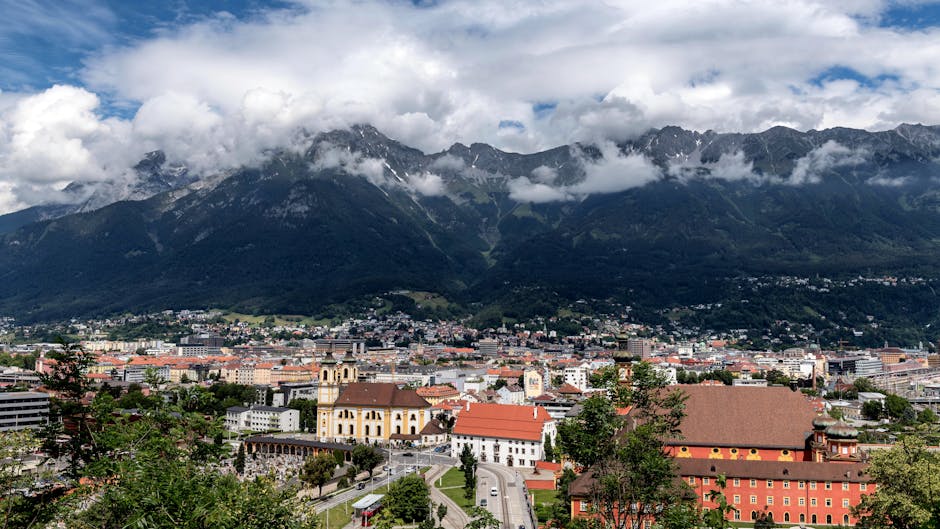 Easy
EasyInnsbruck, Austria
Discover the flavors of Tyrol on this self-guided stroll through Innsbruck’s historic Old Town and vibrant market hall.
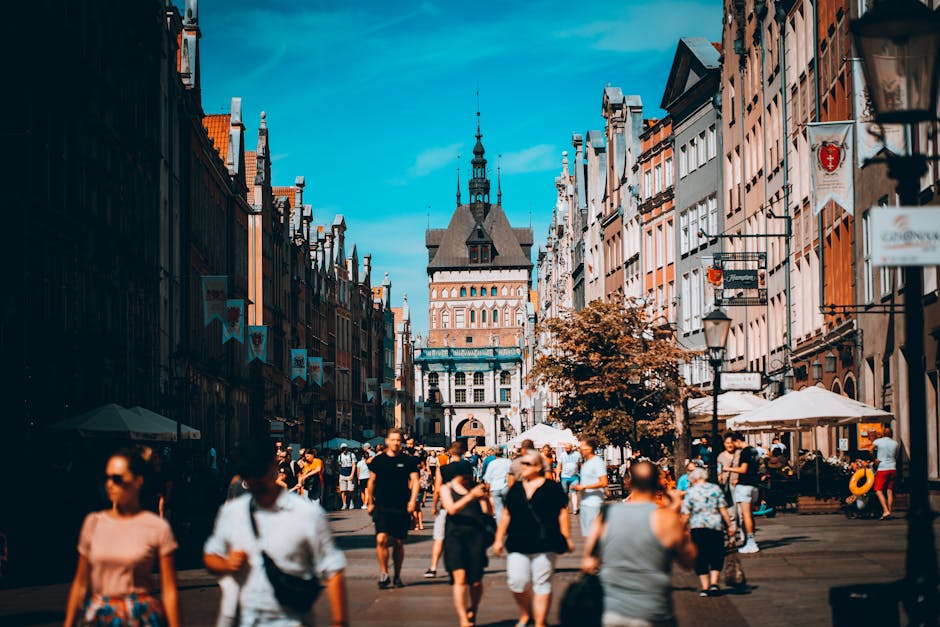 Easy
EasyGdansk, Poland
Taste the history of the Baltic. Explore Gdansk's culinary heritage from medieval markets to gold-flecked liqueurs on this self-guided walk.
 Easy
EasyKrakow, Poland
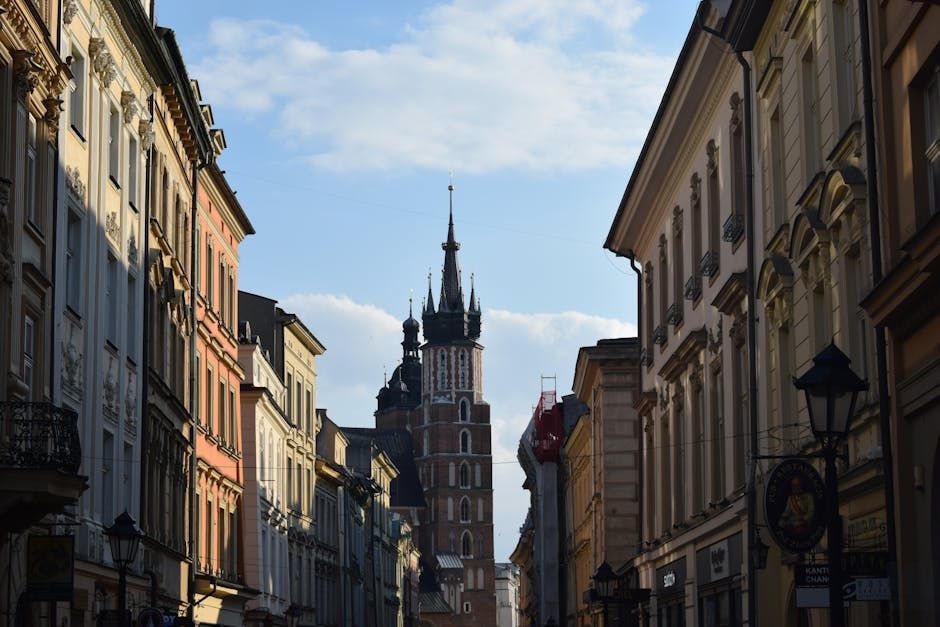
Savor the soul of Krakow on this self-guided walk through historic markets, bohemian cafes, and the city's best pierogi spots.
 Easy
EasyGdansk, Poland
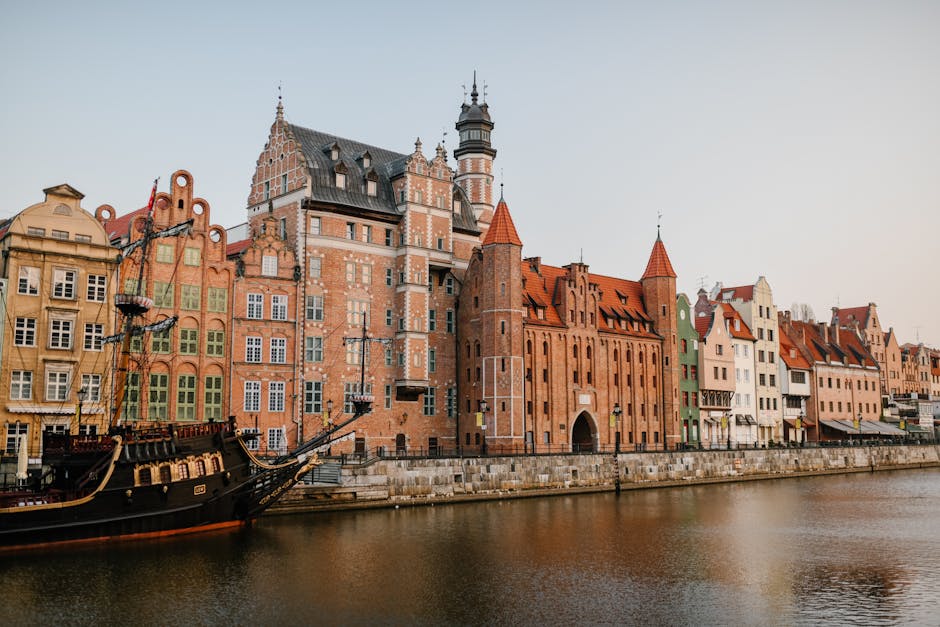
Discover the 'Baltic Gold' on this self-guided walk through Gdansk's historic mills, massive cathedrals, and the magical Mariacka Street.
 Moderate
Tokyo, Japan
Discover Tokyo's premier creative district on this self-guided walk through Roppongi’s world-class museums and striking modern architecture.
 Easy
EasyTokyo, Japan
Discover the 'Old Tokyo' charm of Yanaka on this self-guided walk through historic temples, artisan alleys, and a stunning torii gate shrine.
 Easy
EasyTokyo, Japan
Experience Shibuya's electric energy on this self-guided walk from the iconic Scramble Crossing to the panoramic views of Shibuya Sky.
 Easy
EasyTokyo, Japan
Explore Tokyo's indie heart. From vintage fashion in Shimokitazawa to world-class art in Shinjuku, discover the city's creative soul independently.