Self-guided audio tour in Osaka
Start Free on iPhone
Start free on iPhone to unlock this self-guided walking tour in Osaka. Hear all the stories that make it amazing, walk at your own pace, and begin whenever you want.
Your Private Tour Guide
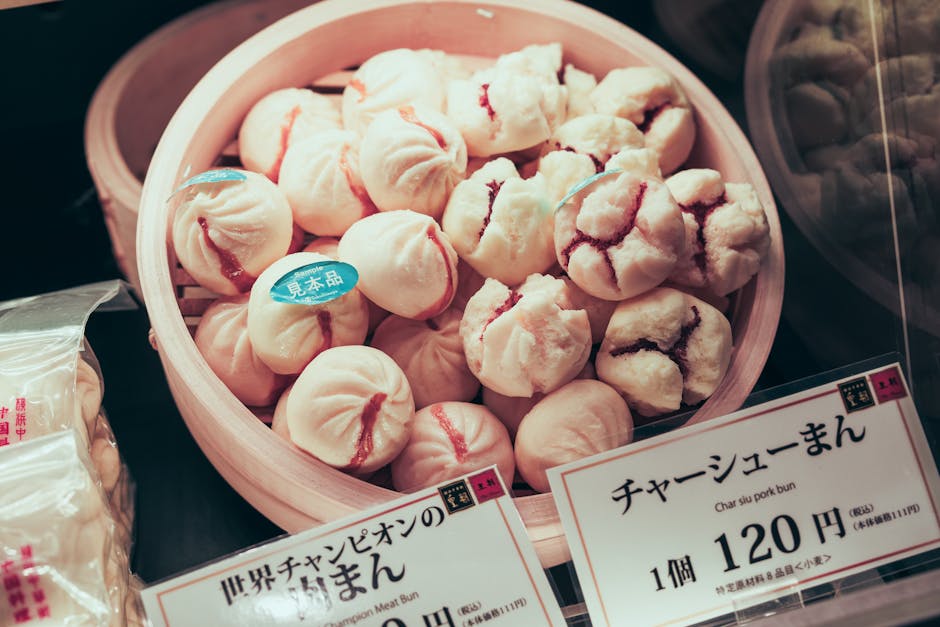
Escape the neon-soaked crowds of Dotonbori and discover Fukushima, Osaka's premier neighborhood for food enthusiasts and seekers of local secrets. Often overlooked by first-time visitors, Fukushima is a labyrinth of narrow alleys packed with some of the city's most innovative izakayas, hidden bars, and specialty restaurants. This self-guided walk invites you to explore the evolution of Osaka's culinary scene, from the gritty, atmospheric backstreets near the station to the refined elegance of Kitashinchi and the historic riverfront of Kitahama. Your independent journey begins in the heart of Fukushima's 'Gourmet Sanctuary,' where the scent of charcoal-grilled yakitori and simmering dashi fills the air. You will navigate through the Fukushima Station Alleys, a dense cluster of eateries that define the city's 'Kuidaore' (eat until you drop) culture. As you move toward the waterfront, the scenery shifts to the modern Hotarumachi development, showcasing the city's contemporary architectural ambitions. The route then leads you into the sophisticated district of Kitashinchi, known as Osaka's answer to Tokyo's Ginza, where high-end dining and historic landmarks like Tsurutontan reside. Beyond the food, this neighborhood stroll highlights the architectural diversity of Osaka. You will encounter the Meiji-era charm of Kitahama Retro, housed in a registered tangible cultural property, and the grand, bank-turned-patisserie Gokan. Along the way, you can enjoy a third-wave coffee experience at world-renowned spots like Glitch or find peace at the Fukushima Tenmangu Shrine. This walking route is designed for those who want to see Osaka through the eyes of a resident, blending the traditional with the trendy. Whether you are hunting for the perfect bowl of udon or a quiet moment by the Dojima River, this audio walk provides the context and history to make your exploration truly meaningful. Explore at your own pace, stop whenever a hidden doorway piques your interest, and immerse yourself in the authentic flavors of Osaka's most exciting foodie district. **Note:** This area is known for its ever-changing character. Street art, pop-up venues, and temporary exhibitions may differ from what's described. That's part of the adventure - you might discover something entirely new!
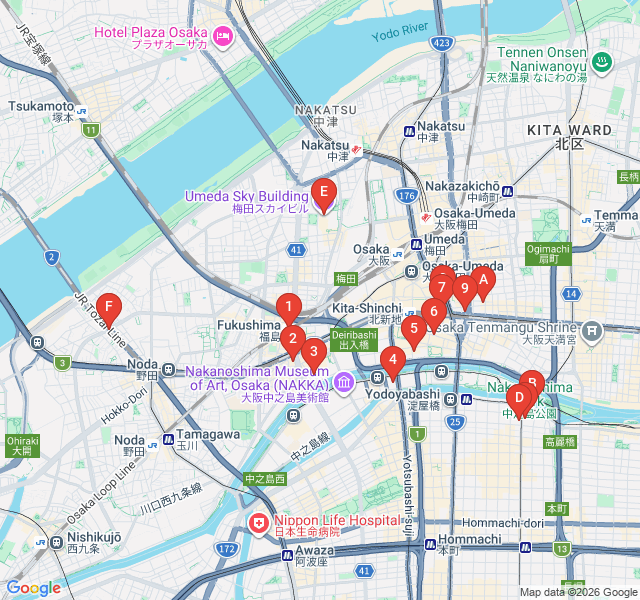
Numbers indicate the order of stops on the tour.
Welcome to the heart of Fukushima, a district that locals call the 'Gourmet Sanctuary.' Unlike the tourist-heavy Dotonbori, these narrow alleys tucked under and around the JR Loop Line tracks are where Osaka's real food culture lives. As you wander, look for the 'noren' curtains and lanterns of tiny izakayas. These businesses often change hands, reflecting the neighborhood's dynamic energy. This area is famous for 'hashigo-zake,' or bar-hopping, where people grab one small dish and a drink before moving to the next spot. It is the perfect place to witness the authentic, unpretentious side of Osaka's culinary passion.
Tucked away from the bustling food stalls is the Fukushima Tenmangu Shrine. This tranquil spot is dedicated to Sugawara no Michizane, the deity of scholarship and learning. It is a classic example of how spiritual spaces in Osaka are integrated directly into the urban fabric. While many visitors flock to the much larger Osaka Tenmangu, this local branch offers a more intimate look at daily devotion. Students often come here to pray for success in exams. Take a moment to appreciate the contrast between the ancient spiritual tradition and the modern high-rises that now surround the shrine grounds.
As you approach the river, you enter Hotarumachi, a multi-purpose complex that represents the modern face of Fukushima. Built on the site of a former university and broadcasting station, this area was designed to bring 'water, greenery, and intelligence' back to the city center. The sleek, glass-heavy architecture houses the Asahi Broadcasting Corporation and various upscale cafes. The name 'Hotarumachi' translates to 'Firefly Town,' a nostalgic nod to the days when fireflies were said to dance along the banks of the Dojima River. It is a great spot to see how Osaka is reclaiming its waterfront heritage with contemporary style.
For coffee purists, this is a essential stop. GLITCH COFFEE originated in Tokyo's Jimbocho district and has brought its uncompromising approach to the 'third-wave' coffee movement to Osaka. They specialize in light roasts that highlight the specific 'terroir' of the beans, much like fine wine. The minimalist, industrial-chic interior allows the focus to remain entirely on the craft. Note that their menu focuses on pour-overs rather than lattes, aiming to showcase the natural fruitiness and acidity of high-altitude beans. It is a testament to the neighborhood's growing reputation for sophisticated, artisanal experiences that go beyond traditional street food.
You are now entering the fringes of Kitashinchi, Osaka's most prestigious entertainment district. This area is famous for 'Yakiniku,' or Japanese BBQ, but with a high-end twist. At restaurants like Ichigyu, the focus is on 'Kuroge Wagyu' (Japanese Black Cattle). Unlike casual BBQ joints, these establishments often buy whole cows to ensure the quality of every cut. While the interiors are luxurious, they maintain the Osaka spirit of hospitality. This area transforms at night when the 'salarymen' and business elites gather, making it one of the best places in the city to observe the intersection of corporate culture and culinary excellence.
Tsurutontan is an Osaka institution, famous for its 'washu' udon served in bowls so large they resemble small basins. While the brand has expanded internationally, the Kitashinchi location retains a sophisticated, slightly moody atmosphere that fits the district. Udon here is treated with the reverence of fine dining, with creative toppings ranging from mentaiko cream to wagyu beef. The thick, chewy noodles are handmade, and the broth is a complex blend of kelp and bonito. Even if you aren't eating now, the exterior and the reputation of this spot are central to understanding Osaka's 'refined' comfort food scene.
Sashisu is a prime example of the 'neo-bistro' sushi trend taking over Osaka. It breaks the tradition of stuffy, expensive sushi counters by offering high-quality fish in a vibrant, casual, and social environment. You might notice a line outside; it is a favorite for young locals who come for the 'instagenic' dishes like the tuna 'ohagi' or shrimp with egg yolk. This spot represents the evolution of the neighborhood—retaining the city's obsession with fresh seafood while making it accessible and fun. It is a reminder that in Osaka, food is as much about the social experience as it is about the taste.
Step back in time at Cafe Sunshine, a classic Japanese 'kissaten' (coffee shop) that has been serving the neighborhood for decades. In a world of global chains, these independent cafes are the soul of Japanese coffee culture. Known for their thick-cut 'pizza toast' and hand-dripped coffee, the atmosphere here is thick with nostalgia and the smell of dark roasts. The decor typically features dark wood and warm lighting, offering a peaceful sanctuary from the city's frantic pace. It is the perfect place to experience the slower, more deliberate side of Osaka life that has persisted through the decades.
Continuing the theme of exceptional coffee, Whitebird coffee stand offers a more modern, minimalist take on the Japanese cafe. It is a small, stylish space known for its meticulously crafted desserts and pour-over coffee. The staff here are often seen as artisans, carefully measuring every gram of water and coffee. This stop highlights how the Umeda-Fukushima border has become a battleground for the city's best baristas. Whether it is a seasonal parfait or a simple black coffee, the focus here is on precision and aesthetic beauty, providing a stark contrast to the gritty izakayas where our walk began.
While this is a functional landmark, its location marks a significant transition point in your walk. You are now positioned between the soaring skyscrapers of the Umeda business district and the more intimate streets of the local neighborhoods. From here, you can see how Osaka's urban planning layers different eras and purposes on top of each other. The area around this point is a hub for business travelers, which has influenced the local dining scene to include quick, high-quality lunch spots and convenient late-night eateries. It is a crossroads where the 'working' Osaka meets the 'eating' Osaka.
Welcome to one of Osaka's most charming architectural gems. Kitahama Retro is housed in a building dating back to 1912, originally built as an office for a stockbroking firm. This Meiji-era structure survived the bombings of WWII and today serves as a British-style tea room. The contrast between the red-brick Western architecture and the surrounding modern glass towers is striking. It serves as a physical reminder of the 'Great Osaka' era when the city was the industrial and financial powerhouse of Japan. If you look closely at the facade, you can see the intricate stonework and craftsmanship that was typical of the era's optimism.
This modern hotel and lounge represent the new Kitahama—a district that is transforming from a purely financial center into a lifestyle hub. The 'Canvas' concept focuses on creating a social space for both travelers and locals. The terrace here offers views of the Tosabori River, a waterway that was once the lifeblood of Osaka's merchant class. In the Edo period, this river was crowded with boats carrying rice and goods from all over Japan. Today, it is a place for leisure, with riverfront decks and stylish cafes that make the most of the city's 'Water Capital' identity.
Gokan is a legendary Osaka patisserie located inside the former Shinbi Bank building, constructed in 1922. Entering this shop feels like stepping into a grand European salon, with high ceilings and preserved architectural details. Gokan is famous for its 'East meets West' approach to sweets, often using Japanese ingredients like black beans or rice flour in traditional French pastries. The second floor serves as a salon where you can enjoy cake sets in a historic setting. It is a prime example of 'adaptive reuse,' where the city's financial history has been preserved by turning it into a temple for dessert lovers.
From this vantage point, look toward the horizon to see the iconic silhouette of the Umeda Sky Building. Consisting of two 40-story towers connected by a 'Floating Garden Observatory,' it is one of Osaka's most recognizable landmarks. Designed by Hiroshi Hara, the building was intended to look like a futuristic city in the clouds. From here, you can appreciate its scale and how it dominates the northern skyline. While our walk stays closer to the ground-level secrets of the backstreets, the Sky Building stands as a reminder of Osaka's constant desire to look toward the future and push architectural boundaries.
We conclude our stroll at Jizodori, a classic 'shotengai' (shopping street) that feels worlds away from the luxury of Kitashinchi. This is where the local community shops for groceries, hardware, and everyday snacks. The street is named after Jizo, the guardian deity of children and travelers; you may spot small stone statues of Jizo tucked into corners along the way. The atmosphere here is gritty, friendly, and unpretentious—the true essence of Osaka. It is the perfect place to end your exploration, perhaps by picking up a cheap street snack or simply soaking in the rhythm of daily life in one of the city's most authentic corners.
Start Free on iPhone
Explore “Fukushima: The Local Foodie's Backstreets” with your very own Private Tour Guide with Zigway. Start free on iPhone, skip the large group and the fixed routes, and hear the city come alive as you go.
Your Private Tour Guide
Don't miss the good stuff
Explore Freely
 Moderate
Osaka, Japan
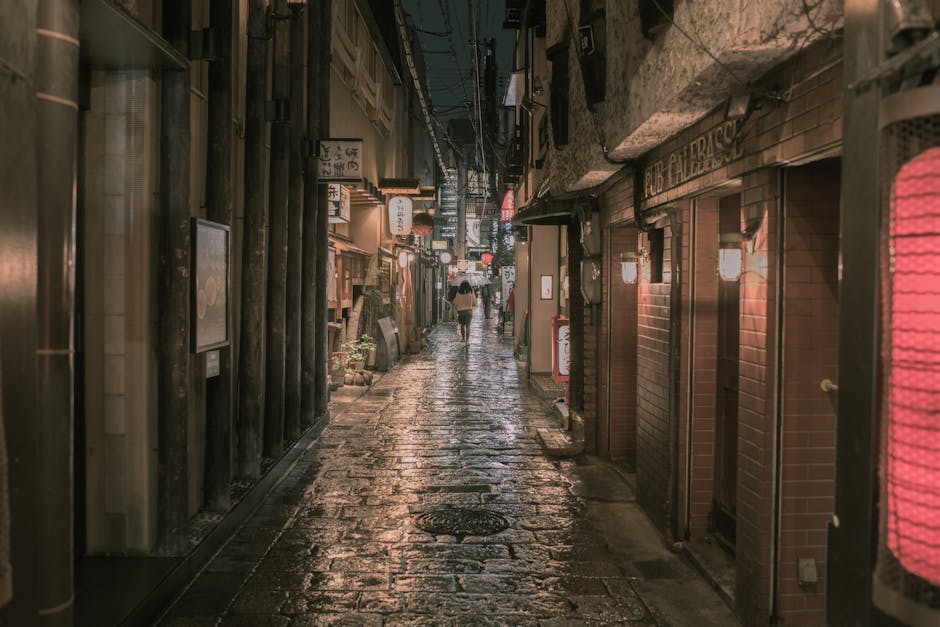
Discover the soul of Osaka on this self-guided walk through the hidden markets of Tsuruhashi, the neon of Namba, and the scale of Umeda.
 Easy
EasyOsaka, Japan
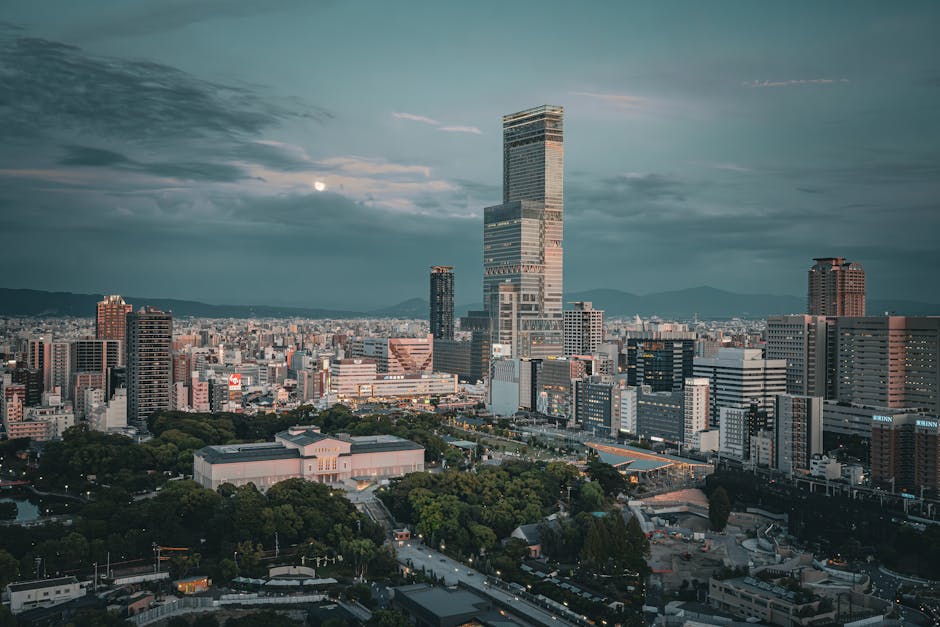
Explore Osaka's futuristic skyline, from the iconic Umeda Sky Building to hidden shrines, on this self-guided architectural walking route.
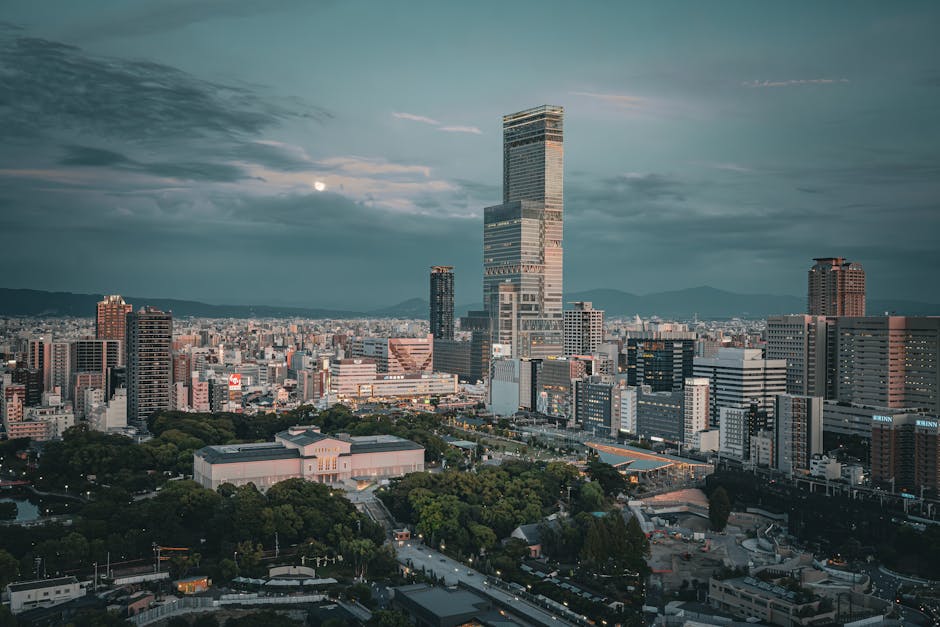 Easy
EasyOsaka, Japan
Explore Osaka's 'American Village' on this self-guided walk through street art, vintage fashion, and the heart of Japanese youth culture.
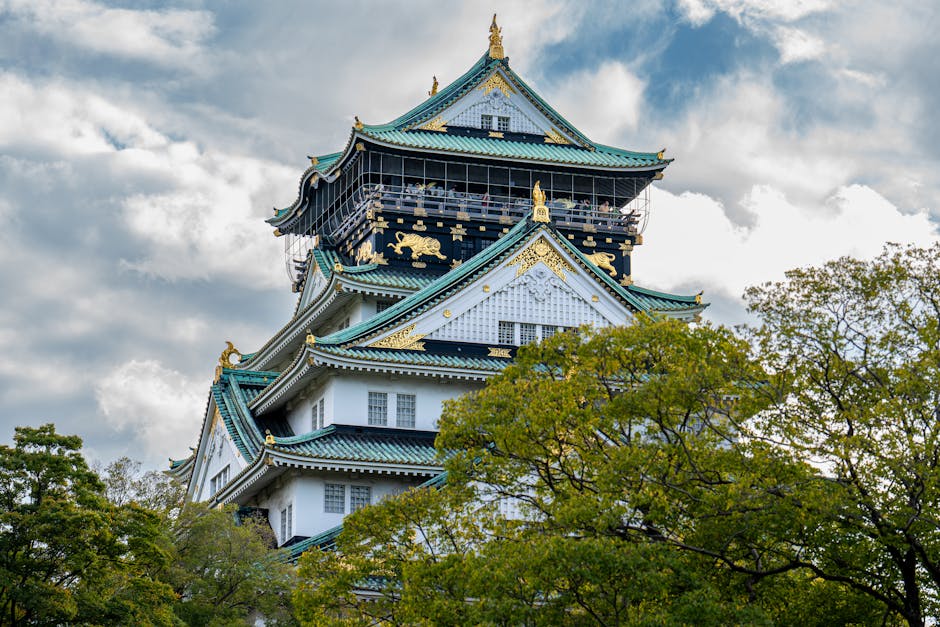 Easy
EasyOsaka, Japan
Explore the retro charm and neon-lit alleys of Shinsekai on this self-guided walk through Osaka's most nostalgic district.
 Moderate
Gdansk, Poland
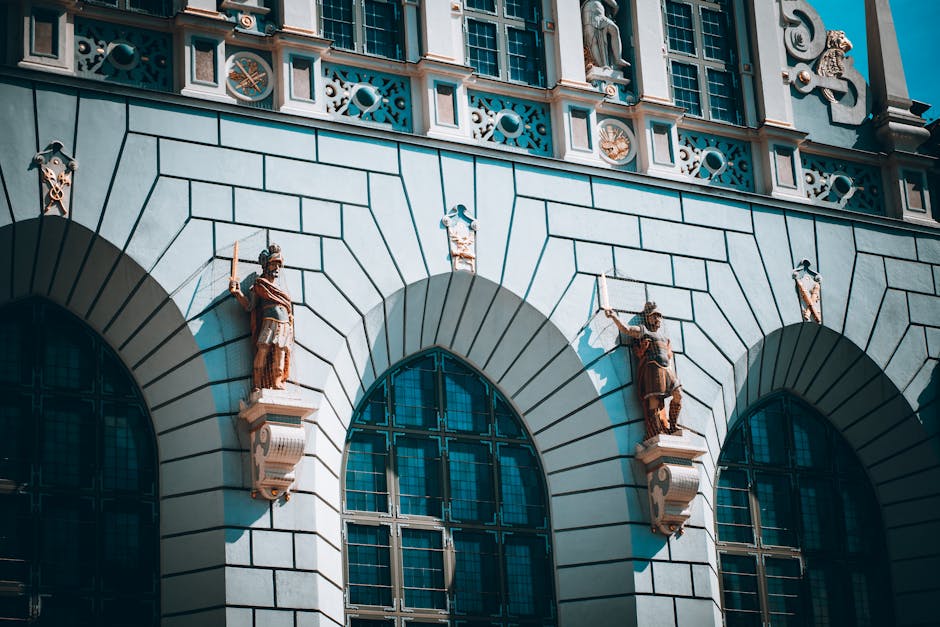
Discover Zaspa, a massive open-air gallery where grey housing blocks are transformed by over 60 monumental murals. Explore at your own pace.
 Moderate
Helsinki, Finland
Explore Helsinki's bohemian heart. Discover historic saunas, granite churches, and the vibrant local life of the Kallio neighborhood at your own pace.
 Moderate
Nairobi, Kenya
Taste your way through Nairobi's Westlands on this self-guided walk featuring street snacks, cultural landmarks, and hidden foodie gems.
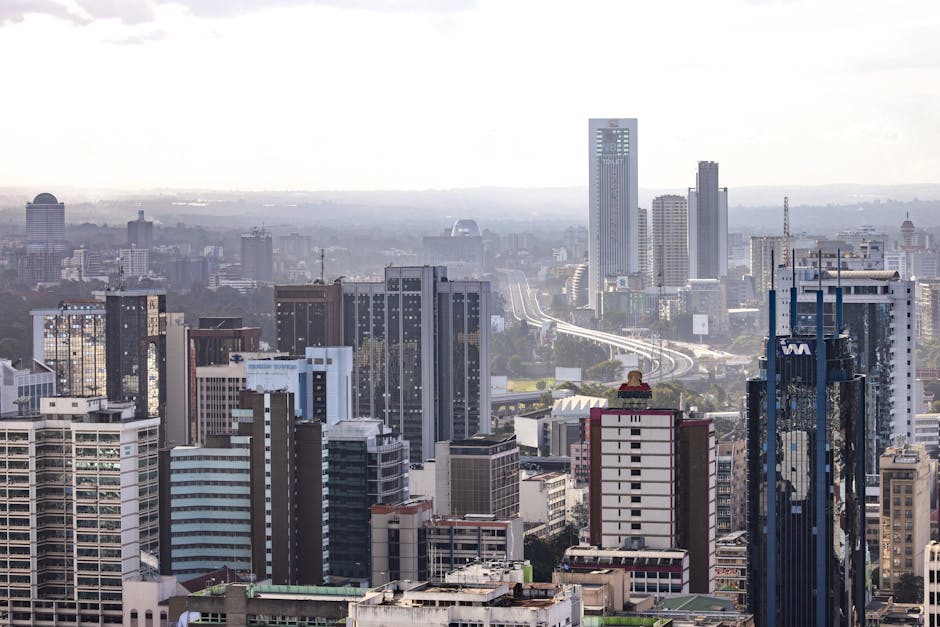 Moderate
Nairobi, Kenya
Discover Nairobi's lush side on this self-guided walk through botanical gardens, historic memorials, and vibrant local markets.
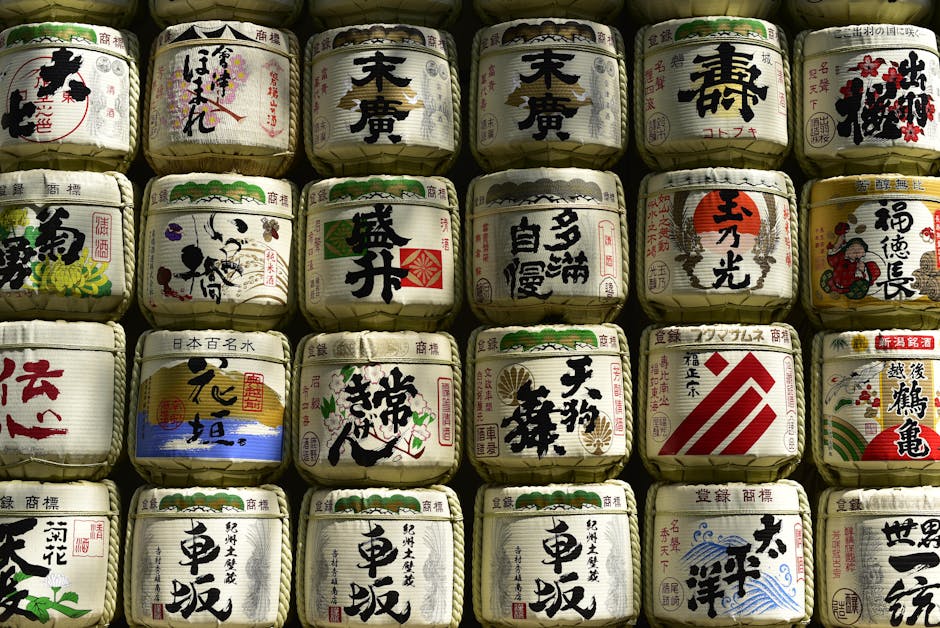 Moderate
Tokyo, Japan
Discover Tokyo's premier creative district on this self-guided walk through Roppongi’s world-class museums and striking modern architecture.
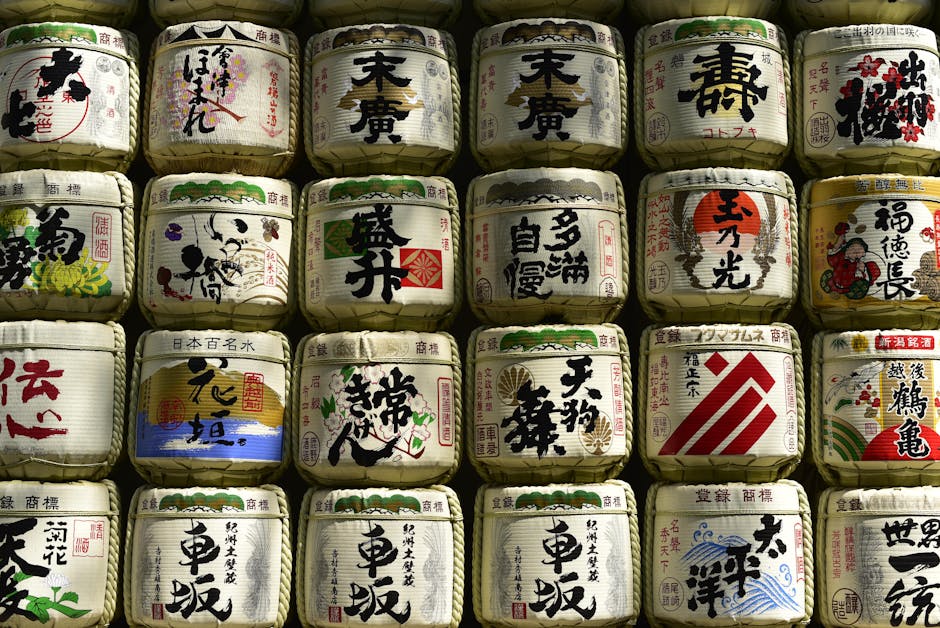 Easy
EasyTokyo, Japan
Discover the 'Old Tokyo' charm of Yanaka on this self-guided walk through historic temples, artisan alleys, and a stunning torii gate shrine.
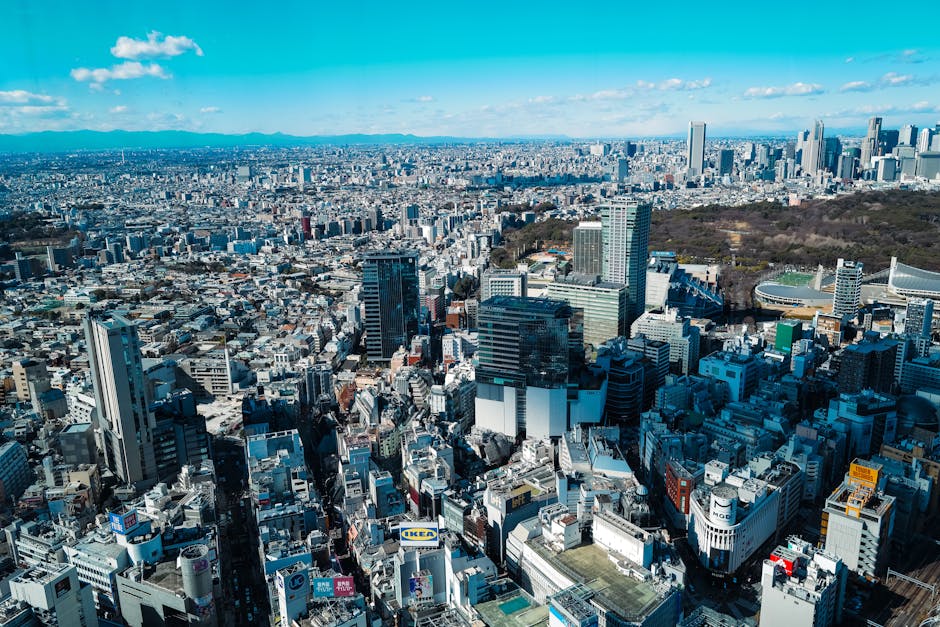 Easy
EasyTokyo, Japan
Experience Shibuya's electric energy on this self-guided walk from the iconic Scramble Crossing to the panoramic views of Shibuya Sky.
 Easy
EasyTokyo, Japan
Explore Tokyo's indie heart. From vintage fashion in Shimokitazawa to world-class art in Shinjuku, discover the city's creative soul independently.