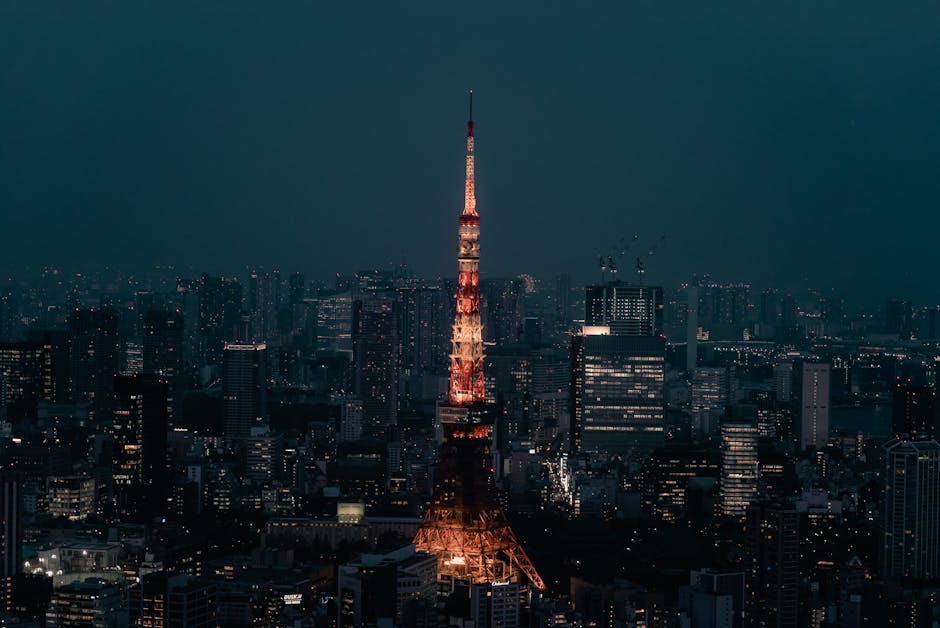
Self-guided audio tour in Tokyo
Start Free on iPhone
Start free on iPhone to unlock this self-guided walking tour in Tokyo. Hear all the stories that make it amazing, walk at your own pace, and begin whenever you want.
Your Private Tour Guide
Kagurazaka is often called the 'Little Paris' of Tokyo, a nickname earned from its winding cobblestone streets, chic cafes, and the presence of the Institut Français. But to understand the soul of modern Tokyo, one must first navigate its vibrant, eclectic energy. This self-guided walk takes you on a cross-city journey, beginning in the local atmosphere of Honancho and Nakameguro, passing through the world-famous intersections of Shibuya and Shinjuku, and finally settling into the refined history of the Kagurazaka district. Along this walking route, you will discover why Tokyo is a city of endless discovery. You’ll start with the sensory overload of Don Quijote, Japan's most famous discount chain, before finding whimsical treats at Shiro-Hige’s Cream Puff Factory, the only place authorized to create Totoro-shaped desserts. As you move toward the heart of the city, the legendary Hachiko Statue offers a moment of reflection on loyalty amidst the Shibuya scramble. The journey concludes in Kagurazaka, where the atmosphere shifts dramatically. Here, the 'yokocho' or hidden alleys, like Kakurenbo Yokocho, preserve the spirit of the Edo period. These narrow paths were designed so that even if a high-ranking samurai was spotted entering a geisha house, he could quickly disappear from view. Today, they house high-end 'ryotei' restaurants and French bistros. From the striking modern architecture of Akagi Shrine to the peaceful waterside views at Canal Cafe, this experience offers a comprehensive look at the history, food, and hidden gems that define Tokyo's unique character. The route is designed for those who want to see the 'real' Tokyo beyond the main tourist maps. In Shinjuku, you'll stop at HARBS, famous for its towering slices of mille-crepe, and Shinjuku West Exit Halc, a landmark of the city’s post-war retail boom. As you transition into Kagurazaka, the pace slows. Zenkoku-ji Temple, with its vibrant red facade, serves as the neighborhood's spiritual anchor, while the nearby Akagi Shrine showcases how traditional Shinto spaces can be reimagined for the 21st century. This self-guided adventure allows you to move at your own speed, lingering over a donut in Harajuku or taking extra time to photograph the black-fenced walls of the geisha district. It’s a walking tour Tokyo lovers will find particularly rewarding for its blend of iconic landmarks and local secrets.
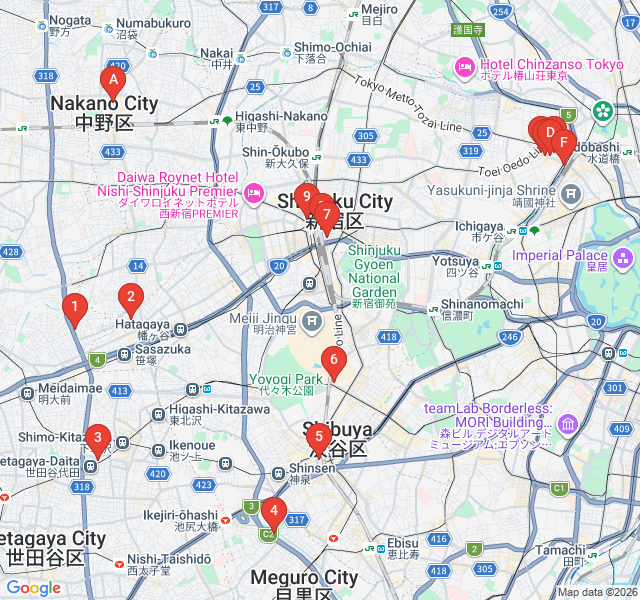
Numbers indicate the order of stops on the tour.
Welcome to the start of your journey through Tokyo's eclectic landscape. We begin at Don Quijote, affectionately known as 'Donki' by locals. This isn't just a discount store; it's a cultural phenomenon. Known for its 'compressed display' style, the aisles are packed from floor to ceiling with everything from matcha-flavored snacks to quirky costumes. As you start this self-guided adventure, take a moment to observe the organized chaos that defines Japanese retail. This specific branch in Honancho serves the local residential community, offering a glimpse into daily life before we head toward the more famous tourist hubs.
Moving from the neon aisles to the aroma of fresh bread, we arrive at dough-ist. This bakery represents Japan's incredible talent for 'shokupan' (milk bread) and artisan baking. In Tokyo, bread isn't just a side dish; it's a craft. Notice the precision in the crusts and the softness of the dough. This stop highlights the neighborhood's quiet, residential charm—a stark contrast to the bustling city center we will encounter later. It's the perfect place to see how local Tokyoites enjoy their morning routines before the city truly wakes up.
This stop is a dream for fans of Japanese animation. Shiro-Hige’s Cream Puff Factory is the only bakery in the world officially recognized by Studio Ghibli to produce cream puffs in the shape of Totoro, the beloved forest spirit. The bakery is run by the sister-in-law of legendary director Hayao Miyazaki. Each puff is handcrafted with seasonal fillings like chestnut, peach, or classic custard. The building itself, tucked away in a quiet residential area, feels like it was plucked straight out of a fairy tale, emphasizing the 'hidden gems' aspect of this walking route.
As we move into Nakameguro, we find another Don Quijote, but with a different vibe. Nakameguro is one of Tokyo's trendiest neighborhoods, famous for the Meguro River and its cherry blossoms. This 'Donki' reflects its surroundings, often stocking more lifestyle and high-end items compared to other branches. It serves as a reminder of how Tokyo's neighborhoods are distinct ecosystems. Just a few steps from here, the atmosphere changes to one of chic boutiques and riverside cafes, showing the city's ability to blend high-energy commerce with relaxed local living.
We have arrived at the most famous meeting point in Japan. The bronze statue of Hachiko tells the story of an Akita dog who waited for his deceased owner at Shibuya Station every day for nearly ten years. Today, Hachiko is a symbol of loyalty and the heart of Shibuya. While the world-famous 'Scramble Crossing' is just steps away, this statue offers a moment of sentimentality. It's a key landmark on any walking tour Tokyo offers, representing the deep emotional connection the city has with its history and its legends.
In the heart of Harajuku, the epicenter of youth culture and fashion, we find 'I'm donut?'. Don't be fooled by the name—it’s a question that refers to the unique, almost melting texture of their donuts. This shop is a prime example of Tokyo's 'food craze' culture, where long lines form for hours to taste the latest viral sensation. The donuts here are made with a brioche-style dough that includes roasted pumpkin, giving them their signature softness. This stop captures the vibrant, experimental food scene that makes Harajuku a global destination.
Now in Shinjuku, the world's busiest railway hub, we encounter another Don Quijote. This location at the Southeast Exit (Tonanguchi) is a vertical maze, catering to the millions of commuters and tourists who pass through daily. It is a sensory landmark of Shinjuku's nightlife and shopping scene. The constant music and bright lights here are a quintessential part of the Tokyo experience. As you explore independently, notice how the city’s energy reaches a fever pitch in this district, setting the stage for the contrast we will find in the quiet streets of Kagurazaka.
For a more refined taste of Tokyo's dessert culture, we stop at HARBS. Famous for their massive, six-layered Mille Crepes filled with fresh fruit and light cream, HARBS is a staple of Japanese 'cake culture.' In Japan, Western-style desserts are often refined to be less sweet and more focused on the quality of ingredients. This stop provides a peaceful break from the Shinjuku crowds. It's a local favorite for 'afternoon tea,' showcasing the sophisticated side of Tokyo’s culinary world before we head toward the historic district.
Shinjuku West Exit Halc is a classic Japanese department store building that has seen the city evolve since the mid-20th century. Originally part of the Odakyu department store family, it now houses a mix of electronics, sporting goods, and food halls. This area represents the 'business' side of Shinjuku, characterized by skyscrapers and government buildings. The architecture here is a testament to Tokyo's rapid post-war development. It serves as a gateway between the hyper-modern Shinjuku and the traditional neighborhoods that lie just a few train stops away.
Our final Don Quijote stop is in the Nakano area. Nakano is often called a 'sub-culture' mecca, famous for its covered shopping arcades and vintage collectibles. This branch feels more like a local community hub compared to the Shinjuku or Shibuya locations. It's the last taste of the high-energy 'Donki' vibe before we transition into the quiet, historic charm of Kagurazaka. Take a moment to see how even the most ubiquitous chains in Japan adapt to the specific personality of their neighborhood.
Welcome to Kagurazaka-dori, the main artery of Tokyo's 'Little Paris.' This sloping street was once the outer moat of Edo Castle and grew into a prestigious geisha district during the Meiji era. Today, it is unique for its 'inverted' traffic flow—the direction of traffic changes depending on the time of day to accommodate commuters. As you walk up the slope, you'll notice the blend of traditional Japanese kimono shops and modern French patisseries. This street captures the neighborhood's dual identity: a place where history and international influence live side by side.
At the heart of Kagurazaka stands Zenkoku-ji, a Nichiren Buddhist temple founded in 1595. It is dedicated to Bishamonten, one of the Seven Lucky Gods, known as the protector of warriors and the bringer of fortune. The temple’s bright red gates are a landmark of the neighborhood. In the Edo period, this temple was the center of local life, and it remains a spiritual anchor today. If you look closely at the stone statues, you'll see 'komatora' or tiger-lions, which are unique to this temple, replacing the more common 'komainu' dogs.
Akagi Shrine is a stunning example of how Tokyo blends the ancient with the avant-garde. Completely redesigned in 2010 by world-renowned architect Kengo Kuma, the shrine features glass walls, clean wood lines, and a modern cafe on its grounds. Despite its contemporary look, the shrine has stood here since the 14th century. It is the guardian shrine of Kagurazaka. This site perfectly illustrates the Japanese philosophy of 'Shin-Gyu-So'—the idea that tradition must evolve to remain relevant in the modern world. It is one of the most Instagram-worthy religious sites in the city.
Step off the main road and into Kakurenbo Yokocho, the 'Hide-and-Seek Alley.' This is the Kagurazaka of legend. The narrow, winding stone paths and black wooden fences once hid the movements of geisha and their high-ranking patrons. The name comes from the idea that if you followed someone into these alleys, you would lose them instantly. Today, these paths are home to some of Tokyo's most exclusive and expensive 'ryotei' (traditional restaurants). It is the best place to experience the 'hidden gems' of the district, where the silence of the past still lingers.
Our journey ends at the Canal Cafe, a beautiful waterside deck located on the remains of the Edo Castle moat. This spot is a favorite for locals to watch the trains pass by on the Chuo Line or to enjoy the cherry blossoms in spring. The cafe has a distinct European feel, reflecting the French influence that permeates Kagurazaka. It’s the perfect place to sit back, reflect on your self-guided walk, and watch the water. From here, you are just a minute away from Iidabashi Station, making it easy to continue your Tokyo adventure.
Start Free on iPhone
Explore “Kagurazaka’s Hidden Alleys: The Little Paris of Tokyo” with your very own Private Tour Guide with Zigway. Start free on iPhone, skip the large group and the fixed routes, and hear the city come alive as you go.
Your Private Tour Guide
Don't miss the good stuff
Explore Freely
 Moderate
Tokyo, Japan
Discover Tokyo's premier creative district on this self-guided walk through Roppongi’s world-class museums and striking modern architecture.
 Easy
EasyTokyo, Japan
Discover the 'Old Tokyo' charm of Yanaka on this self-guided walk through historic temples, artisan alleys, and a stunning torii gate shrine.
 Easy
EasyTokyo, Japan
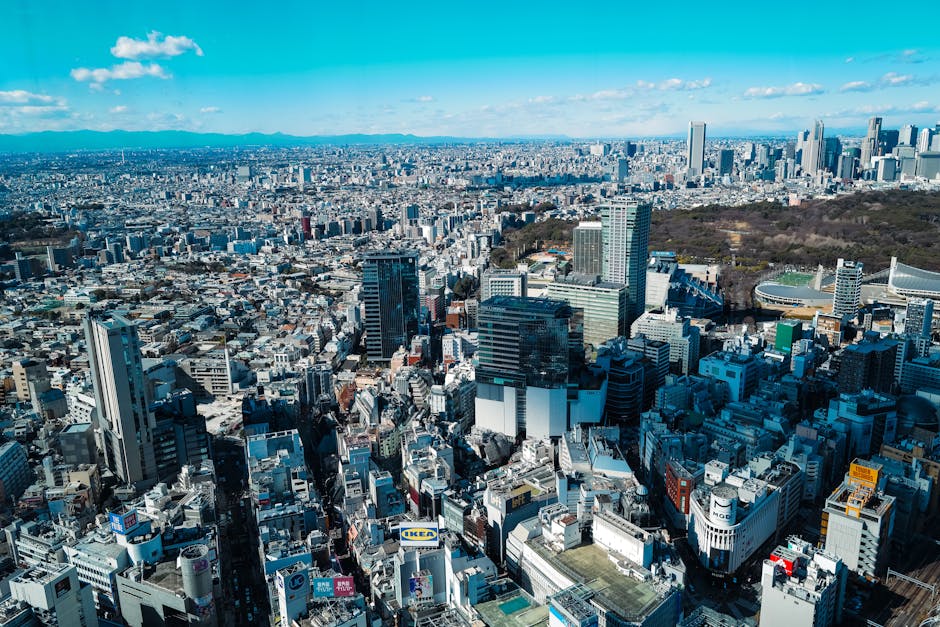
Experience Shibuya's electric energy on this self-guided walk from the iconic Scramble Crossing to the panoramic views of Shibuya Sky.
 Easy
EasyTokyo, Japan
Explore Tokyo's indie heart. From vintage fashion in Shimokitazawa to world-class art in Shinjuku, discover the city's creative soul independently.
 Easy
EasyGothenburg, Sweden
Explore Gothenburg’s historic wooden houses, legendary giant cinnamon buns, and panoramic fortress views on this self-guided neighborhood stroll.
 Moderate
Nairobi, Kenya
Taste your way through Nairobi's Westlands on this self-guided walk featuring street snacks, cultural landmarks, and hidden foodie gems.
 Easy
EasyGdansk, Poland
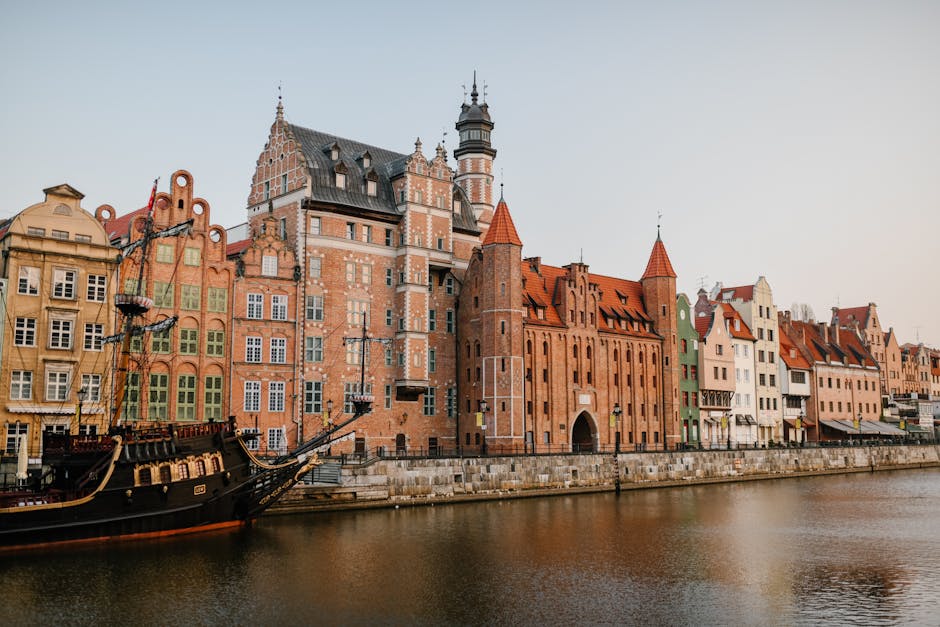
Discover the 'Baltic Gold' on this self-guided walk through Gdansk's historic mills, massive cathedrals, and the magical Mariacka Street.
 Easy
EasyWarsaw, Poland
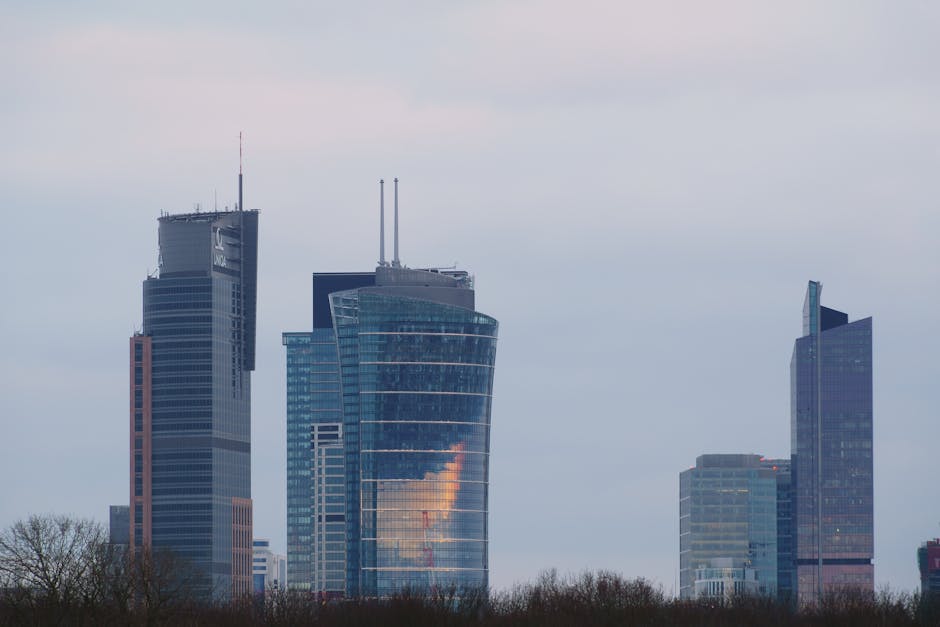
Discover the hidden courtyards and grand pre-war architecture of Warsaw's most atmospheric neighborhood on this self-guided stroll.
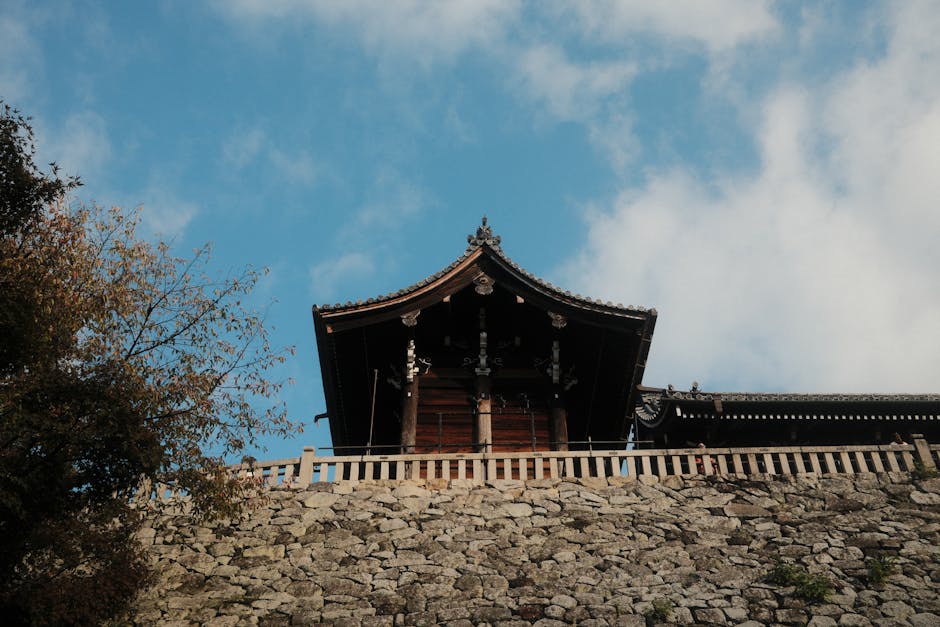 Moderate
Kyoto, Japan
Discover the soul of old Kyoto on this self-guided walk through preserved stone lanes, iconic pagodas, and the grand wooden stage of Kiyomizu-dera.
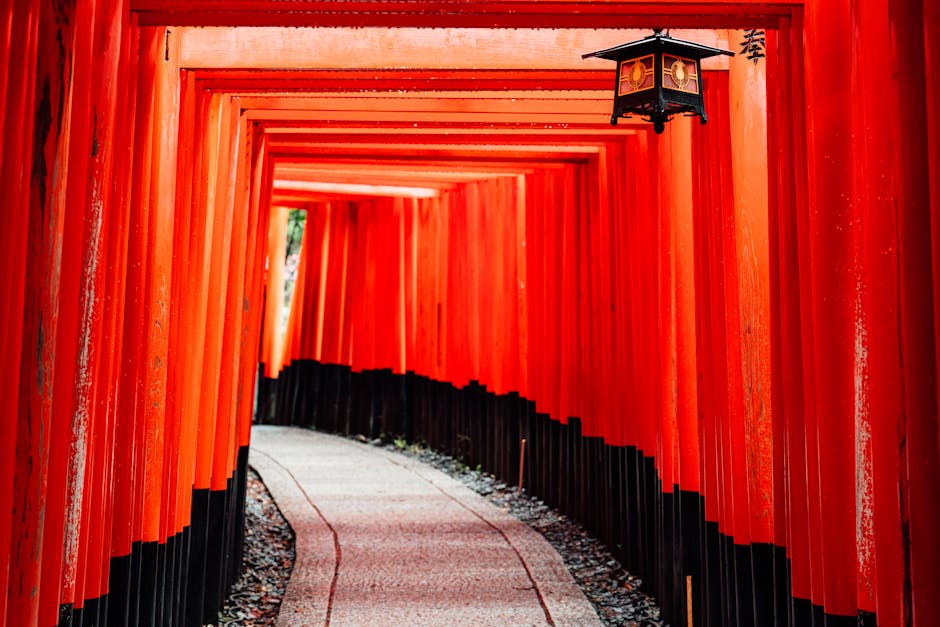 Challenging
Kyoto, Japan
Ascend the sacred Mount Inari through thousands of vermillion torii gates on this challenging and spiritual self-guided walk in Kyoto.
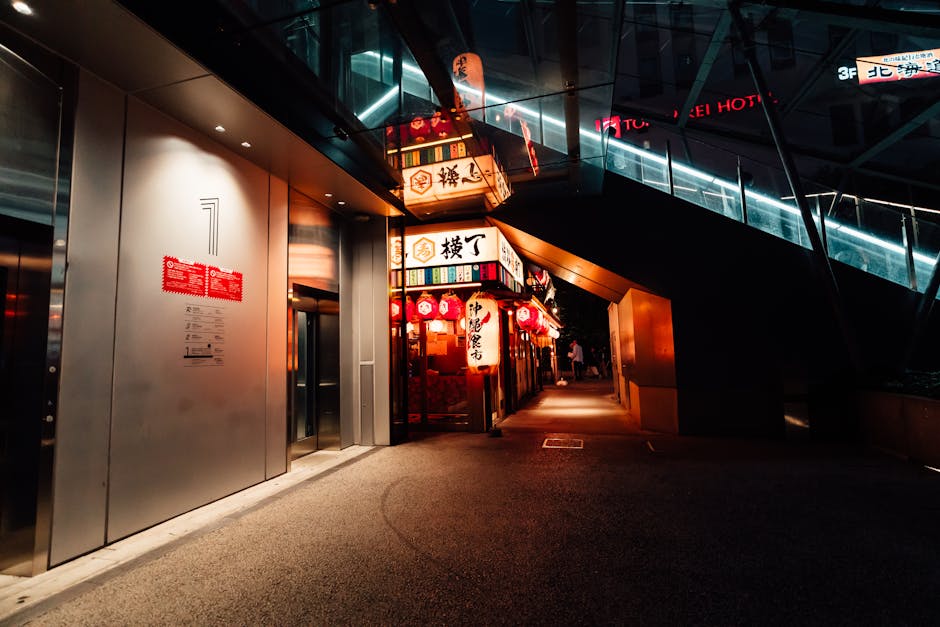 Easy
EasyKyoto, Japan
Explore Kyoto's most atmospheric alleyway. Discover geiko history, riverside dining, and hidden nightlife on this self-guided evening stroll.
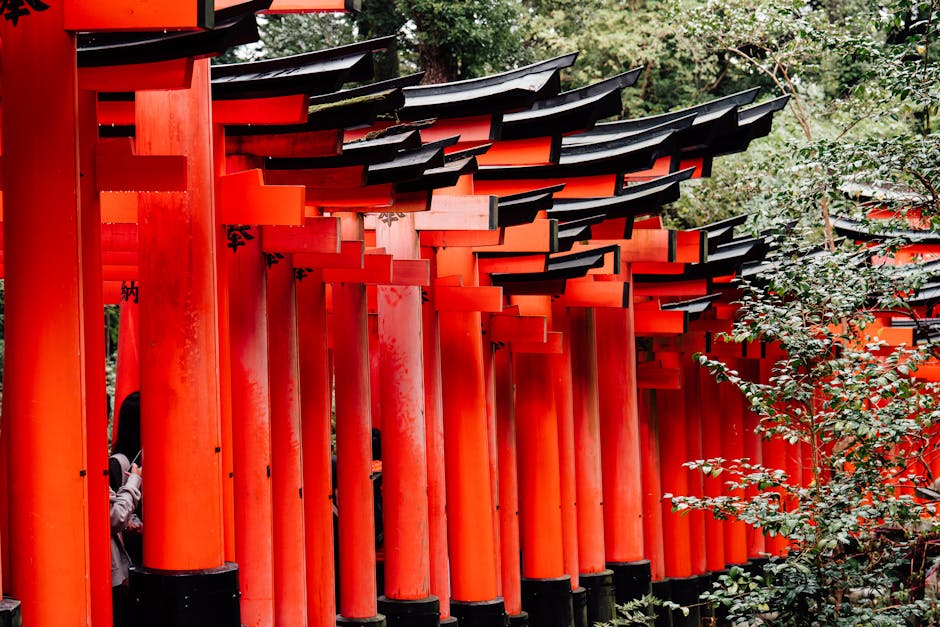 Moderate
Kyoto, Japan
Experience a serene self-guided walk along Kyoto's iconic Philosopher's Path, visiting Zen temples, hidden shrines, and the stunning Silver Pavilion.