Self-guided audio tour in Bordeaux
Start Free on iPhone
Start free on iPhone to unlock this self-guided walking tour in Bordeaux. Hear all the stories that make it amazing, walk at your own pace, and begin whenever you want.
Your Private Tour Guide
Escape the limestone facades of the city center and discover the verdant charm of Caudéran. This self-guided walk leads you through Parc Bordelais, the largest green space in Bordeaux, designed in the late 19th century to mimic the feel of a grand countryside estate. As you wander through this neighborhood stroll, you'll encounter a perfect blend of French heritage and modern lifestyle. The park itself is a masterpiece of landscape architecture, featuring winding paths, ancient oaks, and a serene lake. It serves as a sanctuary for local families and joggers, offering a glimpse into the authentic daily life of the city's residents. Beyond the park gates, the route explores the architectural elegance of the surrounding streets. You will see grand villas that showcase the wealth of 19th-century wine merchants and the transition into Art Deco styles. One of the highlights is the Institut Culturel Bernard Magrez, housed in the stunning 18th-century Château Labottière, which bridges the gap between historical grandeur and contemporary art. This nature-focused walking route is perfect for those seeking a peaceful alternative to the crowded tourist hubs. Whether you're a fan of history, a family looking for a relaxed outing, or an architecture enthusiast, this walking tour Bordeaux offers a refreshing perspective on the city. Explore the animal enclosures featuring local farm breeds, listen to the whistle of the historic miniature train, and admire the ornate ironwork of the park’s monumental gates. This audio walk provides the flexibility to linger under the shade of a century-old tree or speed up to catch a gallery opening, making it an ideal way to experience the garden city of Bordeaux at your own pace.
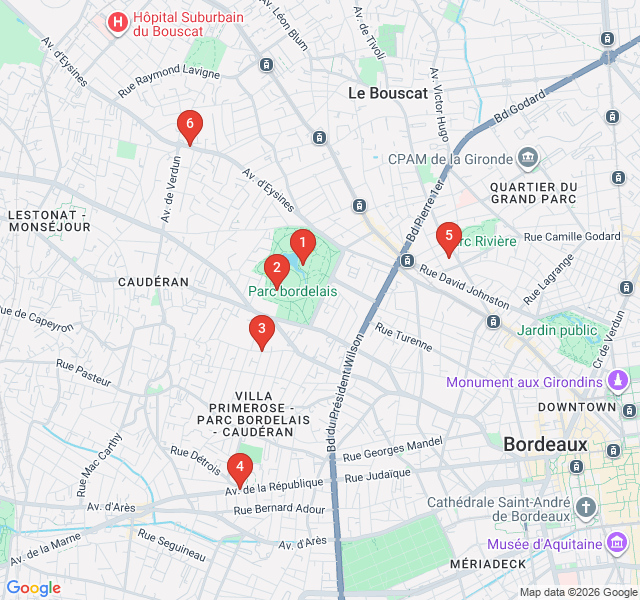
Numbers indicate the order of stops on the tour.
Begin your self-guided adventure at the 'Petit Train de Bordeaux.' This charming miniature railway has been a staple of the park since 1897, delighting generations of children. It is one of the oldest attractions of its kind in France. The station serves as a nostalgic reminder of the Belle Époque era when the park was first opened to the public. As you stand here, notice the playful atmosphere that defines this corner of the park. The train follows a scenic loop through the wooded areas, offering a unique perspective of the landscape. It represents the park's dual purpose: a place for sophisticated leisure and simple family joy. The tracks wind through some of the 28 hectares of greenery that make this the largest park in the city proper.
A short walk from the train leads you to the animal enclosure, a favorite for families. This isn't just a petting zoo; it's a conservation effort for regional heritage. Here, you can find species native to the Southwest of France, such as the Landes de Bretagne sheep, Gascon pigs, and Poitevin goats. These breeds were once common on local farms but are now part of a preservation program to maintain genetic diversity. The enclosure reflects the park's original 19th-century design as a 'rural' escape within the city limits. Take a moment to observe these animals in their shaded paddocks, surrounded by trees that are over a hundred years old, creating a rustic atmosphere just minutes from the urban bustle.
Exit the park briefly to walk along Rue de l'École Normale. This street offers a masterclass in Bordeaux’s residential evolution. You’ll notice a shift from the traditional 18th-century limestone aesthetics to the more eclectic and decorative styles of the late 19th and early 20th centuries. Look for the intricate stonework, wrought-iron balconies, and the occasional Art Deco flourish. The street is named after the nearby 'École Normale,' a teacher training college, which brought a scholarly and bourgeois character to the neighborhood. The houses here were often built for the rising professional class who wanted to live near the prestigious park while maintaining easy access to the city center via the burgeoning tram and bus networks of the era.
Return to the park's grandest threshold. The main entrance, with its monumental iron gates, was designed in the Napoleon III style and reflects the prestige of the city during the 1880s. The park was officially inaugurated in 1888 by President Sadi Carnot. The design was the work of Eugène Bühler, a famous landscape architect who also designed the Parc de la Tête d'Or in Lyon. Bühler’s philosophy was to create 'English-style' gardens with winding paths and unexpected vistas. Notice the coat of arms of Bordeaux integrated into the ironwork. These gates were intended to signal that you were entering a space of refinement and civic pride, a 'countryside for those who have none.'
A few minutes away stands the Château Labottière, home to the Institut Culturel Bernard Magrez. Built in 1773 for two brothers who were prominent merchants, this neoclassical mansion is a rare example of an 18th-century 'maison de plaisance' that survived urban expansion. Today, it is owned by wine magnate Bernard Magrez and serves as a contemporary art center. The contrast is striking: cutting-edge modern art displayed within walls that pre-date the French Revolution. The gardens surrounding the château are meticulously manicured, featuring sculptures that challenge your perception of the historic setting. It’s a testament to how Bordeaux honors its past while embracing the avant-garde, making it a must-see stop on this neighborhood stroll.
Conclude your walk along Avenue d'Eysines. This grand boulevard is lined with some of the most impressive private residences in the Caudéran district. Often referred to as 'châteaux pinardiers' or 'wine châteaux,' these villas were built by wealthy wine merchants who sought to display their success through architecture. You will see a variety of styles, from Neo-Renaissance to Gothic Revival, each trying to outdo the neighbor with turrets, ornate carvings, and sprawling gardens hidden behind high stone walls. This area remains one of the most prestigious addresses in Bordeaux. As you walk, you can feel the quiet, affluent atmosphere that has characterized this neighborhood for over a century, marking the perfect end to your exploration of the city's green escape.
Start Free on iPhone
Explore “Parc Bordelais: The Local’s Green Escape” with your very own Private Tour Guide with Zigway. Start free on iPhone, skip the large group and the fixed routes, and hear the city come alive as you go.
Your Private Tour Guide
Don't miss the good stuff
Explore Freely
 Easy
EasyBordeaux, France
Explore the vibrant Saint-Michel district and the legendary Marché des Capucins on this self-guided food and culture walk through Bordeaux.
 Easy
EasyBordeaux, France
Discover the intellectual soul of Bordeaux on this self-guided walk through the haunts of legendary philosophers and writers.
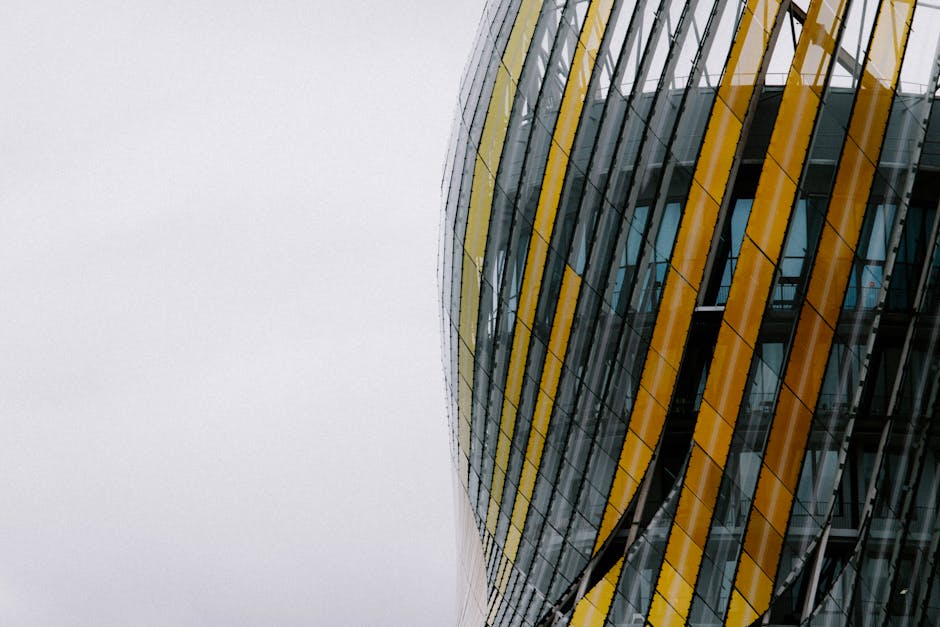 Moderate
Bordeaux, France
Explore the bold Brutalist architecture of Bordeaux's Mériadeck district on this self-guided walk through 1970s urban design and hanging gardens.
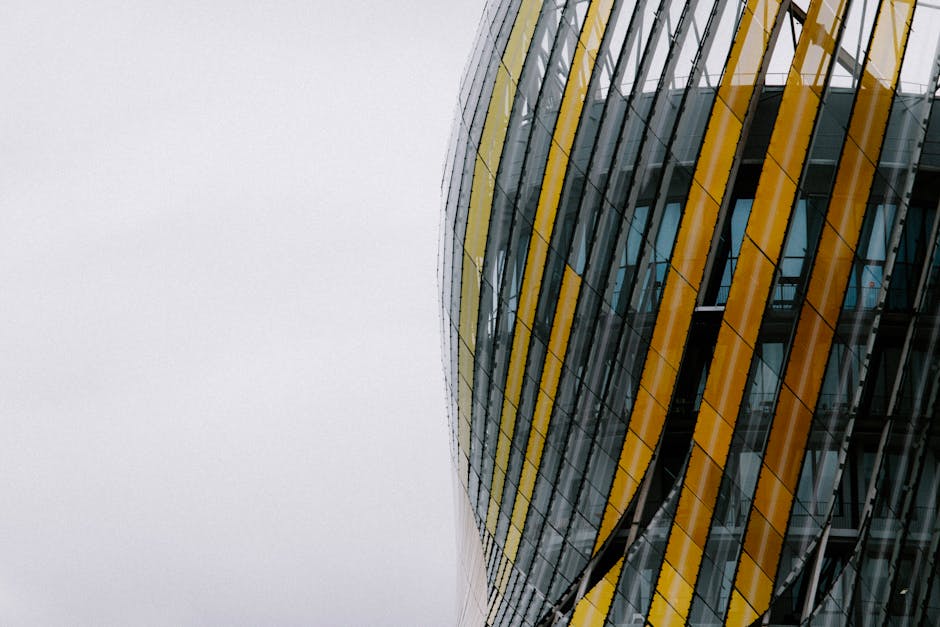 Moderate
Bordeaux, France
Explore Bordeaux's creative edge on this self-guided walk from classic museums to the vibrant Darwin Ecosystem and industrial ruins.
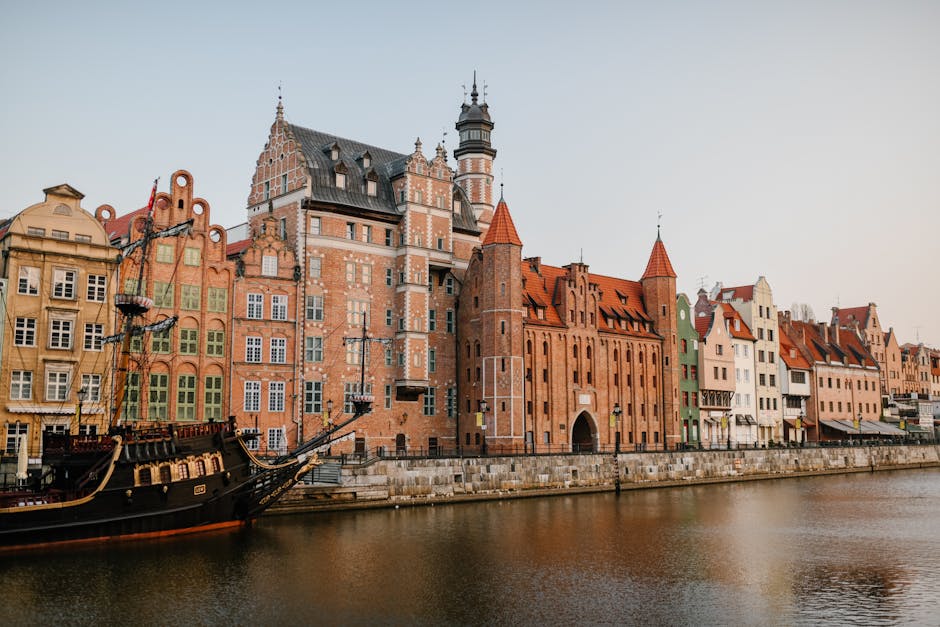 Easy
EasyGdansk, Poland
Discover the monastic heritage, world-famous organs, and lush botanical gardens of Oliwa on this peaceful self-guided neighborhood stroll.
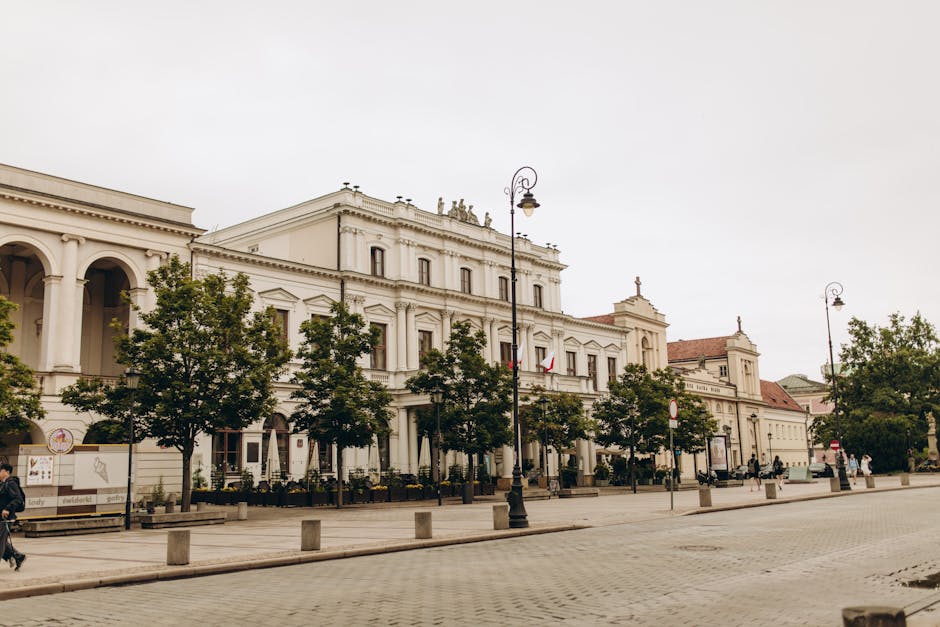 Easy
EasyWarsaw, Poland
Explore Warsaw's scenic riverfront, rooftop gardens, and industrial-chic architecture on this self-guided stroll through the Powiśle district.
 Easy
EasyWarsaw, Poland
Discover Warsaw's intellectual heart through historic campuses, peaceful parks, and the stunning rooftop gardens of the University Library.
 Moderate
Gothenburg, Sweden
Explore Gothenburg’s lush "Green Lung" on this self-guided walk through the Botanical Garden, Slottsskogen park, and rugged Änggård Mountains.
 Challenging
Paris, France
Explore the secret vineyards, legendary artist studios, and hidden squares of Paris's iconic hilltop on this self-guided bohemian walking route.
 Easy
EasyParis, France
Explore the evolution of Parisian design from Art Nouveau whimsy to Le Corbusier's Modernist masterpieces on this self-guided architectural walk.
 Easy
EasyParis, France
Explore the flavors and history of Bastille on this self-guided walk through the legendary Aligre Market and the scenic Coulée Verte.
 Easy
EasyParis, France
Discover aristocratic mansions, secret medieval courtyards, and royal history on this self-guided walk through the enchanting Marais district.