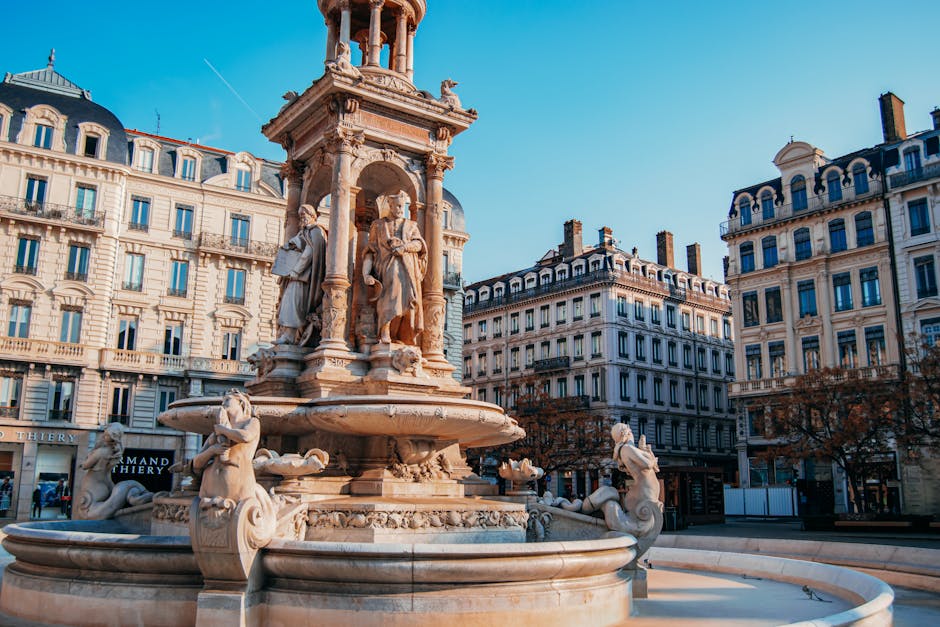
Self-guided audio tour in Lyon
Start Free on iPhone
Start free on iPhone to unlock this self-guided walking tour in Lyon. Hear all the stories that make it amazing, walk at your own pace, and begin whenever you want.
Your Private Tour Guide
Step into the quiet elegance of the Presqu'île's most historic quarter with this self-guided walk through the Soul of Ainay. While many visitors flock to the bustling shops of Rue de la République, the Ainay district remains a serene sanctuary of Romanesque architecture, aristocratic history, and intellectual pursuit. This audio walk invites you to uncover the layers of Lyon, from its medieval religious foundations to its modern status as a global center of education and research. This neighborhood stroll begins in the narrow, secret passages of Vieux Lyon before crossing the Saône to enter the heart of the Ainay district. The centerpiece of this route is the Basilique Saint-Martin d'Ainay, a rare and beautifully preserved Romanesque gem that has stood as a witness to Lyon's evolution for nearly a millennium. As you explore independently, you will notice the atmosphere shift from the Renaissance charm of the Old Town to the stately 18th and 19th-century townhouses that define Ainay's quiet streets. This walking tour Lyon also bridges the gap between the city's ancient past and its vibrant present. You will discover how the Roman foundations at the Théâtre Gallo Romain and the Amphitheater of the Three Gauls laid the groundwork for a city that would eventually become a powerhouse of the Enlightenment. The route extends to the grand 'Palais des Facultés' along the river, showcasing the architectural transition into the industrial and academic age. Whether you are a history enthusiast or an architecture lover, this walking route provides a comprehensive look at the institutions that shaped the Lyonnais identity. By the time you reach the modern campuses at the end of the journey, you will have traced the entire timeline of Lyon's development, all at your own pace. This walking tour Lyon is designed for those who want to see beyond the tourist facade and understand the spiritual and scholarly heart of the city.
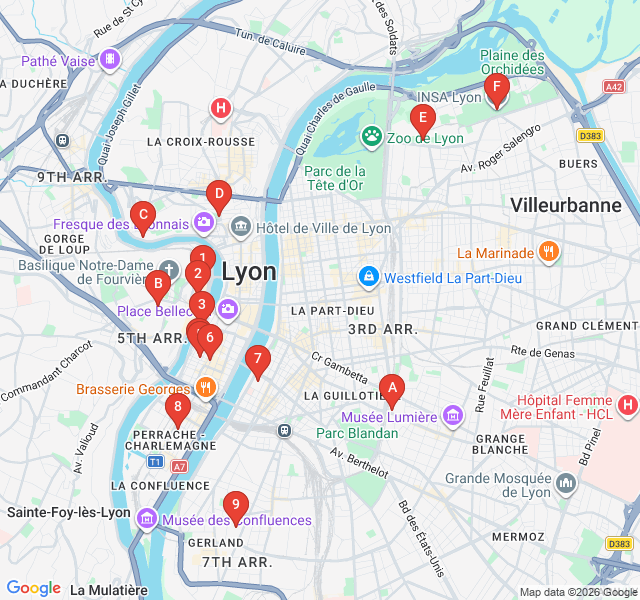
Numbers indicate the order of stops on the tour.
Begin your journey in the heart of the Renaissance. The traboules are Lyon's most famous architectural secret—a network of hidden passageways that allowed silk workers to transport their precious goods while staying protected from the elements. As you step through these unassuming doorways, you are entering a world of inner courtyards, spiral staircases, and Italianate galleries. These passages were not just functional; they were the lifelines of the city's economy and played a crucial role in the French Resistance during WWII. Listen for the echo of centuries of footsteps as you navigate these private shortcuts that connect the medieval streets.
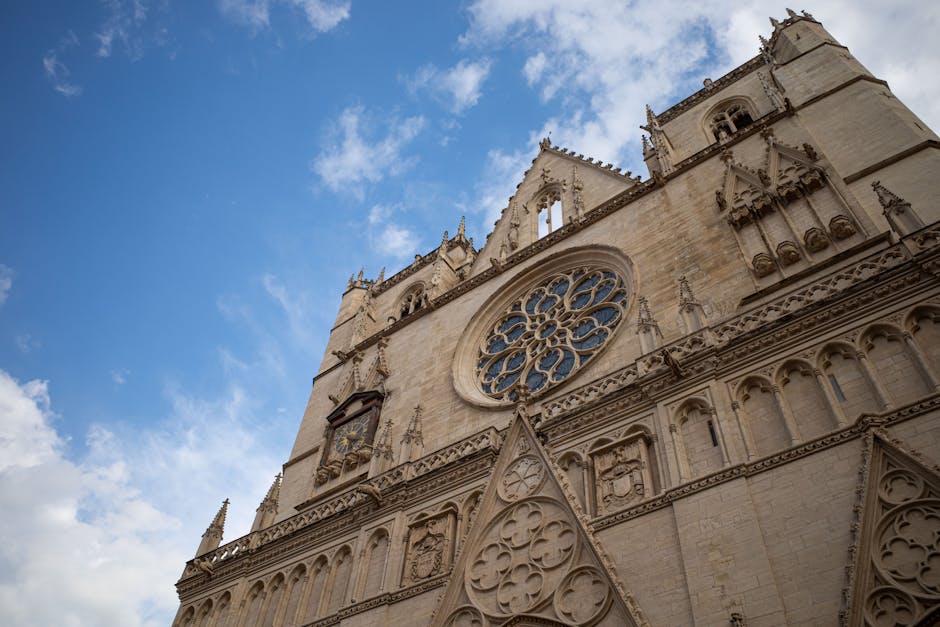
Standing as the seat of the Archbishop of Lyon, this cathedral is a masterclass in the transition from Romanesque to Gothic architecture. Construction began in the 12th century on the site of even older ruins. Inside, look for the 14th-century astronomical clock, one of the oldest in Europe, which still functions with remarkable precision. The cathedral’s stained glass, particularly the 13th-century rose windows, bathes the nave in a kaleidoscope of light. This site has hosted royal weddings and papal coronations, cementing its status as the religious epicenter of the city for nearly a thousand years.
Crossing the Saône, we encounter the Grande Synagogue, a striking example of Neo-Byzantine architecture built in the 1860s. Its placement along the riverbank was a significant statement of the Jewish community's integration into Lyonnais society during the 19th century. Notice the twin stone tablets of the Ten Commandments crowning the facade. The building survived the dark years of the German occupation and remains a vibrant center for the community today. Its intricate stonework and arched windows provide a beautiful architectural contrast to the surrounding classical buildings of the Quai.
As you turn into this quiet street, the atmosphere changes. You are now in the heart of the Ainay district, historically the home of Lyon's Catholic aristocracy. This street leads directly to the site of the ancient abbey that once dominated this entire peninsula. Unlike the bustling commercial streets nearby, Rue de l'Abbaye retains an air of contemplative silence. The buildings here are characterized by their sober, elegant facades, many of which hide lush private gardens and courtyards that have belonged to the same families for generations.
This is the soul of the neighborhood. The Basilique Saint-Martin d'Ainay is the only remaining Romanesque abbey church in Lyon. Consecrated in 1107, it stands on the site where a Roman temple once possibly stood. Look closely at the columns inside—some are actually repurposed Roman pillars. The church is famous for its massive square bell tower and the beautiful mosaics in the apse. Its thick walls and small windows create an atmosphere of immense peace and gravity, offering a rare glimpse into the medieval spiritual life that preceded the city's Gothic and Renaissance expansions.
This lively square is named after André-Marie Ampère, the Lyon-born physicist who was a pioneer in electromagnetism. His statue stands proudly in the center. The square serves as a gateway between the historic Ainay district and the more modern shopping areas of the Presqu'île. It is a perfect spot to observe the daily rhythm of Lyonnais life, where students from nearby schools mingle with residents visiting the local boulangeries. The architecture surrounding the square represents the 19th-century urban planning that transformed Lyon into a modern European city.
Located along the banks of the Rhône, this university is housed in the 'Palais des Facultés,' a grand 19th-century complex designed to showcase Lyon's intellectual prestige. The architecture here is monumental, featuring expansive courtyards and classical colonnades. As you walk past, consider the shift in Lyon's identity during this era—from a city of silk and trade to a city of science and letters. Today, it remains one of the premier institutions for social sciences and humanities in France, continuing a tradition of rigorous academic inquiry that began on these very banks.
Further south in the Perrache district, Eglise Sainte-Blandine is a Neo-Gothic landmark that served the working-class families of the industrial South Presqu'île. Named after the patron saint of Lyon, a young Christian martyr, the church stands as a symbol of resilience. The neighborhood around it has undergone a massive transformation in recent years, evolving from a transit hub into a modern, eco-friendly district, yet the church remains a fixed point of history amidst the contemporary glass and steel of the Confluence area.
The École Normale Supérieure (ENS) de Lyon represents the pinnacle of French higher education. Located in the Gerland district, the campus is a hub for high-level research and scientific discovery. While the buildings are modern, the institution itself carries a legacy of elite training that dates back to the French Revolution. The presence of ENS here has transformed Gerland into a 'biotech valley,' proving that Lyon’s soul is as much about future innovation as it is about historic preservation.
Housed in the former 'Manufacture des Tabacs' (Tobacco Factory), this university campus is a brilliant example of industrial heritage being repurposed for education. The massive brick and stone buildings once processed tobacco for the entire region. Today, the rhythmic hum of machinery has been replaced by the voices of thousands of students. The site is named after Jean Moulin, the legendary French Resistance leader who was captured in the Lyon suburbs, bridging the city's industrial past with its heroic wartime history.
High on the Fourvière hill, we return to the very beginning. This ancient theater, built by Augustus in 15 BC, is the oldest in France. It could once seat 10,000 spectators. Standing here, you can see how the Romans strategically chose this spot for its commanding view of the confluence of the two rivers. The acoustics are still so perfect today that the theater is used every summer for the 'Nuits de Fourvière' festival. It is the bedrock upon which the entire history of Lyon was built.
Located on the banks of the Saône, Les SUBS (formerly the Subsistances) is a creative laboratory housed in an old military warehouse and convent. This site perfectly encapsulates Lyon's ability to reinvent itself. Once a place of religious seclusion and later a military supply depot, it is now a vibrant center for contemporary dance, theater, and circus arts. The massive glass roof of the central courtyard is a modern architectural marvel that hosts experimental performances year-round.
This site on the slopes of Croix-Rousse was once the most important Roman sanctuary in the three provinces of Gaul. Representatives from 60 Gallic tribes would gather here annually to swear loyalty to Rome. It was also the site of the first Christian martyrdoms in Lyon in 177 AD. Today, only a portion of the structure remains, tucked away in a quiet park, but it stands as a powerful reminder of Lyon's role as the 'Capital of the Gauls.'
Heading north to the La Doua campus, we find the heart of Lyon's scientific and medical research. Named after the famous 19th-century physiologist Claude Bernard, this university is a sprawling city of knowledge. The architecture here is functional and modern, reflecting the post-war expansion of the city. It is here that the next generation of doctors, engineers, and researchers are trained, carrying forward the intellectual curiosity that has defined Lyon since the Renaissance.
The Institut National des Sciences Appliquées (INSA) is one of the most prestigious engineering schools in Europe. The campus is a bustling community of international students and researchers. As the final stop on our journey, INSA represents the 'Soul of Lyon' in the 21st century: a city that honors its Romanesque roots and medieval secrets while relentlessly pushing the boundaries of technology and human understanding. From the quiet cloisters of Ainay to the high-tech labs of INSA, the spirit of Lyon remains one of discovery.
Start Free on iPhone
Explore “The Soul of Ainay: Lyon's Romanesque Heart” with your very own Private Tour Guide with Zigway. Start free on iPhone, skip the large group and the fixed routes, and hear the city come alive as you go.
Your Private Tour Guide
Don't miss the good stuff
Explore Freely
 Easy
EasyLyon, France
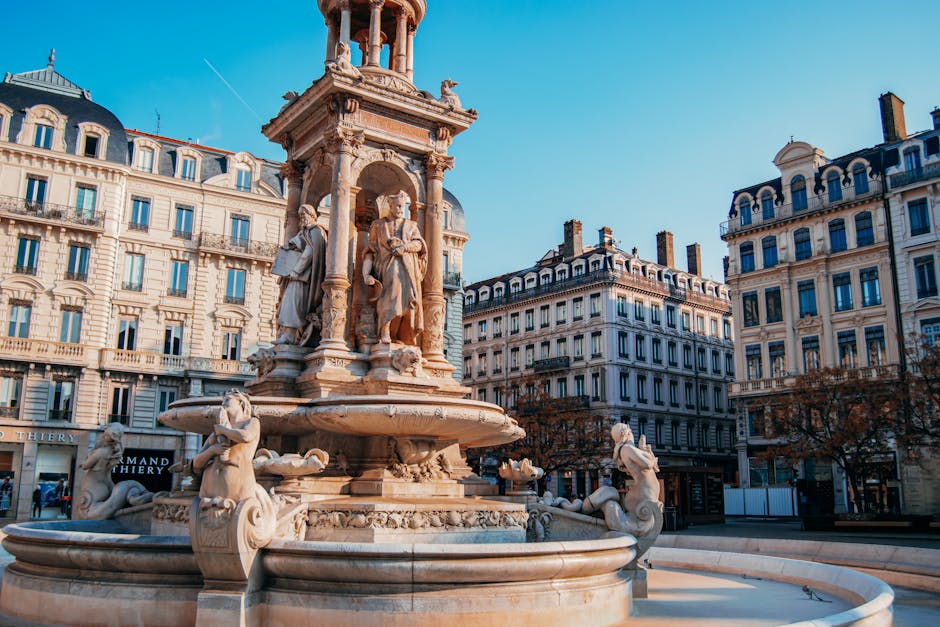
Discover Lyon's culinary soul on this self-guided walk from historic Presqu'île to the legendary Halles Paul Bocuse food market.
 Easy
EasyLyon, France
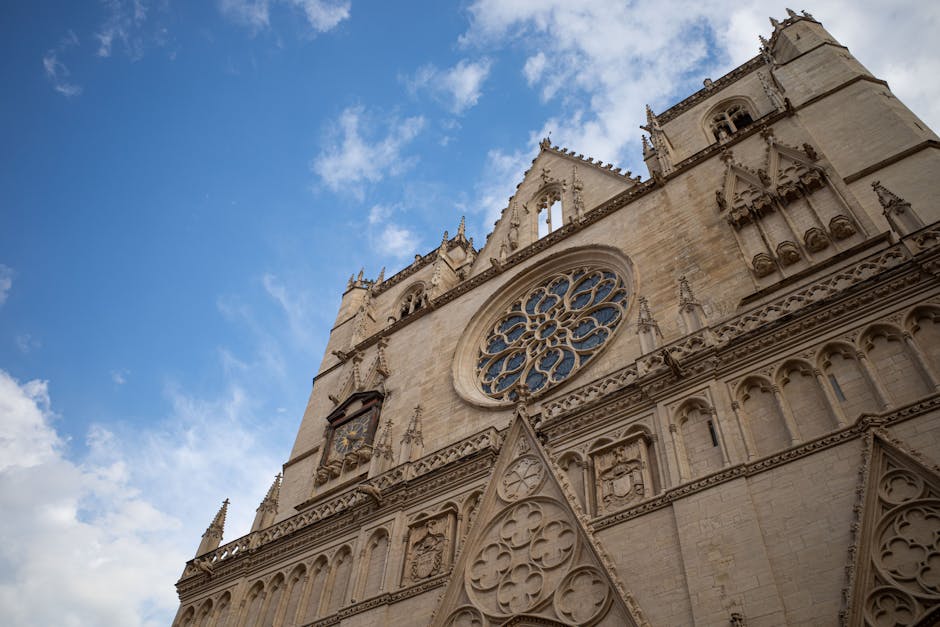
Explore Lyon’s futuristic waterfront! A self-guided walk through Confluence’s bold architecture and reclaimed industrial docks.
 Easy
EasyLyon, France
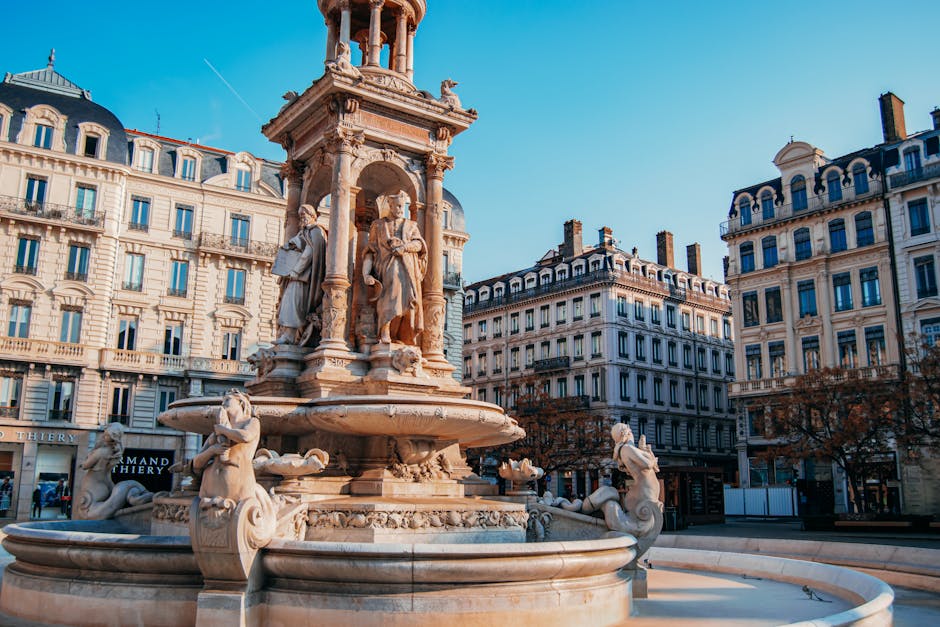
Discover the multicultural soul and industrial heritage of Lyon's 7th arrondissement on this vibrant self-guided walking route.
 Moderate
Lyon, France
Ascend the 'Hill that Prays' to explore Roman ruins, a shimmering basilica, and secret panoramic gardens on this historic self-guided walk in Lyon.
 Easy
EasyKrakow, Poland
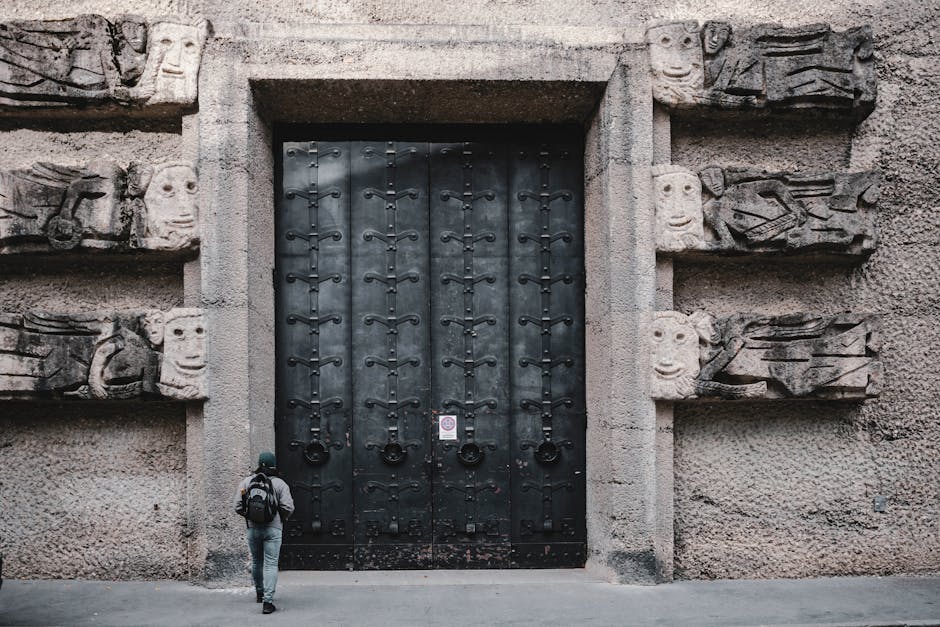
Explore the historic heart of Kazimierz on this self-guided walk through synagogues, ancient cemeteries, and vibrant squares.
 Easy
EasySalzburg, Austria
Discover the 'Rome of the North' on this self-guided walk through the Baroque squares and monumental legacy of Salzburg’s Prince-Archbishops.
 Moderate
Gdansk, Poland
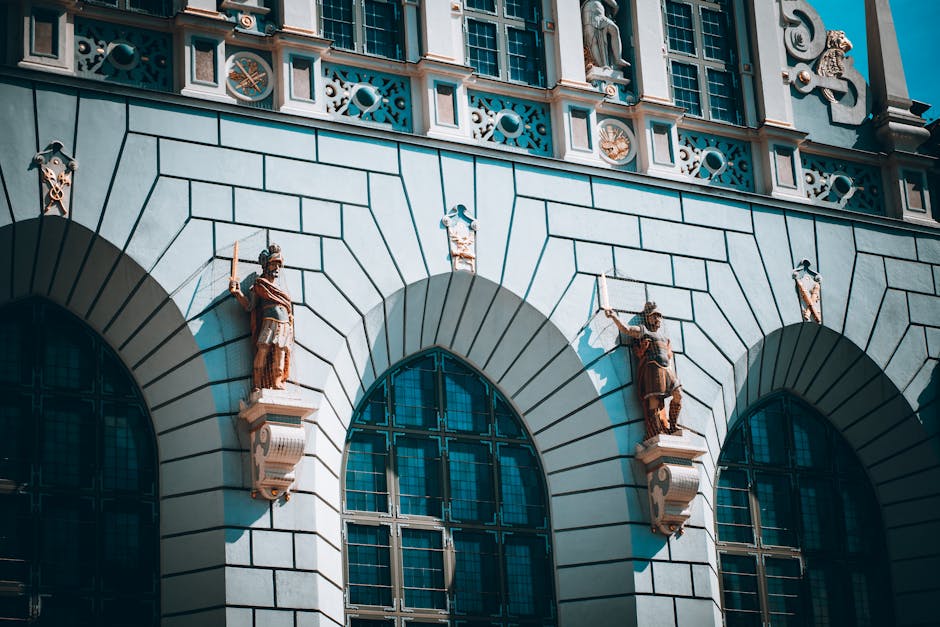
Discover the origins of WWII in Gdansk on this self-guided walk through heroic last stands, massive museums, and strategic hilltop fortifications.
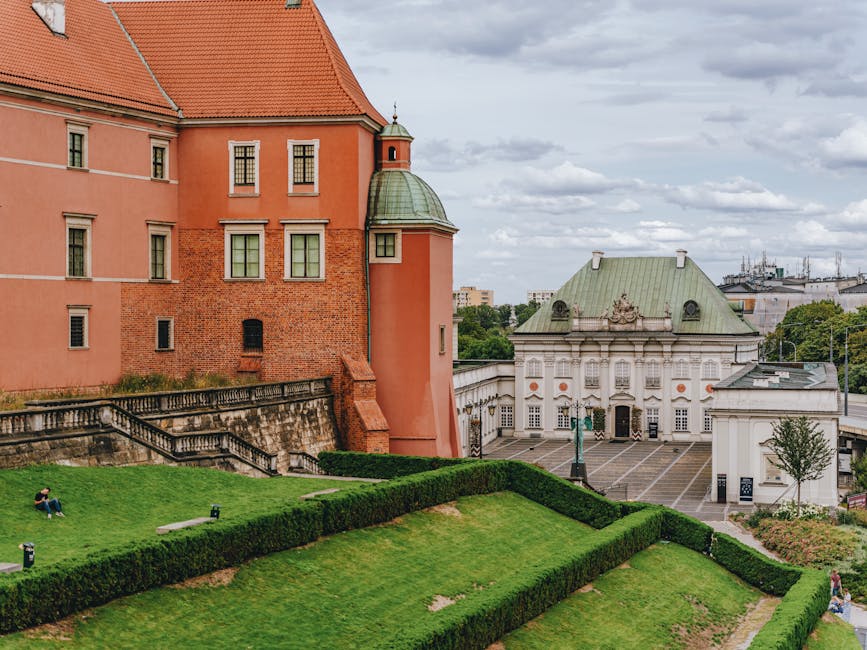 Moderate
Warsaw, Poland
Explore the resilient spirit of Warsaw's Muranów district on this self-guided walk through the history and landmarks of the former Jewish Ghetto.
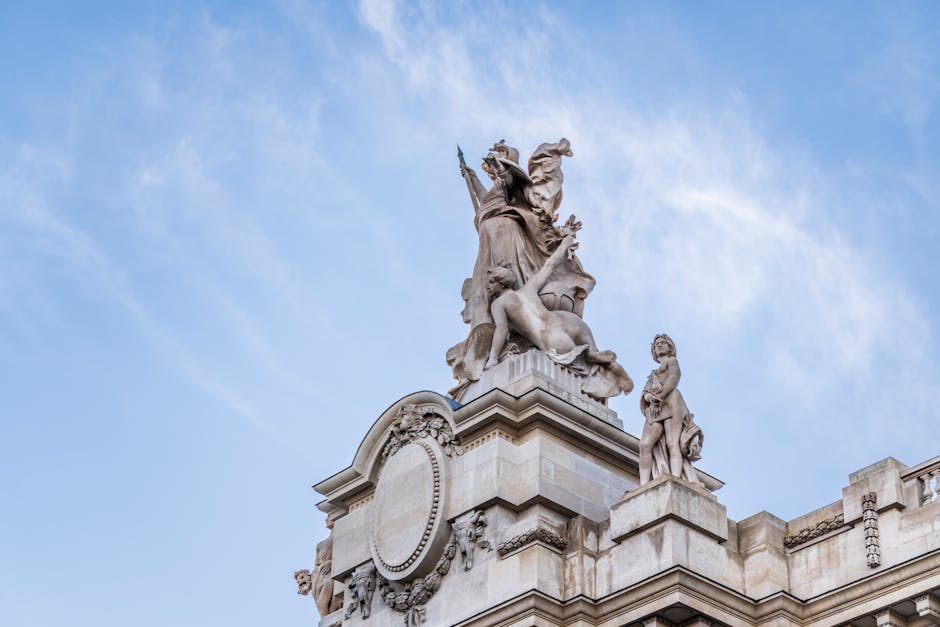 Challenging
Paris, France
Explore the secret vineyards, legendary artist studios, and hidden squares of Paris's iconic hilltop on this self-guided bohemian walking route.
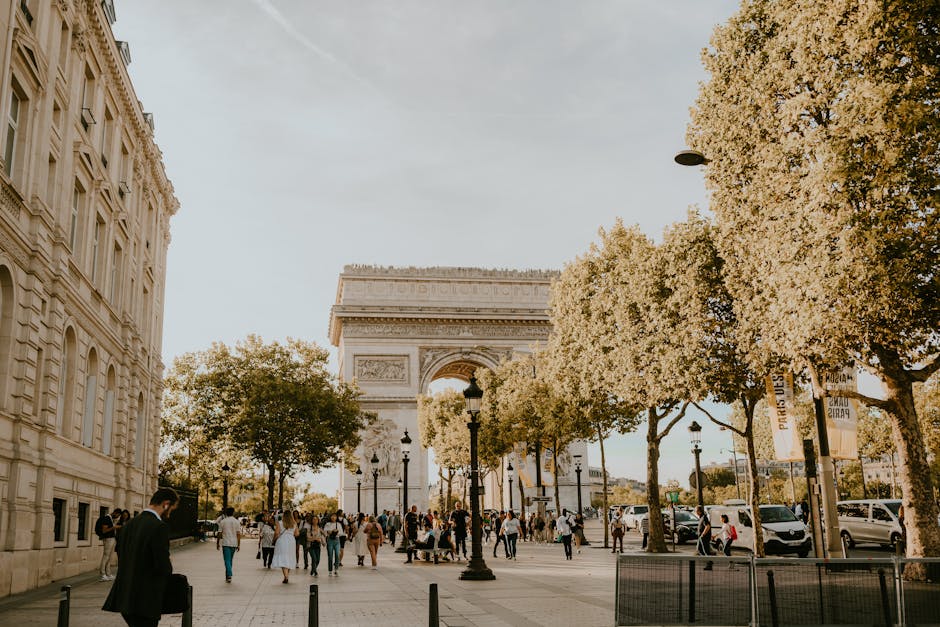 Easy
EasyParis, France
Explore the evolution of Parisian design from Art Nouveau whimsy to Le Corbusier's Modernist masterpieces on this self-guided architectural walk.
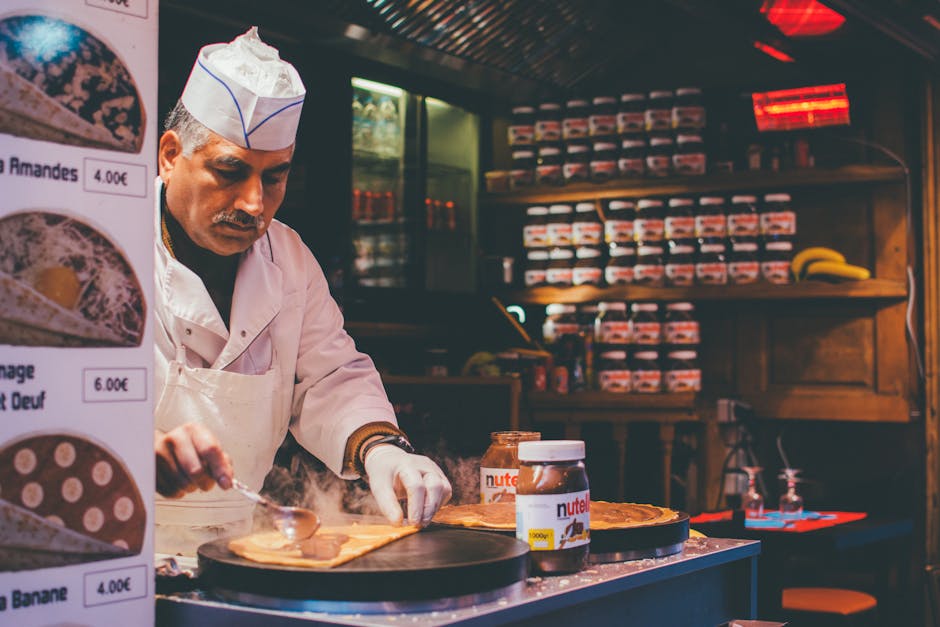 Easy
EasyParis, France
Explore the flavors and history of Bastille on this self-guided walk through the legendary Aligre Market and the scenic Coulée Verte.
 Easy
EasyParis, France
Discover aristocratic mansions, secret medieval courtyards, and royal history on this self-guided walk through the enchanting Marais district.