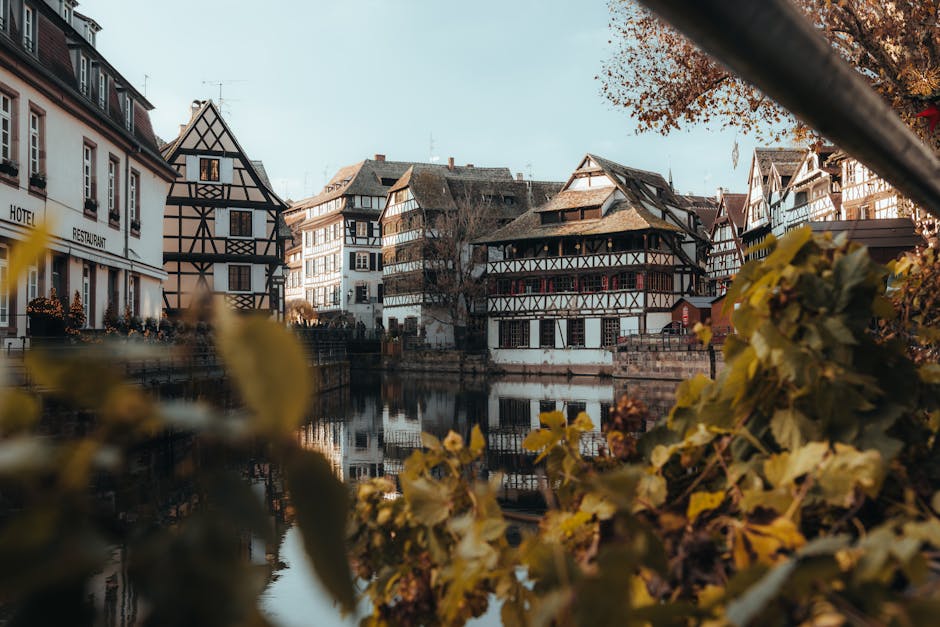
Self-guided audio tour in Strasbourg
Start Free on iPhone
Start free on iPhone to unlock this self-guided walking tour in Strasbourg. Hear all the stories that make it amazing, walk at your own pace, and begin whenever you want.
Your Private Tour Guide
Imagine standing with one foot in France and the other in Germany, separated only by the flowing waters of the Rhine. This self-guided walk through the Port du Rhin neighborhood offers a profound look at how a once-fortified border transformed into a symbol of European unity. As you explore this waterfront landscape, you will witness the shift from industrial grit to green serenity, following a route that highlights the shared history of Strasbourg and its German neighbor, Kehl. This neighborhood stroll is perfect for those who want to see a different side of the city, away from the medieval timber-framed houses of the center and into the heart of modern, geopolitical Europe. The journey begins at the Bridge of Europe, a site of immense historical weight that now serves as a busy thoroughfare for commuters and travelers alike. From there, the path leads you along the Rhine River Bank, where the scale of the river’s importance to European trade becomes clear. The centerpiece of the route is the Jardin des Deux Rives, a sprawling cross-border park that serves as a literal common ground for citizens of both nations. You will have the opportunity to cross the iconic Passerelle des Deux Rives, an elegant pedestrian bridge that represents the architectural and political bridge-building of the 21st century. As you move back toward the city interior, the walking route explores the Bassin d'Austerlitz. Once a strictly industrial zone, this area has been revitalized into a vibrant urban space where historic warehouses meet modern glass architecture. Finally, you will learn about the Port de Strasbourg, the second-largest river port in France, which continues to drive the region's economy. This walking tour Strasbourg provides a unique perspective on how nature and politics intertwine to create a peaceful, shared future. Whether you are interested in the engineering of the Rhine or the peaceful atmosphere of the riverside gardens, this self-guided adventure offers a refreshing and thought-provoking experience.
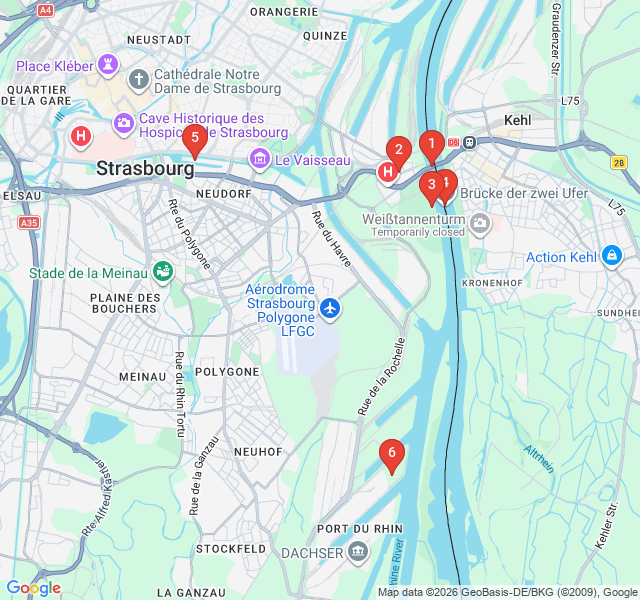
Numbers indicate the order of stops on the tour.
Welcome to the Pont de l'Europe, or Bridge of Europe. This isn't just a piece of infrastructure; it is a powerful symbol of post-WWII reconciliation. Opened in 1960, it replaced older structures destroyed during the conflict. As you look across the water, you are looking at Kehl, Germany. For centuries, this crossing was a point of tension and military strategy. Today, thousands of people cross it daily for work and leisure without ever showing a passport. It serves as the primary road link between Strasbourg and Germany, embodying the spirit of the European Union where borders have become permeable lines on a map rather than barriers.
Standing here by the Rhine, you are at the edge of one of the world's most important commercial waterways. The Rhine has shaped the history of Europe for millennia, serving as a natural border for the Roman Empire and a contested prize in numerous wars. Take a moment to observe the flow of the water and the large river barges that frequently pass by. These vessels carry everything from grain to industrial components, linking the North Sea to the heart of the continent. The management of this river is a collaborative effort between the nations it touches, reflecting a shift from competition to cooperation.
The Jardin des Deux Rives, or Garden of the Two Shores, is a unique 150-acre park created for the 2004 cross-border garden festival. It was designed to literally bridge the gap between Strasbourg and Kehl. Notice how the landscape flows seamlessly, encouraging visitors to forget which country they are currently in. The park features various circular garden 'rooms' and vast open meadows. It serves as a living laboratory for European integration, where French and German families picnic together and share the same public space. It’s a place where the scars of the past have been covered by meadows and playgrounds.
This striking pedestrian and cyclist bridge, designed by architect Marc Mimram, is the true highlight of the park. Its twin-deck design is both a feat of engineering and a poetic gesture. The two decks meet in the center at a wide platform, symbolizing the meeting of two cultures. Walking across this bridge, you can pause in the middle of the Rhine with one country behind you and another ahead. It was inaugurated in 2004 by world leaders as a testament to peace. The bridge's light, airy structure is intended to contrast with the heavy, armored history of this border zone.
As we move inland toward the Bassin d'Austerlitz, you'll see the results of a massive urban renewal project known as the 'Deux Rives' development. This former industrial dockland has been transformed into a trendy residential and cultural hub. Look for the massive red-brick building—the former Seegmuller warehouse—which now houses media libraries and tech startups. This area represents Strasbourg’s future, blending its maritime heritage with modern urban living. The cranes you see are often preserved as historical monuments, reminding us of the thousands of tons of goods that were once moved by hand and machine on these very docks.
Our walk concludes at the edge of the Port Autonome de Strasbourg. Established in 1926, this is the second-largest river port in France after Paris. It is a massive industrial engine, covering over 1,000 hectares. While much of our walk has focused on nature and peace, this stop highlights the economic reality that makes Strasbourg a regional powerhouse. The port handles millions of tons of cargo annually and is a key node in the Rhine-Main-Danube canal system. It stands as a reminder that the river is not just for scenery; it is the lifeblood of the city's industry and its connection to the global market.
Start Free on iPhone
Explore “Crossing Borders: The Jardin des Deux Rives Walk” with your very own Private Tour Guide with Zigway. Start free on iPhone, skip the large group and the fixed routes, and hear the city come alive as you go.
Your Private Tour Guide
Don't miss the good stuff
Explore Freely
 Easy
EasyStrasbourg, France
Discover the vibrant soul of Strasbourg’s student district. Explore historic factories, lively squares, and canal-side hangouts at your own pace.
 Easy
EasyStrasbourg, France
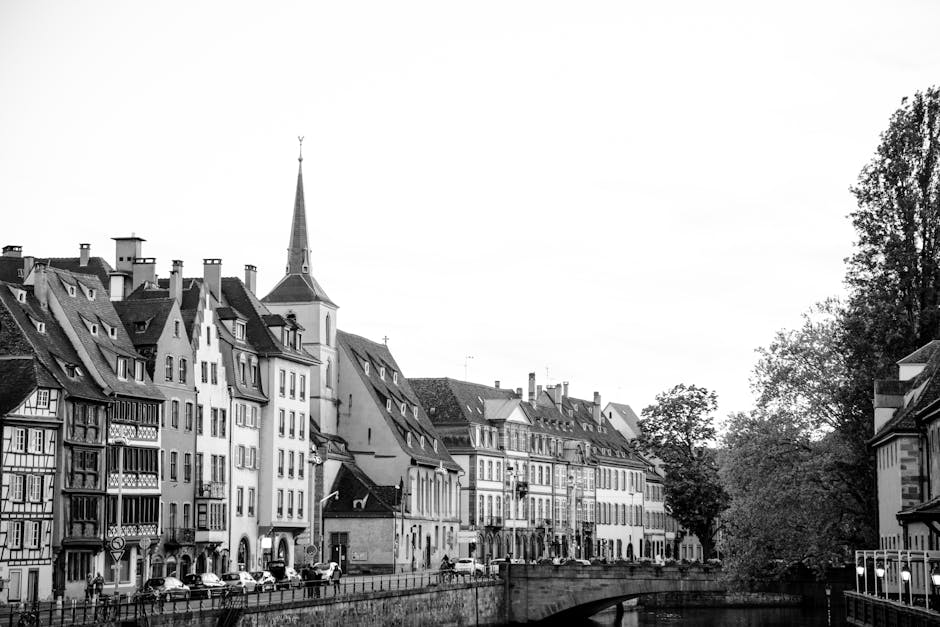
Explore Strasbourg’s Gothic heart and astronomical marvels on this self-guided walk through the historic Grande Île.
 Easy
EasyStrasbourg, France
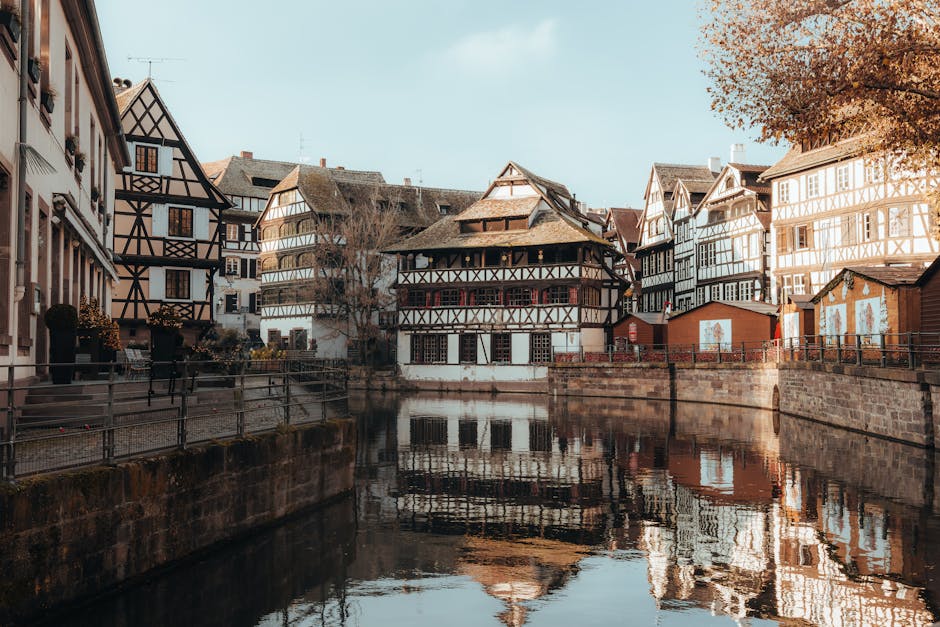
Discover Strasbourg’s soul on this self-guided stroll along historic quays, scenic bridges, and the fairytale canals of Petite France.
 Moderate
Strasbourg, France
Explore the military genius of Vauban on this self-guided walk through Strasbourg’s historic bridges, dams, and riverside defenses.
 Moderate
Gothenburg, Sweden
Explore Gothenburg’s lush "Green Lung" on this self-guided walk through the Botanical Garden, Slottsskogen park, and rugged Änggård Mountains.
 Moderate
Nairobi, Kenya
Discover Nairobi's lush side on this self-guided walk through botanical gardens, historic memorials, and vibrant local markets.
 Moderate
Gdansk, Poland
Discover Zaspa, a massive open-air gallery where grey housing blocks are transformed by over 60 monumental murals. Explore at your own pace.
 Moderate
Helsinki, Finland
Explore the 'Gibraltar of the North' on this independent walking route through the historic bastions and hidden gardens of Suomenlinna Sea Fortress.
 Challenging
Paris, France
Explore the secret vineyards, legendary artist studios, and hidden squares of Paris's iconic hilltop on this self-guided bohemian walking route.
 Easy
EasyParis, France
Explore the evolution of Parisian design from Art Nouveau whimsy to Le Corbusier's Modernist masterpieces on this self-guided architectural walk.
 Easy
EasyParis, France
Explore the flavors and history of Bastille on this self-guided walk through the legendary Aligre Market and the scenic Coulée Verte.
 Easy
EasyParis, France
Discover aristocratic mansions, secret medieval courtyards, and royal history on this self-guided walk through the enchanting Marais district.