Self-guided audio tour in Paris
Start Free on iPhone
Start free on iPhone to unlock this self-guided walking tour in Paris. Hear all the stories that make it amazing, walk at your own pace, and begin whenever you want.
Your Private Tour Guide
Step into the regal history of the French capital with this self-guided walk through the city’s most prestigious green spaces and historic squares. This walking route begins in the majestic Cour Carrée of the Louvre, where the architectural evolution of France’s royal power is etched into every stone. As you explore independently, you will transition from the Renaissance elegance of the old palace to the sprawling vistas of the Jardin des Tuileries, a masterpiece of French landscape design. This neighborhood stroll offers a perfect blend of high art, revolutionary history, and serene natural beauty, making it an essential experience for anyone looking to understand the core of Paris. Along the way, you will encounter the Arc de Triomphe du Carrousel, a smaller but no less impressive predecessor to the famous arch at the Étoile, and learn about the former palace that once connected the Louvre’s wings. The Jardin des Tuileries serves as the centerpiece of this audio walk, providing a peaceful escape filled with sculptures by masters like Maillol and Rodin. You will discover how Catherine de' Medici first envisioned these gardens as a private royal retreat before they were opened to the public after the French Revolution. As you approach the western edge of the park, the route highlights the Musée de l'Orangerie, the sanctuary where Claude Monet’s Water Lilies reside. The journey concludes at the monumental Place de la Concorde, a site of both immense tragedy and national triumph. Here, you can stand between the towering Luxor Obelisk and the ornate fountains that celebrate France’s maritime prowess. This self-guided walking tour Paris provides the freedom to pause for a coffee by a fountain or spend extra time capturing the perfect photograph of the 'Grand Axe'—the historic axis that aligns the Louvre with the Arc de Triomphe in the distance. Whether you are a history buff or a photography enthusiast, this route captures the essence of Parisian grandeur at your own pace.
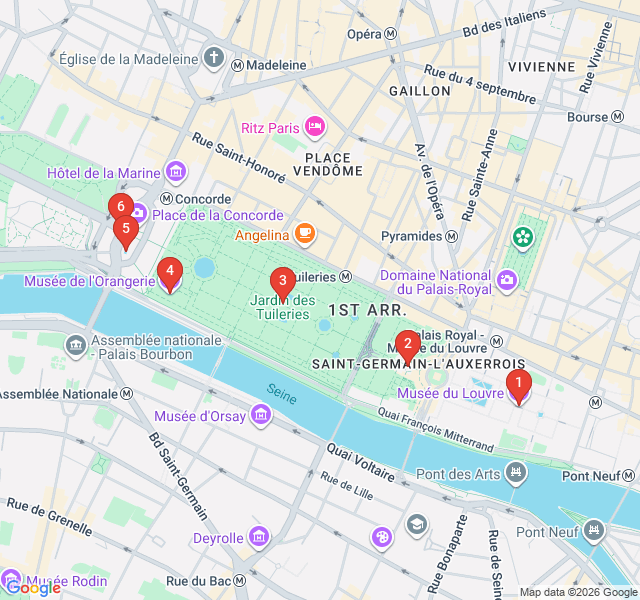
Numbers indicate the order of stops on the tour.
Start your journey in the oldest part of the Louvre. The Cour Carrée, or Square Court, is a masterpiece of French Renaissance architecture. Look closely at the facades; you are seeing centuries of history layered together. This courtyard was built on the site of the original medieval fortress, and you can still see the transition from the 16th-century wing designed by Pierre Lescot to the later additions by Louis XIV. This space was once the heart of the royal household, long before the Louvre became the world's most famous museum. The harmony of the proportions here was intended to reflect the absolute power and sophistication of the French monarchy. Take a moment to appreciate the intricate stone carvings and the sense of enclosure before we head toward the open vistas of the gardens.
As you walk through the passage toward the gardens, you are greeted by the Arc de Triomphe du Carrousel. Built between 1806 and 1808, this monument was commissioned by Napoleon Bonaparte to celebrate his military victories, specifically the Battle of Austerlitz. It originally served as the grand entrance to the Tuileries Palace, which stood just behind it. If you look through the arch, you are looking down the 'Historical Axis' of Paris. The design is inspired by the Arch of Constantine in Rome, featuring rose-colored marble columns and a chariot on top. The original horses atop the arch were the Horses of Saint Mark from Venice, taken by Napoleon and later returned after his downfall. Today's horses are a faithful 19th-century copy.
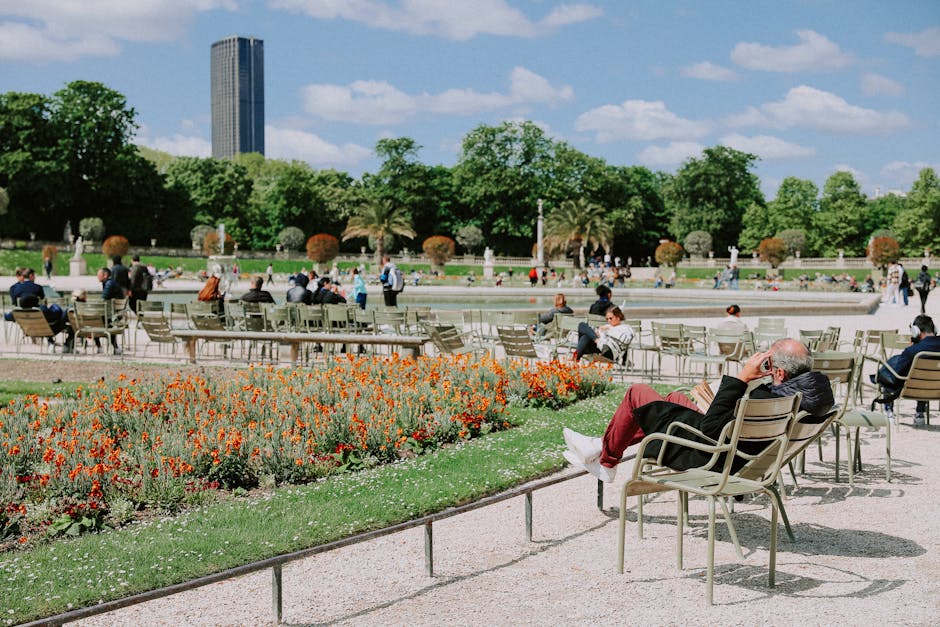
Welcome to the Jardin des Tuileries, the oldest and most significant public park in Paris. Its name comes from the tile factories, or 'tuileries,' that occupied this site before Catherine de' Medici built a palace and garden here in 1564. In the 17th century, the famous landscape architect André Le Nôtre—the same man who designed the gardens of Versailles—reimagined this space in the formal French style. He created the central path and the symmetrical ponds you see today. This park has witnessed history firsthand, from royal festivals to revolutionary battles. Today, it is an open-air museum, featuring works by world-renowned sculptors. Feel free to grab one of the iconic green metal chairs, a staple of Parisian park life since the 1920s, and enjoy the view.
Located at the western corner of the Tuileries, the Musée de l'Orangerie was originally built in 1852 to shelter the garden's orange trees during the winter months. Its glass walls on the southern side were designed to catch the sun, while the northern side was solid to block the cold winds. In the early 20th century, it was transformed into an art gallery. It is most famous for housing Claude Monet’s 'Nymphéas' or Water Lilies. Monet himself helped design the oval rooms to create an immersive experience for viewers, intending for the paintings to provide a 'refuge of peaceful meditation.' While the museum requires a ticket to enter, the building itself is a beautiful example of 19th-century functional architecture integrated into a royal garden setting.
As you exit the gardens and enter the vast Place de la Concorde, you will find two magnificent fountains. The one closest to the river is the Fontaine des Mers, or Fountain of the Seas. Completed in 1840, these fountains were designed by Jacques Ignace Hittorff. This particular fountain celebrates France’s maritime spirit, featuring figures representing the Mediterranean Sea, the Atlantic Ocean, and the fishing industry. The ornate cast-iron structures were painted to look like bronze and decorated with gold leaf. They were part of a larger plan to modernize the square and turn it from a place of execution into a place of celebration. On a sunny day, the spray from these fountains creates a refreshing mist that has been a favorite of photographers for over a century.
The final stop is the Place de la Concorde, the largest square in Paris. Its history is a dramatic reflection of France's past. During the French Revolution, it was renamed Place de la Révolution, and it was here that the guillotine was set up, claiming the lives of King Louis XVI and Marie Antoinette. Its current name, 'Concorde,' was chosen to symbolize reconciliation after the turmoil. At the center stands the Luxor Obelisk, a 3,300-year-old gift from Egypt that arrived in 1833. It is a monolith of yellow granite covered in hieroglyphics honoring Pharaoh Ramses II. From this spot, you can see the Champs-Élysées stretching toward the Arc de Triomphe, the Eiffel Tower across the river, and the Louvre behind you—the perfect vantage point to conclude your walk.
Start Free on iPhone
Explore “Royal Gardens: Tuileries to Concorde” with your very own Private Tour Guide with Zigway. Start free on iPhone, skip the large group and the fixed routes, and hear the city come alive as you go.
Your Private Tour Guide
Don't miss the good stuff
Explore Freely
 Challenging
Paris, France
Explore the secret vineyards, legendary artist studios, and hidden squares of Paris's iconic hilltop on this self-guided bohemian walking route.
 Easy
EasyParis, France
Explore the evolution of Parisian design from Art Nouveau whimsy to Le Corbusier's Modernist masterpieces on this self-guided architectural walk.
 Easy
EasyParis, France
Explore the flavors and history of Bastille on this self-guided walk through the legendary Aligre Market and the scenic Coulée Verte.
 Easy
EasyParis, France
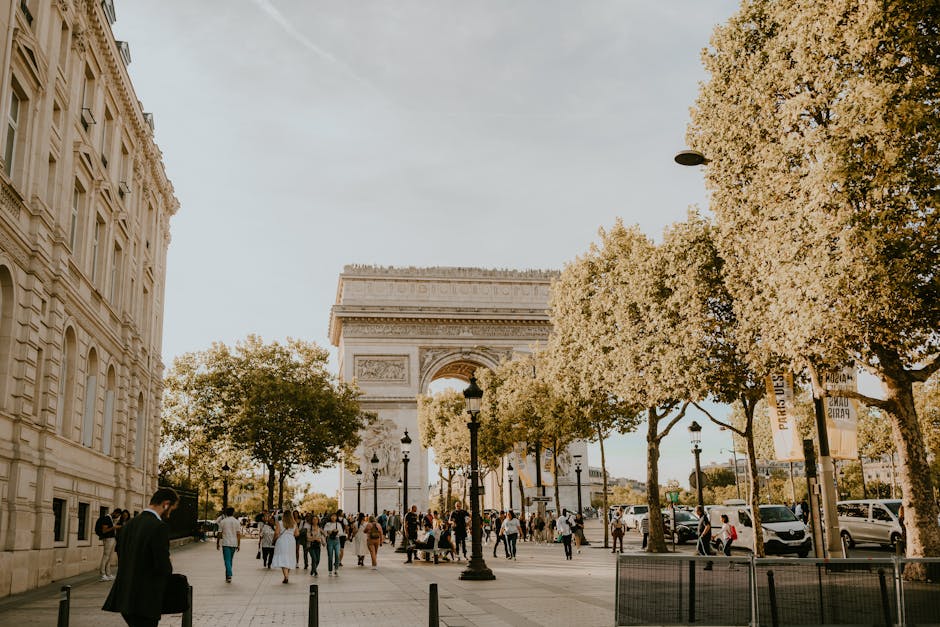
Discover aristocratic mansions, secret medieval courtyards, and royal history on this self-guided walk through the enchanting Marais district.
 Easy
EasyGdansk, Poland
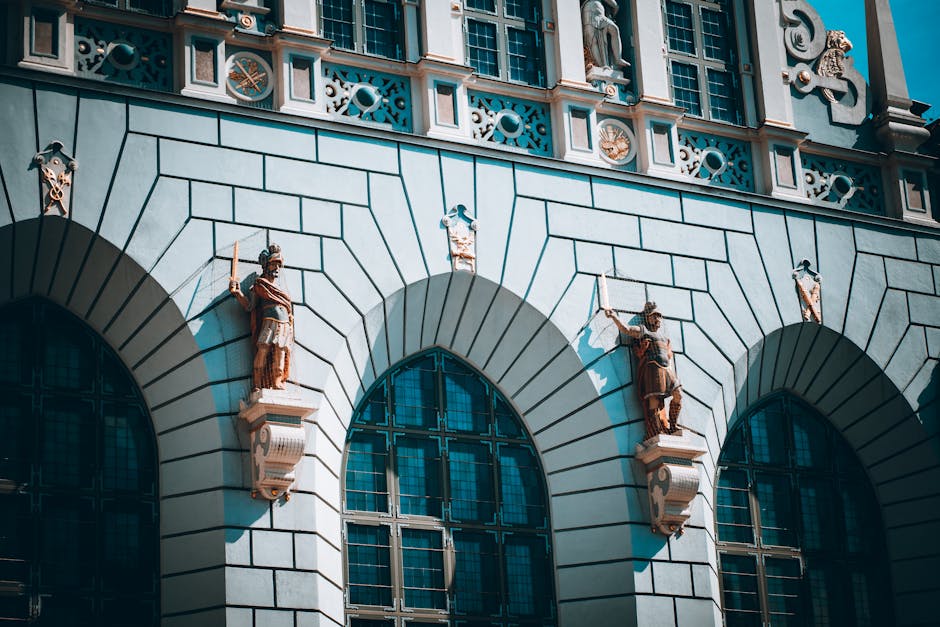
Discover the opulent Royal Way of Gdansk at your own pace. Explore Hanseatic history, gilded architecture, and the iconic Neptune's Fountain.
 Easy
EasyNairobi, Kenya
Discover Nairobi's iconic skyline on this self-guided architecture walk through the CBD’s most famous modernist and Brutalist landmarks.
 Easy
EasyKrakow, Poland
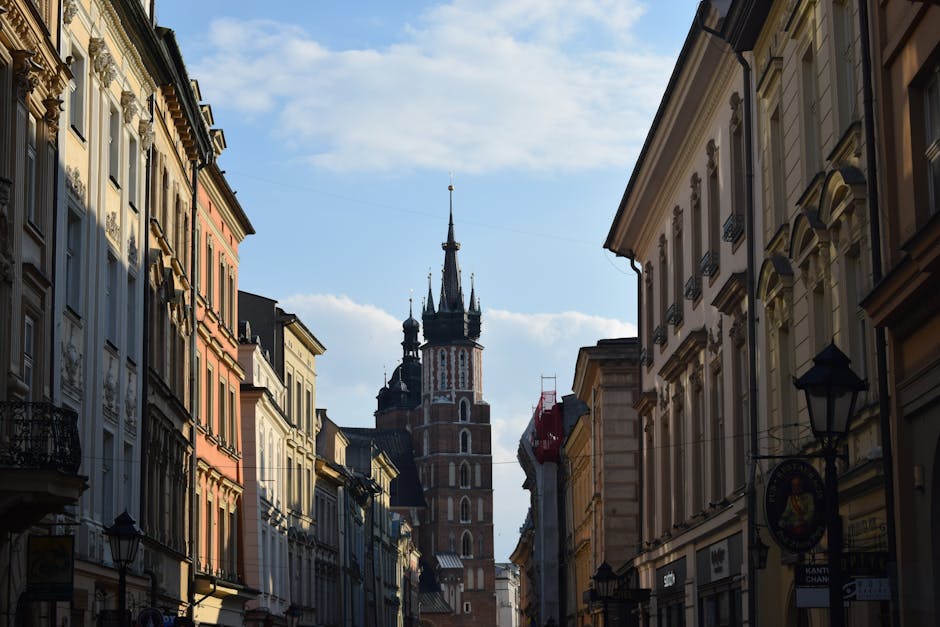
Uncover Krakow's legendary past on this self-guided walk from literary monuments to the fire-breathing Wawel Dragon.
 Easy
EasyInnsbruck, Austria
Uncover the myths and legends of Innsbruck on this self-guided walk through the historic Altstadt and beyond.
 Easy
EasyLyon, France
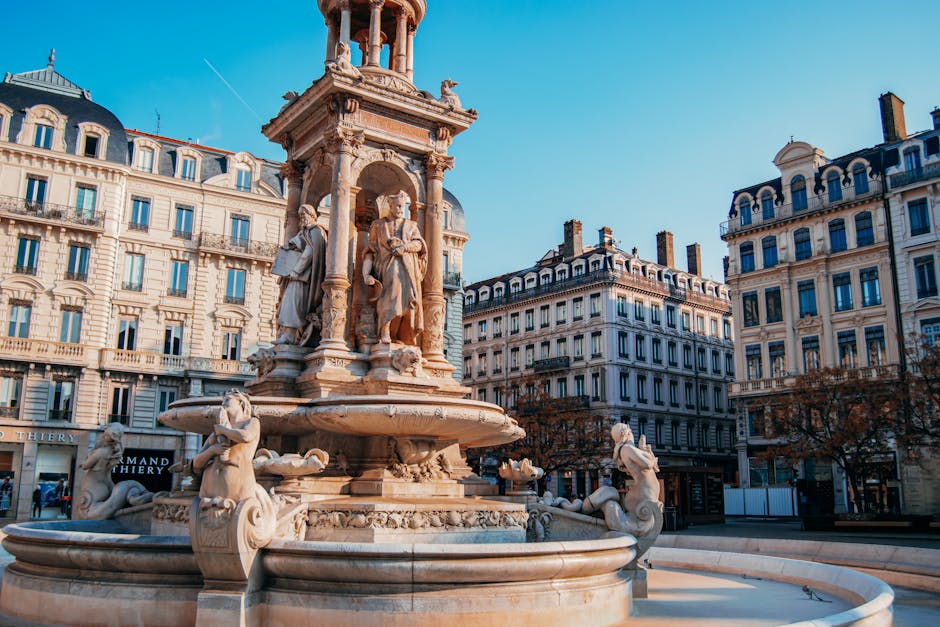
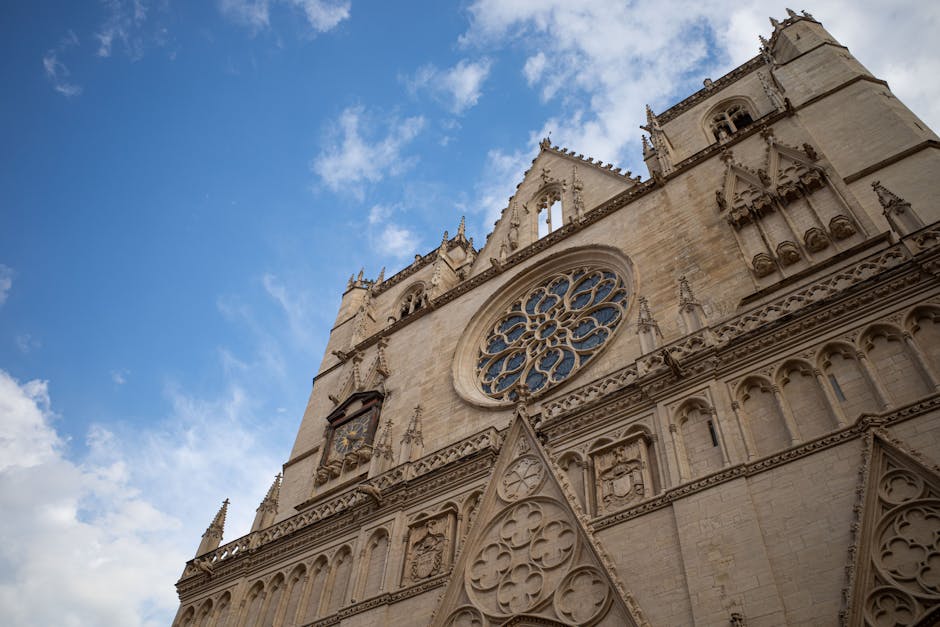
Discover Lyon's culinary soul on this self-guided walk from historic Presqu'île to the legendary Halles Paul Bocuse food market.
 Easy
EasyLyon, France
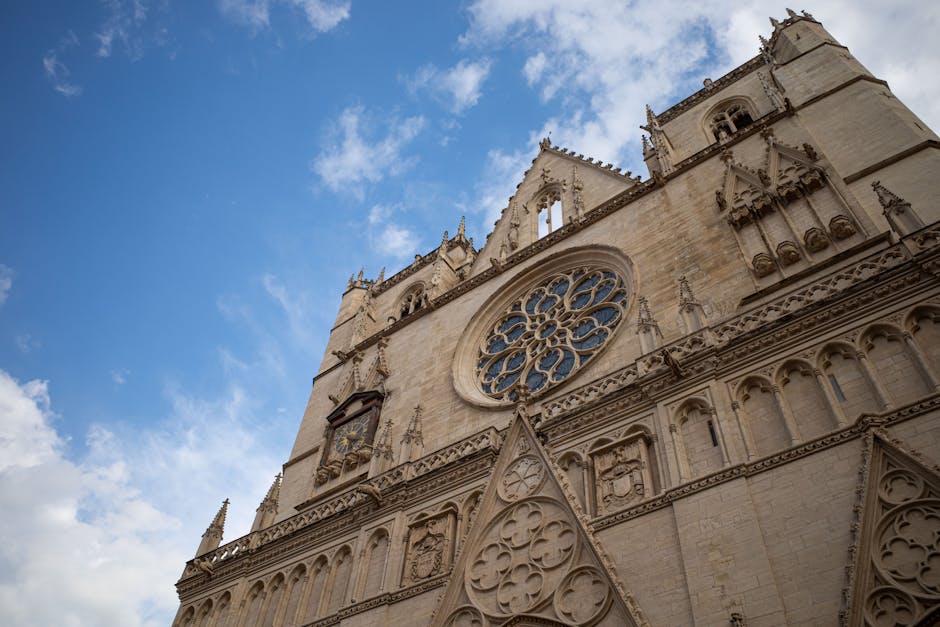
Explore Lyon’s futuristic waterfront! A self-guided walk through Confluence’s bold architecture and reclaimed industrial docks.
 Easy
EasyLyon, France
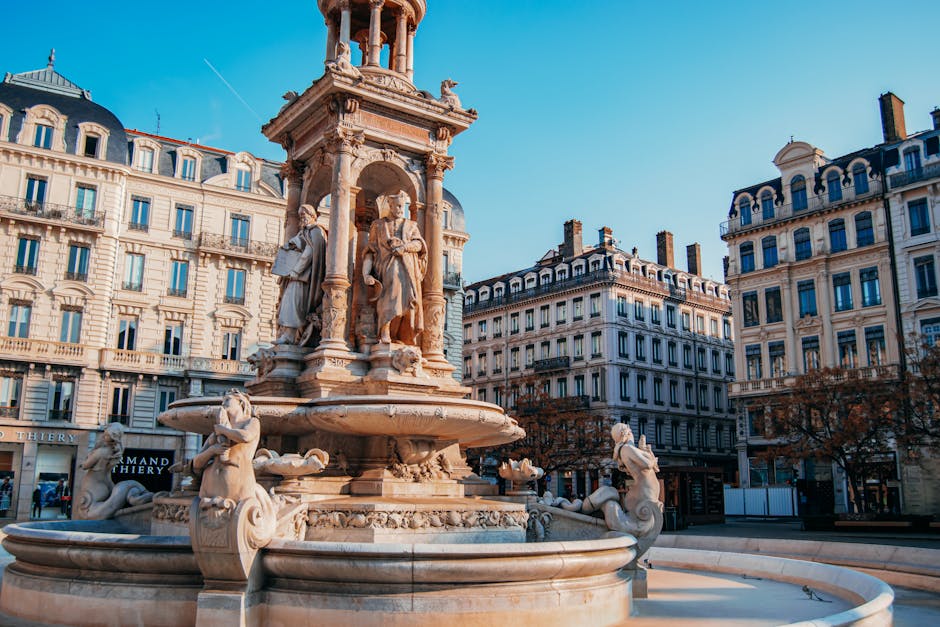
Discover the multicultural soul and industrial heritage of Lyon's 7th arrondissement on this vibrant self-guided walking route.
 Moderate
Lyon, France
Ascend the 'Hill that Prays' to explore Roman ruins, a shimmering basilica, and secret panoramic gardens on this historic self-guided walk in Lyon.