Self-guided audio tour in Manchester
Start Free on iPhone
Start free on iPhone to unlock this self-guided walking tour in Manchester. Hear all the stories that make it amazing, walk at your own pace, and begin whenever you want.
Your Private Tour Guide
Manchester is widely known as the world's first industrial city, but its legacy as a global hub of scientific innovation is equally profound. This self-guided walk invites you to traverse the University Quarter, a neighborhood where the very fabric of reality was unpicked and the future of technology was forged. As you follow this walking route, you will stand where Ernest Rutherford first split the atom and explore the legacy of Alan Turing, the man who laid the foundations for the modern computer. Unlike a traditional guided tour Manchester experience, this audio walk allows you to linger at each landmark, soaking in the atmosphere of discovery at your own pace. Your journey begins at the Manchester Museum, a Gothic revival masterpiece that houses centuries of natural history. From there, the route dives into the heart of the University of Manchester, passing through the historic Old Quad where the university's prestigious past is written in stone. You'll visit the Rutherford Building, a site of monumental importance in physics, before heading to the Alan Turing Building to contemplate the birth of artificial intelligence. The walk transitions from pure science to modern culture as you pass the strikingly designed Contact Theatre and concludes at The Whitworth, an award-winning gallery set within a peaceful park. This neighborhood stroll offers a unique perspective on how Manchester changed the world through intellect and inquiry, making it a must-do for history buffs and science enthusiasts alike. Whether you are a local or a visitor, this self-guided walk provides a deep dive into the hidden gems of the university campus, far from the typical tourist trails. Discover the stories of Nobel Prize winners and revolutionary thinkers who walked these same streets, and see how their work continues to shape our lives today. This walking tour Manchester route is designed to be informative and flexible, ensuring you get the most out of your time in the University Quarter.
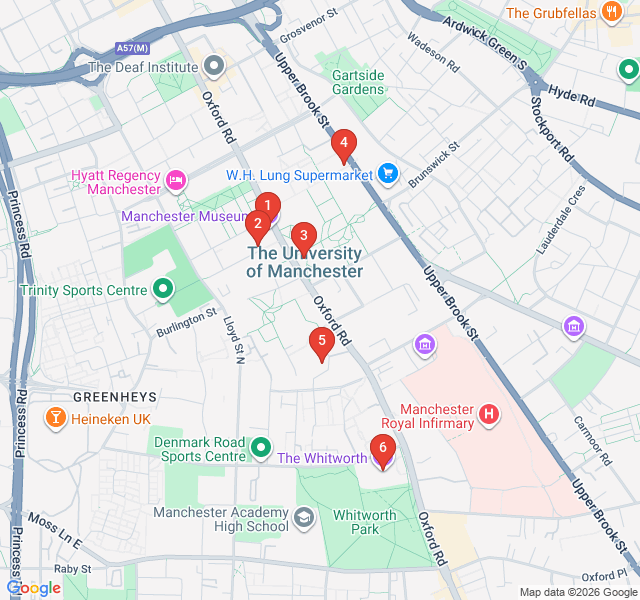
Numbers indicate the order of stops on the tour.
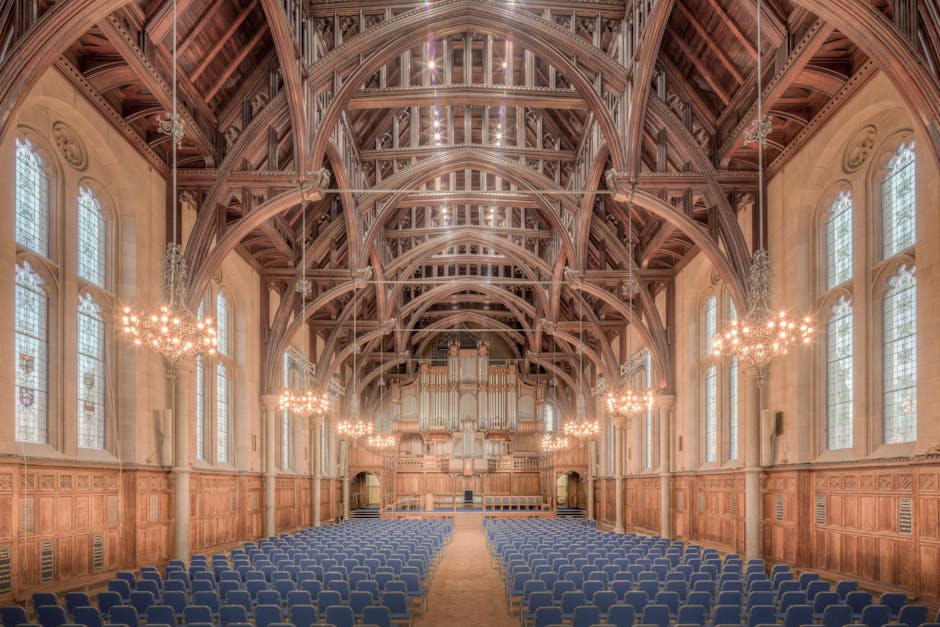
Welcome to the Manchester Museum, an architectural gem designed by Alfred Waterhouse, the same mind behind London's Natural History Museum. While it is famous for its extensive Egyptology collection and 'Stan' the T-Rex, the museum represents the city’s commitment to public education and scientific inquiry since the 19th century. As you stand before its striking Gothic facade, consider how this institution served as the intellectual anchor for the growing University. It wasn't just a place for artifacts; it was a center for research that helped elevate Manchester onto the global stage. The museum recently underwent a major renovation, blending its historic halls with modern, inclusive spaces like the South Asia Gallery, reflecting the city’s diverse modern identity.
This unassuming building is one of the most significant sites in the history of science. It was here, in 1917, that Ernest Rutherford successfully 'split the atom,' proving that the nucleus could be manipulated. This discovery fundamentally changed our understanding of physics and paved the way for nuclear power and medicine. Rutherford, a Nobel laureate, led a team that turned Manchester into the world’s center for nuclear physics. As you look at the building, imagine the rudimentary equipment used to achieve such a monumental feat. It serves as a reminder that groundbreaking discoveries often happen in quiet, dedicated spaces rather than flashy laboratories.
Step into the Old Quad, the historic heart of the University of Manchester. This area dates back to the era of Owens College, the university's predecessor. The architecture here is steeped in tradition, with its stone archways and manicured lawns. For decades, this has been the crossing point for some of the world's most brilliant minds. Over 25 Nobel Prize winners have worked or studied at this university, and many of them would have walked through these very cloisters. The Quad represents the continuity of knowledge, where Victorian ambition meets modern research. It’s a peaceful spot that feels worlds away from the busy Oxford Road just outside the gates.
Named after the father of modern computing and artificial intelligence, this building is a tribute to Alan Turing’s time in Manchester. After his vital code-breaking work at Bletchley Park during World War II, Turing moved here to work on the Manchester Mark 1, one of the world's first stored-program computers. The building’s design, with its zinc cladding and mathematical precision, reflects the logic and innovation Turing championed. Beyond his scientific achievements, Turing’s story is one of personal tragedy and eventual justice, as he was posthumously pardoned for his conviction under outdated laws. This site honors both his genius and his enduring impact on every piece of technology we use today.
The Contact Theatre stands out for its unique, castle-like chimneys, but these aren't just for show. They are part of a natural ventilation system that makes the building one of the most eco-friendly theaters in the UK. Contact is famous for being youth-led, focusing on giving a platform to diverse young voices in the arts. Its jagged, unconventional shape mirrors its mission: to challenge traditional theater norms and embrace the experimental. It serves as a vital bridge between the academic world of the university and the vibrant, creative energy of Manchester’s youth. It’s a testament to the city's forward-thinking approach to both sustainability and culture.
Your walk concludes at The Whitworth, a gallery that famously brought 'art into the park.' Founded in 1889, it was the first English gallery in a park setting. In recent years, it has been transformed with a stunning glass extension that blurs the lines between the indoor exhibits and the surrounding greenery of Whitworth Park. The gallery is renowned for its textile and wallpaper collections, reflecting Manchester’s industrial history. It is a place of reflection and beauty, offering a perfect spot to end your journey. Whether you explore the modern art installations inside or simply enjoy a coffee overlooking the trees, it embodies the perfect blend of Manchester’s heritage and its creative future.
Start Free on iPhone
Explore “Science, Splitting Atoms, and Computing” with your very own Private Tour Guide with Zigway. Start free on iPhone, skip the large group and the fixed routes, and hear the city come alive as you go.
Your Private Tour Guide
Don't miss the good stuff
Explore Freely
 Moderate
Manchester, United Kingdom
Discover Manchester’s secret green spaces and hidden parks on this self-guided audio walk through the city’s most tranquil and photogenic spots.
 Easy
EasyManchester, United Kingdom
Explore Manchester’s creative soul on this self-guided stroll through the Northern Quarter’s iconic street art and quirky subculture.
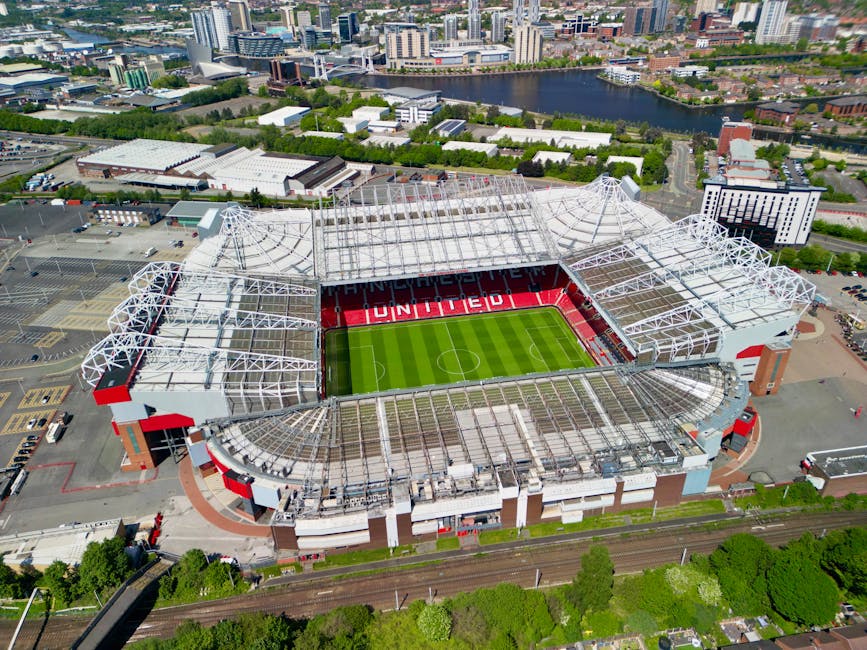 Easy
EasyManchester, United Kingdom
Discover the transformation of Ancoats from industrial 'Little Italy' to Manchester's trendiest culinary district on this self-guided audio walk.
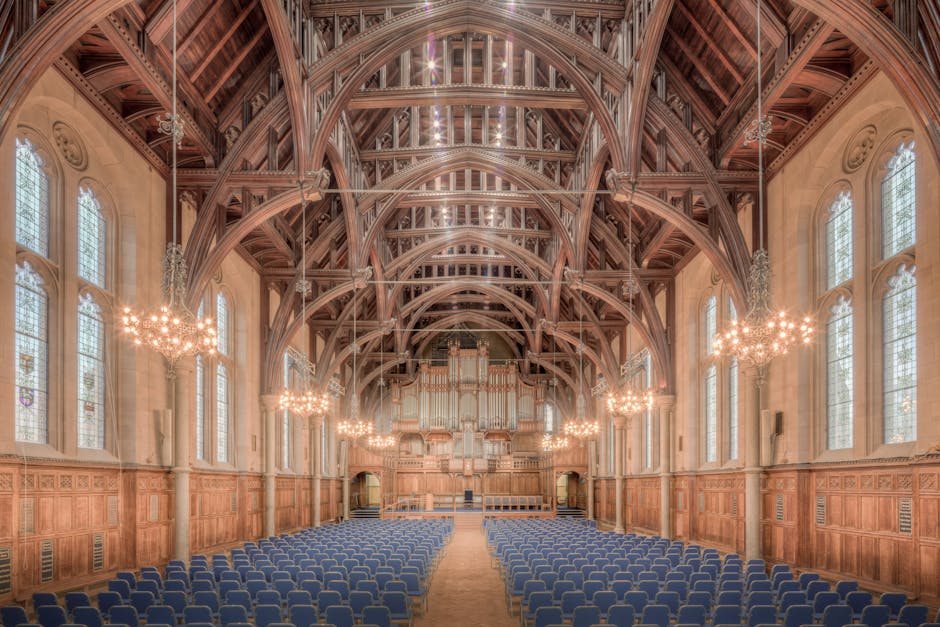 Moderate
Manchester, United Kingdom
Trace the sonic legacy of Manchester from the birth of punk to the Oasis era on this self-guided walking route through music history.
 Easy
EasyGothenburg, Sweden
Explore Gothenburg's elegant academic district, featuring grand 19th-century stone architecture and the iconic cultural hub of Götaplatsen.
 Easy
EasyKrakow, Poland
Explore the prestigious Jagiellonian University district, featuring Neo-Gothic architecture, Baroque churches, and Krakow's hidden scholarly gems.
 Easy
EasyNairobi, Kenya
Discover Nairobi’s literary soul on this self-guided walk through historic libraries, iconic bookshops, and cultural centers in the heart of the CBD.
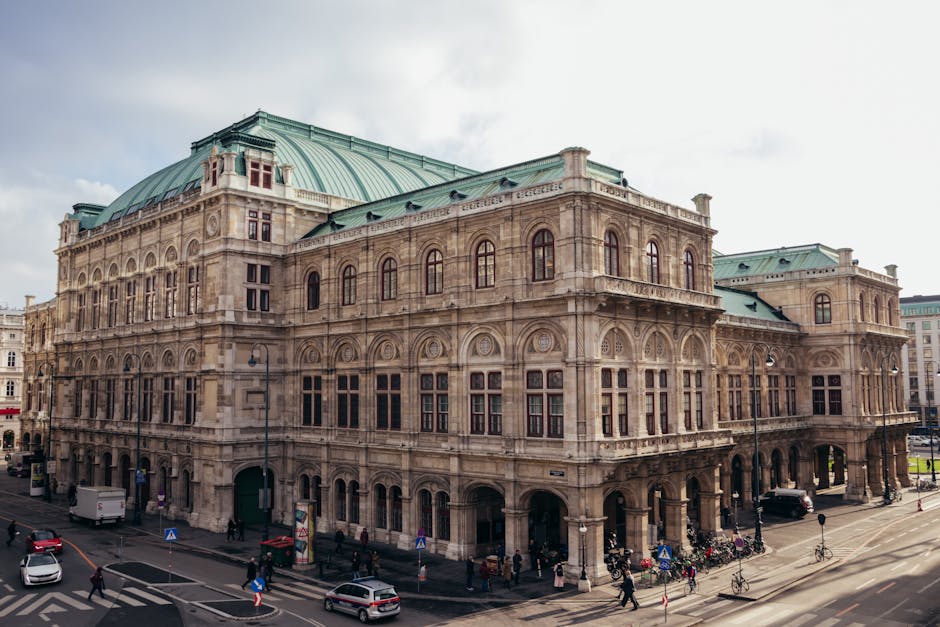 Moderate
Vienna, Austria
Discover the noir world of The Third Man and Cold War Vienna on this atmospheric self-guided audio walk through the historic Innere Stadt.
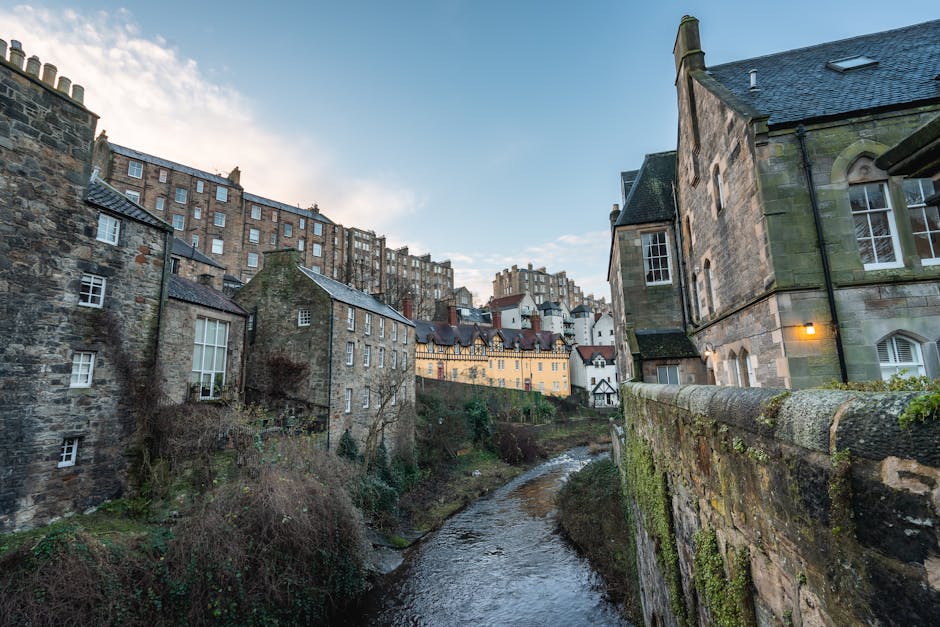 Easy
EasyEdinburgh, United Kingdom
Explore Edinburgh's historic Royal Mile at your own pace, from the heights of the Castle to the royal Palace of Holyroodhouse.
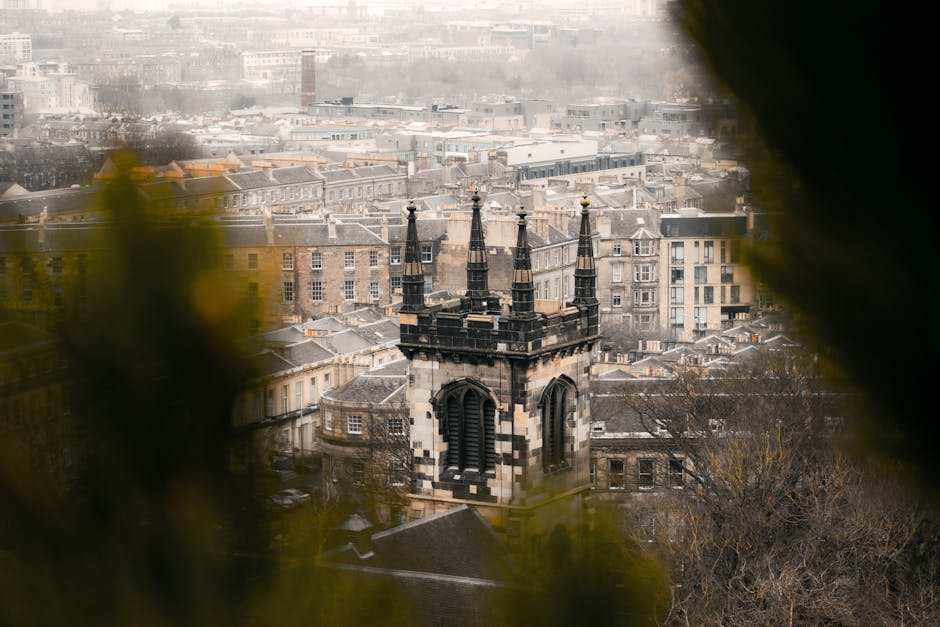 Easy
EasyEdinburgh, United Kingdom
Capture the magic of Edinburgh on this self-guided stroll through the fairy-tale Dean Village, floral Circus Lane, and the scenic Water of Leith.
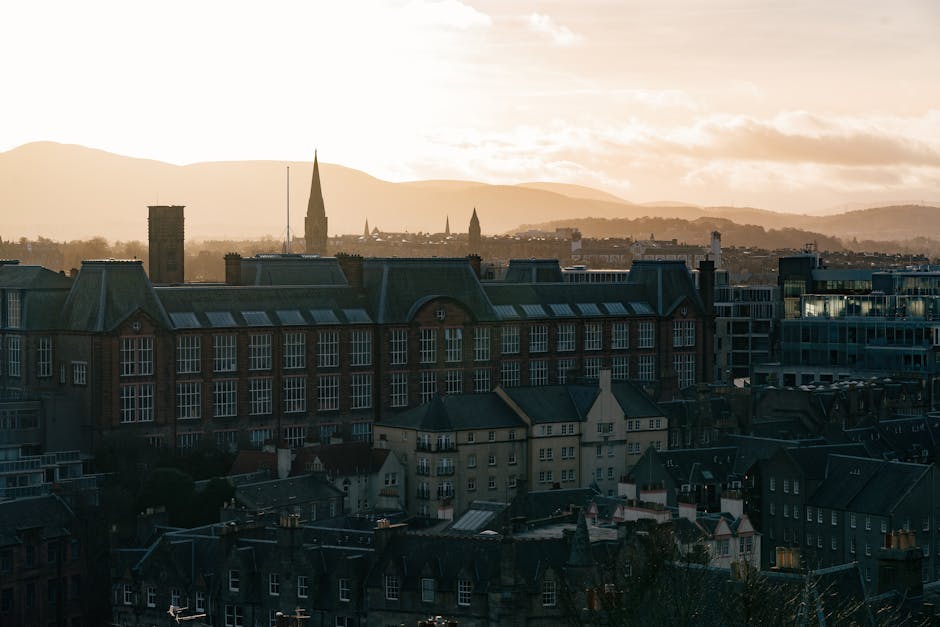 Easy
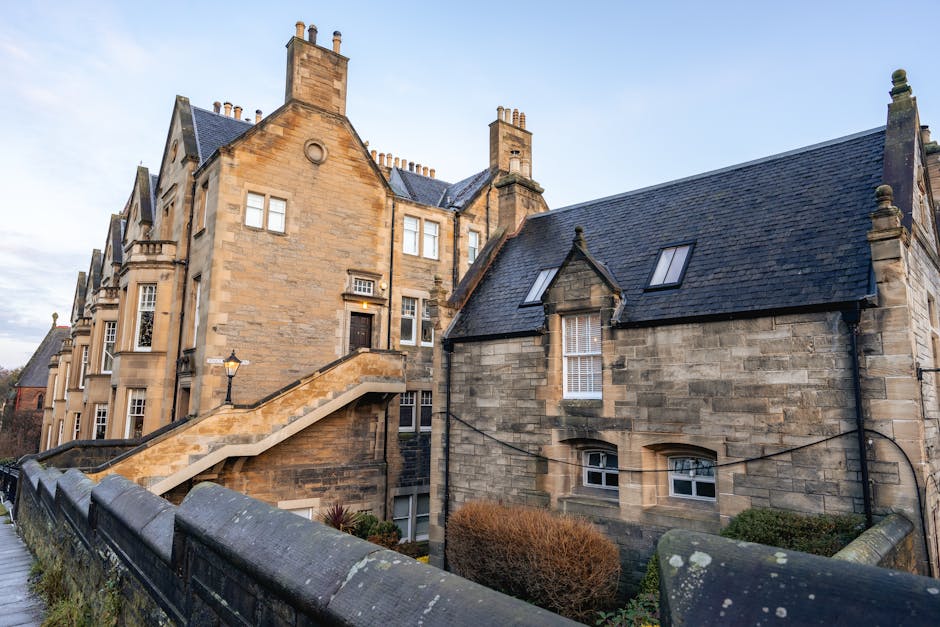
EasyEdinburgh, United Kingdom
Explore Edinburgh's creative soul on this self-guided walk from historic museums to the stylish galleries and boutiques of the West End.
 Challenging
Edinburgh, United Kingdom
Ascend an ancient volcano and discover royal history on this challenging self-guided walk through Edinburgh's iconic Holyrood Park.