Self-guided audio tour in Edinburgh
Start Free on iPhone
Start free on iPhone to unlock this self-guided walking tour in Edinburgh. Hear all the stories that make it amazing, walk at your own pace, and begin whenever you want.
Your Private Tour Guide
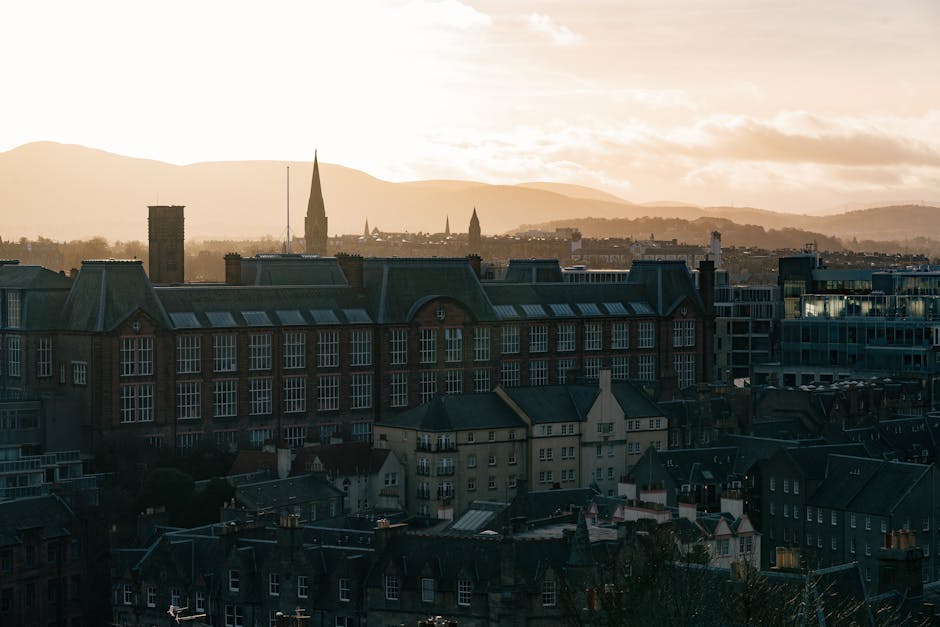
Edinburgh is a city of dramatic contrasts, where the medieval sprawl of the Old Town meets the orderly elegance of the New Town. This self-guided walk explores the literal bridge between these two worlds: The Mound. Built from over a million cartloads of earth excavated during the construction of the New Town, this artificial hill is now the cultural heart of the city, home to world-class art institutions and the lush expanse of Princes Street Gardens. As you follow this walking route, you will discover why Edinburgh is often called the 'Athens of the North,' marveling at Neoclassical architecture that mirrors the grandeur of ancient Greece. Your journey begins at the foot of The Mound, where the Royal Scottish Academy stands as a testament to Scotland's enduring artistic legacy. From here, you will stroll into the West Princes Street Gardens, a public park that was once the site of the Nor' Loch, a stagnant and defensive lake that protected the northern flank of the Royal Mile. Today, the water is gone, replaced by manicured lawns, vibrant flower beds, and some of the most spectacular views of Edinburgh Castle perched atop its volcanic rock. This neighborhood stroll offers a perfect blend of nature and culture. You will encounter the world’s first Floral Clock, a masterpiece of horticultural engineering that has delighted visitors since 1903. Further along, the National Galleries of Scotland invite you to admire masterpieces within a building designed by the legendary William Playfair. The route concludes at the western edge of the gardens, where the ornate Ross Fountain provides a striking foreground for the castle, and the ancient grounds of St Cuthbert’s Church offer a peaceful moment of reflection. Whether you are an art enthusiast, a history buff, or simply looking for the best photography spots in the city, this self-guided adventure provides a comprehensive look at Edinburgh’s most iconic central landscape.
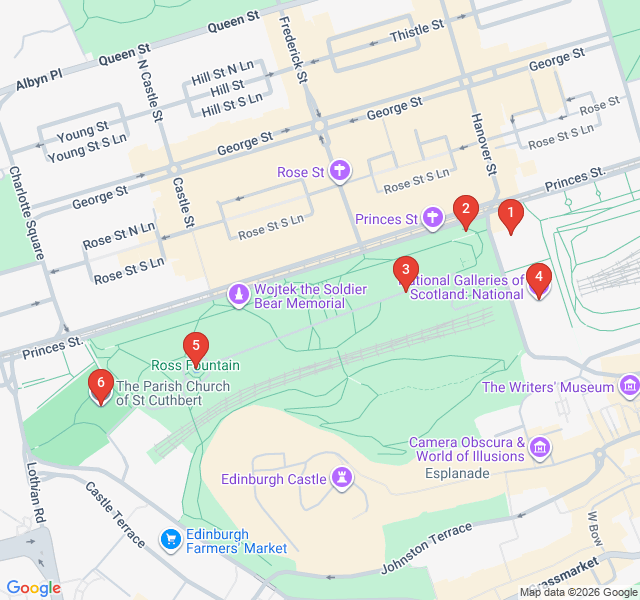
Numbers indicate the order of stops on the tour.
Welcome to the starting point of your self-guided walk. Standing before you is the Royal Scottish Academy, or the RSA. Designed by William Henry Playfair in the 1820s, this building is a prime example of the Greek Revival style that earned Edinburgh its 'Athens of the North' nickname. Look up at the roof to see the statue of Queen Victoria, which was added later to commemorate her reign. The RSA is a leading institution for contemporary art in Scotland, hosting annual exhibitions that showcase the country's best painters, sculptors, and architects. It serves as a majestic gateway to The Mound, bridging the gap between historical tradition and modern creativity.
As you enter West Princes Street Gardens, you'll encounter a true Edinburgh icon: the Floral Clock. Commissioned in 1903, this was the first of its kind in the world. Every year, the design changes, often commemorating a significant local anniversary or event. It takes two gardeners several weeks to plant the thousands of tiny succulents and bedding plants required to create the intricate face. If you listen closely, you might hear the 'cuckoo' sound every quarter-hour, a feature added in the 1950s. This clock isn't just for show; it is a fully functioning timepiece, driven by a mechanism buried beneath the soil.
Take a moment to look around these beautiful gardens. It’s hard to imagine now, but this valley was once the Nor' Loch, a foul-smelling, man-made lake used for defense and, unfortunately, as a dumping ground for the city’s waste. When the New Town was built in the 18th century, the loch was drained to create this public park. Today, the gardens are split into East and West sections by The Mound. This green lung of the city center provides a dramatic vantage point for Edinburgh Castle. Notice the 'Black Watch' memorial nearby, honoring the legendary Scottish regiment, one of many statues scattered throughout this landscape.
Directly behind the RSA sits its architectural sibling, the National Gallery. Also designed by Playfair, this building houses Scotland’s national collection of fine art. Inside, the rooms are filled with masterpieces by Titian, Rembrandt, and Velázquez, as well as iconic Scottish works like 'The Skating Minister' by Henry Raeburn. The gallery underwent a massive renovation recently to open up more space for Scottish art, ensuring the collection is accessible to all. Even if you don't go inside today, admire the way the building's columns frame the view of the Old Town skyline above, perfectly blending art with the city's natural topography.
Continuing west through the gardens, you arrive at the Ross Fountain. This ornate cast-iron structure was produced at the Durenne foundry in France and was a highlight of the 1862 Great Exhibition in London. It was purchased by local gunmaker Daniel Ross and gifted to the city. After a major restoration in 2018, its bright turquoise and gold leaf details shine once again. The fountain features figures representing science, arts, poetry, and industry. It is arguably the most photographed spot in Edinburgh, offering a stunning foreground to the sheer cliffs of the Castle Rock rising directly behind it.
Your walking route concludes at St Cuthbert’s, located at the very foot of the Castle Rock. While the current building dates to the late 19th century, a church has stood on this site since the 7th century, making it one of the oldest religious sites in Edinburgh. Explore the atmospheric graveyard, where you can find the watchtower built in 1827. During the era of the 'Resurrectionists,' or body snatchers, families had to guard the fresh graves of their loved ones from those looking to sell cadavers to the medical school. It’s a somber but fascinating piece of Edinburgh’s dark history to end your walk.
Start Free on iPhone
Explore “The Mound and Princes Street Gardens” with your very own Private Tour Guide with Zigway. Start free on iPhone, skip the large group and the fixed routes, and hear the city come alive as you go.
Your Private Tour Guide
Don't miss the good stuff
Explore Freely
 Easy
EasyEdinburgh, United Kingdom
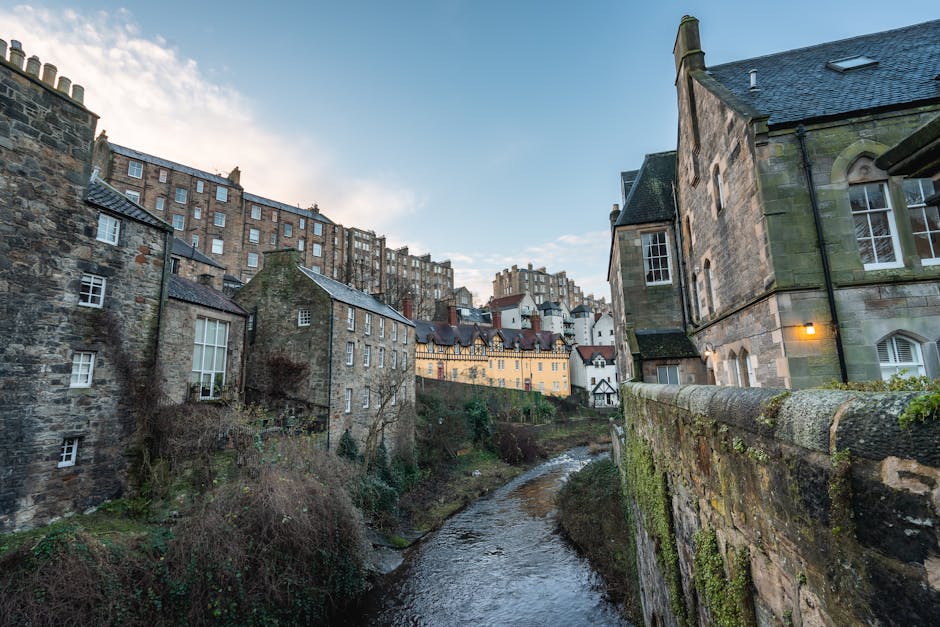
Explore Edinburgh's historic Royal Mile at your own pace, from the heights of the Castle to the royal Palace of Holyroodhouse.
 Easy
EasyEdinburgh, United Kingdom
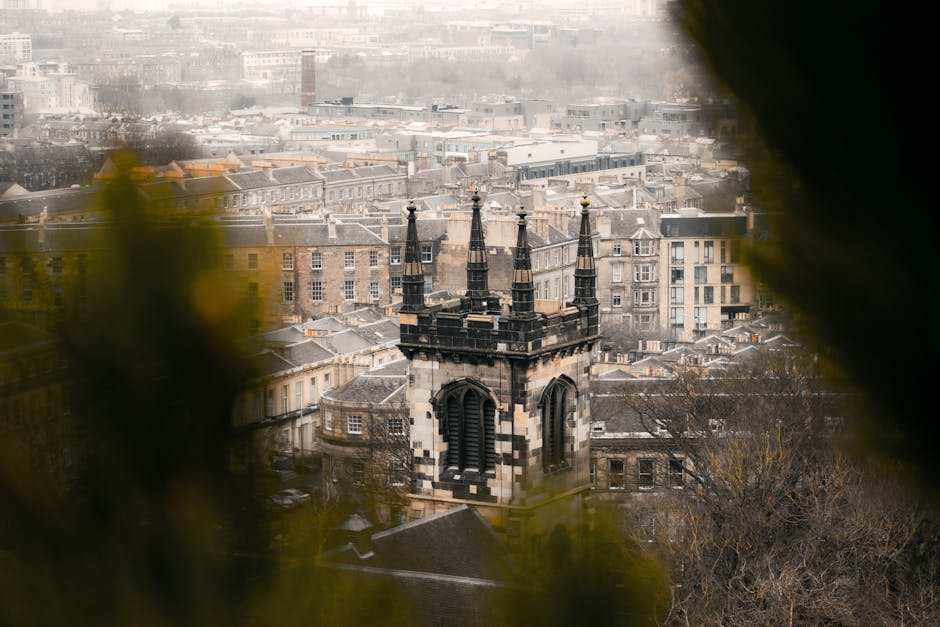
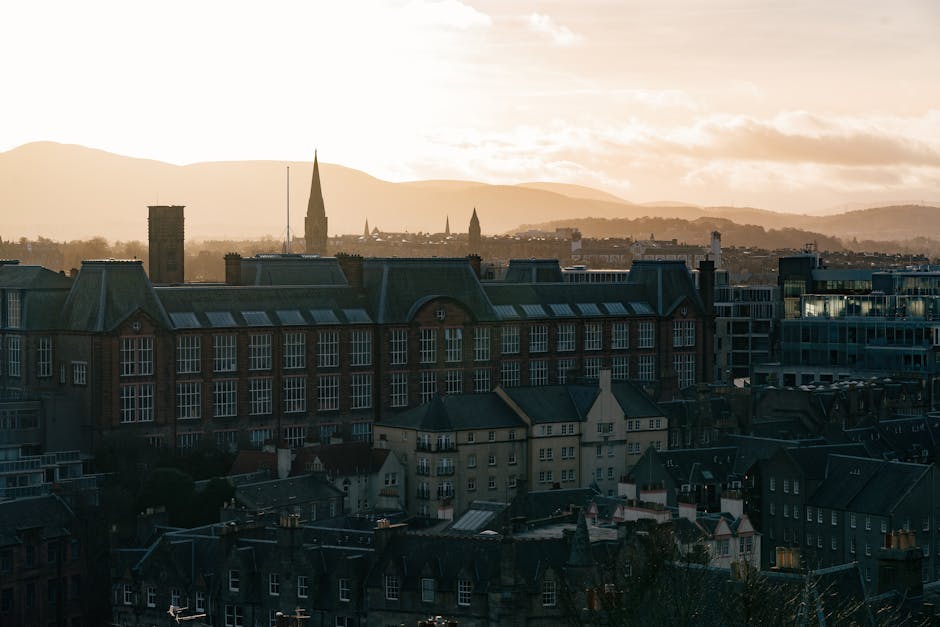
Capture the magic of Edinburgh on this self-guided stroll through the fairy-tale Dean Village, floral Circus Lane, and the scenic Water of Leith.
 Easy
EasyEdinburgh, United Kingdom
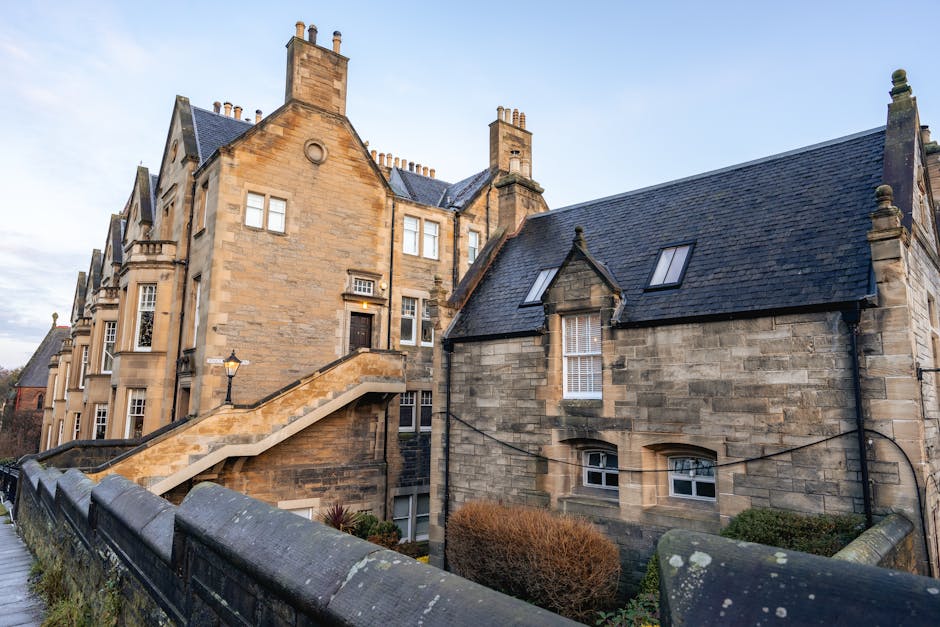
Explore Edinburgh's creative soul on this self-guided walk from historic museums to the stylish galleries and boutiques of the West End.
 Challenging
Edinburgh, United Kingdom
Ascend an ancient volcano and discover royal history on this challenging self-guided walk through Edinburgh's iconic Holyrood Park.
 Easy
EasyNairobi, Kenya
Explore Nairobi's architectural evolution from colonial-era landmarks to iconic Brutalist skyscrapers on this historic self-guided walking route.
 Easy
EasyNairobi, Kenya
Discover Nairobi's iconic skyline on this self-guided architecture walk through the CBD’s most famous modernist and Brutalist landmarks.
 Easy
EasyInnsbruck, Austria
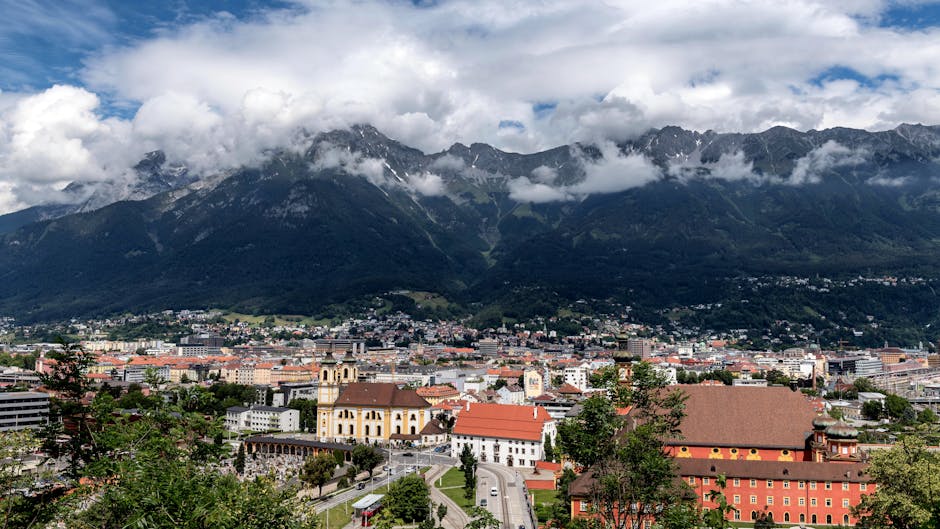
Uncover the myths and legends of Innsbruck on this self-guided walk through the historic Altstadt and beyond.
 Easy
EasyGdansk, Poland
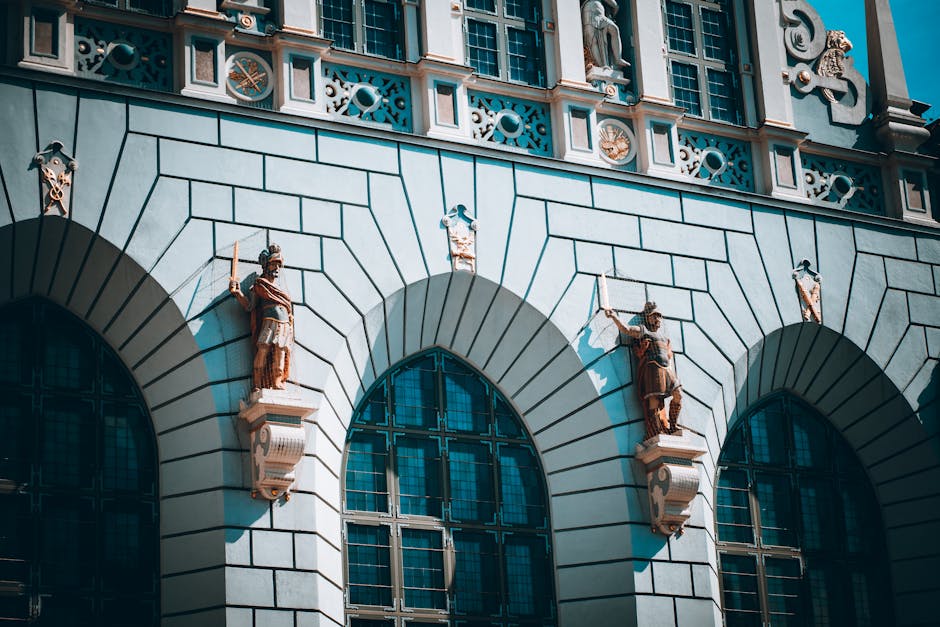
Discover the opulent Royal Way of Gdansk at your own pace. Explore Hanseatic history, gilded architecture, and the iconic Neptune's Fountain.
 Moderate
Manchester, United Kingdom
Discover Manchester’s secret green spaces and hidden parks on this self-guided audio walk through the city’s most tranquil and photogenic spots.
 Easy
EasyManchester, United Kingdom
Explore Manchester’s creative soul on this self-guided stroll through the Northern Quarter’s iconic street art and quirky subculture.
 Easy
EasyManchester, United Kingdom
Discover the transformation of Ancoats from industrial 'Little Italy' to Manchester's trendiest culinary district on this self-guided audio walk.
 Moderate
Manchester, United Kingdom
Trace the sonic legacy of Manchester from the birth of punk to the Oasis era on this self-guided walking route through music history.