Self-guided audio tour in Cairo
Start Free on iPhone
Start free on iPhone to unlock this self-guided walking tour in Cairo. Hear all the stories that make it amazing, walk at your own pace, and begin whenever you want.
Your Private Tour Guide
Step into a world where time has stood still for a millennium. This self-guided walking route through Islamic Cairo invites you to explore the densest collection of medieval architectural treasures in the Middle East. As you navigate the ancient thoroughfare of Al-Muizz li-Din Allah al-Fatimi Street, you will witness the evolution of Islamic art from the Fatimid era through the Mamluk and Ottoman periods. This walking tour Cairo experience is designed for those who want to peel back the layers of history independently, away from the constraints of a rigid schedule. The journey begins at the southern gate of the old city, Bab Zuwayla, a site of both execution and celebration, before leading you through vibrant bazaars filled with the scents of spices and the sound of coppersmiths. You will encounter grand caravanserais where merchants once traded silks and spices, and complex charitable foundations that provided healthcare and education to the masses centuries ago. Highlights include the stunning Qalawun Complex, a masterpiece of Mamluk design, and the serene Al-Hakim Mosque with its unique minarets. Unlike a standard guided tour Cairo, this route allows you to linger under the intricate stone carvings of a Sabil-Kuttab or sit in a local ahwa (coffeehouse) to soak in the atmosphere of 'The City of a Thousand Minarets.' The walk concludes at the Mosque-Madrasa of Sultan Hassan, widely considered one of the finest examples of Mamluk architecture in the world. Whether you are a photography enthusiast looking for the perfect play of light on limestone or a history buff seeking the stories of sultans and scholars, this neighborhood stroll provides an immersive deep dive into the soul of Egypt’s capital. Prepare to be transported to the Golden Age of Islamic Cairo.
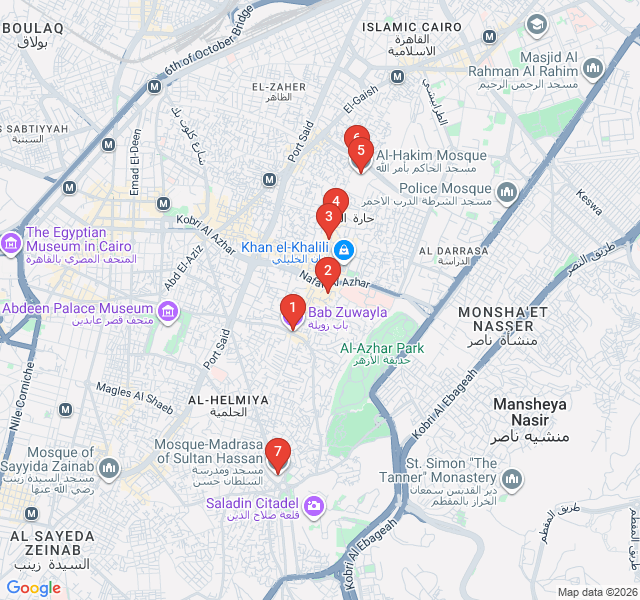
Numbers indicate the order of stops on the tour.
Your self-guided adventure begins at Bab Zuwayla, the southern gate of the 11th-century Fatimid city. Built in 1092, this massive stone structure served as a major entrance for caravans and a site for public executions. Look up at the two towering minarets; they were actually added later by Sultan Muayyad Shaykh, who used the gate's towers as foundations for his neighboring mosque. If the gate is open, it is possible to climb to the top for one of the most iconic views of Cairo's skyline. The heavy wooden doors, reinforced with iron, are original and speak to the gate's role in defending the city. This gate is the last remaining southern gate of the Fatimid walls, standing as a silent witness to centuries of Cairene history.
As you walk north, you reach the Wikala of Al Ghouri. Built in 1504 by the last of the great Mamluk Sultans, this was a high-end commercial hub or caravanserai. Merchants from across the Islamic world would stay in the upper floors while trading their goods in the courtyard below. Notice the alternating layers of red and white stone, a style known as ablaq, which is characteristic of Mamluk architecture. The interior courtyard is remarkably peaceful compared to the bustling street outside. Today, it serves as a cultural center, but the architecture still tells the story of Cairo's importance as a global trade terminal where spices, textiles, and incense changed hands.
This complex is often called the jewel of Al-Muizz Street. Completed in 1285 by Sultan Al-Mansur Qalawun, it originally housed a mosque, a madrasa (school), and a bimaristan (hospital). The hospital was legendary in its time, offering free treatment to all regardless of status, with specialized wards and even music therapy for the mentally ill. The mausoleum inside features some of the most exquisite craftsmanship in the city, with intricate stucco carvings, marble mosaics, and stained-glass windows that reflect a heavy Byzantine influence. It serves as a powerful reminder of the sophisticated social and medical systems that existed in Cairo during the Mamluk era.
Standing at a fork in the road, this charming building represents a unique charitable tradition. A 'Sabil' was a public fountain providing free water to passersby, while a 'Kuttab' was a primary school located on the floor above. Built in 1744, it blends Mamluk and Ottoman styles. The ornate bronze grilles allowed the cool breeze to pass through while keeping the water clean. In a desert city like Cairo, providing water was considered the highest form of charity. This specific Sabil is famous for its location and its intricate stonework, making it one of the most photographed landmarks in the historic district.
Continue north to the Mosque of Al-Hakim bi-Amr Allah. Completed in 1013, this Fatimid mosque has a turbulent history, having served as a prison, a stable, and a warehouse over the centuries. Its most striking features are the two corner minarets, which are the oldest surviving minarets in Cairo. They are encased in massive square stone bases added later to reinforce them. The vast open courtyard provides a moment of silence and scale. The mosque was extensively restored in the 1980s and remains a significant place of worship for the Dawoodi Bohra community. Notice the Kufic inscriptions along the walls, which are masterpieces of early Islamic calligraphy.
You have reached the northern boundary of the old city. Bab al-Futuh, or the 'Gate of Conquests,' was completed in 1087. Unlike the more decorative southern gate, Bab al-Futuh looks like a true fortress with its rounded towers and arrow slits. It was part of the defensive wall built by Badr al-Jamali to protect the Fatimid capital. If you look closely at the masonry, you can see reused blocks from Ancient Egyptian monuments, a common practice in medieval Cairo. Standing here, you can imagine the grand processions of sultans returning from battle. The area between this gate and the nearby Bab al-Nasr remains one of the best-preserved sections of the medieval city walls.
To conclude this journey, take a short taxi ride or a longer walk south toward the Citadel to find the Mosque-Madrasa of Sultan Hassan. Built between 1356 and 1363, it is a mountain of stone and one of the largest mosques in the world. The scale is breathtaking; the entrance portal alone is one of the tallest in Cairo. Inside, the four massive iwans (vaulted halls) represent the four schools of Sunni Islamic law. The height of the walls and the precision of the stone-carved cornices are unparalleled. It was so expensive to build that it was said the Sultan almost abandoned the project. It remains the ultimate symbol of Mamluk power and architectural ambition.
Start Free on iPhone
Explore “The Golden Age of Islamic Cairo” with your very own Private Tour Guide with Zigway. Start free on iPhone, skip the large group and the fixed routes, and hear the city come alive as you go.
Your Private Tour Guide
Don't miss the good stuff
Explore Freely
 Easy
EasyCairo, Egypt
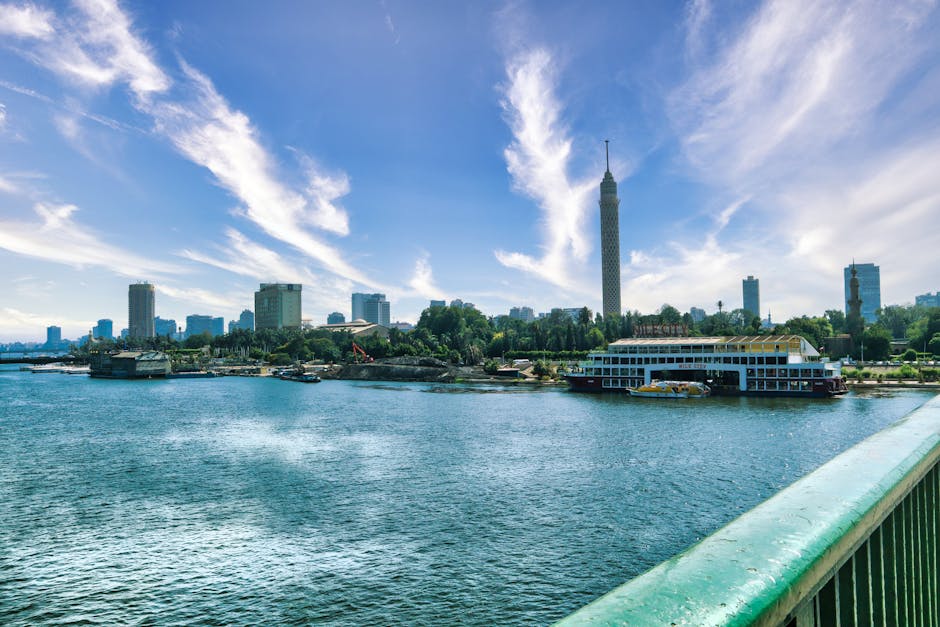
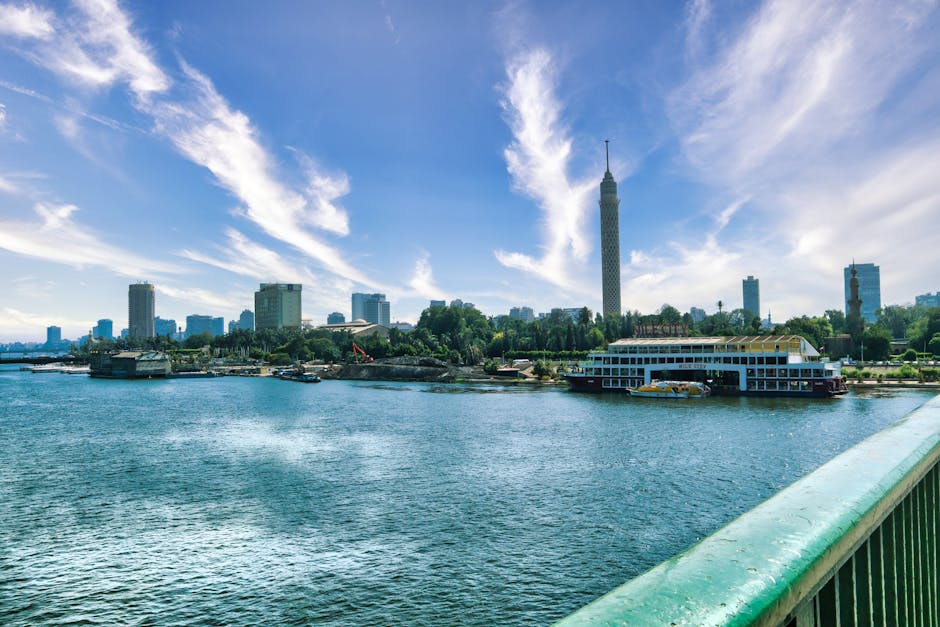
Discover the art, architecture, and tranquil gardens of Gezira Island on this elegant self-guided neighborhood stroll through Zamalek.
 Easy
EasyCairo, Egypt
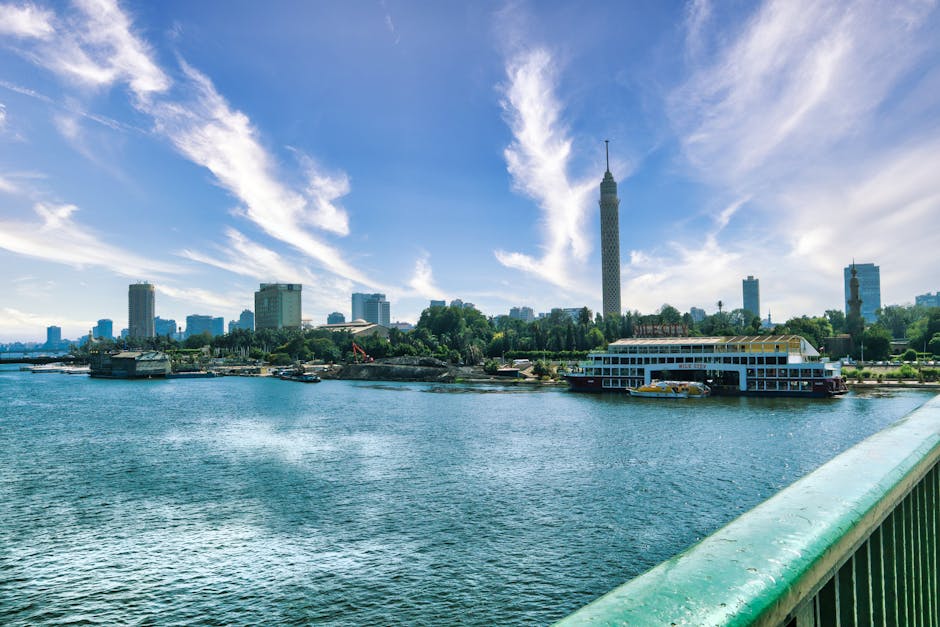
Explore the hidden heart of Egypt’s modern art scene with this self-guided walk through Downtown Cairo’s most influential independent galleries.
 Easy
EasyCairo, Egypt
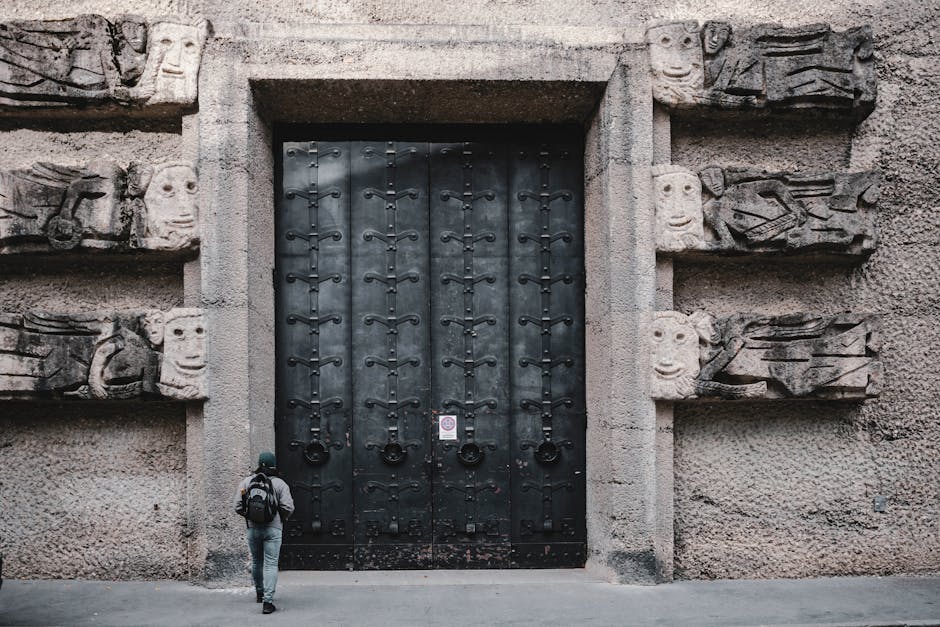
Taste the heart of Egypt on this self-guided walk through Downtown Cairo’s most iconic street food spots, from Koshary towers to historic cafés.
 Easy
EasyCairo, Egypt
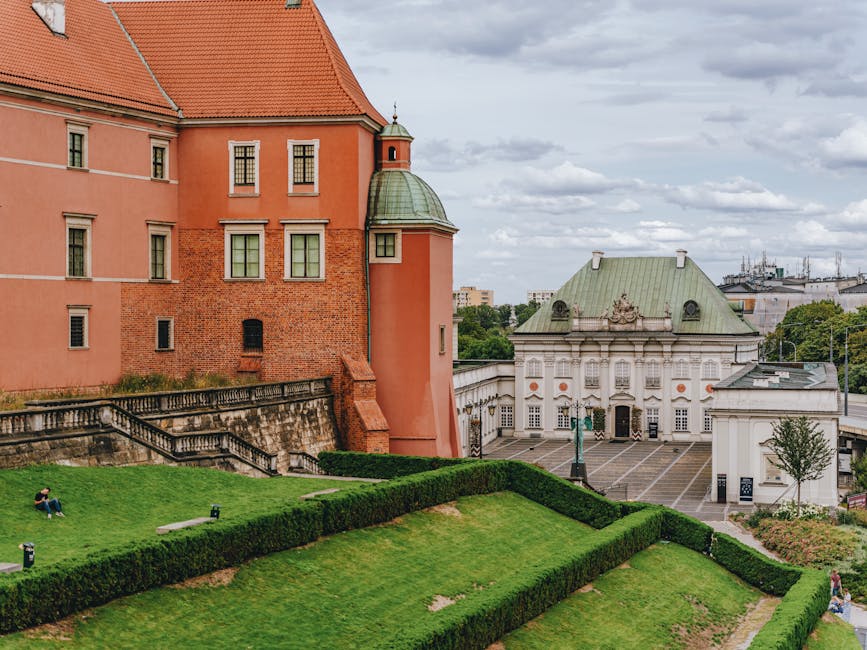
Explore Cairo's waterfront at sunset. From the iconic lions of Qasr El Nil to the quiet, circular streets of historic Garden City.
 Easy
EasySalzburg, Austria
Discover the 'Rome of the North' on this self-guided walk through the Baroque squares and monumental legacy of Salzburg’s Prince-Archbishops.
 Moderate
Warsaw, Poland
Explore the resilient spirit of Warsaw's Muranów district on this self-guided walk through the history and landmarks of the former Jewish Ghetto.
 Moderate
Vienna, Austria
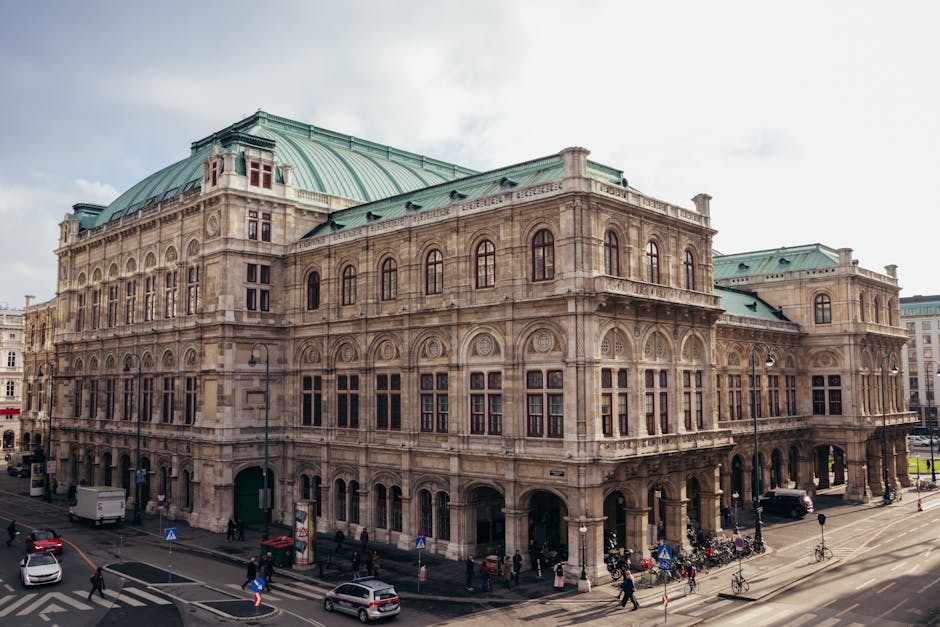
Follow the footsteps of Mozart and Strauss through Vienna’s historic center on this self-guided walk through the city's rich musical history.
 Moderate
Gdansk, Poland
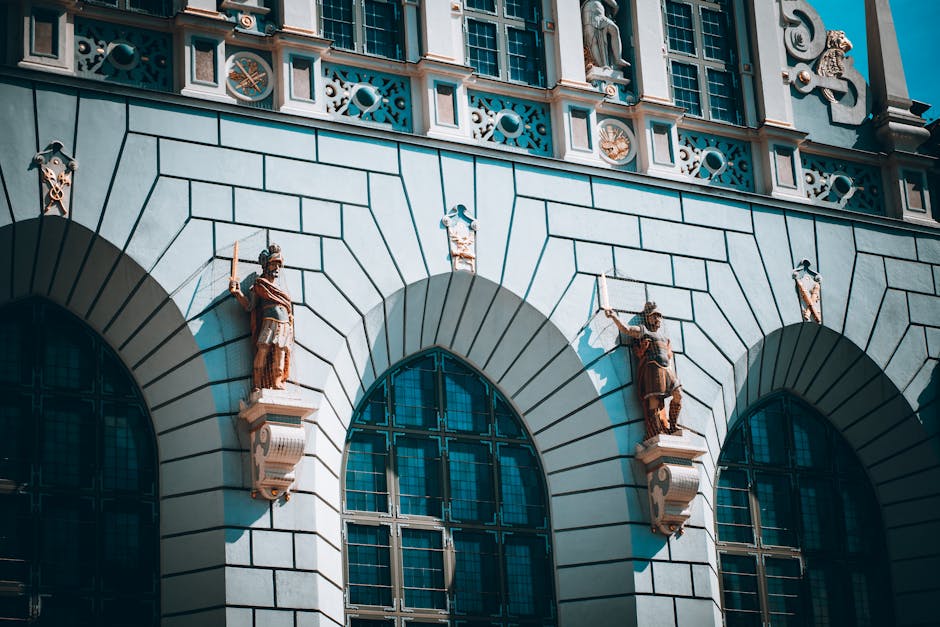
Discover the origins of WWII in Gdansk on this self-guided walk through heroic last stands, massive museums, and strategic hilltop fortifications.