Self-guided audio tour in Helsinki
Start Free on iPhone
Start free on iPhone to unlock this self-guided walking tour in Helsinki. Hear all the stories that make it amazing, walk at your own pace, and begin whenever you want.
Your Private Tour Guide
Helsinki is a city where high culture and street-level creativity collide in spectacular fashion. This self-guided walk invites you to explore the artistic soul of the Finnish capital, moving from the neoclassical grandeur of the city center to the raw, vibrant energy of the Pasila Urban Street Art Gallery. While many visitors stick to the traditional galleries, this neighborhood stroll reveals how Helsinki has transformed its industrial spaces into a canvas for international muralists and local legends alike. Your journey begins at the heart of the city's museum district. Here, you will encounter architectural marvels like the metallic curves of Kiasma and the subterranean domes of Amos Rex. As you move north, the atmosphere shifts. The polished stone of the center gives way to the concrete landscape of Pasila, a district that has undergone a radical metamorphosis. This area is now home to one of the largest concentrations of street art in Northern Europe. Unlike a standard walking tour Helsinki, this independent route allows you to linger under massive murals or take a detour through the charming wooden houses of Vallila. You will witness the contrast between the 'Concrete Jungle' of Eastern Pasila and the historic architecture that defines the city's past. This walking tour Helsinki experience is designed for those who want to see the city as a living, breathing gallery. From the iconic Sibelius Monument to the hidden stencils tucked away in pedestrian tunnels, you will discover that art in Helsinki is not just confined to frames—it is woven into the very fabric of the streets. Whether you are a photography enthusiast looking for the perfect shot or a traveler seeking the city's hidden gems, this route offers a comprehensive look at the creative forces shaping Finland today. The content of the street art sections changes often, as new murals are added and older ones evolve, making every visit a unique experience. **Note:** This area is known for its ever-changing character. Street art, pop-up venues, and temporary exhibitions may differ from what's described. That's part of the adventure - you might discover something entirely new!
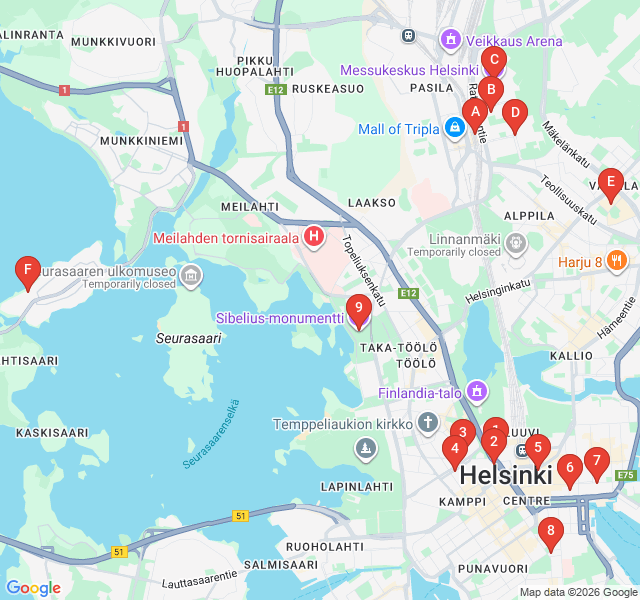
Numbers indicate the order of stops on the tour.
Start your journey at Kiasma, a striking piece of contemporary architecture designed by Steven Holl. The building’s curved, metallic exterior is as much a work of art as the exhibits inside. Since opening in 1998, Kiasma has been the focal point for modern expression in Finland. It represents the city's commitment to forward-thinking design. Take a moment to appreciate how the light interacts with the building's surfaces, a key element of the architect's vision. This site marks the beginning of our transition from formal art institutions to the raw urban expression we will see later in Pasila.
Just a short walk away is Amos Rex, an art museum that literally lies beneath the city streets. Look for the giant concrete 'bubbles' or skylights that rise from the ground in Lasipalatsi Square. These futuristic mounds have become a favorite spot for locals to lounge and play. The museum itself is hidden underground, utilizing the space beneath the historic Bio Rex cinema. It is a perfect example of Helsinki's ability to blend 1930s functionalism with 21st-century innovation. The exhibits here often feature immersive digital art that challenges your perception of space.
As you pass the Natural History Museum, keep an eye out for the bronze giraffes looking out from the balcony. This neo-baroque building, originally a Russian school, now houses the wonders of the natural world. While the theme of our walk is art, the craftsmanship of the taxidermy and the intricate dioramas inside are a testament to scientific artistry. The building's architecture provides a stately contrast to the more modern structures we've just seen, reminding us of Helsinki's layered history as a bridge between East and West.
Located in the Tennispalatsi (Tennis Palace) building, HAM is home to over 9,000 works of art. One of its most cherished highlights is the gallery dedicated to Tove Jansson, the creator of the Moomins. You can find her large-scale frescoes here, which showcase her immense talent beyond illustration. HAM’s philosophy is that art belongs to everyone, which is why many of its statues and installations are spread throughout the city's parks and squares. This 'art for the people' mindset is a perfect precursor to the street art we are heading toward.
Ateneum is the guardian of Finland’s national treasures. This grand neoclassical building houses the most extensive collection of classical art in the country, focusing on the Finnish Golden Age. As you stand before its ornate facade, think of the legendary artists like Akseli Gallen-Kallela who helped forge a national identity through their paintings. While the street art in Pasila is modern and global, the roots of Finnish creative identity are anchored right here. It is the establishment that the later urban art movements both respect and rebel against.
For a change of pace, the Paradox Museum offers a playful look at how art can trick the mind. This isn't your traditional gallery; it’s a collection of interactive exhibits designed to challenge your senses and provide fantastic photo opportunities. It highlights the 'quirky' side of the Helsinki art scene, where technology and creativity meet to create something entirely unexpected. It serves as a bridge between the serious institutions of the city center and the experimental, uncurated nature of urban street art.
Located near Senate Square, this museum focuses on the personal stories and everyday life of Helsinki’s residents. It is free to enter and often features photography exhibits that capture the city's evolution. Understanding the history of Helsinki’s neighborhoods is essential to appreciating how areas like Pasila have changed. The museum captures the transition from a small seaside town to a modern European capital, providing the context for the urban expansion that created the concrete canvases we are about to explore.
Finland is world-renowned for its design, from Marimekko fabrics to Alvar Aalto furniture. This museum celebrates that heritage. The clean lines and functional beauty found here are hallmarks of the Finnish aesthetic. As you observe the exhibits, notice how Finnish design often draws inspiration from nature. This influence even extends to the street art in Pasila, where many artists incorporate organic shapes and environmental themes into their massive murals, despite the very industrial setting of the concrete district.
Before heading to Pasila, we visit one of the most photographed artworks in Finland. Located in Töölö, the Sibelius Monument is a massive sculpture of over 600 hollow steel pipes welded together in a wave-like pattern. Created by Eila Hiltunen to honor the composer Jean Sibelius, it was controversial when unveiled in 1967 because of its abstract nature. It has since become a symbol of Finnish resilience and creativity. The way the wind whistles through the pipes makes it a multi-sensory experience, proving that art can be heard as well as seen.
Welcome to Pasila, Helsinki's 'second center.' For decades, this area was known primarily for its brutalist concrete architecture and as a major railway hub. However, in recent years, it has undergone a colorful revolution. As you step out into the neighborhood, the grey walls begin to disappear behind vibrant layers of paint. This is the starting point for our exploration of the Street Art District. The contrast between the rigid, functional buildings and the fluid, expressive art is what makes this area so unique in Northern Europe.
The Pasila Library serves as an unexpected hub for the local art movement. It is one of the busiest libraries in the city, but its exterior and surrounding walkways are often used as canvases. This area marks the transition into the heart of the mural district. Local community projects often start here, blending the educational mission of the library with the creative energy of the neighborhood. Keep an eye out for smaller stencils and stickers on the lamp posts and utility boxes—they are the 'footprints' of the local street art community.
The Expo and Convention Centre, Messukeskus, is a landmark of northern Pasila. While it hosts major international events, its massive walls have also become part of the urban gallery. The scale of the buildings here allowed artists to create some of the largest murals in the country. Note that because street art is ephemeral by nature, some pieces you see today may have been updated or partially covered by new works. This 'living' aspect of the district means that Pasila is never the same place twice.
This is the heart of the gallery. Since 2017, the Helsinki Street Art Association has transformed Eastern Pasila into a vibrant open-air museum. You will find works by world-famous muralists alongside local Finnish talent. The art here ranges from photorealistic portraits to abstract geometric patterns, often covering entire multi-story apartment blocks. Take your time wandering through the pedestrian walkways and underpasses. Some of the most interesting pieces are hidden in the tunnels beneath the main roads, turning once-dark spaces into corridors of color and light.
A short walk from the concrete of Pasila brings you to Puu-Vallila, a preserved district of wooden houses built in the 1920s for the working class. The transition is jarring but beautiful. The pastel-colored timber homes and quiet gardens feel worlds away from the murals of Pasila. This area represents a different kind of 'street art'—the art of traditional Finnish urban planning and community living. It's a favorite spot for locals to stroll and enjoy a coffee, offering a peaceful conclusion to the high-energy urban art experience.
To finish our artistic odyssey, we head to the Didrichsen Art Museum, located on the island of Kuusisaari. This museum is a unique blend of art, architecture, and nature. Founded by Marie-Louise and Gunnar Didrichsen, the building was designed by Viljo Revell and sits right on the water's edge. The sculpture garden features works by Henry Moore and other international masters. It is a serene, refined end to a journey that has taken us from the gritty streets of Pasila to the tranquil shores of the Baltic Sea.
Start Free on iPhone
Explore “Pasila Urban Street Art Gallery” with your very own Private Tour Guide with Zigway. Start free on iPhone, skip the large group and the fixed routes, and hear the city come alive as you go.
Your Private Tour Guide
Don't miss the good stuff
Explore Freely
 Moderate
Helsinki, Finland
Explore Helsinki's bohemian heart. Discover historic saunas, granite churches, and the vibrant local life of the Kallio neighborhood at your own pace.
 Easy
EasyHelsinki, Finland
Discover Helsinki's oldest neighborhood on this self-guided audio walk through Kruununhaka’s historic streets, hidden courtyards, and scenic shores.
 Moderate
Helsinki, Finland
Explore the 'Gibraltar of the North' on this independent walking route through the historic bastions and hidden gardens of Suomenlinna Sea Fortress.
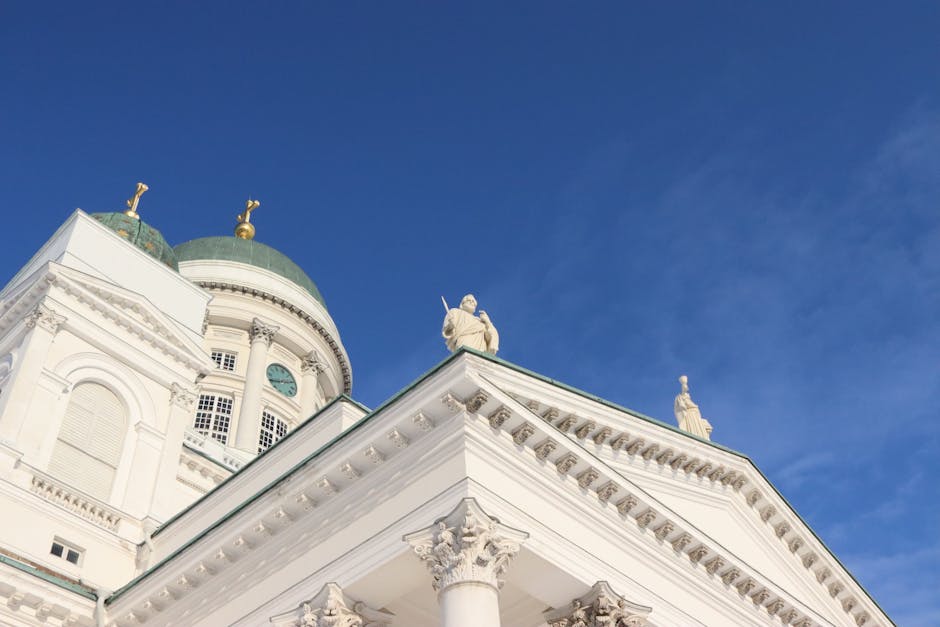 Easy
EasyHelsinki, Finland
Discover Helsinki's stunning Art Nouveau architecture and maritime history on this self-guided neighborhood stroll through Katajanokka.
 Moderate
Gdansk, Poland
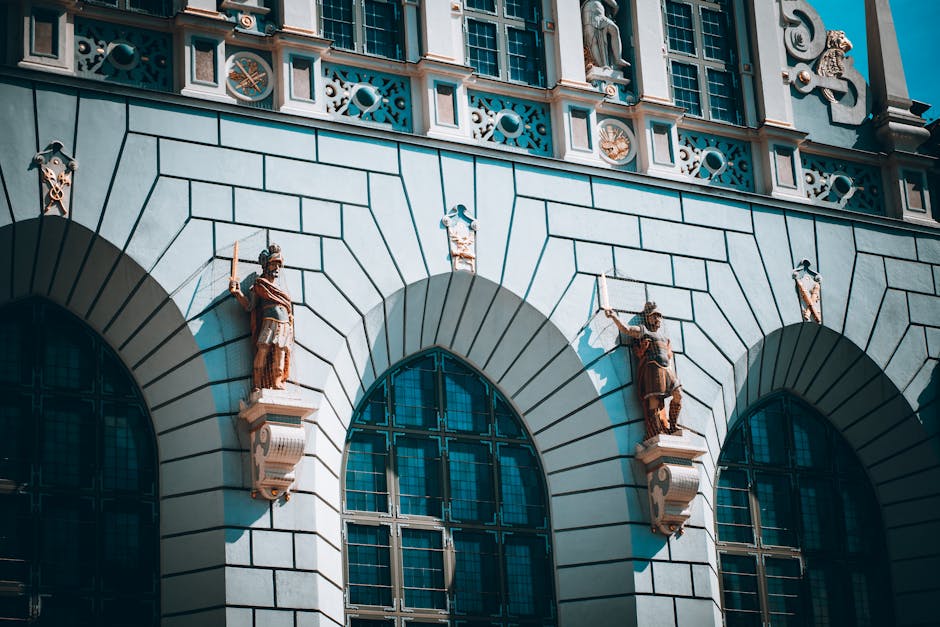
Discover Zaspa, a massive open-air gallery where grey housing blocks are transformed by over 60 monumental murals. Explore at your own pace.
 Easy
EasyKrakow, Poland
Explore the prestigious Jagiellonian University district, featuring Neo-Gothic architecture, Baroque churches, and Krakow's hidden scholarly gems.
 Easy
EasyKrakow, Poland
Discover Krakow’s creative soul in Zabłocie, exploring industrial heritage, contemporary art museums, and avant-garde architecture at your own pace.
 Easy
EasyKrakow, Poland
Explore Krakow’s artistic evolution from Renaissance masterpieces to vibrant urban murals on this inspiring self-guided walk through the city.