Self-guided audio tour in New York City
Start Free on iPhone
Start free on iPhone to unlock this self-guided walking tour in New York City. Hear all the stories that make it amazing, walk at your own pace, and begin whenever you want.
Your Private Tour Guide
Lower Manhattan is a living museum of the American immigrant experience, and this neighborhood stroll through Chinatown and Little Italy places you at the heart of that history. This self-guided walk invites you to explore the sensory-rich border where these two iconic enclaves meet, revealing the stories of the people who shaped the city. From the rhythmic clacking of mahjong tiles to the scent of freshly piped cannolis, this walking route captures the essence of a changing New York. This particular route is special because it avoids the typical tourist traps, focusing instead on the architectural transitions and historical friction points between the Italian and Chinese communities. You will begin at the Canal Street Market, a modern reimagining of the neighborhood's commercial spirit, before diving into the narrow streets of Little Italy. As you move through the route, you will see how the boundaries of these neighborhoods have ebbed and flowed over the decades. The experience isn't just about the food—though the culinary history is legendary—it is about the hidden temples, the notorious history of 'The Bloody Angle,' and the community spirit found in the public parks. Exploring independently allows you to linger over a pastry or take a moment of silence in a Buddhist temple without the pressure of a group schedule. Whether you are interested in the dark history of the Five Points or the vibrant street life of modern-day Canal Street, this walking tour New York City experience offers a profound look at the resilience and culture of lower Manhattan. By following this walking route, you gain a deeper understanding of how these distinct cultures have coexisted and evolved within just a few city blocks.
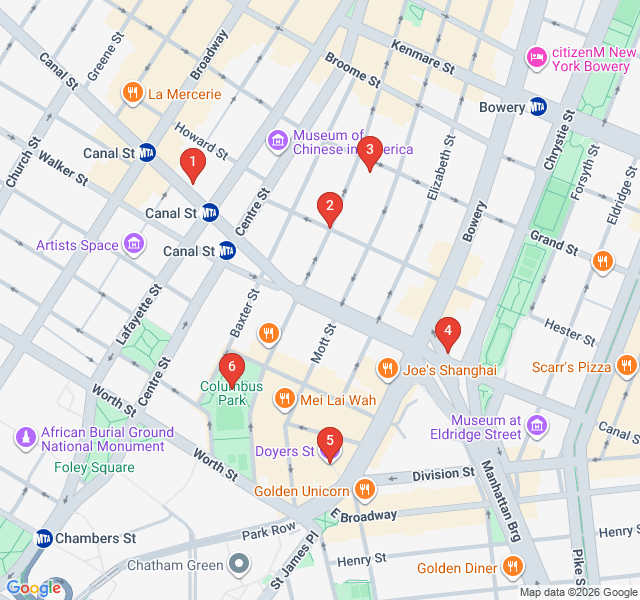
Numbers indicate the order of stops on the tour.
Start exploring with Zigway at the Canal Street Market, a carefully curated space that represents the modern evolution of this historic commercial corridor. Canal Street has long been the primary artery of Chinatown, once famous for its chaotic sidewalk stalls and bargain hunting. Today, this market blends that entrepreneurial spirit with modern design, featuring local artisans and a diverse food hall. As you walk through, notice the juxtaposition of traditional Chinese craftsmanship with contemporary New York retail. This spot serves as a gateway, transitioning you from the broader city into the specific, dense textures of the neighborhood. It is the perfect place to observe the energy of the area before diving into the quieter, historic side streets.
Turning onto Mulberry Street, you enter the historic heart of Little Italy. While the neighborhood was once much larger, this stretch remains its most famous corridor. In the late 19th and early 20th centuries, these tenements were packed with immigrants from Naples and Sicily. Look up at the fire escapes and brickwork; these buildings tell the story of a dense, bustling community. Today, the street is lined with outdoor cafes and red-white-and-green decorations. While it has become a major destination for travelers, it still retains the architectural bones of the old neighborhood. Notice how the atmosphere shifts as the Chinese signage of Canal Street gives way to the Italian flags and restaurant awnings of Mulberry.
No neighborhood stroll through this area is complete without a stop at Ferrara Bakery. Established in 1892, it is often cited as America's first espresso bar. Founded by Antonio Ferrara so that local opera lovers could have a place to gather after performances, it has remained in the same family for five generations. The interior evokes a sense of old-world elegance that is rare in the fast-paced city. Even if you don't stop for their famous cannoli or lobster tails, take a moment to appreciate the history of this institution. It stands as a delicious testament to the enduring presence of Italian culture in a neighborhood that has seen immense demographic shifts over the last century.
As you move back into the heart of Chinatown, the Mahayana Temple offers a moment of profound tranquility. Located near the entrance to the Manhattan Bridge, this temple houses the largest golden Buddha statue in New York City, which sits 16 feet tall atop a lotus flower. The temple occupies a space that was once an adult movie theater, a perfect example of how New York neighborhoods repurpose their architecture. Inside, the walls are lined with paintings depicting the life of the Buddha. It is a spiritual anchor for the community and a stark, peaceful contrast to the roar of traffic on the nearby bridge. Remember to be respectful of those practicing their faith as you observe the intricate ivory carvings and offerings.
You are now standing on Doyers Street, a one-block alley with a sharp 90-degree bend that earned it the nickname 'The Bloody Angle.' In the early 20th century, this was one of the most dangerous places in America due to the violent conflicts between rival Tong gangs. The sharp curve allowed for easy ambushes and quick escapes. Today, the street is much more peaceful, often painted with vibrant street art and filled with popular tea parlors and barber shops. The unique geometry of the street makes it a favorite for photographers. As you walk the curve, imagine the secret tunnels that once allegedly ran beneath your feet, connecting the basements of these historic buildings.
End your self-guided adventure at Columbus Park, the living room of Chinatown. This site has a dark history; it was once the center of the 'Five Points,' the 19th-century slum made famous by films and books. The city eventually cleared the tenements to create this park, providing much-needed air and light to the community. Today, it is a vibrant hub of activity. Depending on when you visit, you might hear the sounds of traditional Chinese opera rehearsals, see intense games of mahjong and cards in the pavilion, or watch people practicing tai chi. It is a powerful place to sit and reflect on the layers of history—from gang territory to a cherished community sanctuary.
Start Free on iPhone
Explore “Chinatown Alleys and Little Italy Squares” with your very own Private Tour Guide with Zigway. Start free on iPhone, skip the large group and the fixed routes, and hear the city come alive as you go.
Your Private Tour Guide
Don't miss the good stuff
Explore Freely
 Easy
EasyNew York City, United States
Explore the golden age of Manhattan architecture on this self-guided walk through Midtown's iconic Art Deco skyscrapers and historic landmarks.
 Easy
EasyNew York City, United States
Discover the literary legends, jazz haunts, and revolutionary history of Greenwich Village on this immersive self-guided walking route.
 Easy
EasyNew York City, United States
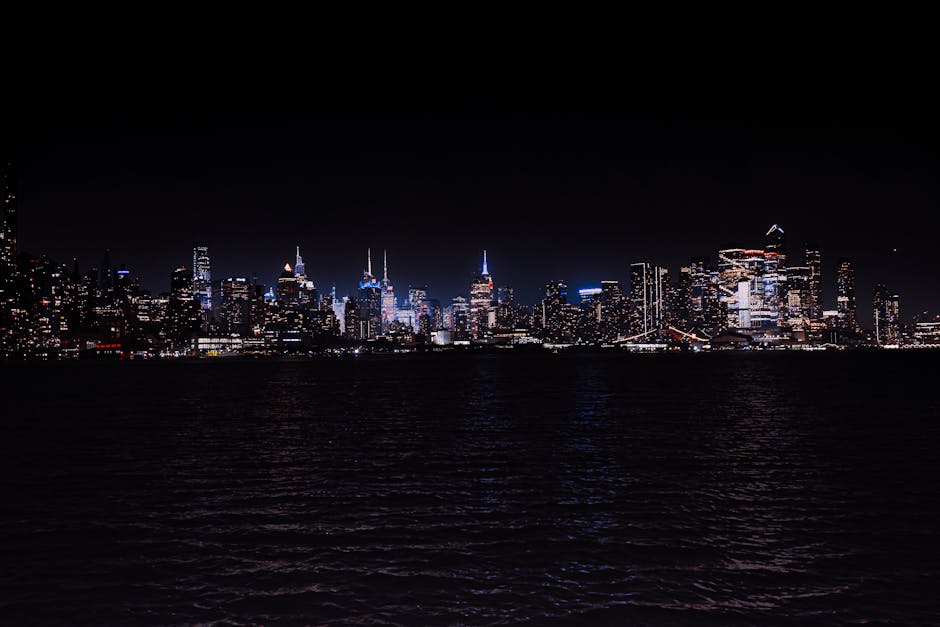
Explore Manhattan's transformation on this self-guided walk from the High Line to Hudson Yards.
 Easy
EasyNew York City, United States
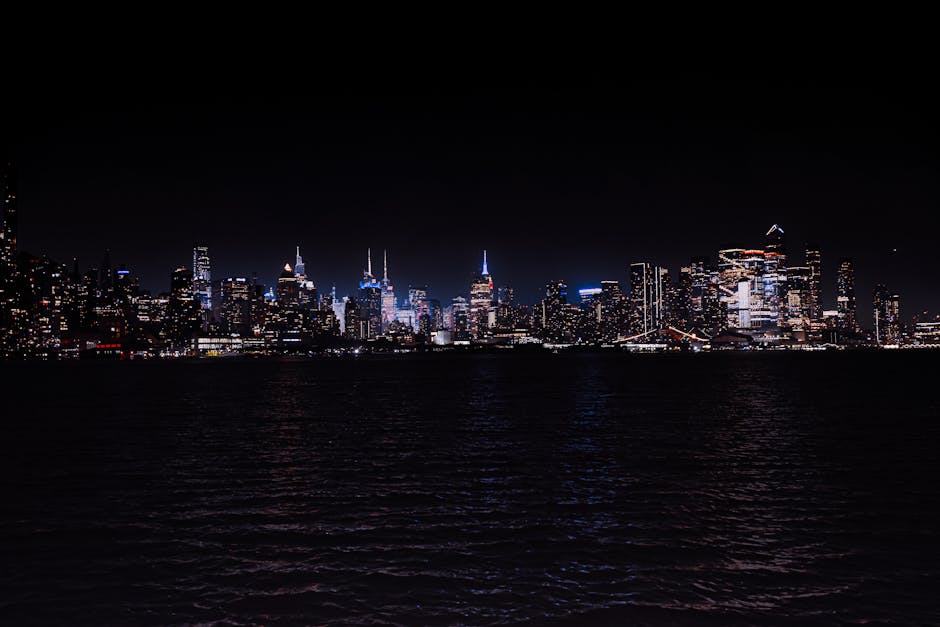
Discover the world's finest cast-iron architecture and the evolution of fashion on this self-guided walking route through NYC's iconic SoHo district.
 Easy
EasyGothenburg, Sweden
Explore Gothenburg’s historic wooden houses, legendary giant cinnamon buns, and panoramic fortress views on this self-guided neighborhood stroll.
 Moderate
Vienna, Austria
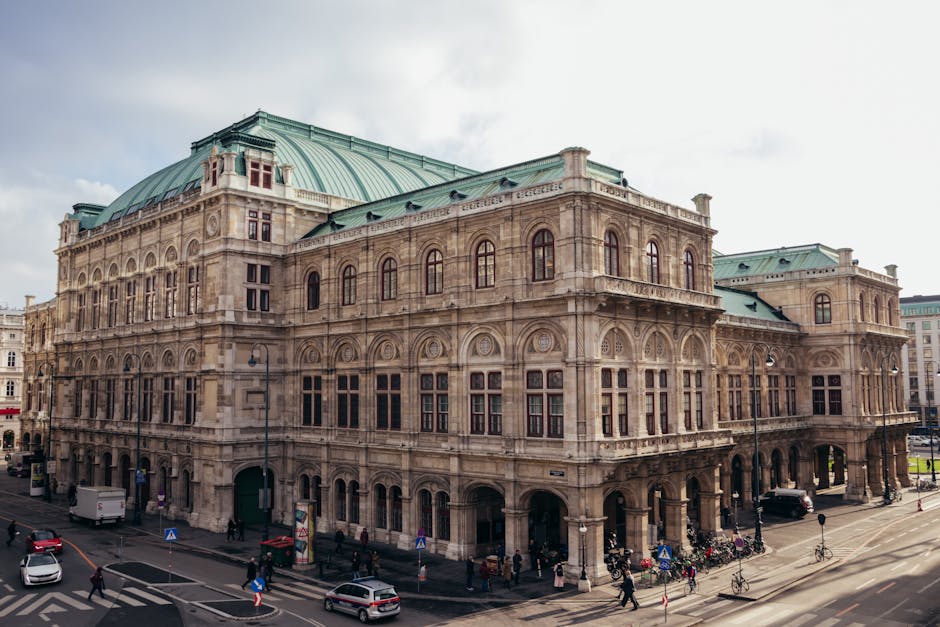
Discover the noir world of The Third Man and Cold War Vienna on this atmospheric self-guided audio walk through the historic Innere Stadt.
 Easy
EasyWarsaw, Poland
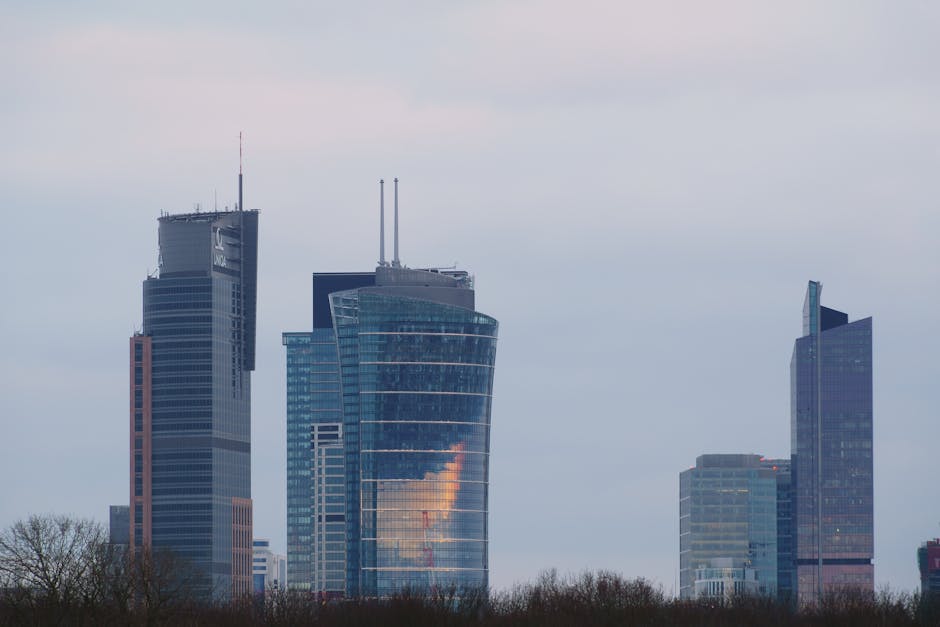
Discover the hidden courtyards and grand pre-war architecture of Warsaw's most atmospheric neighborhood on this self-guided stroll.
 Moderate
Helsinki, Finland
Explore Helsinki's bohemian heart. Discover historic saunas, granite churches, and the vibrant local life of the Kallio neighborhood at your own pace.
 Easy
EasyNashville, United States
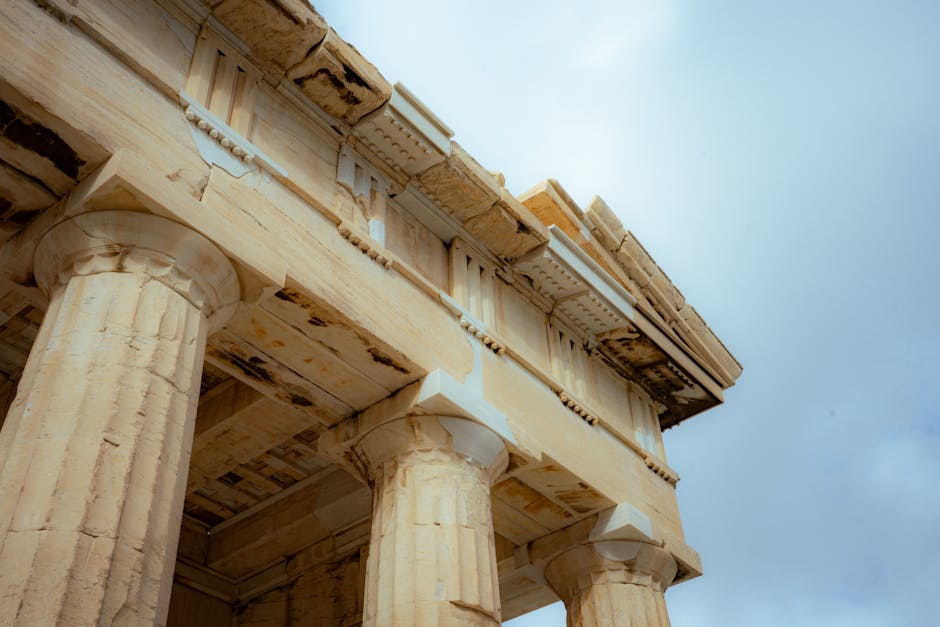
Explore the 'Athens of the South' on this self-guided walk through Centennial Park, featuring the world's only full-scale Parthenon replica.
 Easy
EasyNashville, United States
Explore Nashville's academic heart and Art Deco gems on this self-guided walk through historic Hillsboro Village.
 Easy
EasyNashville, United States
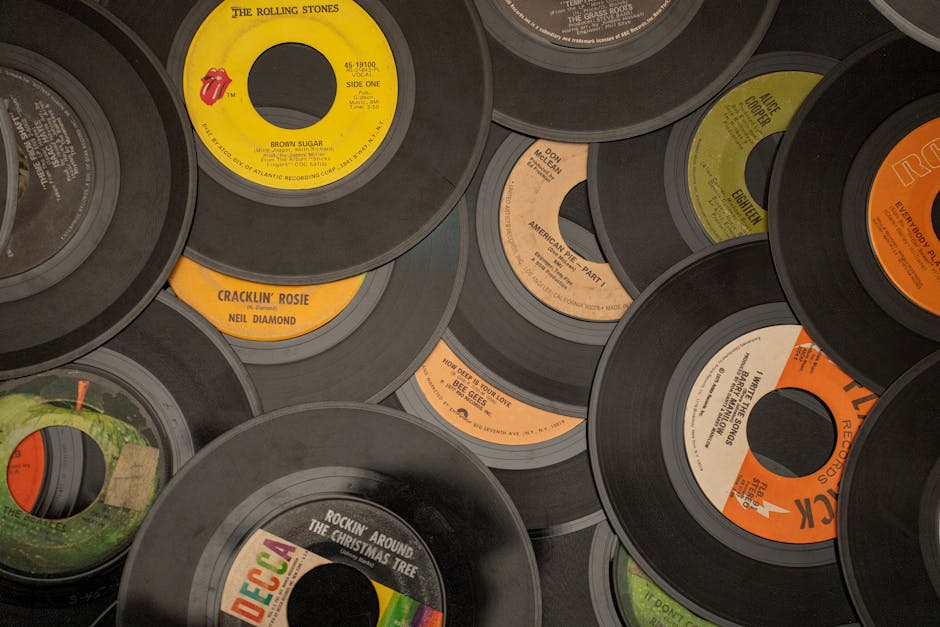
Explore the heart of Nashville's music industry. Discover iconic studios and the history of the legendary Nashville Sound at your own pace.
 Easy
EasyNashville, United States
Explore Nashville's oldest neighborhood! Discover Victorian architecture, Civil War history, and world-class craft beer on this self-guided walk.