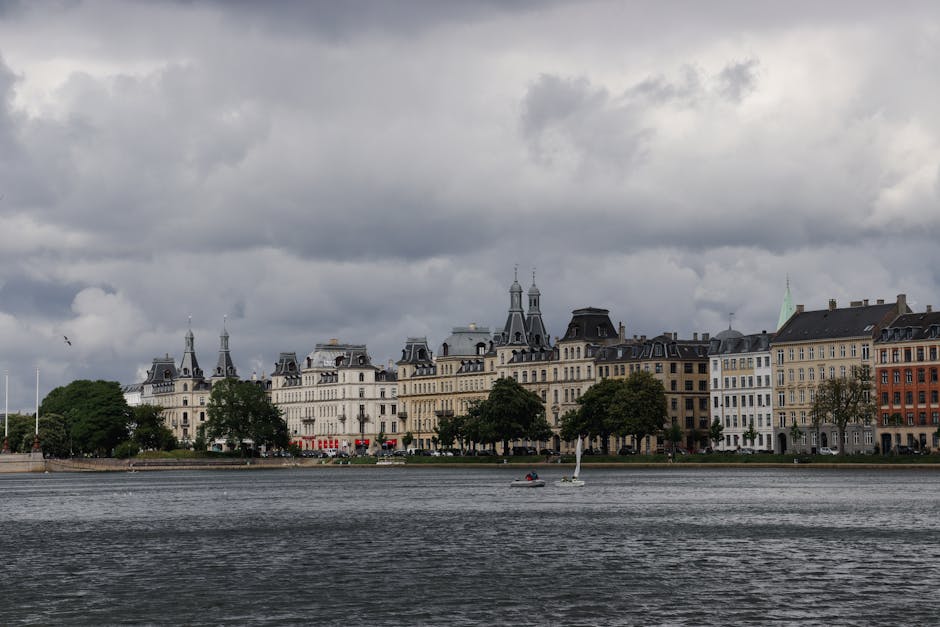
Self-guided audio tour in Copenhagen
Start Free on iPhone
Start free on iPhone to unlock this self-guided walking tour in Copenhagen. Hear all the stories that make it amazing, walk at your own pace, and begin whenever you want.
Your Private Tour Guide
Copenhagen is a city that truly understands the art of living well, a concept the locals call 'hygge'. This self-guided walk invites you to taste your way through the heart of the Danish capital, from the refined elegance of 19th-century pastry shops to the vibrant energy of modern glass-walled food markets. Unlike a rigid walking tour Copenhagen often offers, this route allows you to linger over a coffee or grab a second helping of smørrebrød whenever the mood strikes. You will begin in the historic Indre By district, where the scent of baking sugar has drifted through the air for over 150 years. As you navigate the cobblestone streets, you'll encounter the evolution of Danish flavors. The route takes you past iconic landmarks like the colorful Nyhavn harbor, once a gritty sailors' haunt and now a picturesque spot to enjoy a cold local brew. You'll also discover hidden courtyards that have been transformed into global street food hubs, blending international influences with Scandinavian design. The journey concludes at the legendary TorvehallerneKBH, a culinary cathedral where local producers showcase everything from fresh Baltic seafood to artisanal cheeses. This neighborhood stroll is more than just a list of eateries; it is an exploration of Copenhagen’s identity through its stomach. Whether you are searching for the perfect open-faced sandwich or a traditional Danish hot dog from a historic stand, this walking route provides the cultural context to make every bite more meaningful. Perfect for foodies and culture seekers alike, this self-guided adventure offers the flexibility to explore Copenhagen’s gastronomic landscape at your own pace, ensuring you experience the city’s flavors exactly as the locals do. **Note:** This area is known for its ever-changing character. Street art, pop-up venues, and temporary exhibitions may differ from what's described. That's part of the adventure - you might discover something entirely new!
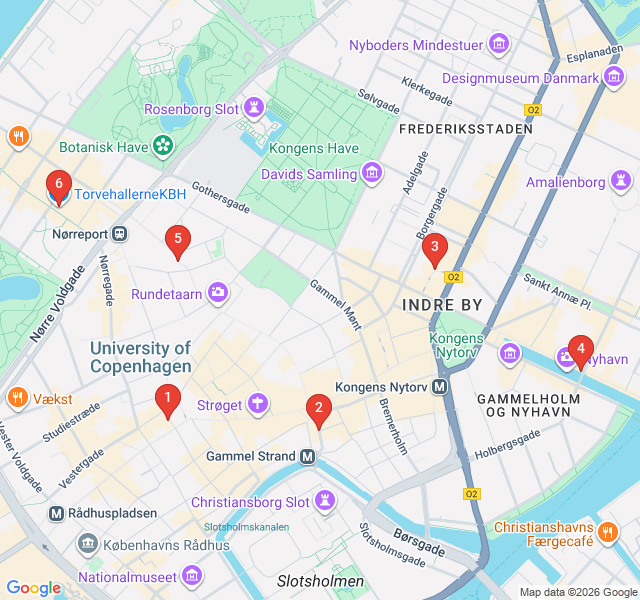
Numbers indicate the order of stops on the tour.
Welcome to the oldest patisserie in Denmark, established in 1870. Conditori La Glace is a Copenhagen institution that has served six generations of locals and royalty alike. As you admire the brass fixtures and walnut wood interior, you are stepping back into the 19th century. The star of the show here is the 'Sportskage,' a decadent creation of crushed nougat, whipped cream, and a macaroon base, originally created for a play called 'The Sportsman' in 1891. While the menu has evolved, the commitment to traditional craftsmanship remains. It is the perfect place to start your journey through Danish sweetness. Note that this popular spot often has a queue, but the window displays alone offer a masterclass in Danish pastry art.
Standing here in Højbro Plads, you are at the crossroads of Copenhagen's history. While the statue of Bishop Absalon watches over the square, keep an eye out for the 'pølsevogn' or sausage wagons. These silver carts have been a staple of Danish street culture since 1921. Originally considered a 'poor man's meal,' the Danish hot dog has become a beloved national icon. Look for the classic 'Rød Pølse' (red sausage) or a 'Ristet Pølse' (roasted sausage) topped with remoulade, fried onions, and pickles. This square once hosted a bustling vegetable market, and today it remains a central hub where the smell of grilled sausages mingles with the fresh sea breeze from the nearby canals.
Tucked away behind an unassuming gateway lies Boltens Food Court, located in the historic Baron Boltens Gård. This former manor house and merchant's court dates back to the late 18th century, but today it serves a much more modern purpose. It is a vibrant hub of global street food, representing the cosmopolitan side of Copenhagen’s culinary scene. From Moroccan tagines to Danish comfort food, the stalls here reflect the city's growing international influence. The atmosphere in the courtyard is unique, blending centuries-old timber-framed architecture with contemporary neon signs and communal seating. It is a fantastic example of how Copenhagen repurposes its historical spaces for modern social life.
Nyhavn is perhaps the most photographed spot in Denmark, but it also holds a deep culinary and social history. Constructed by King Christian V in the 1670s, this canal was once a gateway for sailors and merchants. While it was once known for rowdy taverns and alehouses, it is now the city's most iconic dining strip. Hans Christian Andersen lived in several houses here, including numbers 20, 67, and 18. Today, the colorful townhouses host restaurants serving everything from traditional herring platters to modern Nordic snacks. While the area can be busy, it remains the quintessential place to enjoy a 'skål' (toast) with a local beer while watching the wooden ships bob in the water.
Kultorvet, or 'The Coal Market,' was established after the fire of 1728 as a place for coal workers to sell their wares. Today, it is a bustling pedestrian square that serves as a gateway between the busy shopping streets and the quieter university quarter. The culinary character here is more local and everyday; you'll find flower stalls, historic butchers, and small cafes where students and locals grab their morning coffee. It’s a great place to observe the 'Copenhagen pace'—brisk but never too busy for a quick chat. The square often hosts seasonal markets, so you might find anything from spring berries to winter gløgg (mulled wine) depending on when you visit.
You have arrived at TorvehallerneKBH, Copenhagen’s premier food destination. These two glass halls house over 60 stalls selling everything from fresh fish and artisanal cheese to exotic spices and gourmet chocolate. This is the best place in the city to try 'smørrebrød'—the traditional Danish open-faced rye bread sandwich. Look for the stalls piled high with artistic toppings like roast beef with horseradish or breaded plaice with remoulade. Beyond the prepared food, the market is a sensory delight of seasonal Danish produce. Whether you want a world-class coffee from Coffee Collective or a glass of organic wine, this market represents the very best of Denmark's modern food culture.
Start Free on iPhone
Explore “Culinary Copenhagen: Markets and Local Flavors” with your very own Private Tour Guide with Zigway. Start free on iPhone, skip the large group and the fixed routes, and hear the city come alive as you go.
Your Private Tour Guide
Don't miss the good stuff
Explore Freely
 Easy
EasyCopenhagen, Denmark
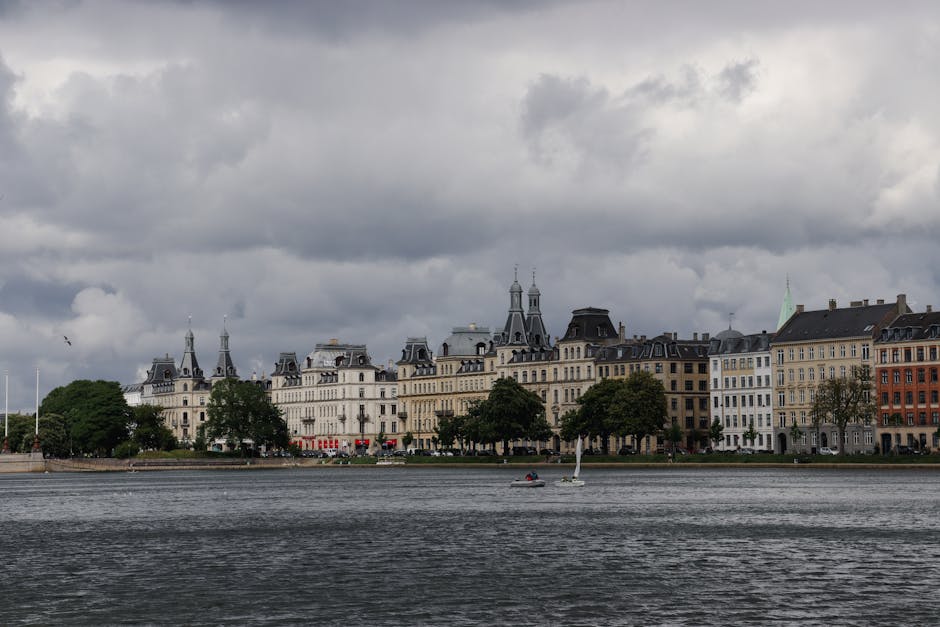
Explore Copenhagen's stunning waterfront architecture, from the 'Black Diamond' to the Opera House, on this self-guided design-focused walk.
 Moderate
Copenhagen, Denmark
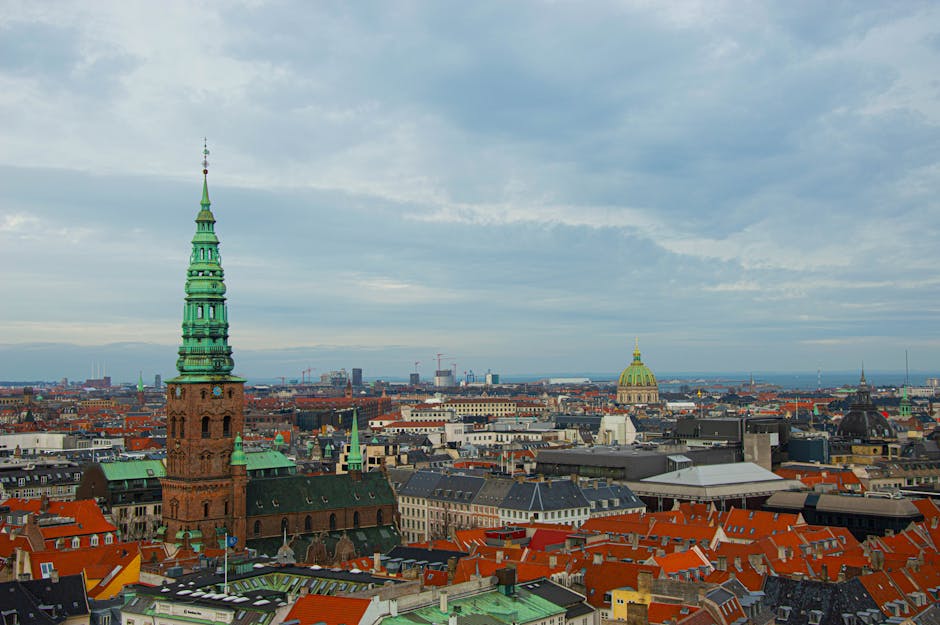
Explore Copenhagen’s 'Little Amsterdam' and the radical Freetown Christiania on this self-guided audio walk through history and counter-culture.
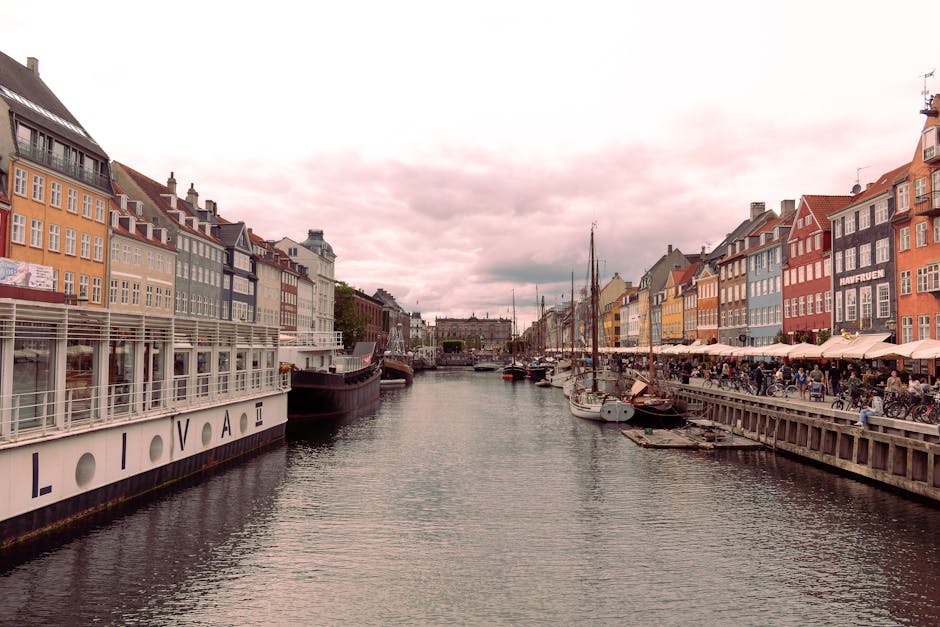 Easy
EasyCopenhagen, Denmark
Discover the seat of Danish power and the home of the royals on this self-guided walk through Copenhagen's most historic palaces and landmarks.
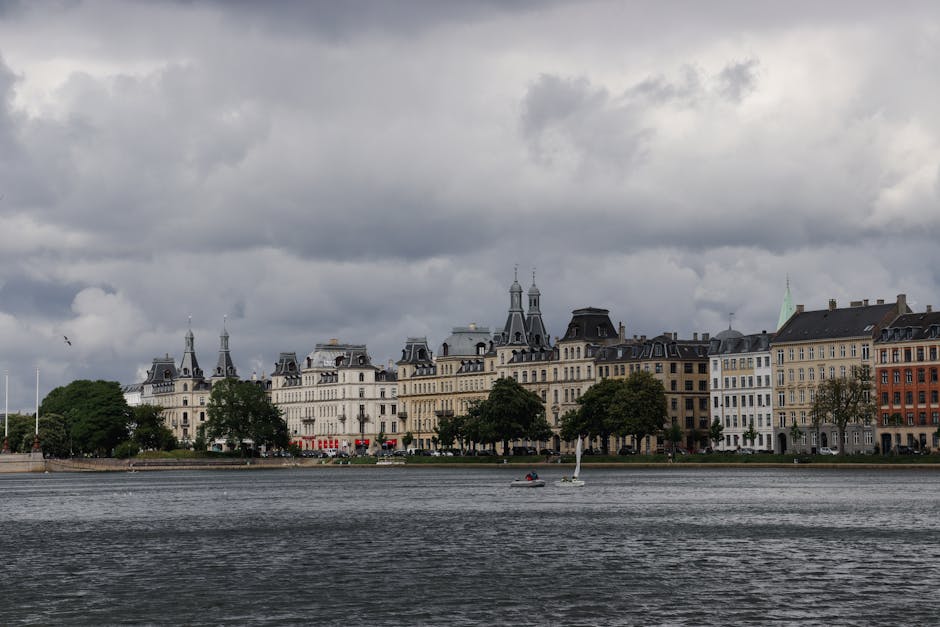 Easy
EasyCopenhagen, Denmark
Discover Vesterbro's evolution from industrial grit to foodie heaven on this self-guided neighborhood stroll through Copenhagen's coolest district.
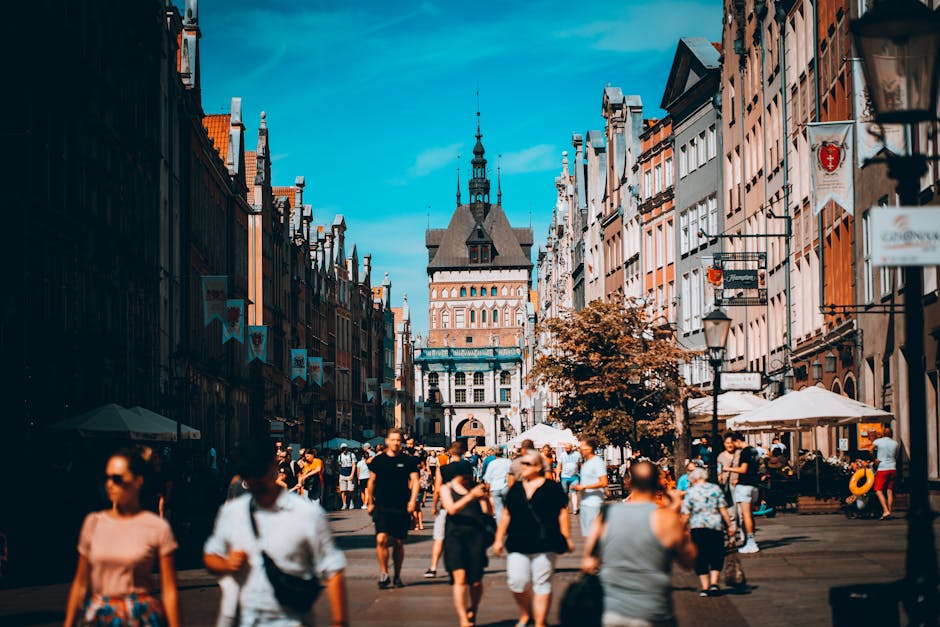 Easy
EasyGdansk, Poland
Taste the history of the Baltic. Explore Gdansk's culinary heritage from medieval markets to gold-flecked liqueurs on this self-guided walk.
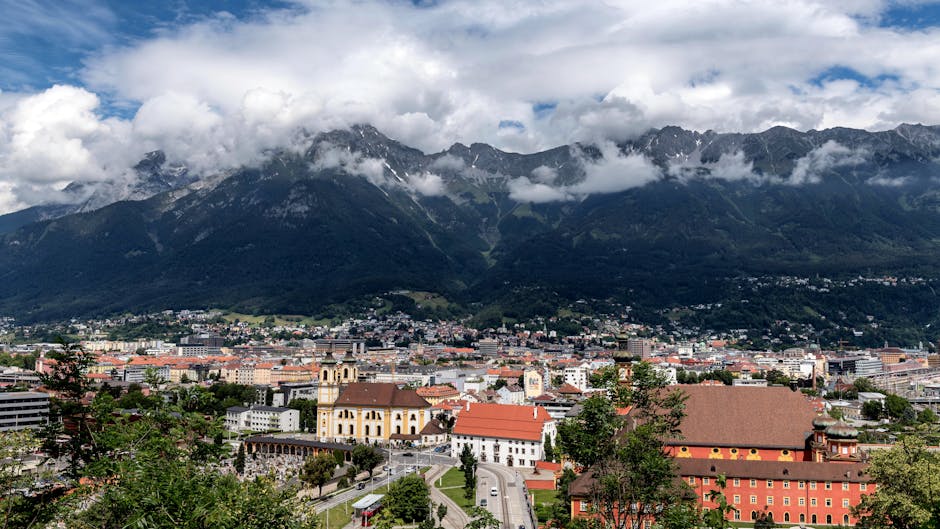 Easy
EasyInnsbruck, Austria
Discover the flavors of Tyrol on this self-guided stroll through Innsbruck’s historic Old Town and vibrant market hall.
 Easy
EasyKrakow, Poland
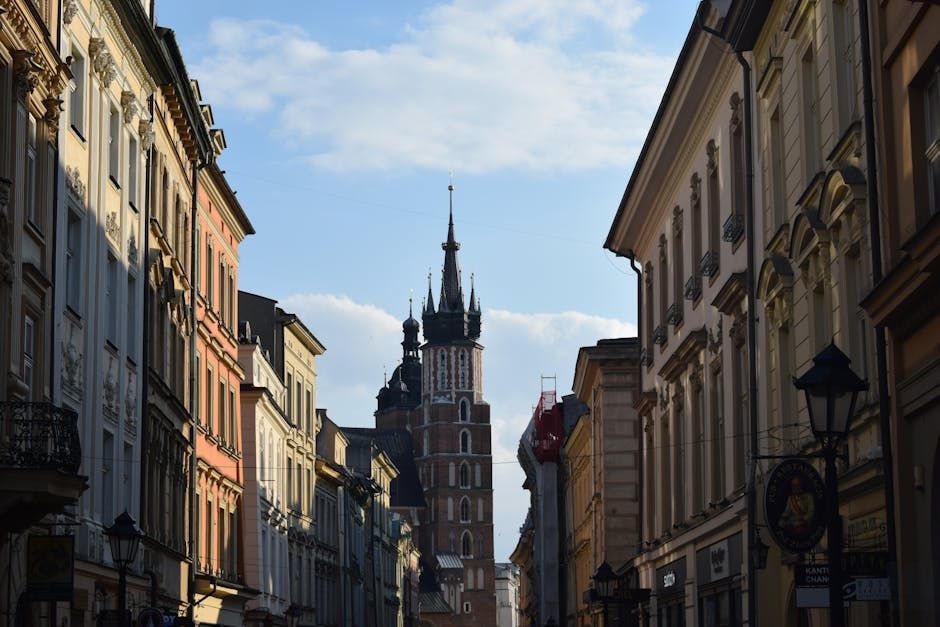
Savor the soul of Krakow on this self-guided walk through historic markets, bohemian cafes, and the city's best pierogi spots.
 Easy
EasyGothenburg, Sweden
Discover Gothenburg’s maritime flavors on this self-guided walk through historic market halls and iconic seafood landmarks.