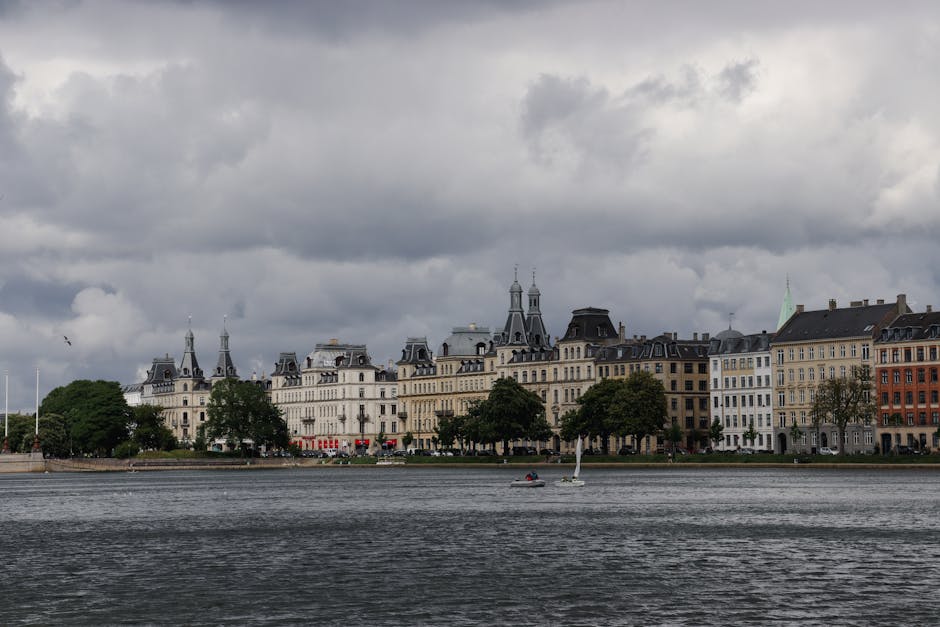
Self-guided audio tour in Copenhagen
Start Free on iPhone
Start free on iPhone to unlock this self-guided walking tour in Copenhagen. Hear all the stories that make it amazing, walk at your own pace, and begin whenever you want.
Your Private Tour Guide
Copenhagen is widely recognized as a global hub for sustainable design and architectural innovation, and nowhere is this more evident than along its revitalized harbor. This self-guided walk invites you to explore the 'Blue Living Room' of the city, where historic warehouses stand in stark, beautiful contrast to cutting-edge glass and steel structures. This architectural journey highlights how the city has successfully integrated public space with high-concept design, turning the waterfront into a playground for residents and visitors alike. Your journey begins at the whimsical Circle Bridge, a structure that feels more like a piece of public art than a transit link. From there, you will encounter the 'Black Diamond,' a bold extension of the Royal Library that has become a symbol of the city's modern identity. As you follow this walking route, you will see how architects have tackled the challenges of urban density and climate change, particularly at the BLOX building, which serves as the headquarters for the Danish Architecture Center. The route continues across the harbor via the Inderhavnsbroen, or 'Kissing Bridge,' connecting the historic Nyhavn district with the creative energy of Christianshavn. You will stroll past the Royal Danish Playhouse, a masterpiece of sustainable construction that uses harbor water for cooling, before finishing at the monumental Opera House. This self-guided adventure is perfect for design enthusiasts, photographers, or anyone who wants to understand why Copenhagen consistently ranks as one of the world's most livable cities. By following this neighborhood stroll, you can explore the interplay between light, water, and glass at your own pace, witnessing the evolution of a maritime capital into a modern architectural marvel. Whether you are interested in the technical details of the facades or simply want to enjoy the sea breeze against a backdrop of world-class design, this walking route offers a comprehensive look at the city's contemporary face.
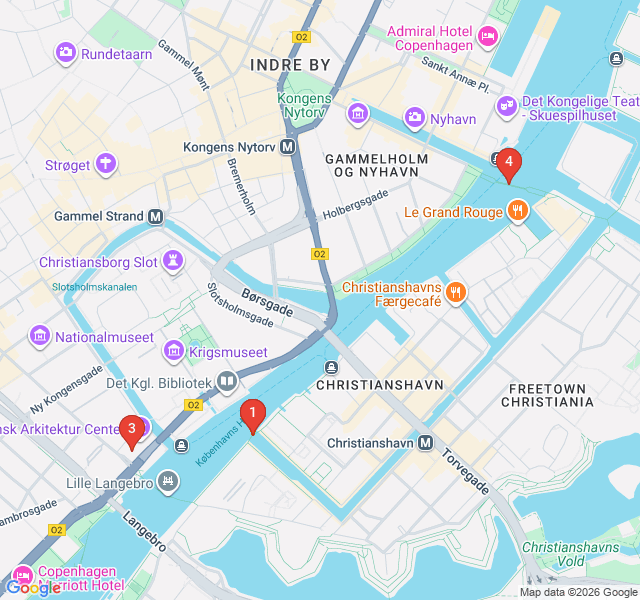
Numbers indicate the order of stops on the tour.
Start your self-guided walk at Cirkelbroen, a pedestrian bridge designed by the acclaimed Icelandic-Danish artist Olafur Eliasson. Opened in 2015, the bridge consists of five staggered circular platforms, each with its own mast, mimicking the appearance of sailing ships moored in the harbor. Eliasson designed it this way to encourage people to slow down and interact with the city rather than just rushing across. The bridge serves as a reminder of Copenhagen's maritime history while functioning as a modern piece of public art. Notice how the circles overlap to create a zig-zag path, a deliberate choice to change the perspective of the harbor as you walk.
A short walk north brings you to the 'Black Diamond,' a striking extension to the Royal Library completed in 1999 by Schmidt Hammer Lassen Architects. Clad in black granite from Zimbabwe and dark glass, the building tilts slightly over the water, reflecting the harbor's surface. Inside, a vast atrium connects the modern wing to the 1906 library building via several glass bridges. The design is a masterclass in light; the central fissure allows natural light to flood the interior while providing visitors with panoramic views of the water. It remains one of the most iconic examples of the city's late-20th-century architectural boom.
Continue along the quay to BLOX, a building that has sparked significant architectural debate since its completion in 2018. Designed by OMA, the firm led by Rem Koolhaas, BLOX is a series of stacked green glass boxes that house the Danish Architecture Center, offices, and apartments. It is built directly over a busy road, showcasing an innovative way to utilize urban space. While some find its industrial look jarring, others praise its transparency and the way it bridges the city center with the waterfront. It is a hub for design thinking and a testament to Copenhagen's willingness to experiment with bold urban forms.
Cross the Inderhavnsbroen, famously known as the 'Kissing Bridge.' This 180-meter pedestrian and cycle bridge connects the tourist hub of Nyhavn with the Christianshavn district. It earned its nickname because of its horizontal retractable mechanism; the two sliding sections 'kiss' when they meet to allow passage. Since opening in 2016, it has become one of the busiest bridges in the city. As you cross, take a moment to look back at the skyline; it offers one of the best vantage points for seeing the contrast between the historic colorful houses of Nyhavn and the modern waterfront developments.
On the Nyhavn side of the harbor stands the Royal Danish Playhouse. Completed in 2008 by Lundgaard & Tranberg, the building is celebrated for its sensitivity to its historic surroundings. The thin, dark bricks were specially made to match the color of the neighboring 18th-century warehouses. One of its most impressive features is hidden: a sustainable cooling system that uses cold harbor water to regulate the building's temperature, reducing energy consumption by up to 75 percent. The massive glass foyer acts as a public living room, offering a sheltered view of the water and the Opera House across the way.
Your final stop is the Opera House, one of the most expensive and technically advanced opera houses ever built. Designed by Henning Larsen and gifted to the Danish state by the A.P. Møller and Chastine Mc-Kinney Møller Foundation, it was completed in 2004. Its most distinctive feature is the massive cantilevered roof, which extends 32 meters over the plaza. The facade is made of German limestone, while the foyer features three iconic light sculptures by Olafur Eliasson. Positioned on the island of Holmen, it sits in direct alignment with Amalienborg Palace and the Marble Church, creating a grand architectural axis across the water.
Start Free on iPhone
Explore “Waterfront Wonders: Modern Architecture Tour” with your very own Private Tour Guide with Zigway. Start free on iPhone, skip the large group and the fixed routes, and hear the city come alive as you go.
Your Private Tour Guide
Don't miss the good stuff
Explore Freely
 Moderate
Copenhagen, Denmark
Explore Copenhagen’s 'Little Amsterdam' and the radical Freetown Christiania on this self-guided audio walk through history and counter-culture.
 Easy
EasyCopenhagen, Denmark
Discover the seat of Danish power and the home of the royals on this self-guided walk through Copenhagen's most historic palaces and landmarks.
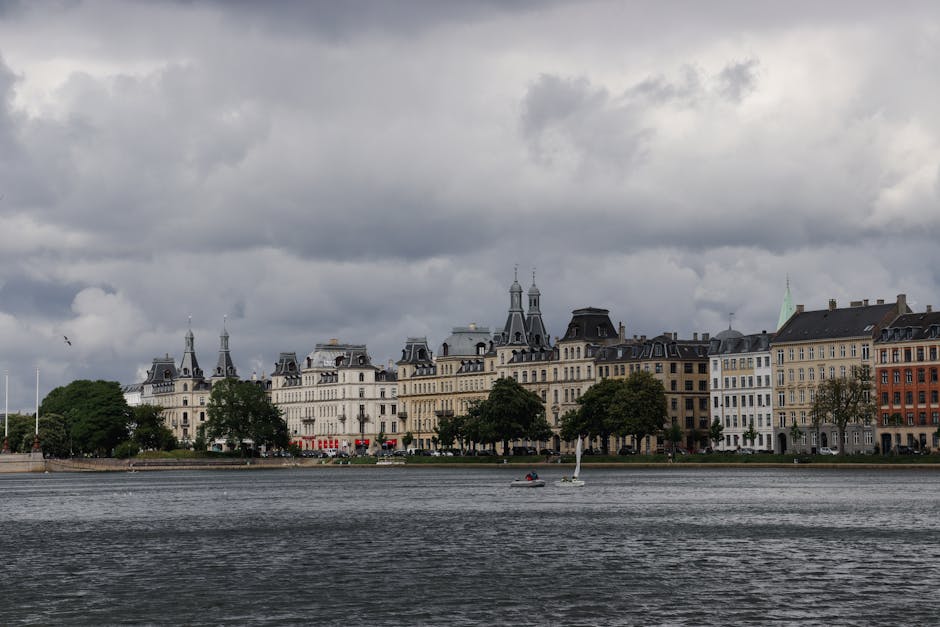 Easy
EasyCopenhagen, Denmark
Discover Vesterbro's evolution from industrial grit to foodie heaven on this self-guided neighborhood stroll through Copenhagen's coolest district.
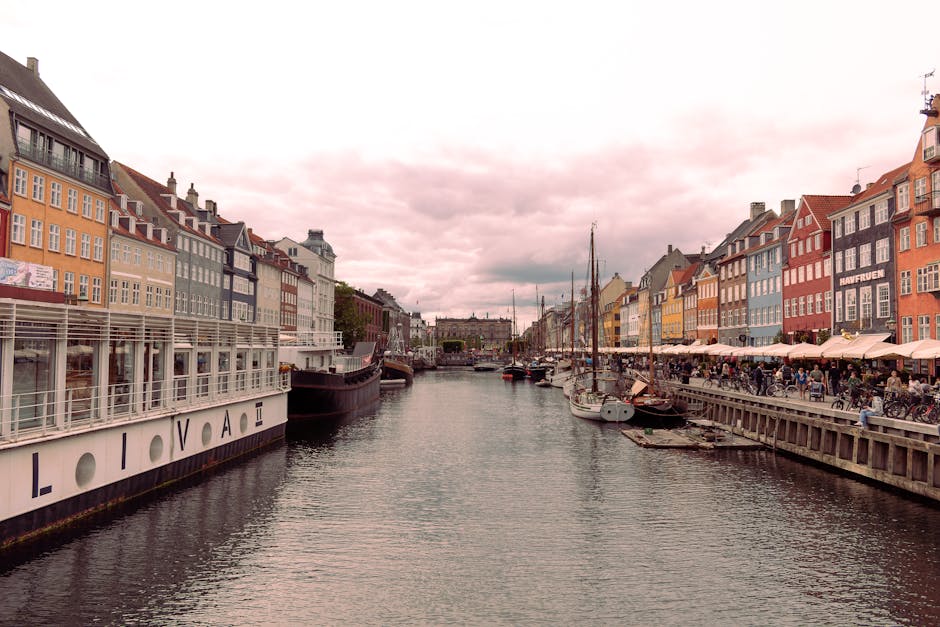 Moderate
Copenhagen, Denmark
Explore Copenhagen’s historic brewery district at your own pace. Discover the iconic Elephant Gate, lush gardens, and grand industrial heritage.
 Easy
EasyNairobi, Kenya
Discover Nairobi's iconic skyline on this self-guided architecture walk through the CBD’s most famous modernist and Brutalist landmarks.
 Easy
EasyGothenburg, Sweden
Discover Gothenburg’s 17th-century Dutch foundations, historic canals, and military fortifications on this self-guided architectural walk.
 Easy
EasyNairobi, Kenya
Explore Nairobi's architectural evolution from colonial-era landmarks to iconic Brutalist skyscrapers on this historic self-guided walking route.
 Easy
EasyGdansk, Poland
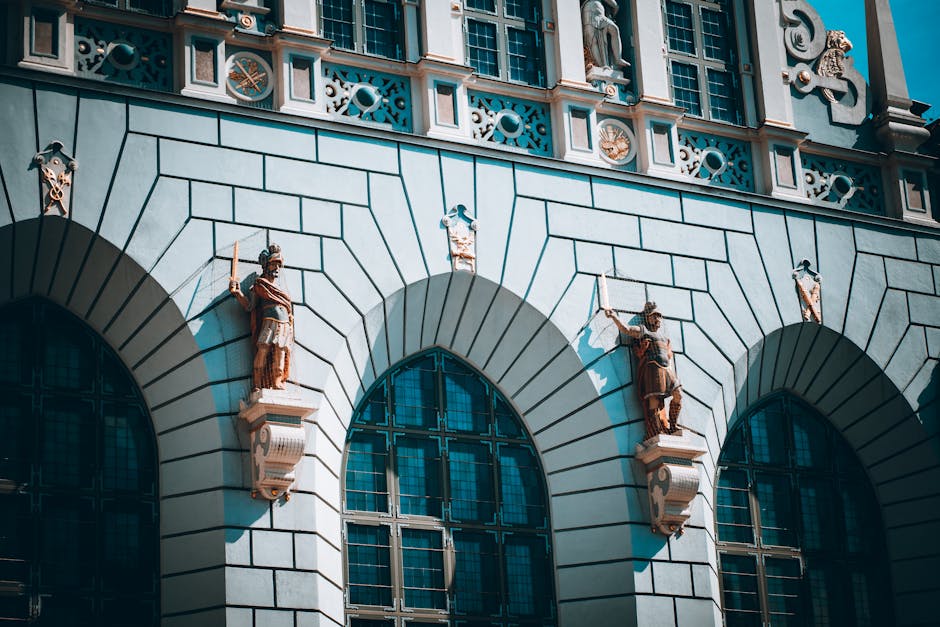
Discover the opulent Royal Way of Gdansk at your own pace. Explore Hanseatic history, gilded architecture, and the iconic Neptune's Fountain.