Self-guided audio tour in Naples
Start Free on iPhone
Start free on iPhone to unlock this self-guided walking tour in Naples. Hear all the stories that make it amazing, walk at your own pace, and begin whenever you want.
Your Private Tour Guide
Step into the pulsing heart of Naples on this self-guided walk along the Via Tribunali, the ancient Decumanus Maximus of the Greek and Roman city. This neighborhood stroll reveals a city where the boundary between the living and the dead is famously thin, and where high art meets street-level devotion. As you wander through the Centro Storico, a UNESCO World Heritage site, you will encounter the layers of history that define Naples—from the pagan foundations of ancient temples to the soaring heights of Gothic and Baroque architecture. The route focuses on the spiritual and alchemical secrets hidden within the city's thick stone walls. You will start at the world-renowned Sansevero Chapel, home to the Veiled Christ, a masterpiece so lifelike that legends claimed it was created through alchemy rather than a chisel. From there, the walking route takes you to the church of Santa Maria delle Anime del Purgatorio ad Arco, where the Neapolitan 'cult of the dead' is still visible in the polished bronze skulls that line the entrance. This exploration is not just about grand cathedrals; it is about the stories of the people who inhabited these narrow alleys for two millennia. You will see how the Basilica di San Paolo Maggiore literally incorporates the columns of a Roman temple into its facade, and how the complex of San Lorenzo Maggiore sits atop an entire ancient marketplace buried beneath the modern street level. The journey concludes at the Duomo di Santa Maria Assunta, the city's cathedral, where the blood of the patron saint, San Gennaro, is kept in a state of constant vigil. This independent audio walk allows you to linger in the quiet cloisters or brave the bustling crowds of the Via Tribunali at your own pace, soaking in the scents of wood-fired pizza and incense that define the unique atmosphere of Old Naples. Whether you are a history buff or an art lover, this route offers a deep dive into the soul of one of the world's oldest continuously inhabited cities.
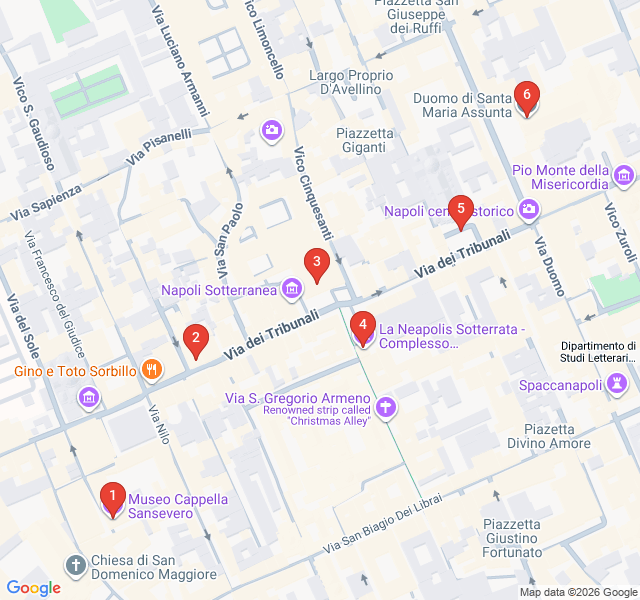
Numbers indicate the order of stops on the tour.
Welcome to one of the most enigmatic places in Italy. This small chapel was the private funerary monument and laboratory of Raimondo di Sangro, the Prince of Sansevero. He was an Enlightenment figure, an inventor, and, according to local legend, a powerful alchemist. The centerpiece here is the Veiled Christ, carved by Giuseppe Sanmartino in 1753. The marble veil is so delicate and transparent that for centuries, people believed the Prince had discovered a chemical process to 'marbelize' real cloth. Look closely at the intricate details of the 'Disillusion' statue and the 'Anatomical Machines' in the basement—two real human skeletons with their entire circulatory systems perfectly preserved, another testament to the Prince’s mysterious scientific pursuits.
As you stand outside this church, notice the bronze skulls and crossbones on the facade. This site is the epicenter of the 'cult of the anime pezzentelle' or 'beggar souls.' In Naples, there was a long-standing tradition of adopting the skulls of anonymous plague victims or the poor, cleaning them, and praying for their souls to move from Purgatory to Heaven. In return, the souls were expected to grant favors or provide lottery numbers in dreams. While the official Church tried to ban this practice in the 1960s, the devotion remains a part of the local identity. The interior is a masterpiece of Neapolitan Baroque, featuring a winged skull by Dionisio Lazzari above the altar.
This Basilica is a perfect example of how Naples builds layer upon layer. It stands on the site of the 1st-century Temple of Castor and Pollux. If you look at the facade, you can see two massive Corinthian columns that were salvaged from the original pagan temple. Inside, the church is a sprawling testament to the Theatine Order, filled with frescoes by Massimo Stanzione. The transition from a temple dedicated to the twin sons of Zeus to a Christian basilica dedicated to Saint Paul mirrors the city's own transformation from a Greek colony to a cornerstone of Catholic Italy. Don't miss the sacristy, which houses some of the most impressive Baroque woodwork in the city.
San Lorenzo Maggiore is a rare architectural hybrid. The upper church is one of the finest examples of French Gothic style in Italy, but the real secret lies beneath your feet. Beneath the floorboards is a preserved Roman macellum, or marketplace. You can walk through the ancient 'tabernae' (shops) where Neapolitans bought their goods 2,000 years ago. This site was the geographic center of the ancient city, the Forum. It is also historically significant in literature; it was here in 1334 that the poet Boccaccio allegedly first laid eyes on his muse, Fiammetta. The complex perfectly illustrates the verticality of Neapolitan history—Greek, Roman, Medieval, and Baroque stacked on top of each other.
The Girolamini complex is a massive monument to Neapolitan culture and intellect. Known as the 'House of the Oratory,' it was once the home of the philosopher Giambattista Vico. While the church itself is a jewel of late Renaissance and Baroque art, the complex is most famous for its library, which is one of the oldest and most important in Italy. The facade you see today was redesigned in the 18th century by Ferdinando Fuga. It represents the wealth and influence of the Oratorian fathers in Naples. The serene cloisters inside provide a stark contrast to the noisy, chaotic energy of the Via Tribunali just outside the doors.
The final stop is the Cathedral of Naples, the Duomo. This is the spiritual heart of the city, dedicated to the Assumption of Mary but primarily famous for the Chapel of the Treasure of San Gennaro. Three times a year, thousands of Neapolitans gather here to witness the 'miracle' of the liquefaction of the saint’s dried blood. If the blood fails to liquefy, it is traditionally seen as a bad omen for the city. The cathedral itself is a mix of styles, including a Neo-Gothic facade and a 14th-century interior. Be sure to visit the Basilica di Santa Restituta, accessible from inside the Duomo, which is the oldest church in Naples and contains stunning 4th-century mosaics.
Start Free on iPhone
Explore “Sacred Secrets of the Via Tribunali” with your very own Private Tour Guide with Zigway. Start free on iPhone, skip the large group and the fixed routes, and hear the city come alive as you go.
Your Private Tour Guide
Don't miss the good stuff
Explore Freely
 Moderate
Naples, Italy
Explore the vibrant street art, hidden shrines, and legendary Maradona murals in the heart of Naples' most iconic neighborhood.
 Challenging
Naples, Italy
Follow Elena and Lila’s journey through Naples. Explore the gritty streets and elegant plazas that defined Elena Ferrante’s Neapolitan Novels.
 Easy
EasyNaples, Italy
Uncover 2,500 years of history on this self-guided walk through the subterranean wonders and ancient layers of the Naples historic center.
 Easy
EasyNaples, Italy
Explore the Bourbon legacy on this self-guided walk from the ornate Galleria Umberto I to the historic Ovo Castle overlooking the sea.
 Easy
EasySalzburg, Austria
Discover the 'Rome of the North' on this self-guided walk through the Baroque squares and monumental legacy of Salzburg’s Prince-Archbishops.
 Easy
EasyKrakow, Poland
Explore the prestigious Jagiellonian University district, featuring Neo-Gothic architecture, Baroque churches, and Krakow's hidden scholarly gems.
 Moderate
Warsaw, Poland
Explore the resilient spirit of Warsaw's Muranów district on this self-guided walk through the history and landmarks of the former Jewish Ghetto.
 Easy
EasyGothenburg, Sweden
Explore Gothenburg's elegant academic district, featuring grand 19th-century stone architecture and the iconic cultural hub of Götaplatsen.
 Easy
EasyRome, Italy
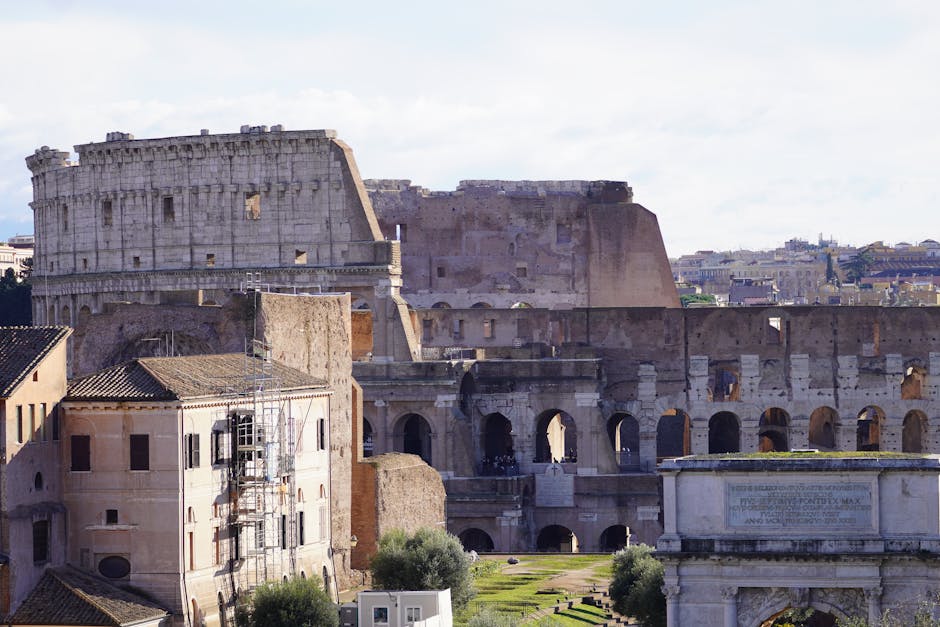
Explore Rome’s industrial heart on this self-guided walk featuring massive murals, the 'Iron Colosseum,' and unique industrial archaeology.
 Easy
EasyRome, Italy
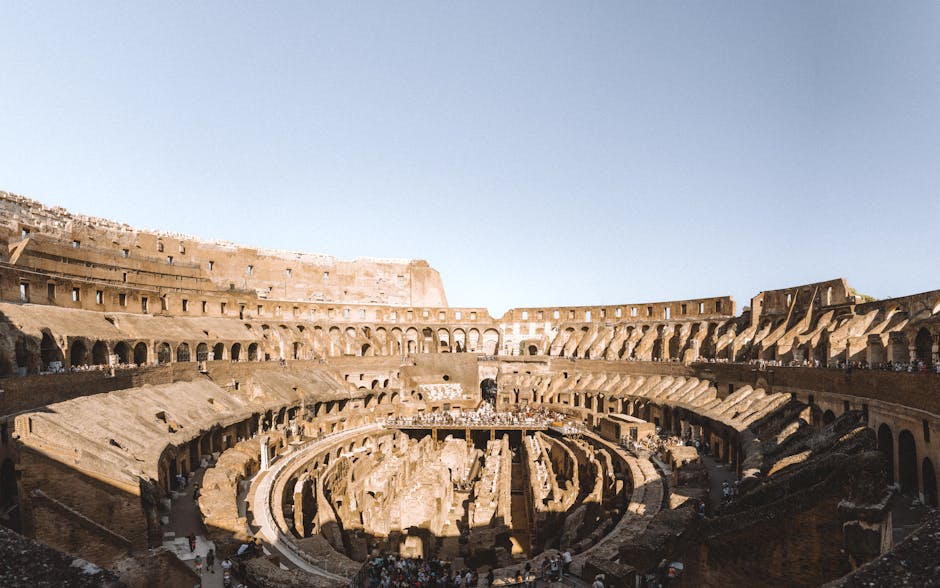
Explore Rome’s whimsical Fairytale District. A self-guided walk through Art Nouveau palaces, mythical fountains, and the magical Coppedè architecture.
 Moderate
Rome, Italy
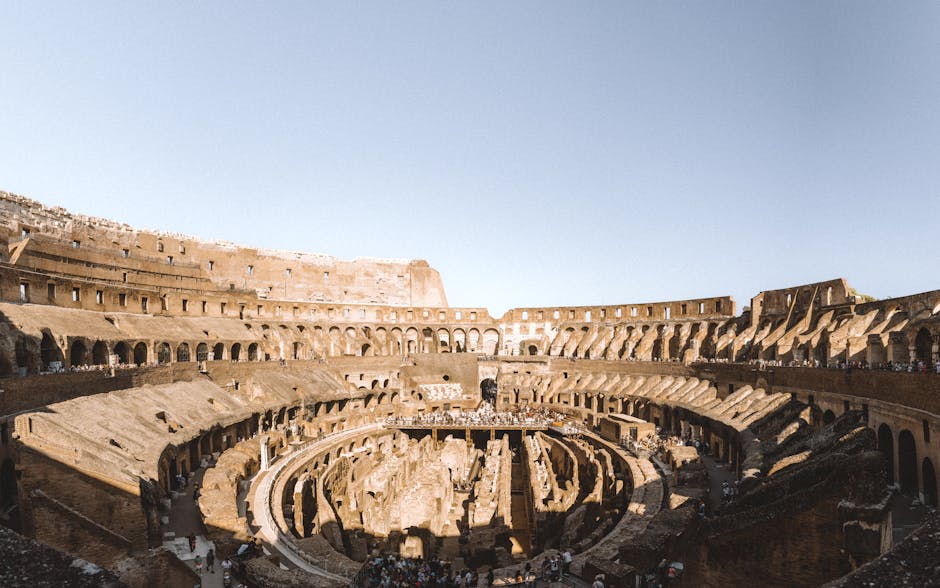
Uncover Rome's hidden history on this self-guided walk through ancient gladiator pits, subterranean temples, and buried Roman houses.
 Challenging
Rome, Italy
Walk the 'Queen of Roads.' Explore ancient catacombs, imperial villas, and historic basalt stones on this scenic self-guided Roman adventure.