Self-guided audio tour in Milan
Start Free on iPhone
Start free on iPhone to unlock this self-guided walking tour in Milan. Hear all the stories that make it amazing, walk at your own pace, and begin whenever you want.
Your Private Tour Guide
Step away from the soaring spires of the Duomo and discover a Milan that blossomed with the organic curves and floral motifs of the early 20th century. This self-guided walk through the Porta Venezia district invites you to explore the 'Stile Liberty,' Italy's unique take on Art Nouveau. During this period, Milan's rising industrial class sought to express their new wealth and modern sensibilities through architecture that broke away from traditional neoclassicism. This neighborhood stroll reveals how iron, concrete, and ceramic were transformed into delicate vines, mythical creatures, and elegant human forms. You will encounter the works of pioneering architects like Giuseppe Sommaruga and Giovanni Battista Bossi, whose designs turned residential buildings into open-air galleries. The walking route begins at the exquisite Casa Campanini, once the architect's personal residence, and winds through quiet streets where every balcony and window frame tells a story of artistic rebellion. You will see the controversial 'buttocks house'—Palazzo Castiglioni—and the breathtaking ceramic facade of Casa Galimberti, which remains one of the most photographed spots in the city. This walking tour Milan offers a different perspective on the city's history, focusing on a time when art and industry merged to create a new urban identity. Whether you are an architecture enthusiast or simply a traveler looking for a more peaceful side of the city, this audio walk provides the context needed to appreciate these hidden gems. Beyond the buildings, the route takes you through the lush Giardini Indro Montanelli, providing a natural backdrop to the man-made floral designs of the surrounding district. By exploring independently, you can linger over the intricate wrought iron gates and cement sculptures at your own pace, truly soaking in the atmosphere of Milan’s Belle Époque. This neighborhood is a testament to a time when Milan was reinventing itself as a modern metropolis, making it an essential experience for anyone interested in the soul of the city.
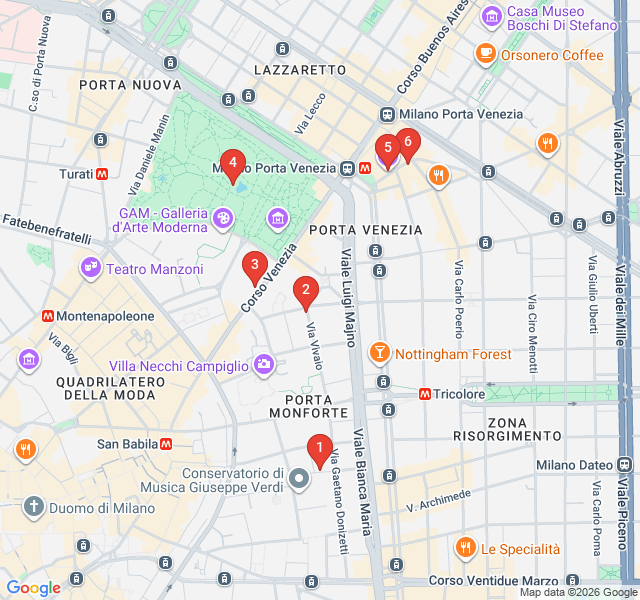
Numbers indicate the order of stops on the tour.
Welcome to the start of your self-guided adventure. You are standing before Casa Campanini, built between 1904 and 1906 as the private residence of architect Alfredo Campanini. This building is a masterpiece of Milanese Liberty style. Look closely at the main entrance, where two large concrete caryatids—sculpted by Michele Vedani—frame the door. Unlike the rigid statues of the past, these figures seem to grow organically from the stone. Campanini designed every detail here, from the intricate wrought-iron gates created by the famous Alessandro Mazzucotelli to the interior frescoes. It was a bold statement of the architect's talent, serving as a 'living catalog' of what the Liberty style could achieve in a residential setting.
As you arrive at the Berri Meregalli House, you might feel a shift in atmosphere. Built between 1911 and 1913 by Giulio Ulisse Arata, this building is a fascinating and somewhat dark example of late Liberty style mixed with Romanesque and Gothic elements. The facade is a heavy mix of brick, stone, and wrought iron, featuring strange animals and grotesque figures. If you can peek into the entrance hall, you will see a famous sculpture by Adolfo Wildt titled 'La Vittoria.' The building represents the more eclectic and experimental side of Milanese architecture, where the lightness of floral Art Nouveau began to merge with more imposing, monumental forms.
This grand building is Palazzo Castiglioni, often called the 'Manifesto' of the Liberty style in Milan. Designed by Giuseppe Sommaruga and completed in 1903, it broke all the rules of the time. Originally, two large nude statues stood over the entrance. They caused such a scandal among the conservative Milanese public that they were nicknamed 'the buttocks of Corso Venezia' and eventually removed. Even without them, the building is stunning. Notice the rough-hewn stone at the base, meant to resemble a natural cliff side, and the delicate floral ironwork in the windows. It was the first building in Milan to fully embrace the modern Art Nouveau spirit on such a grand scale.
Take a moment to enjoy the greenery of the Giardini Indro Montanelli. These gardens, established in the late 18th century, provide a perfect contrast to the stone and iron architecture you have been admiring. As you walk through, you are following in the footsteps of 19th-century Milanese high society who used these paths for their daily 'passeggiata.' The gardens are surrounded by some of the city's most important institutions, including the Natural History Museum and the Planetarium. In the context of our Liberty walk, the park serves as the lungs of the Porta Venezia district, reflecting the same appreciation for nature that inspired the floral designs on the nearby apartment buildings.
Prepare to be dazzled by Casa Galimberti. Built between 1903 and 1905, this is perhaps the most colorful and photographed Liberty building in Milan. The architect, Giovanni Battista Bossi, covered almost the entire facade with ceramic tiles painted with figures of men and women, lush vegetation, and intricate patterns. These tiles weren't just for decoration; they were a practical way to keep the building clean in the industrial city. Take a moment to look at the wrought-iron balconies, which seem to flow like liquid metal. Casa Galimberti represents the peak of the 'floral' phase of Art Nouveau, where the goal was to turn a functional apartment block into a vibrant work of art.
Just a few steps away from Casa Galimberti sits its 'sister' building, Casa Guazzoni. Also designed by Giovanni Battista Bossi around the same time, it offers a different take on the Liberty style. While Galimberti focused on color and ceramics, Casa Guazzoni emphasizes texture and depth. Look at the elaborate cement carvings that wrap around the windows and the exceptionally fine wrought ironwork on the balconies. The figures depicted in the cement seem to be caught in movement, weaving through the architectural elements. This building marks the end of our walking route, standing as a final testament to the incredible craftsmanship and imagination that defined Milan's golden age of architecture.
Start Free on iPhone
Explore “Milanese Art Nouveau: The Liberty Style of Porta Venezia” with your very own Private Tour Guide with Zigway. Start free on iPhone, skip the large group and the fixed routes, and hear the city come alive as you go.
Your Private Tour Guide
Don't miss the good stuff
Explore Freely
 Moderate
Milan, Italy
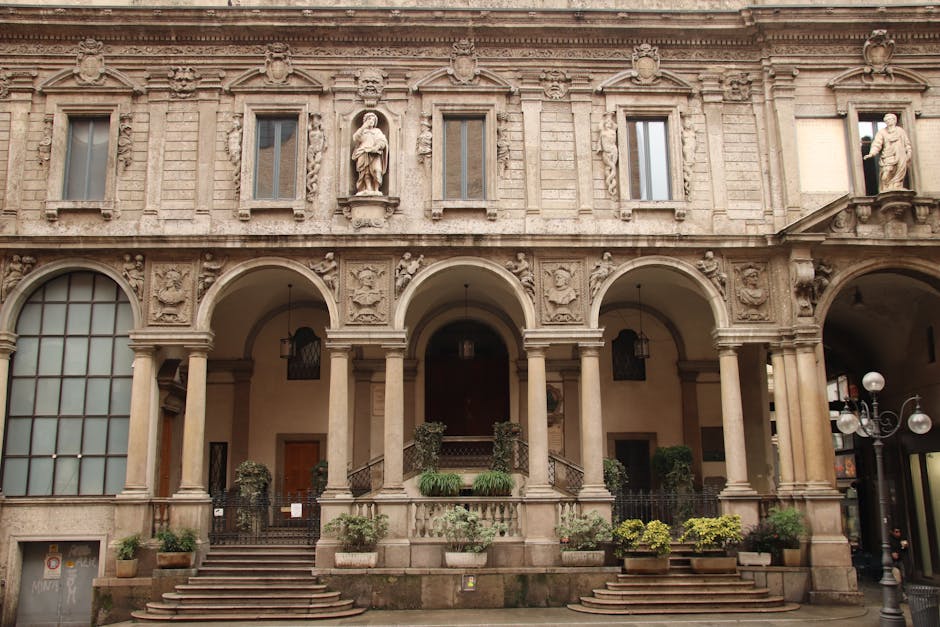
Uncover the hidden capital of the Western Roman Empire on this self-guided walk through Milan's ancient ruins and historic Cinque Vie district.
 Moderate
Milan, Italy
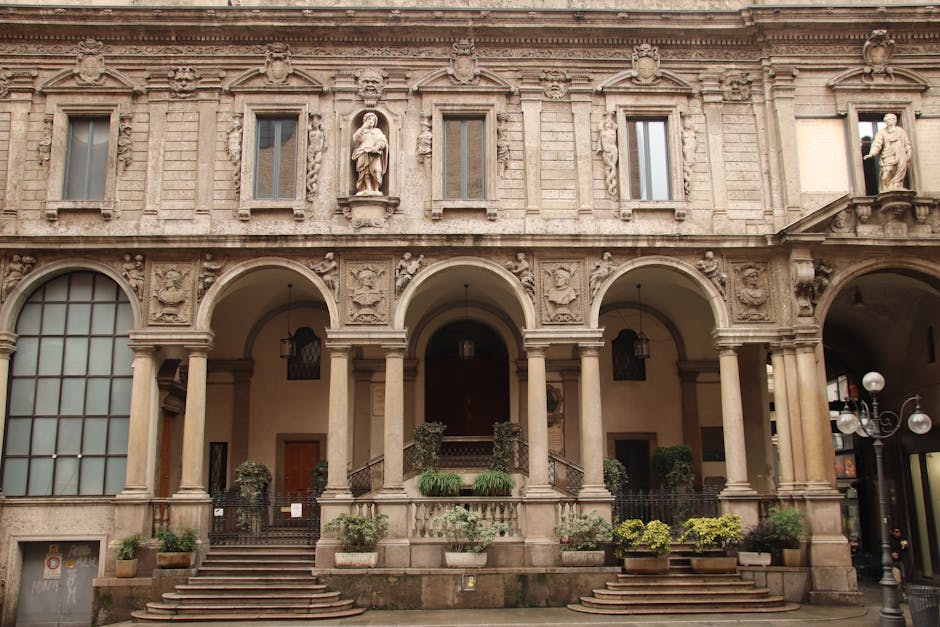
Uncover Milan's dark past on this self-guided walk through plague hospitals, execution grounds, and bone-lined chapels.
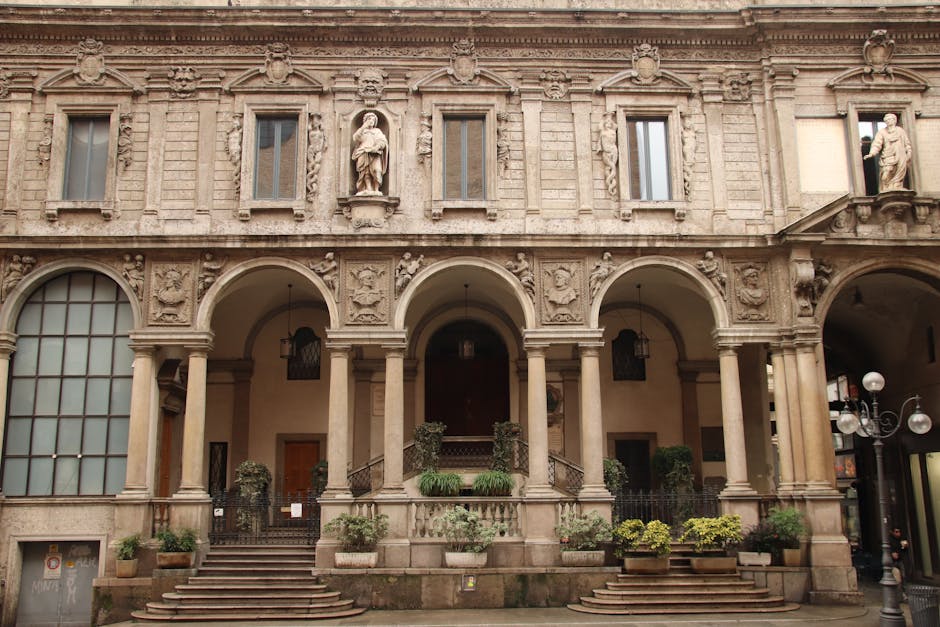 Moderate
Milan, Italy
Explore Milan's historic waterways and ancient basilicas on this self-guided stroll through the vibrant and historic Navigli district.
 Moderate
Milan, Italy
Explore Milan’s creative heart on this self-guided walk through Isola’s vibrant murals, modern architecture, and hidden industrial history.
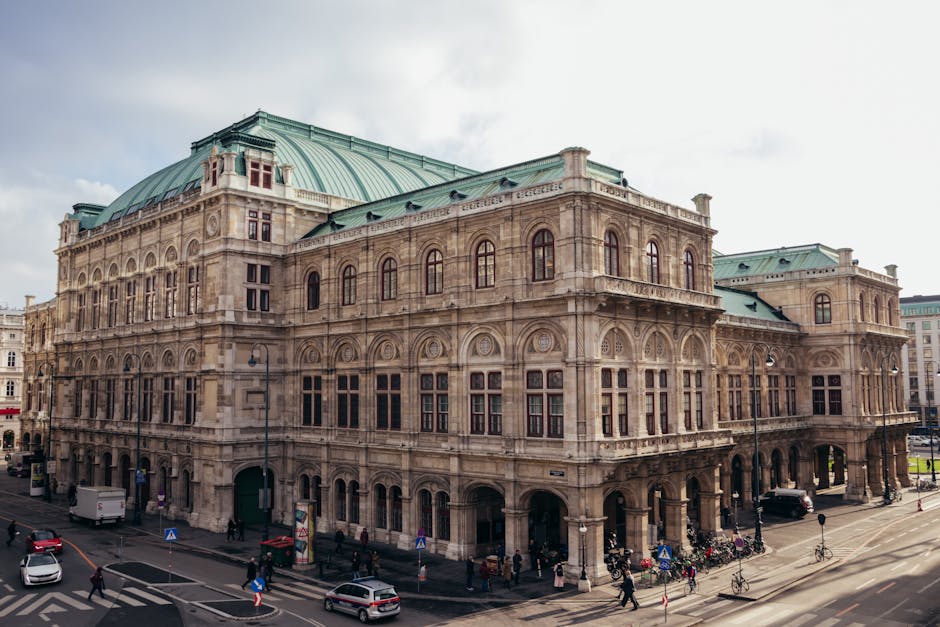 Moderate
Vienna, Austria
Discover the noir world of The Third Man and Cold War Vienna on this atmospheric self-guided audio walk through the historic Innere Stadt.
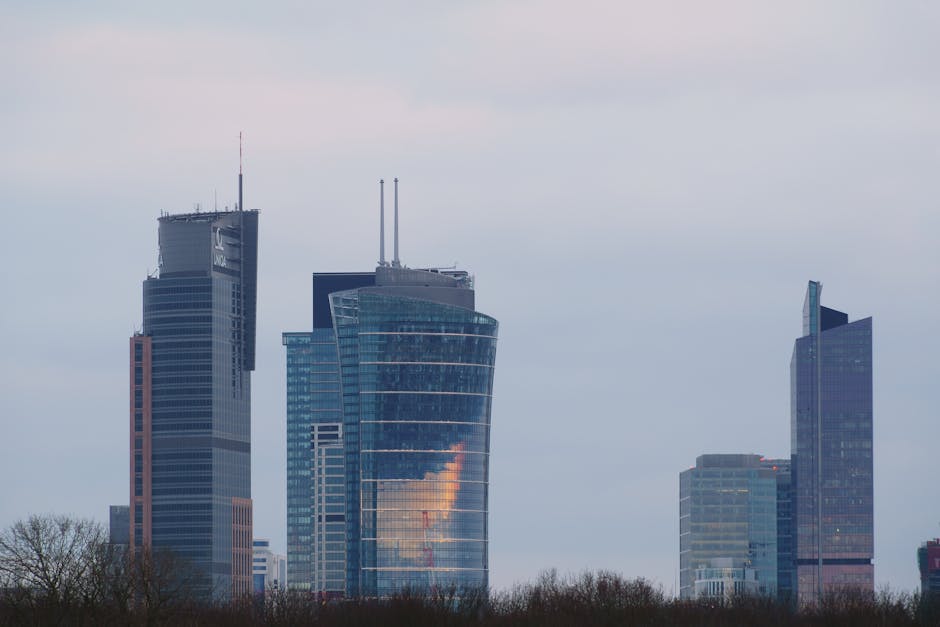 Easy
EasyWarsaw, Poland
Discover the hidden courtyards and grand pre-war architecture of Warsaw's most atmospheric neighborhood on this self-guided stroll.
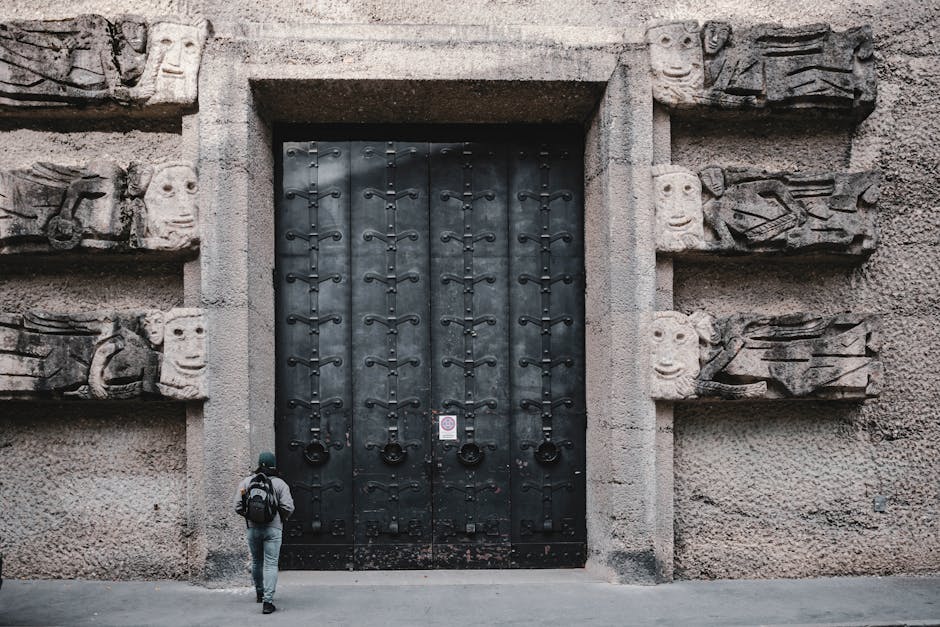 Easy
EasySalzburg, Austria
Discover Salzburg's oldest medieval alley, the birthplace of the 'Silent Night' author, and breathtaking views on this quiet self-guided walk.
 Easy
EasyGothenburg, Sweden
Explore Gothenburg’s historic wooden houses, legendary giant cinnamon buns, and panoramic fortress views on this self-guided neighborhood stroll.
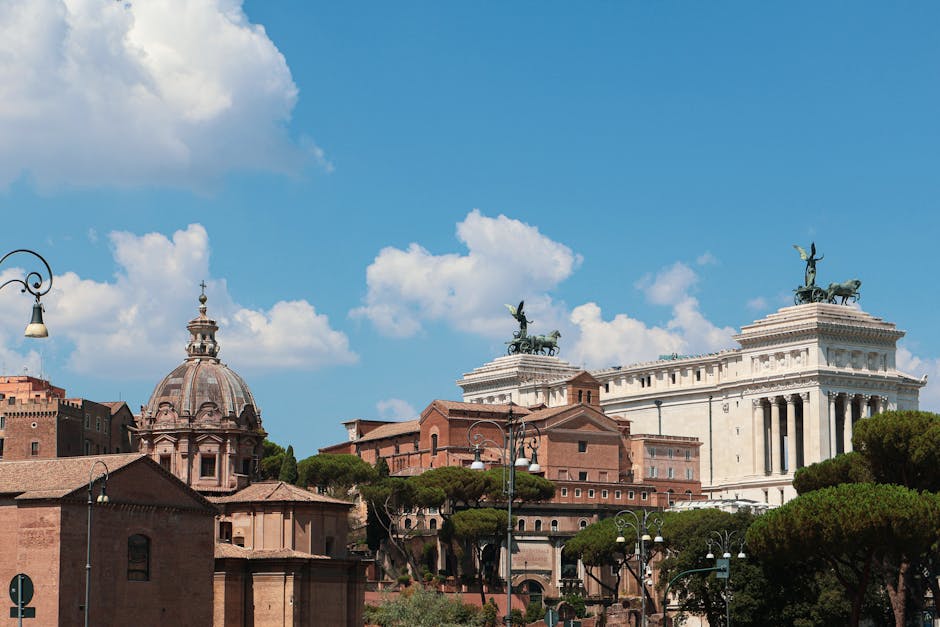 Easy
EasyRome, Italy
Explore Rome’s industrial heart on this self-guided walk featuring massive murals, the 'Iron Colosseum,' and unique industrial archaeology.
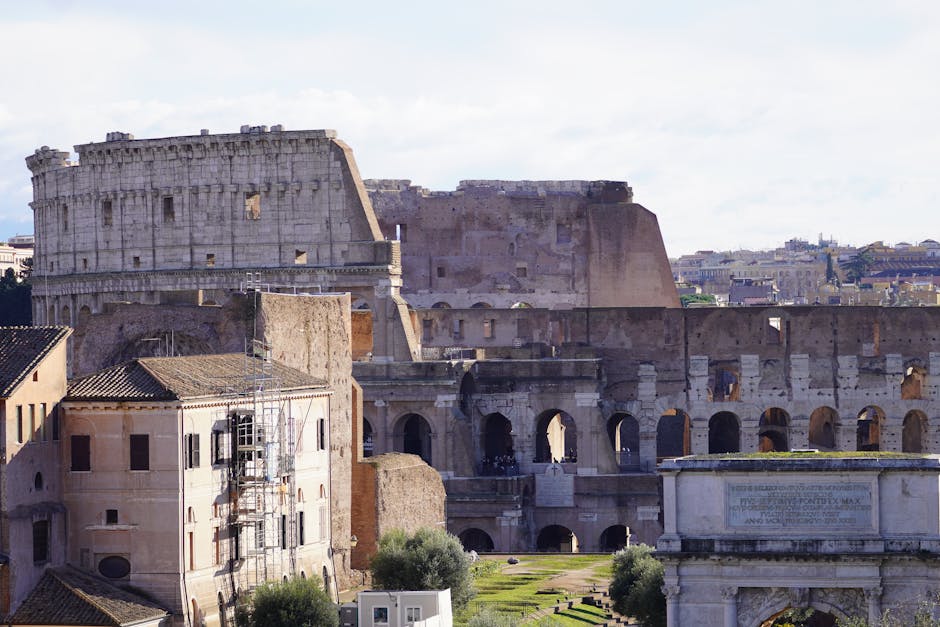 Easy
EasyRome, Italy
Explore Rome’s whimsical Fairytale District. A self-guided walk through Art Nouveau palaces, mythical fountains, and the magical Coppedè architecture.
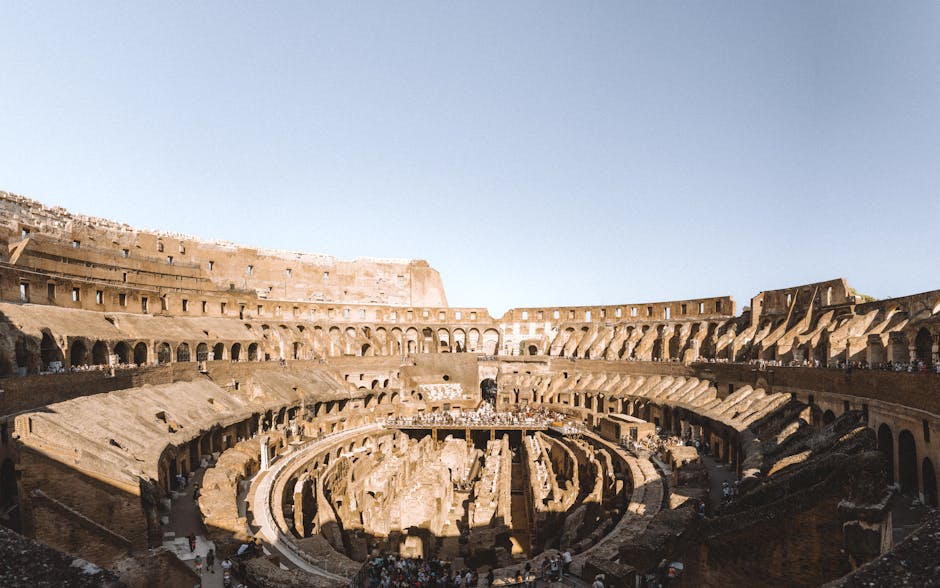 Moderate
Rome, Italy
Uncover Rome's hidden history on this self-guided walk through ancient gladiator pits, subterranean temples, and buried Roman houses.
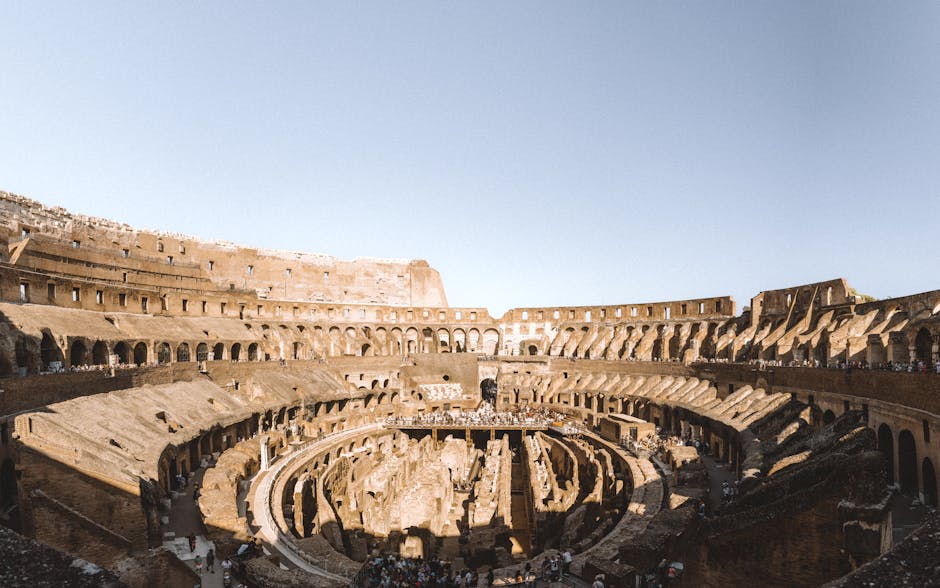 Challenging
Rome, Italy
Walk the 'Queen of Roads.' Explore ancient catacombs, imperial villas, and historic basalt stones on this scenic self-guided Roman adventure.