Self-guided audio tour in Varanasi
Start Free on iPhone
Start free on iPhone to unlock this self-guided walking tour in Varanasi. Hear all the stories that make it amazing, walk at your own pace, and begin whenever you want.
Your Private Tour Guide
Varanasi is a city of layers, and the neighborhood of Bengali Tola is perhaps its most soulful. This self-guided walking route invites you to step away from the primary tourist thoroughfares and into a labyrinth where art, music, and tradition collide. Historically settled by the Bengali community who came to the holy city for spiritual solace, this area has evolved into a bohemian sanctuary for artists, musicians, and travelers from around the globe. This neighborhood stroll allows you to experience the 'Banaras Gharana' music tradition, witness the daily rituals at the lesser-known ghats, and explore the hidden culinary gems that define this district. For those seeking a walking tour Varanasi style, this path through Bengali Tola offers a sensory immersion that captures the city's intellectual and creative heart. You will begin at the International Music Center Ashram, a place where the strings of the sitar and the rhythm of the tabla create a constant backdrop to the city's pulse. As you navigate the narrow 'galis' (alleys), the route takes you through Bangali Tola’s vibrant street life and toward the serene Munshi Ghat. Unlike the more famous Dashashwamedh Ghat, the riverfront here feels more personal and contemplative. The walk also highlights the city's modern bohemian spirit with a stop at the famous Brown Bread Bakery, a pioneer in the local organic food scene. Your journey continues to Kedar Ghat, recognizable by its striking striped architecture, reflecting the South Indian influence in this diverse city. Finally, you will find yourself at Chandra Koop, an ancient well with deep celestial significance. While many travelers look for a guided tour Varanasi offers, exploring these alleys independently allows you to pause whenever a melody catches your ear or a hidden mural catches your eye. This walking tour Varanasi experience is designed for those who want to see the city not just as a religious center, but as a living, breathing canvas of human expression. **Note:** This area is known for its ever-changing character. Street art, pop-up venues, and temporary exhibitions may differ from what's described. That's part of the adventure - you might discover something entirely new!
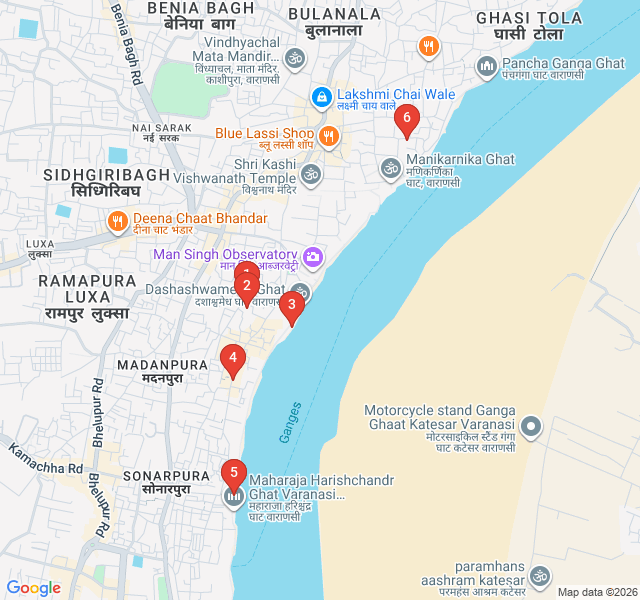
Numbers indicate the order of stops on the tour.
Welcome to the start of your self-guided adventure. Varanasi is the cultural heart of India, and the International Music Center Ashram is a primary artery. This center is dedicated to the 'Banaras Gharana,' a centuries-old tradition of Indian classical music. As you stand here, you might hear the faint sounds of a sitar or the rhythmic pulse of a tabla. This isn't just a school; it's a sanctuary where the ancient 'Guru-Shishya' (teacher-student) tradition continues to thrive. The music here is seen as a form of meditation, a way to connect with the divine. Take a moment to appreciate the quiet dedication of the artists who keep these complex musical languages alive in the modern world.
As you move deeper into the neighborhood, you are entering Bangali Tola. This area was established by the Bengali community, who brought their distinct language, cuisine, and artistic sensibilities to Varanasi. The alleys here are narrower and more intimate than the main bazaar. Look for small shrines tucked into walls and vibrant street art that occasionally appears on the ancient stones. The 'galis' are a living theater—watch for silk weavers at work, local residents sharing news over chai, and the occasional sacred cow navigating the path with surprising grace. This is the authentic, unhurried side of the city that most visitors miss.
Step out from the alleys and onto Munshi Ghat. This ghat is named after Sridhara Narayana Munshi, a finance minister of the Nagpur State. It is known for its impressive palatial structure that towers over the riverfront. Notice the transition in energy as the narrow walls of the city open up to the vastness of the Ganges. This spot is particularly beautiful in the early morning light when the stone takes on a golden hue. It’s a perfect place to observe the 'dhobis' (washermen) and the pilgrims performing their morning 'surya namaskar' or sun salutations by the water’s edge.
Tucked away in the heart of the neighborhood is the Brown Bread Bakery. This spot has become a landmark for the bohemian and eco-conscious community in Varanasi. It was one of the first places in the city to focus on organic produce and support local rural development projects. While the menu is famous for its diverse breads and cheeses, the bakery also serves as a cultural crossroads where travelers and locals exchange stories. The atmosphere here captures the modern, international layer of Bengali Tola’s identity. It’s an ideal place to pause and absorb the neighborhood's unique blend of tradition and global influence.
Continue south to Kedar Ghat, one of the most visually striking spots on the river. You’ll immediately notice the red and white vertical stripes on the steps and the temple, a hallmark of South Indian architectural style. This ghat is dedicated to Lord Shiva as Kedareshwar, and many pilgrims believe that visiting this temple is equivalent to visiting the famous Kedarnath temple in the Himalayas. The steps here are usually bustling with activity, yet the atmosphere remains deeply spiritual. The contrast between the Bengali influence you’ve just explored and this South Indian aesthetic highlights the incredible diversity of the people who call this city home.
Your walk concludes at Chandra Koop, located near the Siddheshwari Temple. 'Chandra Koop' translates to 'Moon Well.' According to legend, this ancient well has celestial properties; it is said that if you can see your reflection clearly in the water at noon, you are blessed with good health and a long life. The well is surrounded by small shrines and is often frequented by locals seeking spiritual clarity. This quiet corner represents the hidden, mystical side of Varanasi—a place where the alignment of the stars and the depth of the earth meet in a simple, stone-lined well. It is a peaceful place to reflect on your journey through the art and alleys of this ancient city.
Start Free on iPhone
Explore “Bohemian Banaras: Art and Alleys of Bengali Tola” with your very own Private Tour Guide with Zigway. Start free on iPhone, skip the large group and the fixed routes, and hear the city come alive as you go.
Your Private Tour Guide
Don't miss the good stuff
Explore Freely
 Moderate
Varanasi, India
Discover the spiritual heart of Varanasi on this self-guided walk through ancient lanes, grand corridors, and sacred riverfront ghats.
 Moderate
Varanasi, India
Explore the ancient spiritual reservoirs of Varanasi on this self-guided walk through sacred kunds and the iconic Durga Temple.
 Easy
EasyVaranasi, India
Discover the literary soul of Varanasi on this self-guided walk through Assi, the home of legendary poets, scholars, and historic tea-stall debates.
 Easy
EasyVaranasi, India
Explore the lush greenery and Indo-Saracenic architecture of Banaras Hindu University on this peaceful self-guided campus stroll.
 Easy
EasyKrakow, Poland
Explore Krakow's hidden nightlife with this self-guided walk through medieval cellars, jazz clubs, and bohemian bars in the Old Town and Kazimierz.
 Moderate
Gdansk, Poland
Discover Zaspa, a massive open-air gallery where grey housing blocks are transformed by over 60 monumental murals. Explore at your own pace.
 Easy
EasyWarsaw, Poland
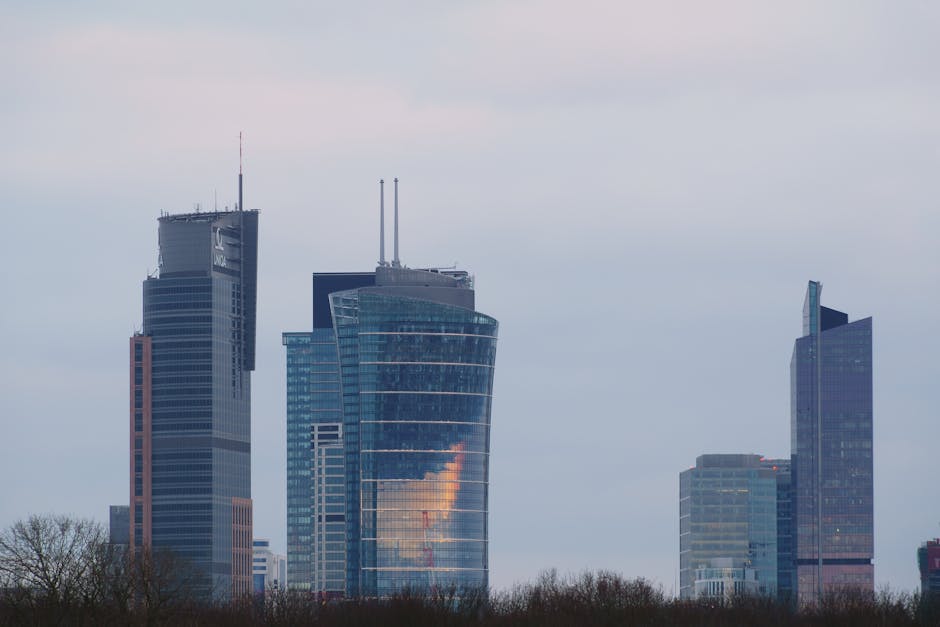
Discover the hidden courtyards and grand pre-war architecture of Warsaw's most atmospheric neighborhood on this self-guided stroll.
 Moderate
Helsinki, Finland
Explore Helsinki's bohemian heart. Discover historic saunas, granite churches, and the vibrant local life of the Kallio neighborhood at your own pace.
 Easy
EasyMumbai, India
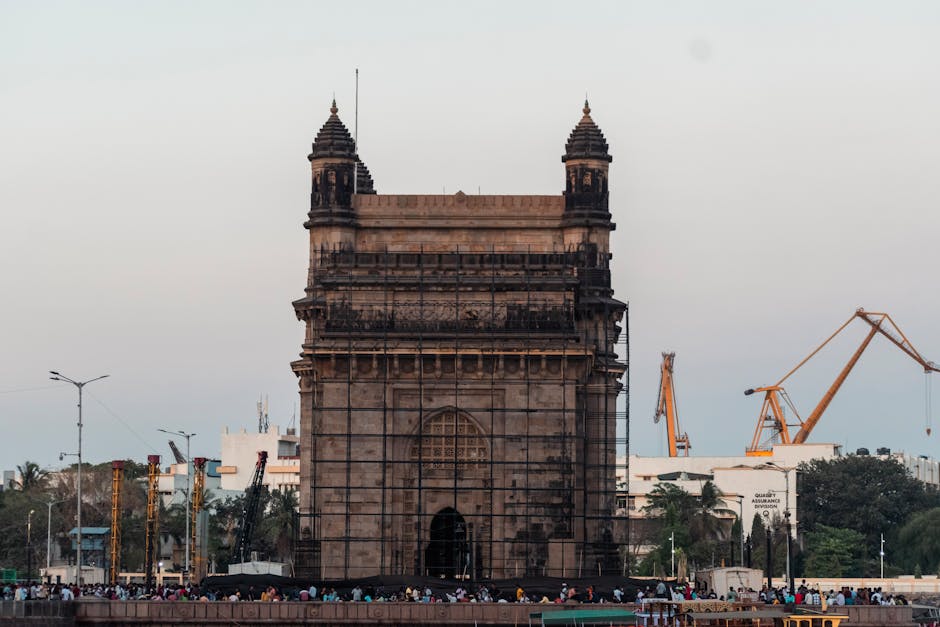
Explore Mumbai's stunning UNESCO Art Deco heritage on this self-guided walking route along the iconic Marine Drive promenade.
 Challenging
Mumbai, India
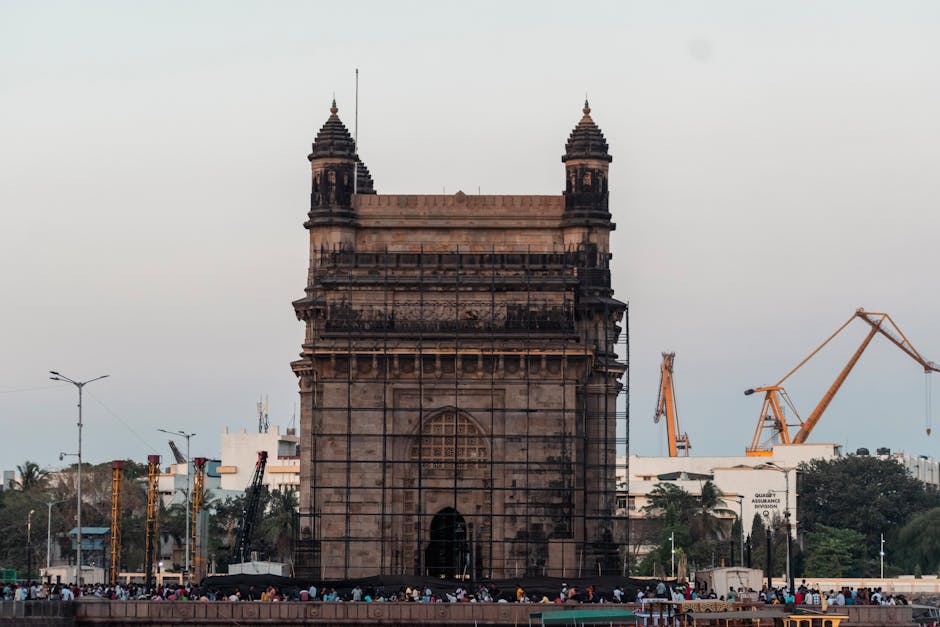
Experience the sensory explosion of Mumbai's historic markets on this challenging self-guided walk through Kalbadevi and Crawford Market.
 Easy
EasyMumbai, India
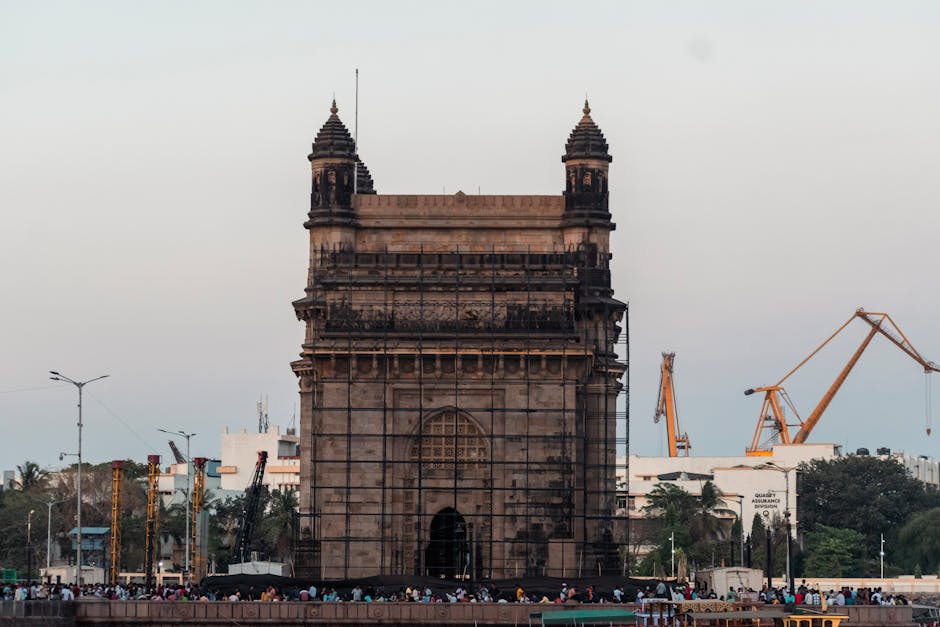
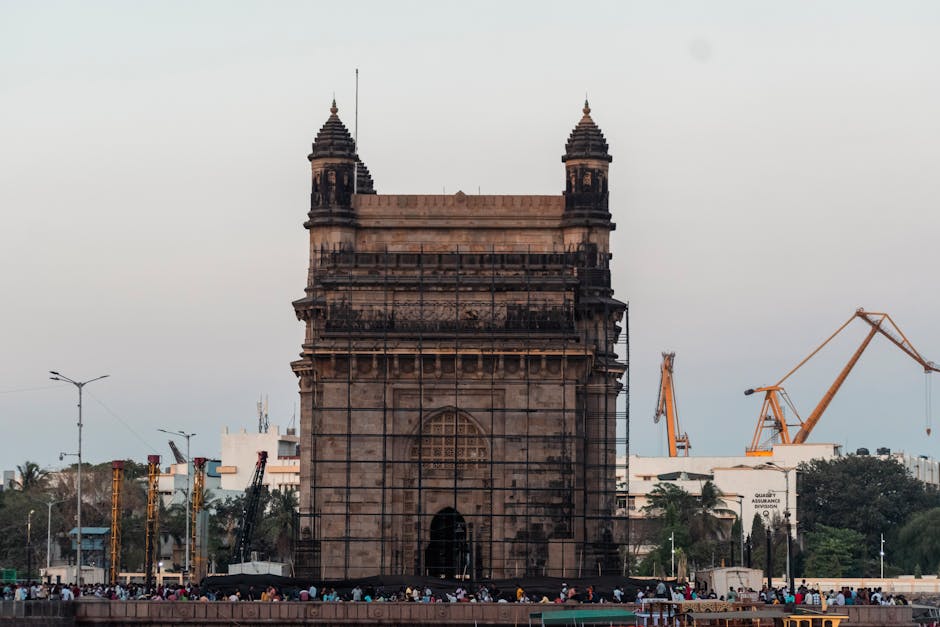
Explore Mumbai's colonial legacy on this self-guided walk through Colaba's iconic landmarks, from the Gateway of India to grand Art Deco palaces.
 Moderate
Mumbai, India
Explore the ancient fishing village of Worli Koliwada, historic forts, and stunning sea views on this self-guided cultural walking route.