Self-guided audio tour in Oaxaca
Start Free on iPhone
Start free on iPhone to unlock this self-guided walking tour in Oaxaca. Hear all the stories that make it amazing, walk at your own pace, and begin whenever you want.
Your Private Tour Guide
Step into a world where every thread tells a story and every color has a history. This self-guided walk through Oaxaca’s Centro Histórico invites you to explore the intricate relationship between the city’s colonial architecture and its world-renowned textile traditions. Oaxaca is often called the cultural heart of Mexico, and nowhere is this more evident than in the vibrant patterns of the Zapotec and Mixtec people that decorate the shop windows and museum galleries of the city center. On this neighborhood stroll, you will move beyond the surface of the 'cantera verde' (green quarry stone) buildings to discover the deep-rooted artistry that defines the region. This walking route is designed for those who appreciate the slow craft of weaving, the precision of design, and the historical narratives woven into the very fabric of Oaxacan life. Beginning on the iconic Calle Macedonio Alcalá, you will traverse the pedestrian heart of the city, passing through spaces that celebrate everything from 19th-century Tehuantepec fashion to modern philatelic design. You will have the opportunity to visit the Museo Textil de Oaxaca, housed in a beautifully restored 18th-century mansion, where the global connections of textile art are showcased with stunning clarity. Nearby, the Centro Cultural San Pablo demonstrates how ancient convent walls can find new life as a hub for indigenous language and textile preservation. This route isn't just a walking tour Oaxaca enthusiasts recommend for its beauty; it is a deep dive into the soul of Mexican craftsmanship. You will see how traditional motifs are being reinvented by contemporary designers at boutiques like 100 X OAXACA, proving that these ancient threads are still very much alive. Whether you are a textile collector, a history buff, or simply a traveler looking for a peaceful way to experience the city's artistic heritage, this self-guided adventure offers the flexibility to linger at a loom or contemplate a courtyard at your own pace.
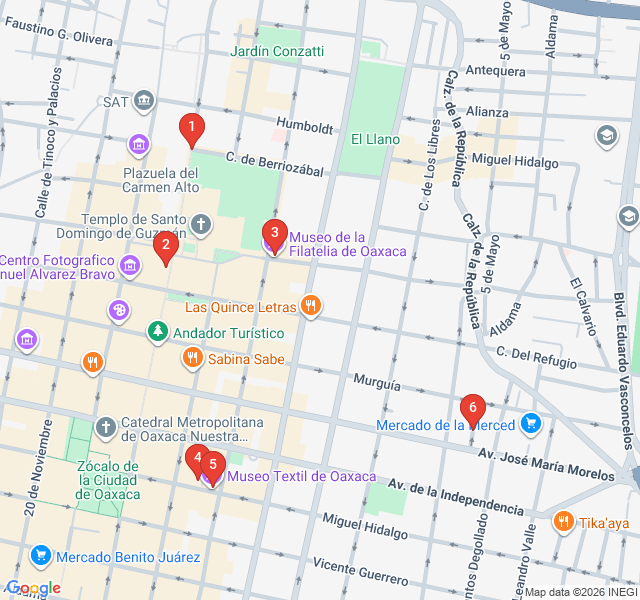
Numbers indicate the order of stops on the tour.
Welcome to the Andador Turístico, the pedestrian heartbeat of Oaxaca. As you begin your walking route, take a moment to admire the 'cantera verde'—the unique green volcanic stone that gives the city its distinctive glow. This street is named after the composer of the 'Dios nunca muere,' Oaxaca's unofficial anthem. Historically, this was the primary axis connecting the Zócalo to the Church of Santo Domingo. Today, it serves as an open-air gallery of Oaxacan life. Look up at the wrought-iron balconies and heavy wooden doors; behind many of these facades lie hidden courtyards that have hosted artisans and merchants for centuries.
Named after Juana Catarina Romero, a legendary figure and patron of the Isthmus of Tehuantepec, this space is a tribute to the power and elegance of Oaxacan women. Here, the focus is on the 'Traje de Tehuana,' the elaborate velvet and lace attire famously worn by Frida Kahlo. The intricate embroidery you see—often featuring large, vibrant flowers—is done using a technique called 'cadenilla.' This shop-museum hybrid showcases how textile design is a mark of identity and status, reflecting the matriarchal strength of the Isthmus region. It is a perfect introduction to the complexity of regional patterns you will see throughout your walk.
It might seem surprising to find a stamp museum on a textile and design walk, but MUFI is a masterclass in graphic arts and preservation. The museum explores the intersection of communication and design. Notice how the stamps often mirror the textile patterns of the regions they represent. The building itself is an architectural gem, blending a traditional colonial house with modern, minimalist additions. Don't miss the courtyard with its towering cacti; it provides a quiet space to appreciate how Oaxacan design seamlessly integrates nature with the built environment. It is a testament to the city's dedication to niche cultural preservation.
This site was the first Dominican convent in Oaxaca, established in the 1500s. After centuries of being partitioned into private homes and even a hotel, it was meticulously restored to reveal its original 16th-century cloisters. The design here is a conversation between the old and the new, featuring a glass-enclosed courtyard that protects the ancient stone. San Pablo is a vital center for the study of indigenous languages and often hosts textile-related academic events. The peaceful atmosphere and the library specializing in Mesoamerican history make it a cornerstone of the city's intellectual and artistic design landscape.
Housed in the former orchard of the San Pablo convent, this museum is the crown jewel of your textile journey. It was created to celebrate the diversity of textures, techniques, and designs from Oaxaca and beyond. The collection includes thousands of pieces, from ancient fragments to contemporary masterpieces. As you explore, look for the 'tinte de cochinilla'—a brilliant red dye derived from insects living on cacti, which once made Oaxaca one of the wealthiest cities in the Spanish Empire. The museum emphasizes the human hand behind the fabric, showcasing the immense skill required for backstrap weaving and natural dyeing.
Your stroll concludes at 100 X OAXACA, a space that bridges the gap between ancient tradition and modern fashion. This boutique highlights how traditional Oaxacan design can be adapted for the 21st century without losing its soul. You will find clothing and home goods that utilize traditional weaving techniques—like those from the village of Santo Tomás Jalieza—but with contemporary silhouettes and palettes. It is the perfect place to see the 'Threads of Tradition' in their most current form, proving that Oaxacan design is not a relic of the past, but a living, breathing, and evolving art form.
Start Free on iPhone
Explore “Threads of Tradition: Textiles and Design” with your very own Private Tour Guide with Zigway. Start free on iPhone, skip the large group and the fixed routes, and hear the city come alive as you go.
Your Private Tour Guide
Don't miss the good stuff
Explore Freely
 Easy
EasyOaxaca, Mexico
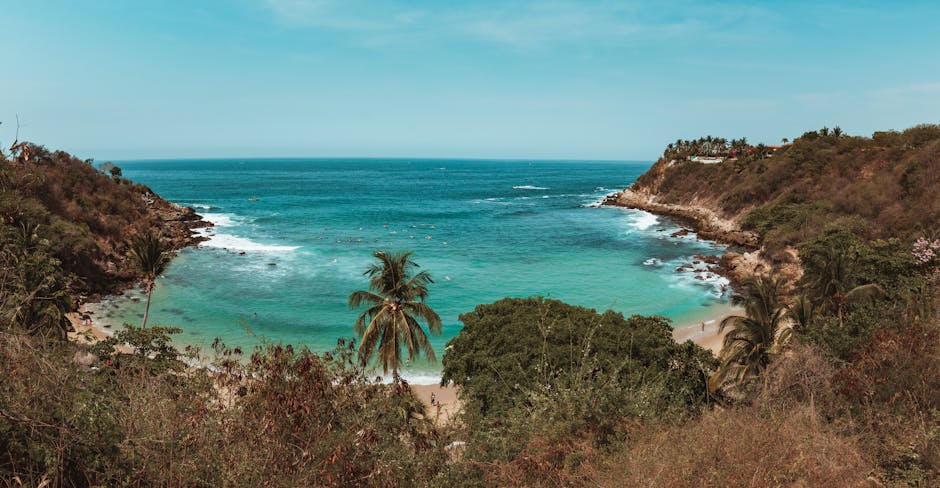
Explore Oaxaca’s oldest barrio on this self-guided walk through colonial aqueducts, colorful streets, and traditional artisan workshops.
 Easy
EasyOaxaca, Mexico
Explore Oaxaca's vibrant modern art scene, from revolutionary printmaking collectives to world-class contemporary museums, at your own pace.
 Moderate
Oaxaca, Mexico
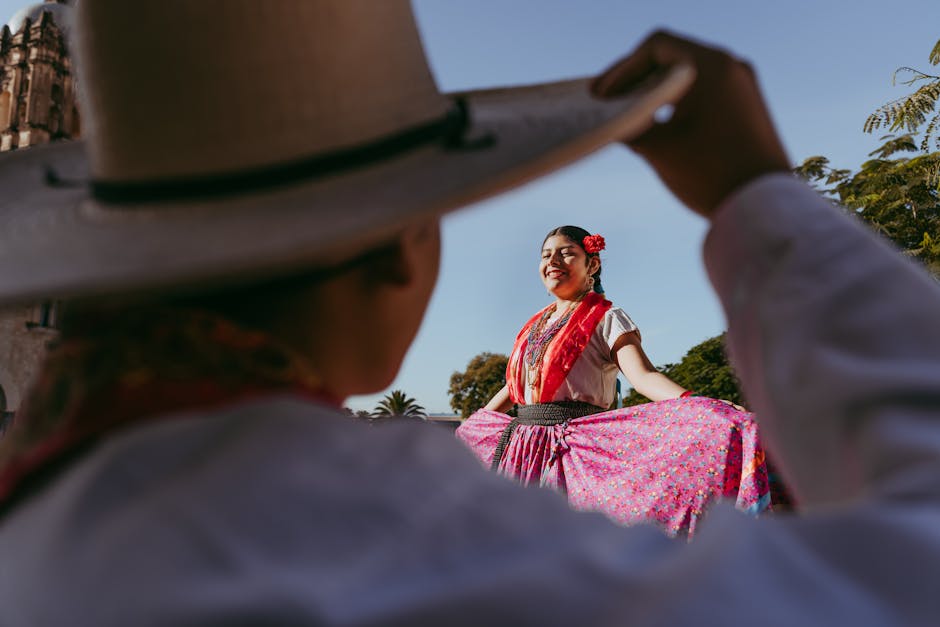
Explore the heights of Oaxaca on this self-guided walk, featuring panoramic city views, cultural landmarks, and the iconic Cerro del Fortín.
 Easy
EasyOaxaca, Mexico
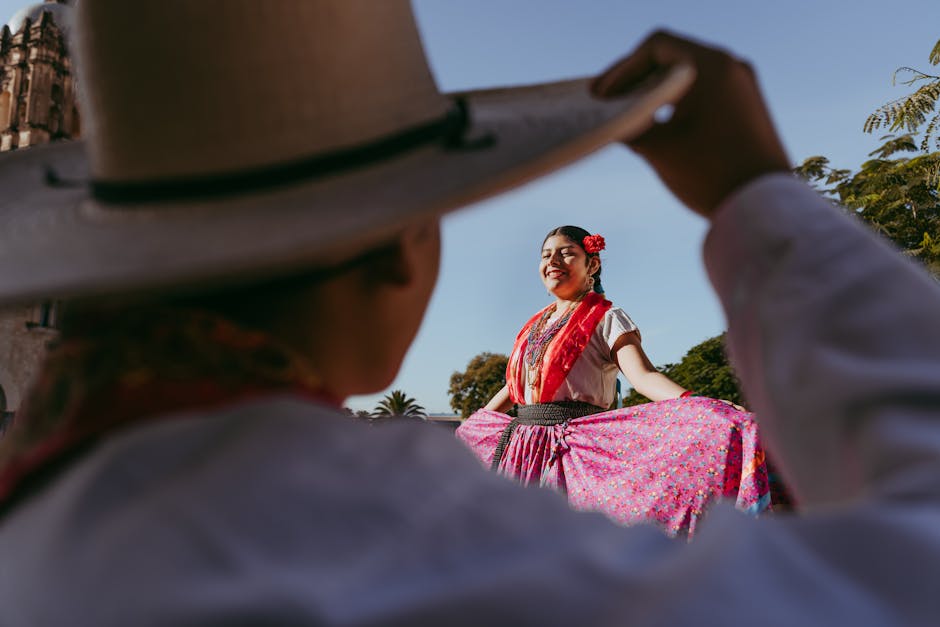
Explore Oaxaca's 'Green City' at your own pace. Discover Baroque masterpieces and the vibrant Zócalo on this self-guided neighborhood stroll.
 Easy
EasyGdansk, Poland
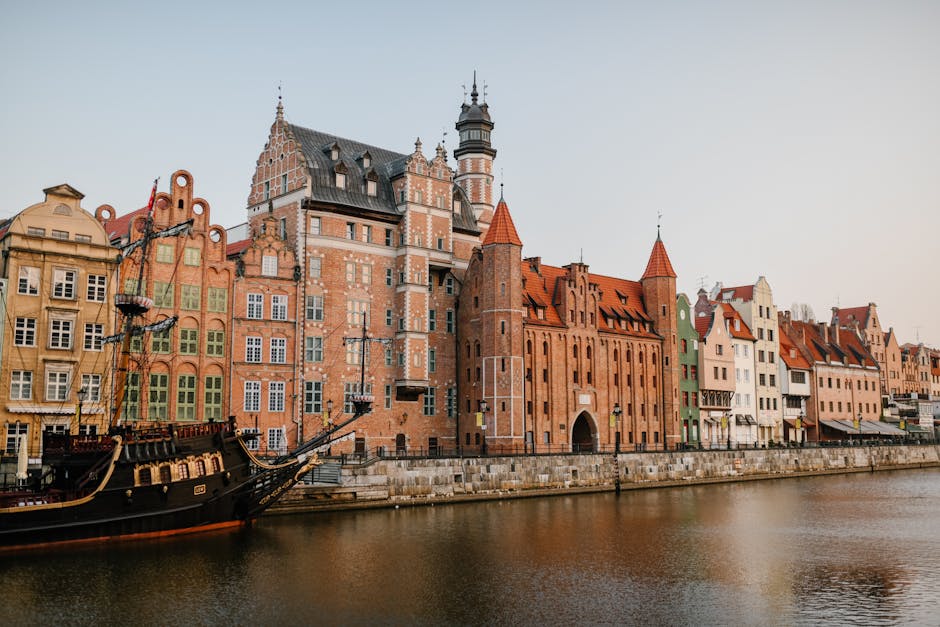
Discover the 'Baltic Gold' on this self-guided walk through Gdansk's historic mills, massive cathedrals, and the magical Mariacka Street.
 Easy
EasyNairobi, Kenya
Explore the history of Kenya’s independence through the statues, monuments, and parks that define Nairobi’s political heart on this self-guided walk.
 Easy
EasyNairobi, Kenya
Discover Nairobi's iconic skyline on this self-guided architecture walk through the CBD’s most famous modernist and Brutalist landmarks.
 Easy
EasyNairobi, Kenya
Discover Nairobi’s literary soul on this self-guided walk through historic libraries, iconic bookshops, and cultural centers in the heart of the CBD.
 Easy
EasyMexico City, Mexico
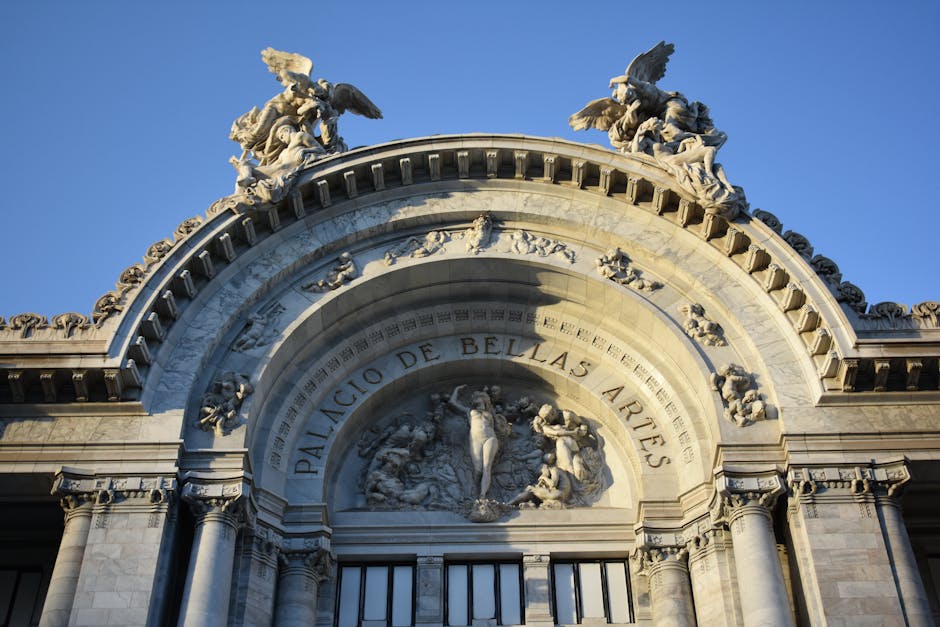
Explore Mexico City's most glamorous district on this self-guided walk through Polanco's luxury boutiques, lush parks, and iconic art museums.
 Easy
EasyMexico City, Mexico
Explore the Art Deco architecture and gourmet food scene of Roma Norte on this self-guided neighborhood stroll through Mexico City’s creative heart.
 Easy
EasyMexico City, Mexico
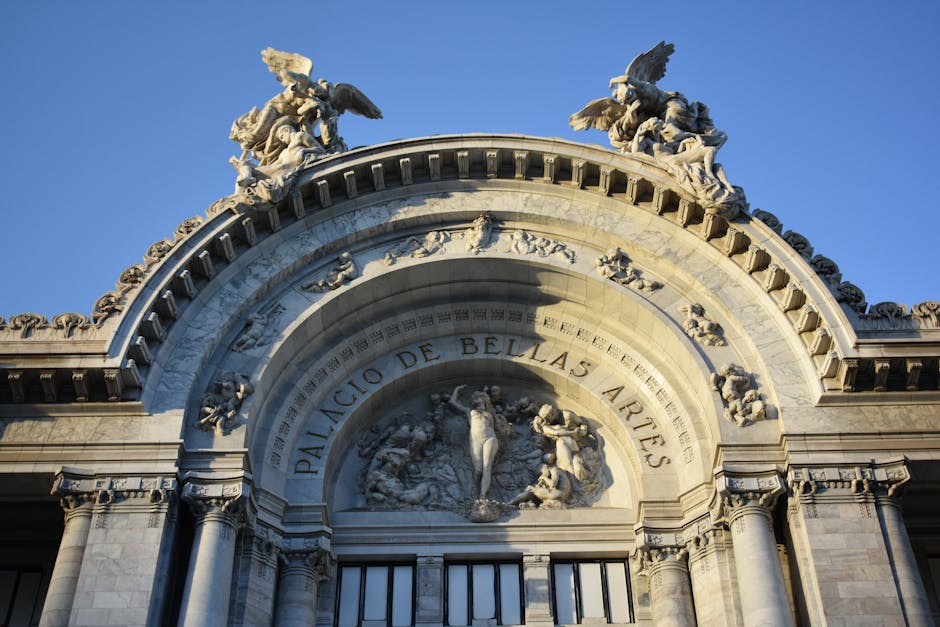
Explore the epic murals of Rivera, Orozco, and Siqueiros on this self-guided walking route through the heart of Mexico City’s historic center.
 Moderate
Mexico City, Mexico
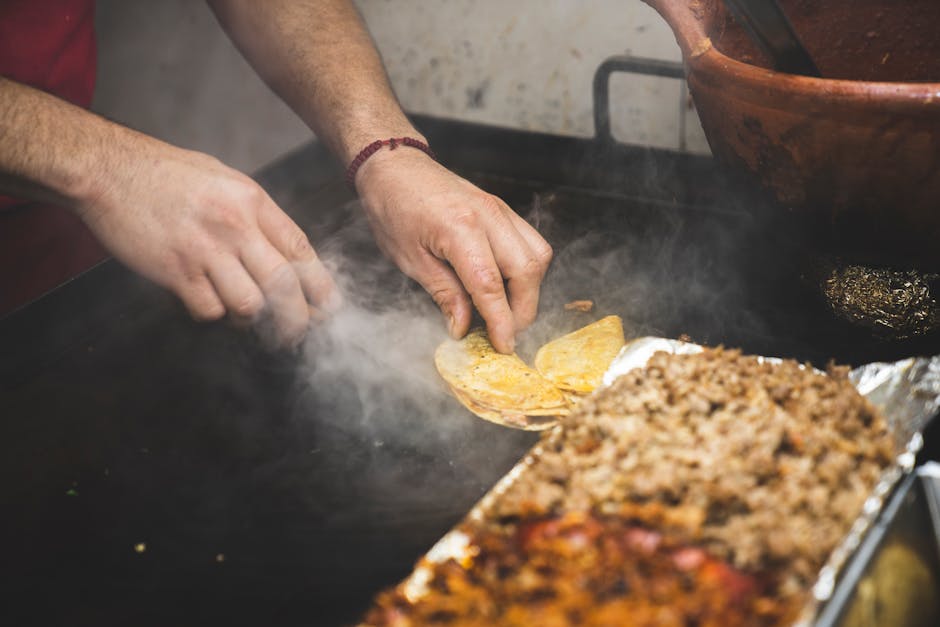
Taste the legendary tacos and cantina culture of Narvarte on this self-guided walk through Mexico City's most authentic foodie neighborhood.