Self-guided audio tour in Mexico City
Start Free on iPhone
Start free on iPhone to unlock this self-guided walking tour in Mexico City. Hear all the stories that make it amazing, walk at your own pace, and begin whenever you want.
Your Private Tour Guide
Step into Colonia Juárez, a neighborhood that serves as a living timeline of Mexico City’s transformation from Porfirian elegance to contemporary cool. Once the exclusive playground of the 19th-century elite, this district was designed to mimic the grand boulevards of Europe. On this self-guided walk, you will witness how the 'Belle Époque' mansions of the aristocracy have evolved into canvas-covered galleries, avant-garde theaters, and artisanal spaces. This walking route highlights the architectural friction between the old world and the new, offering a deep dive into the stories etched into the neighborhood's stone facades. Your exploration begins at the striking Edificio Gaona, a masterpiece of eclectic architecture that signals the start of the historic Bucareli avenue. As you navigate the leafy streets, you will encounter the Museo del Chocolate, housed in a beautifully restored mansion, and the vibrant Plaza Giordano Bruno, which sits at the crossroads of the area’s diverse cultural history. The route concludes at the towering Monument to the Revolution, a massive Art Deco structure that stands as a symbol of the nation's political shifts. Unlike a traditional walking tour Mexico City might offer, this neighborhood stroll allows you to linger at a local cafe or admire the intricate ironwork of a gate without following a rigid group schedule. It is a perfect way to experience the transition from the French-inspired 'aristocratic' Juárez to the 'avant-garde' creative hub it is today. Discover hidden courtyards, learn about the devastating impact of the 1985 earthquake, and see how the community has rebuilt itself into one of the city's most exciting creative districts. This self-guided adventure is designed for those who appreciate the intersection of history, urban decay, and modern revival. **Note:** This area is known for its ever-changing character. Street art, pop-up venues, and temporary exhibitions may differ from what's described. That's part of the adventure - you might discover something entirely new!
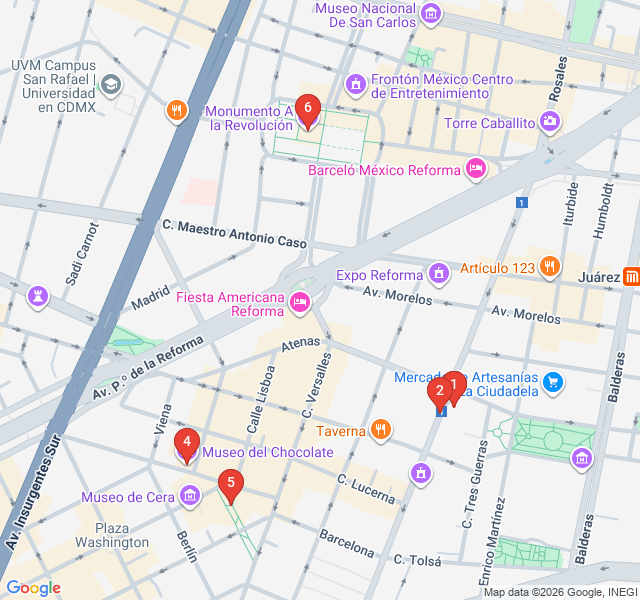
Numbers indicate the order of stops on the tour.
Begin your self-guided adventure at Edificio Gaona, one of the most visually striking buildings in Colonia Juárez. Built in the early 20th century, its architecture is a wild mix of Neo-Mudejar, Gothic, and Art Nouveau styles. It was commissioned by Rodolfo Gaona, a legendary Mexican bullfighter known as 'The Caliph of León,' who wanted a residence that reflected his status and eclectic tastes. Look closely at the intricate tile work and the rounded balconies. This building represents the peak of the Porfiriato era, when the Mexican elite looked to Europe for inspiration. It stands as a gateway between the historic center and the then-new suburbs, marking the moment the city began to expand westward in search of modern luxury.
Stroll down Bucareli, an avenue that was once intended to be the 'Champs-Élysées' of Mexico City. Established in the late 18th century, it became the fashionable promenade for the city's high society. As you walk, notice the scale of the buildings; many of these were once grand townhouses that have since been converted into offices, apartments, or even printing presses for the city's newspapers. The street has a slightly melancholic, faded grandeur, telling the story of a neighborhood that fell out of favor as the elite moved further west to Polanco and Lomas. Today, it is experiencing a renaissance, with new galleries and coffee shops breathing life back into these historic shells. The atmosphere here changes frequently as new urban projects take root.
The story of Teatro Milan is one of resilience. Originally built in the 1950s, the theater was tragically destroyed during the 1985 earthquake and sat in ruins for nearly three decades. It wasn't until 2014 that it was completely rebuilt, becoming a symbol of the neighborhood's cultural avant-garde revival. Today, it houses both a main stage and the more intimate Forum Lucerna. This stop highlights the modern identity of Juárez—a place where the creative community has reclaimed abandoned spaces to foster art and performance. The sleek, modern facade of the rebuilt theater contrasts sharply with the crumbling stone of nearby 19th-century mansions, embodying the 'avant-garde' theme of this walking route.
Housed in a magnificent mansion dating back to 1909, the Museo del Chocolate, or MUCHO, celebrates Mexico's profound relationship with cacao. The building itself is a prime example of the neighborhood's aristocratic roots, featuring high ceilings, ornate moldings, and a central courtyard. Inside, the museum explores the history of chocolate from its sacred status in Mesoamerican cultures to its global industrialization. Even if you don't enter the galleries, the aroma of Mexican cacao often wafts into the street. The preservation of this house is a testament to how Juárez uses its architectural heritage to host contemporary cultural institutions. It is a sensory bridge between the colonial past and the modern culinary scene.
Plaza Giordano Bruno serves as the quiet, leafy heart of Colonia Juárez. Named after the Italian philosopher and friar, the square is surrounded by eclectic architecture that spans over a century. This area is also a focal point for the neighborhood’s diverse community; it is often referred to as 'Little Korea' due to the high concentration of Korean businesses and residents nearby. You might see locals walking dogs, artists sketching, or people enjoying a quiet moment away from the city's traffic. The plaza is a perfect vantage point to observe the mix of residential life and the encroaching modern office towers that define the skyline of the nearby Paseo de la Reforma.
The final stop on your walking route is the massive Monument to the Revolution. This structure has a fascinating history: it was originally intended to be the grand dome of a massive Legislative Palace during the Porfirio Díaz regime. However, the Mexican Revolution broke out, construction halted, and the steel skeleton sat abandoned for years. Eventually, architect Carlos Obregón Santacilia repurposed the central dome into this Art Deco monument and mausoleum for revolutionary heroes. Its scale is humbling, and the surrounding plaza is a popular gathering spot for protests, celebrations, and public art. It represents the ultimate transition from the old aristocratic dreams of the 19th century to the bold, socialist-inspired nationalism of the 20th.
Start Free on iPhone
Explore “Juárez: From Aristocracy to Avant-Garde” with your very own Private Tour Guide with Zigway. Start free on iPhone, skip the large group and the fixed routes, and hear the city come alive as you go.
Your Private Tour Guide
Don't miss the good stuff
Explore Freely
 Easy
EasyMexico City, Mexico
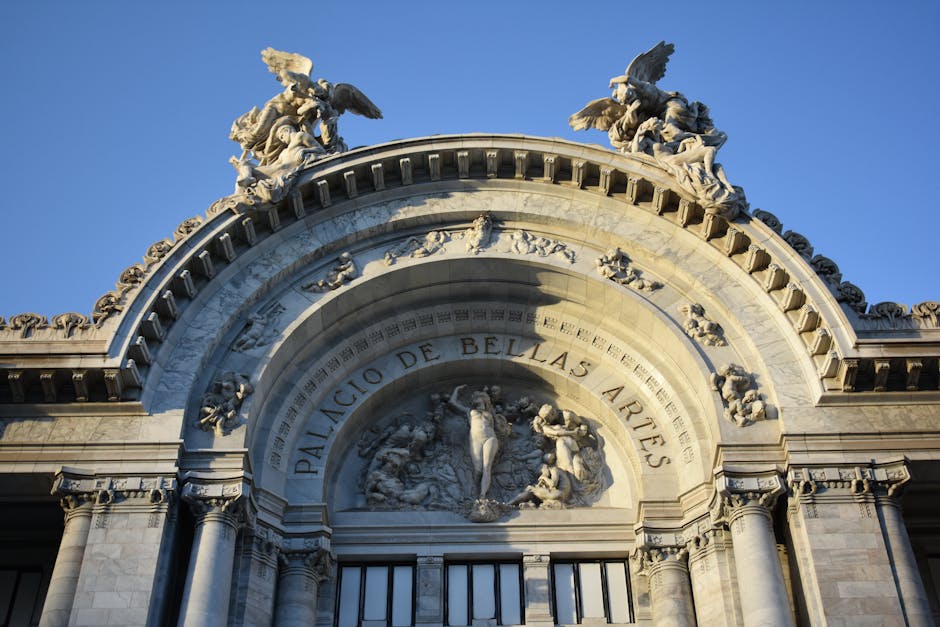
Explore Mexico City's most glamorous district on this self-guided walk through Polanco's luxury boutiques, lush parks, and iconic art museums.
 Easy
EasyMexico City, Mexico
Explore the Art Deco architecture and gourmet food scene of Roma Norte on this self-guided neighborhood stroll through Mexico City’s creative heart.
 Easy
EasyMexico City, Mexico
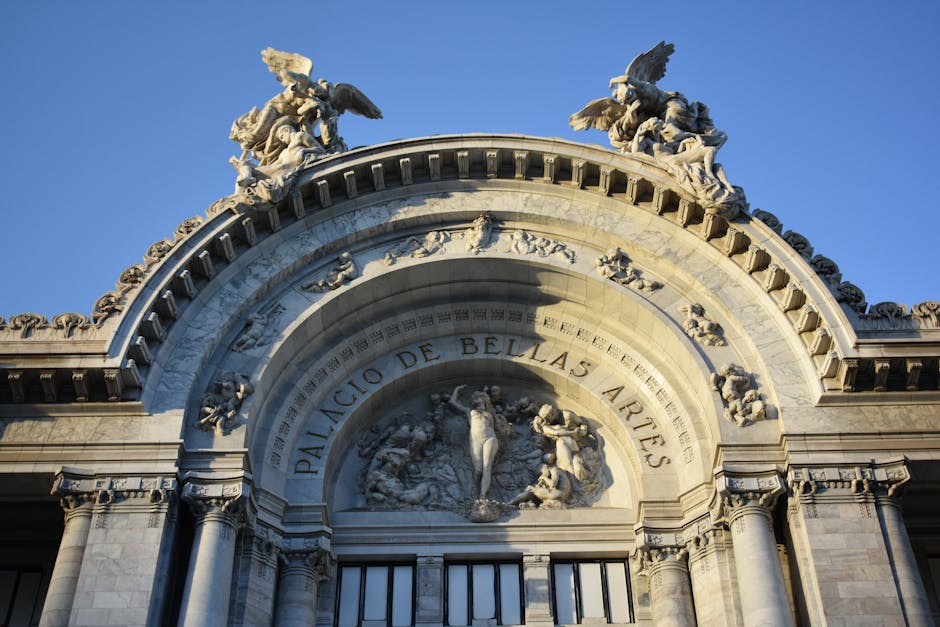
Explore the epic murals of Rivera, Orozco, and Siqueiros on this self-guided walking route through the heart of Mexico City’s historic center.
 Moderate
Mexico City, Mexico
Taste the legendary tacos and cantina culture of Narvarte on this self-guided walk through Mexico City's most authentic foodie neighborhood.
 Easy
EasyGdansk, Poland
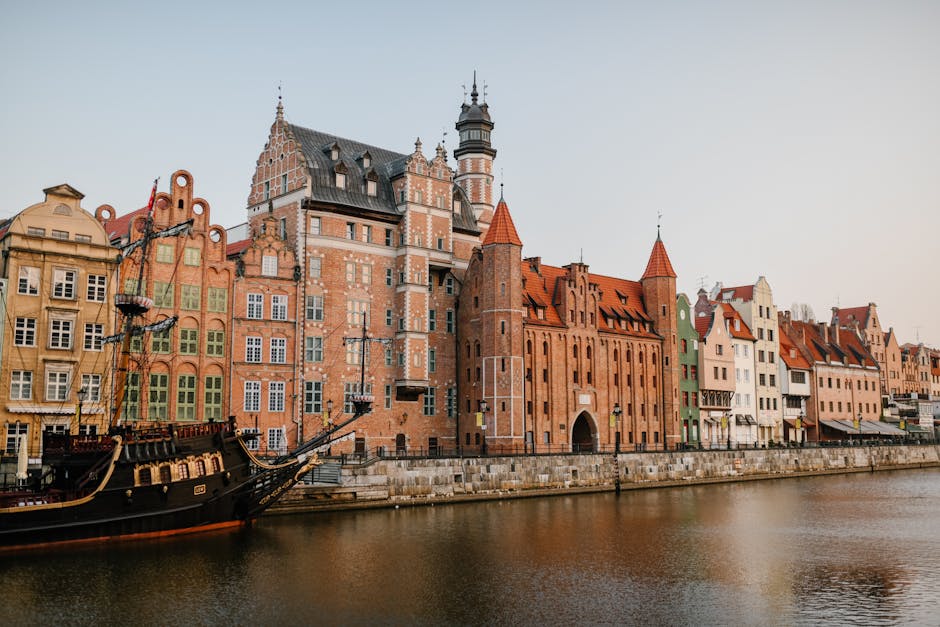
Discover the 'Baltic Gold' on this self-guided walk through Gdansk's historic mills, massive cathedrals, and the magical Mariacka Street.
 Easy
EasyWarsaw, Poland
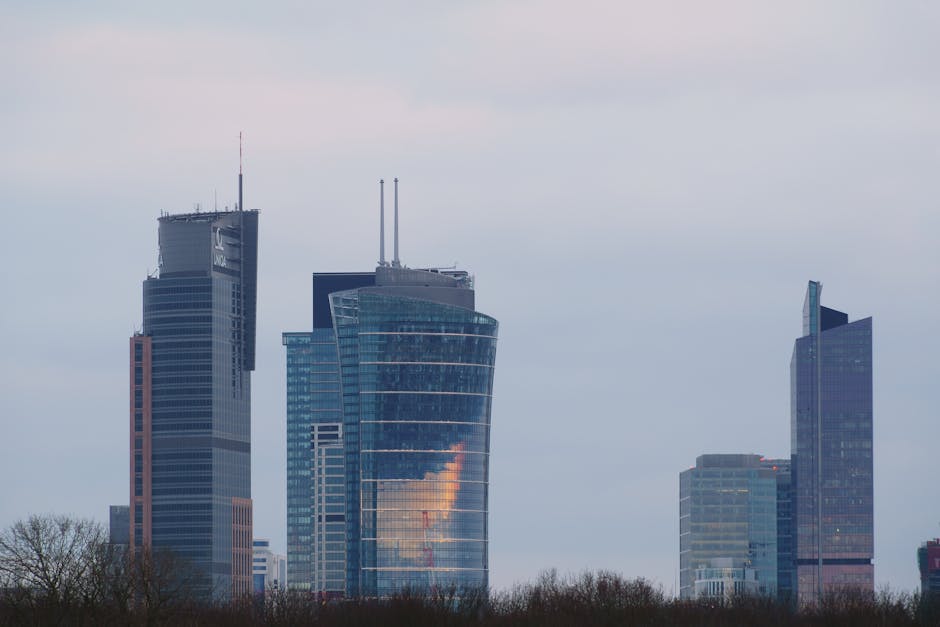
Discover the hidden courtyards and grand pre-war architecture of Warsaw's most atmospheric neighborhood on this self-guided stroll.
 Easy
EasyGothenburg, Sweden
Explore Gothenburg’s historic wooden houses, legendary giant cinnamon buns, and panoramic fortress views on this self-guided neighborhood stroll.
 Easy
EasyGothenburg, Sweden
Discover Gothenburg’s 17th-century Dutch foundations, historic canals, and military fortifications on this self-guided architectural walk.
 Easy
EasyOaxaca, Mexico
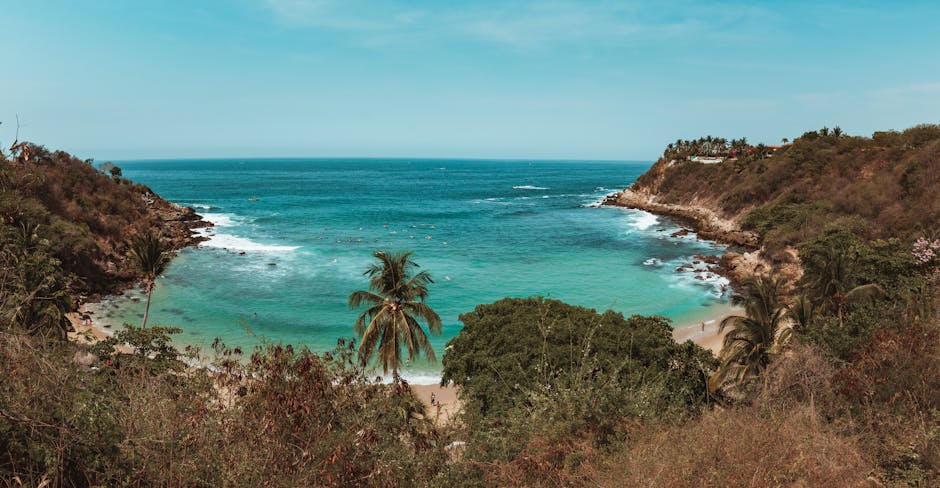
Explore Oaxaca’s oldest barrio on this self-guided walk through colonial aqueducts, colorful streets, and traditional artisan workshops.
 Easy
EasyOaxaca, Mexico
Explore Oaxaca's vibrant modern art scene, from revolutionary printmaking collectives to world-class contemporary museums, at your own pace.
 Moderate
Oaxaca, Mexico
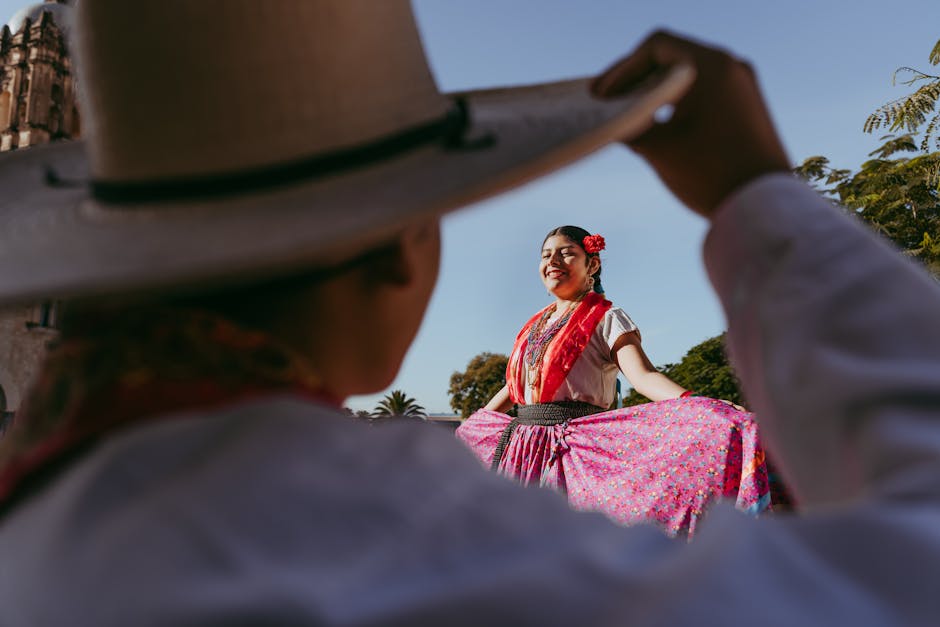
Explore the heights of Oaxaca on this self-guided walk, featuring panoramic city views, cultural landmarks, and the iconic Cerro del Fortín.
 Easy
EasyOaxaca, Mexico
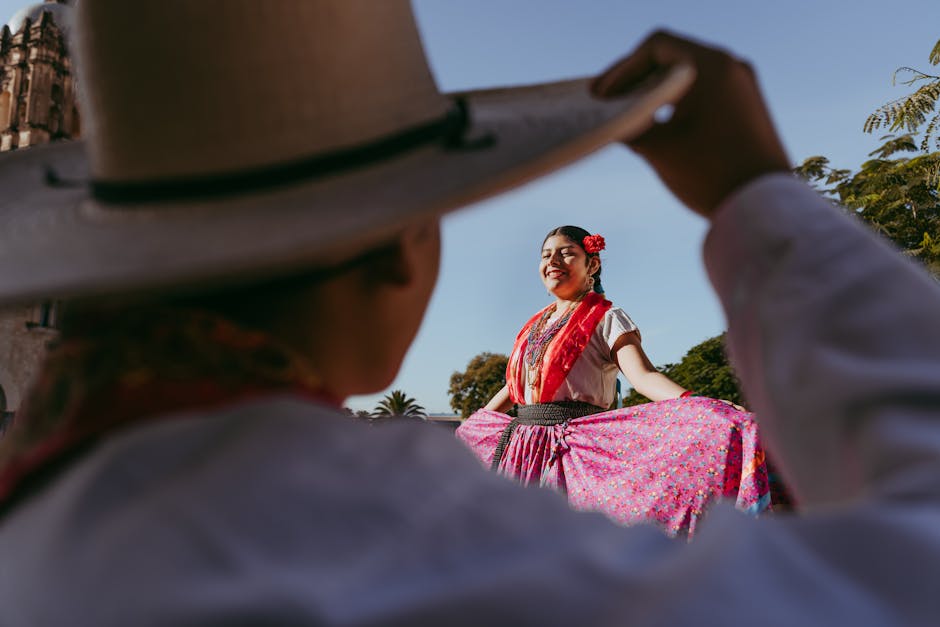
Explore Oaxaca's 'Green City' at your own pace. Discover Baroque masterpieces and the vibrant Zócalo on this self-guided neighborhood stroll.