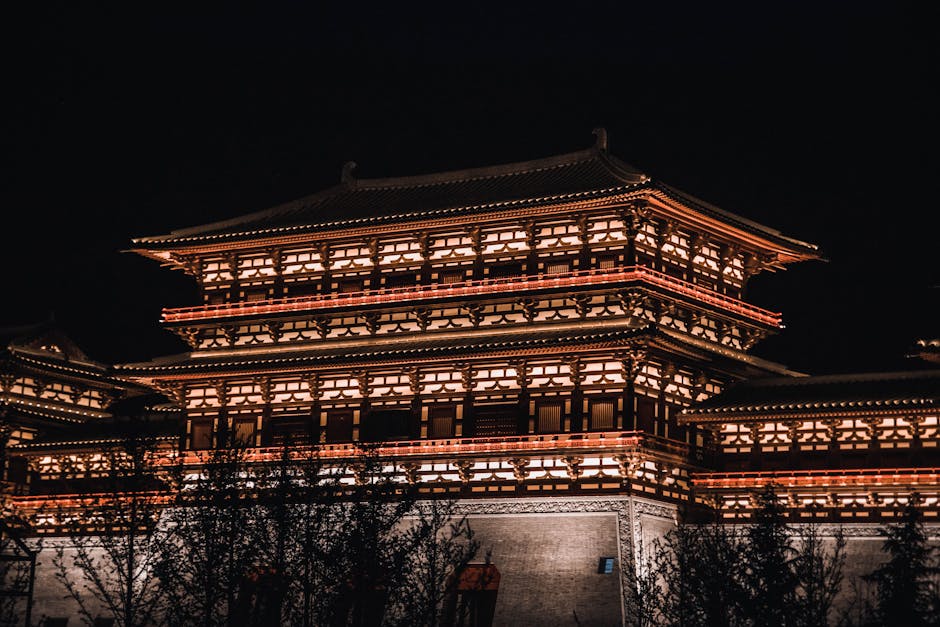
Self-guided audio tour in Xian
Start Free on iPhone
Start free on iPhone to unlock this self-guided walking tour in Xian. Hear all the stories that make it amazing, walk at your own pace, and begin whenever you want.
Your Private Tour Guide
Step back into the Ming Dynasty with this self-guided walking route along one of the world's most impressive defensive structures. Xi'an, once the starting point of the Silk Road and capital of ancient China, is uniquely defined by its massive fortifications. This neighborhood stroll through the Beilin District takes you from the bustling heart of the city to the quiet, dignified stretches of the eastern ramparts. Along the way, you will explore the intersection of military architecture and imperial urban planning, discovering why these walls remain a symbol of resilience for the city. This route is a dream for those interested in photography, offering elevated views of traditional rooftops contrasting with modern skyscrapers. Unlike a typical walking tour Xian offers, this experience allows you to linger at the gates that once protected emperors. You will begin near the geographical center of the city, catching sight of the iconic Bell Tower before heading to the ceremonial South Gate. From there, the path leads you past the scholarly vibes of the Wenchang Gate and concludes at the historic East Gate. This audio walk is designed for those who want to discover the layers of Xi'an’s history independently, moving at their own pace while the stories of the 'Guardians of the Wall' unfold in their ears. Whether you are capturing the golden hour light on the grey brickwork or observing local life in the park below the moat, this walking route provides an intimate look at the city’s architectural heritage.
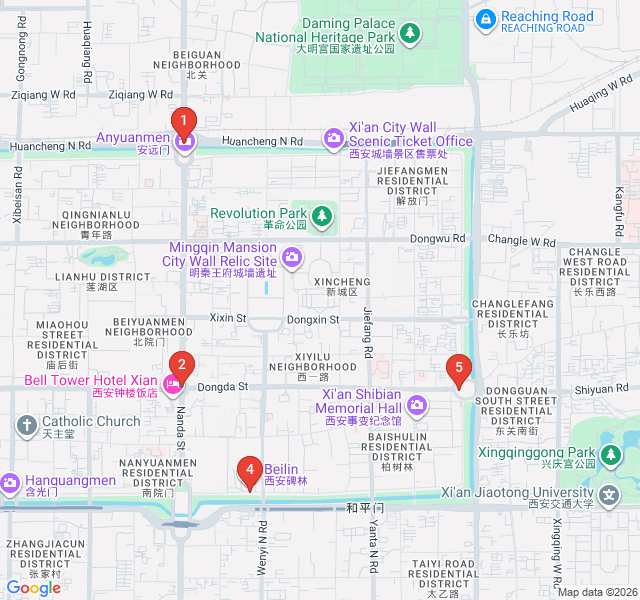
Numbers indicate the order of stops on the tour.
Welcome to the start of your independent exploration. You are standing before one of the oldest, largest, and best-preserved Chinese city walls in existence. Built in the 14th century under the Hongwu Emperor, the first emperor of the Ming Dynasty, these walls were constructed upon the foundations of the earlier Tang Dynasty palace walls. As you look up at the massive structure, notice the grey bricks and the sheer scale—it stands 12 meters high and nearly 15 meters wide at the top. This wasn't just a fence; it was a military machine. The moat below and the watchtowers above created a formidable barrier that protected the city for centuries. Today, the wall serves as a bridge between the ancient inner city and the expanding modern metropolis outside.
Located at the precise center of the city, the Bell Tower is a masterpiece of Ming architecture. Built in 1384, it stands as a sentinel where the four main streets of the city—North, South, East, and West—converge. In ancient times, the massive bronze bell housed here was struck at dawn to signal the start of the day, working in tandem with the Drum Tower to the west which signaled the evening. Notice the triple-eaved roof and the intricate woodwork, all built without a single nail. It has survived centuries of earthquakes and urban renewal, remaining the spiritual and geographical anchor of Xi'an. From this vantage point, you can truly feel the pulse of the city's history meeting its modern energy.
Yongningmen, or the Gate of Eternal Peace, is the most beautifully restored and significant of the city's gates. In imperial times, this was the gate used for major ceremonies and welcoming high-ranking officials. It features a complex 'barbican' system—a rectangular enclosure between the inner and outer gates designed to trap invading forces. If enemies breached the first gate, they would find themselves in a 'killing court' surrounded by archers on all sides. Take a moment to appreciate the drawbridge and the massive plaza. Today, it serves as the main entrance for those wishing to walk or cycle along the top of the wall, offering a grand sense of arrival that few other structures in China can match.
As you continue east, the atmosphere shifts at Wenchang Gate. Unlike the purely military gates, this one is named after Wenchang Wang, the Taoist God of Literature and Culture. Look atop the wall here and you will see the Wenchang Pavilion, the only building on the wall that served a religious rather than military purpose. Students and scholars would come here to pray for success in the imperial examinations. This gate is also the gateway to the nearby Forest of Steles Museum, which houses a massive collection of stone calligraphy. The vibe here is often quieter and more academic, reflecting the scholarly heritage of the Beilin District. It’s a perfect spot to observe the contrast between the rigid military wall and the fluid beauty of Chinese calligraphy.
Your walk concludes at Changlemen, the East Gate. Its name translates to 'Eternal Happiness,' but its history is deeply tied to the fall of the Ming Dynasty. This was where the rebel leader Li Zicheng entered the city, marking the end of Ming rule in Xi'an. The gatehouse here is exceptionally well-preserved and provides a fantastic example of the defensive 'Embrasures'—the slits in the wall used by defenders to fire upon attackers. Looking out from here, you can see the city stretching toward the eastern plains. This gate serves as a powerful reminder of the wall's dual nature: a symbol of protection and a witness to the inevitable cycles of dynastic change. Your self-guided journey ends here, at the threshold of the city's eastern history.
Start Free on iPhone
Explore “Guardians of the Wall: South Gate to East Gate Walk” with your very own Private Tour Guide with Zigway. Start free on iPhone, skip the large group and the fixed routes, and hear the city come alive as you go.
Your Private Tour Guide
Don't miss the good stuff
Explore Freely
 Moderate
Xian, China
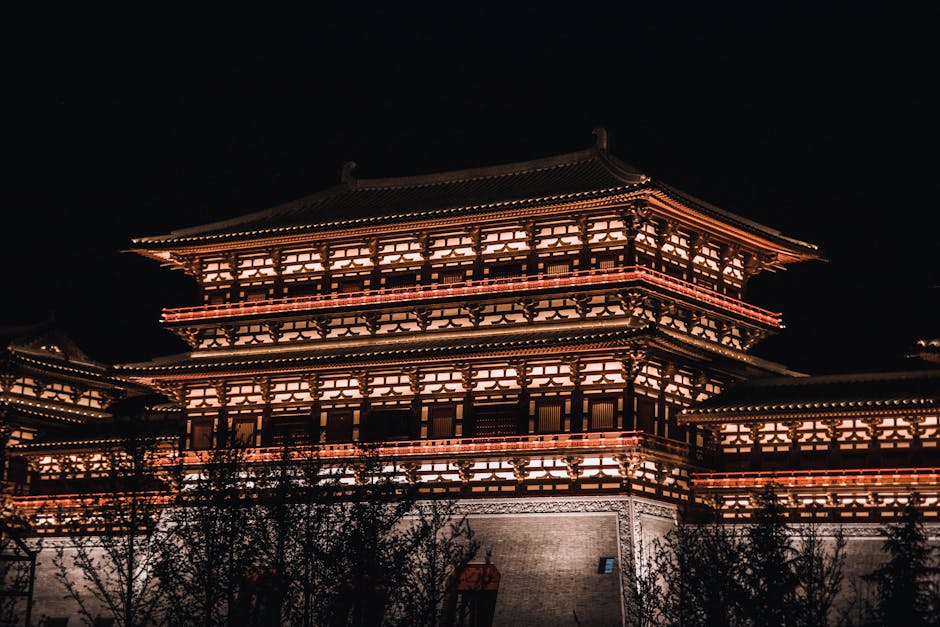
Discover the Silk Road's legacy and modern local life in Xian’s West City on this immersive self-guided audio walk through markets and history.
 Moderate
Xian, China
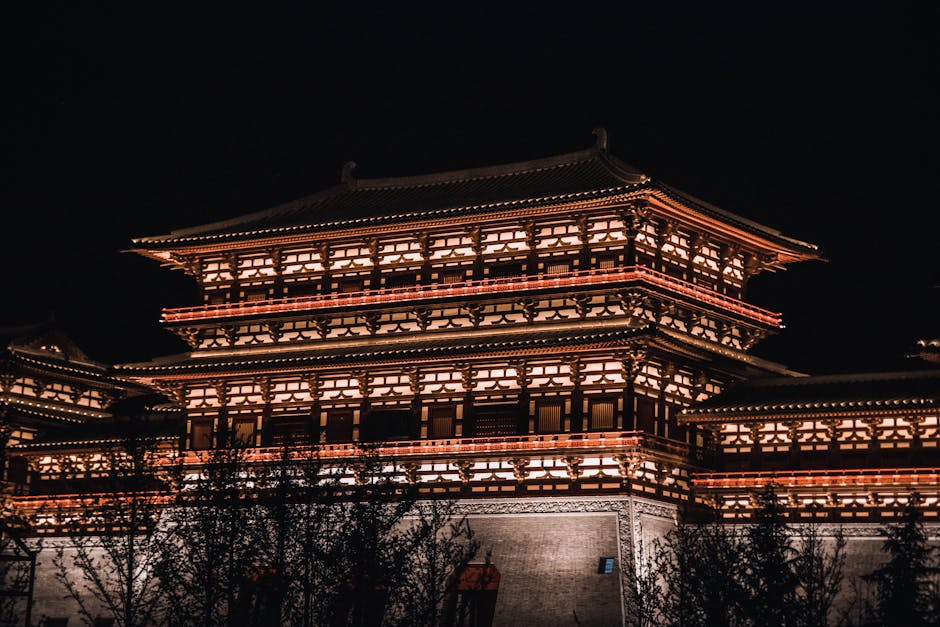
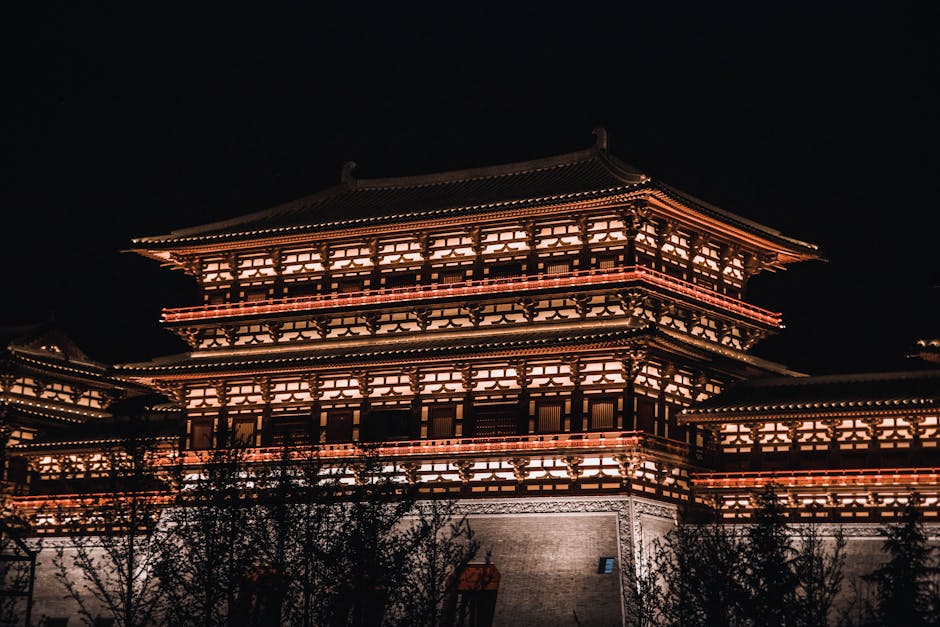
Discover the 'Palace of Great Brilliance' and the mighty Ming-era fortifications on this self-guided walk through Xi'an's historic northern district.
 Easy
EasyXian, China
Discover the hidden bars and artisan coffee shops of Defu Lane on this self-guided stroll through Xi'an's most bohemian neighborhood.
 Moderate
Xian, China
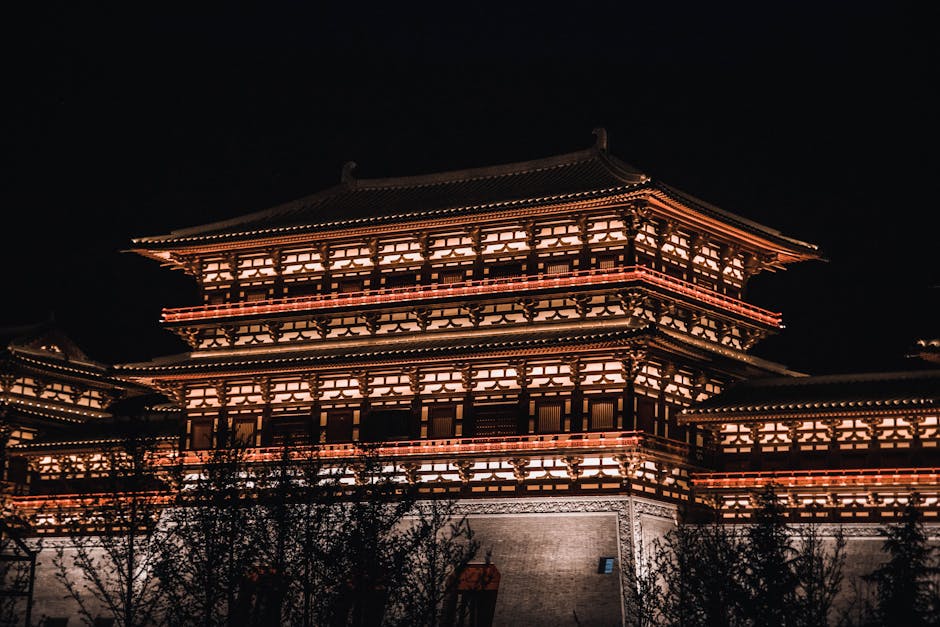
Explore Xian’s spiritual side on this self-guided walk through ancient Buddhist temples and hidden Taoist abbeys.
 Easy
EasyNairobi, Kenya
Discover Nairobi's iconic skyline on this self-guided architecture walk through the CBD’s most famous modernist and Brutalist landmarks.
 Easy
EasyGdansk, Poland
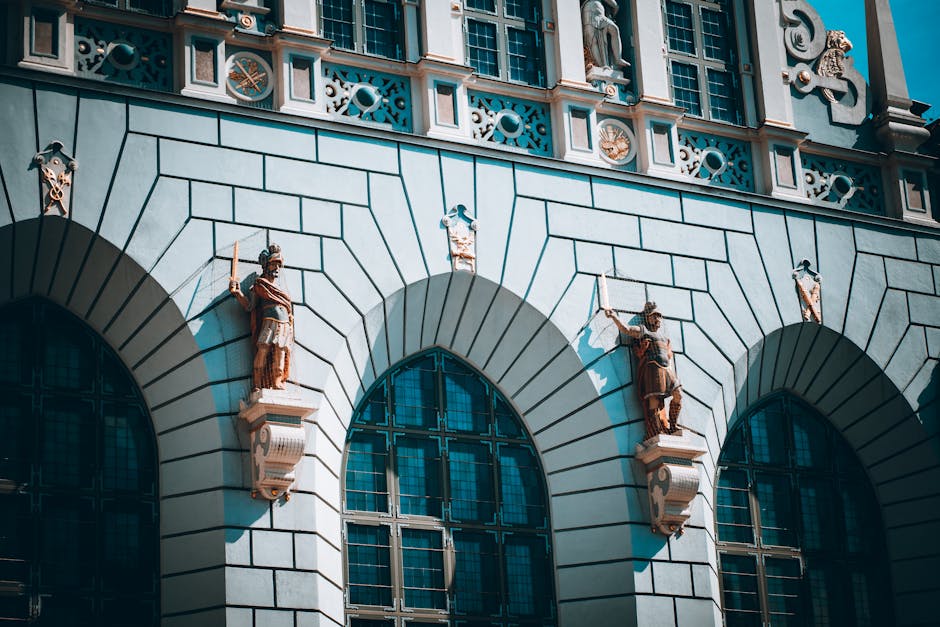
Discover the opulent Royal Way of Gdansk at your own pace. Explore Hanseatic history, gilded architecture, and the iconic Neptune's Fountain.
 Easy
EasyGothenburg, Sweden
Discover Gothenburg’s 17th-century Dutch foundations, historic canals, and military fortifications on this self-guided architectural walk.
 Easy
EasyNairobi, Kenya
Explore Nairobi's architectural evolution from colonial-era landmarks to iconic Brutalist skyscrapers on this historic self-guided walking route.
 Easy
EasyBeijing, China
Explore Beijing's premier art district on this self-guided walk through the industrial-chic 798 Art Zone and the massive tanks of 751 D・PARK.
 Moderate
Beijing, China
Explore the majestic red walls, imperial moats, and hilltop vistas of Beijing's Forbidden City on this self-guided architectural walking route.
 Moderate
Beijing, China
Explore the spiritual heart of Beijing on this self-guided walk through the Temple of Heaven's iconic altars, ancient pines, and vibrant park life.
 Easy
EasyBeijing, China
A culinary and cultural self-guided walk through Beijing's historic Dongsi neighborhood, featuring ancient mosques, hutongs, and iconic local eats.