Self-guided audio tour in Xian
Start Free on iPhone
Start free on iPhone to unlock this self-guided walking tour in Xian. Hear all the stories that make it amazing, walk at your own pace, and begin whenever you want.
Your Private Tour Guide
Embark on a sensory journey through the winding alleys of Xi'an’s Muslim Quarter, a vibrant enclave where the ancient Silk Road legacy lives on through aroma, architecture, and tradition. This self-guided walk invites you to explore the heart of the Hui community, a neighborhood that has served as a cultural crossroads for over a millennium. As you navigate the bustling streets, you will encounter the unique fusion of Islamic heritage and traditional Chinese aesthetics, most notably in the serene Great Mosque and the preserved Gao Family Mansion. This walking route is designed for those who want to dive deep into the local culinary scene without the constraints of a rigid schedule. You will wander through Sajin Bridge, where the locals start their day with steaming bowls of beef soup, and eventually reach the neon-lit spectacle of Beiyuanmen. Along the way, this neighborhood stroll reveals the hidden residential pockets that most visitors miss, offering a glimpse into daily life behind the shopfronts. Whether you are a photography enthusiast capturing the steam rising from bamboo baskets or a food lover seeking the most authentic Roujiamo, this walking tour Xian provides the flexibility to linger where you choose. Discover the stories of the merchants who traveled across deserts to settle here, and see how their descendants continue to shape the identity of modern Xi'an. From the rhythmic pounding of peanut candy to the call to prayer echoing near the Drum Tower, this experience is a masterclass in cultural immersion. Explore independently and at your own pace while the rich history of the Silk Road unfolds around every corner. **Note:** This area is known for its ever-changing character. Street art, pop-up venues, and temporary exhibitions may differ from what's described. That's part of the adventure - you might discover something entirely new!
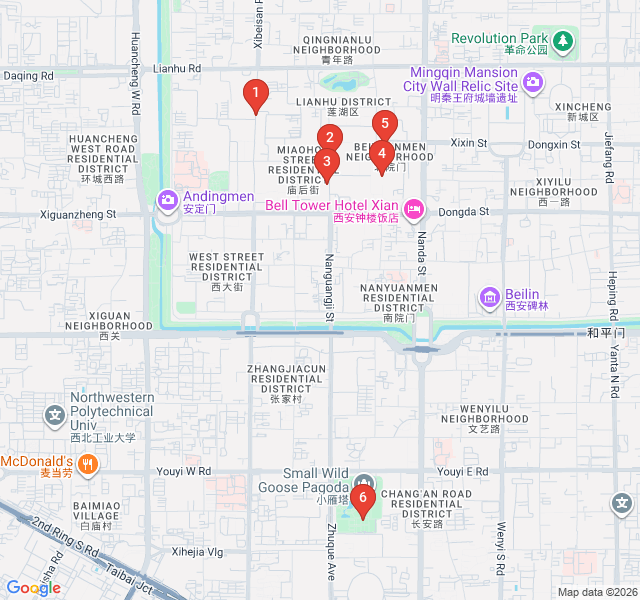
Numbers indicate the order of stops on the tour.
Welcome to Sajin Bridge, the authentic gateway to the Muslim Quarter. Unlike the more tourist-heavy streets nearby, this area is where locals come for their daily essentials and, most importantly, their breakfast. The air here is thick with the scent of simmering beef bones and freshly baked naan. As you walk, look for stalls serving 'Roujiamo'—often called the Chinese hamburger—and 'Zenggao,' a sweet glutinous rice cake. This street represents the living history of the Silk Road, where culinary techniques from Central Asia merged with local Shaanxi ingredients. The food scene here is volatile and changes with the seasons, so keep an eye out for seasonal fruit vendors and temporary pop-up stalls that appear only during certain festivals.
Step away from the chaos of the market into the tranquil grounds of the Great Mosque of Xi'an. Founded in 742 AD during the Tang Dynasty, this is one of the oldest and most renowned mosques in China. What makes this site extraordinary is its architecture; it is built almost entirely in a traditional Chinese style with pavilions, courtyards, and gardens, yet it functions as a place of Islamic worship. Look closely at the wooden carvings and stone steles where Arabic calligraphy is seamlessly integrated into Chinese motifs. It is a physical testament to the successful integration of Islam into Chinese society over thirteen centuries. Please respect the prayer times and the quiet nature of this spiritual sanctuary.
Leaving the main thoroughfares, you are now entering the Residential Quarter. This is the heart of the Hui community. The narrow lanes here offer a stark contrast to the commercial energy of the nearby food streets. You will see elders playing mahjong, children heading to school, and small neighborhood mosques tucked between apartment blocks. This area preserves the 'Li-Fang' system, an ancient city planning method where residential blocks were enclosed by walls. As you explore, notice the small family-run workshops that have been producing the same snacks or handicrafts for generations. It is a place where the pace of life slows down, offering an intimate look at the community that keeps the traditions of the Muslim Quarter alive.
The Gao Family Mansion is a stunning example of a traditional Ming and Qing Dynasty courtyard house. Once the residence of a high-ranking official, the complex features several interconnected courtyards and beautifully preserved wooden architecture. While it serves as a museum today, it is also a hub for local folk arts. Depending on the time of day, you might encounter a shadow puppet performance, a craft that has been part of Shaanxi culture for over 2,000 years. The mansion’s intricate brick carvings and tranquil study rooms provide a glimpse into the lifestyle of the Chinese elite during the imperial era. Be aware that specific performances or craft demonstrations may vary in schedule and are subject to change.
Prepare for a sensory explosion as you enter Beiyuanmen, the most famous street in the Muslim Quarter. This is the epicenter of Xi'an's street food culture. The street is lined with vendors rhythmically pounding peanut brittle with giant wooden mallets, grilling skewers of lamb over charcoal, and stretching long noodles by hand. The atmosphere is electric, especially after sunset when the neon signs flicker on and the crowds thicken. While it is highly commercial, the energy is undeniable. It’s an excellent place to pick up edible souvenirs or simply watch the theater of street food production. Keep an eye on your belongings here, as the dense crowds can make it a hotspot for activity.
The final stop on our neighborhood stroll is the magnificent Drum Tower. Built in 1380 during the early Ming Dynasty, it stands as a sister to the nearby Bell Tower. Traditionally, the drums were beaten to signal the end of the day, marking the closing of the city gates. Today, it serves as a grand landmark that defines the boundary of the Muslim Quarter. Inside, you can find a collection of ancient drums and enjoy views over the city's central axis. As you stand beneath its massive eaves, look back toward the Muslim Quarter you just explored; the contrast between the ancient tower and the modern city skyline captures the essence of Xi'an—a city that remains deeply rooted in its imperial past while hurtling toward the future.
Start Free on iPhone
Explore “Silk Road Flavors: The Muslim Quarter Food Hunt” with your very own Private Tour Guide with Zigway. Start free on iPhone, skip the large group and the fixed routes, and hear the city come alive as you go.
Your Private Tour Guide
Don't miss the good stuff
Explore Freely
 Moderate
Xian, China
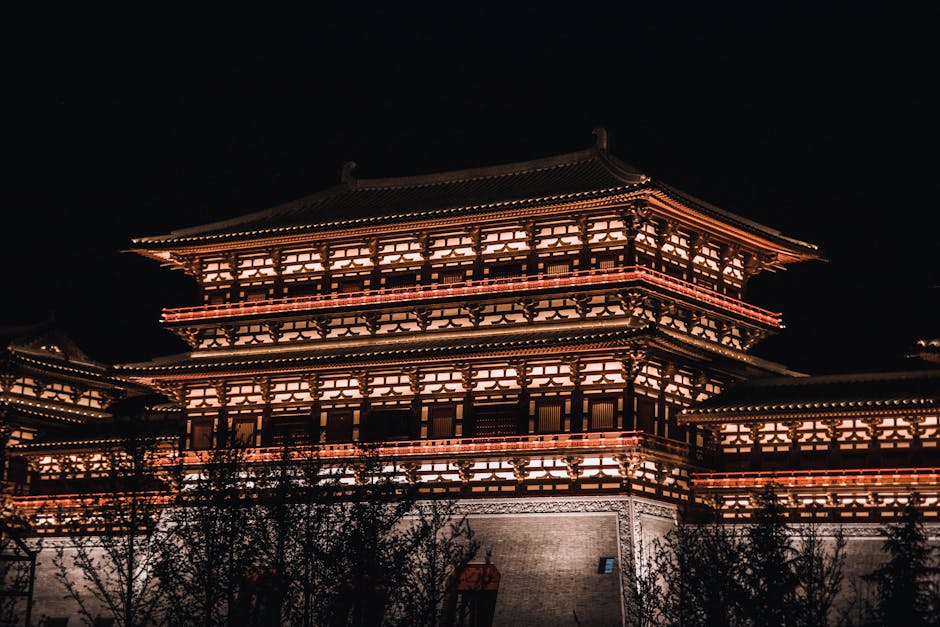
Discover the Silk Road's legacy and modern local life in Xian’s West City on this immersive self-guided audio walk through markets and history.
 Moderate
Xian, China
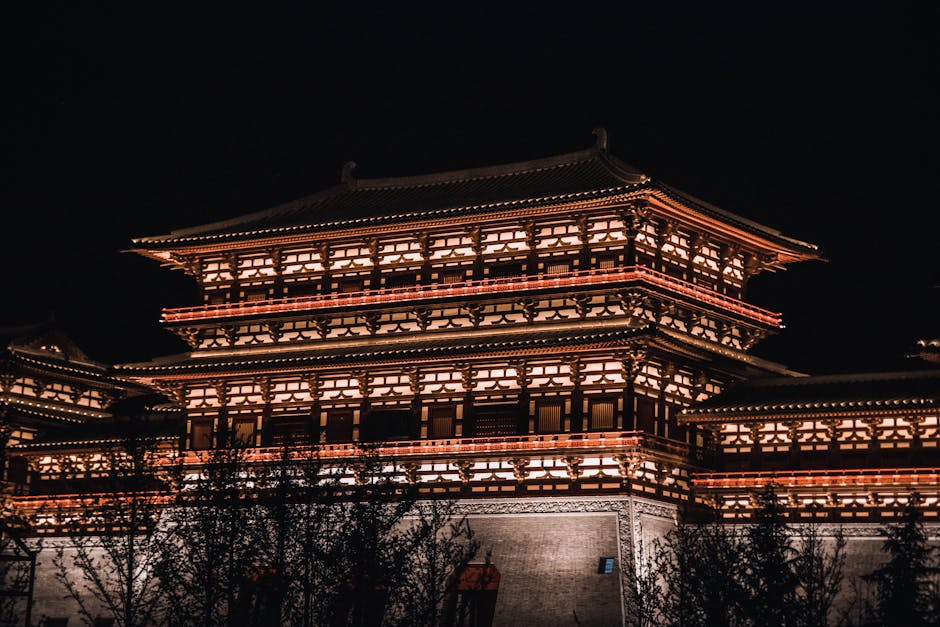
Discover the 'Palace of Great Brilliance' and the mighty Ming-era fortifications on this self-guided walk through Xi'an's historic northern district.
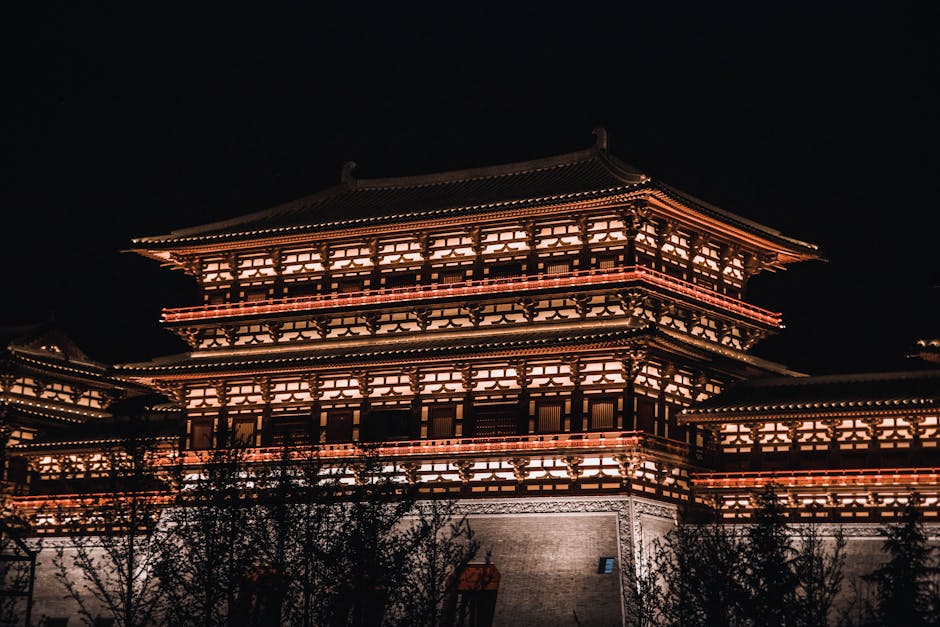 Easy
EasyXian, China
Discover the hidden bars and artisan coffee shops of Defu Lane on this self-guided stroll through Xi'an's most bohemian neighborhood.
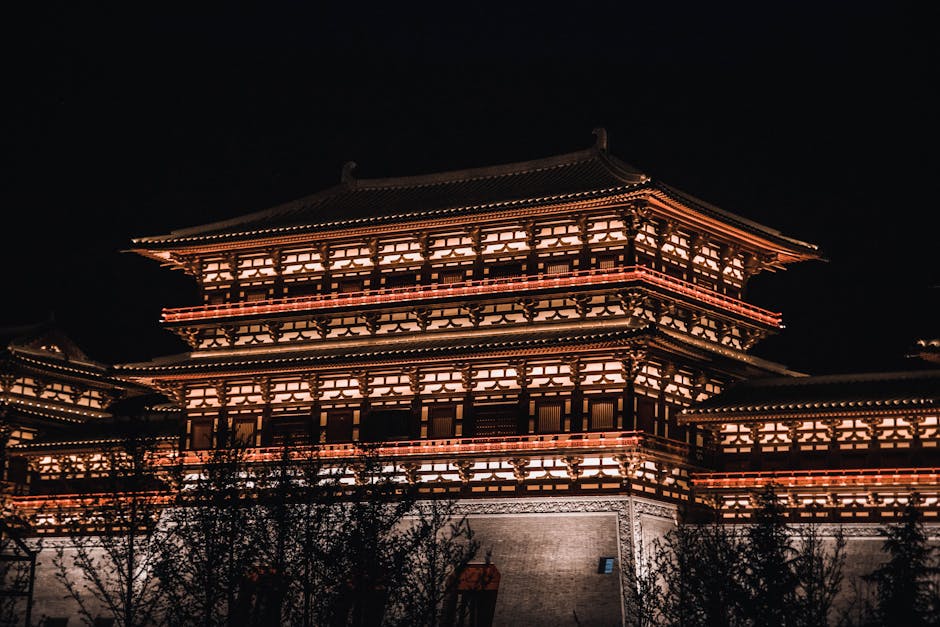 Moderate
Xian, China
Explore Xian’s spiritual side on this self-guided walk through ancient Buddhist temples and hidden Taoist abbeys.
 Easy
EasyGothenburg, Sweden
Explore Gothenburg’s historic wooden houses, legendary giant cinnamon buns, and panoramic fortress views on this self-guided neighborhood stroll.
 Moderate
Nairobi, Kenya
Taste your way through Nairobi's Westlands on this self-guided walk featuring street snacks, cultural landmarks, and hidden foodie gems.
 Moderate
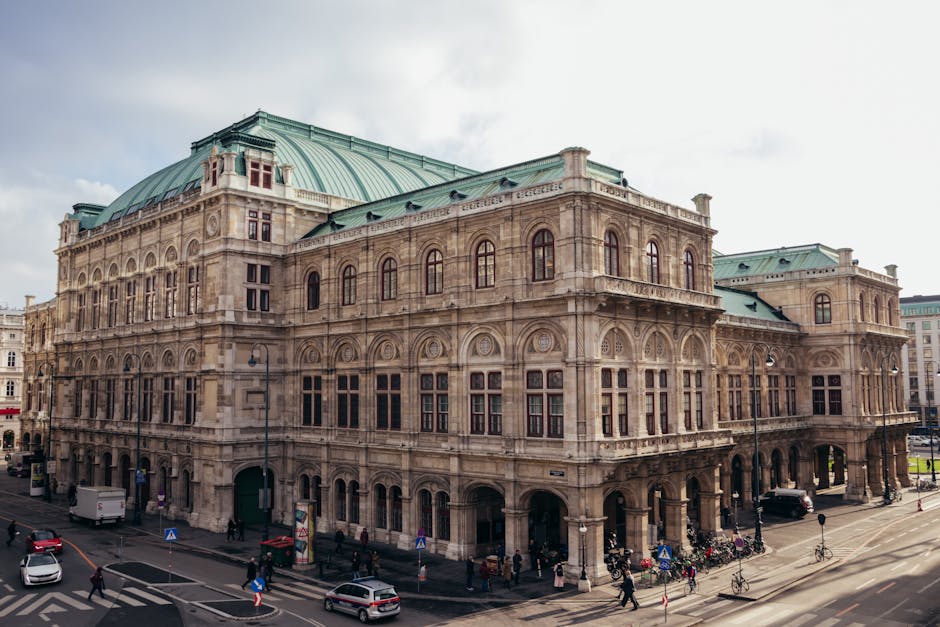
Vienna, Austria
Discover the noir world of The Third Man and Cold War Vienna on this atmospheric self-guided audio walk through the historic Innere Stadt.
 Easy
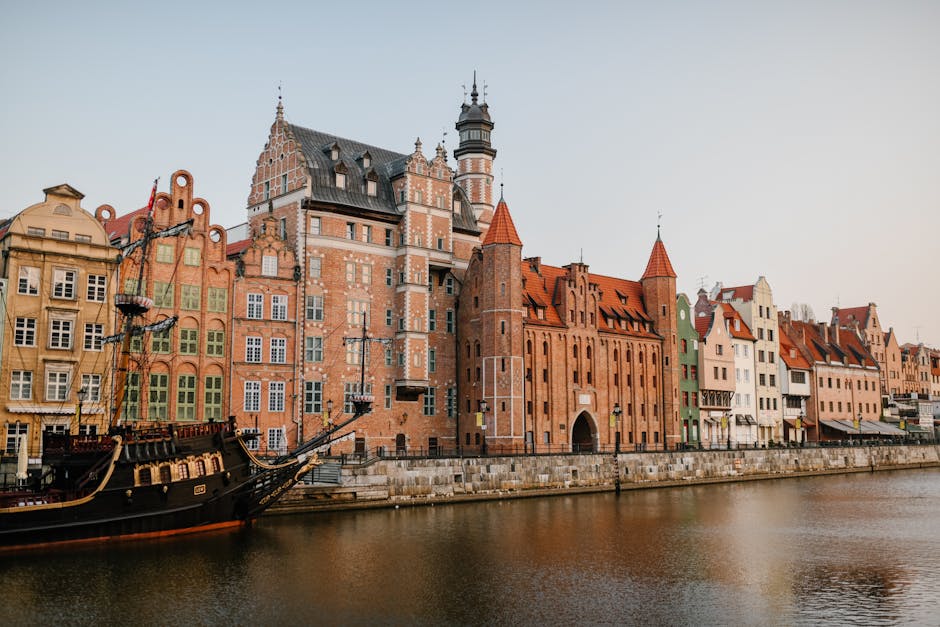
EasyGdansk, Poland
Discover the monastic heritage, world-famous organs, and lush botanical gardens of Oliwa on this peaceful self-guided neighborhood stroll.
 Easy
EasyBeijing, China
Explore Beijing's premier art district on this self-guided walk through the industrial-chic 798 Art Zone and the massive tanks of 751 D・PARK.
 Moderate
Beijing, China
Explore the majestic red walls, imperial moats, and hilltop vistas of Beijing's Forbidden City on this self-guided architectural walking route.
 Moderate
Beijing, China
Explore the spiritual heart of Beijing on this self-guided walk through the Temple of Heaven's iconic altars, ancient pines, and vibrant park life.
 Easy
EasyBeijing, China
A culinary and cultural self-guided walk through Beijing's historic Dongsi neighborhood, featuring ancient mosques, hutongs, and iconic local eats.