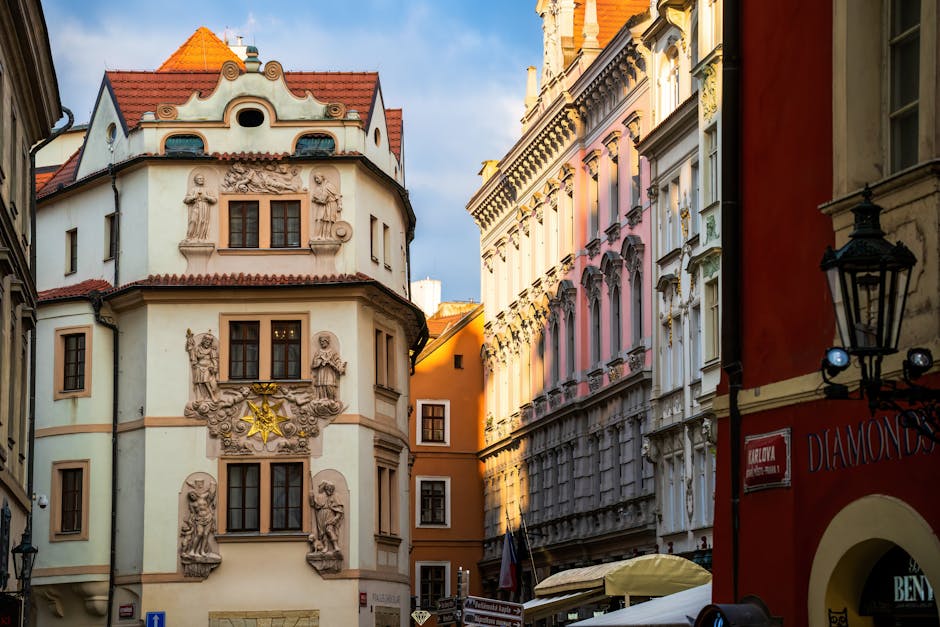
Self-guided audio tour in Prague
Start Free on iPhone
Start free on iPhone to unlock this self-guided walking tour in Prague. Hear all the stories that make it amazing, walk at your own pace, and begin whenever you want.
Your Private Tour Guide
Step into the heart of Josefov, one of the best-preserved Jewish quarters in Europe, on this immersive self-guided walk through Prague’s history. For centuries, this neighborhood served as a walled ghetto, yet today it stands as a testament to the resilience and cultural richness of the Jewish community. This walking route invites you to explore a complex legacy where medieval legends meet the sobering realities of the 20th century, all at your own pace. Discover how a district once marked for destruction by the Nazi regime was transformed into a living museum, preserving architecture that ranges from the soaring Gothic of the 13th century to the intricate Moorish Revival styles of the 19th. Your journey begins at the breathtaking Spanish Synagogue, renowned for its golden interior, before leading you to the Old-New Synagogue, the oldest active house of prayer in Europe and the legendary home of the Golem. As you navigate the narrow streets, you will encounter the Jewish Town Hall, famous for its counter-clockwise clock, and the Old Jewish Cemetery, where thousands of gravestones lean against one another in a hauntingly beautiful landscape. The route also includes the Pinkas Synagogue, a deeply moving memorial to the victims of the Holocaust. Whether you are a history buff or a first-time visitor, this neighborhood stroll offers a profound look at the identity of Prague. By choosing a self-guided adventure, you have the freedom to pause for reflection at the memorials or spend extra time admiring the architectural details of the Rudolfinum. This walking tour Prague experience provides the historical context necessary to truly understand the soul of Josefov without the pressure of a group schedule. Prepare to be moved by stories of survival, faith, and the enduring spirit of a community that shaped the very fabric of the Czech capital.
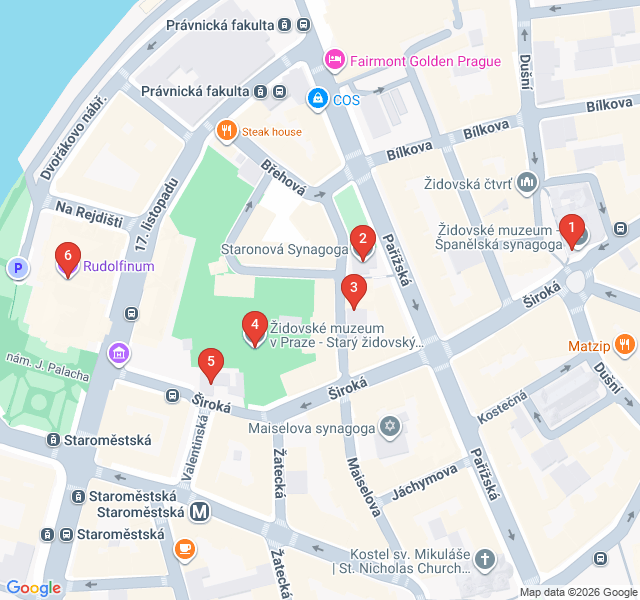
Numbers indicate the order of stops on the tour.
Welcome to the Spanish Synagogue, arguably the most beautiful house of worship in Prague. Built in 1868 on the site of the city's oldest Jewish prayer house, this building is a masterpiece of the Moorish Revival style. As you look at the facade and imagine the interior, notice the intricate geometric patterns and gilded decorations inspired by the Alhambra in Spain. This building represents the 'Emancipation' era, when Jews in Prague were finally granted equal rights and could express their identity through grand architecture. Just outside, you'll find a surreal statue of Franz Kafka, the famous Prague-born writer, which sits on the border between the Jewish Quarter and the Old Town, symbolizing his own dual identity.
Standing before you is the Old-New Synagogue, a true survivor. Completed around 1270, it is the oldest active synagogue in Europe and one of Prague's earliest Gothic buildings. Its name—'Old-New'—comes from a translation quirk; it was 'New' when built to distinguish it from an even older one, but became 'Old' as centuries passed. This building is the legendary home of the Golem, a clay giant created by Rabbi Loew in the 16th century to protect the community. Legend says the Golem’s remains are still hidden in the attic. Notice the heavy stone walls and narrow windows, designed to protect the congregants during the turbulent medieval period.
This elegant building with its pink facade is the Jewish Town Hall, the historical heart of the Jewish community's administration. It was built in the 16th century under the patronage of Mordechai Maisel, a wealthy philanthropist. Look up at the tower and you will see two clocks. One has Roman numerals and runs normally. The other, lower clock features Hebrew letters instead of numbers, and its hands move counter-clockwise. This is because Hebrew is read from right to left. It serves as a charming reminder of the unique cultural rhythm of Josefov, where tradition and daily life have intersected for centuries.
The Old Jewish Cemetery is one of the most significant Jewish burial grounds in the world. Because the Jewish community was forbidden from expanding the cemetery for over 300 years, they had to layer graves on top of one another. In some places, there are up to twelve layers of burials, which created the uneven, hilly terrain you see today. There are approximately 12,000 visible gravestones, but it is estimated that over 100,000 people are buried here. Look for the tomb of Rabbi Loew, often covered in small stones and prayer notes left by visitors seeking his blessing. The silence here offers a stark contrast to the busy city streets just a few meters away.
The Pinkas Synagogue serves as one of the most poignant stops on our walking route. Originally a private place of worship for the Horowitz family in the 16th century, it was transformed after World War II into a memorial. The walls inside are hand-painted with the names of 77,297 Jewish victims of the Holocaust from Bohemia and Moravia. Each name is a testament to a life lost. Upstairs, you can find a heart-wrenching exhibition of drawings by children held in the Terezín concentration camp. These drawings were hidden in suitcases and recovered after the war, offering a glimpse into the innocence and trauma of the youngest victims of the regime.
We conclude our stroll at the Rudolfinum, a stunning Neo-Renaissance building that sits on the edge of the Vltava River. While it is a temple to music and art rather than religion, its history is deeply intertwined with the Jewish Quarter. During the Nazi occupation, the building was used as the headquarters of the German Philharmonic, and there is a famous legend that the Nazis attempted to remove the statue of the Jewish composer Mendelssohn from the roof, but mistakenly targeted Wagner instead. Today, it is the home of the Czech Philharmonic. From here, you can look across the Mánes Bridge toward Prague Castle, marking the transition from the historic Jewish district back into the wider city.
Start Free on iPhone
Explore “Jewish Heritage and Josefov History” with your very own Private Tour Guide with Zigway. Start free on iPhone, skip the large group and the fixed routes, and hear the city come alive as you go.
Your Private Tour Guide
Don't miss the good stuff
Explore Freely
 Easy
EasyPrague, Czech Republic
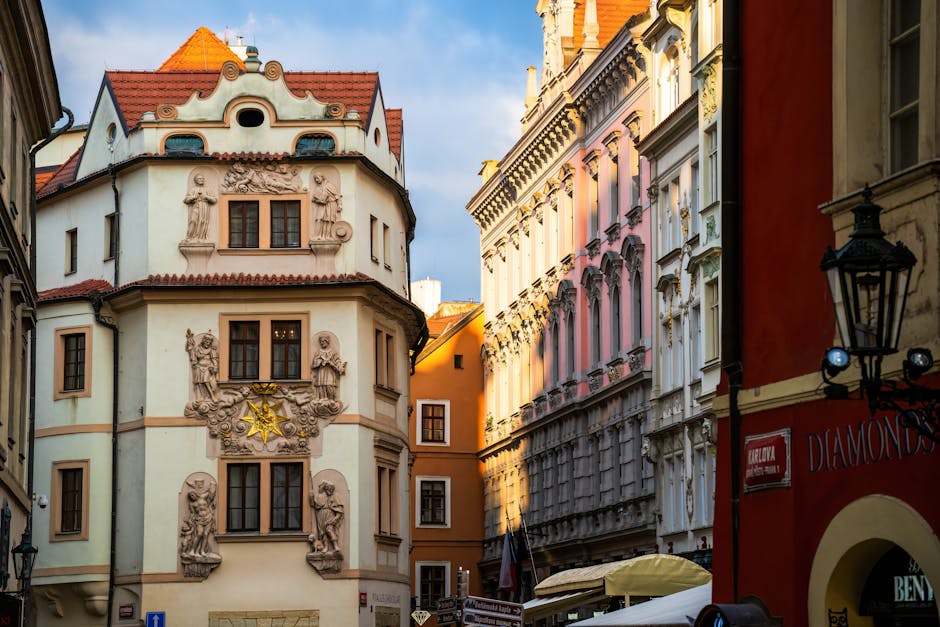
Explore the world's only Cubist architecture on this self-guided walking route through Prague's New Town and Old Town.
 Easy
EasyPrague, Czech Republic
Discover Prague's Golden Age on this self-guided walk through stunning Art Nouveau landmarks, from the Municipal House to Mucha's masterpieces.
 Challenging
Prague, Czech Republic
Discover Prague’s royal district and capture stunning panoramic vistas on this self-guided walking route through Hradčany and the Castle complex.
 Easy
EasyPrague, Czech Republic
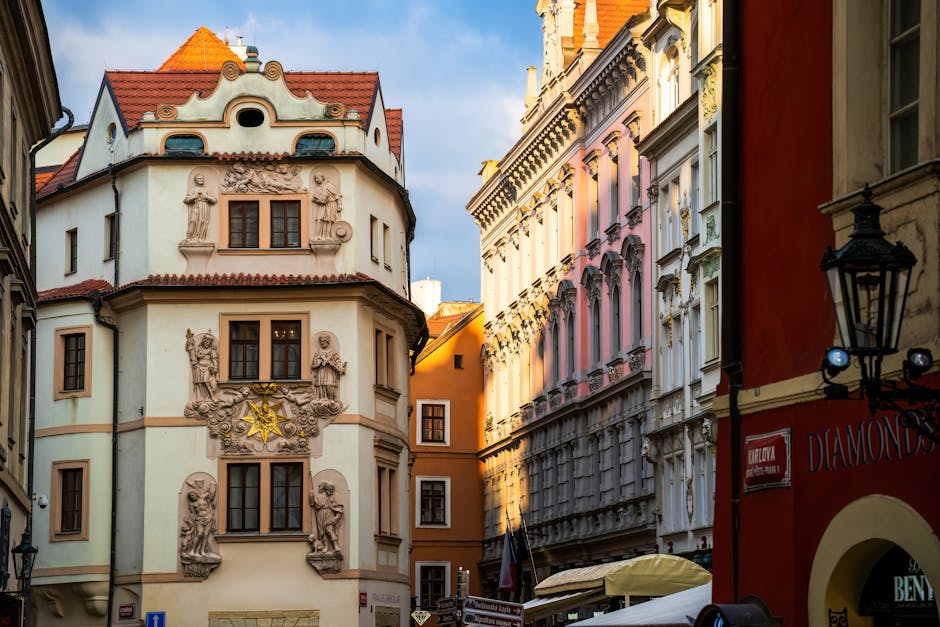
Discover the history of Pilsner and Prague's legendary pub culture on this self-guided audio walk through historic breweries and hidden local haunts.
 Easy
EasyKrakow, Poland
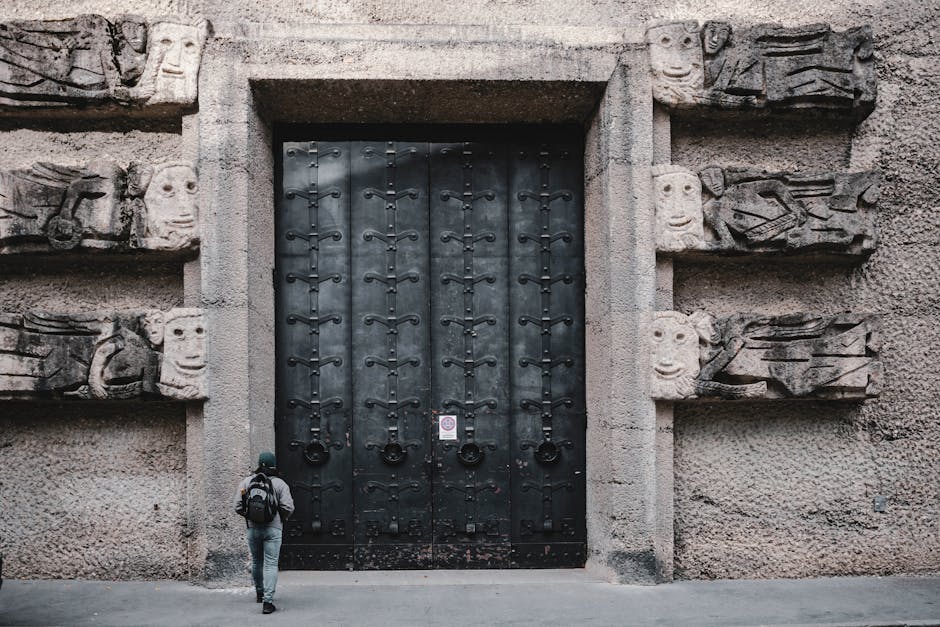
Explore the historic heart of Kazimierz on this self-guided walk through synagogues, ancient cemeteries, and vibrant squares.
 Easy
EasySalzburg, Austria
Discover the 'Rome of the North' on this self-guided walk through the Baroque squares and monumental legacy of Salzburg’s Prince-Archbishops.
 Easy
EasyGothenburg, Sweden
Discover Gothenburg’s 17th-century Dutch foundations, historic canals, and military fortifications on this self-guided architectural walk.
 Easy
EasyNairobi, Kenya
Explore Nairobi's architectural evolution from colonial-era landmarks to iconic Brutalist skyscrapers on this historic self-guided walking route.
 Easy
EasyCesky Krumlov, Czech Republic
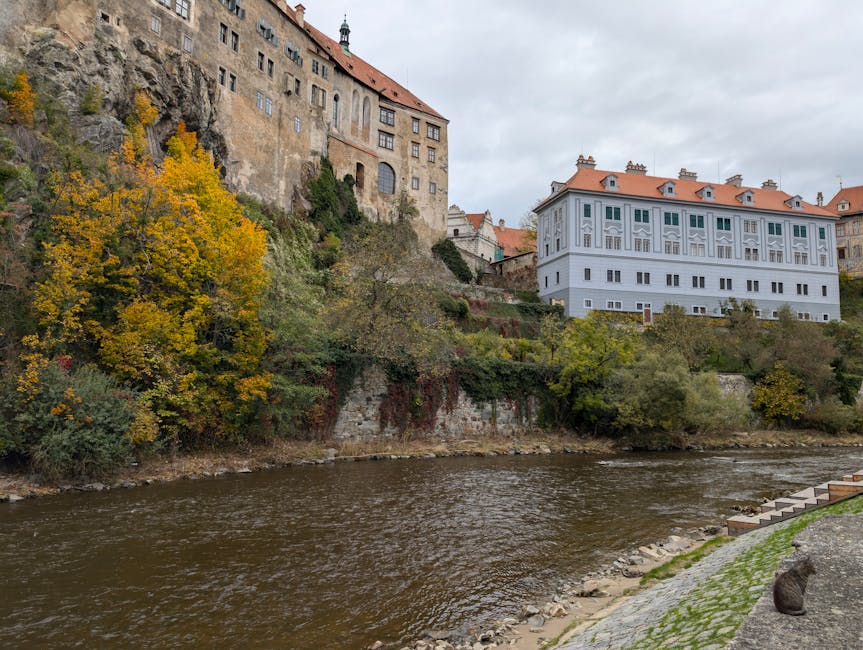
Discover the flavors of South Bohemia on this self-guided walk through the historic taverns, breweries, and riverside cafes of Cesky Krumlov.
 Moderate
Cesky Krumlov, Czech Republic
Escape the crowds and discover the artistic soul, historic villas, and hidden stories of Cesky Krumlov's most authentic neighborhood, Plešivec.
 Easy
EasyCesky Krumlov, Czech Republic
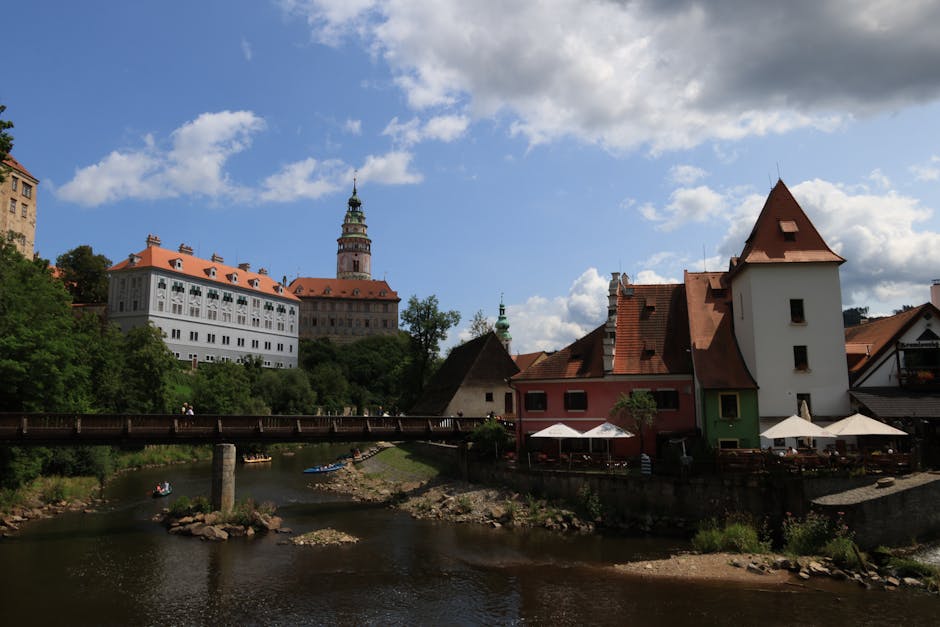
Discover the haunting legends and eerie history of Cesky Krumlov on this atmospheric self-guided audio walk through the moonlit Inner City.
 Easy
EasyCesky Krumlov, Czech Republic
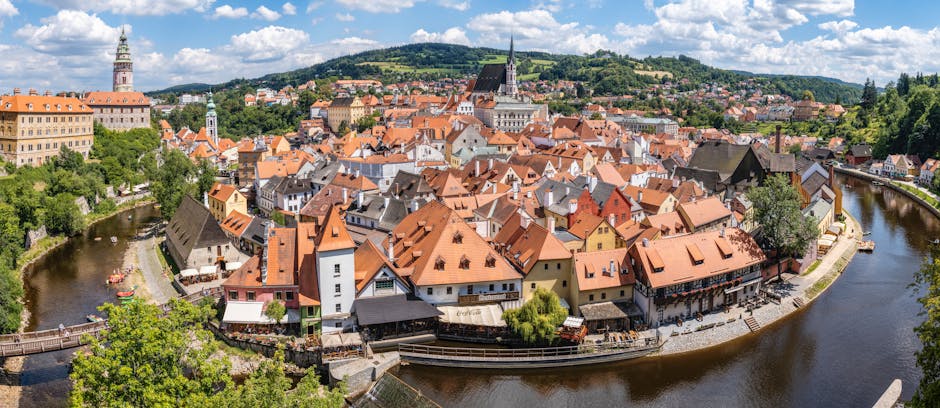
Explore the romantic Vltava riverbanks, hidden medieval alleys, and iconic bridges of Cesky Krumlov on this scenic self-guided photography walk.