Self-guided audio tour in Cesky Krumlov
Start Free on iPhone
Start free on iPhone to unlock this self-guided walking tour in Cesky Krumlov. Hear all the stories that make it amazing, walk at your own pace, and begin whenever you want.
Your Private Tour Guide
Step away from the bustling crowds of the Old Town and cross the bridge into Plešivec, one of the most atmospheric and historically rich neighborhoods in Český Krumlov. This self-guided walk invites you to explore a district that feels like a living museum, where the 16th-century industrial heritage meets the avant-garde spirit of the early 20th century. While most visitors congregate around the castle, this walking route offers a quieter, more authentic glimpse into the city's soul, focusing on the stories of the people who lived, worked, and created art in the shadows of the Vltava's winding banks. Throughout this neighborhood stroll, you will encounter the preserved legacy of pioneers like Josef Seidel, whose photography studio remains one of the most significant Art Nouveau monuments in Central Europe. You will also discover the poignant history of the local Jewish community at the beautifully restored Synagogue and stand at the very garden house where the controversial expressionist painter Egon Schiele once lived and worked. The path transitions from elegant suburban villas to the rugged charm of the Plešivec Square, eventually leading you back toward the river at the historic Krumlov Mill. This walking tour Cesky Krumlov experience is perfect for those who appreciate hidden gems and want to understand the layered history of the city beyond its iconic castle walls. Whether you are interested in the evolution of local industry or the quiet sanctity of a Baroque chapel, the Plešivec district provides a compelling narrative of resilience and creative spark. This independent exploration allows you to linger at the viewpoints overlooking the river and soak in the residential charm of a neighborhood that has retained its character through centuries of change. It is a moderate walk that rewards your curiosity with architectural diversity and stories of local life that are often missed on a standard walking tour Cesky Krumlov visit.
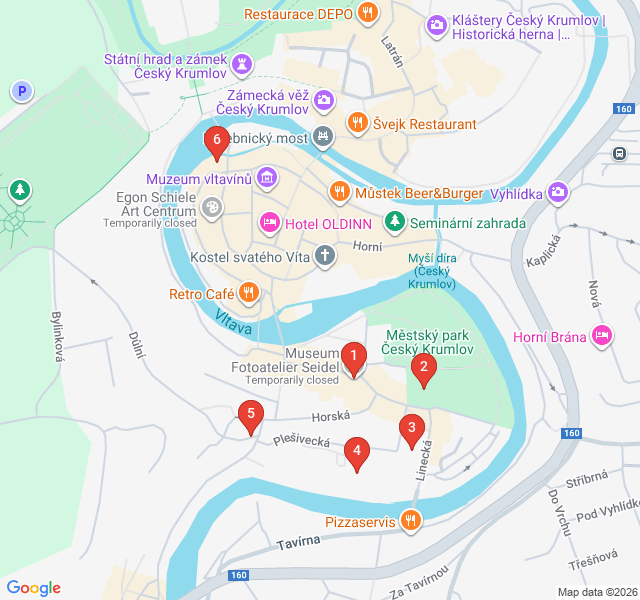
Numbers indicate the order of stops on the tour.
Begin your journey at the Museum Fotoatelier Seidel, a true time capsule of early 20th-century life. This building served as both the home and workplace of Josef and František Seidel, pioneers of photography in the Sumava region. Unlike many museums that have been reconstructed, this studio remains remarkably intact, featuring the original glass roof, darkrooms, and an extensive archive of glass plate negatives. The Seidels didn't just take portraits; they documented the daily lives, landscapes, and shifting borders of this region. As you stand outside this Art Nouveau gem, imagine the thousands of locals who once climbed these stairs to have their likenesses captured for eternity. It is one of the few places in Europe where the transition from manual retouching to early chemical processing is so vividly preserved.
A short walk leads to the Chapel of St. Martin, nestled within the former municipal cemetery. Originally a wooden structure dating back to the 14th century, the chapel you see today was rebuilt in the Baroque style in 1717. This site served as a sanctuary for the local community during times of plague and hardship. The surrounding park, once a graveyard, now offers a peaceful retreat from the more tourist-heavy areas of the city. Take a moment to appreciate the simple elegance of its architecture and the quiet dignity of the grounds. It marks the transition from the ecclesiastical history of the town to the residential expansion of the Plešivec suburb.
Continue to the Synagogue, a building that stands as a testament to the city's diverse cultural history and its survival. Built in 1909 in a distinctive Romanesque-Revival style with Art Nouveau elements, it was the first building in the city to use reinforced concrete. Its history is one of resilience; it survived the occupation of the Sudetenland and decades of neglect during the Communist era, when it served as a warehouse. Today, it has been meticulously restored and serves as a cultural space. Notice the Star of David windows and the unique architecture that sets it apart from the surrounding Bohemian styles. It serves as a poignant reminder of the vibrant Jewish community that once contributed to the city's prosperity.
Perched above the river is the garden house where the famous expressionist painter Egon Schiele lived and worked in 1911. Schiele, seeking refuge from the intensity of Vienna, moved to his mother’s hometown of Krumlov. However, his lifestyle and his penchant for drawing young local girls caused a scandal in this conservative neighborhood, eventually leading to his departure. From this vantage point, you can see why the artist was so inspired by the city's 'crooked' rooftops and winding streets, which he famously depicted in his 'Dead City' series. The house and its terraced garden remain an iconic spot for art lovers, capturing the bohemian spirit that still haunts the Plešivec district.
Make your way to Plešivec Square, the historic heart of this suburb. This area was originally settled by workers and craftsmen in the 16th century, and it retains a more rugged, lived-in feel than the polished Main Square across the river. The houses here often feature Renaissance foundations, with layers of Baroque and Neoclassical modifications added over the centuries. This square was the center of local life for the 'Plešivečtí'—the local residents who developed their own distinct identity separate from the town's elite. It’s a perfect place to observe the local pace of life and the unpretentious beauty of Krumlov’s architectural evolution.
The walk concludes at the Krumlov Mill, located at a strategic bend in the Vltava. This site has harnessed the power of the river since the 14th century, serving as a vital industrial hub for the town. The current building reflects centuries of reconstruction, showcasing the transition from a functional mill to an architectural landmark. The sound of the rushing water at the weir nearby provides a fitting soundtrack to the end of your journey. From here, you can see the castle towers rising in the distance, providing a perspective on how the industrial outskirts like Plešivec supported the grand life of the nobility. It is a perfect spot to reflect on the intersection of nature, industry, and history.
Start Free on iPhone
Explore “Plešivec: The Historic Suburb and Local Life” with your very own Private Tour Guide with Zigway. Start free on iPhone, skip the large group and the fixed routes, and hear the city come alive as you go.
Your Private Tour Guide
Don't miss the good stuff
Explore Freely
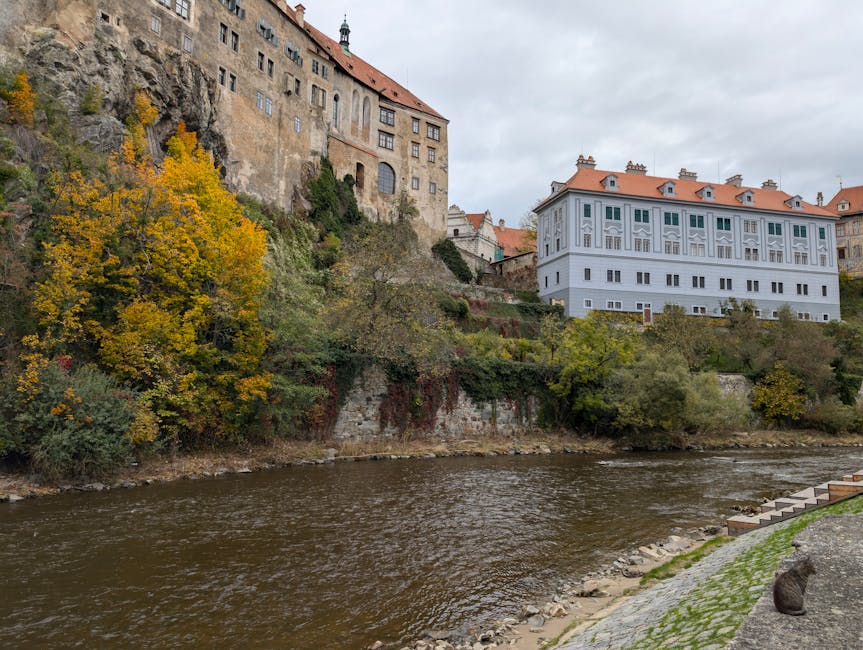 Easy
EasyCesky Krumlov, Czech Republic
Discover the flavors of South Bohemia on this self-guided walk through the historic taverns, breweries, and riverside cafes of Cesky Krumlov.
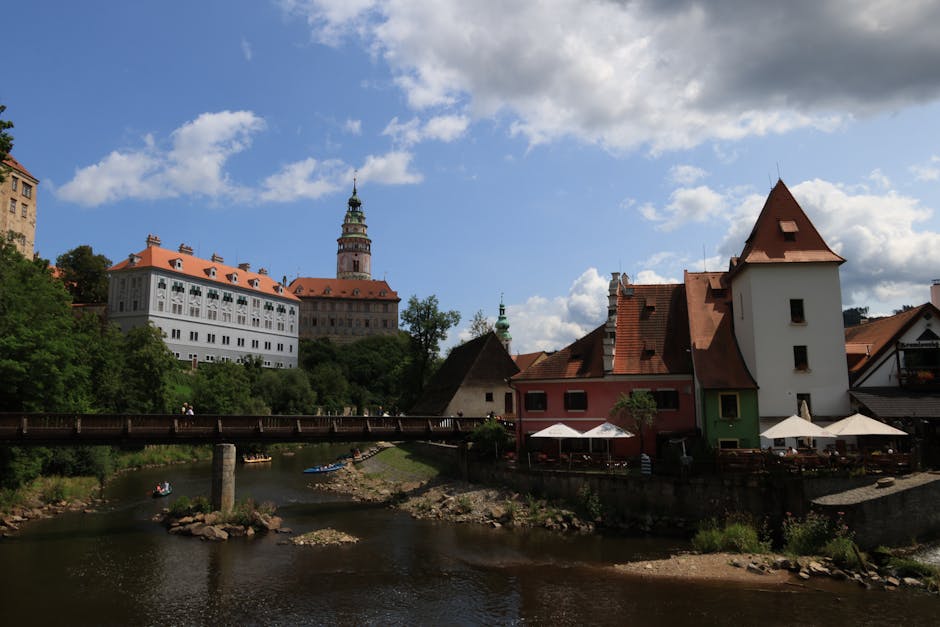 Easy
EasyCesky Krumlov, Czech Republic
Discover the haunting legends and eerie history of Cesky Krumlov on this atmospheric self-guided audio walk through the moonlit Inner City.
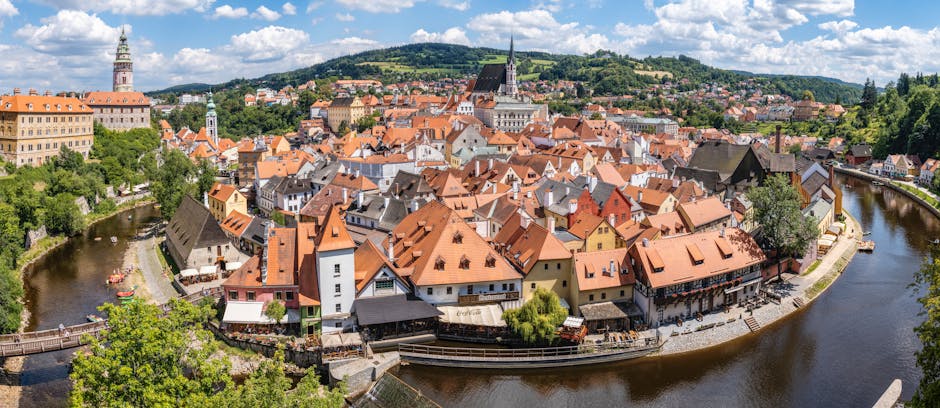 Easy
EasyCesky Krumlov, Czech Republic
Explore the romantic Vltava riverbanks, hidden medieval alleys, and iconic bridges of Cesky Krumlov on this scenic self-guided photography walk.
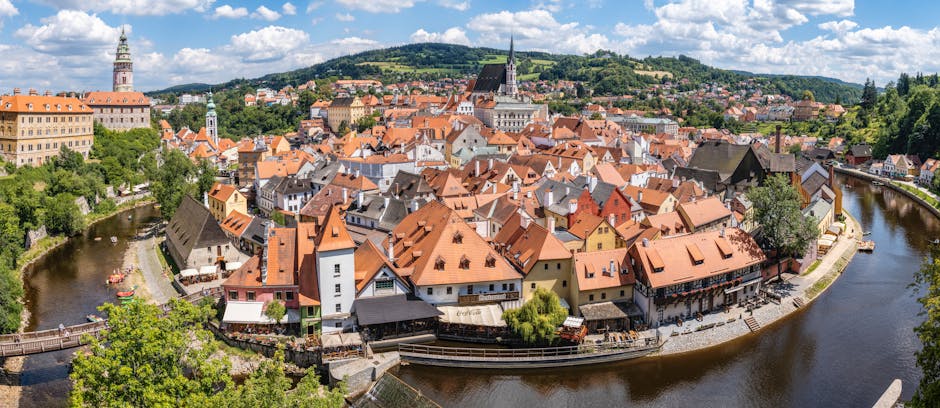 Moderate
Cesky Krumlov, Czech Republic
Discover the most iconic viewpoints and hidden photo spots in Český Krumlov on this scenic self-guided audio walk through the historic inner city.
 Easy
EasySalzburg, Austria
Discover Salzburg's oldest medieval alley, the birthplace of the 'Silent Night' author, and breathtaking views on this quiet self-guided walk.
 Moderate
Vienna, Austria
Discover the noir world of The Third Man and Cold War Vienna on this atmospheric self-guided audio walk through the historic Innere Stadt.
 Moderate
Gdansk, Poland
Discover Zaspa, a massive open-air gallery where grey housing blocks are transformed by over 60 monumental murals. Explore at your own pace.
 Easy
EasyWarsaw, Poland
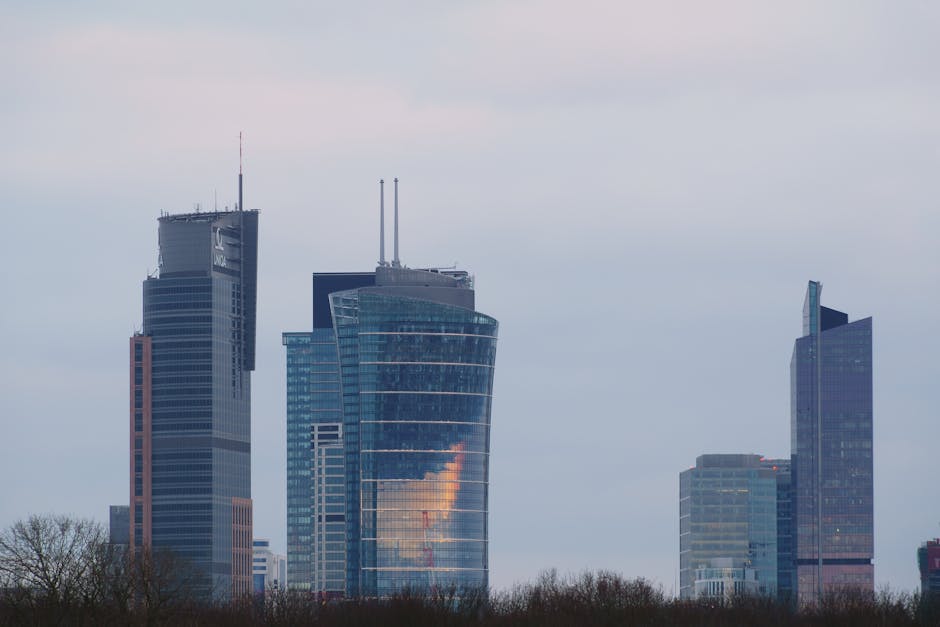
Discover the hidden courtyards and grand pre-war architecture of Warsaw's most atmospheric neighborhood on this self-guided stroll.
 Easy
EasyPrague, Czech Republic
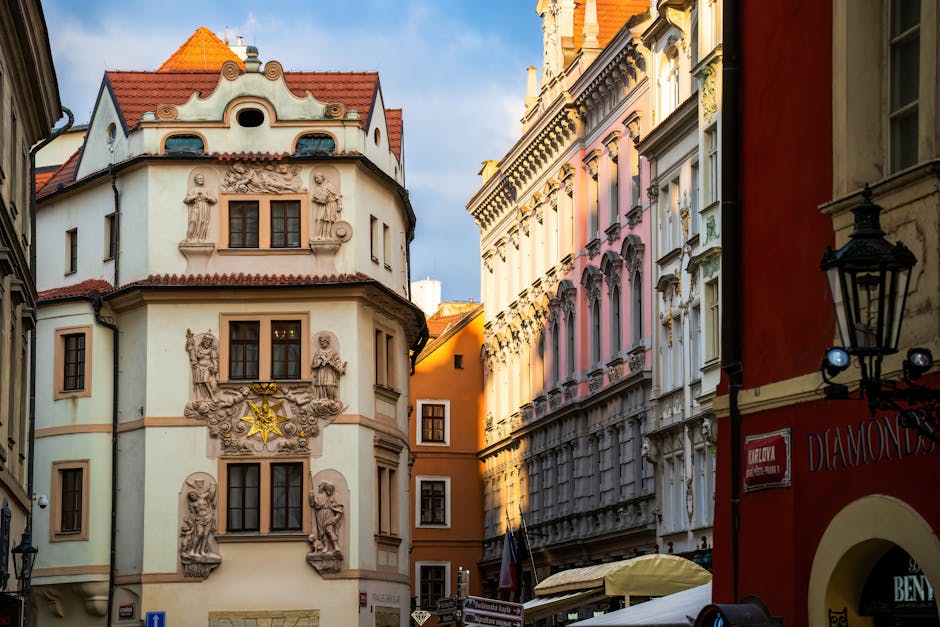
Explore the world's only Cubist architecture on this self-guided walking route through Prague's New Town and Old Town.
 Easy
EasyPrague, Czech Republic
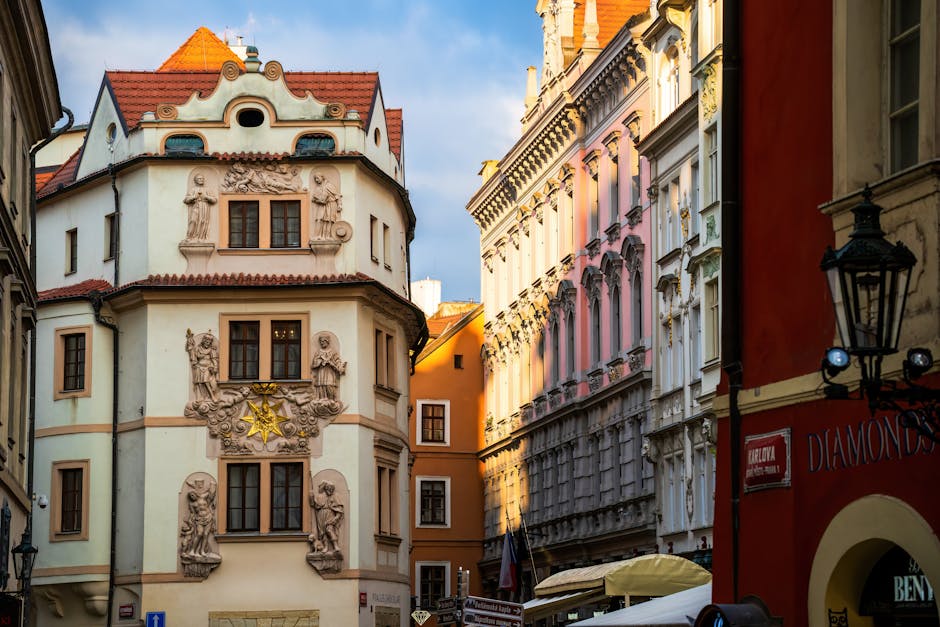
Discover Prague's Golden Age on this self-guided walk through stunning Art Nouveau landmarks, from the Municipal House to Mucha's masterpieces.
 Challenging
Prague, Czech Republic
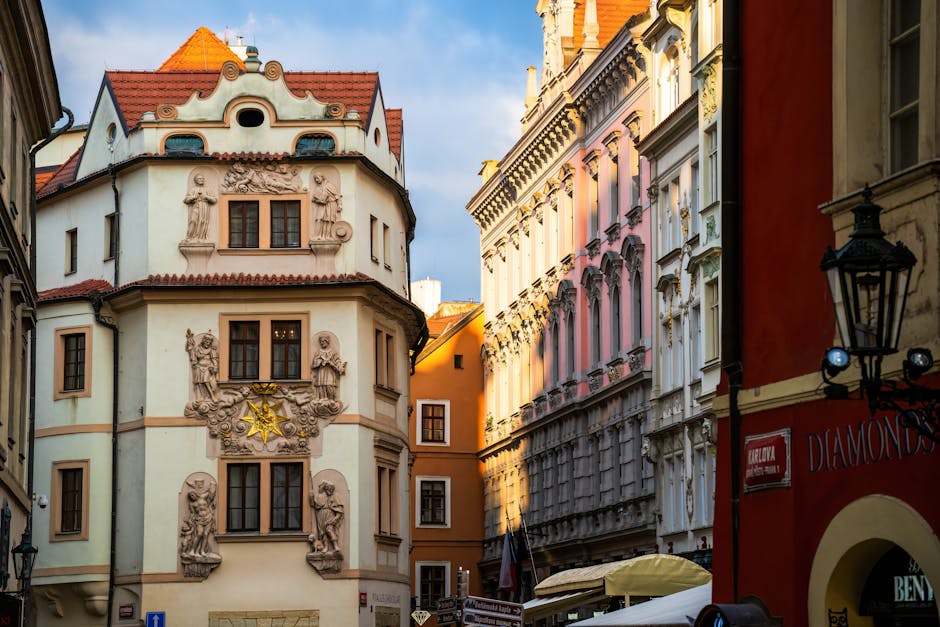
Discover Prague’s royal district and capture stunning panoramic vistas on this self-guided walking route through Hradčany and the Castle complex.
 Easy
EasyPrague, Czech Republic
Discover the history of Pilsner and Prague's legendary pub culture on this self-guided audio walk through historic breweries and hidden local haunts.