Self-guided audio tour in Kyoto
Start Free on iPhone
Start free on iPhone to unlock this self-guided walking tour in Kyoto. Hear all the stories that make it amazing, walk at your own pace, and begin whenever you want.
Your Private Tour Guide
Escape the urban bustle of central Kyoto and immerse yourself in Arashiyama, a district where the whispers of ancient history mingle with the rustle of towering bamboo. This self-guided walk invites you to explore a landscape that has inspired poets and emperors for over a millennium. Your journey begins at the iconic Togetsukyō Bridge, a structure whose name—'Moon Crossing Bridge'—evokes the celestial beauty of the Katsura River. As you cross, you'll witness the dramatic seasonal shifts of Mount Arashiyama, from cherry blossoms to fiery autumn maples. This neighborhood stroll isn't just about the scenery; it's an exploration of Japan's spiritual and artistic soul. Following the river, you will encounter the Kimono Forest, a vibrant installation of textile art that bridges traditional craftsmanship with modern design. From there, the route leads to the serene precincts of Tenryu-ji, a head temple of Zen Buddhism and a UNESCO World Heritage site. Here, the 14th-century garden remains virtually unchanged, offering a masterclass in 'borrowed scenery.' The path continues toward the mystical Nonomiya Shrine, famously mentioned in The Tale of Genji, before leading you into the heart of the Arashiyama Bamboo Forest. Walking through this emerald corridor is a sensory experience unlike any other, where the filtered light and the sound of swaying stalks create a natural cathedral. This walking route concludes at the Okochi Sanso Garden, the former private estate of a silent film star, offering panoramic views of the city and a quiet moment of reflection with traditional matcha. While many visitors look for a walking tour Kyoto offers, this independent audio walk allows you to linger where you feel most inspired, bypassing the rush of a traditional guided tour Kyoto might provide. Whether you are a photography enthusiast seeking the perfect light or a history buff tracing the footsteps of the Heian aristocracy, this route provides the ultimate Arashiyama experience at your own pace.
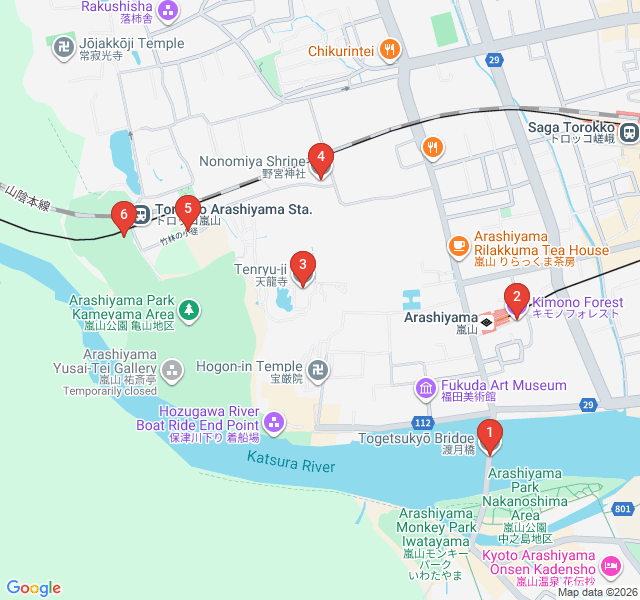
Numbers indicate the order of stops on the tour.
Welcome to the gateway of Arashiyama. The Togetsukyō Bridge, or 'Moon Crossing Bridge,' has spanned the Katsura River for centuries. Its name comes from an observation by Emperor Kameyama in the 13th century, who remarked that the moon looked as if it were crossing the bridge itself. While the current structure dates back to 1934, its aesthetic remains deeply traditional, with wooden railings that blend into the natural landscape. This is one of the most photographed spots in Japan, especially during the cherry blossom and autumn foliage seasons. Take a moment to look toward the mountains; the view has remained largely unchanged for a thousand years, serving as a backdrop for countless works of classical Japanese literature.
Just a short walk from the river is the Randen Arashiyama Station, home to the Kimono Forest. This isn't a forest of trees, but of 600 acrylic pillars wrapped in brilliant Kyo-yuzen textile. These fabrics are dyed using traditional methods that have defined Kyoto’s fashion for centuries. Designed by artist Yasumichi Morita, the installation creates a vibrant pathway leading through the station grounds. Look for the 'Ryu-no-Atago' or Dragon Pond, where visitors often pray for safe travels. This stop beautifully illustrates how Kyoto preserves its ancient crafts by reimagining them in contemporary, accessible ways. It is a perfect spot for photography before heading toward the deeper history of the temples.
Tenryu-ji is the most important Zen temple in Arashiyama and a UNESCO World Heritage site. Founded in 1339 by the shogun Ashikaga Takauji, the temple was dedicated to the memory of Emperor Go-Daigo. The highlight here is the Sogenchi Garden, designed by the famous Zen master Muso Soseki. Unlike many of the temple buildings which were rebuilt after fires, the garden survives in its original form from the 14th century. It features a large pond surrounded by rocks and pine trees, utilizing the 'shakkei' or borrowed scenery technique, which incorporates the distant Arashiyama mountains into the garden's design. As you walk the perimeter, notice how the perspective shifts, revealing new details of the landscape.
Tucked away at the entrance to the bamboo forest is Nonomiya Shrine, a site steeped in literary history. This shrine is famously featured in the 11th-century masterpiece 'The Tale of Genji.' Historically, this was where imperial princesses would undergo a period of purification before serving as high priestesses at the Ise Grand Shrine. You will notice the rare 'kuroki torii'—a sacred gate made of unbarked oak logs, representing one of the oldest styles of shrine architecture in Japan. Today, the shrine is a popular stop for those seeking help in matters of the heart or safe childbirth. The lush green moss garden here provides a tranquil contrast to the busier paths nearby.
You are now entering one of the most iconic landscapes in the world. The Arashiyama Bamboo Forest is more than just a visual marvel; it is a sensory experience. The Ministry of Environment has designated the sound of the wind rustling through these bamboo stalks as one of the '100 Soundscapes of Japan.' As you walk the winding path, the stalks of 'Moso' bamboo can reach heights of over 20 meters, filtering the sunlight into a soft, ethereal green glow. Bamboo is a symbol of strength and flexibility in Japanese culture, and this grove has provided material for local crafts like baskets and mats for generations. Try to walk in silence for a few moments to truly hear the 'whisper' of the bamboo.
This self-guided adventure concludes at the Okochi Sanso Garden, the former estate of Denjiro Okochi, a legendary star of Japanese silent samurai films. Over the course of 30 years, Okochi meticulously designed this villa and garden to capture the essence of all four seasons. The climb through the garden paths rewards you with some of the best panoramic views of Kyoto and the Hozugawa River. Your entry usually includes a bowl of hot matcha and a traditional sweet in the tea house, providing a perfect moment of Zen to reflect on your journey. It is a quiet, refined sanctuary that feels a world away from the crowds of the bamboo grove just outside its gates.
Start Free on iPhone
Explore “Bamboo Whispers and River Rhythms” with your very own Private Tour Guide with Zigway. Start free on iPhone, skip the large group and the fixed routes, and hear the city come alive as you go.
Your Private Tour Guide
Don't miss the good stuff
Explore Freely
 Moderate
Kyoto, Japan
Discover the soul of old Kyoto on this self-guided walk through preserved stone lanes, iconic pagodas, and the grand wooden stage of Kiyomizu-dera.
 Challenging
Kyoto, Japan
Ascend the sacred Mount Inari through thousands of vermillion torii gates on this challenging and spiritual self-guided walk in Kyoto.
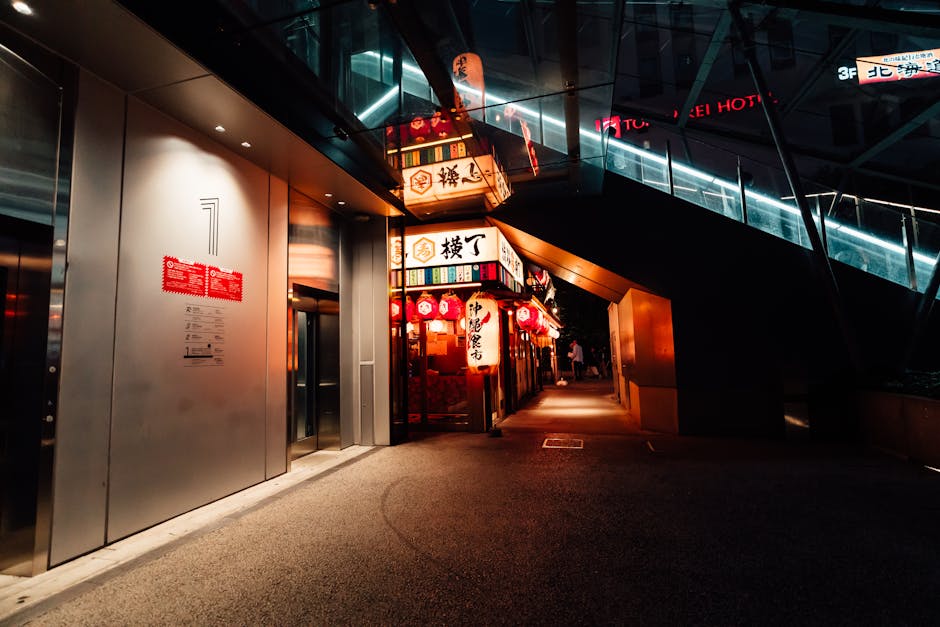 Easy
EasyKyoto, Japan
Explore Kyoto's most atmospheric alleyway. Discover geiko history, riverside dining, and hidden nightlife on this self-guided evening stroll.
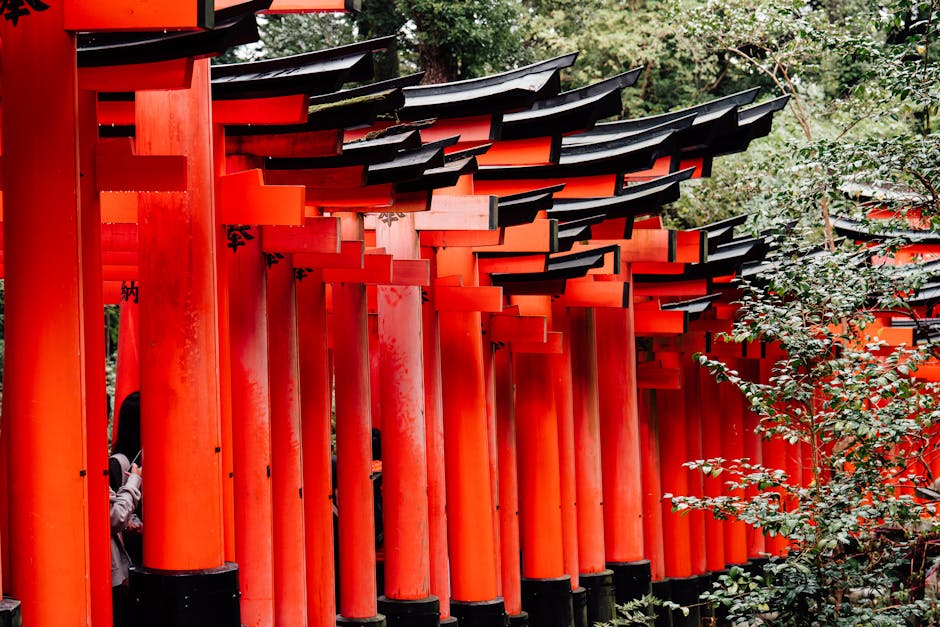 Moderate
Kyoto, Japan
Experience a serene self-guided walk along Kyoto's iconic Philosopher's Path, visiting Zen temples, hidden shrines, and the stunning Silver Pavilion.
 Easy
EasyNairobi, Kenya
Discover Nairobi's iconic skyline on this self-guided architecture walk through the CBD’s most famous modernist and Brutalist landmarks.
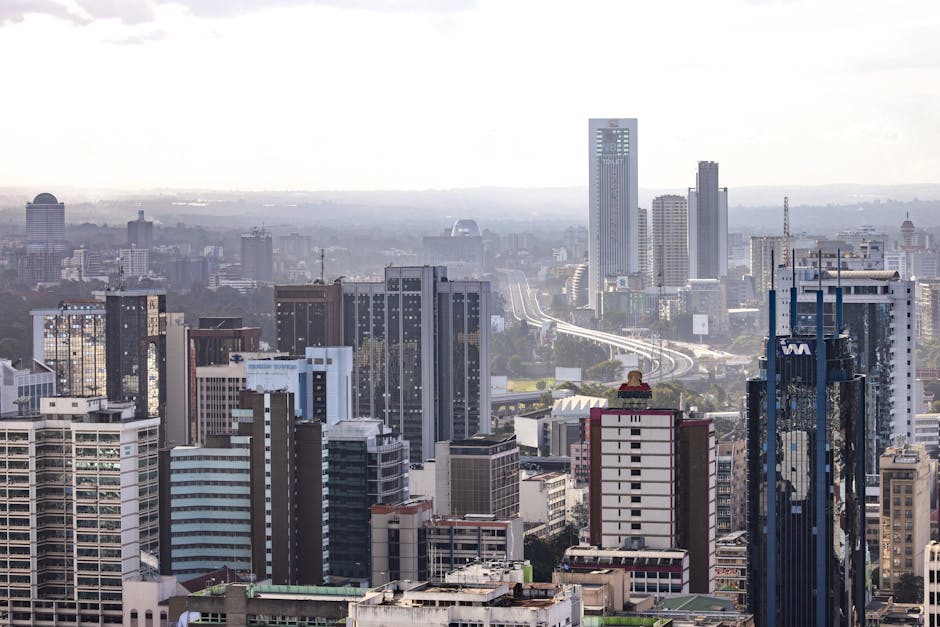 Moderate
Nairobi, Kenya
Discover Nairobi's lush side on this self-guided walk through botanical gardens, historic memorials, and vibrant local markets.
 Moderate
Gothenburg, Sweden
Explore Gothenburg’s lush "Green Lung" on this self-guided walk through the Botanical Garden, Slottsskogen park, and rugged Änggård Mountains.
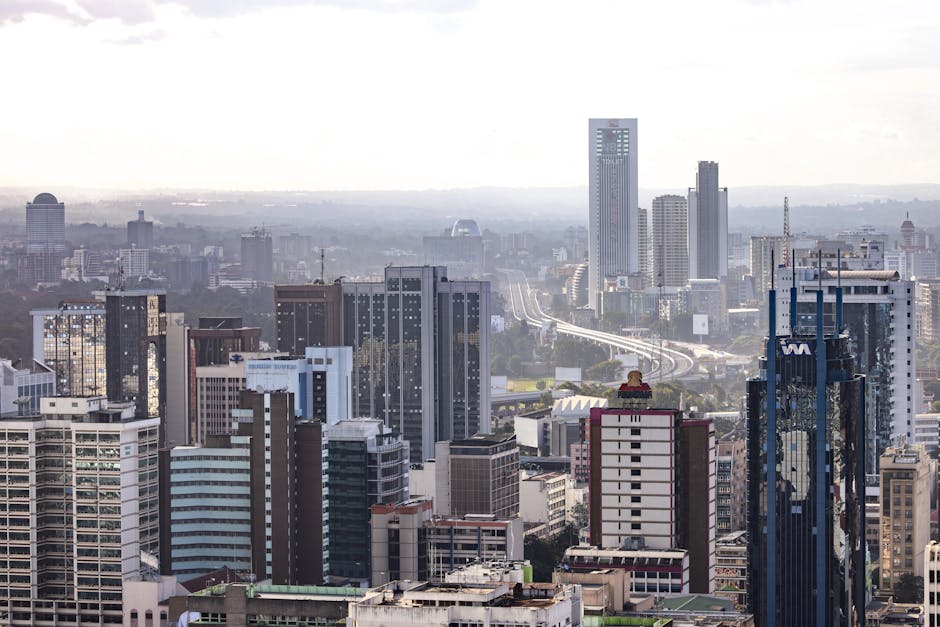 Easy
EasyNairobi, Kenya
Explore Nairobi's architectural evolution from colonial-era landmarks to iconic Brutalist skyscrapers on this historic self-guided walking route.
 Moderate
Tokyo, Japan
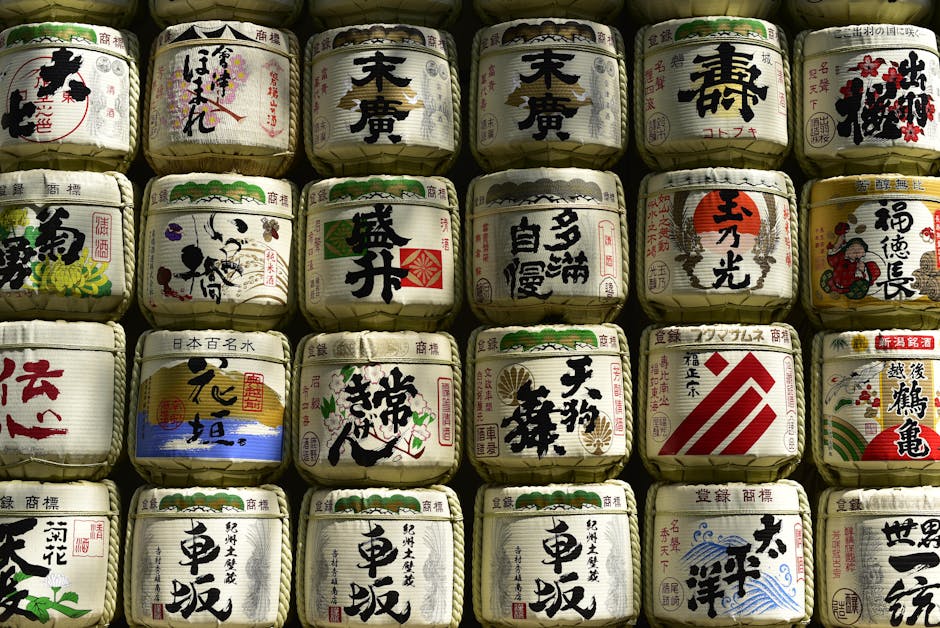
Discover Tokyo's premier creative district on this self-guided walk through Roppongi’s world-class museums and striking modern architecture.
 Easy
EasyTokyo, Japan
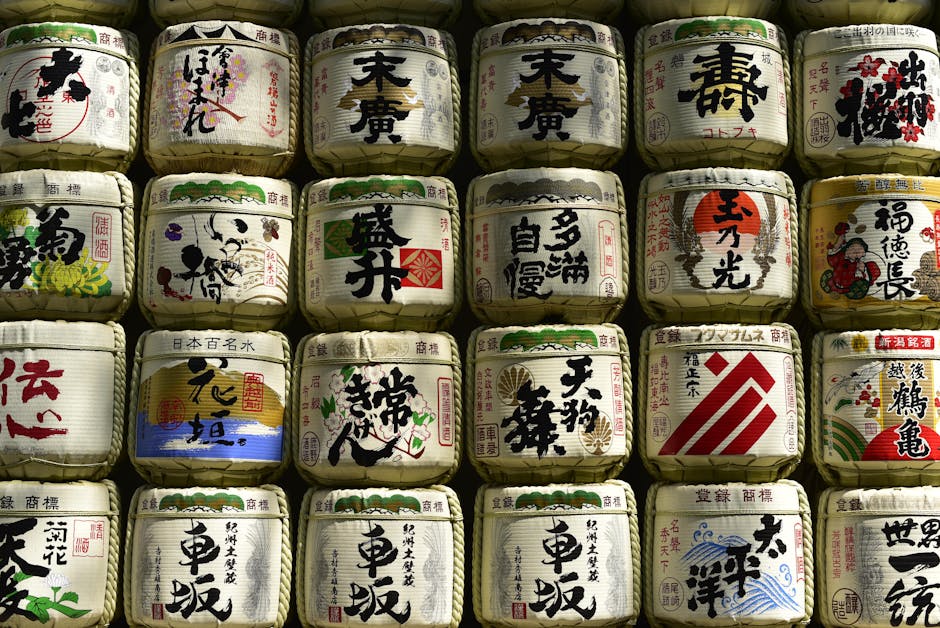
Discover the 'Old Tokyo' charm of Yanaka on this self-guided walk through historic temples, artisan alleys, and a stunning torii gate shrine.
 Easy
EasyTokyo, Japan
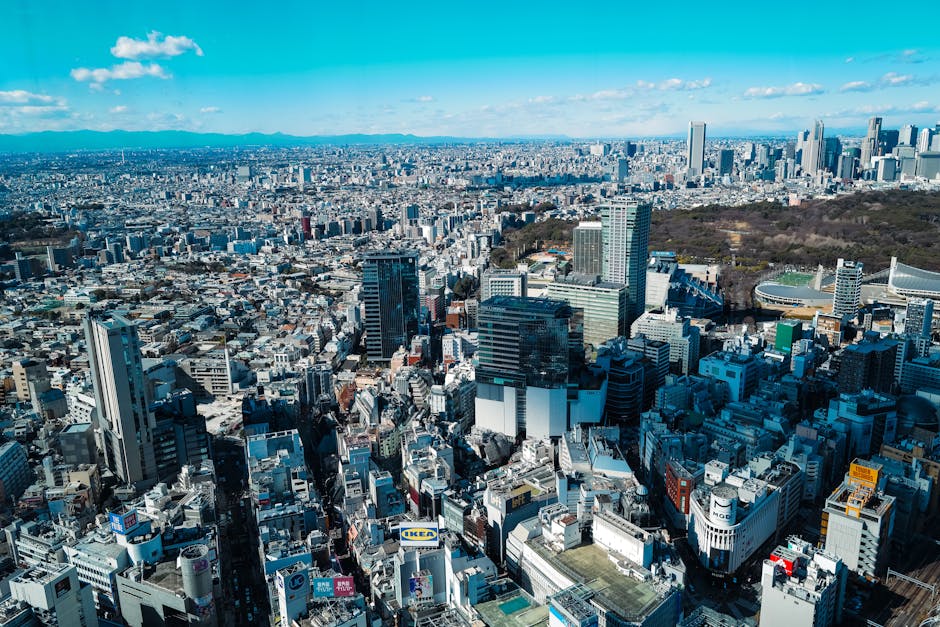
Experience Shibuya's electric energy on this self-guided walk from the iconic Scramble Crossing to the panoramic views of Shibuya Sky.
 Easy
EasyTokyo, Japan
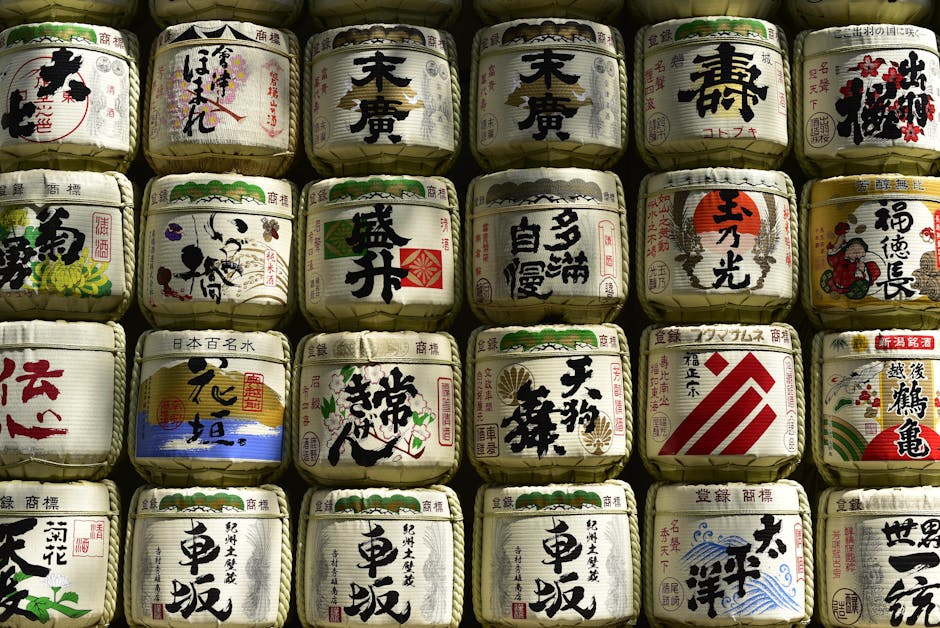
Explore Tokyo's indie heart. From vintage fashion in Shimokitazawa to world-class art in Shinjuku, discover the city's creative soul independently.