Self-guided audio tour in Kyoto
Start Free on iPhone
Start free on iPhone to unlock this self-guided walking tour in Kyoto. Hear all the stories that make it amazing, walk at your own pace, and begin whenever you want.
Your Private Tour Guide
Kyoto’s Gion district is a place where time seems to fold in on itself. As the sun begins to dip behind the Higashiyama mountains, the paper lanterns of Gion start to glow, casting long shadows across the cobblestone streets. This self-guided walk invites you to explore the heart of Japan’s most famous geisha district at your own pace. Far from the rush of modern city life, this neighborhood stroll focuses on the preservation of the 'Karyukai'—the world of flowers and willow. You will wander through the preserved streets of the Shirakawa area, where the sound of the flowing canal matches the rhythmic click of wooden sandals. This walking route is designed to highlight the dual nature of Gion: its serene, natural beauty along the water and its deeply spiritual foundations within its ancient temples. Along the way, you can admire the traditional machiya architecture, characterized by narrow wooden facades and intricate lattice windows. While many visitors come to Kyoto seeking a glimpse of a geiko or maiko, this audio walk encourages a deeper appreciation for the history that shaped their world. From the Zen gardens of Kenninji, the oldest Zen temple in the city, to the vibrant lanterns of Yasaka Shrine, the route captures the essence of Kyoto’s cultural capital. This walking tour Kyoto provides is a perfect introduction for those who want to understand the spiritual and social structures of the Higashiyama area. Whether you are interested in photography, architecture, or religious history, this self-guided adventure offers a comprehensive look at the landmarks that define the Kyoto experience. By following this independent path, you avoid the constraints of a group and can spend as much time as you like under the weeping willows or reflecting in the temple courtyards. It is an essential journey for anyone looking to experience the quiet elegance and enduring traditions of old Japan.
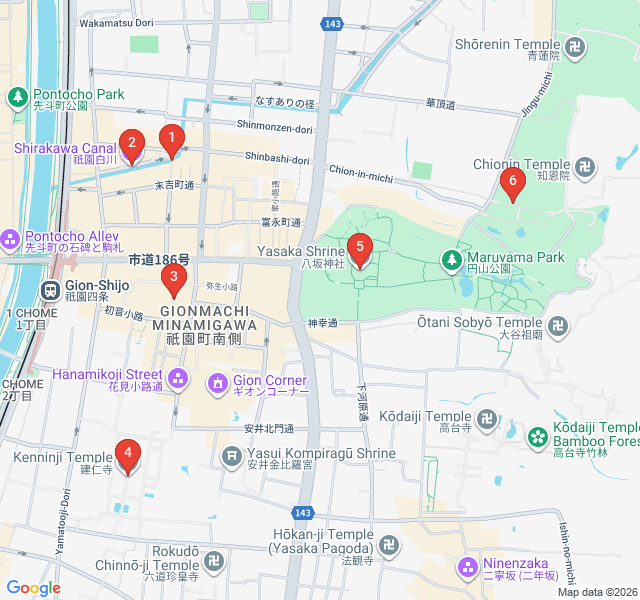
Numbers indicate the order of stops on the tour.
Tatsumi Bridge is perhaps the most photographed spot in Gion, and for good reason. This small, unassuming wooden bridge spans the Shirakawa Canal and serves as the gateway to the Gion Shinmonzen district. It is dedicated to the Tatsumi Daimyojin, a small shrine nearby that is said to protect the neighborhood. For centuries, this area has been a retreat for artists and poets who were inspired by the cherry blossoms and the sound of the water. As you stand here, notice the traditional machiya houses—historic merchant dwellings—that line the canal. This spot embodies the 'Shiba-inu' aesthetic of old Kyoto: modest, enduring, and perfectly integrated with the natural surroundings. It is the ideal place to begin your exploration of Gion’s quiet side.
Walking alongside the Shirakawa Canal feels like stepping into a woodblock print. The canal is lined with weeping willow trees that sway gently over the water, and the buildings here are mostly high-end 'ochaya' or teahouses. Unlike the busier parts of Gion, the Shirakawa area maintains a peaceful, residential atmosphere. The architecture here is strictly regulated to preserve its 17th-century appearance. Look for the 'inuyarai'—the curved bamboo fences at the base of the buildings—designed to protect the wooden walls from rain and passing traffic. This stretch of the route highlights the importance of water in Kyoto’s urban design, providing both beauty and a cooling effect during the humid summer months.
Nishi-Hanamikoji is a quieter alternative to the main Hanamikoji thoroughfare. This street is the heart of the Gion Kobu district, the largest and most prestigious geisha district in Kyoto. The tea houses here, marked by small red signs with white circles, are where geiko (as geisha are called in Kyoto) and maiko (their apprentices) perform the traditional arts of dance, music, and tea ceremony. This area is a living museum; the women who work here are practitioners of arts that have been handed down through generations. While walking here, remember that these are private places of business and residence. The subtle elegance of the dark wood and the lack of modern signage help maintain the illusion of a bygone era.
Founded in 1202 by the monk Eisai, who is credited with introducing Zen Buddhism and green tea to Japan, Kenninji is the city's oldest Zen temple. The temple grounds offer a stark contrast to the surrounding entertainment district. Even without entering the paid inner buildings, the atmosphere of the complex is one of profound stillness. The architecture follows the classic Zen layout, emphasizing symmetry and simplicity. One of the temple's most famous modern additions is the 'Twin Dragons' painting on the ceiling of the Hatto (Dharma Hall), installed in 2002 to commemorate the temple's 800th anniversary. Kenninji serves as a spiritual anchor for Gion, reminding visitors of the deep Buddhist roots that underlie Japanese culture.
Yasaka Shrine, often called Gion-sha, is one of the most important Shinto sites in Kyoto. For over a millennium, it has been the site of the Gion Matsuri, one of Japan’s most famous festivals. The shrine’s central stage is adorned with hundreds of lanterns, each bearing the name of a local business that has made a donation. These lanterns are lit every evening, creating a magical glow that attracts locals and travelers alike. Yasaka is dedicated to Susanoo-no-Mikoto, the god of the sea and storms, and is believed to offer protection against illness. The vibrant vermillion color of the gates and buildings stands in bright contrast to the muted tones of the geisha districts you just walked through.
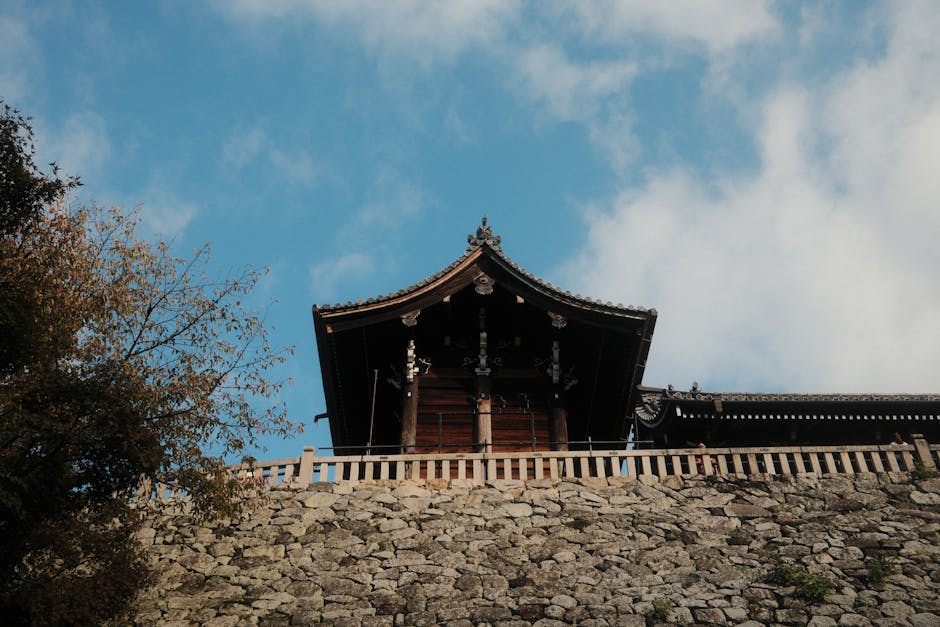
The final stop on this route is the Sanmon Gate of Chionin Temple. This massive structure is one of the largest wooden gates in Japan, standing 24 meters high. It was built in 1621 and serves as the entrance to the head temple of the Jodo (Pure Land) sect of Buddhism. The scale of the gate was intended to demonstrate the power of the Tokugawa Shogunate, which funded its construction. If you look closely at the roof, you might spot an umbrella left by a craftsman—a symbol of protection against fire. From this vantage point, you can look back toward the city or continue upward into the temple's vast grounds, concluding your journey through the historic heart of Kyoto.
Start Free on iPhone
Explore “Geisha Glances and Gion Lanterns” with your very own Private Tour Guide with Zigway. Start free on iPhone, skip the large group and the fixed routes, and hear the city come alive as you go.
Your Private Tour Guide
Don't miss the good stuff
Explore Freely
 Moderate
Kyoto, Japan
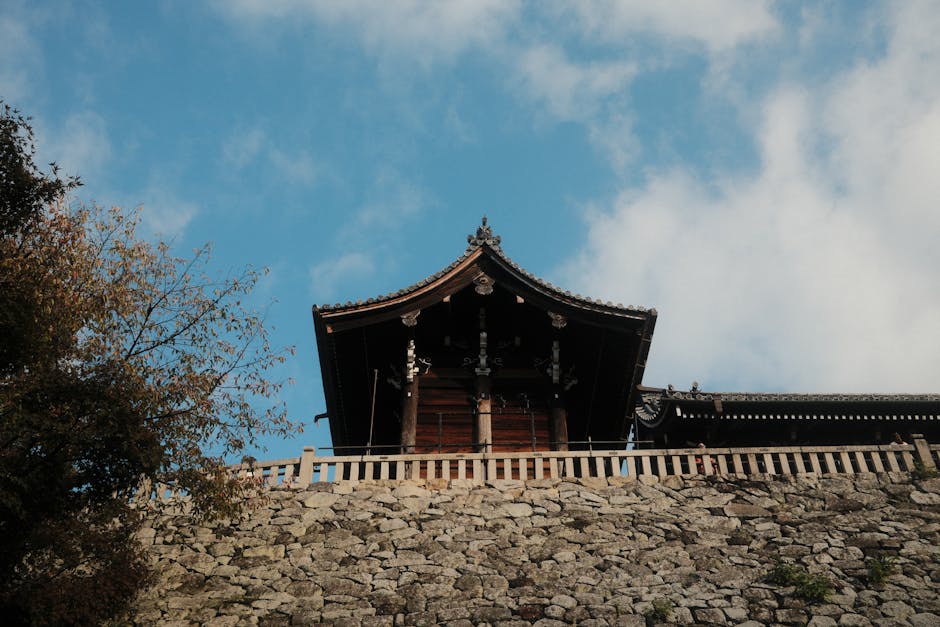
Discover the soul of old Kyoto on this self-guided walk through preserved stone lanes, iconic pagodas, and the grand wooden stage of Kiyomizu-dera.
 Challenging
Kyoto, Japan
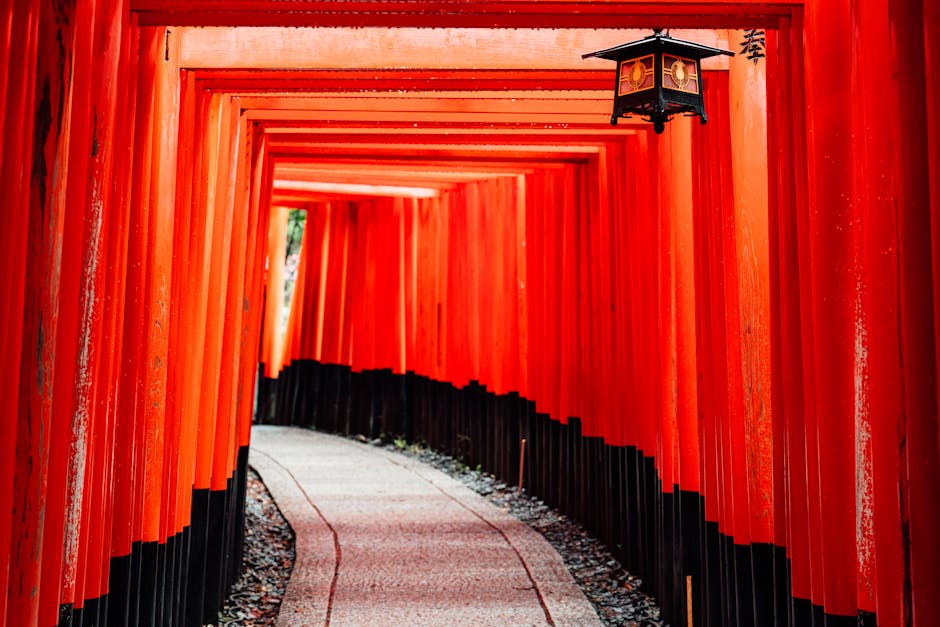
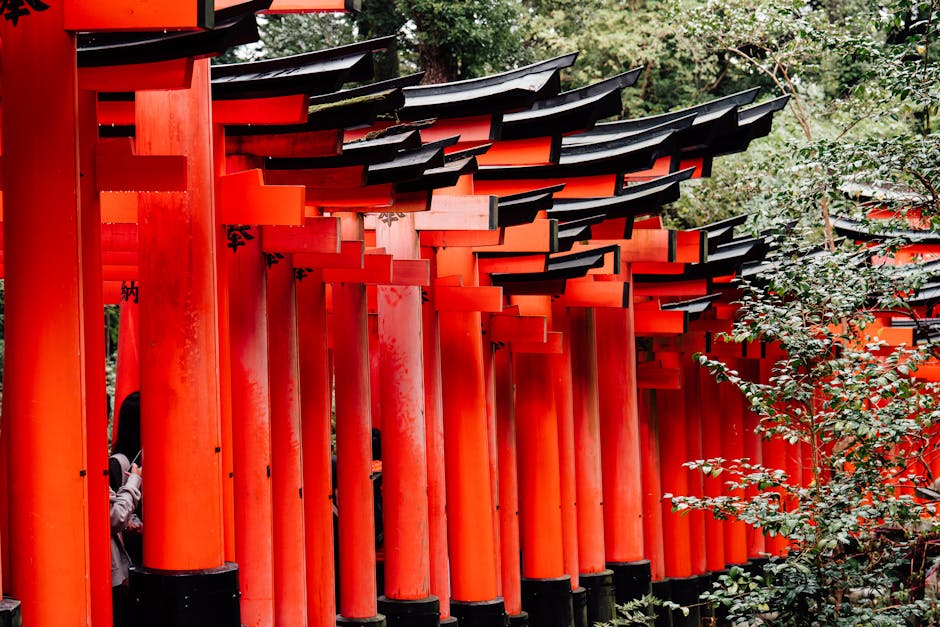
Ascend the sacred Mount Inari through thousands of vermillion torii gates on this challenging and spiritual self-guided walk in Kyoto.
 Easy
EasyKyoto, Japan
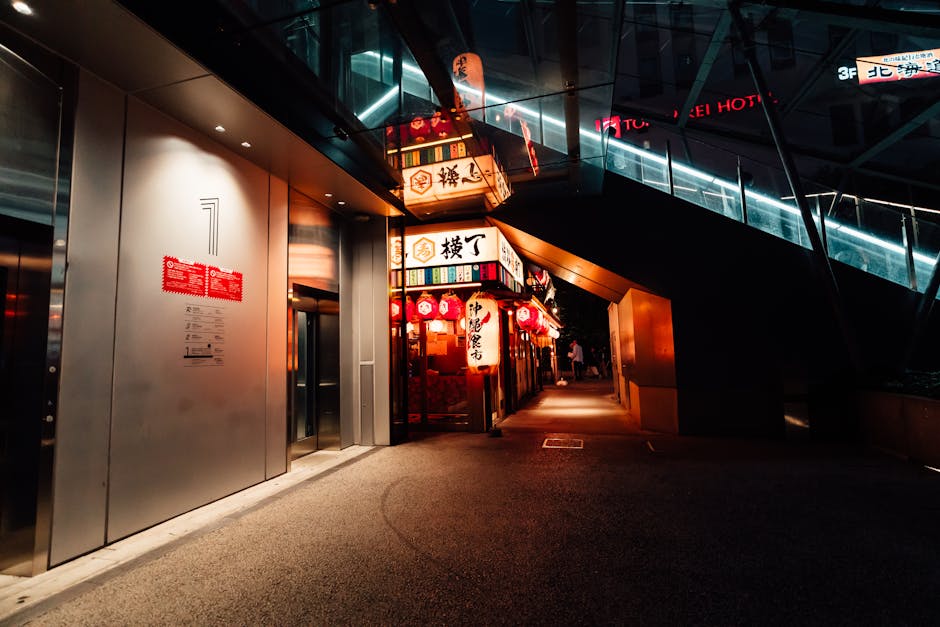
Explore Kyoto's most atmospheric alleyway. Discover geiko history, riverside dining, and hidden nightlife on this self-guided evening stroll.
 Moderate
Kyoto, Japan
Experience a serene self-guided walk along Kyoto's iconic Philosopher's Path, visiting Zen temples, hidden shrines, and the stunning Silver Pavilion.
 Moderate
Vienna, Austria
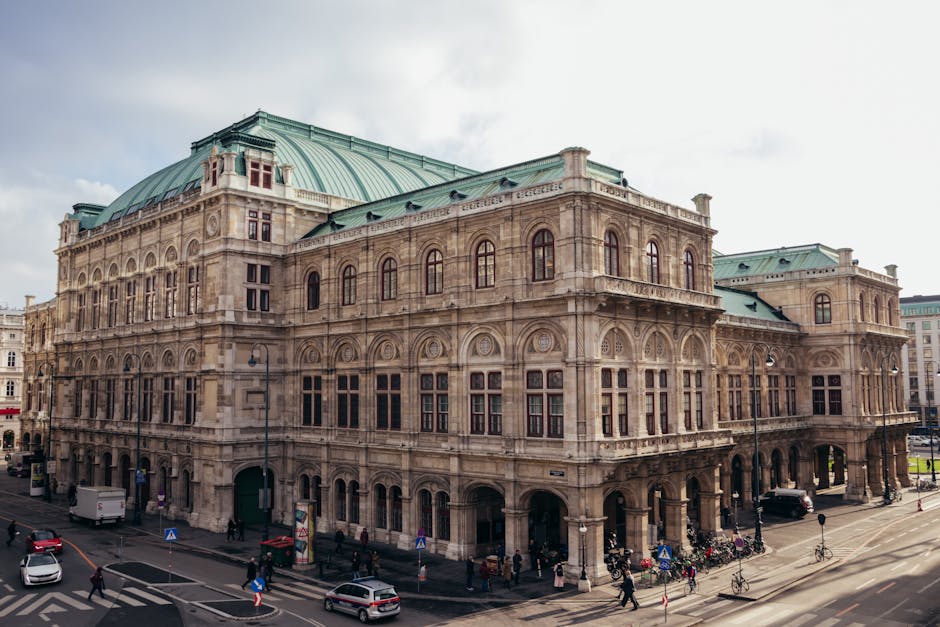
Discover the noir world of The Third Man and Cold War Vienna on this atmospheric self-guided audio walk through the historic Innere Stadt.
 Easy
EasyNairobi, Kenya
Explore the history of Kenya’s independence through the statues, monuments, and parks that define Nairobi’s political heart on this self-guided walk.
 Easy
EasyNairobi, Kenya
Discover Nairobi's iconic skyline on this self-guided architecture walk through the CBD’s most famous modernist and Brutalist landmarks.
 Easy
EasyKrakow, Poland
Explore the historic heart of Kazimierz on this self-guided walk through synagogues, ancient cemeteries, and vibrant squares.
 Moderate
Tokyo, Japan
Discover Tokyo's premier creative district on this self-guided walk through Roppongi’s world-class museums and striking modern architecture.
 Easy
EasyTokyo, Japan
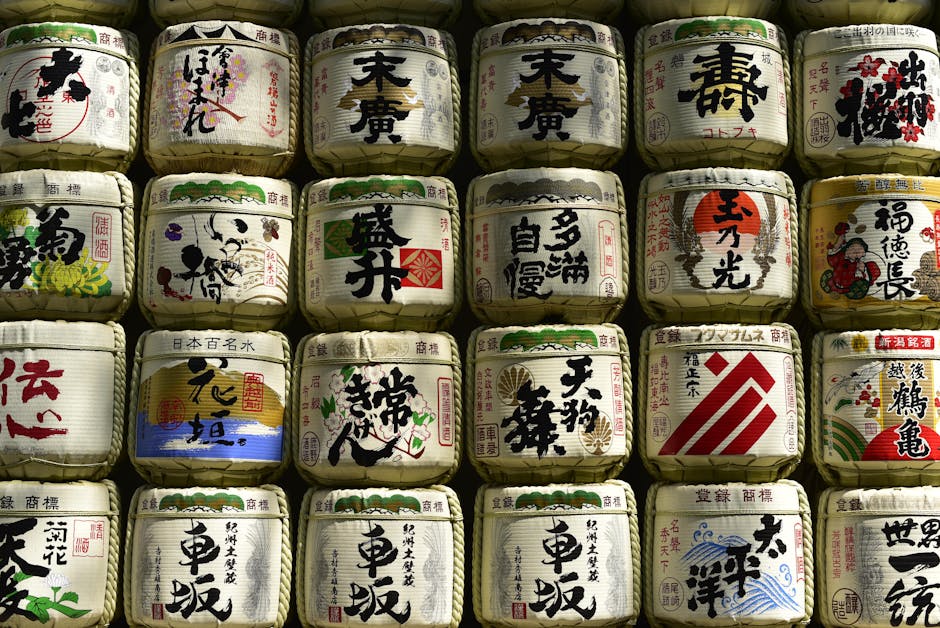
Discover the 'Old Tokyo' charm of Yanaka on this self-guided walk through historic temples, artisan alleys, and a stunning torii gate shrine.
 Easy
EasyTokyo, Japan
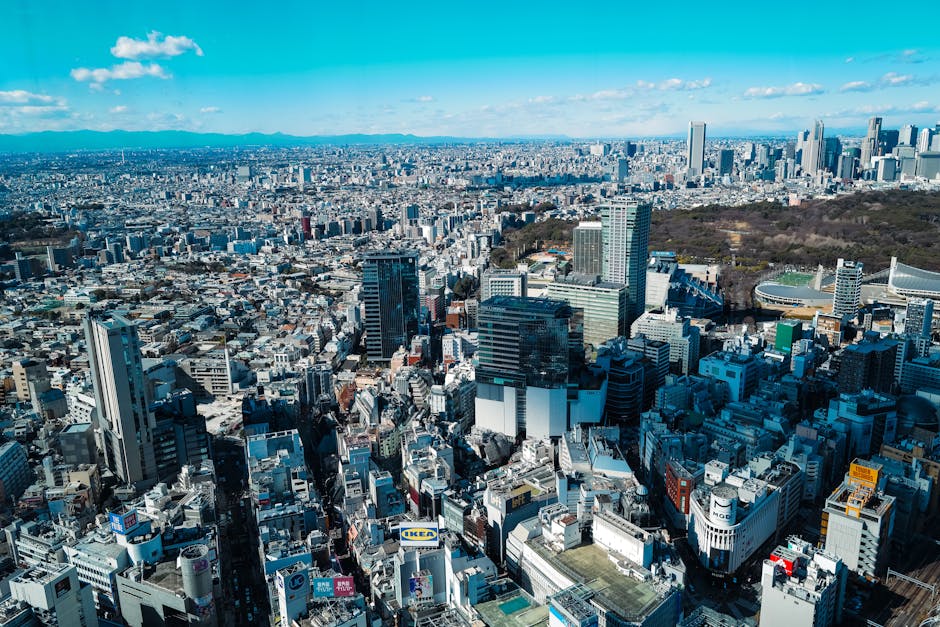
Experience Shibuya's electric energy on this self-guided walk from the iconic Scramble Crossing to the panoramic views of Shibuya Sky.
 Easy
EasyTokyo, Japan
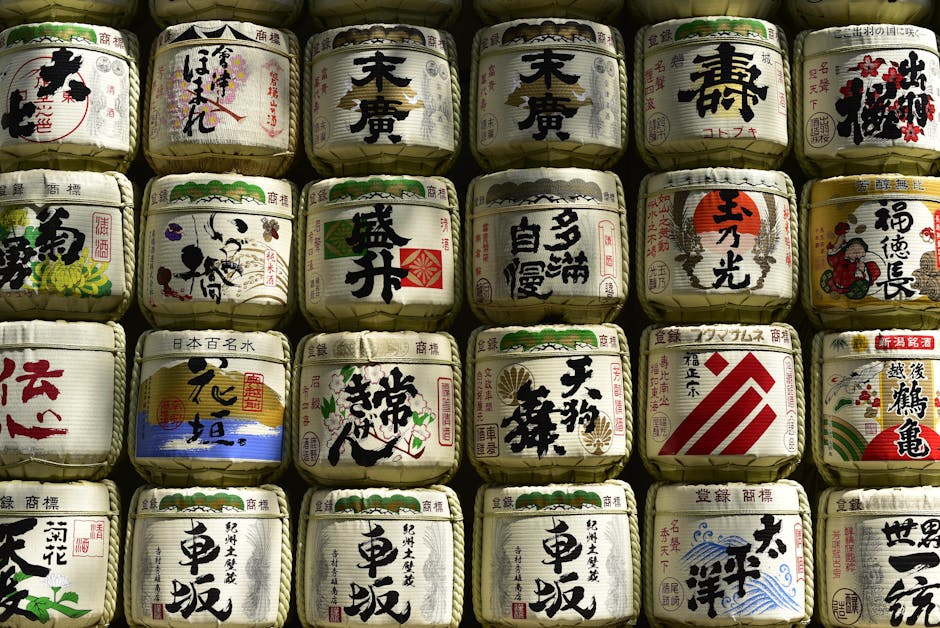
Explore Tokyo's indie heart. From vintage fashion in Shimokitazawa to world-class art in Shinjuku, discover the city's creative soul independently.