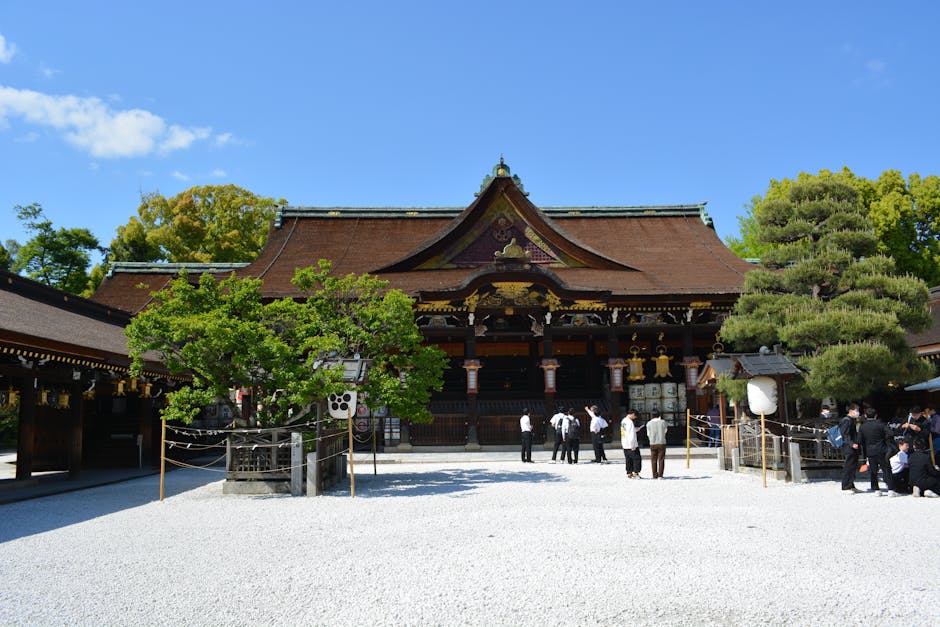
Self-guided audio tour in Kyoto
Start Free on iPhone
Start free on iPhone to unlock this self-guided walking tour in Kyoto. Hear all the stories that make it amazing, walk at your own pace, and begin whenever you want.
Your Private Tour Guide
Kyoto is often celebrated as a living museum of the 10th century, but this self-guided walk invites you to look closer at the layers of 20th and 21st-century design that define the city's southern gateway. This neighborhood stroll explores the fascinating tension between preservation and innovation, moving from the playful galleries of the Manga Museum to the awe-inspiring heights of Kyoto Station. It is an exploration that reveals how Kyoto honors its heritage while embracing a bold, futuristic vision. This walking route highlights the structural diversity of the city. You will encounter the Showa-era grandeur of the City Hall and the serene, hidden landscapes of Shōsei-en Garden, which offers a moment of Zen amidst the urban bustle. As you progress toward the station, the architecture becomes increasingly monumental. The towering presence of Higashi Hongan-ji—one of the world’s largest wooden buildings—stands in stark contrast to the nearby Kyoto Tower, a mid-century beacon of modernity. Exploring at your own pace allows you to appreciate the intricate details of these sites without the rush of a group. The journey culminates at the futuristic Kyoto Station, a canyon of steel and glass designed by Hiroshi Hara that redefined Japanese civic architecture. This walking tour Kyoto provides is perfect for those who want to see beyond the temples and shrines, discovering a city that is as much about contemporary vision as it is about ancient tradition. Whether you are an architecture enthusiast, a pop-culture fan, or a first-time visitor, this audio walk provides a unique perspective on the urban evolution of Japan’s cultural capital.
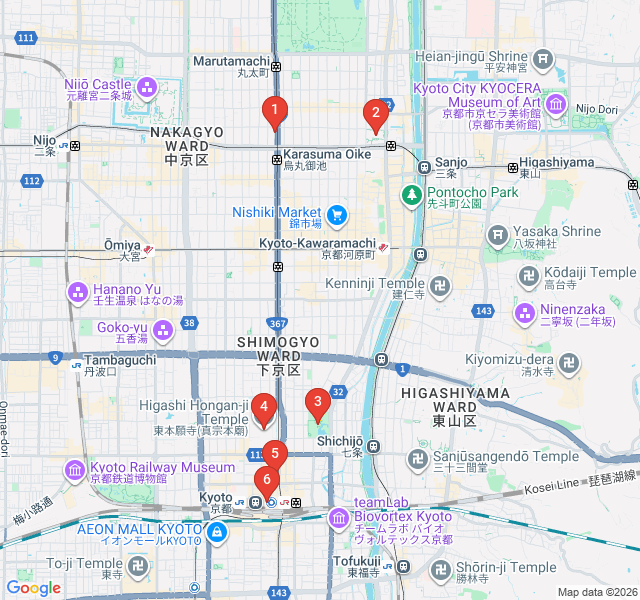
Numbers indicate the order of stops on the tour.
Begin your self-guided adventure at a site where history meets pop culture. This building was once the Tatsuike Elementary School, constructed in 1929. Notice how the architecture retains its pre-war schoolhouse charm, with creaky wooden floors and high ceilings, even as it now houses over 300,000 manga volumes. This is a prime example of Kyoto’s 'adaptive reuse'—preserving the physical shell of the past to host the creativity of the present. The museum doesn't just display books; it documents the evolution of manga from 19th-century caricatures to the global phenomenon of today. Take a moment to appreciate the large 'Phoenix' sculpture by Osamu Tezuka in the courtyard, a symbol of the museum's spirit.
As you continue your walking route, you’ll encounter the Kyoto City Hall. Completed in 1927, this building represents the 'Imperial Crown' style, a blend of Western neoclassical structure and Japanese aesthetic flourishes. This was a period when Japan was rapidly modernizing and asserting its place on the world stage. Look for the intricate stone carvings and the clock tower, which stood as a symbol of punctuality and progress for the city. While the interior is functional for city governance, the exterior remains a steadfast reminder of the Showa era's architectural ambitions, surviving the modernization that has transformed much of the surrounding Karasuma district.
Step away from the city streets and into the quietude of Shōsei-en. This detached garden of the Higashi Hongan-ji Temple was designed in 1641 by the scholar Ishikawa Jozan. It is a 'stroll garden,' meant to be enjoyed by walking around its central pond. What makes Shōsei-en special in this modern context is the surrounding backdrop; you can see the Kyoto Tower peeking over the traditional teahouses and weeping willows. This juxtaposition of a 17th-century Zen retreat against the 20th-century skyline is the essence of Kyoto. The garden features several historic teahouses and a beautiful high-arched bridge known as the 'Ingetsu-kyo' or Moon-Reflecting Bridge.
Just a short walk away lies the massive Higashi Hongan-ji. This temple complex is a testament to the resilience of Japanese wooden architecture. The main hall, or Goei-do, is one of the largest wooden structures in the world. It was rebuilt in 1895 after several fires destroyed previous iterations. Inside, look for the 'Kezuna'—massive ropes made of human hair donated by devotees, which were used to haul the giant timber beams into place during construction because ordinary hemp ropes kept snapping. The scale of the hall is designed to inspire awe, symbolizing the vastness of the Buddha's compassion in the Jodo Shinshu tradition.
Rising 131 meters above the city, Kyoto Tower is an unmistakable landmark. Built in 1964 to coincide with the Tokyo Olympics, its design was highly controversial at the time. Critics argued that its sleek, white, needle-like shape—meant to resemble a traditional Japanese candle or a lighthouse—clashed with the city’s ancient temple roofs. Today, it is a beloved icon of mid-century modernism. Interestingly, the tower has no steel frame; it is a monocoque structure made of cylindrical steel plates welded together, designed to withstand the strongest typhoons and earthquakes. It stands as a beacon, welcoming travelers as they arrive at the gateway to the city.
Your self-guided walk concludes at the magnificent Kyoto Station. Designed by Hiroshi Hara and opened in 1997 to commemorate the city's 1,200th anniversary, this is a masterpiece of contemporary architecture. Step into the central 'Matrix'—a vast, open-air atrium that rises 15 stories. The use of exposed steel beams and 4,000 glass panels creates a futuristic 'canyon' that mirrors the grid-like streets of ancient Kyoto. Climb the 'Daikaidan' or Grand Stairway, which features thousands of LED lights that change with the seasons. It is not just a transit hub, but a vertical city containing a department store, a theater, and a skywalk with panoramic views.
Start Free on iPhone
Explore “Steel, Glass, and Zen: Modern Kyoto” with your very own Private Tour Guide with Zigway. Start free on iPhone, skip the large group and the fixed routes, and hear the city come alive as you go.
Your Private Tour Guide
Don't miss the good stuff
Explore Freely
 Moderate
Kyoto, Japan
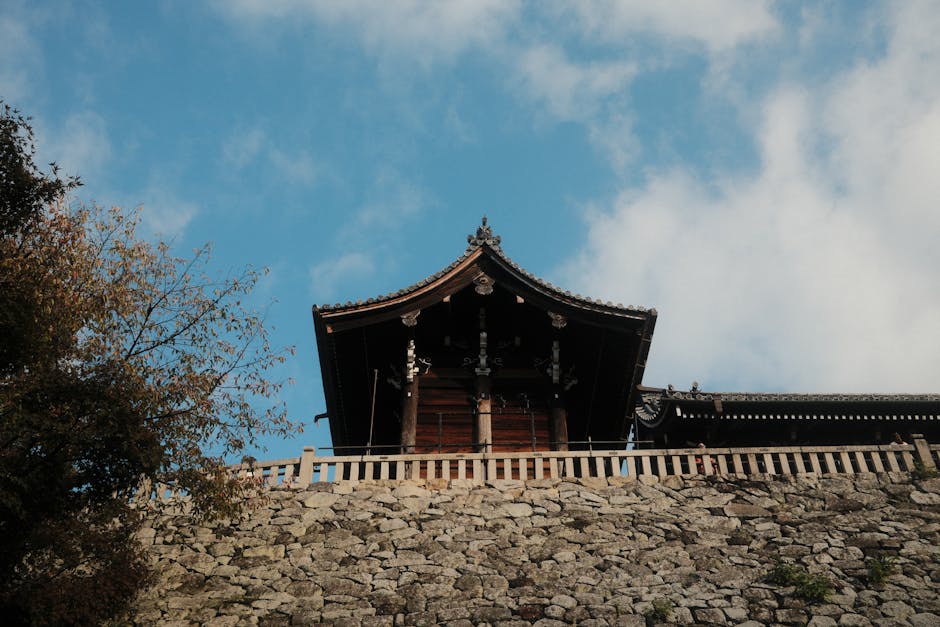
Discover the soul of old Kyoto on this self-guided walk through preserved stone lanes, iconic pagodas, and the grand wooden stage of Kiyomizu-dera.
 Challenging
Kyoto, Japan
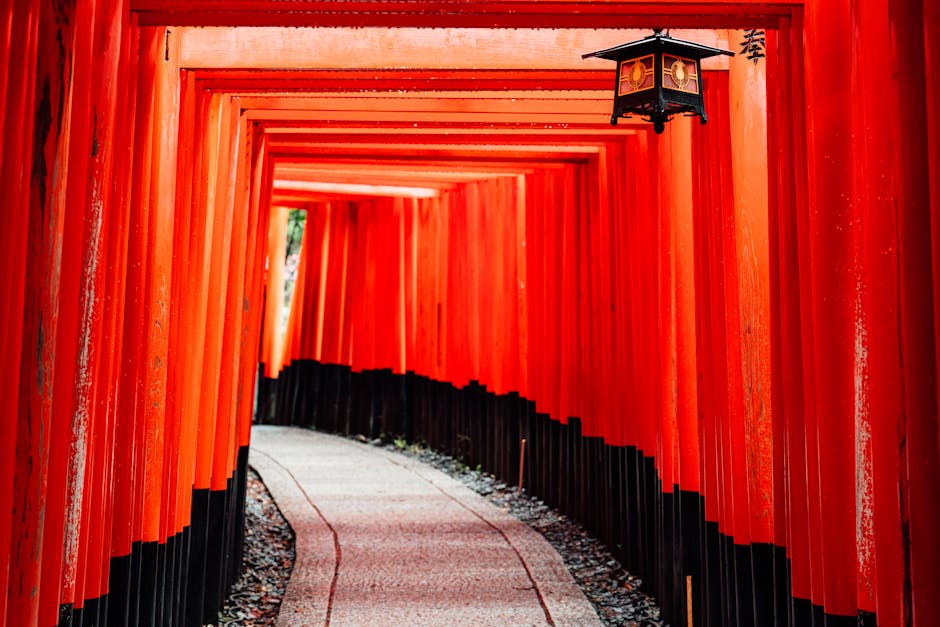
Ascend the sacred Mount Inari through thousands of vermillion torii gates on this challenging and spiritual self-guided walk in Kyoto.
 Easy
EasyKyoto, Japan
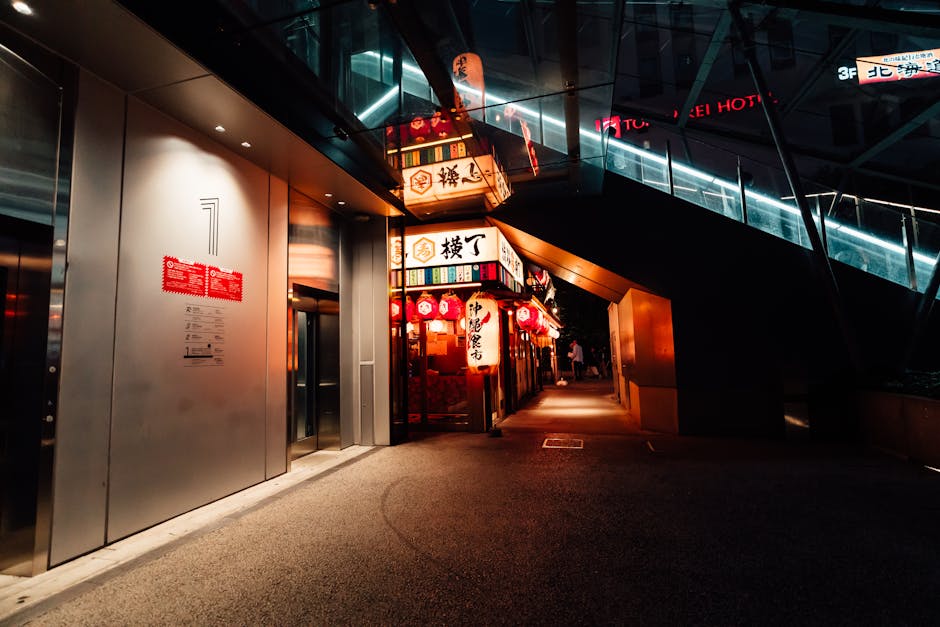
Explore Kyoto's most atmospheric alleyway. Discover geiko history, riverside dining, and hidden nightlife on this self-guided evening stroll.
 Moderate
Kyoto, Japan
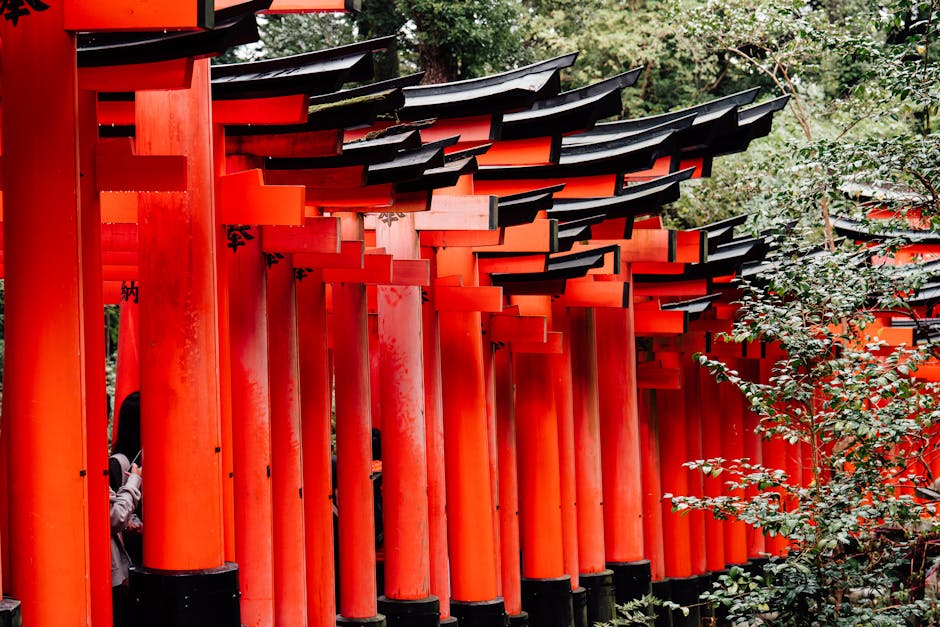
Experience a serene self-guided walk along Kyoto's iconic Philosopher's Path, visiting Zen temples, hidden shrines, and the stunning Silver Pavilion.
 Easy
EasyNairobi, Kenya
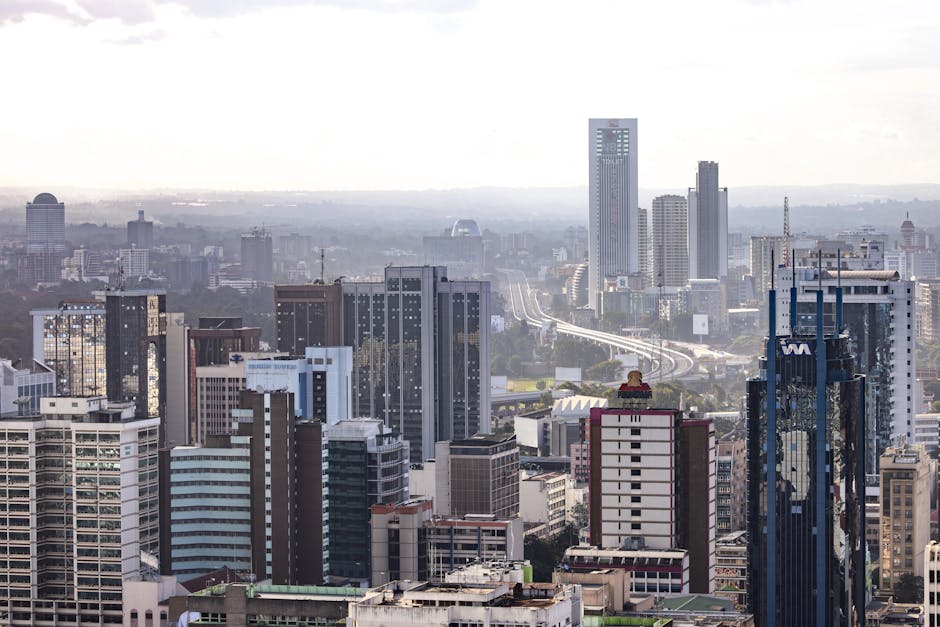
Explore Nairobi's architectural evolution from colonial-era landmarks to iconic Brutalist skyscrapers on this historic self-guided walking route.
 Easy
EasyNairobi, Kenya
Discover Nairobi's iconic skyline on this self-guided architecture walk through the CBD’s most famous modernist and Brutalist landmarks.
 Easy
EasyGothenburg, Sweden
Discover Gothenburg’s 17th-century Dutch foundations, historic canals, and military fortifications on this self-guided architectural walk.
 Easy
EasyKrakow, Poland
Explore the historic heart of Kazimierz on this self-guided walk through synagogues, ancient cemeteries, and vibrant squares.
 Moderate
Tokyo, Japan
Discover Tokyo's premier creative district on this self-guided walk through Roppongi’s world-class museums and striking modern architecture.
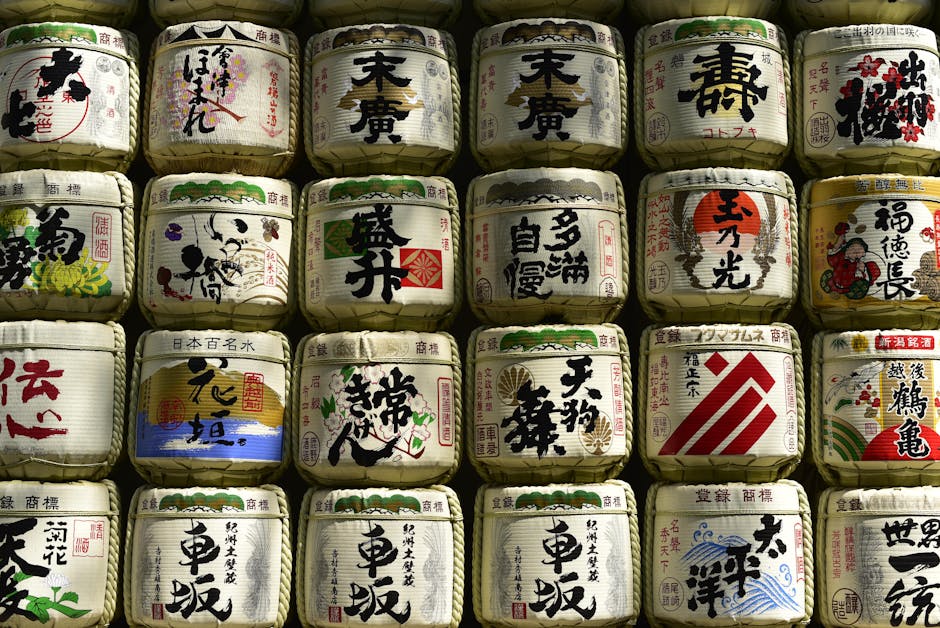 Easy
EasyTokyo, Japan
Discover the 'Old Tokyo' charm of Yanaka on this self-guided walk through historic temples, artisan alleys, and a stunning torii gate shrine.
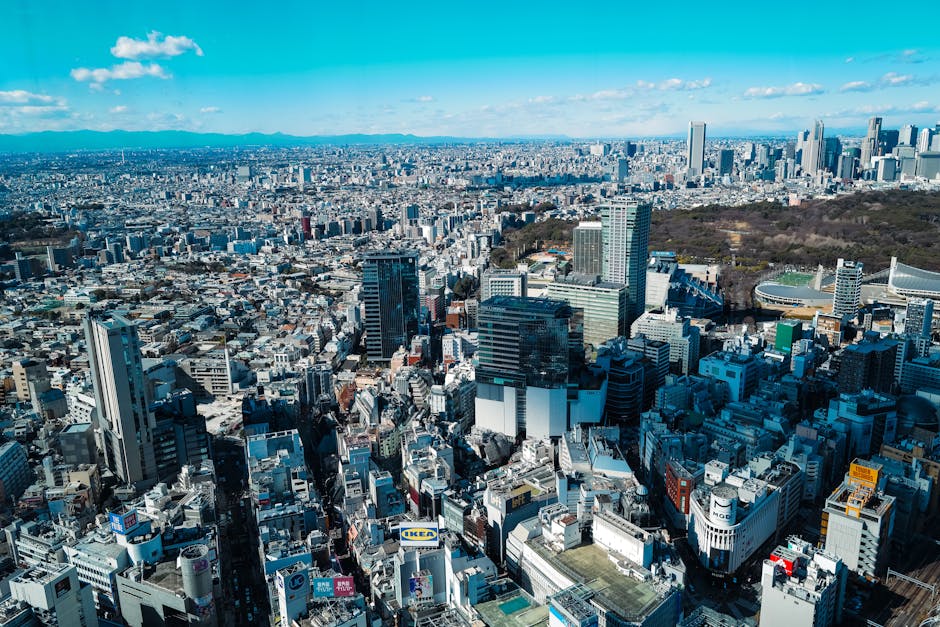 Easy
EasyTokyo, Japan
Experience Shibuya's electric energy on this self-guided walk from the iconic Scramble Crossing to the panoramic views of Shibuya Sky.
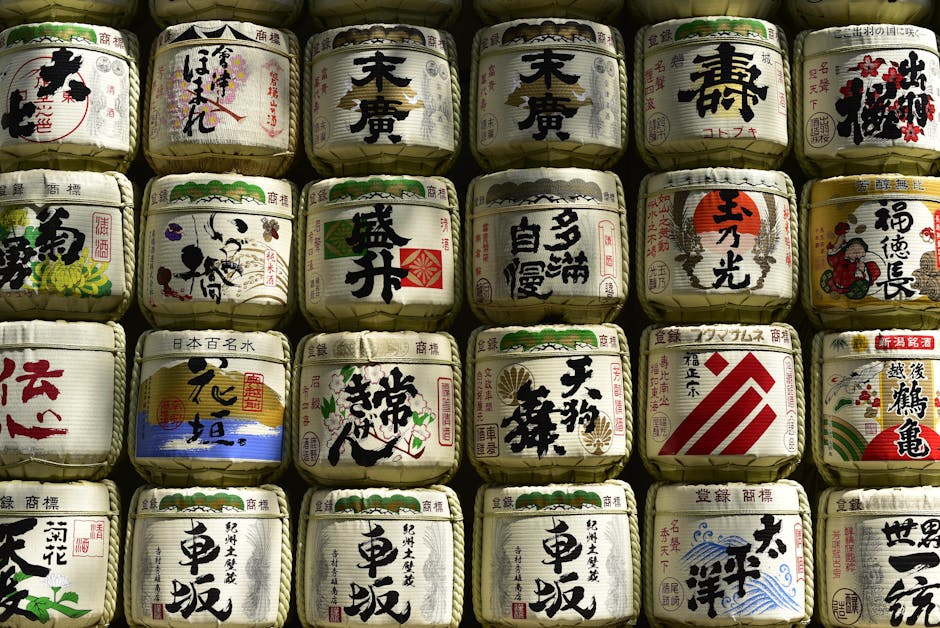 Easy
EasyTokyo, Japan
Explore Tokyo's indie heart. From vintage fashion in Shimokitazawa to world-class art in Shinjuku, discover the city's creative soul independently.