Self-guided audio tour in Osaka
Start Free on iPhone
Start free on iPhone to unlock this self-guided walking tour in Osaka. Hear all the stories that make it amazing, walk at your own pace, and begin whenever you want.
Your Private Tour Guide
Osaka is often called the nation's kitchen, and nowhere is that culinary spirit more alive than in Dotonbori. This self-guided walking route invites you to dive into a sensory explosion of neon lights, giant mechanical seafood, and the irresistible aroma of street food. Dotonbori isn't just a place; it's an experience of Kuidaore—the local philosophy of eating until you drop. Your neighborhood stroll begins at the world-famous Glico Man, a beacon that has illuminated the Ebisubashi Bridge for decades. From here, you will navigate the bustling main thoroughfare where the architecture itself competes for your attention. Giant crabs with moving legs and enormous blowfish lanterns hang above shopfronts, creating a surreal landscape that is a dream for photography enthusiasts. As you follow this audio walk, you will discover that Dotonbori offers more than just loud signs. You will slip away from the neon glow into the quiet, moss-covered sanctuary of Hozen-ji Temple and the stone-paved paths of Hozenji Yokocho. These narrow alleys preserve the atmosphere of old Osaka, offering a stark and beautiful contrast to the modern frenzy just a few meters away. Along the way, you will encounter the true stars of the district: the street food stalls. Whether you are sampling piping-hot takoyaki or grilled crab legs, this walking route ensures you understand the history and culture behind every bite. This self-guided adventure allows you to explore independently, pausing whenever a snack catches your eye or a particular view demands a longer look. It is the definitive way to experience the heart of Osaka's nightlife and culinary heritage at your own pace. This walking tour Osaka experience provides the flexibility to stop and eat whenever you please, making it a perfect evening activity for foodies. **Note:** This area is known for its ever-changing character. Street art, pop-up venues, and temporary exhibitions may differ from what's described. That's part of the adventure - you might discover something entirely new!
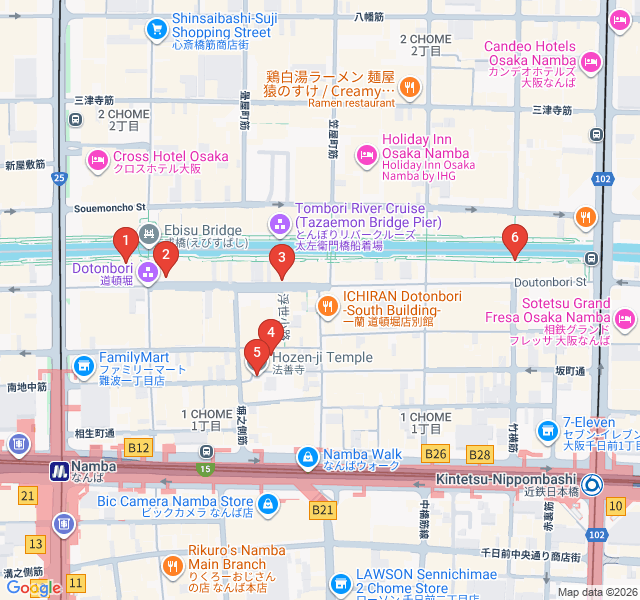
Numbers indicate the order of stops on the tour.
Welcome to the most famous photo spot in Osaka. The Glico Running Man has been a fixture here since 1935, though it has evolved through several versions to the LED screen you see today. It represents a runner crossing the finish line at the 300-meter mark of a race, symbolizing the energy provided by Glico's caramel candy. Stand on the Ebisubashi Bridge to get the classic shot. This bridge has long been a meeting point for locals and a gateway to the entertainment district. Look around and you will see the digital pulse of the city reflected in the river below, setting the stage for your self-guided walk through Japan's street food capital.
Just a short walk from the bridge, you cannot miss the giant mechanical crab looming over the street. This is Kani Doraku, a legendary crab restaurant that opened this main branch in 1962. The six-meter crab with its moving legs and eyes is a prime example of 'billboard architecture' that defines Dotonbori. In the post-war era, restaurants used these extravagant signs to attract customers who might not be able to read complex Kanji characters. It is not just for show; you can often find grilled crab legs being sold at a small stall right out front, offering a delicious introduction to the local seafood scene.
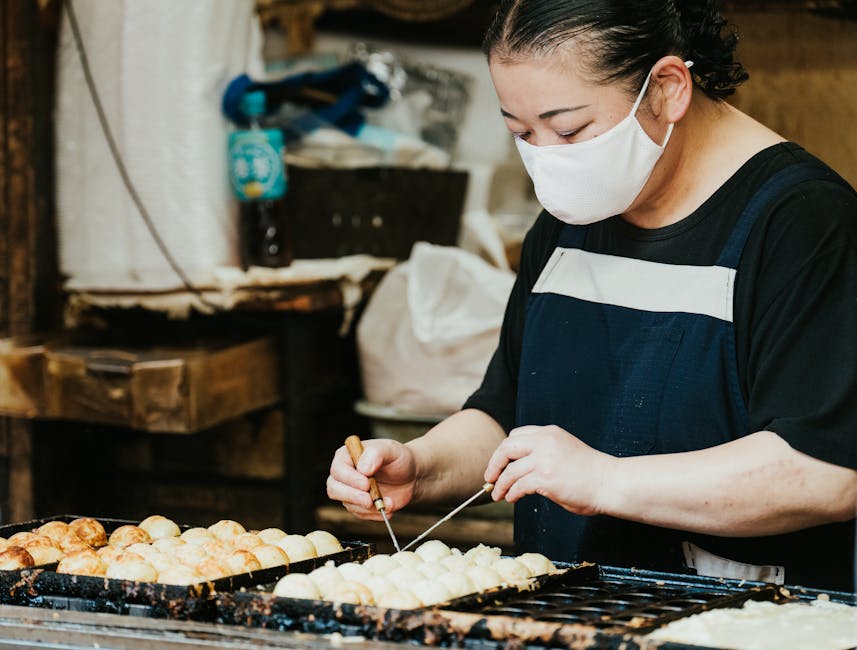
No neighborhood stroll in Osaka is complete without tasting takoyaki. While there are dozens of stalls, Wanaka is a local favorite. These batter balls filled with octopus, pickled ginger, and green onions are cooked in special molded pans until they are crispy on the outside and molten on the inside. Watch the chefs flip them with incredible speed—a performance in itself. In Osaka, takoyaki is more than a snack; it is a cultural icon. Be careful on your first bite, as the centers stay incredibly hot. Feel free to grab a tray and find a spot by the river to enjoy this quintessential Osaka flavor.
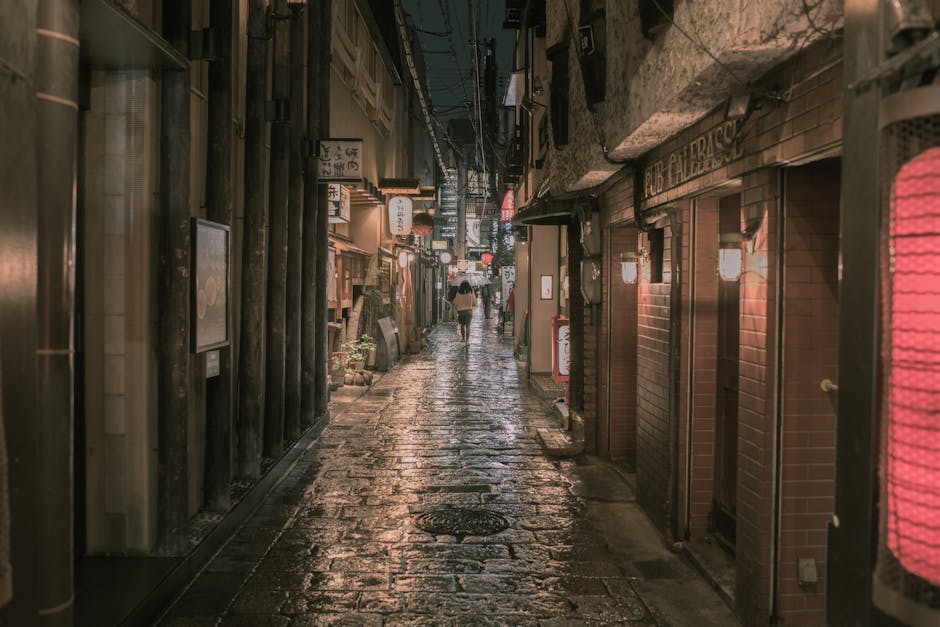
Step off the main neon drag and into another era. Hozenji Yokocho is a narrow, stone-paved alleyway that feels like 17th-century Osaka. This area was once part of the Hozen-ji Temple grounds and became a bustling spot for theater-goers and pilgrims to find a meal. Today, it is lined with over 60 traditional restaurants and bars. The atmosphere here is quiet and intimate, a stark contrast to the nearby main street. Pay attention to the ground; the stones were specifically chosen to create a rhythmic sound as people walk through. It is one of the most atmospheric spots in the city for photography and a glimpse into the past.
At the end of the alley lies Hozen-ji Temple, a small but significant Buddhist sanctuary founded in 1637. The centerpiece is the Mizukake Fudo statue. Unlike most statues that are polished or painted, this one is entirely covered in thick, vibrant green moss. This is because of a tradition where worshippers splash water over the statue while making a wish. Over the decades, the constant watering has allowed the moss to flourish, giving the deity a soft, emerald appearance. It is a peaceful place to pause and observe local customs amidst the surrounding urban chaos. The temple provides a spiritual heart to this otherwise hedonistic district.
Conclude your exploration by descending to the Tonbori River Walk. This pedestrian path runs along both sides of the Dotonbori Canal, which was originally dug in 1612 by a local merchant named Yasui Doton. For centuries, this waterway was the lifeblood of the city's theater district, with boats delivering supplies and patrons. Today, the walk offers a different perspective on the neon signs and the massive Don Quijote Ferris wheel. It is the perfect place to soak in the final views of the vibrant lights reflecting off the water. From here, you are perfectly positioned to dive deeper into the local nightlife or head back to the transit hubs.
Start Free on iPhone
Explore “Kitchen of Japan: Dotonbori's Street Food Soul” with your very own Private Tour Guide with Zigway. Start free on iPhone, skip the large group and the fixed routes, and hear the city come alive as you go.
Your Private Tour Guide
Don't miss the good stuff
Explore Freely
 Moderate
Osaka, Japan
Discover the soul of Osaka on this self-guided walk through the hidden markets of Tsuruhashi, the neon of Namba, and the scale of Umeda.
 Easy
EasyOsaka, Japan
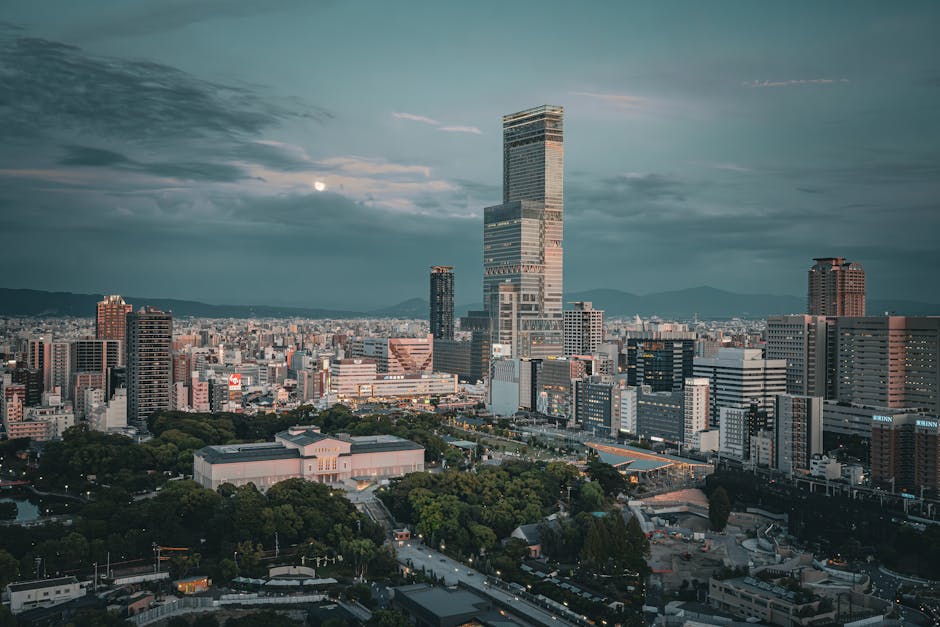
Explore Osaka's futuristic skyline, from the iconic Umeda Sky Building to hidden shrines, on this self-guided architectural walking route.
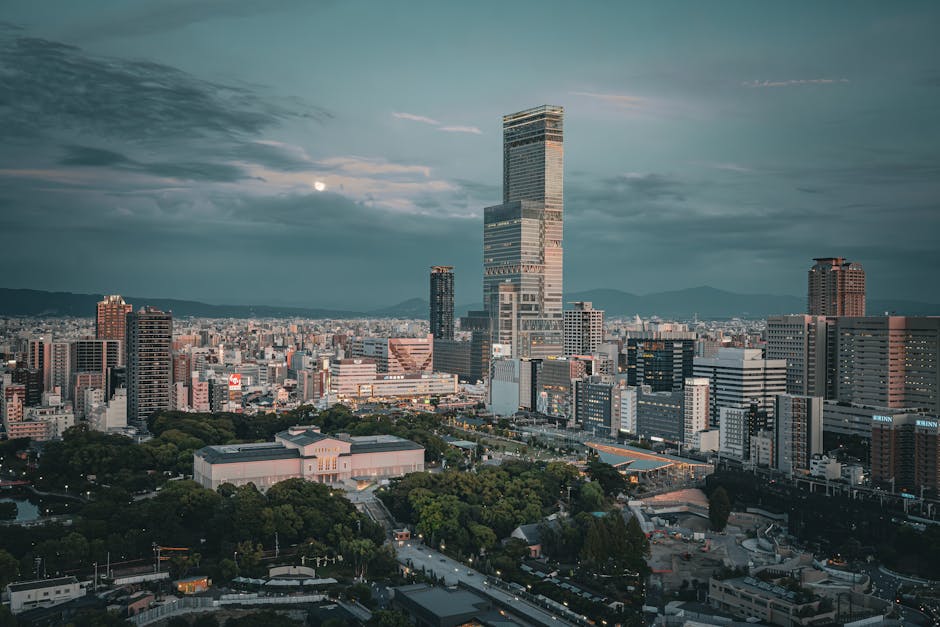 Easy
EasyOsaka, Japan
Explore Osaka's 'American Village' on this self-guided walk through street art, vintage fashion, and the heart of Japanese youth culture.
 Easy
EasyOsaka, Japan
Explore the retro charm and neon-lit alleys of Shinsekai on this self-guided walk through Osaka's most nostalgic district.
 Easy
EasyVienna, Austria
Explore Vienna’s vibrant open-air gallery along the Danube Canal on this self-guided street art and nightlife stroll through Leopoldstadt.
 Easy
EasyGdansk, Poland
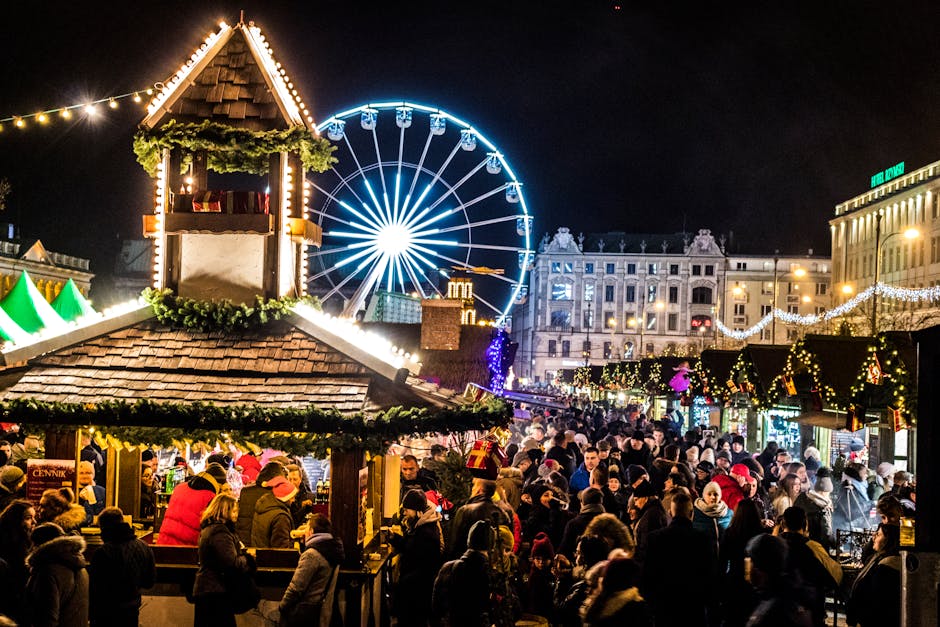
Discover the neon-lit rebirth of Gdansk's shipyards on this self-guided walk through industrial food halls, container bars, and legendary clubs.
 Easy
EasyKrakow, Poland
Explore Krakow's hidden nightlife with this self-guided walk through medieval cellars, jazz clubs, and bohemian bars in the Old Town and Kazimierz.
 Moderate
Helsinki, Finland
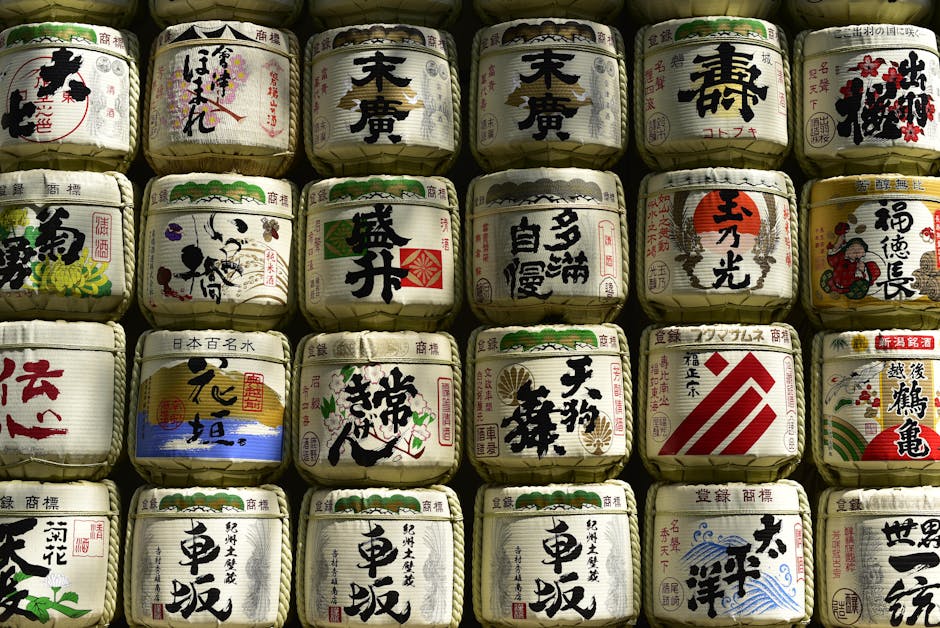
Explore Helsinki's bohemian heart. Discover historic saunas, granite churches, and the vibrant local life of the Kallio neighborhood at your own pace.
 Moderate
Tokyo, Japan
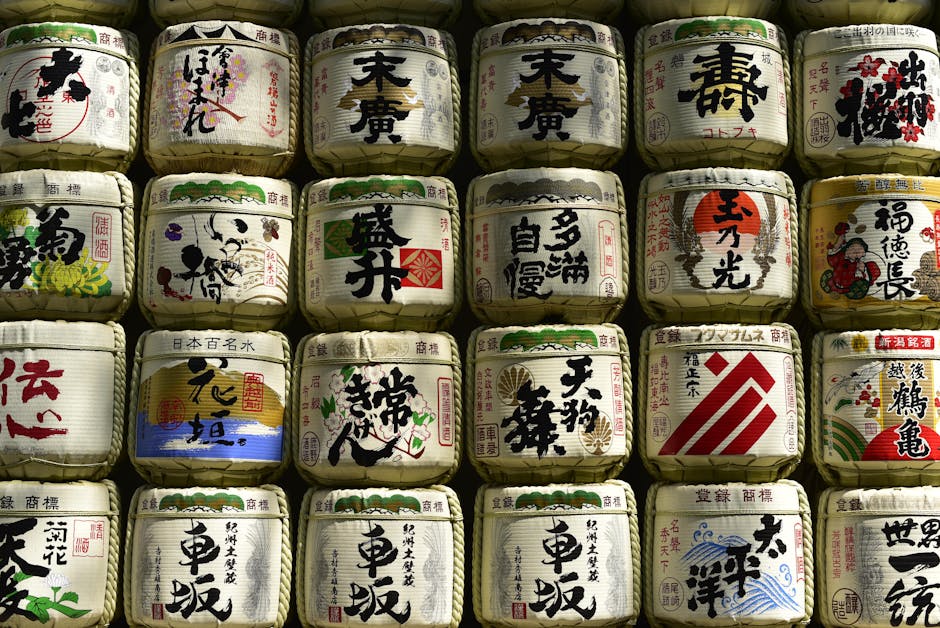
Discover Tokyo's premier creative district on this self-guided walk through Roppongi’s world-class museums and striking modern architecture.
 Easy
EasyTokyo, Japan
Discover the 'Old Tokyo' charm of Yanaka on this self-guided walk through historic temples, artisan alleys, and a stunning torii gate shrine.
 Easy
EasyTokyo, Japan
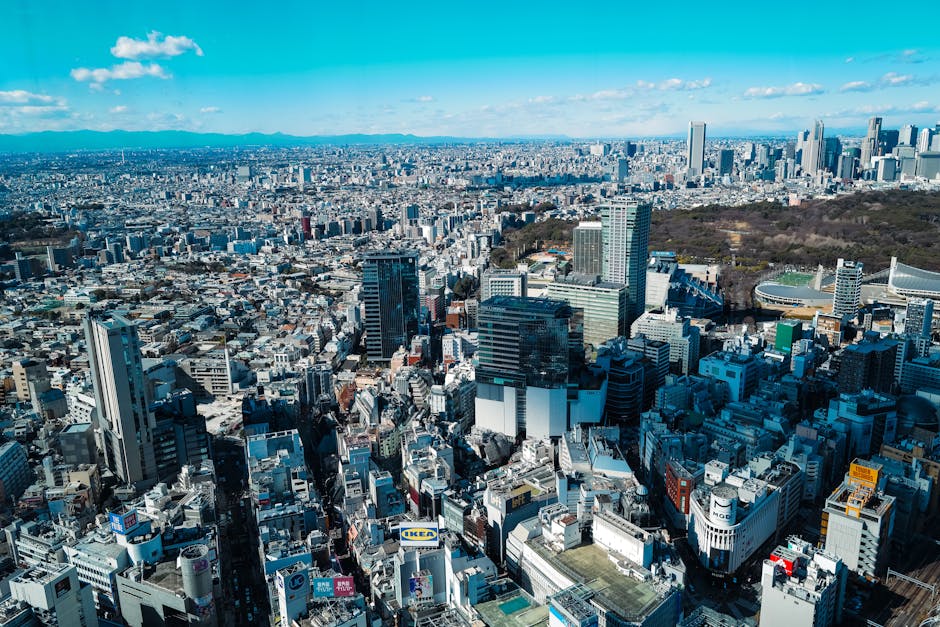
Experience Shibuya's electric energy on this self-guided walk from the iconic Scramble Crossing to the panoramic views of Shibuya Sky.
 Easy
EasyTokyo, Japan
Explore Tokyo's indie heart. From vintage fashion in Shimokitazawa to world-class art in Shinjuku, discover the city's creative soul independently.