Self-guided audio tour in Tokyo
Start Free on iPhone
Start free on iPhone to unlock this self-guided walking tour in Tokyo. Hear all the stories that make it amazing, walk at your own pace, and begin whenever you want.
Your Private Tour Guide
Tsukiji is a name synonymous with the freshest seafood in the world, but there is far more to this neighborhood than just tuna auctions and sashimi. While the famous inner wholesale market moved to Toyosu in 2018, the soul of Tokyo’s food culture remains firmly rooted in the Tsukiji Outer Market. This self-guided walk invites you to explore the labyrinthine alleys where professional chefs and home cooks alike source everything from artisanal knives to specialized seaweed. You will discover that Tsukiji’s identity is forged not just in its stalls, but in its resilient spiritual sites and its proximity to the regal waters of the Sumida River. This walking tour Tokyo foodies adore takes you beyond the surface of the stalls and into the history of a district that rose from the ashes of the 1923 Great Kanto Earthquake. Along this neighborhood stroll, you will encounter the unique 'Wave-Protecting' shrine that allowed the market to be built on reclaimed land and an Indian-inspired Buddhist temple that looks unlike anything else in Japan. The route concludes in the serene Hamarikyu Gardens, a former shogun’s hunting ground that offers a stark, beautiful contrast to the bustling market streets. For those seeking a guided tour Tokyo visitors often miss, this independent walking route provides the flexibility to snack on tamagoyaki (rolled omelet) or browse handmade ceramics at your own leisure. Whether you are a culinary professional or a curious traveler, this journey reveals how Tsukiji continues to be the 'Kitchen of Tokyo' while preserving its historical and architectural treasures. **Note:** This area is known for its ever-changing character. Street art, pop-up venues, and temporary exhibitions may differ from what's described. That's part of the adventure - you might discover something entirely new!
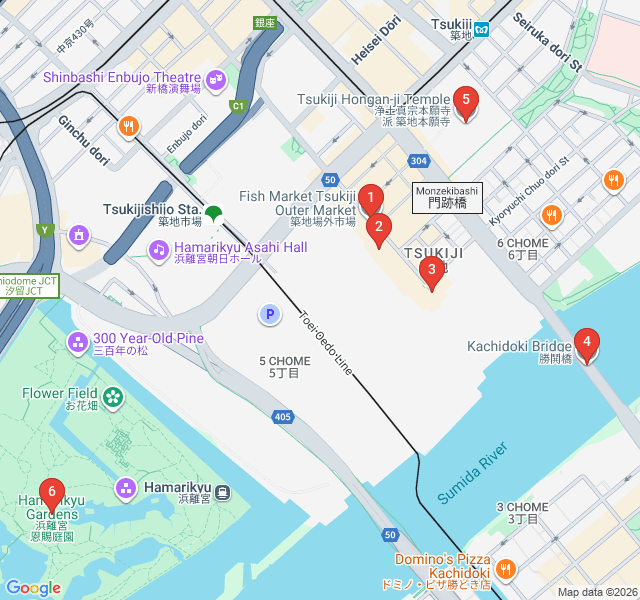
Numbers indicate the order of stops on the tour.
Welcome to the Tsukiji Outer Market, a culinary maze that has fed Tokyo for nearly a century. While the inner wholesale market moved to Toyosu, over 400 shops remain here, creating a vibrant atmosphere that is essential to the city's food culture. As you wander, look for specialized vendors selling everything from 'katsuobushi' (dried bonito flakes) to professional-grade kitchen knives. This area isn't just for seafood; it's a treasure trove of Japanese ingredients like pickles, wasabi, and high-quality tea. The market's layout can be chaotic, so allow yourself to get a little lost. Keep an eye out for 'tamagoyaki' stalls where you can watch chefs expertly roll layers of sweet egg omelets—a quintessential Tsukiji snack. Remember that many shops here are family-owned and have operated for generations, maintaining traditions that date back to the market's opening in 1935.
Step inside Tsukiji Uogashi, a relatively new addition designed to keep the wholesale spirit alive in the heart of the district. This two-building complex houses approximately 60 shops that migrated from the old inner market. It serves as a bridge between the tradition of the past and the modernization of the present. While the ground floor is a hive of activity with fresh seafood and produce, don't miss the rooftop terrace. It offers a rare, elevated perspective of the surrounding Tsukiji neighborhood, allowing you to see the scale of the market's influence on the area. This facility is a great place to see high-quality ingredients being handled by experts without the intense pressure of the old inner market's early morning rush. It's a testament to the community's commitment to staying in their historic home.
At the edge of the market stands Namiyoke Shrine, whose name literally means 'Wave-Protecting.' When this land was being reclaimed from the sea in the 17th century, constant storms thwarted the construction efforts. Legend says a divine image was found floating in the water, and once it was enshrined here, the waves calmed and the land was successfully built. Today, the shrine is the spiritual guardian of the market and its workers. Look for the two massive lion heads housed in the shrine buildings—the black 'Shishi' and the red 'Benzaiten.' During the Tsukiji Shishi Matsuri festival, these giant heads are paraded through the streets. You will also notice several unique stone monuments dedicated to the 'souls' of the food sold in the market, including markers for sushi, shrimp, and even eggs, reflecting the deep Japanese respect for the ingredients that sustain life.
As you walk toward the water, you'll encounter the Kachidoki Bridge, an engineering marvel completed in 1940. It was originally built as a double-leaf bascule bridge, meaning the center could split and rise to allow large ships to pass through to the inner harbor. Although the bridge hasn't opened since 1970 due to the decline in river traffic and the increase in road congestion, you can still see the massive gears and the control cabins. Standing here, you get a panoramic view of the Sumida River, which has been Tokyo's lifeblood for centuries. The bridge represents the transition of Tsukiji from a maritime hub to a modern commercial district. It’s a great spot for a brief pause to feel the river breeze and appreciate the industrial history of Tokyo's waterfront.
Tsukiji Hongan-ji is one of the most visually striking temples in Japan. Unlike the traditional wooden structures you might expect, this Jodo Shinshu Buddhist temple features an eclectic design inspired by ancient South Asian and Indian architecture. Designed by architect Itto Chuta after the 1923 earthquake, the stone exterior features lotus motifs and arched windows reminiscent of the caves in Ajanta, India. Step inside, and you will find a fascinating blend of East and West, including a massive pipe organ and stained glass windows. The temple serves as a reminder of Tokyo's international outlook during the early 20th century. It is a place of profound peace just steps away from the market's frenzy, and it often hosts community events and morning services that are open to all.
Your walk concludes at Hamarikyu Gardens, a stunning landscape that has served as a feudal lord's residence and an Imperial getaway. This garden is unique for its 'Shio-iri-no-ike' (Seawater Pond), which rises and falls with the tides of Tokyo Bay—the only remaining pond of its kind in the city. As you stroll across the wooden bridges, notice the 300-year-old pine tree, a symbol of longevity and resilience. The contrast here is spectacular: traditional teahouses and manicured greenery set against the backdrop of the Shiodome district's futuristic skyscrapers. This is a perfect example of 'shakkei' or 'borrowed scenery,' where the modern city becomes part of the garden's design. Consider stopping at the Nakajima No Ochaya teahouse in the middle of the pond for a bowl of matcha and a traditional sweet to reflect on your journey through Tsukiji.
Start Free on iPhone
Explore “Beyond the Fish: Culinary Traditions of Tsukiji” with your very own Private Tour Guide with Zigway. Start free on iPhone, skip the large group and the fixed routes, and hear the city come alive as you go.
Your Private Tour Guide
Don't miss the good stuff
Explore Freely
 Moderate
Tokyo, Japan
Discover Tokyo's premier creative district on this self-guided walk through Roppongi’s world-class museums and striking modern architecture.
 Easy
EasyTokyo, Japan
Discover the 'Old Tokyo' charm of Yanaka on this self-guided walk through historic temples, artisan alleys, and a stunning torii gate shrine.
 Easy
EasyTokyo, Japan
Experience Shibuya's electric energy on this self-guided walk from the iconic Scramble Crossing to the panoramic views of Shibuya Sky.
 Easy
EasyTokyo, Japan
Explore Tokyo's indie heart. From vintage fashion in Shimokitazawa to world-class art in Shinjuku, discover the city's creative soul independently.
 Easy
EasyInnsbruck, Austria
Discover the flavors of Tyrol on this self-guided stroll through Innsbruck’s historic Old Town and vibrant market hall.
 Easy
EasySalzburg, Austria
Discover the 'Rome of the North' on this self-guided walk through the Baroque squares and monumental legacy of Salzburg’s Prince-Archbishops.
 Easy
EasyGothenburg, Sweden
Discover Gothenburg’s maritime flavors on this self-guided walk through historic market halls and iconic seafood landmarks.
 Easy
EasyNairobi, Kenya
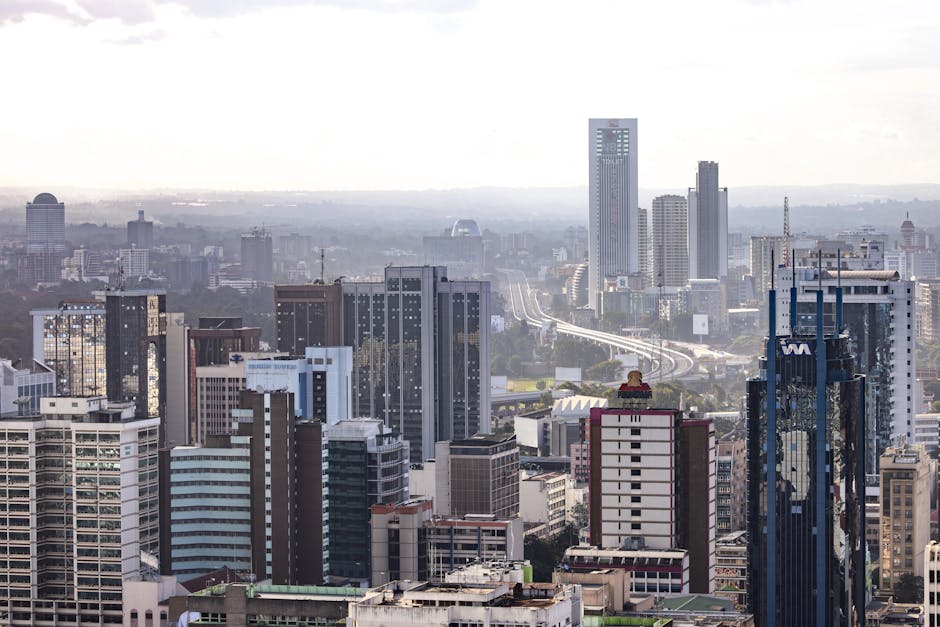
Explore Nairobi's architectural evolution from colonial-era landmarks to iconic Brutalist skyscrapers on this historic self-guided walking route.
 Moderate
Kyoto, Japan
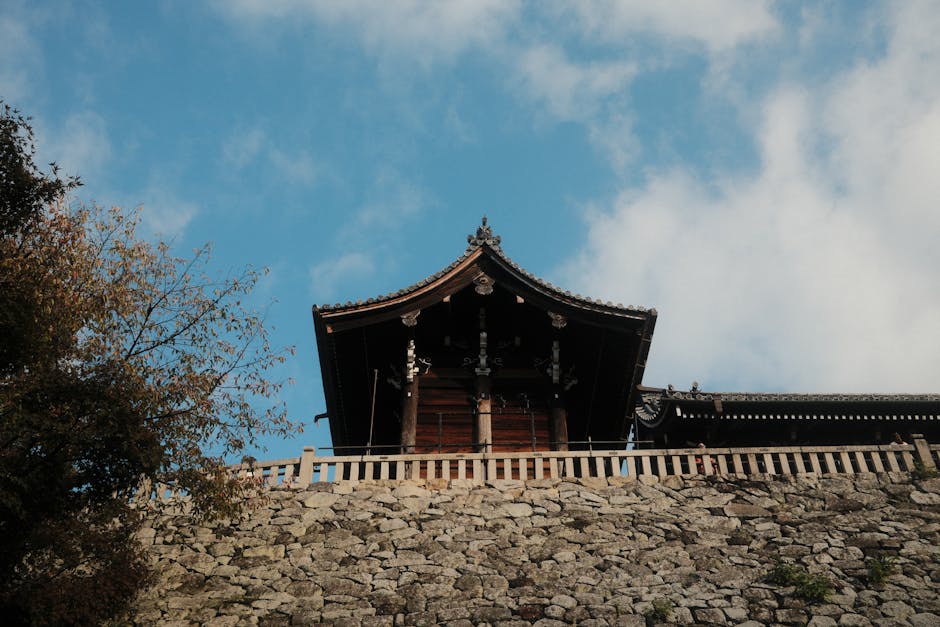
Discover the soul of old Kyoto on this self-guided walk through preserved stone lanes, iconic pagodas, and the grand wooden stage of Kiyomizu-dera.
 Challenging
Kyoto, Japan
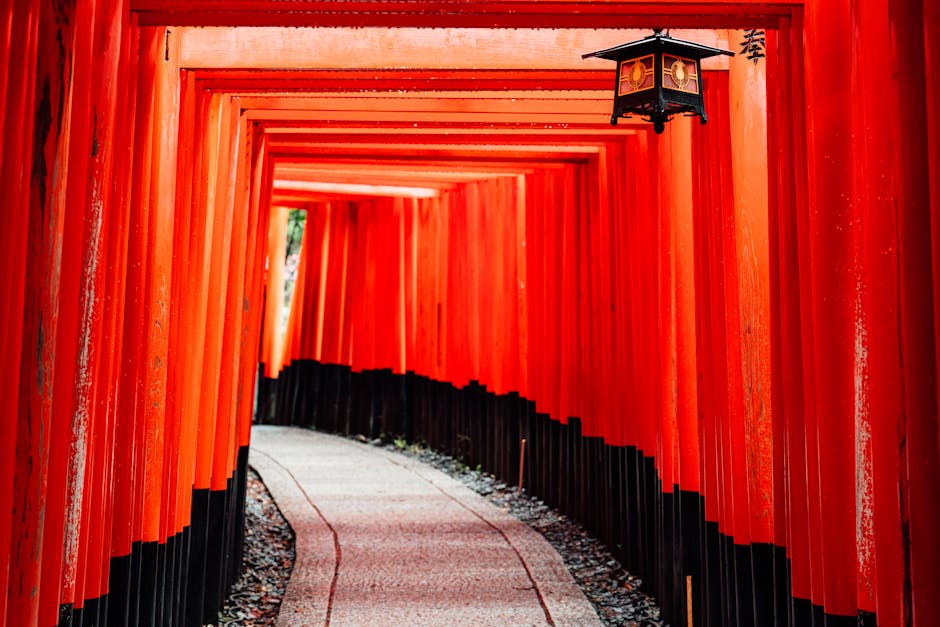
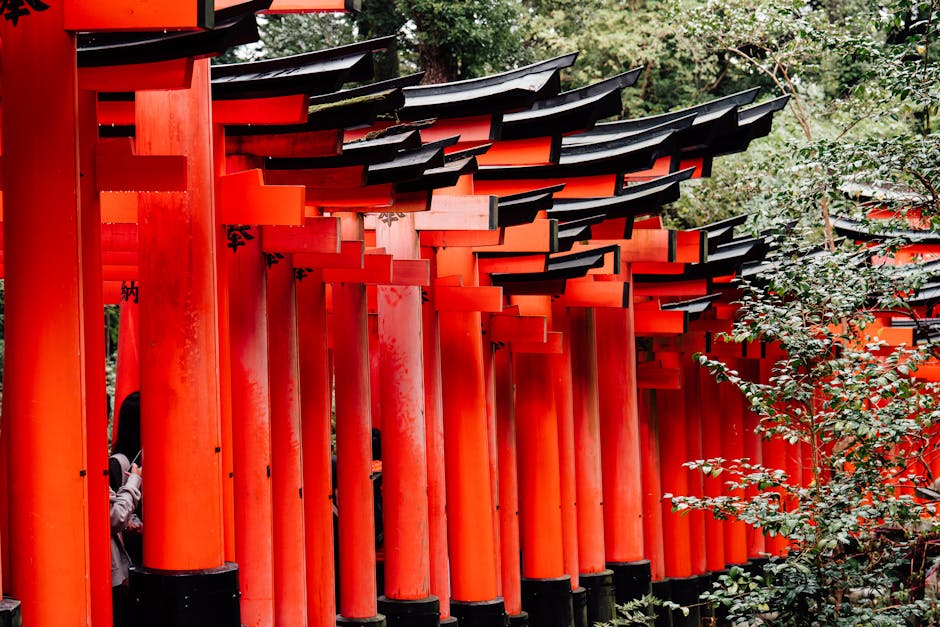
Ascend the sacred Mount Inari through thousands of vermillion torii gates on this challenging and spiritual self-guided walk in Kyoto.
 Easy
EasyKyoto, Japan
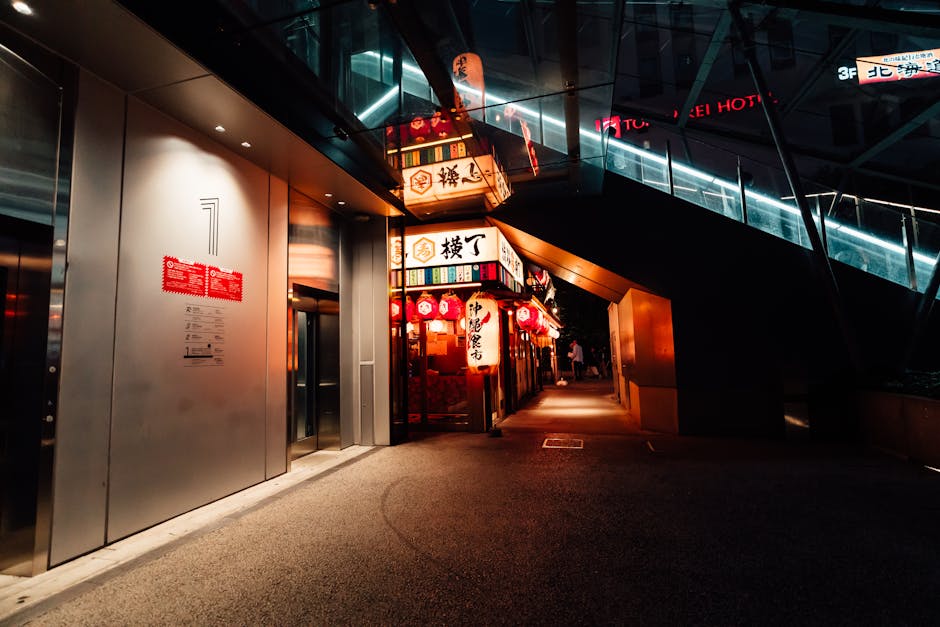
Explore Kyoto's most atmospheric alleyway. Discover geiko history, riverside dining, and hidden nightlife on this self-guided evening stroll.
 Moderate
Kyoto, Japan
Experience a serene self-guided walk along Kyoto's iconic Philosopher's Path, visiting Zen temples, hidden shrines, and the stunning Silver Pavilion.