Self-guided audio tour in Lucerne
Start Free on iPhone
Start free on iPhone to unlock this self-guided walking tour in Lucerne. Hear all the stories that make it amazing, walk at your own pace, and begin whenever you want.
Your Private Tour Guide
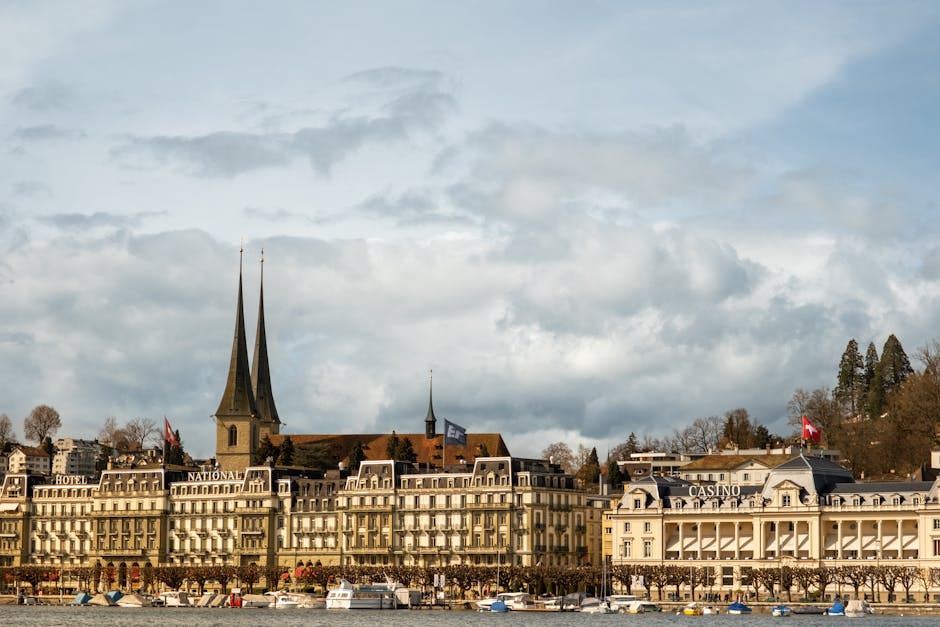
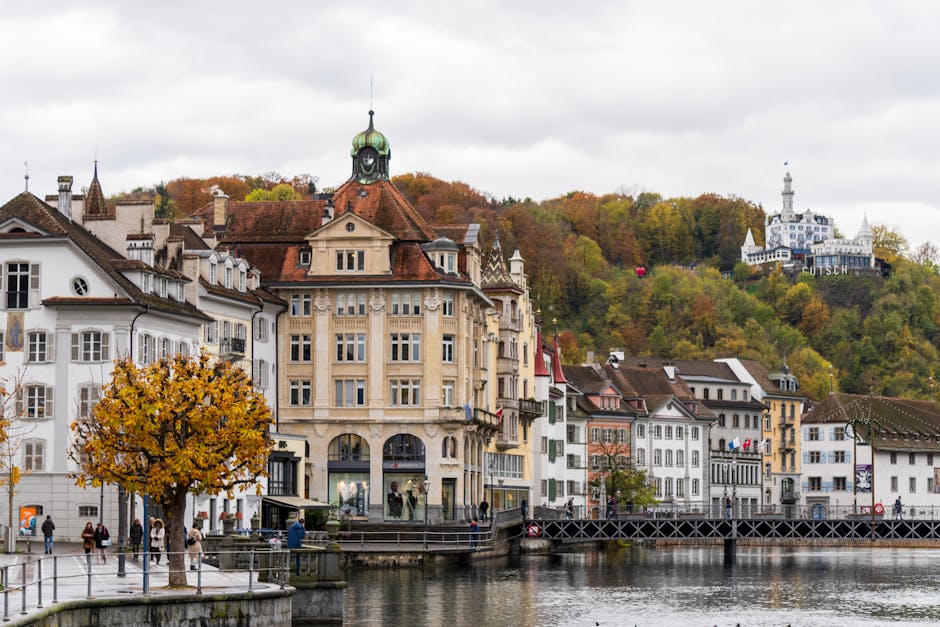
Step back into the 'Golden Age' of Swiss tourism with this self-guided waterfront walk along the shores of Lake Lucerne. This neighborhood stroll captures the essence of the Belle Époque, a period of peace and prosperity that transformed Lucerne from a modest medieval town into a world-renowned luxury destination. As you explore independently, you will witness the architectural transition from the historic center to the grand, palatial hotels that once hosted royalty, literary giants, and the pioneers of modern hospitality. This walking route Lucerne offers is designed for those who appreciate the finer details of 19th-century design, from neo-Renaissance facades to intricate wrought-iron balconies. The journey begins at the Seebrücke, the gateway between the historic Reuss River and the expansive lake, offering panoramic views of the surrounding peaks like Mount Pilatus and Rigi. From there, you will wander along the paved quays, passing iconic landmarks like the Hotel Schweizerhof and the Grand Hotel National. These buildings are not just hotels; they are monuments to an era when César Ritz and Auguste Escoffier redefined luxury. The path continues to the Grand Casino, a masterpiece of Neo-Baroque elegance, before leading you into the tranquil, tree-lined Carl Spitteler-Quai. Whether you are interested in the history of European high society or simply looking for the best photography spots in the city, this self-guided walk provides the perfect balance of culture and scenic beauty. Unlike a standard guided tour Lucerne might offer, this audio walk allows you to pause whenever a view catches your eye or a historic plaque piques your curiosity. It is an invitation to discover the quiet elegance of the lakeside at your own pace, away from the midday crowds of the Old Town.
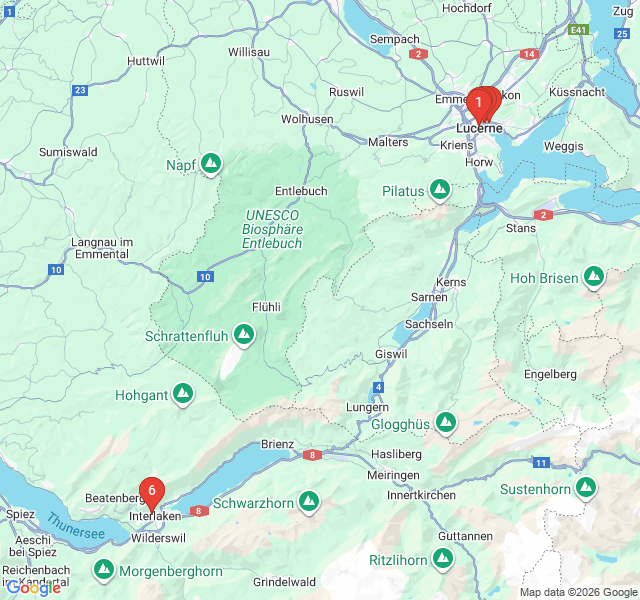
Numbers indicate the order of stops on the tour.
Begin your self-guided adventure at the Seebrücke, the bridge that serves as the literal and metaphorical connection between Lucerne's medieval past and its modern lakeside elegance. Standing here, you are at the mouth of the Reuss River. To one side, you see the iconic 14th-century Chapel Bridge, and to the other, the vast expanse of Lake Lucerne, or the 'Vierwaldstättersee'. During the mid-1800s, this area was transformed as the city realized its potential as a tourism hub. The bridge offers a perfect vantage point to see how the city grew from a fortified town into a destination for the 19th-century elite. Take a moment to look toward the mountains—Mount Pilatus looms to the southwest, often shrouded in local legends of dragons and ghosts.
As you walk along the quay, you encounter the Hotel Schweizerhof, a pillar of Lucerne's history since 1845. Owned by the Hauser family for generations, this hotel was a pioneer in the 'Golden Age' of travel. It survived a massive fire in 1854 and was rebuilt in the grand Neo-Renaissance style you see today. Imagine the carriage arrivals of the 19th century; famous guests here included Richard Wagner, Mark Twain, and Leo Tolstoy. The hotel was one of the first to offer modern comforts that we take for granted today, like en-suite bathrooms and electric lighting. Notice the symmetry of the windows and the ornate stone carvings—this was the architectural language of prestige during the Belle Époque.
Continuing your neighborhood stroll, you reach the Grand Hotel National, a building that represents the pinnacle of 19th-century luxury. Built in 1870 by Colonel Maximilian Alphons Pfyffer von Altishofen, this hotel is where the legendary César Ritz began his career as a manager, and where he met the chef Auguste Escoffier. Together, they revolutionized the hospitality world. The architecture is inspired by the French Renaissance palaces, featuring a Mansard roof and a commanding presence over the lake. It was designed to make every guest feel like royalty. Even if you aren't staying here, the exterior serves as a masterclass in Belle Époque symmetry and decorative elegance.
Next on your walking route is the Grand Casino Lucerne, originally known as the Kursaal. Opened in 1882, this Neo-Baroque landmark was the social heart of the city during the Belle Époque. In those days, 'Kursaal' meant a cure hall or a place for social gatherings and entertainment. While it today hosts gaming and events, its architectural spirit remains rooted in the late 19th century. Observe the ornate domes and the way the building opens up toward the lake with wide terraces. It was designed to be a place of 'seeing and being seen,' where the European aristocracy would gather for concerts and social balls after a day of Alpine air.
Move away from the grand buildings and into the natural beauty of the Carl Spitteler-Quai. This tree-lined promenade is named after the Swiss poet and Nobel Prize winner who spent much of his life in Lucerne. This stretch of the walk is a favorite for locals and offers some of the most 'Instagram-worthy' views of the lake. The double row of chestnut trees provides a canopy that has shaded strollers for over a century. It’s the perfect place to appreciate the scale of the lake and the surrounding peaks. This quay represents the Belle Époque's fascination with 'the view'—the idea that nature should be framed and enjoyed as a scenic backdrop to a civilized life.
Your self-guided walk concludes at the Kursaal Brunnen, a charming fountain located near the lakeside promenade. Fountains like this were essential features of 19th-century urban design, serving both as aesthetic centerpieces and practical watering spots. This particular fountain, with its classical motifs, reflects the desire to bring artistic beauty into public spaces. From this point, you can see back toward the city center or look out across the water toward the Bürgenstock resort on the far shore. It’s a peaceful spot to reflect on the architectural and social transformation you've witnessed along this historic waterfront.
Start Free on iPhone
Explore “Belle Époque Waterfront Promenade” with your very own Private Tour Guide with Zigway. Start free on iPhone, skip the large group and the fixed routes, and hear the city come alive as you go.
Your Private Tour Guide
Don't miss the good stuff
Explore Freely
 Easy
EasyLucerne, Switzerland
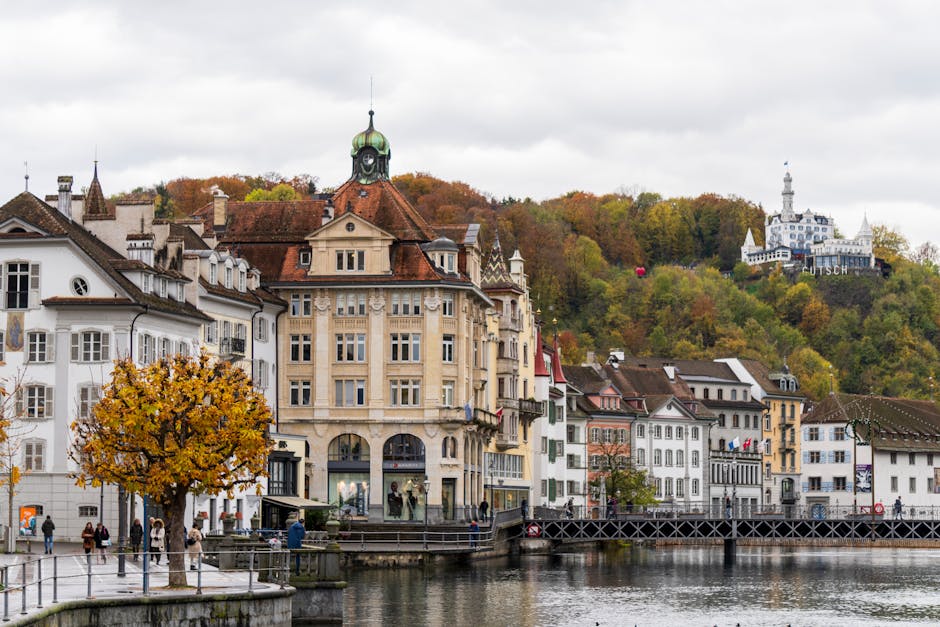
Discover Lucerne's creative soul. Explore the trendy Neustadt district featuring repurposed cultural hubs, indie boutiques, and local nightlife.
 Easy
EasyLucerne, Switzerland
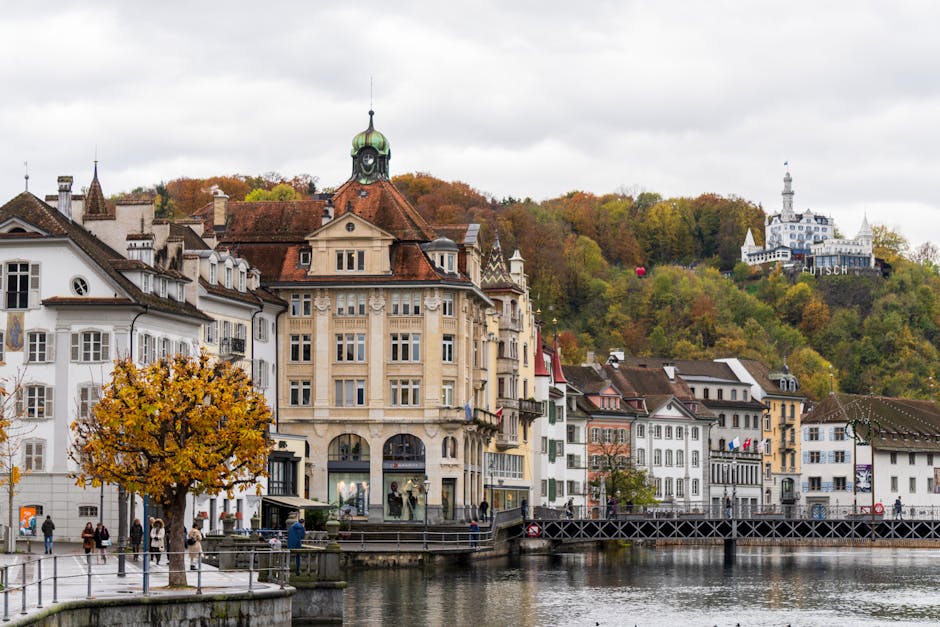
Uncover the emotional history and ancient wonders of Lucerne on this self-guided walk through the Lion Monument and the prehistoric Glacier Garden.
 Easy
EasyLucerne, Switzerland
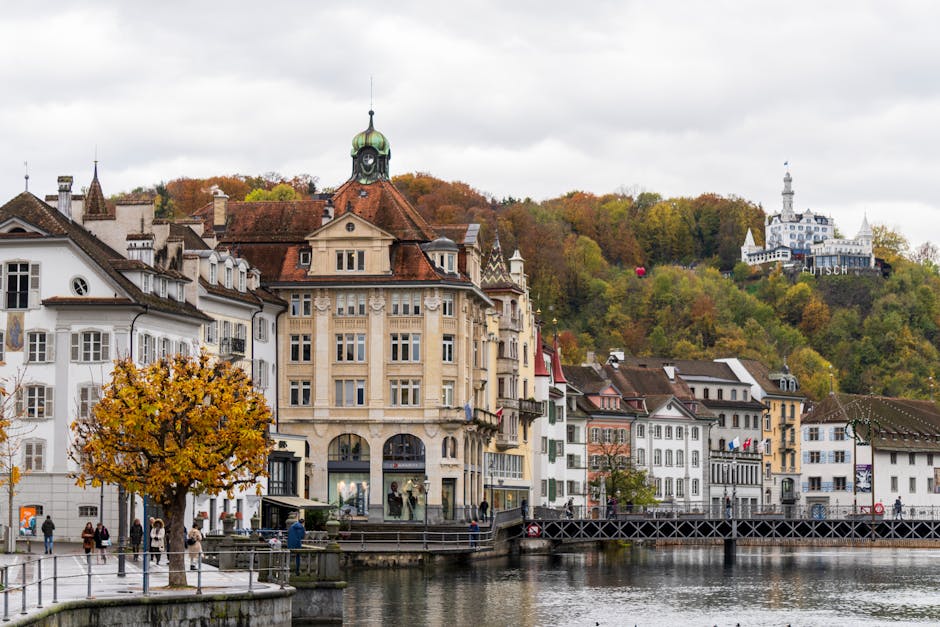
Explore Lucerne's sacred history on this self-guided audio walk through stunning cathedrals and historic chapels.
 Easy
EasyLucerne, Switzerland
Discover Lucerne's nocturnal side on this self-guided walk from historic riverside breweries to panoramic rooftop bars and hidden underground clubs.
 Easy
EasyNairobi, Kenya
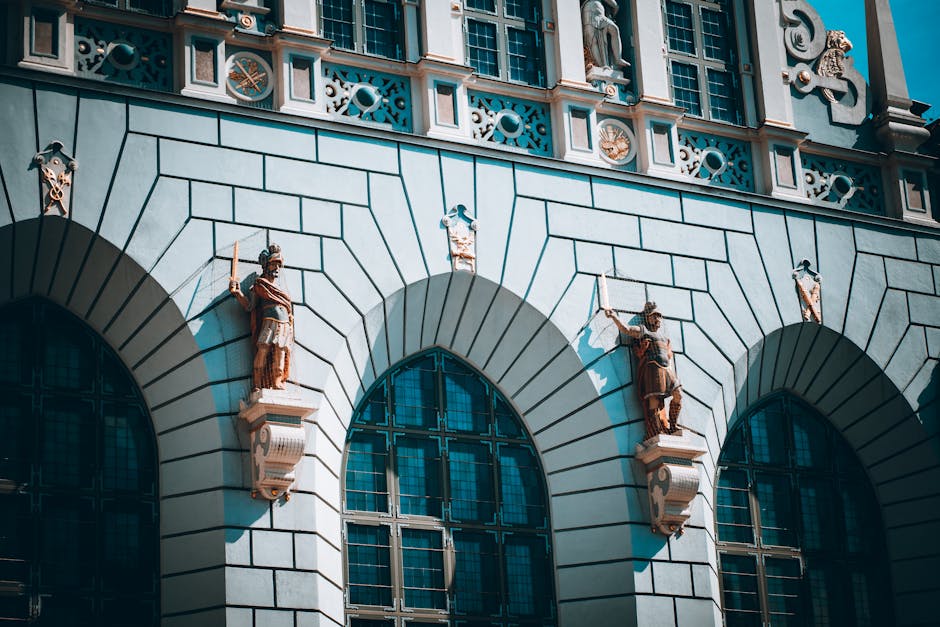
Discover Nairobi's iconic skyline on this self-guided architecture walk through the CBD’s most famous modernist and Brutalist landmarks.
 Easy
EasyGdansk, Poland
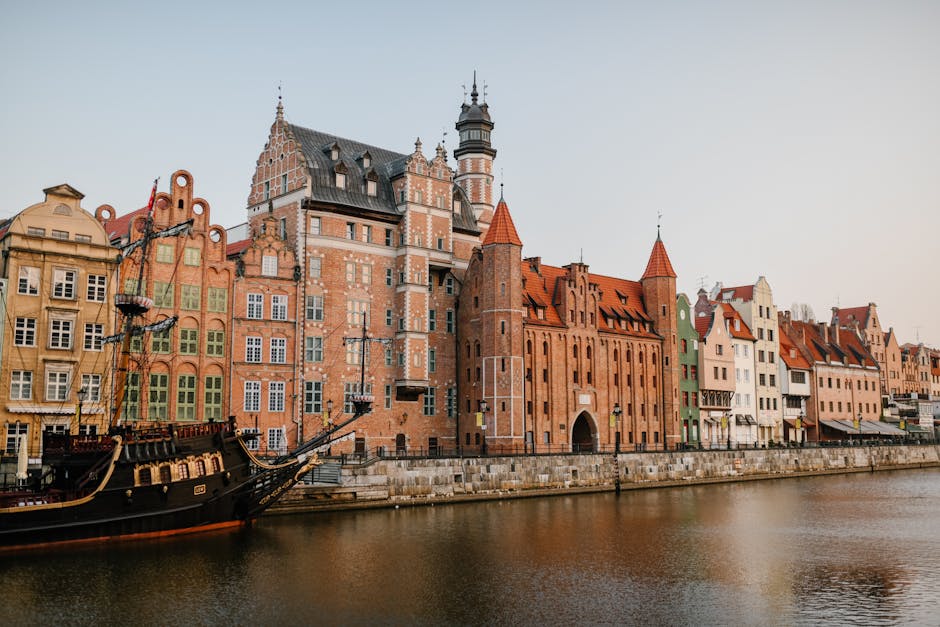
Discover the opulent Royal Way of Gdansk at your own pace. Explore Hanseatic history, gilded architecture, and the iconic Neptune's Fountain.
 Easy
EasyGdansk, Poland
Discover the 'Baltic Gold' on this self-guided walk through Gdansk's historic mills, massive cathedrals, and the magical Mariacka Street.
 Easy
EasyGothenburg, Sweden
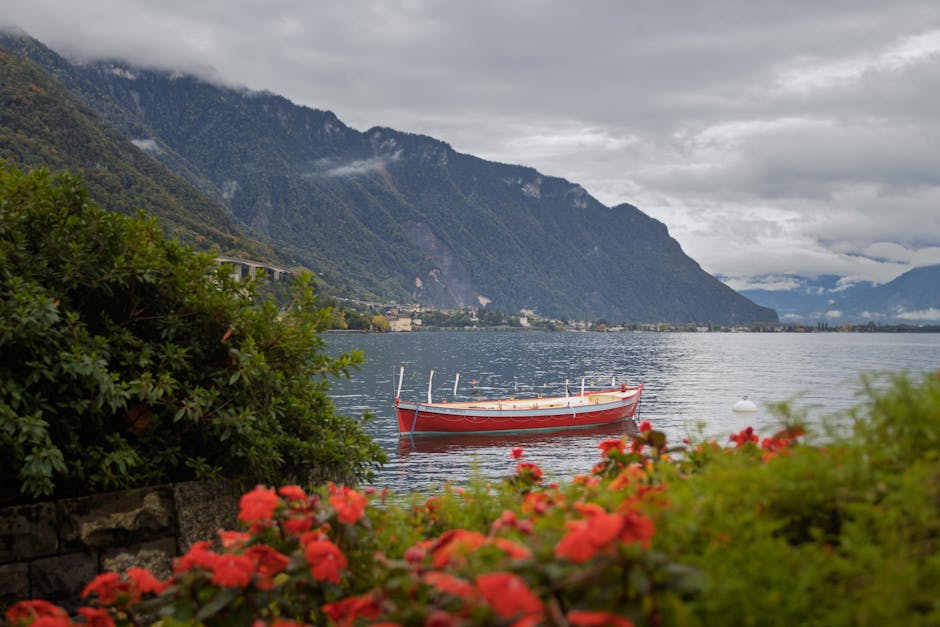
Explore Gothenburg’s historic wooden houses, legendary giant cinnamon buns, and panoramic fortress views on this self-guided neighborhood stroll.
 Easy
EasyGeneva, Switzerland
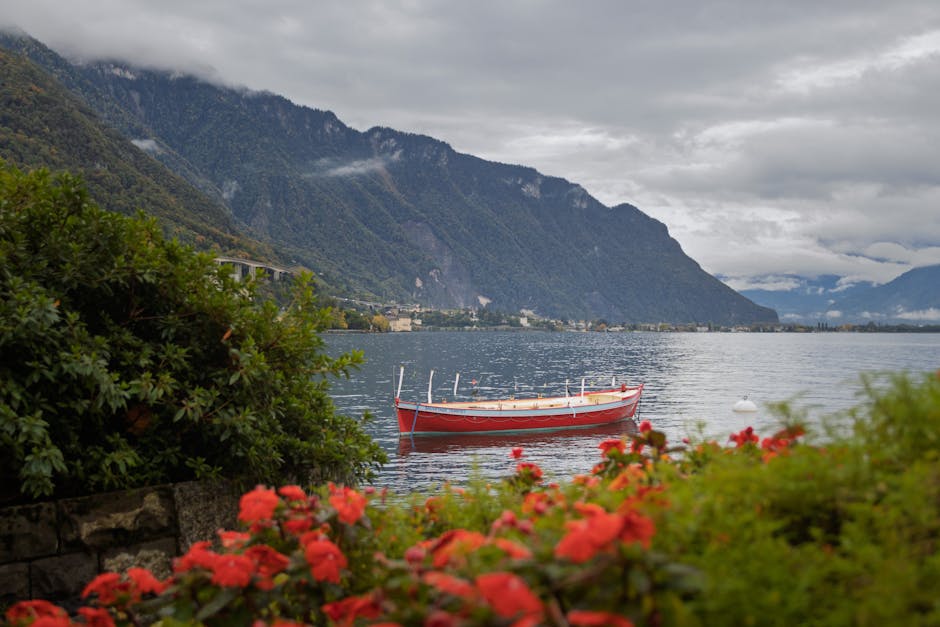
Explore Geneva's bohemian heart on this self-guided walk through flea markets, contemporary art galleries, and literary landmarks.
 Easy
EasyGeneva, Switzerland
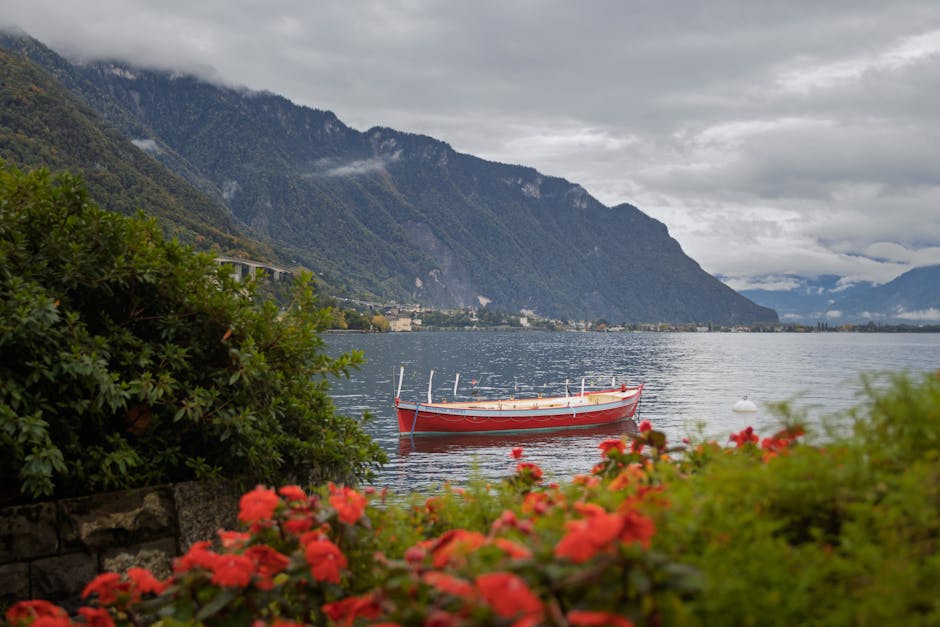
Discover the lives of Rousseau and Voltaire on this self-guided literary walking route through the historic heart of Enlightenment-era Geneva.
 Moderate
Geneva, Switzerland
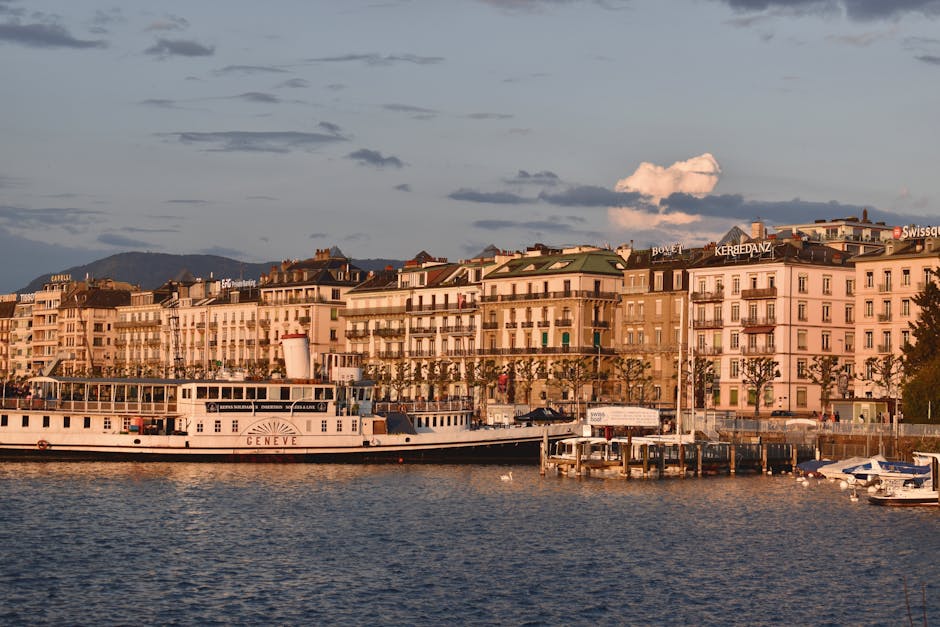
Uncover Geneva’s secrets on this self-guided walk through the Old Town’s historic streets, from the Reformation Wall to medieval cathedrals.
 Easy
EasyGeneva, Switzerland
Discover the Mediterranean soul of Geneva. Explore Carouge’s Sardinian architecture, artisan workshops, and hidden gardens on this self-guided walk.