Self-guided audio tour in Zurich
Start Free on iPhone
Start free on iPhone to unlock this self-guided walking tour in Zurich. Hear all the stories that make it amazing, walk at your own pace, and begin whenever you want.
Your Private Tour Guide
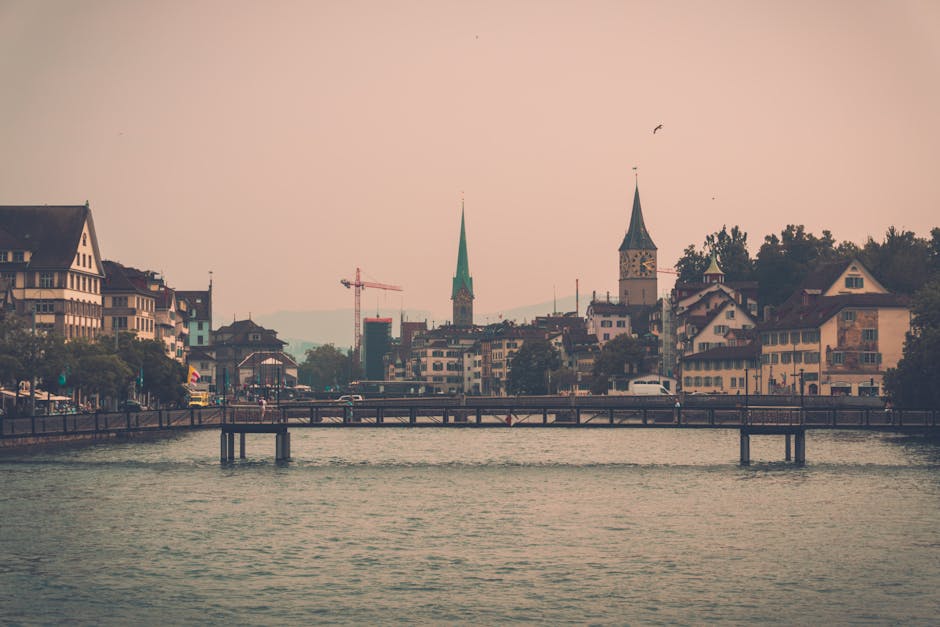
Step back into the 16th century, a time when the narrow, winding alleys of Zurich’s Altstadt became the front lines of a religious and social revolution. This self-guided walk explores the life and legacy of Huldrych Zwingli, the priest who led the Swiss Reformation and transformed Zurich from a quiet medieval town into a powerhouse of Protestant thought. This neighborhood stroll is more than just a history lesson; it is an invitation to see the city through the eyes of a radical reformer who challenged the authority of the Pope and forever altered the course of European history. As you move along the banks of the Limmat River, you will encounter the architectural giants of the city, from the iconic twin towers of the Grossmünster to the elegant spire of the Fraumünster. This walking route in Zurich highlights the tension between the old world and the new, visiting sites where radical ideas were debated and where the modern Swiss identity began to take shape. You will explore the Schipfe, one of the city's oldest quarters, and learn about the darker side of the Reformation, including the persecution of the Anabaptists. The journey concludes at the Helferei, Zwingli’s former home, where the intellectual spirit of the era is still palpable. Whether you are a history buff or a curious traveler, this audio walk provides a deep, independent way to experience the stories etched into Zurich’s stones. Along the way, you’ll find plenty of opportunities to admire the city's stunning riverside views and quiet courtyards. This Reformation trail offers a compelling narrative of change and conviction, making it a must-do walking tour Zurich enthusiasts and history lovers alike will appreciate for its depth and atmosphere.
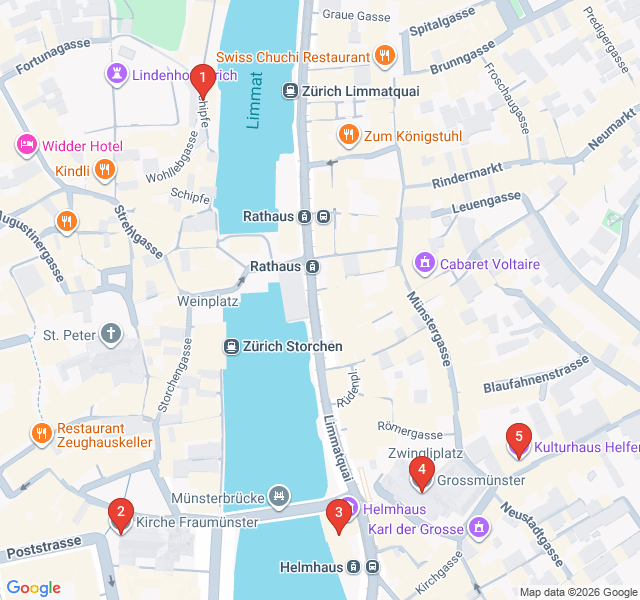
Numbers indicate the order of stops on the tour.
Welcome to the Schipfe, one of Zurich's oldest and most atmospheric quarters. Located along the Limmat River, this area was once a bustling hub for silk trade and boatmen. However, during the Reformation, it became a site of religious conflict. It was here that the radical Anabaptists, who believed in adult baptism and the separation of church and state, were persecuted. In a tragic irony of the era, several Anabaptists were executed by drowning in the Limmat, just off these banks, because their 're-baptism' was seen as a capital crime by Zwingli’s administration. Today, the Schipfe is a peaceful artisan district, but its history serves as a sobering reminder of the intense convictions and high stakes of the 16th-century religious shifts that defined the city.
Across the river stands the Fraumünster, easily recognized by its slender blue spire. Founded in 853 by King Louis the German, this church was once a powerful Benedictine convent for European female aristocrats. The abbess here effectively ruled Zurich for centuries, holding the right to mint coins and collect taxes. When the Reformation arrived, the last abbess, Katharina von Zimmern, made the remarkable decision to hand over the abbey to the city to avoid bloodshed, signaling the end of Catholic monastic life in Zurich. While the interior is now famous for its modern Marc Chagall windows, the building itself remains a monumental witness to the shift from medieval ecclesiastical power to the Reformed tradition.
The Wasserkirche, or 'Water Church,' sits on a spot that was once a small island in the Limmat. According to legend, this is where Zurich’s patron saints, Felix and Regula, were executed by the Romans in the 3rd century. For centuries, it was a major pilgrimage site. During the Reformation, Zwingli and his followers viewed such pilgrimages as superstitious. Consequently, the church was secularized and turned into a library—the city's first. This transformation from a site of religious ritual to a house of learning perfectly encapsulates the Reformation’s emphasis on education and the written word over relics and icons. Notice the statue of Zwingli nearby, standing tall with a Bible in one hand and a sword in the other.
The Grossmünster is the undisputed icon of Zurich’s skyline. Legend says Charlemagne discovered the graves of the city's patron saints here and commissioned the first church. However, its most significant era began in 1519 when Huldrych Zwingli was appointed People’s Priest here. From this pulpit, Zwingli launched the Swiss Reformation, preaching directly from the New Testament and calling for radical reforms. The church’s interior was stripped of its altars, organs, and religious art to focus purely on the 'Word of God.' As you look up at the twin towers, imagine the fervor of the citizens who gathered here to hear sermons that would eventually split the Western Church and redefine Swiss society.
Just a few steps from the Grossmünster is the Helferei. This building served as the vicarage where Zwingli lived and worked during his time in Zurich. It was the intellectual heart of the Reformation, a place where scholars gathered to translate the Bible into the local German dialect—the 'Zurich Bible'—predating Luther’s famous translation. The Helferei was where the logistics of the new church were managed and where Zwingli’s family lived, marking a major departure from the tradition of clerical celibacy. Today, it serves as a cultural center, maintaining the spirit of open debate and community engagement that Zwingli championed five centuries ago. This concludes your walk through the revolutionary heart of Zurich.
Start Free on iPhone
Explore “The Reformation Trail: Zwingli’s Zurich” with your very own Private Tour Guide with Zigway. Start free on iPhone, skip the large group and the fixed routes, and hear the city come alive as you go.
Your Private Tour Guide
Don't miss the good stuff
Explore Freely
 Moderate
Zurich, Switzerland
Follow the footsteps of Einstein and James Joyce on a self-guided walk through Zurich's intellectual and literary heart.
 Easy
EasyZurich, Switzerland
Explore Zurich's edgy side on this self-guided walk through Langstrasse, from red-light history to contemporary art and vibrant nightlife.
 Moderate
Zurich, Switzerland
Explore Zurich's most breathtaking panoramas and hidden photography spots on this self-guided walking route through the historic city center.
 Easy
EasyZurich, Switzerland
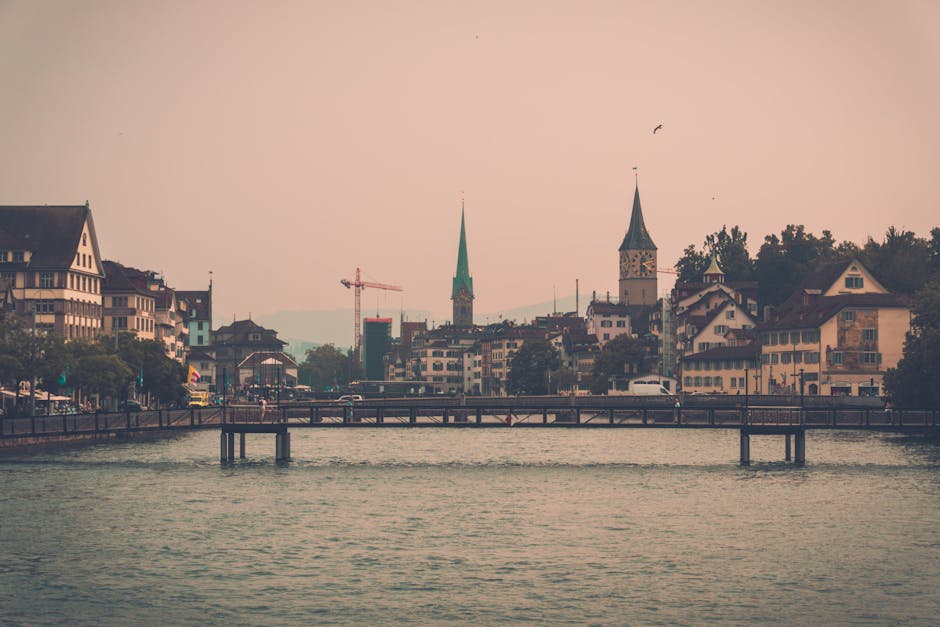
Discover Zurich's medieval heart, from Dadaist rebels to Reformation history, on this atmospheric self-guided audio walk through the Altstadt.
 Easy
EasyKrakow, Poland
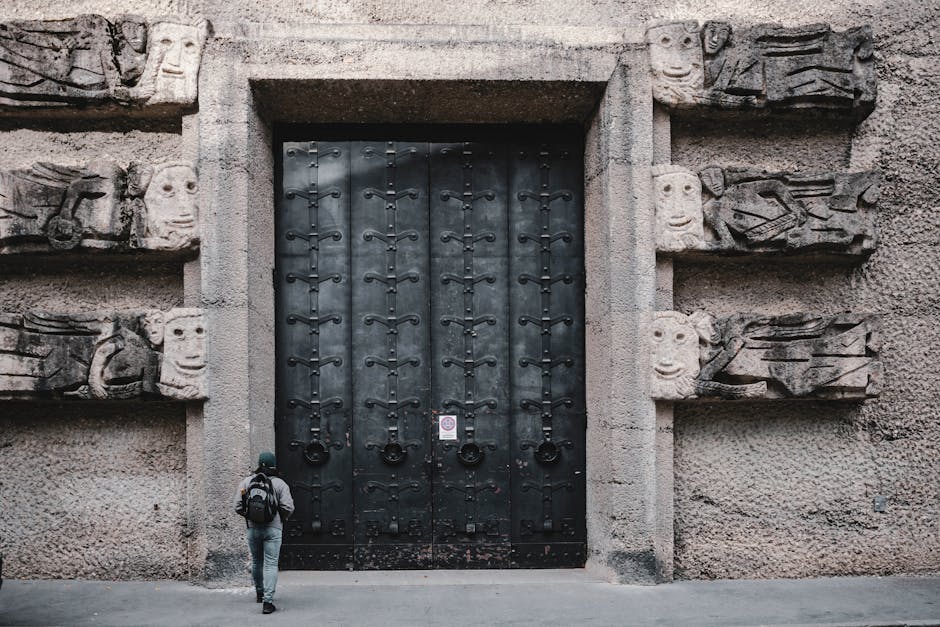
Explore the historic heart of Kazimierz on this self-guided walk through synagogues, ancient cemeteries, and vibrant squares.
 Easy
EasySalzburg, Austria
Discover the 'Rome of the North' on this self-guided walk through the Baroque squares and monumental legacy of Salzburg’s Prince-Archbishops.
 Easy
EasyGothenburg, Sweden
Discover Gothenburg’s 17th-century Dutch foundations, historic canals, and military fortifications on this self-guided architectural walk.
 Easy
EasyNairobi, Kenya
Explore Nairobi's architectural evolution from colonial-era landmarks to iconic Brutalist skyscrapers on this historic self-guided walking route.
 Easy
EasyGeneva, Switzerland
Explore Geneva's bohemian heart on this self-guided walk through flea markets, contemporary art galleries, and literary landmarks.
 Easy
EasyGeneva, Switzerland
Discover the lives of Rousseau and Voltaire on this self-guided literary walking route through the historic heart of Enlightenment-era Geneva.
 Moderate
Geneva, Switzerland
Uncover Geneva’s secrets on this self-guided walk through the Old Town’s historic streets, from the Reformation Wall to medieval cathedrals.
 Easy
EasyGeneva, Switzerland
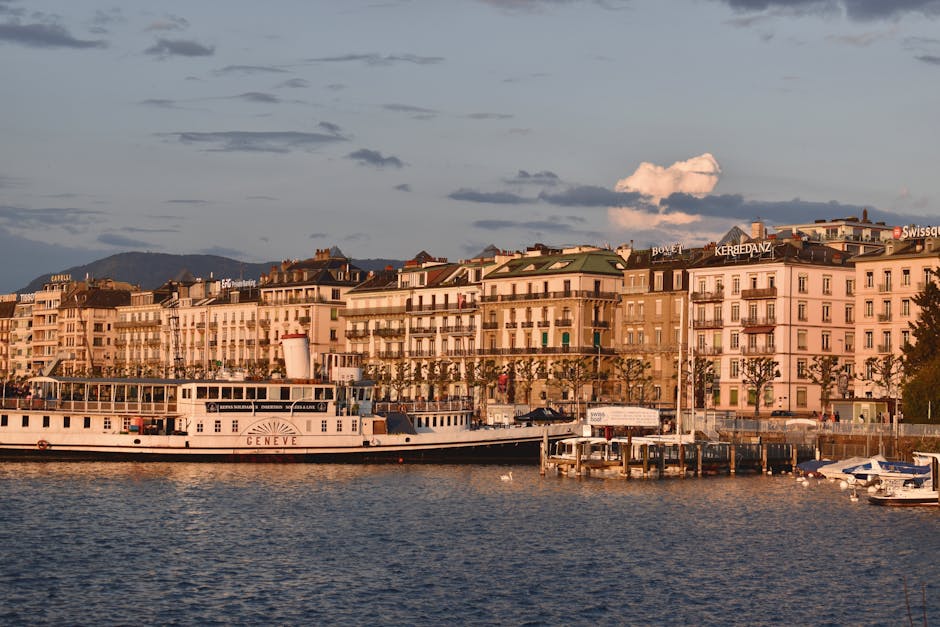
Discover the Mediterranean soul of Geneva. Explore Carouge’s Sardinian architecture, artisan workshops, and hidden gardens on this self-guided walk.