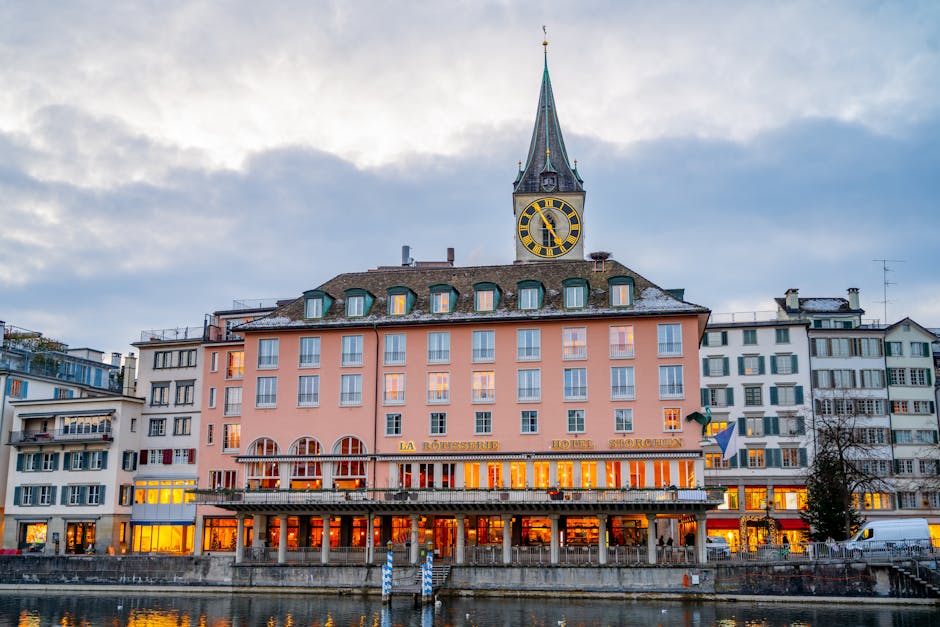
Self-guided audio tour in Zurich
Start Free on iPhone
Start free on iPhone to unlock this self-guided walking tour in Zurich. Hear all the stories that make it amazing, walk at your own pace, and begin whenever you want.
Your Private Tour Guide
In the midst of the First World War, while the rest of Europe was engulfed in conflict, neutral Zurich became an unlikely sanctuary for the world's most radical thinkers and artists. This neighborhood stroll through the winding alleys of the Altstadt invites you to step back into 1916, the year that changed the course of modern art forever. On this self-guided walk, you will trace the footsteps of the Dadaists—a group of exiles, poets, and rebels who declared war on logic and tradition. From the very room where the first Dada performance shocked the public to the quiet residence of Vladimir Lenin, this route explores the collision of political and artistic revolution. You will wander through the heart of the Old Town, crossing the Limmat River to see where the elite establishment met the avant-garde. The walking route highlights the stark contrast between the city's medieval architecture and the explosive, nonsensical creativity that defined Dadaism. You will discover how a small group of dissidents at the Cabaret Voltaire paved the way for Surrealism, Pop Art, and the conceptual movements that dominate the art world today. Beyond the history of the movement, this neighborhood stroll offers a chance to experience Zurich's iconic café culture at the legendary Café Bar ODEON, a favorite haunt of James Joyce and Albert Einstein. The journey concludes at the Kunsthaus Zürich, home to one of the most significant collections of Dadaist works in existence. Whether you are an art historian or a curious traveler, this self-guided adventure provides a deep dive into a brief, chaotic moment when Zurich was the center of the creative universe. This walking tour Zurich experience is designed for those who prefer to explore at their own pace, moving through the historic Spiegelgasse and the vibrant Bellevue area without the constraints of a group.
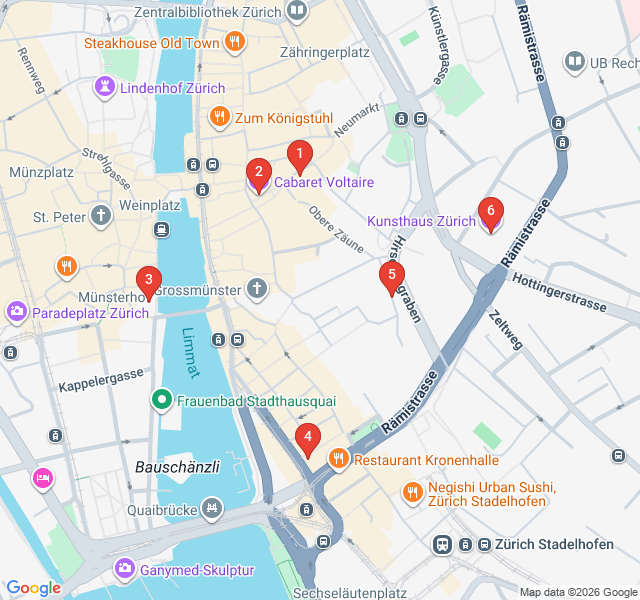
Numbers indicate the order of stops on the tour.
Our self-guided adventure begins at a modest house with a massive history. In 1916, Spiegelgasse 14 was the residence of Vladimir Lenin. It is a striking historical irony that while Lenin was here plotting the Russian Revolution, the Dadaists were launching an artistic revolution just a few doors down. The narrow, cobblestone street remains largely unchanged since that era. Look for the plaque on the wall marking Lenin's stay. This quiet corner of the Altstadt served as a refuge for those looking to dismantle the old world order, whether through politics or poetry. As you stand here, imagine the clash of ideas happening in these very buildings during the height of the Great War.
Just a short walk away at Spiegelgasse 1 is the legendary Cabaret Voltaire. Founded by Hugo Ball and Emmy Hennings in February 1916, this was the epicenter of Dada. The performances here were designed to be chaotic, featuring 'sound poems,' simultaneous chanting, and provocative costumes. The Dadaists used nonsense to protest the 'rational' logic that had led Europe into war. Today, the space remains a vibrant cultural center. While the interior has been renovated, the spirit of subversion lingers. It was here that the name 'Dada' was supposedly chosen at random from a dictionary, signaling the birth of a movement that would influence everything from punk rock to performance art.
Crossing the Limmat River, we reach the Zunfthaus zur Meisen. This stunning Rococo palace, built for the city’s wine merchants, represents the very 'establishment' the Dadaists sought to mock. However, the movement was full of contradictions; in 1919, the Dadaists actually held their final, largest exhibition and 'Great Dada Soirée' in the nearby Meisen hall. The contrast between the building's refined elegance and the nonsensical, often aggressive Dada performances highlights the movement's desire to infiltrate and disrupt high society. Take a moment to admire the ornate facade and the view of the Fraumünster church across the square, reflecting the traditional Zurich that the avant-garde wanted to shake up.
Next, we head toward Bellevue to visit the Café Bar ODEON. Since opening in 1911, this Viennese-style café has been the living room of Zurich’s intelligentsia. The Dadaists were frequent patrons, sitting at these marble tables alongside figures like James Joyce, Stefan Zweig, and even Albert Einstein. It was a place for heated debates, manifesto writing, and observing the city's social fabric. The high ceilings, large mirrors, and brass fittings still evoke the atmosphere of the early 20th century. This is an ideal spot to pause your walking route for a coffee and soak in the history of a place that has hosted some of the greatest minds of the modern age.
Moving back toward the hillside of the Old Town, we find the tranquil Winkelwiese area. This park and its surrounding buildings are deeply tied to Zurich's theatrical and literary history. Many of the artists associated with the later stages of the Dada movement and the subsequent Surrealist wave lived or worked in this vicinity. It offers a quieter, residential perspective of the Altstadt, away from the bustling riverbanks. The Theater an der Winkelwiese nearby continues the city's tradition of experimental performance. As you walk through this peaceful green space, consider how the chaotic energy of the Cabaret Voltaire eventually evolved into more structured forms of avant-garde theater and literature.
Our final stop is the Kunsthaus Zürich, one of Switzerland's most important art museums. While Dada began as an 'anti-art' movement that rejected museums, its legacy is now preserved here for future generations. The museum holds an extensive collection of Dadaist works, including pieces by Hans Arp, Sophie Taeuber-Arp, and Tristan Tzara. The transition from the streets of the Altstadt to the galleries of the Kunsthaus marks the completion of the Dada journey—from radical protest to recognized art history. Explore the museum's modern wing to see how the spirit of 1916 continues to influence contemporary artists. This concludes your independent exploration of the Zurich avant-garde.
Start Free on iPhone
Explore “Dadaism and the Birth of the Avant-Garde” with your very own Private Tour Guide with Zigway. Start free on iPhone, skip the large group and the fixed routes, and hear the city come alive as you go.
Your Private Tour Guide
Don't miss the good stuff
Explore Freely
 Moderate
Zurich, Switzerland
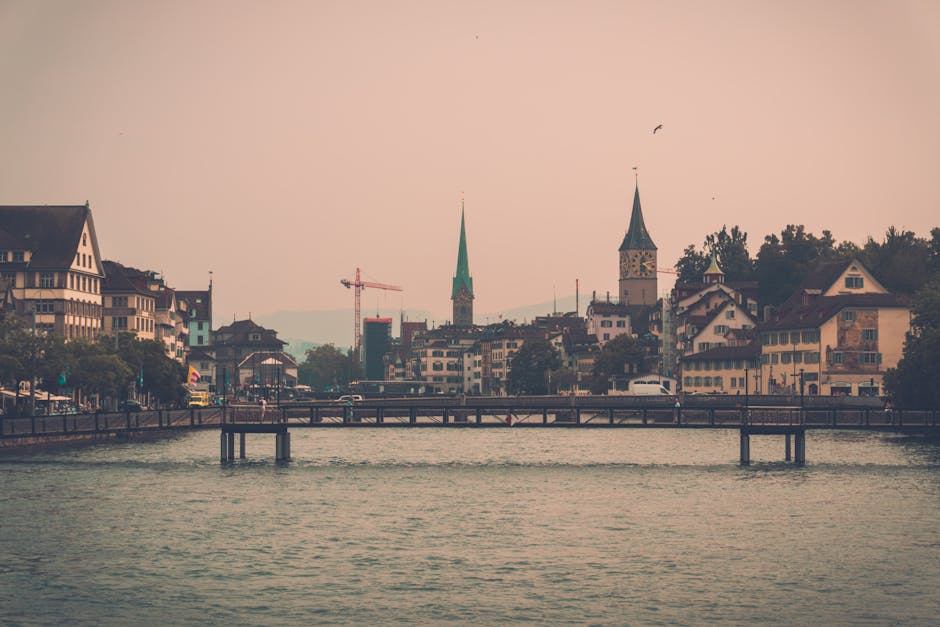
Follow the footsteps of Einstein and James Joyce on a self-guided walk through Zurich's intellectual and literary heart.
 Easy
EasyZurich, Switzerland
Explore Zurich's edgy side on this self-guided walk through Langstrasse, from red-light history to contemporary art and vibrant nightlife.
 Moderate
Zurich, Switzerland
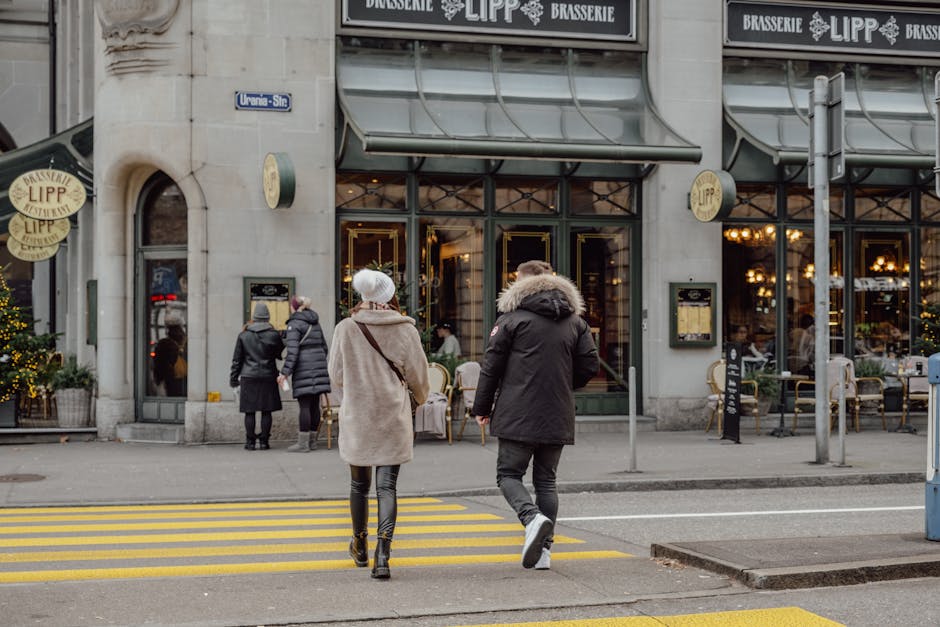
Explore Zurich's most breathtaking panoramas and hidden photography spots on this self-guided walking route through the historic city center.
 Easy
EasyZurich, Switzerland
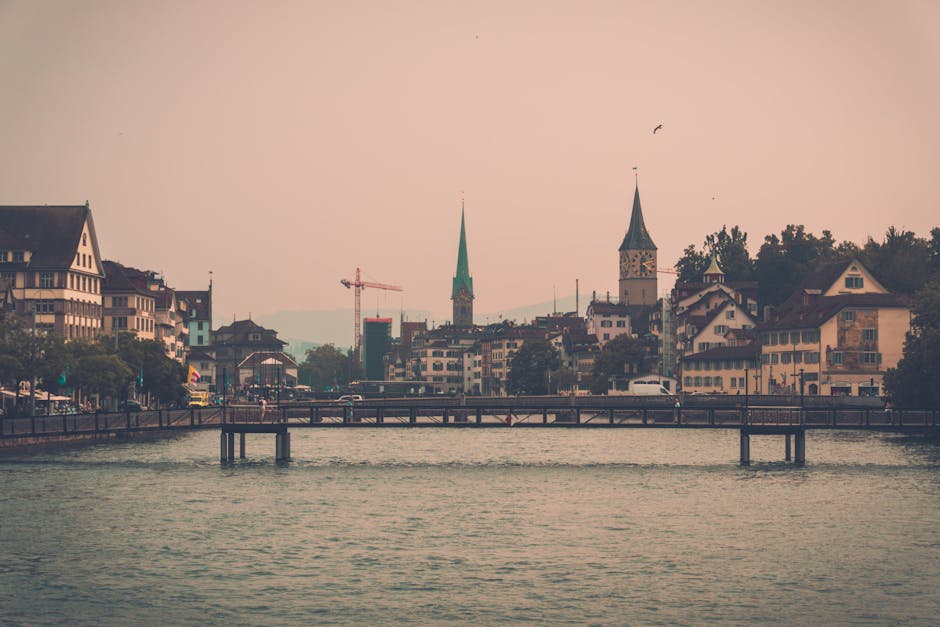
Discover Zurich's medieval heart, from Dadaist rebels to Reformation history, on this atmospheric self-guided audio walk through the Altstadt.
 Easy
EasyNairobi, Kenya
Discover Nairobi’s literary soul on this self-guided walk through historic libraries, iconic bookshops, and cultural centers in the heart of the CBD.
 Easy
EasyWarsaw, Poland
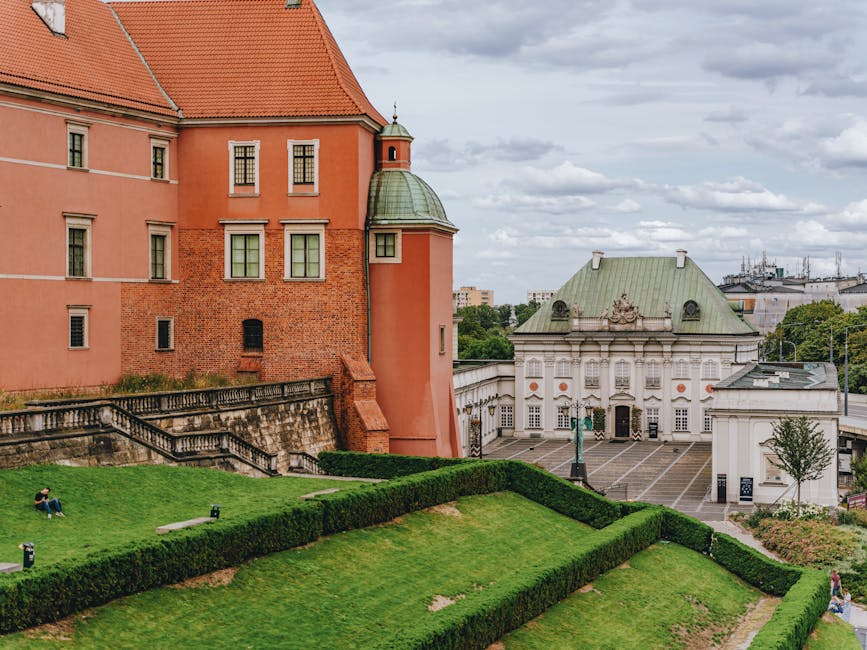
Follow the life of Fryderyk Chopin through Warsaw’s historic center. See where he lived, studied, and where his heart remains today.
 Easy
EasyKrakow, Poland
Explore the prestigious Jagiellonian University district, featuring Neo-Gothic architecture, Baroque churches, and Krakow's hidden scholarly gems.
 Easy
EasyKrakow, Poland
Explore the historic heart of Kazimierz on this self-guided walk through synagogues, ancient cemeteries, and vibrant squares.
 Easy
EasyGeneva, Switzerland
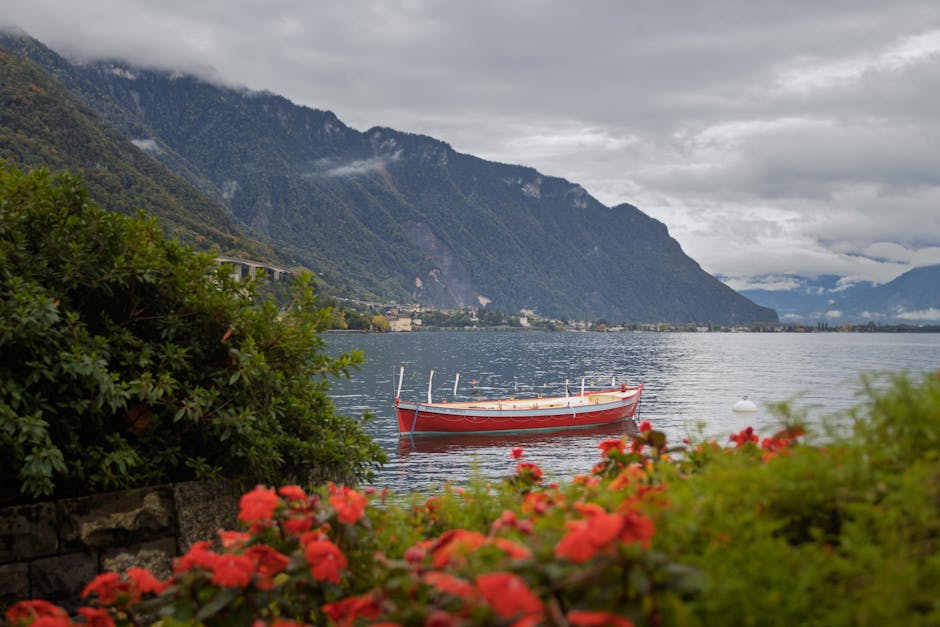
Explore Geneva's bohemian heart on this self-guided walk through flea markets, contemporary art galleries, and literary landmarks.
 Easy
EasyGeneva, Switzerland
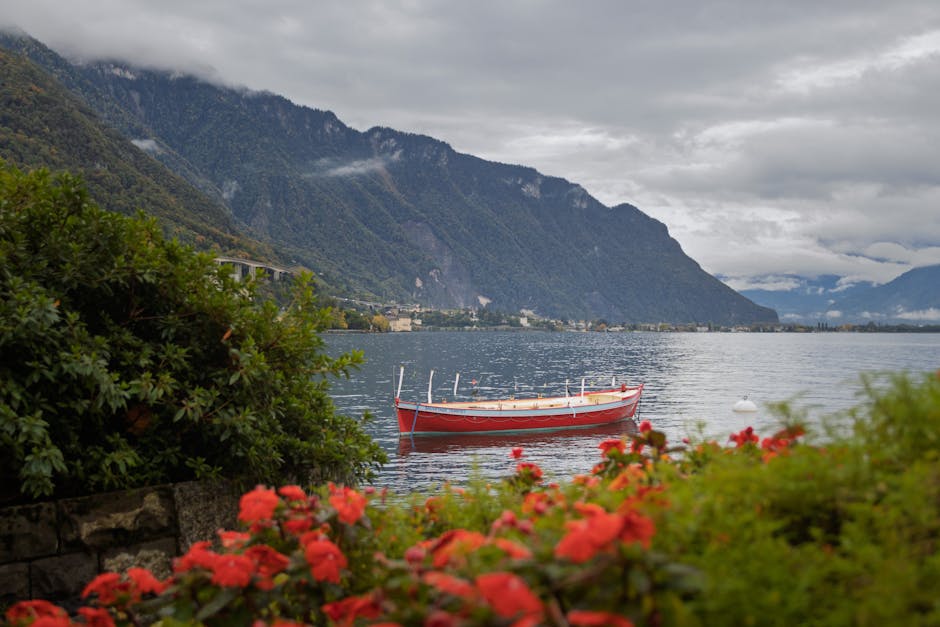
Discover the lives of Rousseau and Voltaire on this self-guided literary walking route through the historic heart of Enlightenment-era Geneva.
 Moderate
Geneva, Switzerland
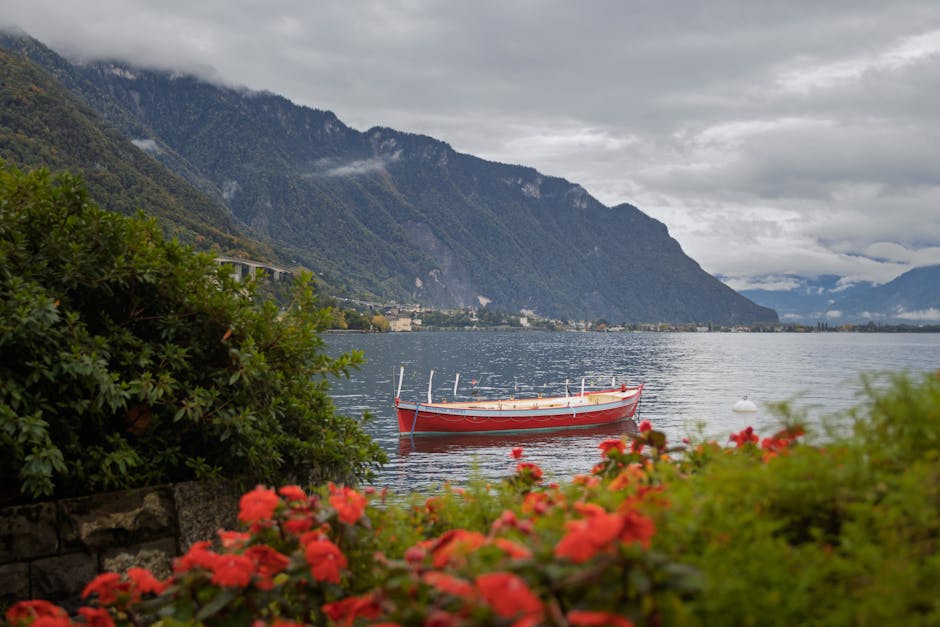
Uncover Geneva’s secrets on this self-guided walk through the Old Town’s historic streets, from the Reformation Wall to medieval cathedrals.
 Easy
EasyGeneva, Switzerland
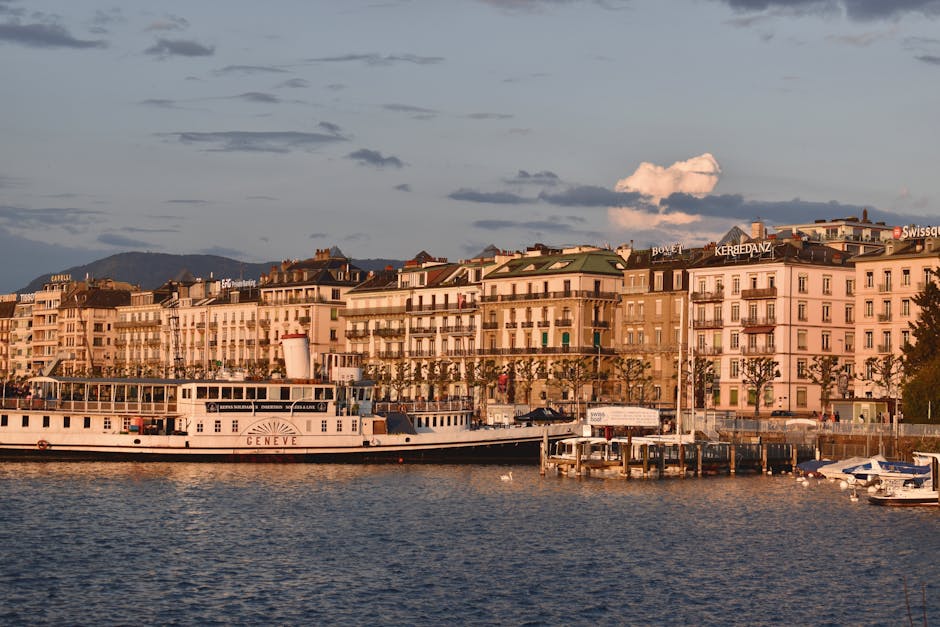
Discover the Mediterranean soul of Geneva. Explore Carouge’s Sardinian architecture, artisan workshops, and hidden gardens on this self-guided walk.