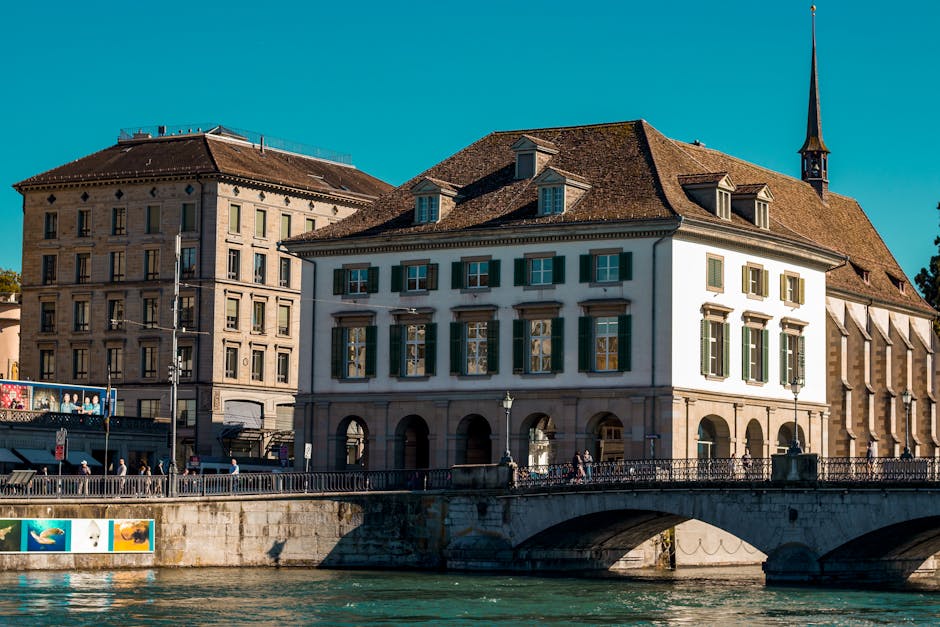
Self-guided audio tour in Zurich
Start Free on iPhone
Start free on iPhone to unlock this self-guided walking tour in Zurich. Hear all the stories that make it amazing, walk at your own pace, and begin whenever you want.
Your Private Tour Guide
Zurich is far more than a global banking hub; it is a living laboratory of architectural evolution. This neighborhood stroll takes you beyond the medieval Old Town to explore the city's cutting-edge design landscape. From the bold juxtaposition of the Swiss National Museum's extension to the vertical gardens of Oerlikon, this walking route showcases how Zurich integrates historic preservation with futuristic vision. You will witness the transformation of industrial zones into vibrant cultural hubs, like the Toni-Areal, and step inside hidden gems like Santiago Calatrava’s breathtaking library. This self-guided walk is designed for those who appreciate the intersection of form and function. As you move from the city center toward the developing district of Zurich North, the scale of the architecture shifts. You'll encounter 'green' architecture that redefines urban parks and massive industrial conversions that now house the city's creative elite. It is a journey through materials—concrete, steel, and glass—and through time, as the city moves from its 19th-century roots into a 21st-century aesthetic. This route is perfect for photography enthusiasts and design lovers looking for a deeper understanding of Swiss precision and creativity. Whether you are a local or a visitor, this exploration offers a fresh perspective on the city's identity. You can pause whenever you like to grab a coffee in a repurposed factory or sit in a park that feels like a cathedral made of vines. This walking tour Zurich experience allows you to skip the crowded tourist paths and dive into the neighborhoods where modern life truly happens. By the time you reach the final stop at Leutschenpark, you will have seen a side of the city that most travelers miss—a Zurich that is daring, innovative, and visually stunning. This walking tour Zurich route is your independent key to unlocking the architectural soul of Switzerland's largest city.
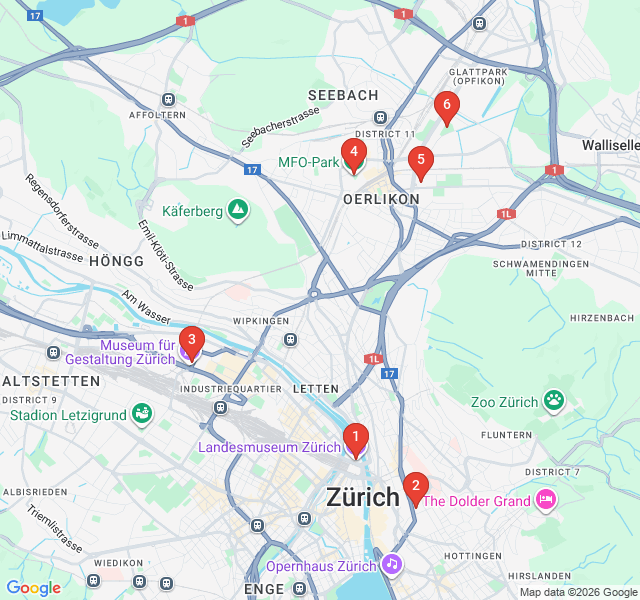
Numbers indicate the order of stops on the tour.
Start your journey at the Landesmuseum, where the past meets the future. The original 1898 building, designed by Gustav Gull in a Neo-Gothic style, resembles a fairytale castle. However, look toward the rear to see the 2016 extension by architects Christ & Gantenbein. This jagged, concrete wing creates a sharp, intentional contrast. The bridge-like structure houses modern exhibition spaces and represents Zurich's willingness to embrace bold, contemporary additions to its historic skyline. Notice the circular windows and the way the raw concrete mimics the stone of the original building while remaining defiantly modern.
Tucked inside a traditional 19th-century university building is one of Zurich's greatest architectural surprises. Designed by the world-renowned architect Santiago Calatrava, this Law Library features a massive glass dome that floods the interior with natural light. Calatrava inserted six oval galleries that seem to float within the old courtyard, connected by slender stairs. The white wood and steel create a sense of weightlessness. It is a masterpiece of 'building within a building' design, showcasing how modern engineering can breathe new life into heritage structures without destroying their character.
Welcome to Zurich West’s creative heart. Once Europe's largest yogurt factory, the Toni-Areal was transformed by EM2N architects into a massive campus for the Zurich University of the Arts. This is industrial chic on a monumental scale. The design retained the original industrial ramps—large enough for milk trucks to drive up—and converted them into pedestrian walkways and social spaces. The building is a city within a city, featuring concert halls, a cinema, and a rooftop garden. It stands as a prime example of how Zurich repurposes its industrial past for a cultural future.
As you move into the Oerlikon district, you'll encounter MFO-Park, a structure that blurs the line between architecture and nature. Built on the site of a former engine factory, this is a 'park without a floor.' It is a double-walled steel trellis, 17 meters high, covered in over 100 species of climbing plants. You can walk through the 'skeleton' of the building and climb the stairs to the top deck for a panoramic view of the neighborhood. It is an award-winning example of urban renewal, providing a lush, green social space in a densely built industrial area.
The Hallenstadion is an icon of Swiss engineering. Originally opened in 1939, it was once the largest indoor arena in Europe. Its most striking feature is the massive, column-free roof, a feat of 1930s engineering that allowed for unobstructed views. While it has undergone several renovations to keep it world-class for concerts and sports, the exterior remains a symbol of Zurich's mid-century modernist ambitions. It serves as a bridge between the early industrial era of Oerlikon and the ultra-modern developments you see surrounding it today.
Your final stop is Leutschenpark, a symbol of the 'New Zurich.' Designed by Dipol Architects, the park is defined by its striking circular 'tree crown'—a raised walkway that allows you to walk among the treetops. The ground is paved with blue recycled glass and concrete, giving the entire area a surreal, watery glow known as the 'blue world.' The park is surrounded by the headquarters of major tech and media companies, representing the sleek, polished conclusion of Zurich's architectural journey from the stone castles of the city center to the glass towers of the north.
Start Free on iPhone
Explore “Modernist Marvels and Contemporary Design” with your very own Private Tour Guide with Zigway. Start free on iPhone, skip the large group and the fixed routes, and hear the city come alive as you go.
Your Private Tour Guide
Don't miss the good stuff
Explore Freely
 Moderate
Zurich, Switzerland
Follow the footsteps of Einstein and James Joyce on a self-guided walk through Zurich's intellectual and literary heart.
 Easy
EasyZurich, Switzerland
Explore Zurich's edgy side on this self-guided walk through Langstrasse, from red-light history to contemporary art and vibrant nightlife.
 Moderate
Zurich, Switzerland
Explore Zurich's most breathtaking panoramas and hidden photography spots on this self-guided walking route through the historic city center.
 Easy
EasyZurich, Switzerland
Discover Zurich's medieval heart, from Dadaist rebels to Reformation history, on this atmospheric self-guided audio walk through the Altstadt.
 Moderate
Nairobi, Kenya
Discover the creative soul of Nairobi on this self-guided walk through the city's premier art galleries, markets, and artisan workshops.
 Moderate
Nairobi, Kenya
Discover the pulse of Nairobi's contemporary art scene on this self-guided walk through the galleries and creative spaces of Kilimani.
 Easy
EasyKrakow, Poland
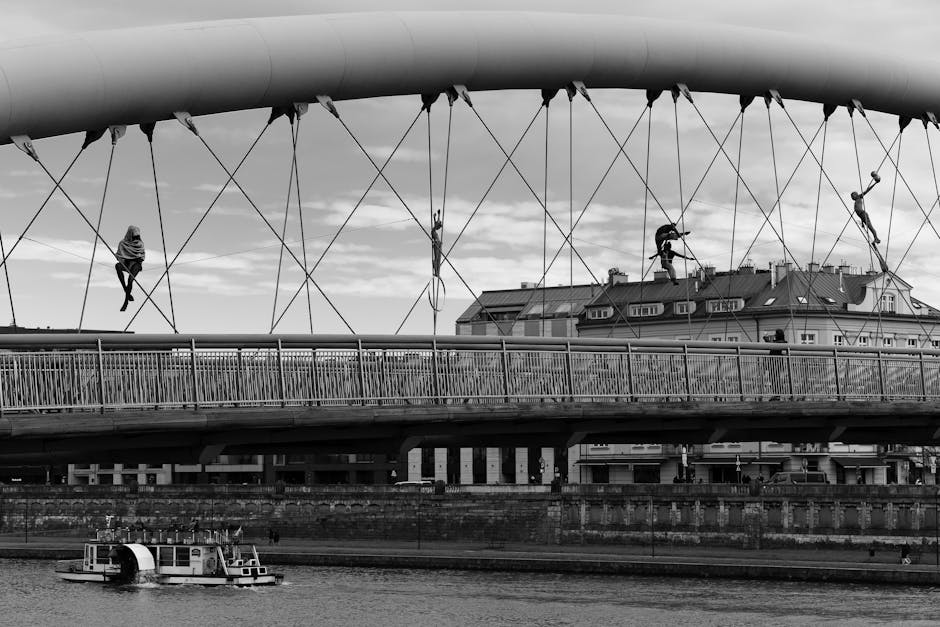
Discover Krakow’s creative soul in Zabłocie, exploring industrial heritage, contemporary art museums, and avant-garde architecture at your own pace.
 Moderate
Gdansk, Poland
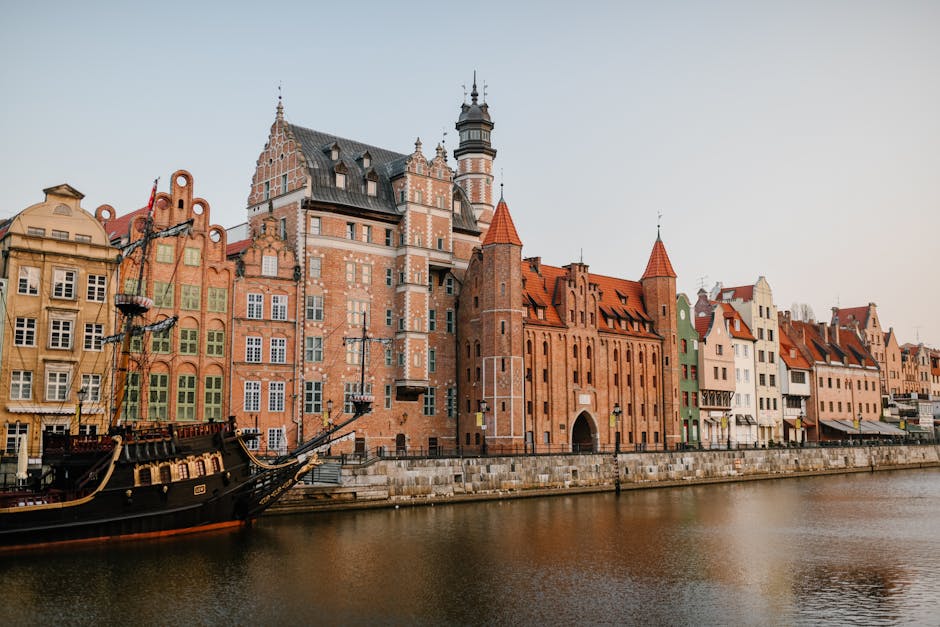
Discover the raw beauty of Gdansk’s Lower Town. Explore industrial ruins, hidden sluices, and riverside bastions on this self-guided walk.
 Easy
EasyGeneva, Switzerland
Explore Geneva's bohemian heart on this self-guided walk through flea markets, contemporary art galleries, and literary landmarks.
 Easy
EasyGeneva, Switzerland
Discover the lives of Rousseau and Voltaire on this self-guided literary walking route through the historic heart of Enlightenment-era Geneva.
 Moderate
Geneva, Switzerland
Uncover Geneva’s secrets on this self-guided walk through the Old Town’s historic streets, from the Reformation Wall to medieval cathedrals.
 Easy
EasyGeneva, Switzerland
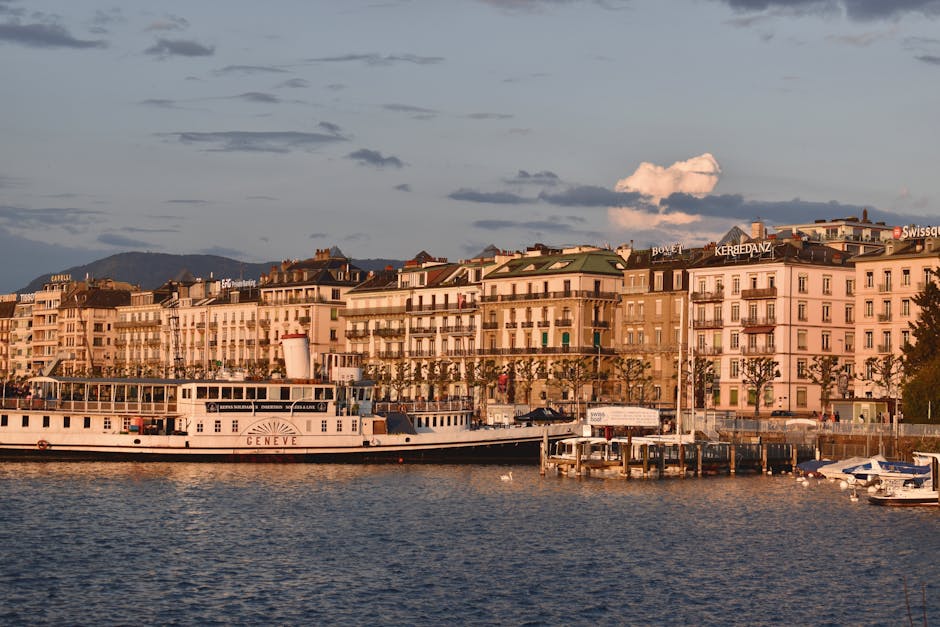
Discover the Mediterranean soul of Geneva. Explore Carouge’s Sardinian architecture, artisan workshops, and hidden gardens on this self-guided walk.