Self-guided audio tour in Dublin
Start Free on iPhone
Start free on iPhone to unlock this self-guided walking tour in Dublin. Hear all the stories that make it amazing, walk at your own pace, and begin whenever you want.
Your Private Tour Guide
Step into the soul of old Dublin on this self-guided walk through the Liberties, a neighborhood where the scent of roasting hops meets the vibrant energy of contemporary street art. Long known as the industrial heart of the city, the Liberties is undergoing a creative renaissance, blending its gritty history with a flourish of color and innovation. This walking route invites you to explore at your own pace, tracing the evolution of a district that was once the center of the world's whiskey and beer production. Your self-guided adventure begins on Francis Street, Dublin's legendary antique quarter. Here, the traditional trades of furniture making and art dealing continue alongside modern galleries. As you navigate the winding streets, you will encounter a dynamic canvas of street art—murals that celebrate local legends, social history, and the neighborhood's resilient spirit. This area is a living gallery, and while the art itself changes often, the creative pulse of the community remains constant. Beyond the visuals, this neighborhood stroll delves into the dark and heroic chapters of Irish history. You will stand before St. Catherine’s Church, the site of pivotal moments in the 1803 rebellion, and witness how 19th-century industrial giants transformed the skyline. The route highlights the transition from the old 'Golden Triangle' of distilling to the modern 'Digital Hub,' where historic storehouses now host global tech pioneers. No exploration of the Liberties is complete without acknowledging its brewing legacy. You will pass the iconic St. Patrick’s Tower—the tallest smock windmill in Europe—located on the site of the former Roe & Co distillery, before finishing at the world-renowned Guinness Storehouse. This neighborhood stroll offers a balanced perspective of Dublin: one foot in its hardworking industrial past and the other in its artistic, tech-driven future. Whether you are a photography enthusiast, a history buff, or simply a traveler looking for a local-favorite experience, this route provides a deep dive into Dublin's most authentic quarter. **Note:** This area is known for its ever-changing character. Street art, pop-up venues, and temporary exhibitions may differ from what's described. That's part of the adventure - you might discover something entirely new!
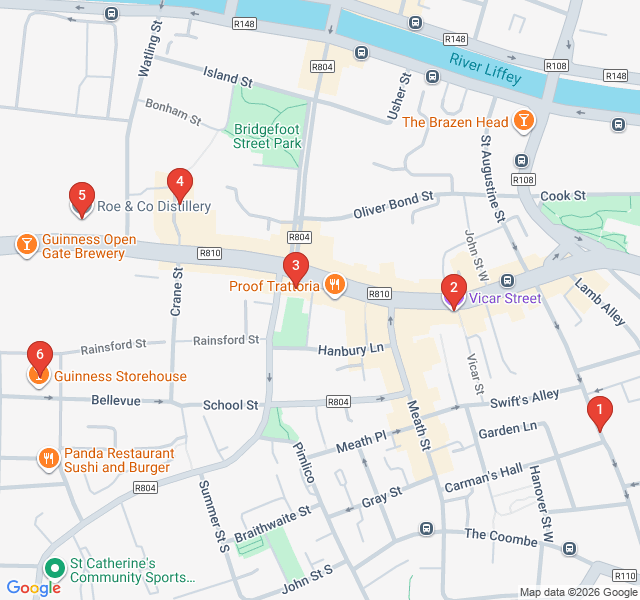
Numbers indicate the order of stops on the tour.
Welcome to Francis Street, the historic heart of Dublin’s 'Antique Quarter.' For centuries, this street has been a hub for skilled craftspeople, from weavers to cabinet makers. Today, it maintains that legacy with a mix of high-end antique dealers, art galleries, and traditional pubs. As you begin your self-guided walk, notice the blend of traditional architecture and the creeping influence of modern street art. This street represents the Liberties’ unique ability to preserve its heritage while embracing the new. Keep an eye out for small murals tucked into alleyways and doorways—the art scene here is grassroots and ever-changing, reflecting the neighborhood's evolving identity.
Vicar Street is best known today as one of Dublin's premier music venues, but the surrounding walls tell a different story. This area is a primary canvas for some of Ireland's most talented street artists. Because street art is ephemeral, the murals you see today might be different tomorrow, but they frequently depict local folk heroes, social issues, or abstract geometric patterns that brighten the industrial grey. This spot captures the 'Vibrant Liberties' energy—a place where the community's voice is literally painted onto its skin. Take a moment to explore the side streets nearby, where larger-scale commissions often hide in plain sight.
Standing on Thomas Street, St. Catherine’s Church is a masterpiece of 18th-century ecclesiastical architecture, but it is also the site of a grim moment in Irish history. In 1803, the Irish nationalist Robert Emmet was executed outside these doors following his failed rebellion. His 'Speech from the Dock' remains one of the most famous orations in Irish history. The church itself, with its impressive granite facade, serves as a gateway between the residential Liberties and the industrial brewing district. The history here is layered; look around and you'll see the physical transition from religious and civic life into the massive brick walls of the brewing empire.
As you move toward the Digital Depot, you are witnessing the 'New Liberties.' This area, formerly part of the Guinness estate and used for storage and vat houses, has been repurposed into a cluster for technology and digital content companies. This is a prime example of adaptive reuse—taking 19th-century industrial shells and filling them with 21st-century innovation. It’s a testament to the neighborhood's resilience; when the traditional industries scaled back, the community reinvented itself. The contrast between the old yellow-brick warehouses and the high-tech activity inside is a defining characteristic of modern Dublin.
Look up to see the St. Patrick’s Tower, a massive stone structure topped with a copper dome. This was once a windmill for the George Roe & Co Distillery, which in the 19th century was the largest distillery in Ireland. At its peak, this 'Golden Triangle' of distilling produced millions of gallons of whiskey annually. Though the original distillery closed in the 1920s, the brand has been revived in the old Guinness Power Station nearby. The tower remains a silent sentinel of the area's industrial might. The copper stills visible through the windows of the modern distillery bridge the gap between the Victorian era and today's whiskey revival.
Your neighborhood stroll concludes at the St. James’s Gate Brewery, specifically the Guinness Storehouse. This massive building was originally constructed in 1902 as a fermentation plant and was the first multi-story steel-framed building in Ireland. The sheer scale of the surrounding black gates and brick walls illustrates the dominance of the Guinness family in Dublin’s history. In 1759, Arthur Guinness signed a 9,000-year lease on this land, a gesture of immense confidence that shaped the Liberties forever. While the Storehouse is a major landmark, the real magic is in the surrounding streets where the smell of roasted barley still hangs heavy in the air.
Start Free on iPhone
Explore “Liberties Street Art and Industrial Heritage” with your very own Private Tour Guide with Zigway. Start free on iPhone, skip the large group and the fixed routes, and hear the city come alive as you go.
Your Private Tour Guide
Don't miss the good stuff
Explore Freely
 Easy
EasyDublin, Ireland
Explore Dublin's 'Silicon Docks' on this self-guided walk featuring futuristic bridges, famine history, and world-class modern architecture.
 Moderate
Dublin, Ireland
Uncover Dublin’s macabre history on this self-guided walk featuring mummies, medieval rebels, and the city’s most infamous legends.
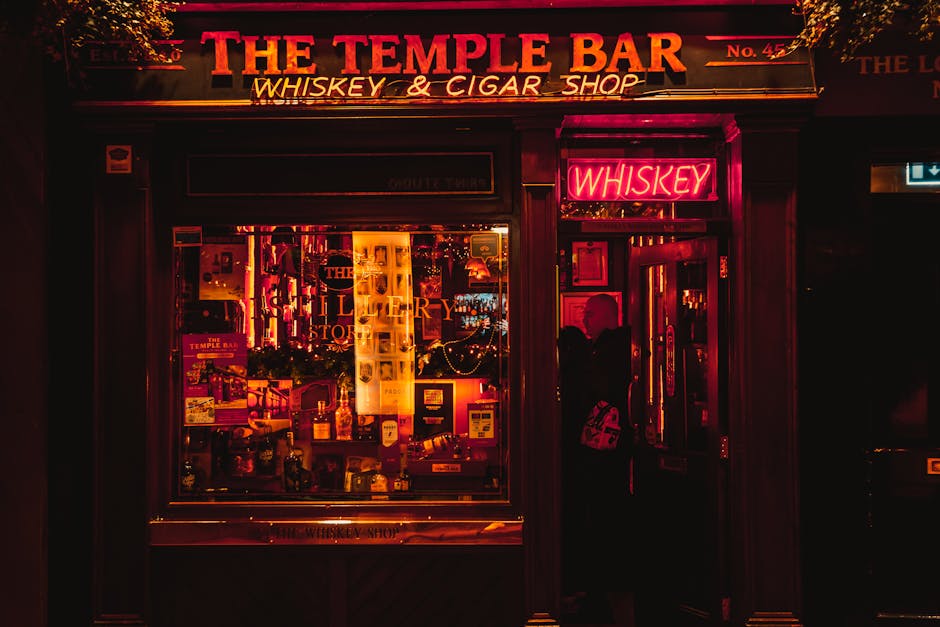 Moderate
Dublin, Ireland
Discover Dublin's poetic waterways and modern docks on this self-guided walk through leafy canals and glass-fronted tech hubs.
 Easy
EasyDublin, Ireland
Explore Dublin's storied streets at your own pace on this self-guided literary walk, from Joyce’s statues to Wilde’s colorful memorial.
 Easy
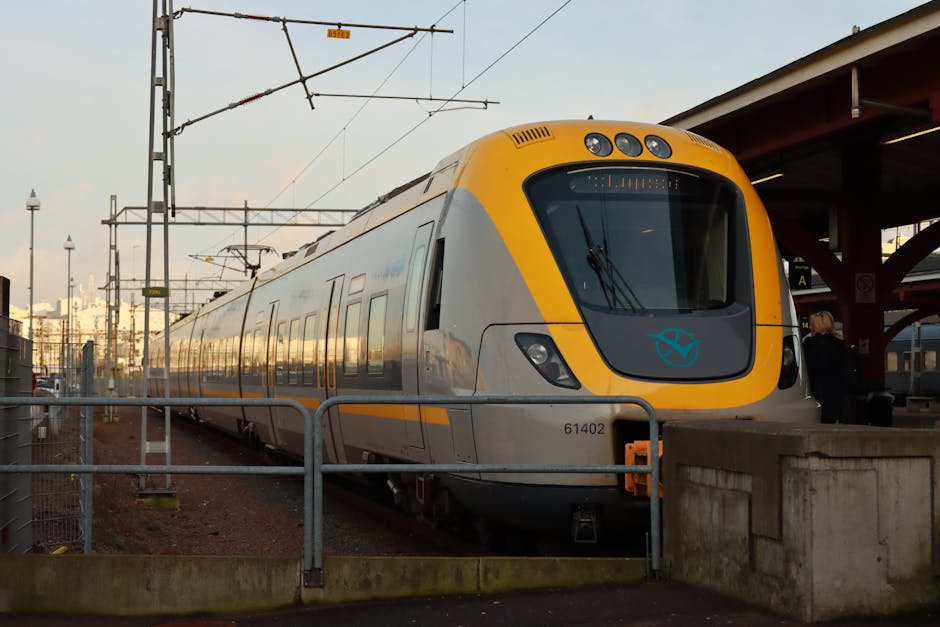
EasyGothenburg, Sweden
Explore Gothenburg's maritime soul on this self-guided walk from historic shipyards to sleek modern piers and iconic industrial landmarks.
 Moderate
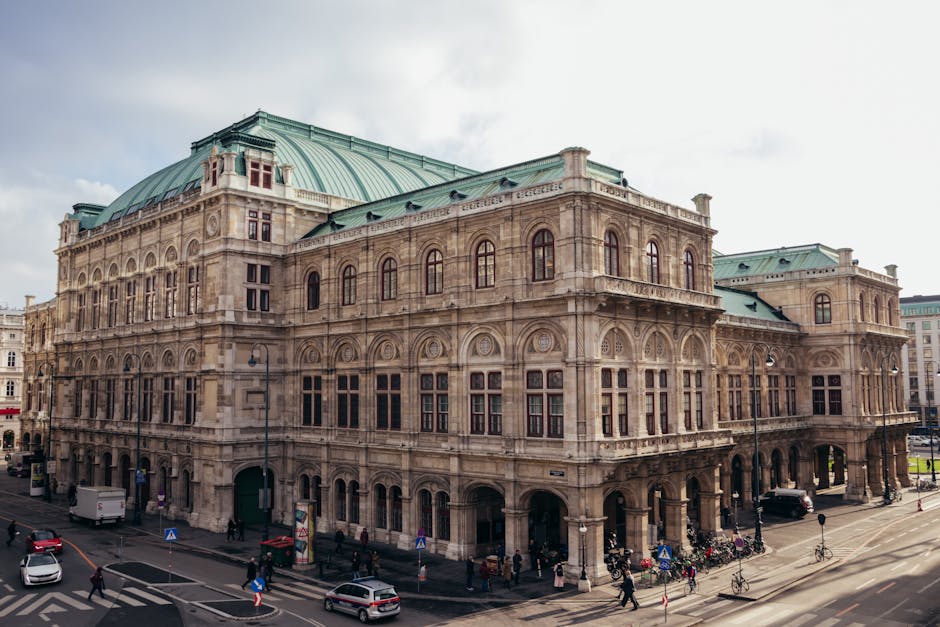
Vienna, Austria
Discover the noir world of The Third Man and Cold War Vienna on this atmospheric self-guided audio walk through the historic Innere Stadt.
 Moderate
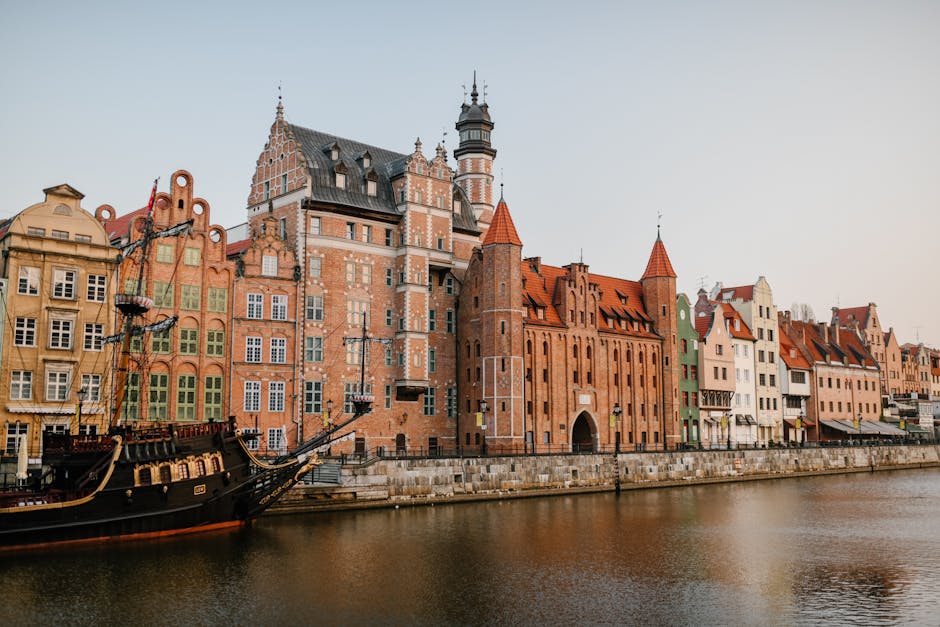
Gdansk, Poland
Discover the bohemian soul of Gdańsk. Explore the literary landmarks of Günter Grass, Prussian villas, and the trendy cafes of historic Wrzeszcz.
 Moderate
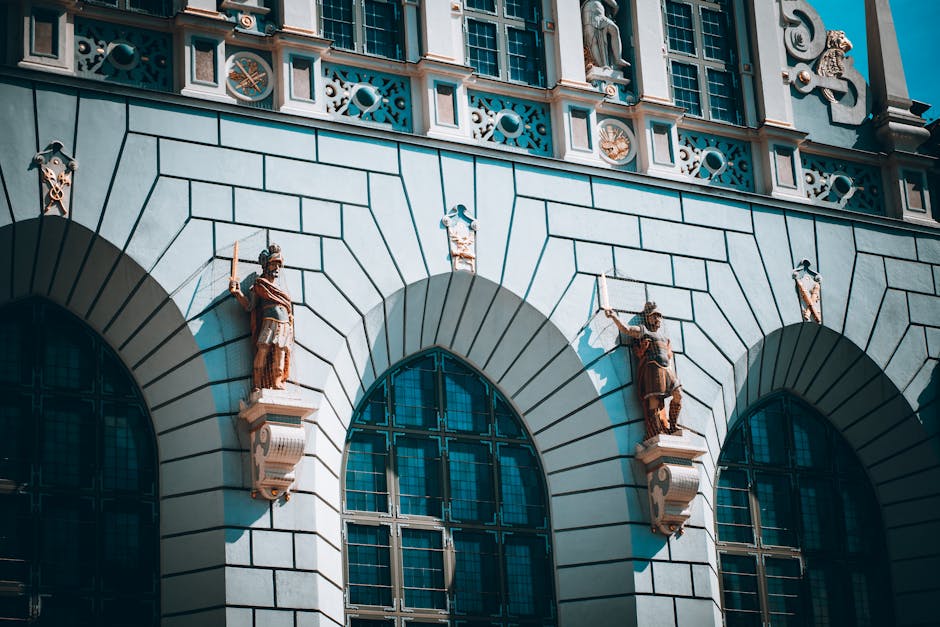
Gdansk, Poland
Discover Zaspa, a massive open-air gallery where grey housing blocks are transformed by over 60 monumental murals. Explore at your own pace.
 Easy
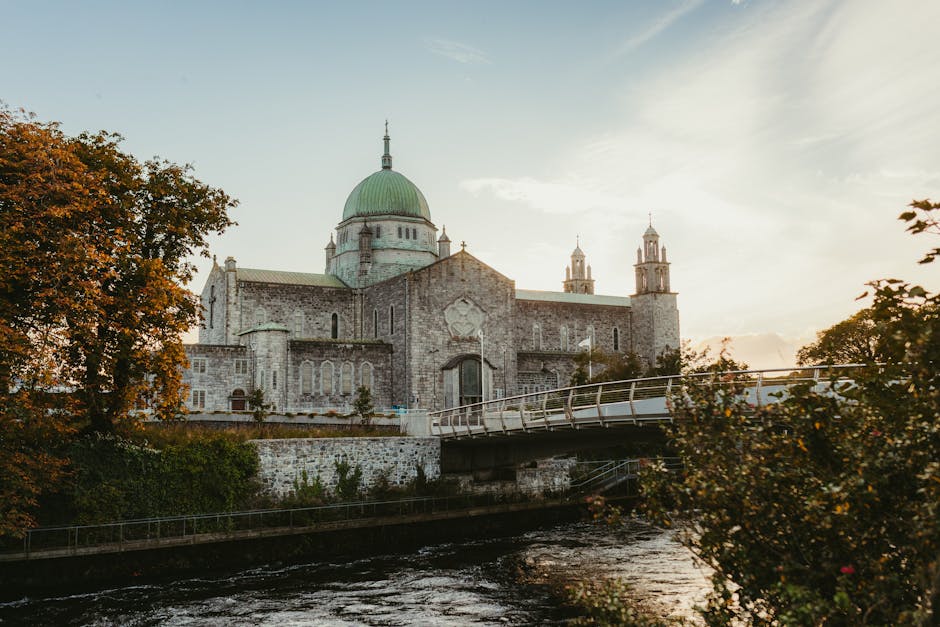
EasyGalway, Ireland
Explore Galway’s literary soul on this self-guided walk through historic bookshops, legendary theaters, and the haunts of Joyce and Wilde.
 Easy
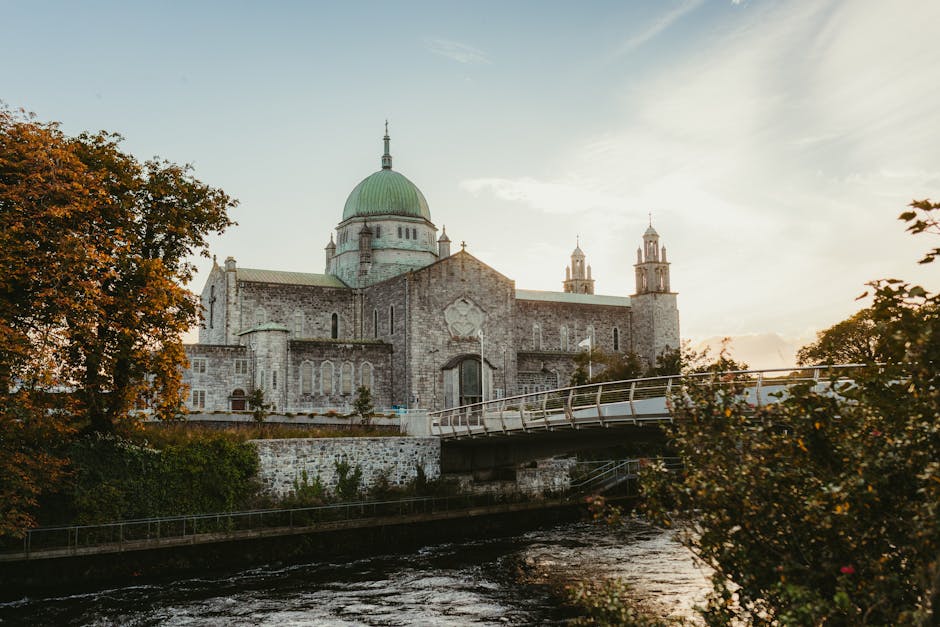
EasyGalway, Ireland
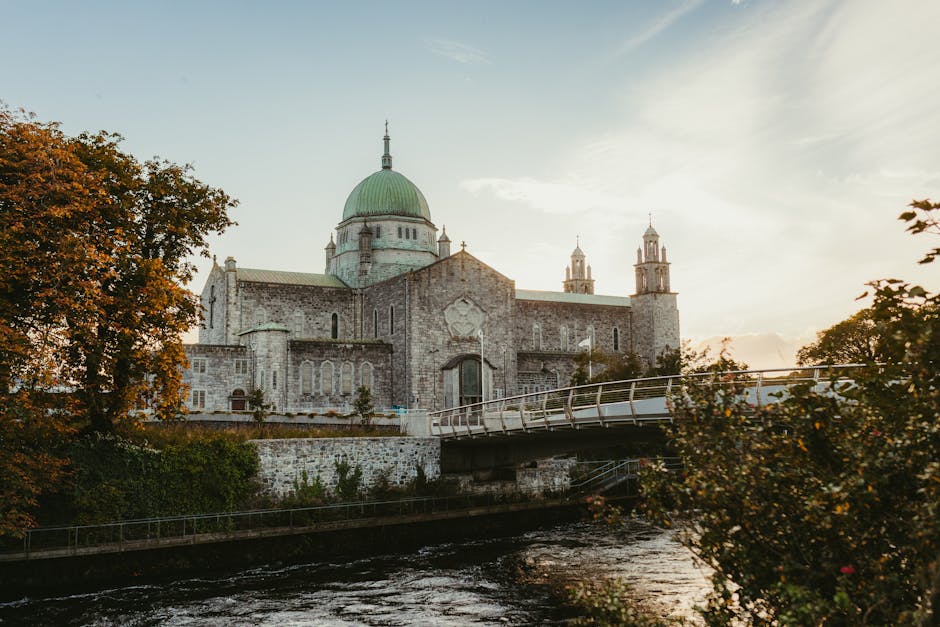
Explore Galway’s vibrant street art, contemporary galleries, and scenic photography spots on this independent neighborhood stroll.
 Easy
EasyGalway, Ireland
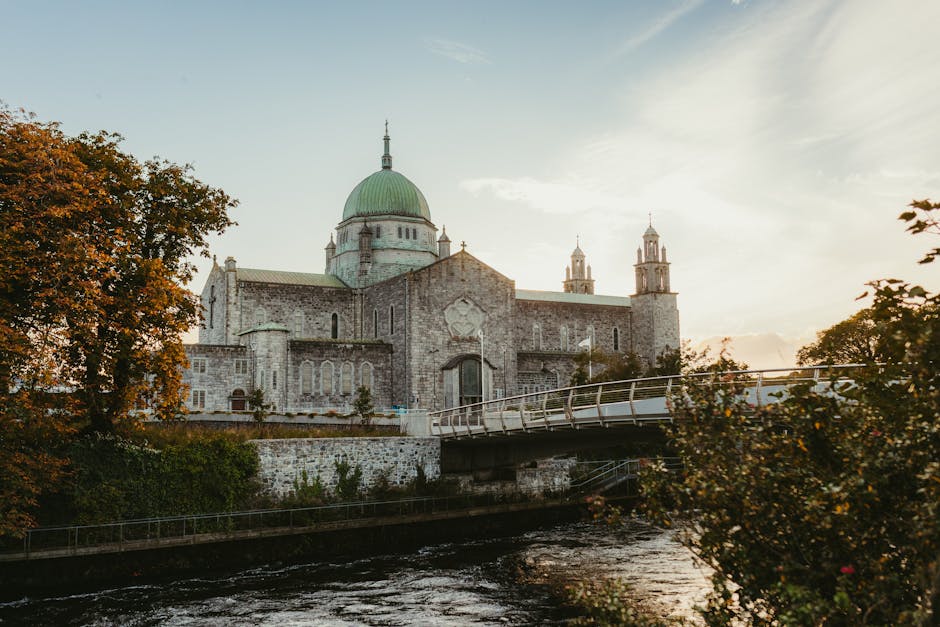
Capture Galway's most iconic views on this self-guided stroll through the Claddagh and along the vibrant Long Walk.
 Easy
EasyGalway, Ireland
Explore Salthill’s iconic promenade, discover local traditions, and enjoy stunning Atlantic views on this refreshing self-guided seaside walk.