Self-guided audio tour in Sintra
Start Free on iPhone
Start free on iPhone to unlock this self-guided walking tour in Sintra. Hear all the stories that make it amazing, walk at your own pace, and begin whenever you want.
Your Private Tour Guide
Sintra is often celebrated for its mist-shrouded palaces and romantic gardens, but the heart of this UNESCO World Heritage town beats within its long-standing artistic traditions. This self-guided walk invites you to look closer at the intricate details that define Portuguese identity: the glazed 'azulejo' tiles, the tactile warmth of hand-thrown ceramics, and the evolution of storytelling from ancient heraldry to modern media. By following this walking route, you will step away from the crowded palace gates and into the soul of the village, where craftsmanship is a living legacy. Your independent journey begins near the historic center, winding through narrow alleys that smell of freshly baked 'queijadas' and 'travesseiros.' As you explore, you will encounter the National Palace of Sintra, which houses some of the most significant tile collections in the world, showcasing the Mudéjar style that arrived centuries ago. This neighborhood stroll isn't just about the past; it also highlights Sintra's contemporary creative spirit at the Museu das Artes de Sintra (MU.SA), located in a beautifully repurposed former casino. What makes this walking tour Sintra experience unique is the focus on the 'why' behind the beauty. You’ll learn how the town’s microclimate and royal patronage fostered a community of artisans who have been decorating these hills for generations. Whether you are an art historian or a curious traveler, this audio walk provides the context needed to appreciate the geometric patterns and cobalt blues that adorn every corner. The route is designed to be easy and accessible, allowing you to linger at a ceramic workshop or enjoy a coffee in a tiled courtyard without the pressure of a group schedule. Discover the hidden textures of Sintra at your own pace, uncovering the stories baked into every clay tile and painted onto every facade. **Note:** This area is known for its ever-changing character. Street art, pop-up venues, and temporary exhibitions may differ from what's described. That's part of the adventure - you might discover something entirely new!
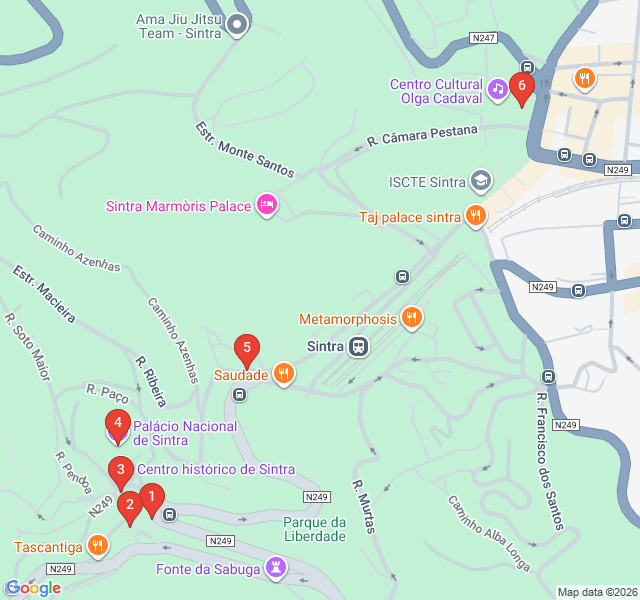
Numbers indicate the order of stops on the tour.
Start your self-guided adventure at the NewsMuseum, a modern space dedicated to the world of media and communication. While Sintra is known for its ancient history, this museum occupies the building of the former 'Clube de Sintra,' once a social hub for the local elite. The museum uses the lens of journalism to tell the story of modern history, but notice how the building itself bridges the gap between the old town's character and the digital age. It serves as a reminder that Sintra has always been a place where stories are told and shared. As you stand here, you are at the gateway to the historic center, where the narrative shifts from digital headlines to the hand-painted stories found on the town's famous tiles.
A short walk brings you to Ceramica De Sintra, a celebration of the tactile arts. Portugal’s relationship with ceramics dates back centuries, and here you can see the continuation of that tradition. The shop and workshop environment often showcase the process of hand-painting tiles and pottery, a craft that requires immense patience and precision. Look for the classic blue and white patterns, known as 'azulejos,' which were originally influenced by Moorish designs. These tiles were not just decorative; they served a practical purpose in the Portuguese climate, reflecting heat and protecting walls from the Atlantic humidity. This stop is the perfect place to appreciate the weight and texture of local clay before seeing it used on a grander scale throughout the town.
Follow the scent of cinnamon and sugar onto Rua das Padarias, or 'Bakery Street.' This narrow, winding lane is the quintessential Sintra experience. While it is famous for its traditional pastries like 'queijadas' (cheese tarts) and 'travesseiros' (almond-filled puff pastries), look beyond the shop windows to the architecture. The street is lined with small artisan shops tucked into buildings that have stood for centuries. The paving under your feet and the intimate scale of the shops create an atmosphere that hasn't changed much in a hundred years. It is a sensory stop where the craft of baking meets the craft of commerce, all set against a backdrop of weathered stone and pastel-colored facades.
Dominating the main square are the two massive, conical chimneys of the National Palace of Sintra. This is arguably the most important site in Portugal for tile enthusiasts. The palace boasts the country’s most extensive collection of Mudéjar tiles, featuring geometric patterns that appear almost three-dimensional. These tiles were imported from Seville in the 15th and 16th centuries. Notice how the light reflects off the glazed surfaces, a technique designed to bring light into the deep, cool rooms of the palace. Even from the outside, the palace is a masterclass in architectural evolution, blending Gothic, Manueline, and Moorish styles. It has been a royal residence for nearly eight centuries, and its walls are a literal canvas of Portuguese history.
Standing in the town center is the Pelourinho, or Pillory of Sintra. While the current structure is a 1904 reconstruction of a much older 16th-century monument, it represents the town's civic identity and judicial history. In Portuguese towns, the Pelourinho was a symbol of local authority and independence. From an artistic perspective, notice the Manueline influences—a uniquely Portuguese style of ornamentation that incorporates maritime elements like twisted ropes and armillary spheres. This monument serves as a focal point for the 'Vila Velha' (Old Village), marking the transition between the royal precincts and the residential neighborhoods where the town's workers and artisans lived.
Your neighborhood stroll concludes at MU.SA, the Museum of the Arts of Sintra. Housed in the former 'Casino Penichense,' this building is a work of art itself, featuring eclectic architecture that reflects the early 20th-century trend of leisure buildings. Today, it hosts the municipal art collection, ranging from photography to contemporary sculpture. It provides a vital counterpoint to the historic tiles you've seen, showing that Sintra continues to inspire modern artists. The museum often features works by local artists who draw inspiration from the town's unique light and landscape. Please note that exhibitions and gallery layouts change frequently, so there is always something new to discover. From here, you are just a short distance from the train station, making it a perfect final stop.
Start Free on iPhone
Explore “Artisans and Azulejos: The Craft of Sintra” with your very own Private Tour Guide with Zigway. Start free on iPhone, skip the large group and the fixed routes, and hear the city come alive as you go.
Your Private Tour Guide
Don't miss the good stuff
Explore Freely
 Moderate
Sintra, Portugal
Explore an eclectic palace and its lush botanical gardens. Discover 19th-century Romanticism through exotic architecture and hidden chapel ruins.
 Moderate
Sintra, Portugal
Explore Sintra's most opulent 19th-century manors and mystical gardens on this self-guided audio walk through the historic Seteais district.
 Easy
EasySintra, Portugal
Explore Sintra's historic center on this self-guided walk through legendary bakeries, tasting iconic Travesseiros and Queijadas at your own pace.
 Challenging
Sintra, Portugal
A challenging self-guided adventure through Sintra's highest peaks, designed to capture the perfect sunset shots of the Pena Palace and beyond.
 Easy
EasyGothenburg, Sweden
Explore Gothenburg's elegant academic district, featuring grand 19th-century stone architecture and the iconic cultural hub of Götaplatsen.
 Easy
EasyKrakow, Poland
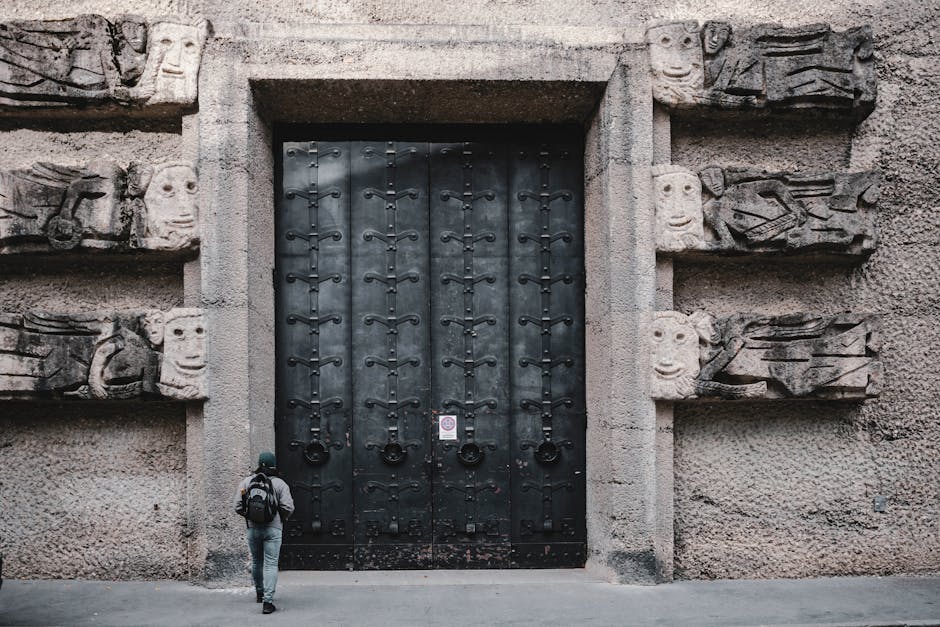
Explore the prestigious Jagiellonian University district, featuring Neo-Gothic architecture, Baroque churches, and Krakow's hidden scholarly gems.
 Easy
EasySalzburg, Austria
Discover the 'Rome of the North' on this self-guided walk through the Baroque squares and monumental legacy of Salzburg’s Prince-Archbishops.
 Easy
EasyGothenburg, Sweden
Discover Gothenburg’s 17th-century Dutch foundations, historic canals, and military fortifications on this self-guided architectural walk.
 Easy
EasyPorto, Portugal
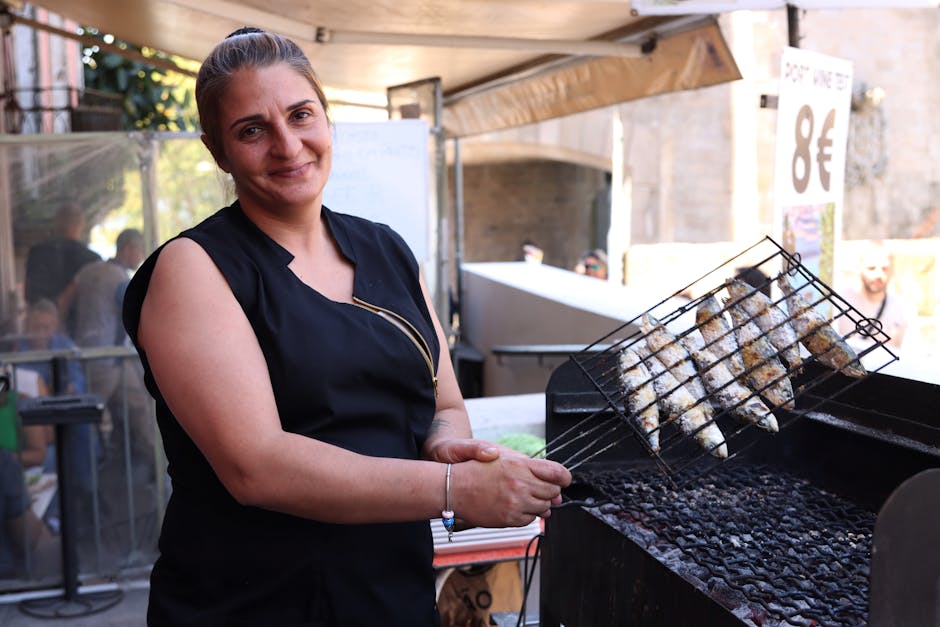
Taste the soul of Porto on this self-guided stroll through the historic Bolhão Market and its legendary surrounding food shops.
 Moderate
Porto, Portugal
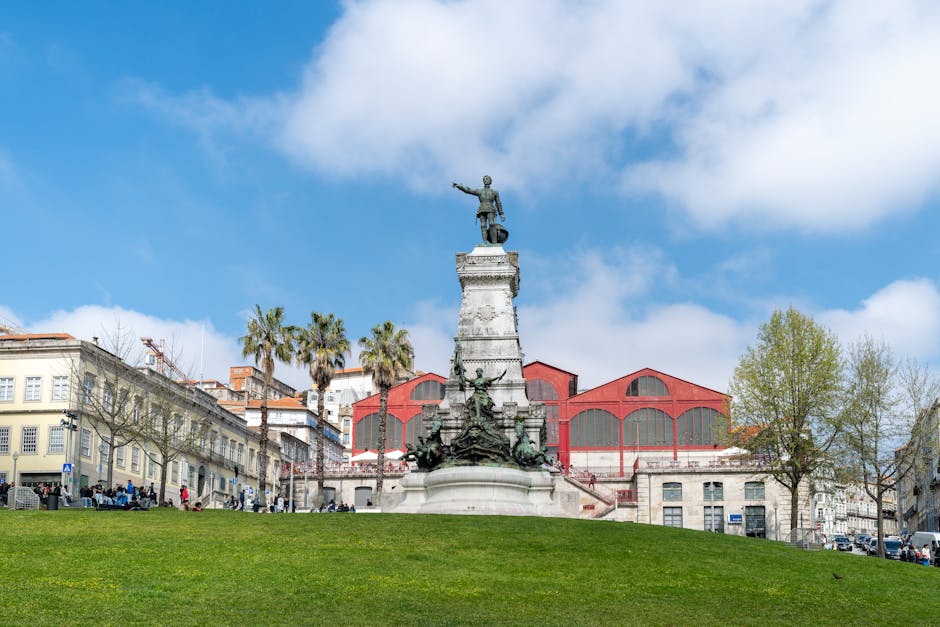
Uncover the hidden history of Porto's Jewish community and the secrets of the Inquisition on this self-guided walking route through historic Miragaia.
 Challenging
Porto, Portugal
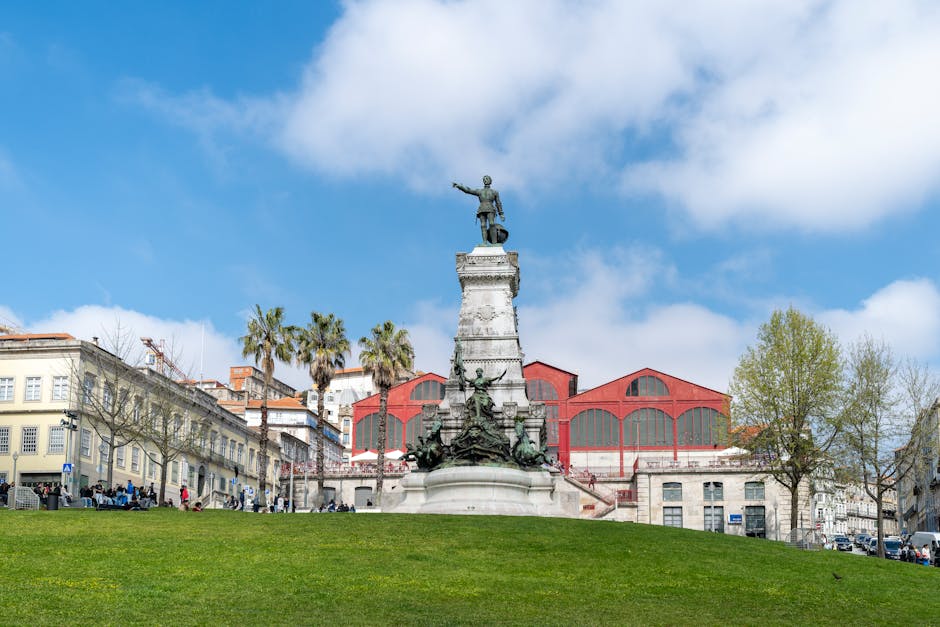
Explore Porto's 'High City' on this self-guided walk through Baroque landmarks, medieval cathedrals, and stunning panoramic viewpoints.
 Moderate
Porto, Portugal
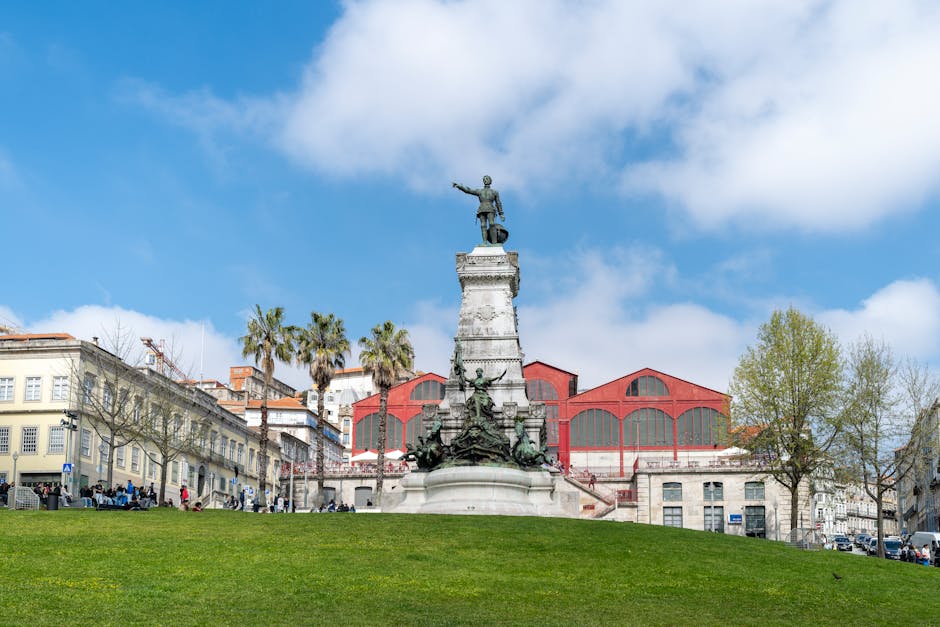
Explore Porto's UNESCO-listed riverside district at your own pace through medieval alleys, golden churches, and historic maritime landmarks.