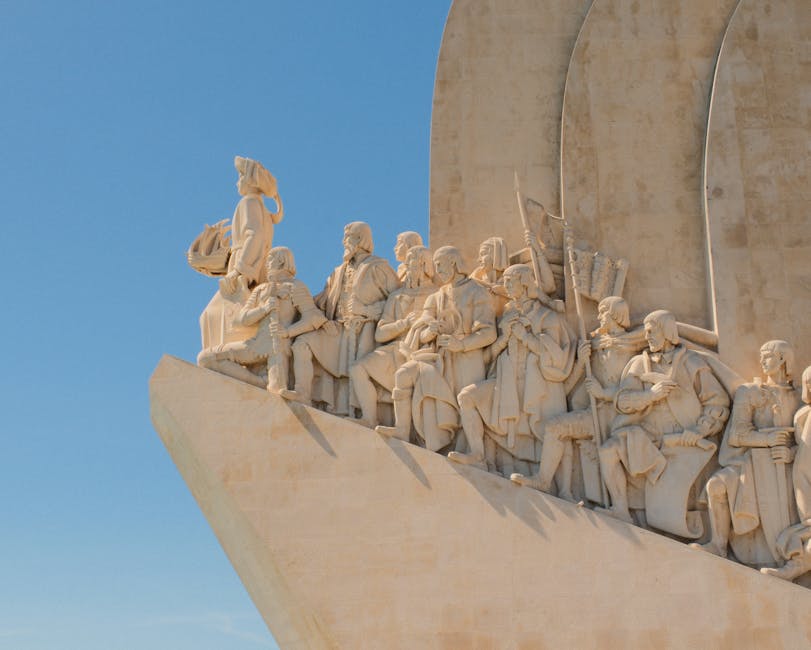
Self-guided audio tour in Lisbon
Start Free on iPhone
Start free on iPhone to unlock this self-guided walking tour in Lisbon. Hear all the stories that make it amazing, walk at your own pace, and begin whenever you want.
Your Private Tour Guide
Step back into the medieval heart of Portugal with this self-guided walk through the historic Castelo district. This journey begins at the crown of the city, the imposing Castelo de São Jorge, where the foundations of Lisbon were laid by Romans, Visigoths, and Moors before the Christian Reconquista. As you descend from the castle’s heights, you will traverse the winding alleys and sun-drenched squares that have witnessed centuries of royal intrigue and resilient reconstruction. This walking route offers a deep dive into the architectural evolution of the city, from the sturdy Romanesque walls of the Sé Cathedral to the triumphant Pombaline style of the Arco da Rua Augusta. Exploring this area independently allows you to appreciate the layers of history at your own pace. You will encounter the Miradouro de Santa Luzia, famous for its iconic blue-and-white tiles depicting the Siege of Lisbon, and the Church of Saint Anthony, built upon the very site where the city’s patron saint was born. While this neighborhood stroll is physically demanding due to the steep, cobblestoned inclines of the Alfama and Castelo hills, the panoramic views of the Tagus River make every step worthwhile. This walking tour Lisbon experience is designed for those who want to understand how a devastating earthquake in 1755 reshaped a medieval capital into the vibrant, light-filled city seen today. Whether you are interested in the military history of the fortifications or the religious significance of the ancient cathedrals, this audio walk provides a comprehensive context to Lisbon’s most iconic landmarks. It is a perfect choice for a walking tour Lisbon adventure that avoids the crowds of a traditional guided tour Lisbon and focuses on the authentic atmosphere of the old city.
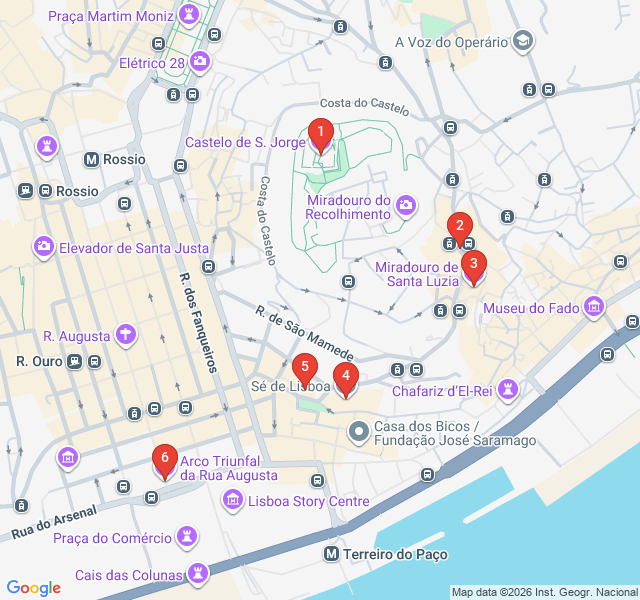
Numbers indicate the order of stops on the tour.
Standing atop the highest hill in Lisbon, this fortress has served as a seat of power for centuries. Before the first King of Portugal, Afonso Henriques, conquered the site in 1147 with the help of Northern European crusaders, it was a Moorish citadel. As you walk along the ramparts, notice the eleven towers and the dry moat. The castle wasn't just a military barracks; it was a royal palace until the early 16th century. Though much was restored in the 1940s, the stones here whisper stories of the medieval court and the vantage point remains the best place to understand Lisbon's strategic maritime importance.
The 'Gates of the Sun' mark one of the entrance points through the old Moorish walls. From this terrace, you can see the red-tiled roofs of the Alfama district cascading down toward the river. Look for the white domes of the Monastery of São Vicente de Fora in the distance. This spot is a favorite for photographers because of the way the morning light hits the pastel-colored houses. It provides a clear visual map of the medieval city’s layout, which survived the 1755 earthquake better than the lower-lying areas of Lisbon.
This romantic viewpoint is framed by a pergola covered in bougainvillea. Beyond the view, pay close attention to the blue and white tile panels on the southern wall. One panel depicts the Praça do Comércio as it looked before the great earthquake, while the other shows the Christian soldiers attacking the castle during the Siege of Lisbon in 1147. This location served as a headquarters for the Order of Malta, and the small church adjacent to the viewpoint holds the history of the knights who once protected this steep ascent.
The Sé is the oldest church in the city, dating back to 1147. Its fortress-like appearance, with twin bell towers and crenelations, was intentional; it served as a defensive structure during times of siege. Inside, the architecture transitions from Romanesque to Gothic. The cathedral was built on the site of a former mosque after the Reconquista, a common practice during the medieval era. Despite multiple earthquakes, the main structure has stood firm, housing the remains of St. Vincent, the patron saint of Lisbon, whose relics were brought here by ship escorted by two ravens.
While the world knows him as Saint Anthony of Padua, locals proudly call him Saint Anthony of Lisbon. This church is built directly over the room where the saint was born in 1195. You can descend into the crypt to see the exact spot. The current building dates from the late 18th century, replacing an earlier structure destroyed in 1755. Every June, this area becomes the epicenter of the 'Santos Populares' festivals, where the city celebrates with sardines and street dances, honoring the saint who is also the patron of marriages and lost things.
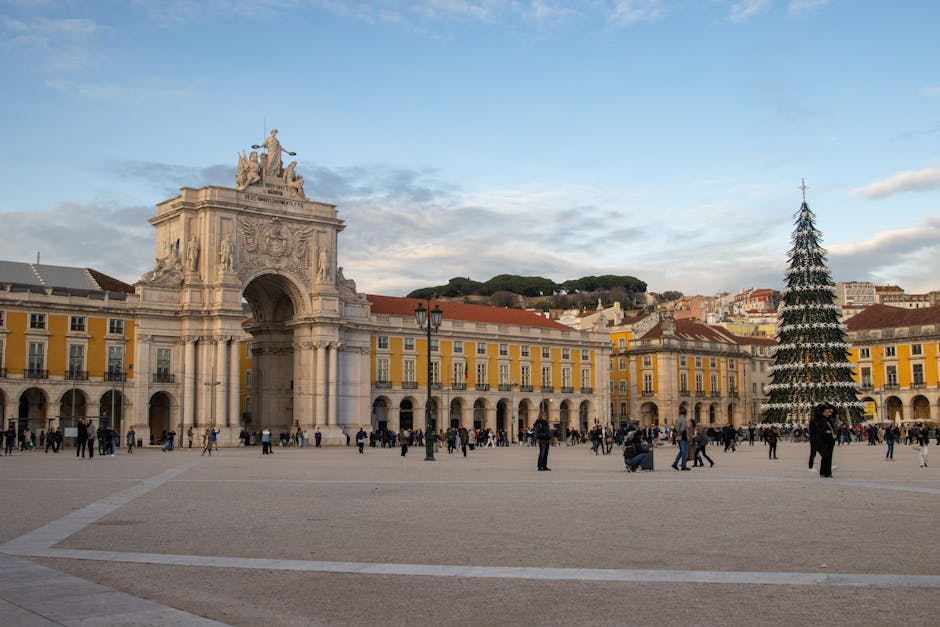
As you descend into the Baixa district, you reach this monumental triumphal arch. Completed in 1873, it celebrates the city's rebirth after the 1755 disaster. At the top, a group of sculptures represents Glory crowning Genius and Valor. Below them are historical figures like Vasco da Gama and the Marquis of Pombal, the man responsible for the grid-like reconstruction of the city. Passing through the arch leads you into the vast Praça do Comércio, once the site of the royal palace and the gateway for trade coming from the Atlantic.
Start Free on iPhone
Explore “Knights and Kings: The Medieval Ascent to São Jorge” with your very own Private Tour Guide with Zigway. Start free on iPhone, skip the large group and the fixed routes, and hear the city come alive as you go.
Your Private Tour Guide
Don't miss the good stuff
Explore Freely
 Easy
EasyLisbon, Portugal
Discover grand palaces, exotic botanical gardens, and hidden water reservoirs in Lisbon's most elegant and trendy neighborhood.
 Challenging
Lisbon, Portugal
Ascend to Lisbon's highest peaks. Explore the panoramic viewpoints, hidden gardens, and historic worker housing of the authentic Graça neighborhood.
 Moderate
Lisbon, Portugal
Experience Lisbon's bohemian soul on this evening walk through Bairro Alto's street art, panoramic views, and traditional cherry liqueur spots.
 Moderate
Lisbon, Portugal
Discover the multicultural heart and Fado roots of Lisbon on this soulful self-guided walk through Mouraria's historic alleys.
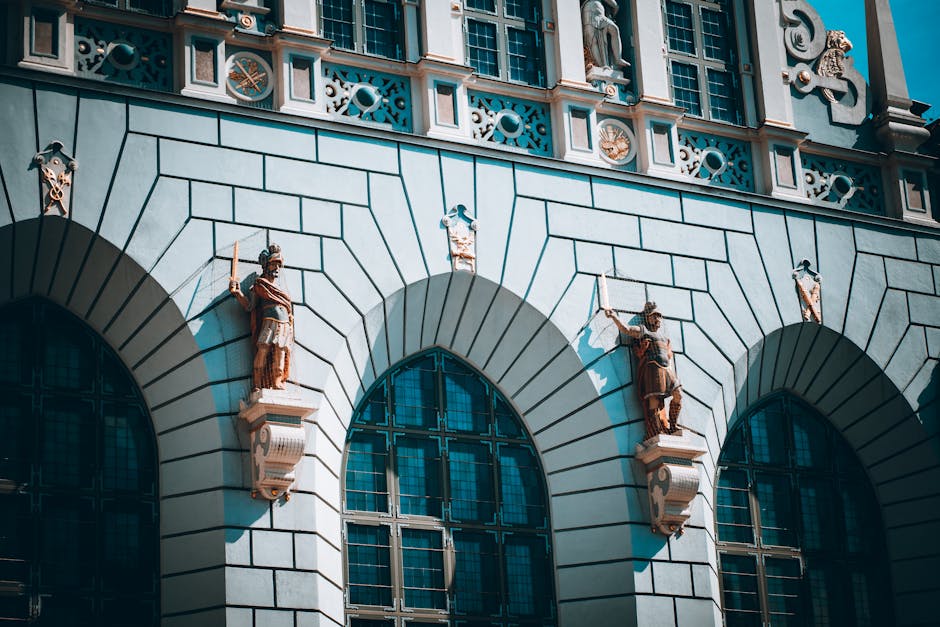 Easy
EasyGdansk, Poland
Discover the opulent Royal Way of Gdansk at your own pace. Explore Hanseatic history, gilded architecture, and the iconic Neptune's Fountain.
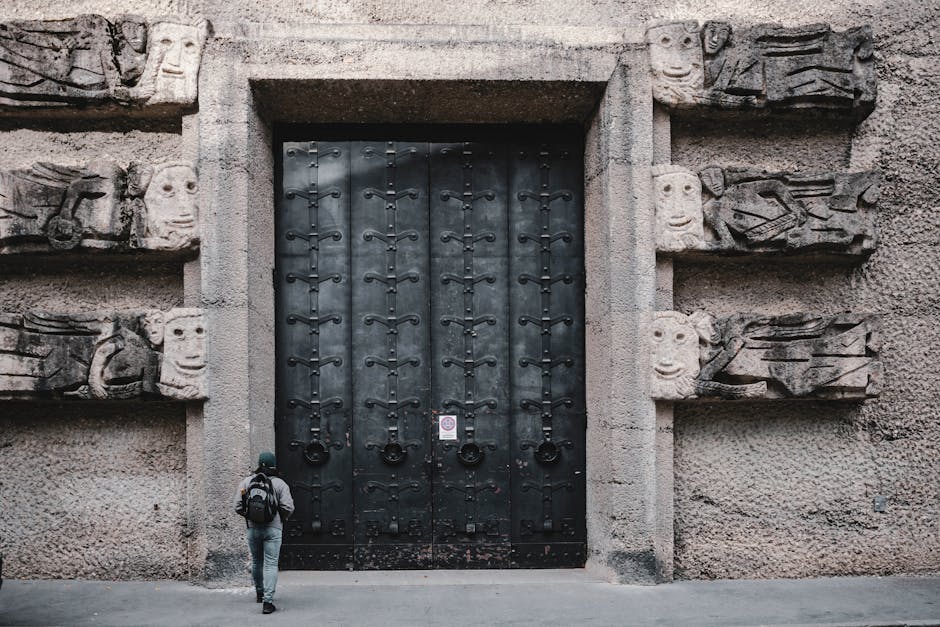 Easy
EasySalzburg, Austria
Discover the 'Rome of the North' on this self-guided walk through the Baroque squares and monumental legacy of Salzburg’s Prince-Archbishops.
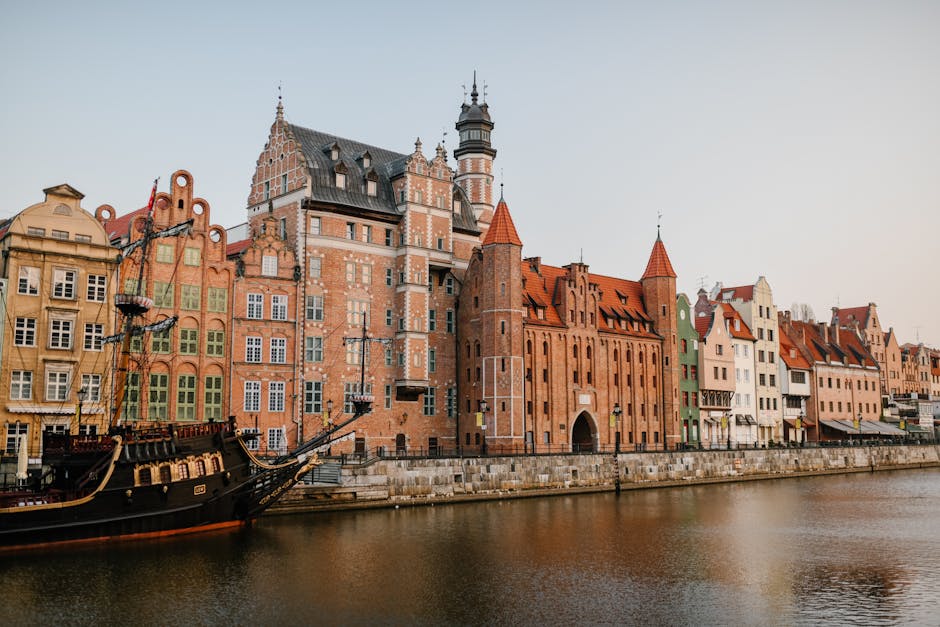 Easy
EasyGdansk, Poland
Discover the 'Baltic Gold' on this self-guided walk through Gdansk's historic mills, massive cathedrals, and the magical Mariacka Street.
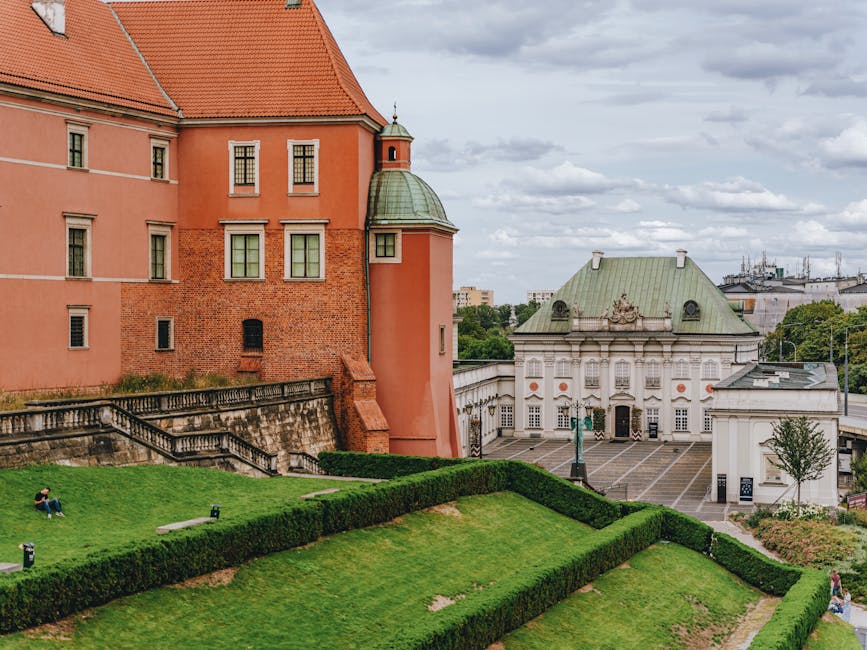 Easy
EasyWarsaw, Poland
Explore the miracle of Warsaw's reconstructed Old Town on this self-guided walk through royal squares, medieval walls, and heroic monuments.
 Easy
EasyPorto, Portugal
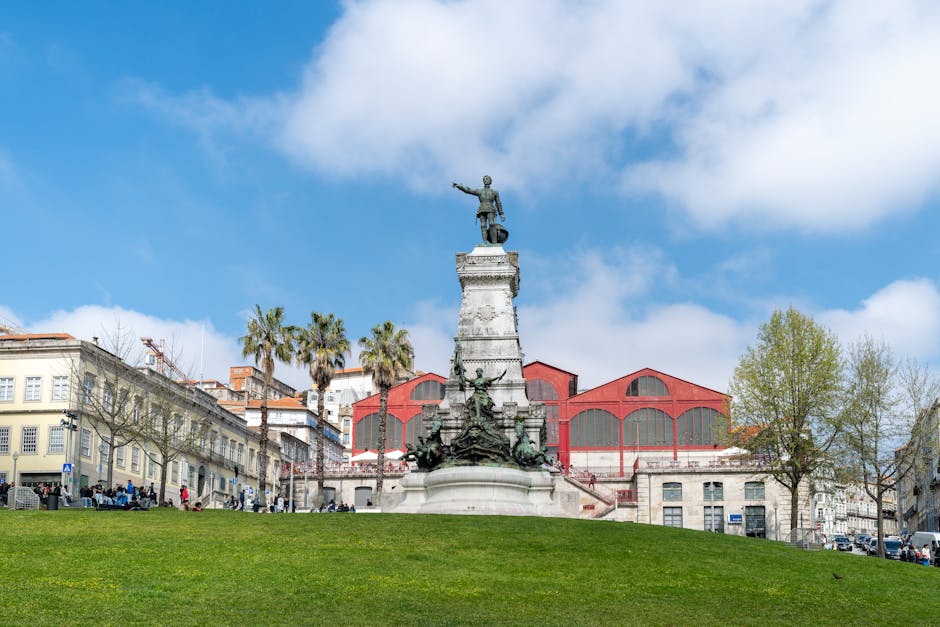
Taste the soul of Porto on this self-guided stroll through the historic Bolhão Market and its legendary surrounding food shops.
 Moderate
Porto, Portugal
Uncover the hidden history of Porto's Jewish community and the secrets of the Inquisition on this self-guided walking route through historic Miragaia.
 Challenging
Porto, Portugal
Explore Porto's 'High City' on this self-guided walk through Baroque landmarks, medieval cathedrals, and stunning panoramic viewpoints.
 Moderate
Porto, Portugal
Explore Porto's UNESCO-listed riverside district at your own pace through medieval alleys, golden churches, and historic maritime landmarks.