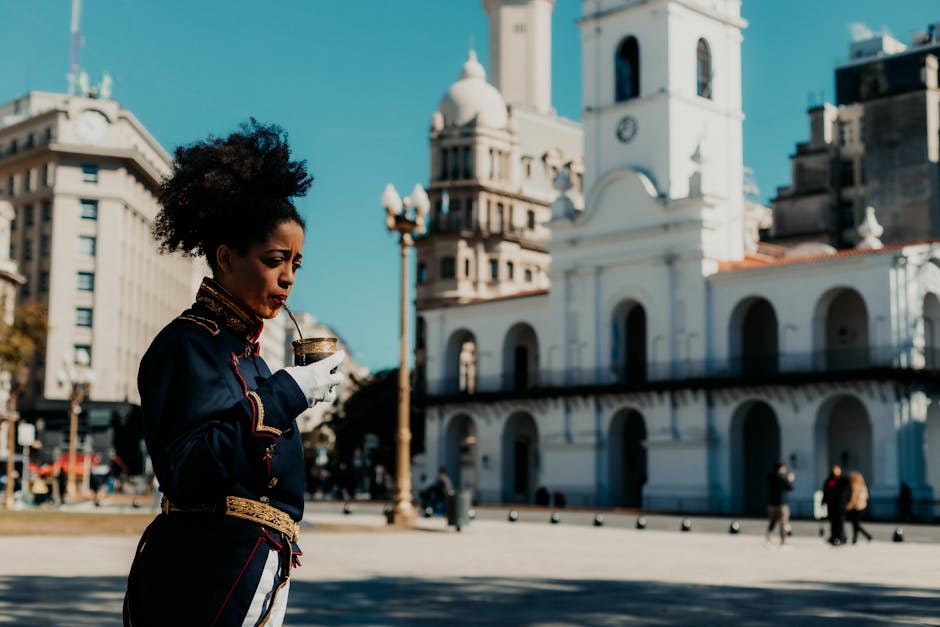
Self-guided audio tour in Buenos Aires
Start Free on iPhone
Start free on iPhone to unlock this self-guided walking tour in Buenos Aires. Hear all the stories that make it amazing, walk at your own pace, and begin whenever you want.
Your Private Tour Guide
Step back in time as you explore San Telmo, the oldest and most atmospheric neighborhood in Buenos Aires. This self-guided walk invites you to wander through a labyrinth of cobblestone streets where colonial history meets bohemian flair. Once the residential heart of the city's elite, San Telmo underwent a dramatic transformation in the late 19th century following a yellow fever epidemic, turning grand mansions into vibrant 'conventillos' or tenement houses for waves of European immigrants. Today, the area is a treasure trove of antiques, street art, and the soulful rhythm of tango. On this neighborhood stroll, you will encounter the architectural skeletons of the city's past. From the iron-beamed ceilings of the San Telmo Market to the mysterious underground tunnels of El Zanjón de Granados, the route highlights how the city has been built and rebuilt over centuries. You will see the 'Casa Mínima,' a curious architectural anomaly that tells stories of the city's complex social history, and the grand Casa Ezeiza, which offers a glimpse into the lifestyle of the 19th-century aristocracy. This walking route is more than just a history lesson; it is an immersion into the living culture of 'Porteños.' You will pass through Plaza Dorrego, the epicenter of the neighborhood's antique trade and a frequent stage for impromptu tango performances. The journey concludes with a nod to Argentine pop culture at the statue of Mafalda, the beloved comic strip character who remains a symbol of national identity. Whether you are browsing for vintage trinkets or marveling at Jesuit-inspired church facades, this self-guided adventure allows you to soak in the nostalgia of Buenos Aires at your own pace. While a walking tour Buenos Aires might often focus only on the main squares, this route dives deep into the narrow alleys and hidden courtyards that define San Telmo's unique character. If you are looking for a comprehensive walking tour Buenos Aires experience that balances historical depth with local charm, this route through San Telmo is the perfect choice. **Note:** This area is known for its ever-changing character. Street art, pop-up venues, and temporary exhibitions may differ from what's described. That's part of the adventure - you might discover something entirely new!
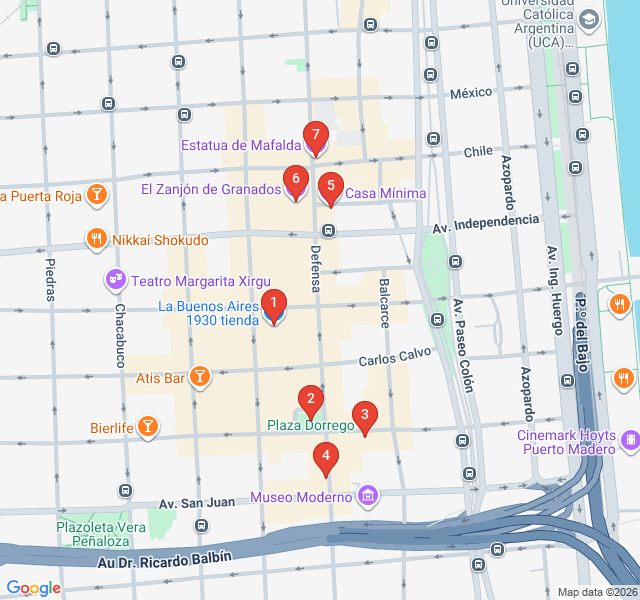
Numbers indicate the order of stops on the tour.
Begin your self-guided adventure at the Mercado de San Telmo. Opened in 1897 to serve the wave of immigrants arriving in the city, this market is a masterpiece of Italianate architecture with its original internal iron structure. While it still functions as a local market selling fresh produce and meat, it has evolved into a hub for antique hunters and foodies. Look up to admire the glass dome and iron beams designed by Juan Antonio Buschiazzo. As you wander the stalls, you will find everything from vintage seltzer bottles to gourmet coffee. It is a perfect microcosm of San Telmo: a blend of old-world tradition and modern creative energy.
A short walk brings you to Plaza Dorrego, the second oldest square in Buenos Aires. This space has been the heart of San Telmo since the 18th century. Surrounded by historic cafes and antique shops, the plaza is famous for its Sunday fair, but on any day of the week, you might see couples dancing tango on the cobblestones for tips. The buildings surrounding the square are mostly original, preserved as part of the city's historical heritage. Take a moment to sit at one of the outdoor tables and soak in the atmosphere; this is where the city's colonial past feels most present.
This church is one of the oldest in the city, with construction beginning in 1734 by the Jesuits. Its history is a reflection of the neighborhood's resilience. It served as a hospital during the yellow fever epidemic and has undergone various architectural changes, most notably the 19th-century facade and towers added by Pelayo Sainz. Inside, the quiet dignity of the nave offers a sharp contrast to the bustling streets outside. The church is named after the patron saint of seafarers, a nod to San Telmo's proximity to the old port and its maritime heritage.
Enter the Pasaje de la Defensa to see Casa Ezeiza, a stunning example of a mid-19th-century aristocratic residence. This two-story mansion once belonged to a wealthy family but was abandoned during the yellow fever outbreak. It then became a 'conventillo,' housing dozens of immigrant families in small rooms surrounding the sunny courtyards. Today, it has been restored as a boutique shopping gallery. Walking through its three consecutive patios, you can observe the high ceilings, ornate ironwork, and checkerboard floors that illustrate the transition from private luxury to communal living.
Located on the narrow Passage San Lorenzo, Casa Mínima is a curiosity that captures every traveler's eye. At just 2.5 meters wide and 13 meters deep, it is the narrowest house in Buenos Aires. Local legends often claim it was built for a freed slave by his former master, though modern urban historians suggest it is simply the remaining fragment of a larger 19th-century property that was subdivided. Regardless of its origin, the house is a rare survivor of the city's early 1800s architecture, featuring a small balcony and a simple white facade that stands in stark contrast to its larger neighbors.
Beneath the surface of San Telmo lies a hidden world. El Zanjón de Granados is an archaeological site discovered by accident in the 1980s during a house renovation. It reveals the city's lost river system and 18th-century drainage tunnels that were built over as Buenos Aires grew. While the interior requires a separate ticket for a guided tour, the exterior and the story of its discovery highlight how much of the city's history is literally buried under your feet. This site represents the most important urban archaeological find in the city, providing clues about life in the colonial era.
Conclude your neighborhood stroll at the corner of Chile and Defensa streets. Here, you will find a bench occupied by Mafalda, the world-famous comic strip character created by Argentine cartoonist Quino. Mafalda is a six-year-old girl known for her hatred of soup and her deep concern for humanity and world peace. This corner is located just outside the building where Quino lived when he created the strip in the 1960s. It is a beloved local landmark and a symbol of the Argentine spirit—thoughtful, rebellious, and deeply intellectual. It is the perfect spot for a final photo to remember your time in San Telmo.
Start Free on iPhone
Explore “San Telmo's Cobblestones and Curios” with your very own Private Tour Guide with Zigway. Start free on iPhone, skip the large group and the fixed routes, and hear the city come alive as you go.
Your Private Tour Guide
Don't miss the good stuff
Explore Freely
 Easy
EasyBuenos Aires, Argentina
Explore the elegance of Recoleta on this self-guided walk featuring grand museums, colonial churches, and the legendary Recoleta Cemetery.
 Easy
EasyBuenos Aires, Argentina
Discover a blend of aristocratic mansions, lush gardens, and vibrant Asian culture on this self-guided walk through Buenos Aires' Belgrano district.
 Moderate
Buenos Aires, Argentina
Follow the footsteps of Borges and Ocampo through the bookstores, libraries, and historic cafes of Buenos Aires' most elegant neighborhoods.
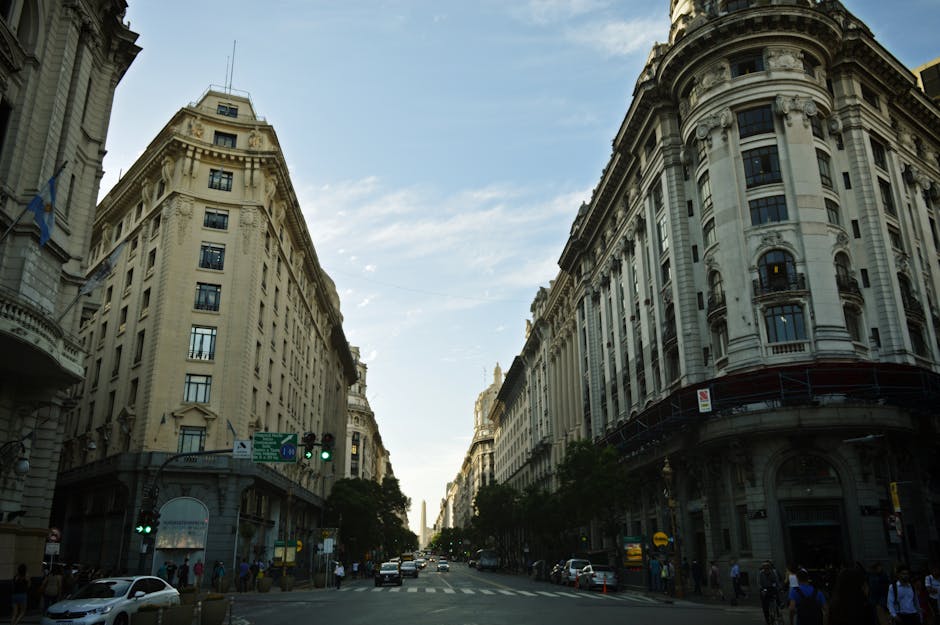 Easy
EasyBuenos Aires, Argentina
Discover sleek architecture and natural beauty on this self-guided walk through Puerto Madero, Buenos Aires' most modern and sophisticated district.
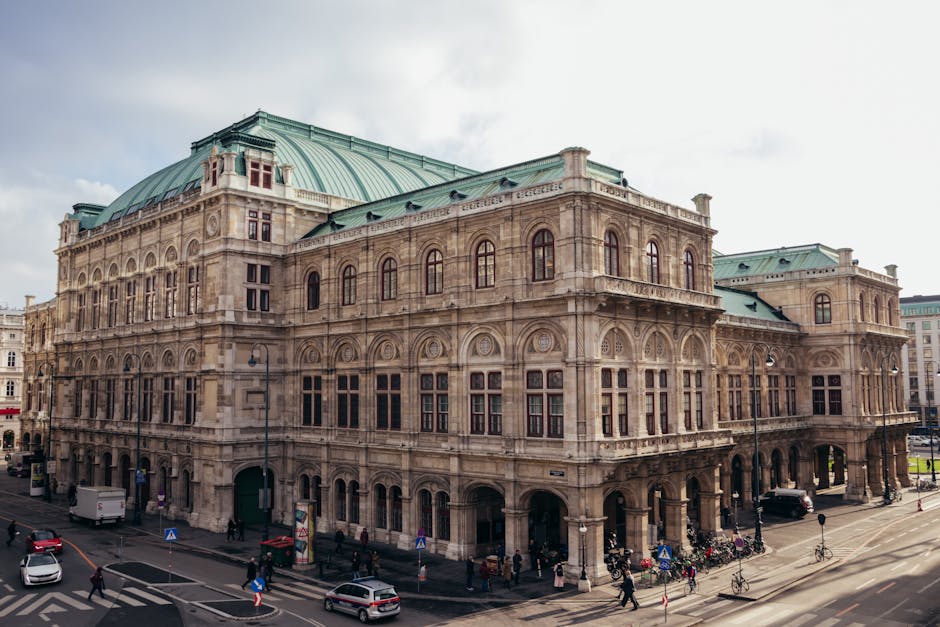 Moderate
Vienna, Austria
Discover the noir world of The Third Man and Cold War Vienna on this atmospheric self-guided audio walk through the historic Innere Stadt.
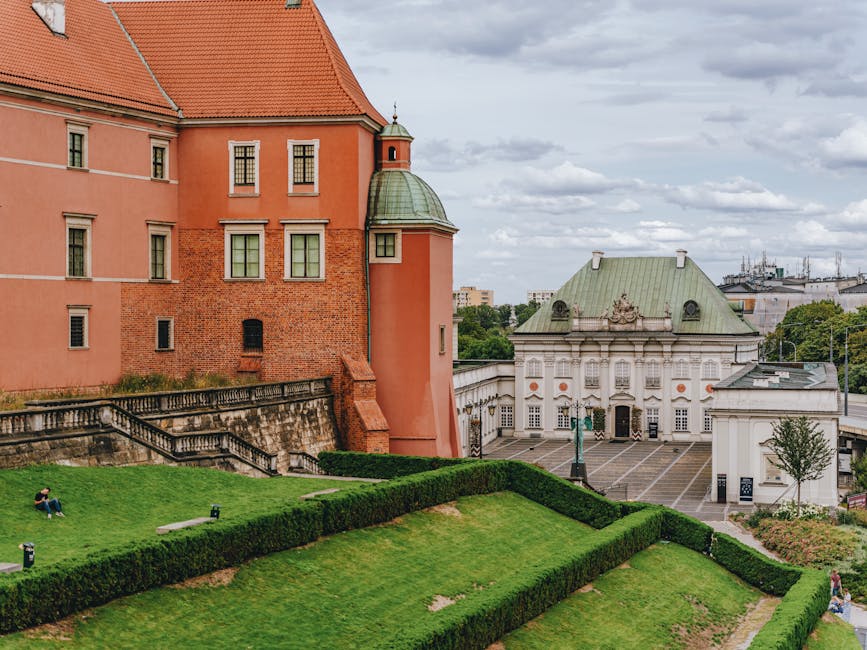 Moderate
Warsaw, Poland
Explore the resilient spirit of Warsaw's Muranów district on this self-guided walk through the history and landmarks of the former Jewish Ghetto.
 Moderate
Helsinki, Finland
Explore the 'Gibraltar of the North' on this independent walking route through the historic bastions and hidden gardens of Suomenlinna Sea Fortress.
 Moderate
Gothenburg, Sweden
Discover Gothenburg’s maritime soul on this self-guided walk from the historic Central Station to the scenic riverfront at Stenpiren.