Self-guided audio tour in Brisbane
Start Free on iPhone
Start free on iPhone to unlock this self-guided walking tour in Brisbane. Hear all the stories that make it amazing, walk at your own pace, and begin whenever you want.
Your Private Tour Guide
Step back into the 19th century as you wander down George Street, once the most prestigious address in the colony of Queensland. This self-guided walk invites you to explore a preserved corridor of power, where grand sandstone facades and intricate wrought-iron lace tell the story of a young city's ambition. Brisbane’s CBD is often characterized by modern glass towers, but this specific walking route focuses on the 'Great Houses' and administrative centers that defined the Victorian era. You will see how the architectural styles transitioned from the humble beginnings of a penal colony to the flourishing wealth of a self-governing state. The journey begins near the intersection of Margaret and George Streets, leading you past Harris Terrace, one of the city's earliest luxury residential developments. From there, you will encounter the striking red-brick elegance of The Mansions and the exclusive atmosphere of the Queensland Club, a bastion of the colonial elite. This neighborhood stroll provides a unique opportunity to admire the French Renaissance influence on the Queensland Parliament House and the stately simplicity of Old Government House, nestled within the grounds of the Queensland University of Technology. As you follow this walking route, you are not just seeing buildings; you are tracing the footsteps of the governors, politicians, and socialites who shaped the political landscape of Australia. Whether you are an architecture enthusiast or a history buff, this self-guided adventure allows you to uncover hidden details, from the carved limestone gargoyles to the sweeping verandas designed for the sub-tropical heat. The walk concludes at the historic Port Office Hotel, a perfect spot to reflect on the transition from the city's administrative heart to its maritime roots. Using this audio walk, you can discover Brisbane at your own pace, stopping to take photos of the iconic landmarks or simply soaking in the atmosphere of a bygone era without the constraints of a scheduled group. This is one of the most visually rewarding ways to experience a walking tour Brisbane has to offer for those who appreciate heritage and design.
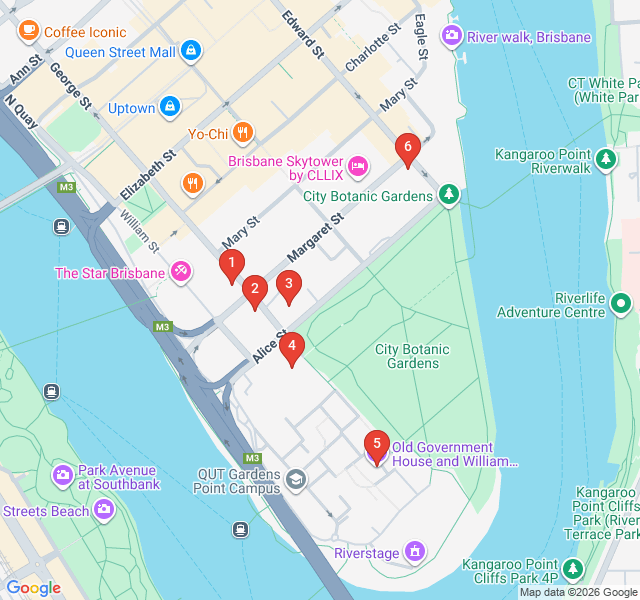
Numbers indicate the order of stops on the tour.
Welcome to the start of your journey through Brisbane's colonial past. Harris Terrace, built between 1866 and 1867, stands as a rare survivor of early luxury living in the city. Designed by architect James Cowlishaw, these six terrace houses were constructed from locally sourced porphyry and sandstone. In the mid-19th century, George Street was the place to be for the city's professional class. Notice the rhythmic pattern of the windows and the solid, dignified presence of the stone. While many similar structures were demolished to make way for modern offices, Harris Terrace remains a testament to the city's rapid growth immediately following Queensland's separation from New South Wales in 1859. It sets the tone for the architectural prestige you will encounter as you move further down this historic street.
Before you stands one of Brisbane’s most photographed buildings: The Mansions. Completed in 1889, this is a premier example of the Victorian Filigree style, recognizable by its intricate wrought-iron lacework and distinctive red-brick and limestone stripes. It was originally built as six grand terrace houses for the city's wealthy elite, including prominent politicians and doctors. Look up at the roofline to spot the carved limestone cats—a quirky detail added by the architect, G.H.M. Addison. The building's design, featuring deep verandas, was a direct response to Brisbane's humid climate, providing shade and ventilation long before air conditioning existed. Today, it serves as a reminder of the opulence that defined the late Victorian era in Queensland.
Across the street sits the Queensland Club, a building that exudes an air of quiet power and exclusivity. Established in 1859, the club moved to this purpose-built clubhouse in 1884. Designed in the Italian Renaissance style by FDG Stanley, the building was intended to reflect the status of its members: the squatters, politicians, and businessmen who ran the colony. The club has hosted royalty, governors, and world leaders over the decades. Its massive colonnaded verandas and classical proportions make it one of the most significant heritage buildings in the precinct. While the interior remains private, the exterior offers a glimpse into the social hierarchy of colonial Brisbane, where deals were made and the future of the state was debated over billiards and brandy.
As you approach the corner of Alice and George Streets, the magnificent Queensland Parliament House comes into view. Opened in 1868, this was the first building in Australia designed specifically for a parliament. The architect, Charles Tiffin, chose a French Renaissance style, most evident in the striking zinc-tiled Mansard roofs. This building was a bold statement of independence for the young colony. The sandstone used for the facade was quarried from nearby sites, including the area now known as the Botanic Gardens. If you look closely at the Alice Street frontage, you can see the grand colonnade that was added later to provide extra space and cooling. It remains the seat of legislative power in Queensland, housing the state's unique unicameral parliament.
Walk a short distance into the QUT campus to find Old Government House. Completed in 1862, this was the official residence of the Governors of Queensland for nearly 50 years. It is a stunning example of colonial architecture, blending classical dignity with practical features like wide verandas and high ceilings to combat the heat. As the first public building of its scale in the colony, it was the center of social and political life. Today, it has been meticulously restored and houses the William Robinson Gallery. Standing here, you are at the very heart of early Queensland administration, surrounded by some of the oldest planted trees in the city. It is a peaceful pocket of history tucked away from the modern CBD bustle.
To conclude your walk, head toward the river to the Port Office Hotel. This building, dating back to 1876, reflects a different side of Brisbane’s history. While George Street was for the politicians, the Port Office area was for the merchants and sailors. Originally known as the Shamrock Hotel, it served the bustling maritime trade of the nearby Brisbane River wharves. The architecture is more modest than the Parliament but still retains beautiful colonial features, including its iconic wraparound balconies. It stands near the site of the original Port Office, which managed the city's vital shipping industry. This is a fitting place to end your exploration, representing the commerce and labor that funded the grand mansions and government buildings you’ve seen today.
Start Free on iPhone
Explore “Parliament to Power: The George Street Mansions” with your very own Private Tour Guide with Zigway. Start free on iPhone, skip the large group and the fixed routes, and hear the city come alive as you go.
Your Private Tour Guide
Don't miss the good stuff
Explore Freely
 Moderate
Brisbane, Australia
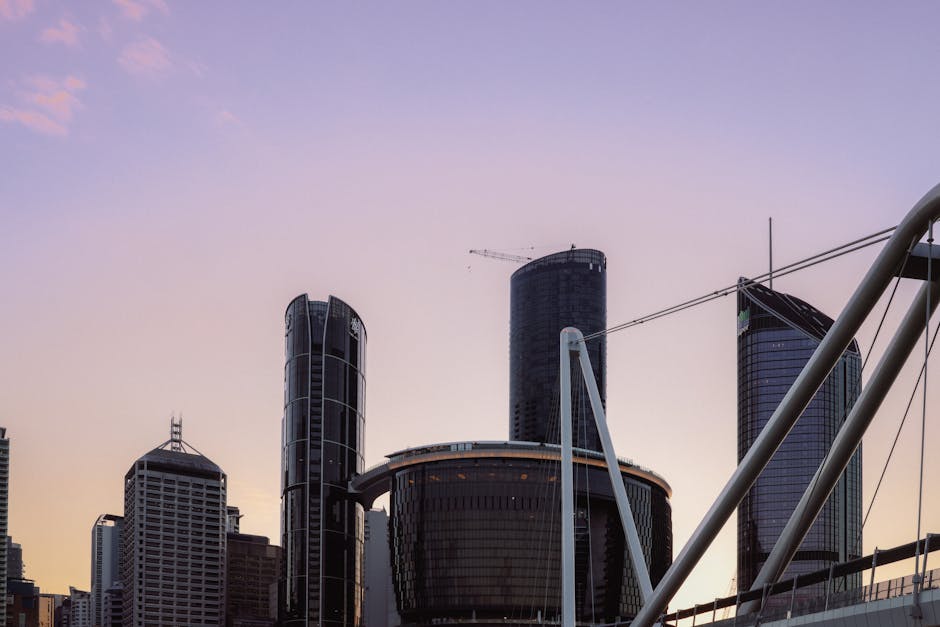
Explore Brisbane's iconic riverfront architecture and skyline views on this scenic self-guided photography walk across the city's famous bridges.
 Easy
EasyBrisbane, Australia
Explore Brisbane’s bohemian heart on this self-guided walk through West End’s global food scene and historic parks.
 Easy
EasyBrisbane, Australia
Discover Brisbane’s architectural gems on this self-guided stroll through the South Bank Cultural Precinct’s iconic galleries and gardens.
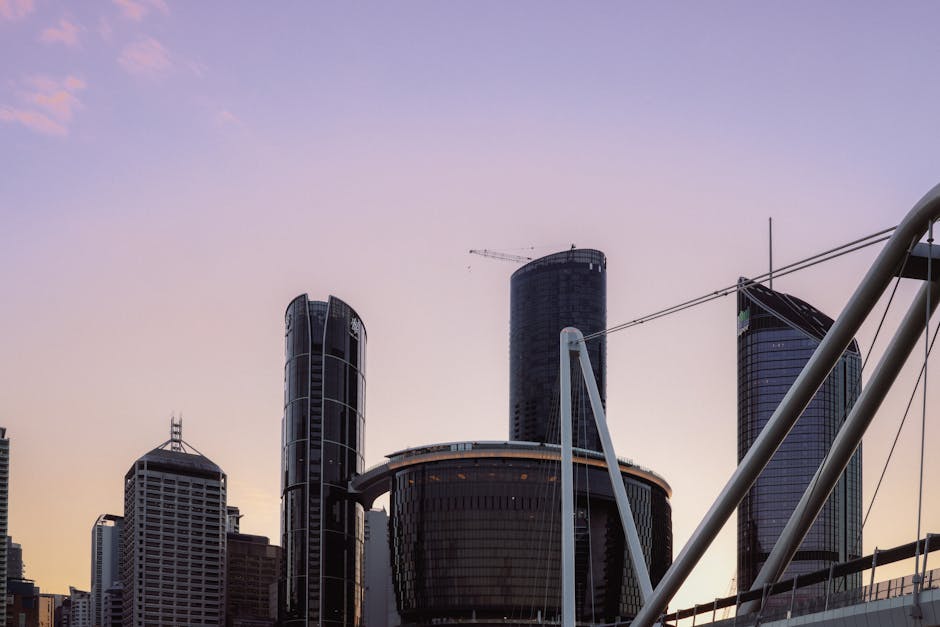 Moderate
Brisbane, Australia
A scenic self-guided stroll from the lush City Botanic Gardens to the dramatic volcanic cliffs and panoramic river views of Kangaroo Point.
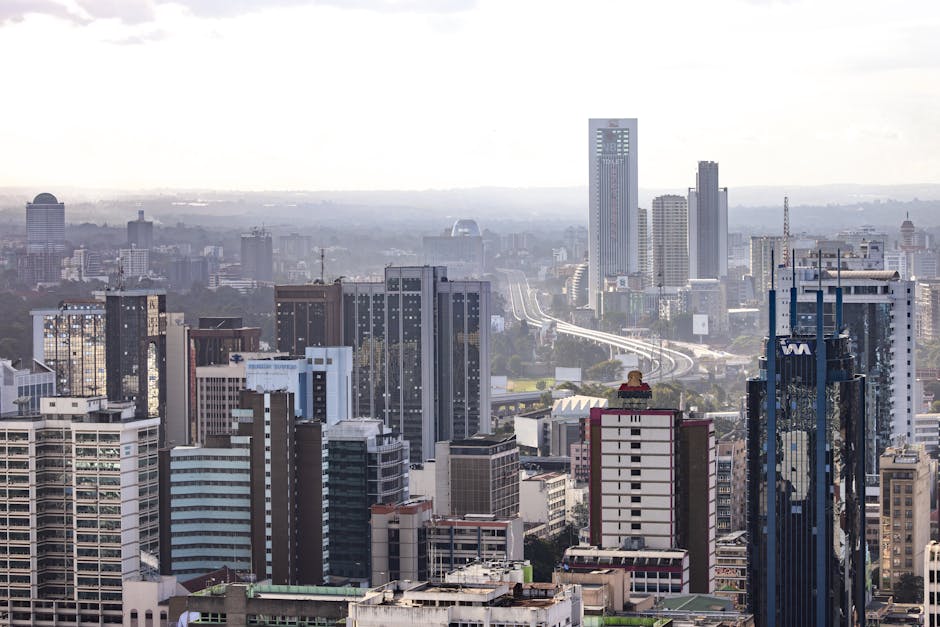 Easy
EasyNairobi, Kenya
Discover Nairobi's iconic skyline on this self-guided architecture walk through the CBD’s most famous modernist and Brutalist landmarks.
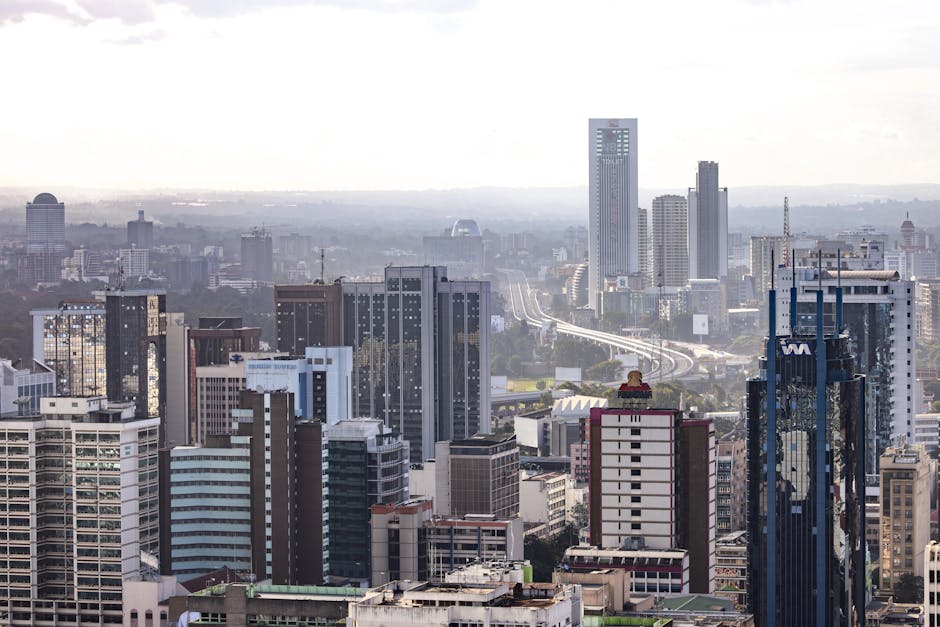 Easy
EasyNairobi, Kenya
Explore Nairobi's architectural evolution from colonial-era landmarks to iconic Brutalist skyscrapers on this historic self-guided walking route.
 Easy
EasyKrakow, Poland
Explore the prestigious Jagiellonian University district, featuring Neo-Gothic architecture, Baroque churches, and Krakow's hidden scholarly gems.
 Easy
EasyKrakow, Poland
Explore the historic heart of Kazimierz on this self-guided walk through synagogues, ancient cemeteries, and vibrant squares.
 Easy
EasySydney, Australia
Explore Sydney’s boldest waterfront precinct on this self-guided walk through modern architecture and reclaimed natural landscapes.
 Easy
EasySydney, Australia
Discover Sydney's most stylish neighborhood on this self-guided walk through Art Deco gems and bohemian history.
 Moderate
Sydney, Australia
Explore Surry Hills' creative soul on this self-guided walk through Sydney’s premier coffee, art, and fashion district.
 Moderate
Sydney, Australia
Explore the rugged maritime history and stunning harbor views of Sydney's historic Balmain peninsula on this self-guided walk.