Self-guided audio tour in Brisbane
Start Free on iPhone
Start free on iPhone to unlock this self-guided walking tour in Brisbane. Hear all the stories that make it amazing, walk at your own pace, and begin whenever you want.
Your Private Tour Guide
Step back into a time when the banks of the Brisbane River were a harsh frontier for the British Empire's most hardened outcasts. This self-guided walk invites you to uncover the layers of Brisbane’s identity, from its grim beginnings as the Moreton Bay Penal Settlement to its mid-19th-century transformation into a grand colonial capital. As you navigate the CBD, you will encounter the contrast between the rough-hewn sandstone blocks laid by convict hands and the ornate, neoclassical columns that signify a city finding its feet and its fortune. This route is perfect for history buffs and architecture enthusiasts who want to discover the city's secrets without the pressure of a group. Beginning at the riverfront, you will see the oldest occupied building in the state before moving toward the opulence of the Treasury building, a testament to the gold rush that fueled Queensland’s expansion. The walk takes you through the civic heart of the city at King George Square and leads you to the haunting heights of the Old Windmill, where the echoes of the 'treadmill' punishment still linger in local legend. You will also explore the intricate Victorian design of the General Post Office and conclude your journey at the breathtaking St John's Cathedral, a masterpiece of Gothic Revival architecture that took over a century to complete. This walking route Brisbane offers provides a deep dive into the stories of the people—both the powerful and the powerless—who built this subtropical metropolis. Whether you are a local or a visitor, this audio walk allows you to explore independently, pausing whenever a particular facade or historical plaque catches your eye. Discover the city's architectural evolution at your own pace while learning about the convict labor that quite literally formed the foundation of the streets you walk today.
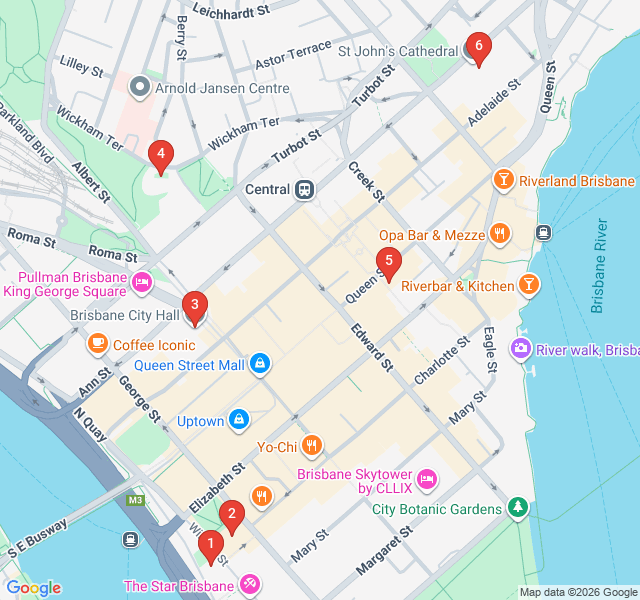
Numbers indicate the order of stops on the tour.
Welcome to the oldest occupied building in Queensland. Built in 1829 by convict labor, the Commissariat Store was once the functional heart of the Moreton Bay Penal Settlement. Look closely at the hand-cut sandstone blocks; you are seeing the literal fingerprints of Brisbane's first European inhabitants. Originally used to store grain and supplies for the settlement, it survived the transition from a prison colony to a free city. Today, it serves as a museum where you can explore the stories of those early years. It stands as a rare and somber reminder of the city's origins as a place of secondary punishment for repeat offenders in the British Empire.
As you stand before this grand Italian Renaissance-style building, you are looking at what was once the center of Queensland’s financial power. Constructed in three stages between 1886 and 1928, the Treasury Building was designed to project the wealth and stability of a young colony thriving on gold and agriculture. Its ornate columns and wide arcades were a far cry from the utilitarian convict structures you just left. While it now houses a hotel and casino, the exterior remains one of the finest examples of Victorian-era civic architecture in Australia. It symbolizes the moment Brisbane moved from a frontier outpost to a sophisticated colonial capital.
Opened in 1930, Brisbane City Hall was once the tallest building in the city and remains its most significant civic landmark. Built during the Great Depression, it was a massive public works project intended to provide employment and civic pride. The building features a striking clock tower and a circular auditorium modeled after the Pantheon in Rome. Take a moment to look at the tympanum above the main entrance; the sculpture depicts the settlement of Queensland. This site, overlooking King George Square, is where the city’s political and social history has unfolded for nearly a century, from royal visits to major political protests.
Perched on Wickham Terrace, the Old Windmill is the oldest standing structure in all of Queensland, dating back to 1828. Its history is quite dark; when the wind failed to turn the sails, convicts were forced to work a massive treadmill to grind grain, a grueling and often deadly form of punishment. By the mid-1800s, it was converted into a signal station and later an observatory. It even played a role in early television experiments in the 1930s. This humble stone tower has witnessed every phase of Brisbane's growth, evolving from a site of colonial torture to a pioneer of modern technology.
The General Post Office on Elizabeth Street is a masterclass in Victorian architecture. Completed in sections starting in the 1870s, it replaced a former convict female factory. For decades, this was the communications hub of the colony, where residents would gather to wait for mail from 'home' in Britain. The building’s classical facade, featuring arches and intricate stonework, reflects the importance of the postal service in the 19th century. Even in the digital age, the GPO remains a bustling part of the city, standing as a beautiful bridge between Brisbane's colonial administrative past and its modern commercial present.
This walking route concludes at St John's Cathedral, a spectacular example of French Gothic architecture. Though the foundation stone was laid in 1901, the final stone was not placed until 2009—a construction period of over 100 years. It is the only building in the Southern Hemisphere with a fully stone-vaulted ceiling. As you look at the towering spires and intricate stained glass, you are seeing a labor of love that spanned generations of stonemasons. The interior offers a peaceful atmosphere to reflect on the journey you've taken today, from the harsh sandstone of the convict era to the refined limestone of this modern cathedral.
Start Free on iPhone
Explore “Convicts and Columns: Colonial Brisbane” with your very own Private Tour Guide with Zigway. Start free on iPhone, skip the large group and the fixed routes, and hear the city come alive as you go.
Your Private Tour Guide
Don't miss the good stuff
Explore Freely
 Moderate
Brisbane, Australia
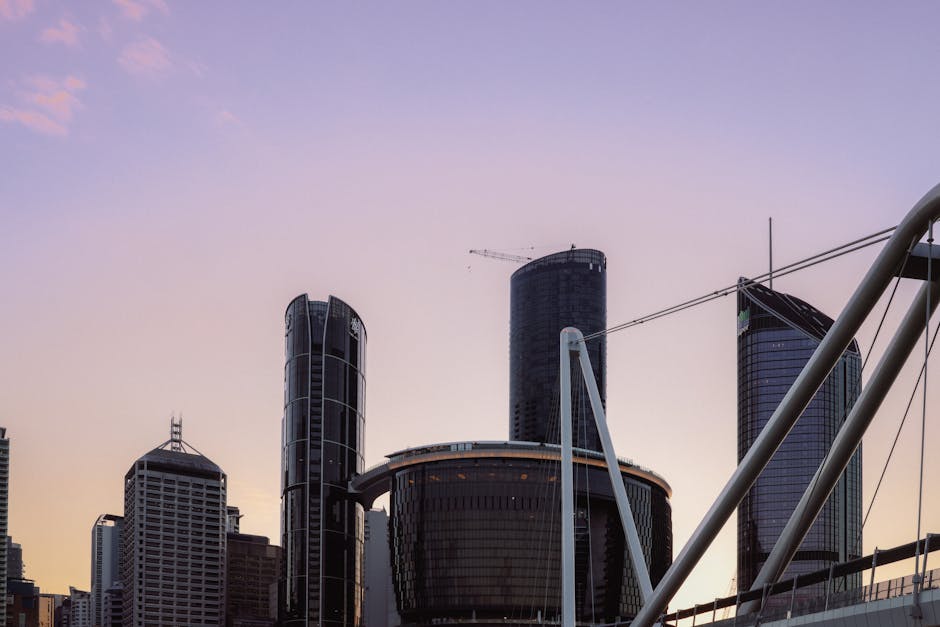
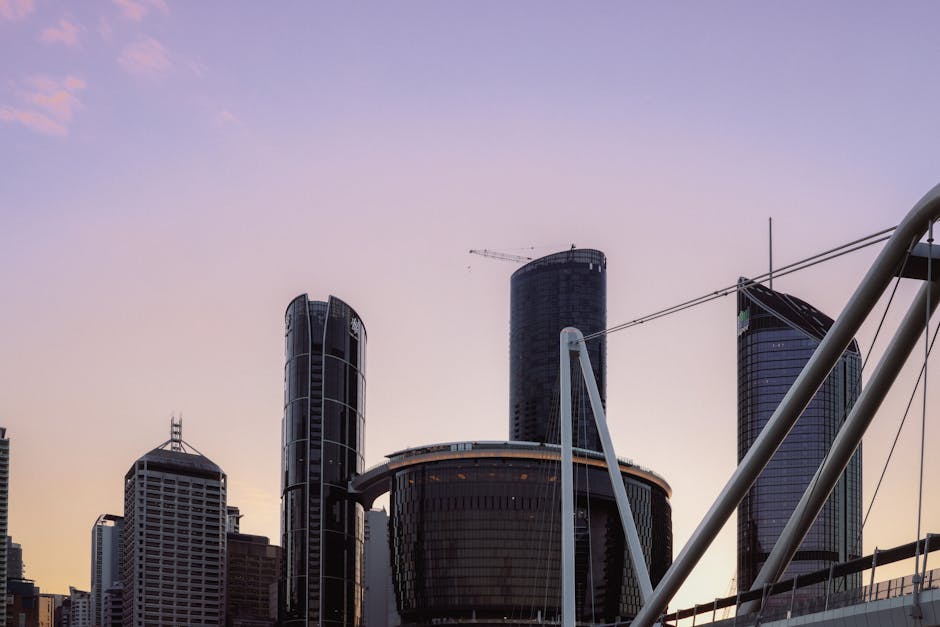
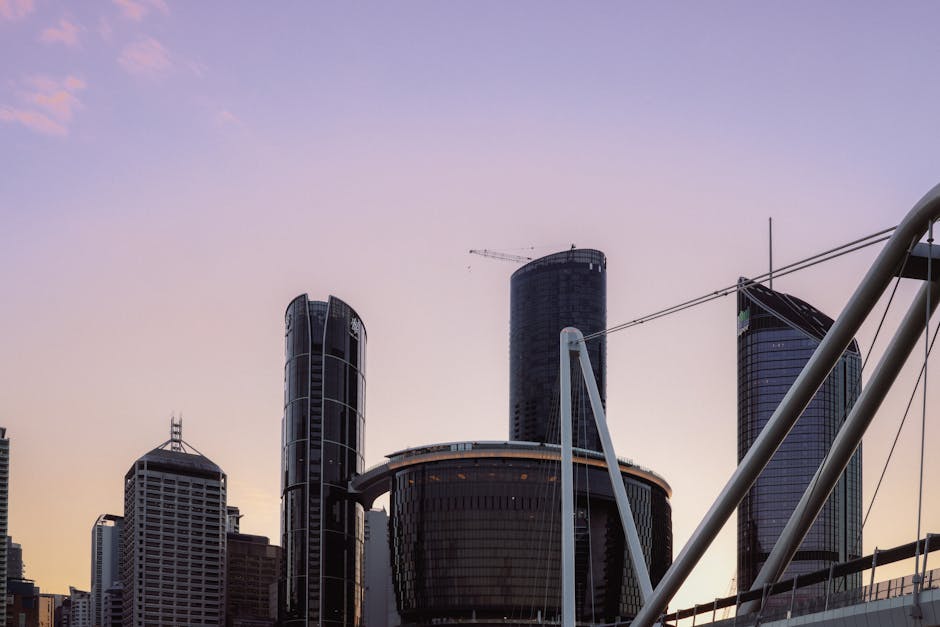
Explore Brisbane's iconic riverfront architecture and skyline views on this scenic self-guided photography walk across the city's famous bridges.
 Easy
EasyBrisbane, Australia
Explore Brisbane’s bohemian heart on this self-guided walk through West End’s global food scene and historic parks.
 Easy
EasyBrisbane, Australia
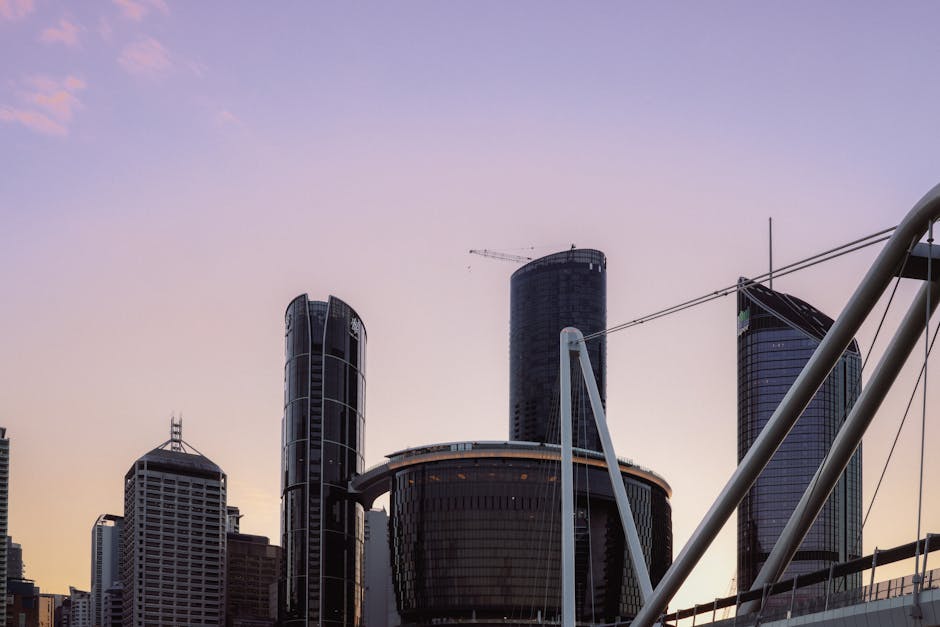
Discover Brisbane’s architectural gems on this self-guided stroll through the South Bank Cultural Precinct’s iconic galleries and gardens.
 Moderate
Brisbane, Australia
A scenic self-guided stroll from the lush City Botanic Gardens to the dramatic volcanic cliffs and panoramic river views of Kangaroo Point.
 Easy
EasyNairobi, Kenya
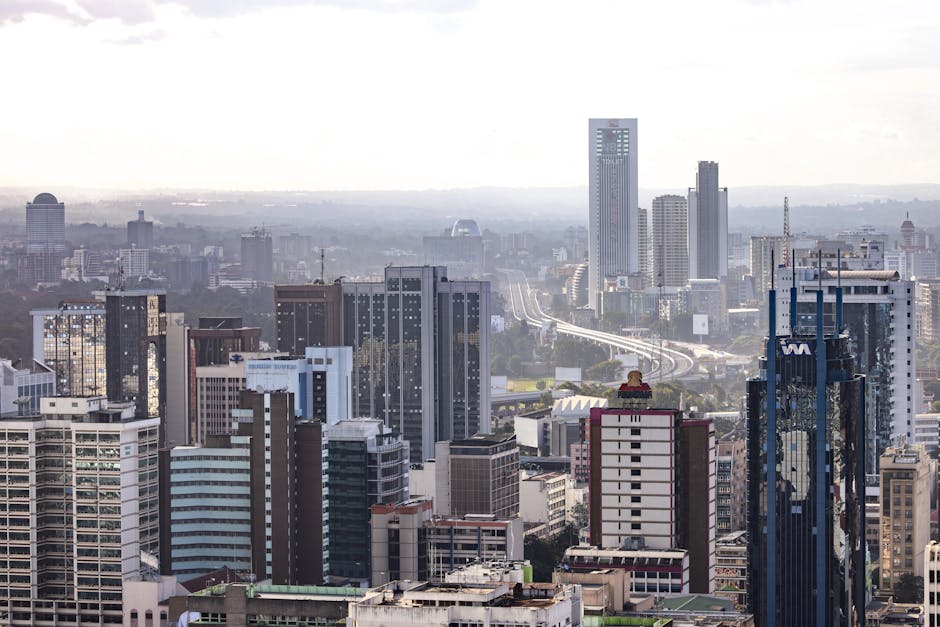
Explore Nairobi's architectural evolution from colonial-era landmarks to iconic Brutalist skyscrapers on this historic self-guided walking route.
 Easy
EasyNairobi, Kenya
Discover Nairobi's iconic skyline on this self-guided architecture walk through the CBD’s most famous modernist and Brutalist landmarks.
 Easy
EasyGothenburg, Sweden
Discover Gothenburg’s 17th-century Dutch foundations, historic canals, and military fortifications on this self-guided architectural walk.
 Easy
EasyKrakow, Poland
Explore the prestigious Jagiellonian University district, featuring Neo-Gothic architecture, Baroque churches, and Krakow's hidden scholarly gems.
 Easy
EasySydney, Australia
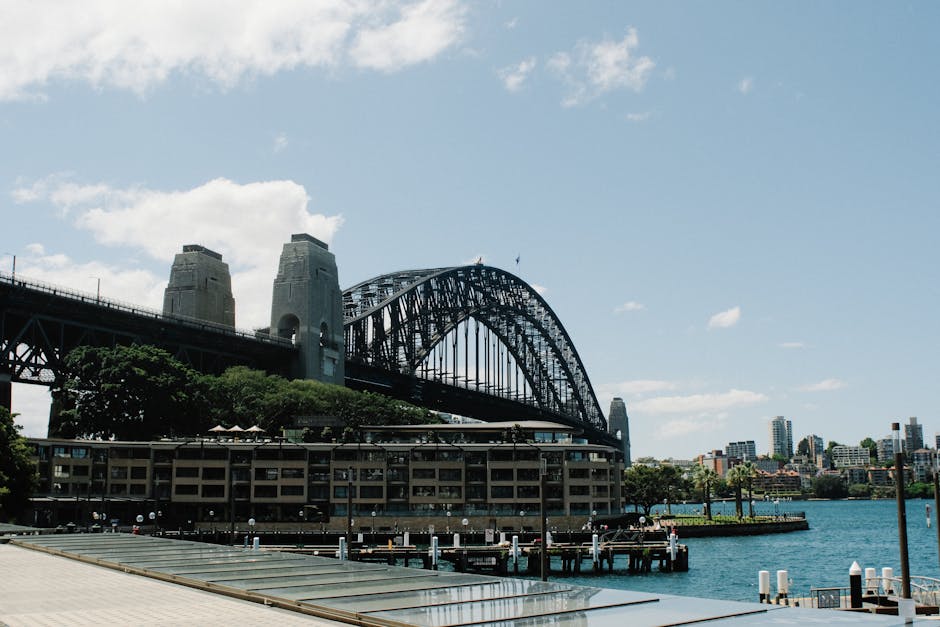
Explore Sydney’s boldest waterfront precinct on this self-guided walk through modern architecture and reclaimed natural landscapes.
 Easy
EasySydney, Australia
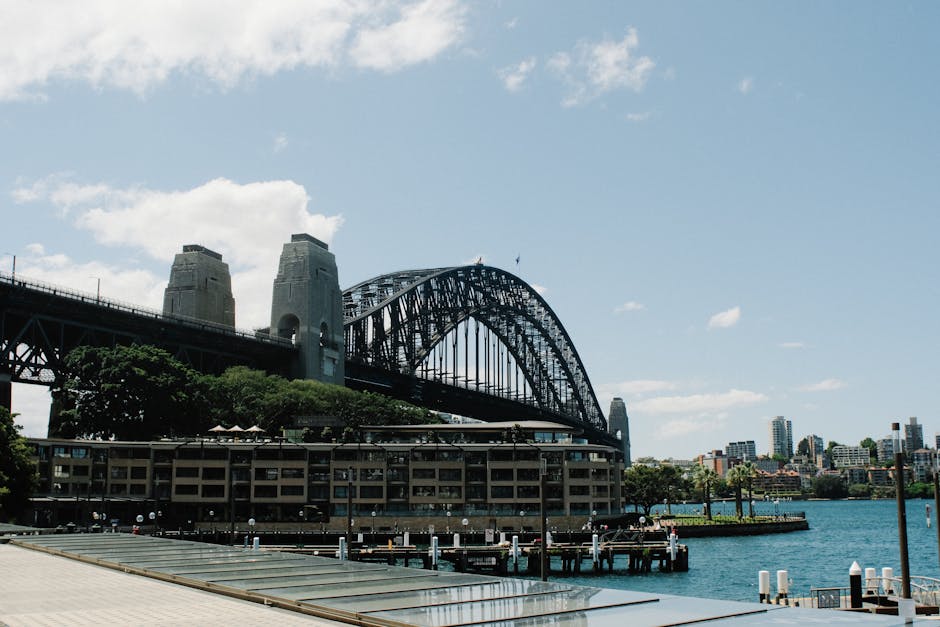
Discover Sydney's most stylish neighborhood on this self-guided walk through Art Deco gems and bohemian history.
 Moderate
Sydney, Australia
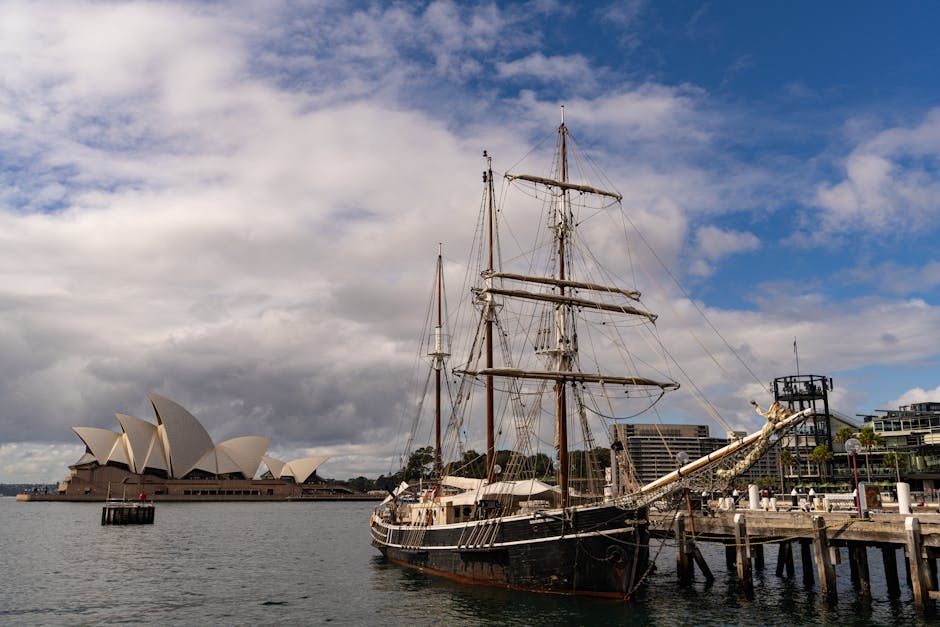
Explore Surry Hills' creative soul on this self-guided walk through Sydney’s premier coffee, art, and fashion district.
 Moderate
Sydney, Australia
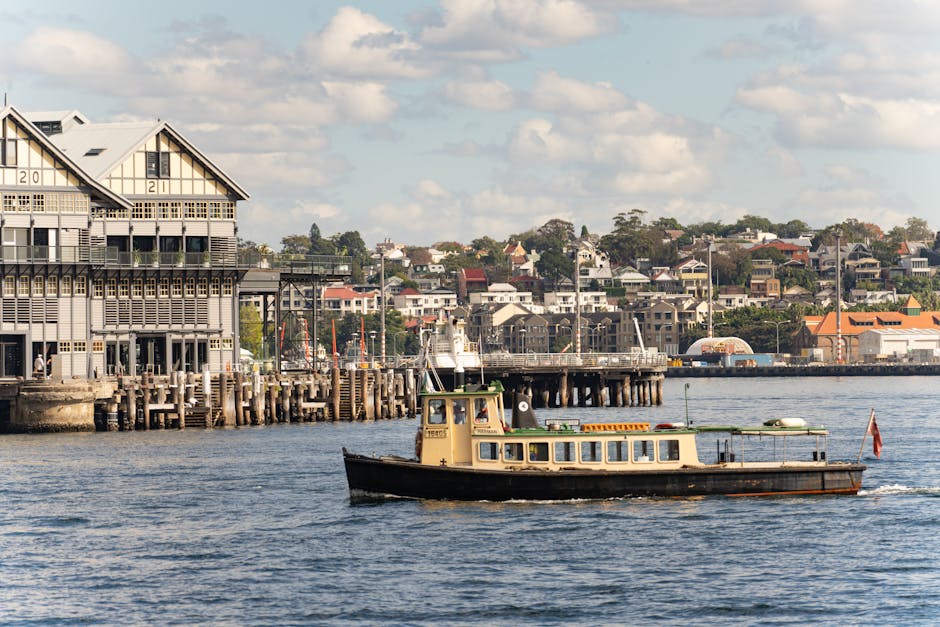
Explore the rugged maritime history and stunning harbor views of Sydney's historic Balmain peninsula on this self-guided walk.