Self-guided audio tour in Strasbourg
Start Free on iPhone
Start free on iPhone to unlock this self-guided walking tour in Strasbourg. Hear all the stories that make it amazing, walk at your own pace, and begin whenever you want.
Your Private Tour Guide
Step into a world where Prussian ambition meets French elegance on this self-guided walk through Strasbourg’s Neustadt. While the city is famous for its medieval timber-framed houses in Petite France, the Neustadt—or 'New City'—tells a different story of power, modernity, and urban-design. Created following the German annexation of Alsace in 1871, this district was designed to transform Strasbourg into a grand imperial capital. This walking route invites you to discover a neighborhood so architecturally significant it was designated a UNESCO World Heritage site in 2017. As you explore independently, you will witness the transition from the cramped streets of the old town to the wide, airy boulevards of the 19th century. The journey begins at the monumental Palais Universitaire, a symbol of intellectual prestige, before leading you down the majestic Avenue de la Liberté. This route highlights the eclectic mix of Neo-Renaissance, Neo-Baroque, and Art Nouveau styles that define the area. You will encounter the National University Library, with its striking dome, and the Théâtre National de Strasbourg, which once served as the regional parliament. The stroll culminates at the Place de la République, a vast circular plaza centered around a moving war memorial and the imposing Palais du Rhin. This area is perfect for those seeking a walking tour Strasbourg experience that goes beyond the typical tourist paths. By following this route, you gain a deeper understanding of how the city’s dual Franco-German identity is literally etched into its stone. Whether you are an architecture enthusiast or a history buff, this audio walk provides the context needed to appreciate the grand scale of the Kaiser’s vision for Strasbourg.
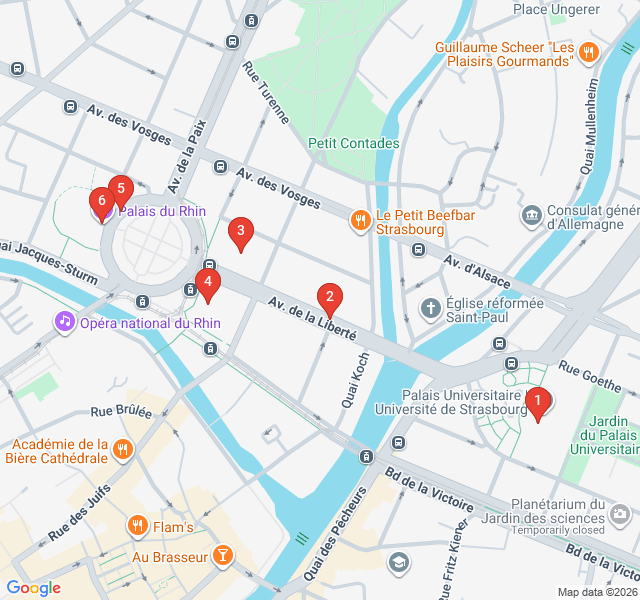
Numbers indicate the order of stops on the tour.
Start exploring with Zigway at the Palais Universitaire, the crown jewel of the Neustadt’s educational district. Built between 1879 and 1884, this Neo-Renaissance masterpiece was designed by architect Otto Warth. It wasn't just a school; it was a statement of German intellectual superiority following the annexation. Look up at the facade to see 36 statues representing prominent thinkers and scientists. The building's symmetry and grand courtyard were intended to mirror the prestige of the Sorbonne in Paris. Today, it remains a vibrant part of the University of Strasbourg, housing the faculty of historical sciences. Take a moment to appreciate the scale of the entrance before heading toward the main boulevard.
Begin your self-guided adventure down the Avenue de la Liberté, once known as the Kaiser-Wilhelm-Strasse. This 30-meter-wide boulevard was designed as the 'triumphal way' connecting the University to the Imperial Palace. As you walk, notice the prestigious residential buildings lining the street, showcasing the wealth of the 19th-century bourgeoisie. The urban-design here was revolutionary for the time, featuring separated lanes for carriages, horses, and pedestrians. This street serves as the central axis of the Neustadt expansion, embodying the transition from the dense medieval city center to a modern, airy metropolis. It remains one of the most prestigious addresses in Strasbourg.
Observe the National University Library (BNU), an institution that holds over three million volumes, making it one of the largest libraries in France. The building you see was completed in 1895 in a rigorous Neo-Renaissance style. Its most famous feature is the massive glass dome, which floods the interior with natural light. The library was established to replace the city's previous collection, which was tragically destroyed during the Siege of Strasbourg in 1870. While the exterior remains historic, the interior underwent a major modernization in 2014, featuring a spectacular spiral staircase. It stands as a testament to the city's enduring commitment to culture and knowledge.
This elegant building currently houses the Théâtre National de Strasbourg, but its history is deeply political. It was originally constructed as the Landtag of Alsace-Lorraine, the regional parliament for the territory during the German period. Completed in 1892, its architecture is a blend of Neo-Renaissance and Classical styles. After World War I, when Alsace returned to France, the building was converted into a conservatory and eventually a national theater. It is the only national theater in France located outside of Paris, highlighting Strasbourg's unique cultural status. The building’s facade, with its stately columns, still reflects its original purpose as a seat of legislative power.
Discover at your own pace the circular grandeur of Place de la République. This park-like square acts as the bridge between the old city and the new. In the center, you will find the 'Monument aux Morts,' a moving sculpture of a mother holding her two dying sons—one who died for France and one for Germany—symbolizing the complex history of Alsace. The square is also famous for its ancient Ginkgo Biloba trees, which were gifted by Emperor Meiji of Japan to Kaiser Wilhelm I. Surrounding the square are five major public buildings, creating a unified architectural ensemble that is rare in European urban planning.
The final stop on this walking route is the Palais du Rhin, formerly the Kaiserpalast. Built for Emperor Wilhelm I, this massive Neo-Renaissance palace was intended to house the Kaiser during his visits to Strasbourg. Ironically, the Emperor thought the building was too ornate and preferred staying elsewhere. The palace features a heavy, square silhouette and a central dome that dominates the skyline of the Neustadt. During World War II, it served as a local headquarters for the German administration. Today, it houses the Central Commission for Navigation on the Rhine, the world's oldest international organization. Its survival is a miracle, as it narrowly escaped demolition after the war.
Start Free on iPhone
Explore “Imperial Grandeur: The Neustadt Expansion” with your very own Private Tour Guide with Zigway. Start free on iPhone, skip the large group and the fixed routes, and hear the city come alive as you go.
Your Private Tour Guide
Don't miss the good stuff
Explore Freely
 Easy
EasyStrasbourg, France
Discover the vibrant soul of Strasbourg’s student district. Explore historic factories, lively squares, and canal-side hangouts at your own pace.
 Easy
EasyStrasbourg, France
Explore Strasbourg’s Gothic heart and astronomical marvels on this self-guided walk through the historic Grande Île.
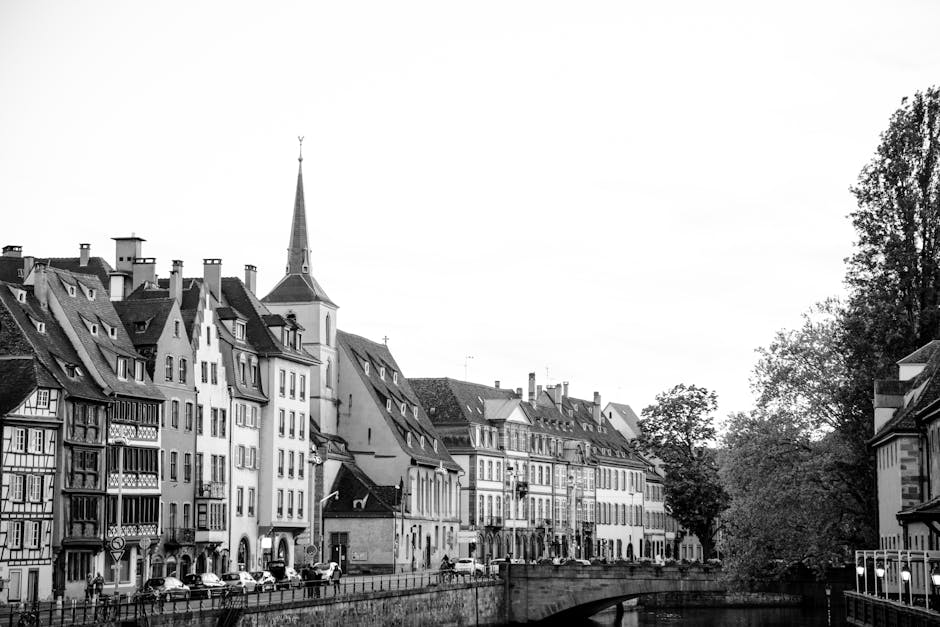 Easy
EasyStrasbourg, France
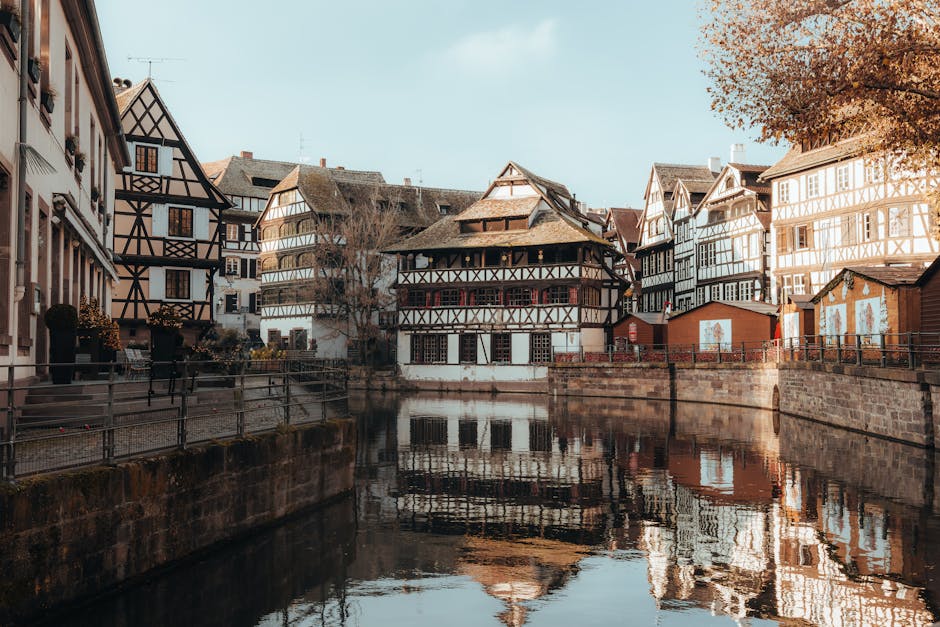
Discover Strasbourg’s soul on this self-guided stroll along historic quays, scenic bridges, and the fairytale canals of Petite France.
 Moderate
Strasbourg, France
Explore the military genius of Vauban on this self-guided walk through Strasbourg’s historic bridges, dams, and riverside defenses.
 Easy
EasyGothenburg, Sweden
Discover Gothenburg’s 17th-century Dutch foundations, historic canals, and military fortifications on this self-guided architectural walk.
 Moderate
Vienna, Austria
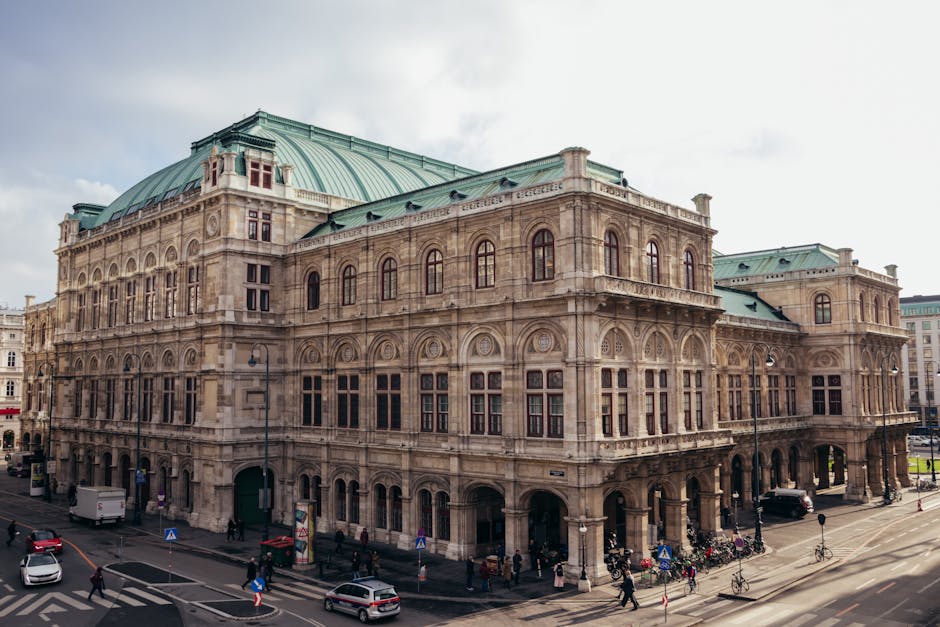
Discover the noir world of The Third Man and Cold War Vienna on this atmospheric self-guided audio walk through the historic Innere Stadt.
 Easy
EasyGothenburg, Sweden
Explore Gothenburg’s historic wooden houses, legendary giant cinnamon buns, and panoramic fortress views on this self-guided neighborhood stroll.
 Easy
EasyNairobi, Kenya
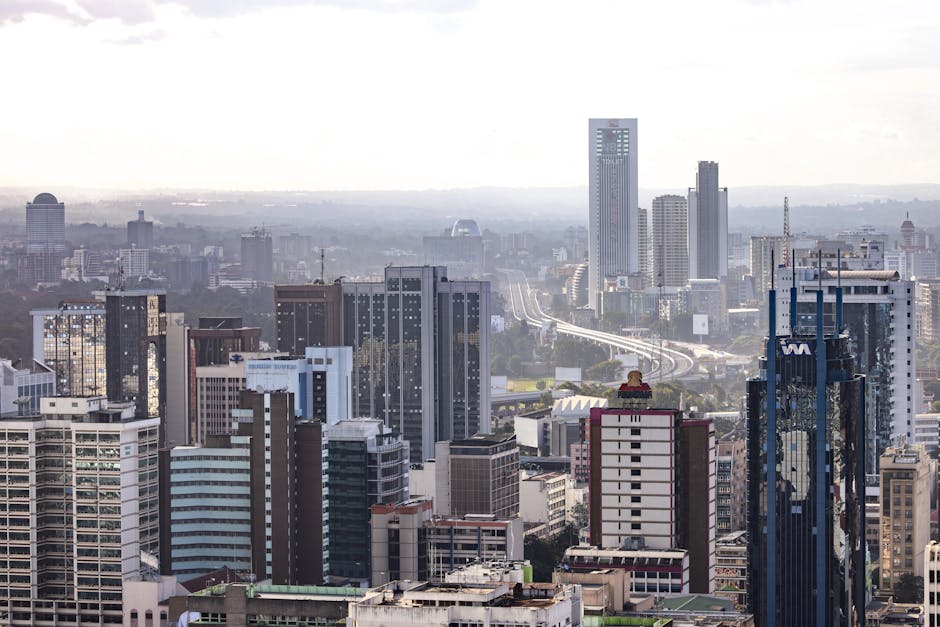
Explore Nairobi's architectural evolution from colonial-era landmarks to iconic Brutalist skyscrapers on this historic self-guided walking route.
 Challenging
Paris, France
Explore the secret vineyards, legendary artist studios, and hidden squares of Paris's iconic hilltop on this self-guided bohemian walking route.
 Easy
EasyParis, France
Explore the evolution of Parisian design from Art Nouveau whimsy to Le Corbusier's Modernist masterpieces on this self-guided architectural walk.
 Easy
EasyParis, France
Explore the flavors and history of Bastille on this self-guided walk through the legendary Aligre Market and the scenic Coulée Verte.
 Easy
EasyParis, France
Discover aristocratic mansions, secret medieval courtyards, and royal history on this self-guided walk through the enchanting Marais district.