Self-guided audio tour in Johannesburg
Start Free on iPhone
Start free on iPhone to unlock this self-guided walking tour in Johannesburg. Hear all the stories that make it amazing, walk at your own pace, and begin whenever you want.
Your Private Tour Guide
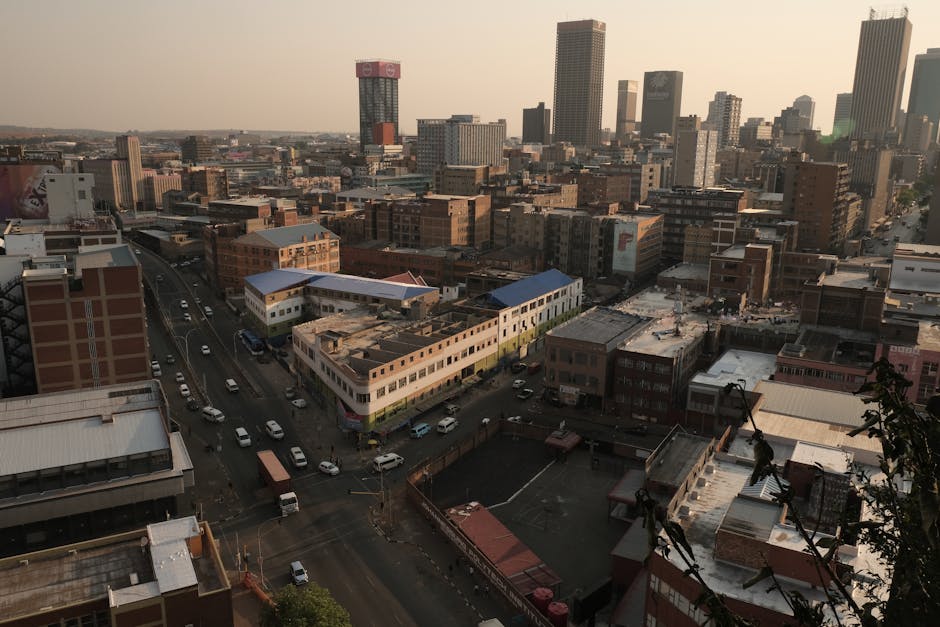
Johannesburg, often called the 'City of Gold,' is undergoing one of the most significant urban transformations in the Southern Hemisphere. This self-guided walk explores the pulse of the city’s creative heart, moving from the academic halls of Braamfontein through the gritty, neon-lit streets of Maboneng and into the industrial-chic spaces of Victoria Yards. You will discover how abandoned warehouses and former factories have been reimagined as vibrant galleries, independent cinemas, and lush urban gardens. This walking route highlights the resilience and creativity of Joburg’s residents, showcasing how art serves as a catalyst for social change and neighborhood rebirth. Along the way, you will encounter world-class African art at the Wits Art Museum and explore the very roots of humanity at the Origins Centre. The journey then shifts toward Newtown, where historical squares and science centers occupy repurposed industrial landmarks. A significant portion of this adventure is dedicated to the Maboneng Precinct, a once-neglected industrial zone that now stands as a beacon of urban cool. Here, street art is ephemeral and ever-changing; murals by local and international artists tell stories of struggle, hope, and Jozi’s unique identity. This exploration isn't just about the aesthetics of street art; it’s about understanding the layered history of South Africa. From the somber but inspiring grounds of Constitution Hill to the sprawling, book-filled corridors of Collectors Treasury, this neighborhood stroll offers a deep dive into the city's complex narrative. Whether you are interested in the architectural vision of Hallmark House or the community-driven spirit of Victoria Yards, this self-guided adventure provides the flexibility to linger at a gallery or grab a coffee at a local roastery whenever you choose. This walking tour Johannesburg experience is designed for those who want to see the city through the eyes of its creators, capturing the energy of a metropolis that is constantly reinventing itself. **Note:** This area is known for its ever-changing character. Street art, pop-up venues, and temporary exhibitions may differ from what's described. That's part of the adventure - you might discover something entirely new!
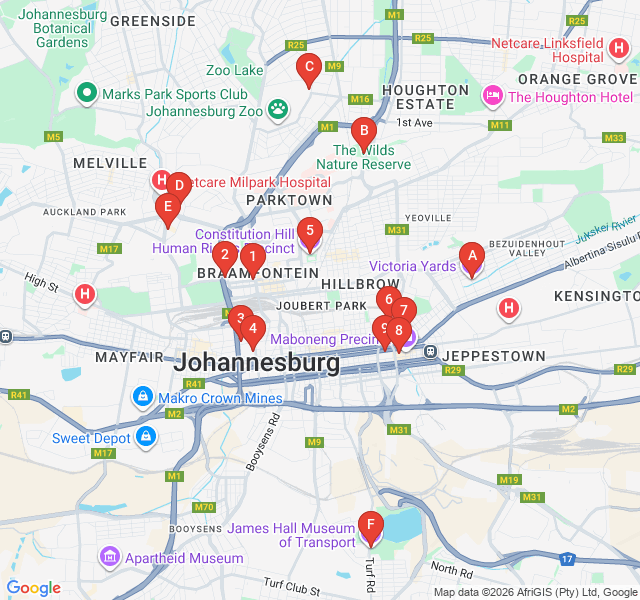
Numbers indicate the order of stops on the tour.
Start exploring at the Wits Art Museum, a premier destination for African art located in the bustling Braamfontein area. This museum houses an extraordinary collection of historical and contemporary works from across the continent. Unlike traditional galleries, WAM is integrated into the streetscape with large glass windows that invite the city inside. The rotating exhibitions often tackle complex social themes, reflecting the diversity of South African culture. Take a moment to appreciate the architecture itself—a repurposed building that signals the academic and creative energy of the surrounding university district. It sets the stage for a route focused on how space and art interact in Johannesburg.
A short walk brings you to the Origins Centre, a museum dedicated to exploring the history of humanity and the evolution of our species in Southern Africa. This stop offers a profound look at the region’s deep past, featuring ancient rock art and archaeological finds that date back millennia. The exhibits use modern technology and traditional storytelling to explain how the earliest humans lived and expressed themselves. It provides a fascinating contrast to the modern street art you will see later, reminding us that creative expression has been part of the Joburg landscape since the dawn of time.
As you move into Newtown, you arrive at Mary Fitzgerald Square. Named after a famous labor activist, this public space is the heart of the city's cultural precinct. The square is surrounded by landmarks like the Market Theatre and is often used for festivals and public gatherings. Look around at the repurposed industrial buildings; this area was one of the first to undergo urban renewal in the early 2000s. The history of jazz, protest, and performance is baked into the bricks here. It’s a great spot to observe the city’s architectural evolution from a mining hub to a cultural center.
Housed in the former Electric Workshop, a massive 1900s power station, the Sci-Bono Discovery Centre is a testament to industrial rebirth. While it is now a leading science and technology center, the building retains its grand industrial scale and character. This stop illustrates how Johannesburg preserves its 'Golden Age' infrastructure by giving it a new, educational purpose. The sheer volume of the space is impressive, reflecting the city's history as the industrial powerhouse of Africa. It serves as a bridge between the historical Newtown district and the modern creative hubs further east.
Constitution Hill is perhaps the most significant historical stop on this route. Once a notorious prison complex that held both Mahatma Gandhi and Nelson Mandela, it is now the home of South Africa’s Constitutional Court. The site is a powerful symbol of the transition from the darkness of Apartheid to the light of democracy. You can explore the contrast between the harsh prison cells and the beautiful, light-filled court building, which was constructed using bricks from the old prison walls. It is a site of memory, justice, and profound architectural beauty that anchors the city’s identity.
Moving toward the Maboneng area, you will find Hallmark House. Originally an industrial warehouse, it was redesigned by world-renowned architect David Adjaye. It now stands as a luxury mixed-use building, featuring a hotel, apartments, and a rooftop bar with sweeping city views. Hallmark House represents the more upscale side of urban regeneration in Johannesburg. It shows how high-end design can breathe new life into the city’s skyline while maintaining an edgy, industrial aesthetic. The building’s sleek, modular exterior is a favorite for photographers and architecture enthusiasts alike.
AGOG is a multifaceted creative space that captures the eclectic spirit of Maboneng. Part art gallery, part whiskey bar, and part event space, it is housed in a restored four-story building. The galleries here often feature emerging local artists, making it a great place to see the latest trends in the Johannesburg art scene. The rooftop offers another perspective on the surrounding neighborhood, which is densely packed with murals and street life. AGOG exemplifies the 'work-play-create' philosophy that defines the Maboneng Precinct’s rebirth.
Arts on Main is the undisputed birthplace of the Maboneng Precinct. This converted warehouse complex was the first major project to draw artists and creative businesses back to the inner city. It houses the studio of world-famous artist William Kentridge, along with various galleries, print shops, and workspaces. On weekends, the courtyard buzzes with life, but on any day, you can feel the creative energy in the air. The mix of old machinery, industrial pipes, and cutting-edge art installations makes this one of the most Instagram-worthy spots in the city.
Prepare to be overwhelmed in the best way possible at Collectors Treasury. This is the largest secondhand bookstore in the Southern Hemisphere, spanning eight floors and housing over a million items. Books are stacked from floor to ceiling in winding labyrinths that include rare first editions, vinyl records, and maps. It is a legendary Johannesburg institution that feels like a time capsule. While the neighborhood around it changes rapidly, the Treasury remains a steadfast monument to the written word. Navigating its narrow aisles is an adventure in itself, and you never know what forgotten treasure you might find.
A short journey east leads to Victoria Yards, a former industrial complex that has been transformed into a thriving ecosystem of artisan studios, urban farms, and community projects. Unlike some gentrified areas, Victoria Yards focuses on social enterprise and sustainable development. You can walk through gardens where vegetables grow alongside metal workshops and silk-screening studios. The atmosphere here is peaceful and collaborative, offering a different model for urban renewal that prioritizes local craftsmanship and green space. It is a beautiful example of how a city can heal through collective creativity.
The Wilds is a hidden gem that has recently seen a spectacular revival. This inner-city nature reserve was once neglected but has been restored through community efforts and the addition of vibrant metal sculptures by artist James Delaney. As you walk the stone paths, you will see colorful owls, giraffes, and abstract forms perched among the indigenous flora. It offers one of the best views of the Johannesburg skyline, providing a moment of tranquility amidst the urban bustle. The rebirth of The Wilds is a testament to the power of public-private partnerships in reclaiming city spaces.
Located in the leafy northern edge of the route, this museum offers a deep dive into the conflicts that have shaped South Africa. From the Anglo-Boer Wars to World War II and the Border War, the collection of planes, tanks, and uniforms is extensive. While the theme is military, the museum also explores the social impact of these wars. The large hangers and outdoor displays allow you to get up close to historical technology. It provides a sobering but necessary look at the forces that have influenced the country's trajectory over the last century.
This stop highlights the grassroots community spirit of Johannesburg. Frank Brown Park is home to the Brainwashers Netball Academy, a local initiative that uses sport to empower young women in the community. Seeing the courts in use is a reminder that urban rebirth isn't just about buildings and galleries; it's about the people who live and play here. It’s a vibrant, active space that shows the 'real' Joburg, away from the more polished tourist zones. The energy here is infectious and represents the youthful, resilient spirit of the city.
The Bioscope is an independent cinema that has become a cornerstone of the city’s alternative cultural scene. Now located in the 44 Stanley precinct (a repurposed 1930s industrial site), it screens local films, documentaries, and cult classics that you won't find in mainstream theaters. The Bioscope is more than just a movie house; it’s a hub for local filmmakers and storytellers. Note that while its location has changed over the years, its mission remains the same: to provide a platform for South African voices. The surrounding 44 Stanley area, with its interconnected courtyards and boutiques, is a perfect example of refined urban reuse.
Conclude your journey at the James Hall Museum of Transport, the largest and most comprehensive museum of land transport in South Africa. The collection ranges from animal-drawn carts and steam engines to vintage cars and the iconic red double-decker buses that once roamed Joburg’s streets. It’s a nostalgic look at how the city moved and grew over the decades. As you walk through the various halls, you can trace the technological progress that fueled the city's expansion. It’s a fitting end to a route that explores the constant motion and evolution of Johannesburg.
Start Free on iPhone
Explore “Maboneng Street Art and Urban Rebirth” with your very own Private Tour Guide with Zigway. Start free on iPhone, skip the large group and the fixed routes, and hear the city come alive as you go.
Your Private Tour Guide
Don't miss the good stuff
Explore Freely
 Easy
EasyJohannesburg, South Africa
Explore Johannesburg's cultural soul on this self-guided walk through Newtown’s historic theaters, jazz venues, and powerful migrant labor museums.
 Easy
EasyJohannesburg, South Africa
Discover the 'City of Gold' on this self-guided walk through Johannesburg’s historic mining district, from Gandhi Square to Mandela’s law office.
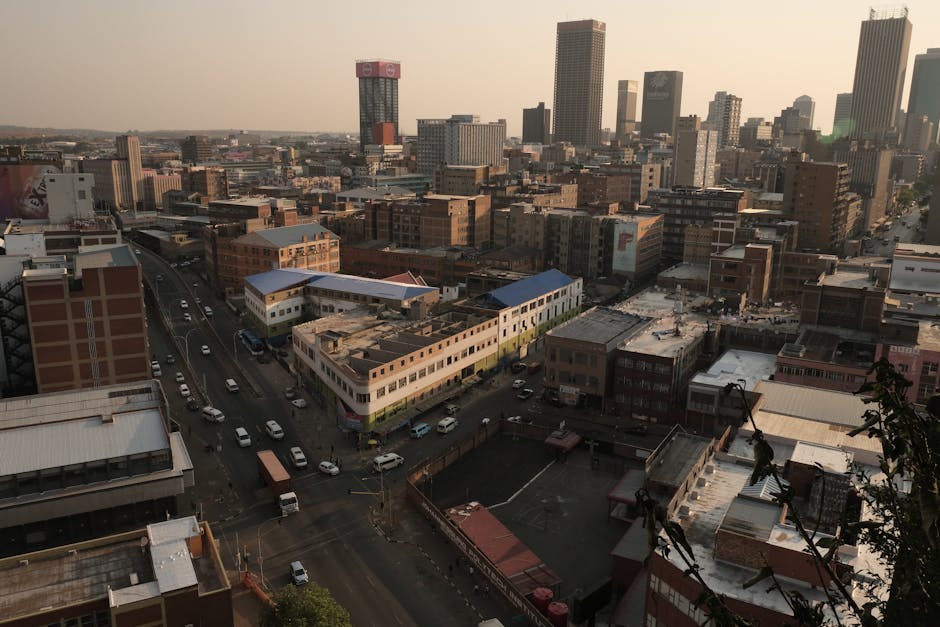 Moderate
Johannesburg, South Africa
Explore the creative soul of Johannesburg on this self-guided walk through Melville’s iconic bookstores, cafes, and ancient ridges.
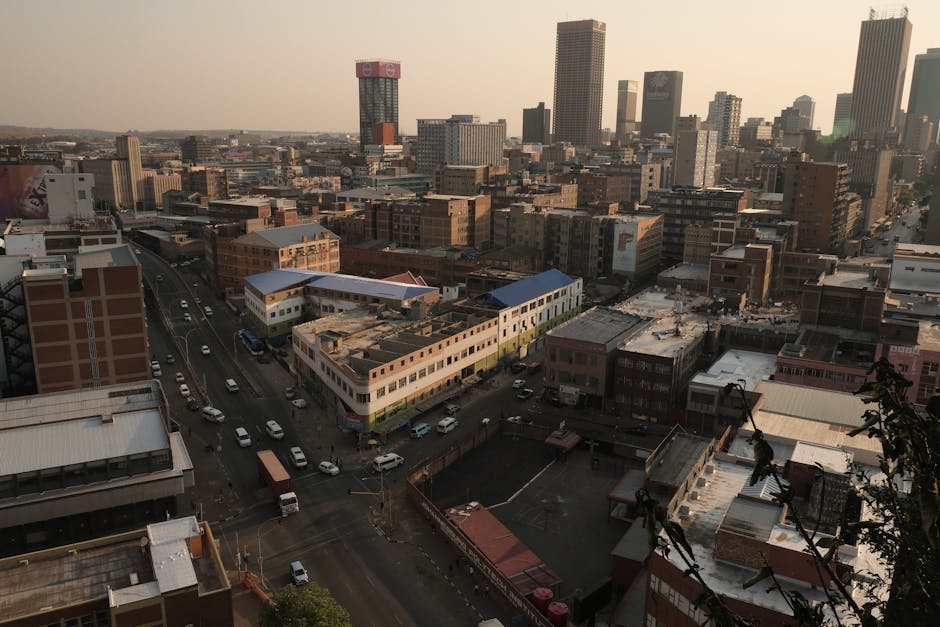 Easy
EasyJohannesburg, South Africa
A sensory self-guided walk through Johannesburg's Indian district, featuring aromatic spices, legendary street food, and rich anti-apartheid history.
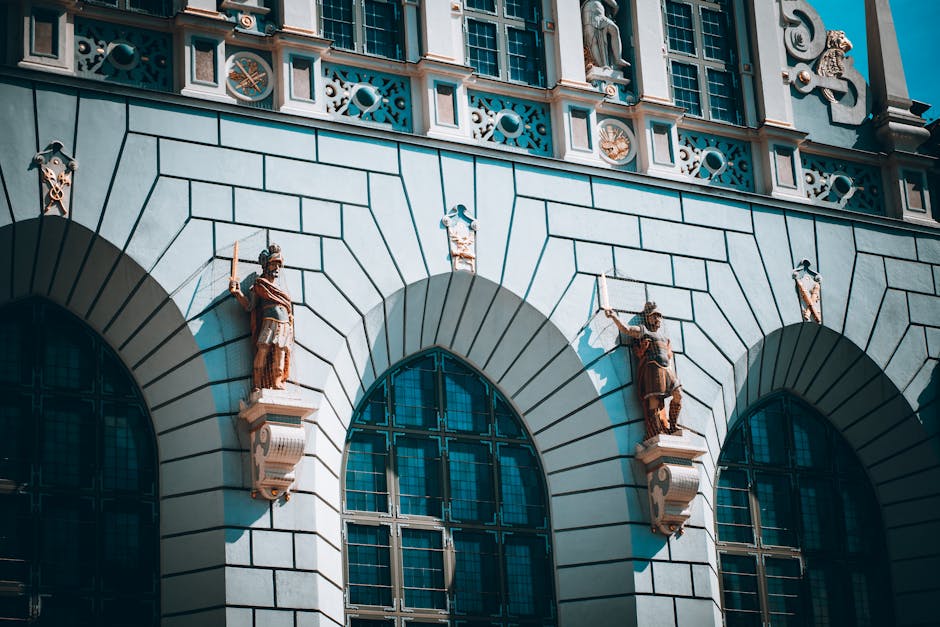 Moderate
Gdansk, Poland
Discover Zaspa, a massive open-air gallery where grey housing blocks are transformed by over 60 monumental murals. Explore at your own pace.
 Moderate
Nairobi, Kenya
Discover the pulse of Nairobi's contemporary art scene on this self-guided walk through the galleries and creative spaces of Kilimani.
 Easy
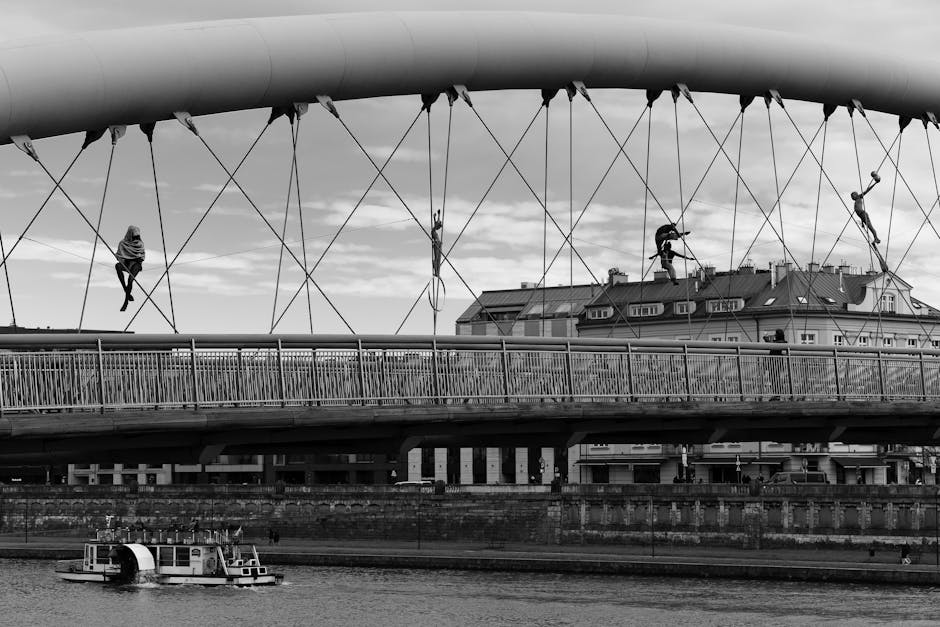
EasyKrakow, Poland
Discover Krakow’s creative soul in Zabłocie, exploring industrial heritage, contemporary art museums, and avant-garde architecture at your own pace.
 Easy
EasyHelsinki, Finland
Discover Helsinki's oldest neighborhood on this self-guided audio walk through Kruununhaka’s historic streets, hidden courtyards, and scenic shores.
 Moderate
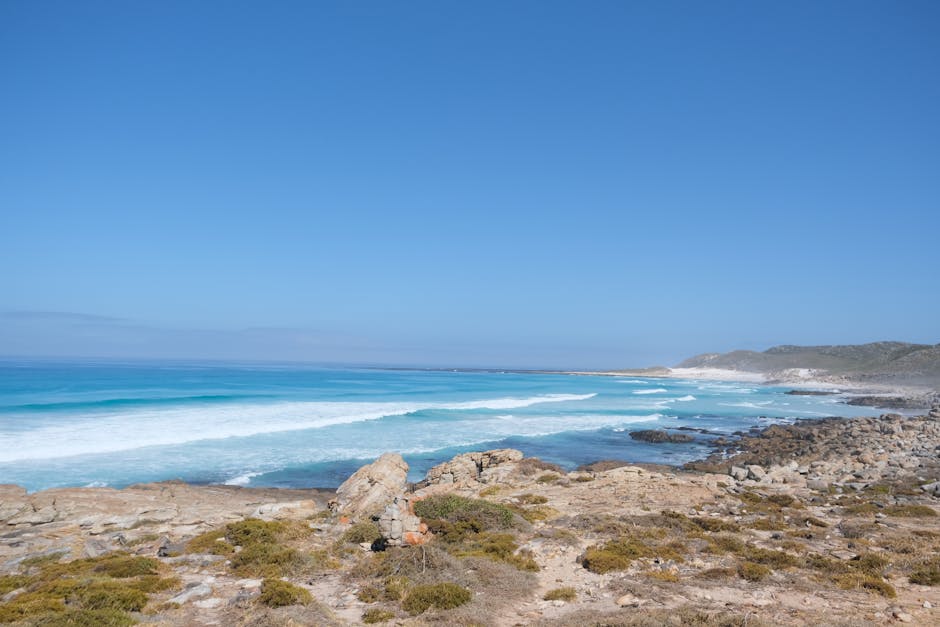
Cape Town, South Africa
Explore the vibrant murals and creative hubs of Woodstock on this self-guided neighborhood stroll through Cape Town's artistic heart.
 Easy
EasyCape Town, South Africa
Explore the evolution of Cape Town’s harbor from its 18th-century roots to a modern cultural hub on this self-guided maritime history walk.
 Easy
EasyCape Town, South Africa
Discover the heritage of Cape Town on this self-guided audio walk through the historic Company’s Garden and its surrounding landmarks.
 Easy
EasyCape Town, South Africa
Explore Cape Town's bohemian heart and scientific heritage on this self-guided walk through the eclectic and historic Observatory neighborhood.